Data Scientist, ML Engineer, or AI Engineer – The 2026 Career Choice That Changes Everything

Advertisements

Introduction

The AI industry is moving faster than almost any technological revolution in history. Every month, new tools appear, startups explode overnight, companies restructure entire departments around artificial intelligence, and thousands of professionals suddenly realize that the career path they chose only a year ago may already be evolving into something entirely different.

And this is where confusion begins.

A beginner opens YouTube and hears someone say that Data Science is dying. Another creator claims Machine Learning Engineering is the future. Then another insists that AI Engineering is the highest-paying career on Earth. LinkedIn adds even more noise, with professionals constantly changing their job titles depending on market trends. Suddenly, people no longer know what these careers actually mean.

Should you become a Data Scientist?
Is Machine Learning Engineering too difficult?
Is AI Engineering just a trendy buzzword?
Which role has the best salary?
Which one survives automation?
Which one is best for freelancers?
Which one allows remote work?
Which one is safest for the next ten years?

These are not small questions anymore. In 2026, choosing the wrong specialization can waste years of learning effort, thousands of hours, and enormous emotional energy. Many people spend months studying topics they never truly enjoy, only because social media convinced them that a particular role was “hot.”

But the reality is more nuanced than most articles explain.

The truth is that these three careers are deeply connected, yet fundamentally different in mindset, daily workflow, technical responsibilities, and long-term career trajectory. And choosing the right one is not about chasing hype. It is about understanding how your personality, strengths, problem-solving style, and career goals align with the actual work professionals perform every single day.

This guide is designed to remove the confusion completely.

By the end of this article, you will understand:

  • What each role truly does in real companies
  • The skills required for each career
  • The tools and technologies professionals use daily
  • Salary expectations and hiring trends in 2026
  • Which career is easier to enter
  • Which role is most future-proof
  • Which path is ideal for creatives, analysts, coders, and builders
  • And most importantly: which one fits YOU

If you have ever felt overwhelmed by AI career advice online, this article is meant to give you clarity instead of hype.

Why AI Careers Are Exploding in 2026

Artificial intelligence is no longer a futuristic experiment hidden inside research labs. It is now embedded into search engines, customer support systems, healthcare platforms, cybersecurity tools, financial forecasting systems, recommendation engines, robotics, autonomous workflows, marketing automation, and nearly every major digital product people use daily.

Companies are no longer asking whether they should use AI. They are asking how quickly they can integrate it before competitors overtake them.

This has created an unprecedented demand for professionals who can:

  • Analyze data
  • Build intelligent systems
  • Train machine learning models
  • Deploy scalable AI products
  • Automate business decisions
  • Optimize operational efficiency

But the industry split these responsibilities into specialized roles. That is why Data Scientists, ML Engineers, and AI Engineers emerged as distinct career tracks.

At first glance, they seem similar because all three involve Python, algorithms, and AI concepts. But once you step inside real-world projects, the differences become dramatic.

One role focuses heavily on extracting insights from data.
Another concentrates on building scalable machine learning infrastructure.
The third focuses on integrating modern AI systems into products and applications.

Understanding this distinction is the key to avoiding years of frustration.

A Data Scientist is fundamentally a decision-making specialist.

Their primary responsibility is not merely building AI models. Instead, they focus on understanding data deeply enough to extract insights that help businesses make smarter decisions.

A professional Data Scientist spends enormous amounts of time:

  • Cleaning messy datasets
  • Finding hidden patterns
  • Building predictive models
  • Creating dashboards and reports
  • Performing statistical analysis
  • Conducting experiments
  • Communicating findings to stakeholders

In many companies, Data Scientists act as translators between raw data and business strategy.

For example:

  • An e-commerce company may use Data Science to predict customer churn.
  • A hospital may analyze patient risk factors.
  • A bank may detect fraudulent behavior patterns.
  • A streaming platform may improve recommendation systems.

The role is analytical, investigative, and highly research-oriented.

People who enjoy curiosity-driven thinking usually thrive here. If you love asking questions such as:

  • “Why did this happen?”
  • “What pattern exists here?”
  • “What does the data reveal?”
  • “Can we predict future behavior?”

…then Data Science can feel intellectually addictive.

However, many beginners misunderstand this field. They imagine glamorous AI model creation all day long. In reality, much of Data Science involves data cleaning, statistical reasoning, stakeholder communication, and experimentation.

The strongest Data Scientists are often people who enjoy both mathematics and storytelling simultaneously.

Core Skills Required for Data Scientists

A successful Data Scientist in 2026 usually needs:

  • Python
  • SQL
  • Statistics
  • Probability
  • Data visualization
  • Exploratory Data Analysis (EDA)
  • Machine learning fundamentals
  • Business intelligence thinking
  • Communication skills

Mathematics matters significantly in this field, especially statistics.

For example, concepts such as probability distributions, regression, variance, and hypothesis testing are foundational.

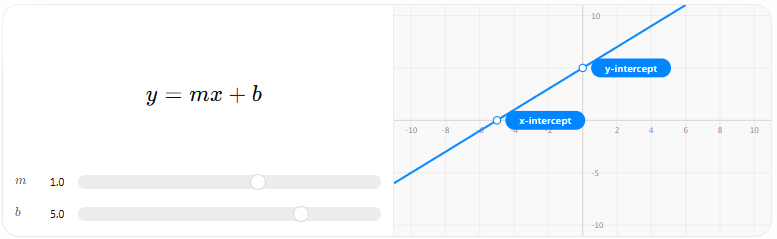
One of the most important formulas frequently used in predictive analytics is linear regression:

This formula may look simple, but it represents one of the foundational concepts behind predictive modeling and trend estimation.

Data Scientists also work heavily with tools such as:

  • Pandas
  • NumPy
  • Scikit-learn
  • Power BI
  • Tableau
  • Jupyter Notebook
  • Matplotlib

What a Machine Learning Engineer Actually Does

A Machine Learning Engineer sits closer to software engineering than traditional analytics.

While a Data Scientist asks:

“Can we create a predictive model?”

…the ML Engineer asks:

“Can we deploy this model reliably for millions of users?”

This role is far more engineering-intensive.

Machine Learning Engineers build production systems capable of:

  • Training models at scale
  • Serving predictions in real time
  • Optimizing inference speed
  • Managing ML pipelines
  • Monitoring model performance
  • Handling cloud deployment
  • Automating retraining workflows

In simple terms:
Data Scientists often create prototypes.
ML Engineers transform those prototypes into real-world products.

Imagine a recommendation system for a massive streaming platform. A Data Scientist may design the algorithm, but the ML Engineer ensures it runs efficiently for millions of users simultaneously without crashing infrastructure.

This role requires stronger software engineering discipline than Data Science.

People who enjoy:

  • Backend systems
  • Infrastructure
  • Optimization
  • APIs
  • Performance engineering
  • Scalability
  • Deployment pipelines

…usually prefer Machine Learning Engineering.

Advertisements

Skills Required for ML Engineers

Machine Learning Engineers typically require:

  • Advanced Python
  • Software engineering principles
  • APIs and backend development
  • Docker
  • Kubernetes
  • Cloud platforms
  • CI/CD pipelines
  • MLOps
  • Model deployment
  • Deep learning frameworks

They often work with:

  • TensorFlow
  • PyTorch
  • FastAPI
  • AWS
  • Google Cloud
  • Azure
  • MLflow
  • Kubernetes

Unlike pure Data Science roles, ML Engineering strongly rewards engineering discipline, system design, and production reliability.

Many companies increasingly prioritize ML Engineers because building AI prototypes is no longer enough. Businesses need AI systems that function continuously in production environments.

This is why ML Engineering salaries have surged dramatically in recent years.

What an AI Engineer Actually Does

AI Engineering has become one of the hottest and most misunderstood careers in 2026.

An AI Engineer focuses on integrating modern AI capabilities into products, applications, and workflows.

This role exploded alongside:

  • Large Language Models (LLMs)
  • Generative AI
  • AI agents
  • Autonomous systems
  • AI copilots
  • Retrieval-Augmented Generation (RAG)
  • Multi-modal AI systems

Unlike traditional ML Engineers, AI Engineers frequently work directly with advanced AI APIs and foundation models.

Their work often includes:

  • Building AI chat systems
  • Creating AI automation pipelines
  • Integrating LLMs into products
  • Prompt engineering
  • Fine-tuning AI models
  • Designing AI workflows
  • Building AI agents
  • Connecting tools and vector databases

This role is evolving incredibly fast because the AI ecosystem itself changes almost monthly.

An AI Engineer may build:

  • AI customer support agents
  • AI content generation systems
  • AI coding assistants
  • AI-powered business automation
  • AI research tools
  • AI video workflows

The role combines:

  • Software engineering
  • Applied AI
  • Product thinking
  • Automation architecture

This makes AI Engineering one of the most versatile careers today.

Skills Required for AI Engineers

AI Engineers usually need:

  • Python
  • APIs
  • LLM frameworks
  • Vector databases
  • Prompt engineering
  • RAG architecture
  • AI workflow orchestration
  • Cloud deployment
  • AI product integration

Popular tools include:

  • LangChain
  • OpenAI APIs
  • Hugging Face
  • Pinecone
  • Weaviate
  • Ollama
  • CrewAI
  • AutoGen
  • FastAPI

Unlike traditional Data Science, AI Engineering is less mathematics-heavy and more product-oriented.

This is one reason many developers are transitioning into AI Engineering faster than into classical Data Science.

The Biggest Misconception About These Careers

One of the largest misconceptions online is the belief that these are completely separate worlds.

They are not.

In reality:

  • Many Data Scientists learn ML Engineering.
  • Many ML Engineers transition into AI Engineering.
  • Many AI Engineers still use Data Science concepts daily.

These fields overlap heavily.

Think of them as different layers:

  • Data Science = understanding data
  • ML Engineering = deploying intelligent systems
  • AI Engineering = building AI-powered products

The best professionals increasingly understand all three at least partially.

Salary Expectations in 2026

Salaries vary by country, experience level, and company size, but overall trends show strong growth across all three careers.

Generally:

  • Data Scientists earn very well in analytics-heavy industries.
  • ML Engineers often command higher salaries due to infrastructure complexity.
  • AI Engineers currently experience explosive salary growth because of generative AI demand.

In many global markets:

  • Junior professionals can already secure impressive compensation.
  • Senior AI Engineers at top companies earn extraordinary salaries.
  • Freelancers with practical AI integration skills are generating significant independent income.

But salary alone is dangerous as a career compass.

A high-paying role that destroys your motivation is not sustainable long term.

Which Career Is Easiest for Beginners?

This depends entirely on your background.

If you enjoy analytics, business thinking, and statistics:
→ Data Science may feel natural.

If you already enjoy coding and backend systems:
→ ML Engineering may fit better.

If you love building modern AI tools quickly:
→ AI Engineering may be the most exciting path.

Ironically, many beginners today start directly with AI Engineering because modern AI APIs dramatically reduce infrastructure complexity.

However, skipping fundamentals completely is risky.

Professionals who understand underlying ML concepts usually adapt faster when technologies evolve.

Which Career Is Most Future-Proof?

This question dominates online discussions.

The answer is nuanced.

Data Science remains foundational because businesses will always need insights from data.

ML Engineering remains critical because scalable AI infrastructure is becoming more important every year.

AI Engineering is growing explosively because generative AI adoption is accelerating globally.

But here is the deeper truth:

The safest career in 2026 is not tied to a job title.
It is tied to adaptability.

Technology changes too quickly for rigid specialization alone.

The professionals surviving long term are those who:

  • Continuously learn
  • Build projects
  • Understand systems deeply
  • Combine technical and communication skills
  • Adapt faster than the market changes

A Realistic Learning Roadmap

If you feel overwhelmed, do not panic.

You do NOT need to master everything immediately.

A practical roadmap looks like this:

Learn:

  • Python
  • SQL
  • Git
  • Statistics basics
  • Data structures
  • APIs

Learn:

  • Machine learning fundamentals
  • Model evaluation
  • Data preprocessing
  • Neural networks

A foundational concept behind neural networks is gradient optimization:

Understanding optimization functions like this helps explain how machine learning systems improve prediction accuracy during training.

Then decide:

  • Analytics → Data Science
  • Infrastructure → ML Engineering
  • AI Products → AI Engineering

This is the stage most people avoid.

Projects matter more than certificates.

Build:

  • AI chatbots
  • Recommendation systems
  • Fraud detection systems
  • Predictive dashboards
  • AI workflow automations

Employers increasingly care about demonstrable capability rather than theoretical memorization.

The Career Nobody Talks About: Hybrid AI Professionals

One of the most powerful trends in 2026 is the rise of hybrid professionals.

These are people who combine:

  • AI skills
  • Design thinking
  • Business understanding
  • Content creation
  • Marketing
  • Automation
  • Product development

A professional who understands both AI systems and business problems becomes extraordinarily valuable.

This is why freelancers, startup founders, creators, and independent consultants are thriving in the AI era.

The future increasingly belongs to people who can connect disciplines together.

The Most Important Question You Must Ask Yourself

Do not ask:

“Which role pays the most?”

Ask:

“Which daily workflow would I actually enjoy for years?”

Because eventually:

  • Data Science becomes frustrating if you hate analysis.
  • ML Engineering becomes exhausting if you dislike infrastructure.
  • AI Engineering becomes chaotic if you hate rapid technological change.

Career sustainability depends on alignment, not hype.

Conclusion

The AI revolution is creating one of the greatest career opportunities in modern history. But opportunity without clarity creates confusion, distraction, and wasted years.

Data Scientists transform raw information into insight.
ML Engineers transform models into scalable systems.
AI Engineers transform intelligent capabilities into real-world products.

None of these careers is universally “better” than the others.

The right path depends on:

  • Your mindset
  • Your curiosity
  • Your strengths
  • Your tolerance for complexity
  • Your long-term goals

And perhaps the most encouraging reality of all is this:

You are not permanently locked into one path forever.

Many professionals evolve naturally across these roles over time. The most important step is simply starting intelligently instead of blindly following trends.

2026 will reward people who learn strategically, adapt continuously, and build relentlessly.

The question is no longer whether AI will shape the future.

The question is whether you will shape your future with it.

Advertisements

عالم بيانات، مهندس تعلم آلي، أم مهندس ذكاء اصطناعي؟ الخيار المهني لعام ٢٠٢٦ الذي سيغير كل شيء

Advertisements

يشهد قطاع الذكاء الاصطناعي تطوراً متسارعاً يفوق أي ثورة تكنولوجية في التاريخ، ففي كل شهر تظهر أدوات جديدة وتزدهر الشركات الناشئة بسرعة البرق وتعيد الشركات هيكلة أقسامها بالكامل لتتمحور حول الذكاء الاصطناعي ويدرك آلاف المهنيين فجأة أن المسار المهني الذي اختاروه قبل عام واحد فقط قد يكون قد بدأ يتطور إلى شيء مختلف تماماً

وهنا يبدأ الارتباك

يفتح المبتدئ موقع يوتيوب فيسمع أحدهم يقول إن علم البيانات يحتضر، ويدّعي آخر أن هندسة التعلم الآلي هي المستقبل، ثم يصرّ ثالث على أن هندسة الذكاء الاصطناعي هي أعلى المهن أجراً في العالم، ويزيد موقع لينكدإن من هذا التشويش حيث يغير المهنيون مسمياتهم الوظيفية باستمرار تبعاً لاتجاهات السوق، وفجأة لم يعد الناس يعرفون المعنى الحقيقي لهذه المهن

هل يجب أن تصبح عالم بيانات؟ •

هل هندسة التعلم الآلي صعبة للغاية؟ •

هل هندسة الذكاء الاصطناعي مجرد مصطلح رائج؟ •

أي وظيفة تقدم أفضل راتب؟ •

أي وظيفة تصمد أمام الأتمتة؟ •

أي وظيفة هي الأنسب للعاملين لحسابهم الخاص؟ أيها يسمح بالعمل عن بُعد؟ •

أيّها الأكثر أماناً للعشر سنوات القادمة؟ •

لم تعد هذه أسئلة بسيطة، ففي عام ٢٠٢٦ قد يُهدر اختيار التخصص الخاطئ سنوات من الجهد المبذول في التعلم وآلاف الساعات وطاقة عاطفية هائلة، إذ يقضي الكثيرون شهوراً في دراسة مواضيع لا يستمتعون بها حقاً لمجرد أن وسائل التواصل الاجتماعي أقنعتهم بأن وظيفة معينة مطلوبة بشدة

لكن الحقيقة أكثر تعقيداً مما توضحه معظم المقالات

الحقيقة هي أن هذه المهن الثلاث مترابطة ترابطاً وثيقاً، ومع ذلك فهي مختلفة جوهرياً في طريقة التفكير وسير العمل اليومي والمسؤوليات التقنية والمسار الوظيفي طويل الأمد، واختيار المهنة المناسبة لا يتعلق بملاحقة الضجة الإعلامية بل بفهم كيف تتوافق شخصيتك ونقاط قوتك وأسلوبك في حل المشكلات وأهدافك المهنية مع العمل الفعلي الذي يؤديه المحترفون يومياً

صُمم هذا الدليل لإزالة أي لبس تماماً

: بنهاية هذا المقال ستفهم ما يلي

الدور الوظيفي في الشركات الحقيقية •

المهارات المطلوبة لكل مسار وظيفي •

الأدوات والتقنيات التي يستخدمها المحترفون يومياً •

توقعات الرواتب واتجاهات التوظيف في عام ٢٠٢٦ •

أي مسار وظيفي أسهل للالتحاق به؟ •

أي دور وظيفي هو الأكثر ضماناً لمستقبلك المهني؟ •

أي مسار وظيفي هو الأنسب للمبدعين والمحللين والمبرمجين والمطورين؟ •

والأهم من ذلك: أي مسار يناسبك أنت؟ •

إذا شعرت يوماً بالحيرة من كثرة النصائح المهنية المتعلقة بالذكاء الاصطناعي على الإنترنت فهذا المقال مصمم ليمنحك الوضوح بدلاً من المبالغة

لم يعد الذكاء الاصطناعي مجرد تجربة مستقبلية محصورة في مختبرات الأبحاث، بل أصبح جزءاً لا يتجزأ من محركات البحث وأنظمة دعم العملاء ومنصات الرعاية الصحية وأدوات الأمن السيبراني وأنظمة التنبؤ المالي وأنظمة التوصيات والروبوتات وسير العمل الآلي وأتمتة التسويق وكل منتج رقمي رئيسي تقريباً يستخدمه الناس يومياً

لم تعد الشركات تتساءل عما إذا كان ينبغي عليها استخدام الذكاء الاصطناعي بل تتساءل عن مدى سرعة دمجه قبل أن يتفوق عليها المنافسون

: أدى هذا إلى طلب غير مسبوق على المتخصصين القادرين على

تحليل البيانات •

بناء أنظمة ذكية •

تدريب نماذج التعلم الآلي •

نشر منتجات ذكاء اصطناعي قابلة للتطوير •

أتمتة قرارات الأعمال •

تحسين الكفاءة التشغيلية •

لكن القطاع قسّم هذه المسؤوليات إلى أدوار متخصصة، ولهذا السبب برزت وظائف علماء البيانات ومهندسي التعلم الآلي ومهندسي الذكاء الاصطناعي كمسارات وظيفية متميزة

للوهلة الأولى تبدو هذه الوظائف متشابهة لأنها جميعاً تتضمن لغة بايثون والخوارزميات ومفاهيم الذكاء الاصطناعي، ولكن بمجرد الخوض في مشاريع واقعية تصبح الاختلافات جوهرية

يركز أحد الأدوار بشكل كبير على استخلاص الرؤى من البيانات

ويركز دور آخر على بناء بنية تحتية قابلة للتطوير للتعلم الآلي

ويركز الدور الثالث على دمج أنظمة الذكاء الاصطناعي الحديثة في المنتجات والتطبيقات

إن فهم هذا التمييز هو المفتاح لتجنب سنوات من الإحباط

عالم البيانات هو في الأساس متخصص في اتخاذ القرارات

إن مسؤوليته الأساسية لا تقتصر على بناء نماذج الذكاء الاصطناعي فحسب، بدلاً من ذلك يركزون على فهم البيانات بعمق كافٍ لاستخلاص رؤى تساعد الشركات على اتخاذ قرارات أكثر ذكاءً

:يقضي عالم البيانات المحترف قدراً هائلاً من وقته في

           تنظيف مجموعات البيانات غير المنظمة •

           اكتشاف الأنماط الخفية •

           بناء النماذج التنبؤية •

           إنشاء لوحات المعلومات والتقارير •

          إجراء التحليلات الإحصائية •

           تنفيذ التجارب •

          إيصال النتائج إلى أصحاب المصلحة •

وفي العديد من الشركات يؤدي علماء البيانات دور المترجمين الذين يربطون بين البيانات الأولية واستراتيجية الأعمال

: على سبيل المثال

           قد تستخدم شركة للتجارة الإلكترونية علم البيانات للتنبؤ بمعدلات تخلّي العملاء عن الخدمة •

          قد يقوم أحد المستشفيات بتحليل عوامل الخطر المرتبطة بالمرضى •

           قد يعمل أحد البنوك على رصد أنماط السلوك الاحتيالي •

          قد تعمل إحدى منصات البث الرقمي على تحسين أنظمة التوصيات الخاصة بها •

تتسم هذه الوظيفة بطابع تحليلي واستقصائي وتعتمد بشكل كبير على البحث والتقصي

وعادةً ما يزدهر في هذا المجال الأشخاص الذين يستمتعون بالتفكير القائم على الفضول وحب الاستطلاع، فإذا كنت ممن يحبون طرح أسئلة مثل

          “لماذا حدث هذا الأمر؟” •

           “ما هو النمط الموجود هنا؟” •

          “ماذا تكشف عنه البيانات؟” •

          “هل يمكننا التنبؤ بالسلوك المستقبلي؟” •

فإن علم البيانات قد يمثل لك تجربة “إدمانية” من الناحية الفكرية …

ومع ذلك فإن العديد من المبتدئين يسيئون فهم هذا المجال؛ إذ يتخيلون أن العمل فيه يقتصر على بناء نماذج الذكاء الاصطناعي البراقة طوال اليوم، ولكن في الواقع ينطوي جزء كبير من علم البيانات على تنظيف البيانات والاستدلال الإحصائي والتواصل مع أصحاب المصلحة وإجراء التجارب وغالباً ما يكون علماء البيانات الأكثر تميزاً هم أولئك الذين يستمتعون بالجمع بين الرياضيات وسرد القصص في آنٍ واحد

المهارات الأساسية المطلوبة لعلماء البيانات

:عادةً ما يحتاج عالم البيانات الناجح في عام 2026 إلى إتقان المهارات التالية

Python لغة البرمجة •

SQL لغة الاستعلامات الهيكلية •

الإحصاء •

الاحتمالات •

Data Visualization تصوير البيانات •

 (EDA) تحليل البيانات الاستكشافي •

(Machine Learning) أساسيات التعلم الآلي •

التفكير القائم على ذكاء الأعمال •

مهارات التواصل •

تحظى الرياضيات بأهمية كبيرة في هذا المجال ولا سيما علم الإحصاء

:فعلى سبيل المثال تُعد مفاهيم مثل

(Regression) التوزيعات الاحتمالية والانحدار

(Variance) والتباين

واختبار الفرضيات مفاهيماً جوهرية وأساسية

:ومن أهم المعادلات التي تُستخدم بكثرة في مجال التحليلات التنبؤية معادلة الانحدار الخطي

قد تبدو هذه الصيغة بسيطة لكنها تمثل أحد المفاهيم الأساسية وراء النمذجة التنبؤية وتقدير الاتجاهات

: يعمل علماء البيانات أيضاً بشكل مكثف مع أدوات مثل

Pandas •

NumPy •

Scikit-learn •

Power BI •

Tableau •

Jupyter Notebook •

Matplotlib •

يُعتبر مهندس التعلم الآلي أقرب إلى هندسة البرمجيات منه إلى التحليلات التقليدية

: بينما يسأل عالم البيانات

: يسأل مهندس التعلم الآلي

“هل يمكننا نشر هذا النموذج بشكل موثوق لملايين المستخدمين؟”

هذا الدور أكثر كثافة من الناحية الهندسية

: يبني مهندسو التعلم الآلي أنظمة إنتاج قادرة على

تدريب النماذج على نطاق واسع •

تقديم التنبؤات في الوقت الفعلي •

تحسين سرعة الاستدلال •

إدارة مسارات التعلم الآلي •

مراقبة أداء النموذج •

التعامل مع النشر السحابي •

أتمتة عمليات إعادة التدريب •

: ببساطة

غالباً ما يقوم علماء البيانات بإنشاء نماذج أولية، بينما يحوّل مهندسو التعلّم الآلي هذه النماذج الأولية إلى منتجات واقعية

تخيّل نظام توصيات لمنصة بثّ ضخمة، قد يصمّم عالم البيانات الخوارزمية لكن يضمن مهندس التعلّم الآلي تشغيلها بكفاءة لملايين المستخدمين في وقت واحد دون تسبّب في أعطال للبنية التحتية

يتطلّب هذا الدور خبرةً أكبر في هندسة البرمجيات مقارنةً بعلم البيانات

: الأشخاص الذين يستمتعون بما يلي

أنظمة الواجهة الخلفية •

البنية التحتية •

التحسين •

واجهات برمجة التطبيقات •

هندسة الأداء •

قابلية التوسع •

مسارات النشر •

عادةً ما يفضّلون هندسة التعلّم الآلي …

:يحتاج مهندسو تعلم الآلة عادةً إلى

إتقان لغة بايثون •

مبادئ هندسة البرمجيات •

واجهات برمجة التطبيقات وتطوير الخوادم الخلفية •

Docker •

Kubernetes •

المنصات السحابية •

خطوط أنابيب التكامل المستمر/التسليم المستمر •

عمليات تعلم الآلة •

نشر النماذج •

أطر التعلم العميق •

: غالباً ما يعملون مع

  • TensorFlow
  • PyTorch
  • FastAPI
  • AWS
  • Google Cloud
  • Azure
  • MLflow
  • Kubernetes

على عكس وظائف علوم البيانات البحتة تُكافئ هندسة تعلم الآلة بشدة الانضباط الهندسي وتصميم الأنظمة وموثوقية الإنتاج

تُولي العديد من الشركات اهتماماً متزايداً لمهندسي تعلم الآلة لأن بناء نماذج أولية للذكاء الاصطناعي لم يعد كافياً، إذ تحتاج الشركات إلى أنظمة ذكاء اصطناعي تعمل باستمرار في بيئات الإنتاج

لهذا السبب ارتفعت رواتب مهندسي تعلم الآلة بشكل كبير في السنوات الأخيرة

أصبحت هندسة الذكاء الاصطناعي من أكثر المهن رواجاً وسوء فهماً في عام 2026

يركز مهندس الذكاء الاصطناعي على دمج إمكانيات الذكاء الاصطناعي الحديثة في المنتجات والتطبيقات وسير العمل

: وقد ازدهر هذا الدور بالتزامن مع

(LLMs) نماذج اللغة الكبيرة •

الذكاء الاصطناعي التوليدي •

وكلاء الذكاء الاصطناعي •

الأنظمة المستقلة •

مساعدو الطيار الآليون •

(RAG) التوليد المعزز بالاسترجاع •

أنظمة الذكاء الاصطناعي متعددة الوسائط •

على عكس مهندسي التعلم الآلي التقليديين يعمل مهندسو الذكاء الاصطناعي غالباً بشكل مباشر مع واجهات برمجة تطبيقات الذكاء الاصطناعي المتقدمة والنماذج الأساسية

: يشمل عملهم عادةً

بناء أنظمة دردشة الذكاء الاصطناعي •

إنشاء مسارات أتمتة الذكاء الاصطناعي •

دمج نماذج اللغة الكبيرة في المنتجات •

هندسة الرسائل الفورية •

ضبط نماذج الذكاء الاصطناعي بدقة •

تصميم سير عمل الذكاء الاصطناعي •

بناء وكلاء الذكاء الاصطناعي •

ربط الأدوات وقواعد بيانات المتجهات •

يتطور هذا الدور بسرعة فائقة نظراً للتغيرات شبه الشهرية في بيئة الذكاء الاصطناعي نفسها

: قد يقوم مهندس الذكاء الاصطناعي ببناء ما يلي

وكلاء دعم عملاء مدعومين بالذكاء الاصطناعي •

أنظمة توليد محتوى مدعومة بالذكاء الاصطناعي •

مساعدون في البرمجة مدعومون بالذكاء الاصطناعي •

أتمتة الأعمال المدعومة بالذكاء الاصطناعي •

أدوات بحث مدعومة بالذكاء الاصطناعي •

مسارات عمل فيديو مدعومة بالذكاء الاصطناعي •

: يجمع هذا الدور بين

هندسة البرمجيات •

الذكاء الاصطناعي التطبيقي •

التفكير في المنتج •

هندسة الأتمتة •

هذا ما يجعل هندسة الذكاء الاصطناعي واحدة من أكثر المهن تنوعاً اليوم

Advertisements

: يحتاج مهندسو الذكاء الاصطناعي عادةً إلى

لغة بايثون •

واجهات برمجة التطبيقات •

LLM أطر عمل •

قواعد بيانات المتجهات •

هندسة التوجيه •

RAG هندسة •

تنسيق سير عمل الذكاء الاصطناعي •

نشر سحابي •

تكامل منتجات الذكاء الاصطناعي •

: تشمل الأدوات الشائعة ما يلي

LangChain •

واجهات برمجة تطبيقات •

Hugging Face •

Pinecone •

Weaviate •

Ollama •

CrewAI •

AutoGen •

FastAPI •

على عكس علم البيانات التقليدي فإن هندسة الذكاء الاصطناعي أقل اعتماداً على الرياضيات وأكثر توجهاً نحو المنتج

هذا أحد الأسباب التي تجعل العديد من المطورين ينتقلون إلى هندسة الذكاء الاصطناعي بشكل أسرع من انتقالهم إلى علم البيانات التقليدي

من أكثر المفاهيم الخاطئة شيوعاً على الإنترنت الاعتقاد بأن هذه المجالات منفصلة تماماً، هذا غير صحيح

: في الواقع

يتعلم العديد من علماء البيانات هندسة التعلم الآلي •

وينتقل العديد من مهندسي التعلم الآلي إلى هندسة الذكاء الاصطناعي •

بينما لا يزال العديد من مهندسي الذكاء الاصطناعي يستخدمون مفاهيم علم البيانات يومياً •

تتداخل هذه المجالات بشكل كبير •

: يمكن اعتبارها طبقات مختلفة

علم البيانات = فهم البيانات

هندسة التعلم الآلي = نشر الأنظمة الذكية

هندسة الذكاء الاصطناعي = بناء منتجات مدعومة بالذكاء الاصطناعي يُدرك أفضل المحترفين هذه المجالات الثلاثة ولو جزئياً

تختلف الرواتب باختلاف البلد ومستوى الخبرة وحجم الشركة ولكن تشير الاتجاهات العامة إلى نمو قوي في جميع هذه المسارات المهنية الثلاثة

: بشكل عام

يحصل علماء البيانات على رواتب مجزية في القطاعات التي تعتمد بشكل كبير على التحليلات

غالباً ما يحصل مهندسو التعلم الآلي على رواتب أعلى نظراً لتعقيد البنية التحتية

يشهد مهندسو الذكاء الاصطناعي حالياً نمواً هائلاً في الرواتب بسبب الطلب المتزايد على الذكاء الاصطناعي التوليدي

: في العديد من الأسواق العالمية

يستطيع المبتدئون الحصول على رواتب مجزية ويتقاضى كبار مهندسي الذكاء الاصطناعي في الشركات الرائدة رواتب استثنائية بينما يحقق المستقلون ذوو المهارات العملية في دمج الذكاء الاصطناعي دخلاً مستقلاً كبيراً

لكن الراتب وحده ليس معياراً دقيقاً للمسار المهني، فالوظيفة ذات الراتب المرتفع التي تُثبط عزيمتك ليست خياراً مستداماً على المدى الطويل

: يعتمد هذا كلياً على خلفيتك

فإذا كنت تستمتع بالتحليلات والتفكير التجاري والإحصاء: فقد يبدو علم البيانات خياراً طبيعياً

وإذا كنت تستمتع بالبرمجة وأنظمة الواجهة الخلفية: فقد يكون هندسة التعلم الآلي أنسب لك

أما إذا كنت شغوفاً ببناء أدوات الذكاء الاصطناعي الحديثة بسرعة: فقد تكون هندسة الذكاء الاصطناعي هي المسار الأكثر إثارة

ومن المفارقات أن العديد من المبتدئين اليوم يبدأون مباشرةً بهندسة الذكاء الاصطناعي لأن واجهات برمجة تطبيقات الذكاء الاصطناعي الحديثة تُقلل بشكل كبير من تعقيد البنية التحتية

مع ذلك فإن تجاهل الأساسيات تماماً أمرٌ محفوف بالمخاطر

فالمحترفون الذين يفهمون مفاهيم التعلم الآلي الأساسية عادةً ما يتكيفون بشكل أسرع مع تطور التقنيات

يهيمن هذا السؤال على النقاشات الإلكترونية لكن الإجابة ليست بهذه البساطة

يظل علم البيانات أساسياً لأن الشركات ستحتاج دائماً إلى رؤى مستمدة من البيانات

تبقى هندسة التعلم الآلي بالغة الأهمية لأن البنية التحتية للذكاء الاصطناعي القابلة للتطوير تزداد أهمية عاماً بعد عام

تشهد هندسة الذكاء الاصطناعي نمواً هائلاً نظراً لتسارع تبني الذكاء الاصطناعي التوليدي عالمياً

: لكن إليكم الحقيقة الأعمق

إن أكثر المهن أماناً في عام ٢٠٢٦ لا يرتبط بمسمى وظيفي محدد بل بالقدرة على التكيف، إذ تتغير التكنولوجيا بسرعة تفوق قدرة التخصص الجامد على التكيف

: وعليه المهنيون الذين ينجحون على المدى الطويل هم أولئك الذين

يتعلمون باستمرار •

يبنون مشاريع •

يفهمون الأنظمة بعمق •

يجمعون بين المهارات التقنية ومهارات التواصل •

يتكيفون أسرع من تغيرات السوق •

إذا شعرتَ بالإرهاق فلا داعي للقلق، فلستَ مُطالباً بإتقان كل شيء دفعةً واحدة

: تبدو خارطة الطريق العملية كالتالي

: تعلّم

بايثون •

SQL •

Git •

أساسيات الإحصاء •

هياكل البيانات •

واجهات برمجة التطبيقات (APIs) •

: تعلّم

أساسيات التعلّم الآلي •

تقييم النموذج •

معالجة البيانات المسبقة •

الشبكات العصبية •

: يُعدّ تحسين التدرج أحد المفاهيم الأساسية للشبكات العصبية

يساعد فهم دوال التحسين هذه في شرح كيفية تحسين أنظمة التعلّم الآلي لدقة التنبؤ أثناء التدريب

: ثم قرر

التحليلات ← علم البيانات

البنية التحتية ← هندسة التعلم الآلي

منتجات الذكاء الاصطناعي ← هندسة الذكاء الاصطناعي

هذه هي المرحلة التي يتجنبها معظم الناس ( المشاريع أهم من الشهادات )

: بناء

روبوتات محادثة تعمل بالذكاء الاصطناعي •

أنظمة التوصية •

أنظمة كشف الاحتيال •

لوحات معلومات تنبؤية •

أتمتة سير عمل الذكاء الاصطناعي •

يهتم أصحاب العمل بشكل متزايد بالقدرات الملموسة بدلاً من الحفظ النظري

من أبرز التوجهات في عام 2026 ظهور المتخصصين الهجينين

: هؤلاء هم الأشخاص الذين يجمعون بين

مهارات الذكاء الاصطناعي •

التفكير التصميمي •

فهم الأعمال •

إنشاء المحتوى •

التسويق •

الأتمتة •

تطوير المنتجات •

يصبح المحترف الذي يفهم أنظمة الذكاء الاصطناعي ومشاكل الأعمال على حد سواء ذا قيمة استثنائية

لهذا السبب يزدهر العاملون المستقلون ومؤسسو الشركات الناشئة والمبدعون والمستشارون المستقلون في عصر الذكاء الاصطناعي، فالمستقبل يزداد قوةً لمن يستطيعون الربط بين مختلف التخصصات

لا تسأل: “أي وظيفة هي الأعلى أجراً؟”

بل اسأل: “أي سير عمل يومي سأستمتع به لسنوات؟”

: لأن في النهاية

يصبح علم البيانات محبطاً إذا كنت تكره التحليل •

يصبح هندسة التعلم الآلي مرهقاً إذا كنت لا تحب البنية التحتية •

يصبح هندسة الذكاء الاصطناعي فوضوياً إذا كنت تكره التغير التكنولوجي السريع •

استدامة المسار الوظيفي تعتمد على التوافق لا على الضجة الإعلامية

تُتيح ثورة الذكاء الاصطناعي واحدة من أعظم الفرص الوظيفية في التاريخ الحديث، لكن الفرصة بدون وضوح تُسبب الارتباك والتشتت وإضاعة السنوات

يُحوّل علماء البيانات المعلومات الخام إلى رؤى ثاقبة •

يُحوّل مهندسو التعلم الآلي النماذج إلى أنظمة قابلة للتطوير •

يُحوّل مهندسو الذكاء الاصطناعي القدرات الذكية إلى منتجات عملية •

لا يوجد مسار وظيفي “أفضل” من غيره بشكل مطلق

: يعتمد المسار الصحيح على

عقليتك •

فضولك •

نقاط قوتك •

قدرتك على استيعاب التعقيد •

أهدافك طويلة المدى •

: ولعلّ أكثر ما يُشجع على الإطلاق هو

لستَ مُقيّداً بمسار واحد إلى الأبد، إذ يتطور العديد من المحترفين بشكل طبيعي بين هذه الأدوار مع مرور الوقت، فالخطوة الأهم هي البدء بذكاء بدلاً من اتباع التوجهات السائدة دون تفكير

سيُكافئ عام ٢٠٢٦ الأشخاص الذين يتعلمون استراتيجياً ويتكيفون باستمرار ويبنون بلا هوادة

لم يعد السؤال هو ما إذا كان الذكاء الاصطناعي سيُشكّل المستقبل

السؤال هو: هل ستُشكّل مستقبلك معه؟

Advertisements

Master These AI Tools Before It’s Too Late

Advertisements

In 2026, artificial intelligence is no longer a niche skill—it is a baseline competency. Just as knowing how to use a computer defined employability in the early 2000s, knowing how to leverage AI tools now defines relevance in modern workflows. What makes this shift particularly significant is not just the existence of AI, but its integration into everyday systems: writing, coding, design, communication, research, and even decision-making. The professionals who thrive are not necessarily those who understand AI theoretically, but those who can operationalize it—who can translate intent into output using the right tools at the right moment.

This article is designed to bridge that gap. Whether you are a beginner exploring AI for the first time or a professional aiming to sharpen your competitive edge, the following eight tools represent the core infrastructure of productivity, creativity, and innovation in 2026.

ChatGPT has evolved into what can only be described as the operating system of human-AI interaction. It is no longer just a chatbot—it is a multimodal, multi-capability assistant that can write, code, analyze data, generate images, and even execute tasks across integrated tools. Its strength lies in its versatility; it functions as a general-purpose AI layer that adapts to nearly any domain.

What makes ChatGPT essential to learn is not just what it does, but how it changes the way we think about work. Instead of performing tasks manually, users now orchestrate outcomes. For example, a web designer can generate UI copy, debug frontend code, and brainstorm UX improvements—all within a single conversational workflow. A student can transform complex academic material into structured summaries, quizzes, and visual explanations in minutes.

Practically, mastering ChatGPT means mastering prompting, context management, and iterative refinement. The difference between a beginner and an expert is not access to the tool—it is the ability to extract high-quality outputs consistently.

Claude represents the evolution of AI toward depth rather than speed. While many tools excel at quick outputs, Claude specializes in handling large, complex inputs—entire documents, books, or codebases—thanks to its massive context window.

This capability transforms workflows in research-heavy and professional environments. Legal analysts use Claude to review contracts, developers analyze entire repositories, and content creators refine long-form writing with coherence and nuance. Its outputs are often more structured, more cautious, and less prone to hallucination compared to other systems.

Learning Claude is less about quick prompts and more about strategic thinking. It shines when you feed it complexity and ask it to reason, critique, or synthesize. For professionals dealing with dense information, this tool is not optional—it is transformative.

Gemini is not just an AI model—it is an ecosystem amplifier. Deeply embedded into Google Workspace, it operates inside Gmail, Docs, Sheets, and Drive, effectively turning everyday tools into intelligent systems.

The real value of Gemini lies in contextual intelligence. Imagine drafting an email where the AI already understands previous conversations, documents, and data relevant to the thread. Or generating a spreadsheet analysis that aligns with your existing datasets without manual input. This level of integration reduces friction between thinking and execution.

For teams and organizations, learning Gemini is about workflow optimization. It eliminates repetitive tasks, accelerates communication, and introduces a layer of intelligence into routine operations that were previously manual.

Microsoft Copilot embeds AI directly into professional environments—Word, Excel, PowerPoint, and Teams—making it one of the most practical tools for enterprise productivity.

Its impact is particularly evident in data-driven workflows. In Excel, Copilot can analyze datasets, generate insights, and even suggest visualizations without requiring advanced formulas. In PowerPoint, it can transform a simple prompt into a complete presentation. In Teams, it summarizes meetings and extracts actionable insights automatically.

Learning Copilot is about augmenting your existing skillset rather than replacing it. It allows professionals to operate at a higher level of abstraction, focusing on decisions rather than mechanics.

Advertisements

Midjourney represents the creative frontier of AI. It enables users to generate high-quality, artistic images from textual descriptions, making it indispensable for designers, marketers, and content creators.

The importance of Midjourney lies in its ability to compress the creative process. What once required hours of design work can now be prototyped in minutes. A brand designer can generate multiple logo concepts instantly, while a marketer can create campaign visuals tailored to specific audiences.

However, mastering Midjourney is not trivial. It requires an understanding of prompt engineering, style control, and iterative refinement. The users who excel are those who treat it not as a shortcut, but as a collaborative creative partner.

GitHub Copilot has redefined software development by acting as an intelligent coding partner. It suggests code, completes functions, and even generates entire modules based on natural language descriptions.

The impact of Copilot is measurable. Developers spend less time on boilerplate code and more time on architecture and problem-solving. It accelerates learning for beginners while enhancing productivity for experienced engineers.

From a practical standpoint, learning Copilot means understanding how to guide it effectively—writing clear prompts, validating outputs, and integrating suggestions into robust systems. It does not replace developers; it amplifies them.

Notion AI transforms note-taking and project management into an intelligent system. It combines organization with generation, allowing users to create, summarize, and manage content within a single workspace.

The real power of Notion AI lies in its ability to act as a “second brain.” It stores knowledge, structures ideas, and assists in content creation simultaneously. For example, a business owner can manage tasks, generate reports, and document strategies all within one environment.

Learning Notion AI is about building systems, not just using features. It is particularly valuable for individuals who manage complex workflows or large volumes of information.

8. Zapier – The Automation Backbone

Zapier represents a different category of AI tool—automation. It connects thousands of applications and allows users to create workflows that run automatically without manual intervention.

In 2026, automation is no longer optional. Businesses rely on it to scale operations, reduce costs, and eliminate repetitive tasks. For instance, a marketing workflow can automatically collect leads, send emails, update CRM systems, and generate reports—all without human input.

Learning Zapier is about thinking in systems. It requires understanding processes, identifying inefficiencies, and designing workflows that operate autonomously. When combined with AI assistants, it becomes a powerful force multiplier.

The rapid evolution of AI tools has created a paradox: while there are more tools than ever, the real advantage comes from mastering a focused set rather than chasing every new release. The eight tools outlined here are not just tools—they are foundational layers of the modern digital workflow.

The professionals who will dominate in 2026 are not those who use AI occasionally, but those who integrate it deeply into how they think, create, and solve problems. If you learn how to combine these tools—using ChatGPT for ideation, Claude for depth, Copilot for execution, and Zapier for automation—you are not just keeping up; you are building a competitive system.

The question is no longer whether you should learn AI tools. The real question is: how long can you afford not to?

Advertisements

أتقن أدوات الذكاء الاصطناعي هذه قبل فوات الأوان

Advertisements

في عام 2026 لم يعد الذكاء الاصطناعي مهارة متخصصة بل أصبح كفاءة أساسية، فكما كان إتقان استخدام الحاسوب معياراً للتوظيف في أوائل الألفية فإن معرفة كيفية الاستفادة من أدوات الذكاء الاصطناعي تُحدد اليوم أهمية العمل في بيئات العمل الحديثة، إذ لا يقتصر الأمر على وجود الذكاء الاصطناعي فحسب بل يتعداه إلى دمجه في الأنظمة اليومية: الكتابة والبرمجة والتصميم والتواصل والبحث وحتى اتخاذ القرارات، فالمحترفون الناجحون ليسوا بالضرورة من يفهمون الذكاء الاصطناعي نظرياً بل من يستطيعون تطبيقه عملياً أي من يستطيعون تحويل النوايا إلى نتائج باستخدام الأدوات المناسبة في الوقت المناسب

تهدف هذه المقالة إلى سد هذه الفجوة سواء كنت مبتدئاً تستكشف الذكاء الاصطناعي لأول مرة أو محترفاً تسعى إلى تعزيز ميزتك التنافسية فإن الأدوات الثمانية التالية تُمثل البنية التحتية الأساسية للإنتاجية والإبداع والابتكار في عام 2026

ليصبح ما يُمكن وصفه بنظام تشغيل التفاعل ChatGPT تطور

بين الإنسان والذكاء الاصطناعي، فلم يعد مجرد روبوت محادثة بل أصبح مساعداً متعدد الوسائط والقدرات قادراً على الكتابة والبرمجة وتحليل البيانات وإنشاء الصور بل وتنفيذ المهام عبر أدوات متكاملة، تكمن قوته في تنوعه فهو يعمل كطبقة ذكاء اصطناعي عامة الأغراض تتكيف مع أي مجال تقريباً

ضرورياً ليس فقط ما يفعله ChatGPT ما يجعل تعلم

بل كيف يغير طريقة تفكيرنا في العمل، فبدلاً من أداء المهام يدوياً أصبح المستخدمون الآن يُنسقون النتائج، فعلى سبيل المثال يستطيع مصمم مواقع الويب إنشاء نصوص واجهة المستخدم وتصحيح أخطاء كود الواجهة الأمامية وتبادل الأفكار لتحسين تجربة المستخدم وكل ذلك ضمن سير عمل حواري واحد، يستطيع الطالب تحويل المواد الأكاديمية المعقدة إلى ملخصات منظمة واختبارات وشروحات مرئية في دقائق

يعني إتقان التوجيه وإدارة السياق والتحسين المستمر ChatGPT عملياً إتقان

فالفرق بين المبتدئ والخبير ليس في الوصول إلى الأداة بل في القدرة على استخراج مخرجات عالية الجودة باستمرار

يمثل كلود تطوراً في مجال الذكاء الاصطناعي نحو العمق بدلاً من السرعة، فبينما تتفوق العديد من الأدوات في سرعة الإخراج يتخصص كلود في معالجة المدخلات الكبيرة والمعقدة – كالمستندات الكاملة والكتب وقواعد البيانات البرمجية – بفضل نافذة السياق الواسعة التي يوفرها

تُحدث هذه القدرة تحولاً جذرياً في سير العمل في بيئات البحث المكثفة والبيئات المهنية، إذ يستخدم المحللون القانونيون كلود لمراجعة العقود ويحلل المطورون المستودعات بأكملها ويُحسّن منشئو المحتوى كتاباتهم المطولة بأسلوب متماسك ودقيق، وغالباً ما تكون مخرجاته أكثر تنظيماً ودقة وأقل عرضة للتشويش مقارنةً بالأنظمة الأخرى

لا يقتصر تعلم كلود على الاستجابة السريعة فحسب بل يتعداه إلى التفكير الاستراتيجي، يتألق كلود عند تزويده بمعلومات معقدة وطلب منه الاستدلال والنقد والتركيب، فبالنسبة للمهنيين الذين يتعاملون مع معلومات كثيفة لا يُعد هذا البرنامج خياراً بل هو أداة تحويلية

جيميني ليس مجرد نموذج ذكاء اصطناعي بل هو مُعزز للنظام البيئي

Google Workspace المدمج بعمق في Gemini يعمل

Gmail و Docs و Sheets و Drive داخل

محولاً الأدوات اليومية إلى أنظمة ذكية

تكمن القيمة الحقيقية لهذه الأداة في الذكاء السياقي، تخيل كتابة بريد إلكتروني حيث يفهم الذكاء الاصطناعي مسبقاً المحادثات والمستندات والبيانات السابقة ذات الصلة، أو إنشاء تحليل لجدول بيانات يتوافق مع مجموعات البيانات الموجودة لديك دون تدخل يدوي، فيقلل هذا المستوى من التكامل من العوائق بين التفكير والتنفيذ

بالنسبة للفرق والمؤسسات، يُعنى تعلم جيمني بتحسين سير العمل، فهو يُلغي المهام المتكررة ويُسرّع التواصل ويُضيف طبقة من الذكاء إلى العمليات الروتينية التي كانت تُنفذ يدوياً

الذكاء الاصطناعي مباشرةً Microsoft Copilot يُدمج

Word و Excel و PowerPoint و Teams في بيئات العمل الاحترافية

مما يجعله أحد أكثر الأدوات العملية لزيادة إنتاجية المؤسسات ويظهر تأثيره جلياً في سير العمل القائم على البيانات

تحليل مجموعات البيانات Copilot في برنامج إكسل يُمكن لبرنامج

واستخلاص الرؤى وحتى اقتراح الرسوم البيانية دون الحاجة إلى معادلات متقدمة

وفي برنامج باوربوينت يُمكنه تحويل أي طلب بسيط إلى عرض تقديمي متكامل

فيُلخّص الاجتماعات ويستخلص الرؤى القابلة للتنفيذ تلقائياً Teams أما في برنامج

يُعنى بتعزيز مهاراتك الحالية لا استبدالها Copilot إن تعلم برنامج

فهو يُتيح للمحترفين العمل بمستوى أعلى من التفكير التحليلي والتركيز على اتخاذ القرارات بدلاً من التركيز على الجوانب التقنية

Advertisements

يمثل ميدجورني أحدث ما توصل إليه الذكاء الاصطناعي في مجال الإبداع، فهو يمكّن المستخدمين من إنشاء صور فنية عالية الجودة انطلاقاً من الأوصاف النصية مما يجعله أداة لا غنى عنها للمصممين والمسوقين ومنشئي المحتوى

تكمن أهمية ميدجورني في قدرته على اختصار العملية الإبداعية، فما كان يتطلب ساعات من العمل التصميمي أصبح بالإمكان الآن إنشاء نماذج أولية له في دقائق، فيستطيع مصمم العلامة التجارية إنشاء العديد من مفاهيم الشعارات فوراً بينما يستطيع المسوق إنشاء صور حملات إعلانية مصممة خصيصاً لجمهور محدد

مع ذلك فإن إتقان ميدجورني ليس بالأمر الهين فهو يتطلب فهماً للهندسة السريعة والتحكم في الأسلوب والتحسين المستمر  فالمستخدمون المتميزون هم أولئك الذين لا يتعاملون معه كطريق مختصر بل كشريك إبداعي تعاوني

تعريف تطوير البرمجيات GitHub Copilot أعاد

من خلال العمل كشريك برمجة ذكي، فهو يقترح التعليمات البرمجية  ويكمل الوظائف بل وينشئ وحدات كاملة بناءً على أوصاف اللغة الطبيعية

عملية التعلم للمبتدئين Copilot تأثير

ويعزز إنتاجية المهندسين ذوي الخبرة

من الناحية العملية يعني تعلم هذه الأداة فهم كيفية استخدامه بفعالية من خلال كتابة تعليمات واضحة والتحقق من صحة المخرجات ودمج الاقتراحات في أنظمة متينة

محل المطورين بل يُعزز دورهم Copilot إذاً لا يحل

تدوين الملاحظات وإدارة المشاريع إلى نظام ذكي Notion AI يُحوّل

فهو يجمع بين التنظيم والتوليد مما يسمح للمستخدمين بإنشاء المحتوى وتلخيصه وإدارته ضمن مساحة عمل واحدة

Notion AI تكمن القوة الحقيقية لـ

في قدرته على العمل كـ “عقل ثانٍ”، فهو يخزن المعرفة وينظم الأفكار ويساعد في إنشاء المحتوى في آنٍ واحد، فعلى سبيل المثال يمكن لصاحب العمل إدارة المهام وإنشاء التقارير وتوثيق الاستراتيجيات كل ذلك ضمن بيئة واحدة

إن تعلم برنامج هذا البرنامج يدور حول بناء الأنظمة وليس مجرد استخدام الميزات، وهو ذو قيمة خاصة للأفراد الذين يديرون سير عمل معقد أو كميات كبيرة من المعلومات

مختلفة من أدوات الذكاء الاصطناعي Zapier يمثل

ألا وهي الأتمتة

فهو يربط آلاف التطبيقات ويتيح للمستخدمين إنشاء عمليات سير عمل تعمل تلقائياً دون تدخل بشري

في عام ٢٠٢٦ لم تعد الأتمتة خياراً بل ضرورة حتمية، إذ تعتمد الشركات عليها لتوسيع نطاق عملياتها وخفض التكاليف والتخلص من المهام المتكررة، فعلى سبيل المثال يمكن لعملية سير عمل تسويقية جمع بيانات العملاء المحتملين وإرسال رسائل البريد الإلكتروني

(CRM) وتحديث أنظمة إدارة علاقات العملاء

وإنشاء التقارير تلقائياً كل ذلك دون تدخل بشري

Zapier يتطلب تعلم

التفكير المنهجي وفهم العمليات وتحديد أوجه القصور وتصميم عمليات سير عمل تعمل بشكل مستقل  

وعند دمجه مع مساعدي الذكاء الاصطناعي

أداة فعّالة للغاية Zapier يصبح

أدى التطور السريع لأدوات الذكاء الاصطناعي إلى مفارقة: فبينما يوجد اليوم عدد أكبر من الأدوات تكمن الميزة الحقيقية في إتقان مجموعة محددة منها بدلاً من ملاحقة كل إصدار جديد، فالأدوات الثمانية المذكورة هنا ليست مجرد أدوات بل هي ركائز أساسية لسير العمل الرقمي الحديث لن يكون المحترفون الذين سيسيطرون على المشهد في عام ٢٠٢٦ هم من يستخدمون الذكاء الاصطناعي بشكل متقطع بل من يدمجونه بعمق في طريقة تفكيرهم وإبداعهم وحلهم للمشاكل، إذا تعلمت كيفية دمج هذه الأدوات

لتوليد الأفكار ChatGPT باستخدام

للتعمق في التفاصيل Claude و

للتنفيذ Copilot و

للأتمتة Zapier و

فلن تكتفي بمواكبة التطورات بل ستبني نظاماً تنافسياً

لم يعد السؤال هو ما إذا كان عليك تعلم أدوات الذكاء الاصطناعي، بل السؤال الحقيقي هو: إلى متى يمكنك التغاضي عن ذلك؟

Advertisements

These 5 AI Tools Pay for Themselves — Here’s How

Advertisements

Let’s be honest for a second: the internet is flooded with AI tools. Every day, there’s a “revolutionary” new platform claiming it will 10x your productivity. But if you’ve actually tried a few, you already know the truth — most of them are noise.

So here’s a more honest question: Which AI tools are actually worth paying for?

Not bookmarking. Not testing for a week.
Paying for. Repeatedly. Without regret.

As a Product Manager, my time is split between strategy, execution, communication, and constant decision-making. If a tool doesn’t directly reduce cognitive load or increase output quality, it’s gone. No sentiment, no loyalty.

And yet… there are five tools I keep renewing every single month.

Not because they’re trendy.
But because they’ve become operational infrastructure.

Let me walk you through them — and more importantly, why they might matter to you too.

Most people use AI as a generator. I use it as a thinking partner.

There’s a difference.

When you’re building products, writing specs, or even drafting strategies, the real bottleneck isn’t writing — it’s clarity. You don’t need more words. You need better thinking.

This is where my first paid tool shines. It helps me:

  • Stress-test ideas before presenting them
  • Turn vague thoughts into structured logic
  • Challenge my assumptions without ego

Instead of asking, “Write this for me,” I ask:

  • “What am I missing here?”
  • “Where would this fail in production?”
  • “How would a skeptical stakeholder respond?”

And suddenly, I’m not just producing faster — I’m thinking sharper.

  • Output quality improves dramatically
  • Decision-making becomes faster and more confident
  • Blind spots are exposed early

Here’s a painful truth:
Most people don’t have a content problem. They have a repurposing problem.

You write one good idea… and it dies as a single post.

My second paid AI tool solves exactly that.

I feed it one concept — say, a product insight — and it transforms it into:

  • A LinkedIn post
  • A Twitter thread
  • A blog outline
  • A short-form video script
  • Even email content

But more importantly, it adapts tone and structure for each platform.

So instead of asking, “What should I post today?”
I ask, “How far can this one idea go?”

  • Content consistency becomes effortless
  • Brand voice stays aligned across platforms
  • Output scales without burnout

If you’ve ever done competitive analysis or market research, you know how messy it gets.

Tabs everywhere. Notes scattered. Half-read articles.

My third tool eliminates that chaos.

It doesn’t just summarize content — it extracts insight.

I use it to:

  • Break down competitor strategies
  • Analyze user feedback at scale
  • Identify patterns across large datasets

Instead of drowning in information, I get:

  • Key takeaways
  • Contradictions
  • Strategic implications

And the biggest shift?
I spend less time collecting data and more time interpreting it.

  • Research cycles shrink dramatically
  • Insights become clearer and more actionable
  • Decision speed increases without sacrificing depth
Advertisements

Ideas are easy. Execution is where most people fail.

This tool acts like an operational assistant that never sleeps.

I use it to:

  • Break down complex projects into actionable steps
  • Generate task flows and timelines
  • Draft product requirements and user stories

But here’s the key: it doesn’t replace my judgment — it amplifies my structure.

Instead of staring at a blank page, I start with:

  • A clear framework
  • Logical sequencing
  • Defined priorities

That alone removes friction.

  • Planning becomes faster and more structured
  • Teams get clearer direction
  • Execution gaps are minimized early

Communication is where most opportunities are lost.

Not because ideas are bad — but because they’re poorly expressed.

This tool helps refine:

  • Emails
  • Stakeholder updates
  • Product pitches
  • Even difficult conversations

It doesn’t just correct grammar.
It adjusts tone, clarity, and persuasion.

Sometimes, the difference between approval and rejection is just:

  • One clearer sentence
  • One better framing
  • One stronger argument

And that’s exactly what this tool optimizes.

  • Messages become more concise and impactful
  • Miscommunication drops significantly
  • Confidence in communication increases

So… Are These Tools Really Worth Paying For?

Here’s the uncomfortable truth:

You don’t pay for AI tools because they’re “cool.”
You pay for them because they remove friction from your life.

If a tool saves you:

  • Hours of thinking
  • Energy of context-switching
  • Stress of uncertainty

Then the cost isn’t an expense.
It’s leverage.

But here’s the real question — and this is where you come in:

👉 Are you using AI to replace effort
or to upgrade your thinking, execution, and communication?

Because those are two completely different paths.

At the end of the day, your tool stack is a reflection of how seriously you take your work.

You can:

  • Chase every new tool and stay overwhelmed
  • Or carefully choose a few that truly change how you operate

For me, these five tools aren’t optional anymore.
They’re part of how I think, create, and deliver.

But I’m curious —

If you had to pay for just ONE AI tool today, which one would it be… and why?

That answer says a lot about where you are — and where you’re going.

Advertisements

هذه الأدوات الخمس للذكاء الاصطناعي تُغطي تكلفتها – إليك كيف

Advertisements

لنكن صريحين للحظة: الإنترنت مليء بأدوات الذكاء الاصطناعي، فكل يوم تظهر منصة جديدة “ثورية” تدّعي أنها ستضاعف إنتاجيتك عشر مرات، لكن إن كنت قد جربت بعضها فأنت تعرف الحقيقة – معظمها مجرد ضجيج

إذاً إليك سؤال أكثر صراحة : ما هي أدوات الذكاء الاصطناعي التي تستحق الدفع فعلاً ؟

ليس حفظها في المفضلة ولا تجربتها لأسبوع بل دفع ثمنها مراراً وتكراراً دون ندم

بصفتي مدير منتج ينقسم وقتي بين الاستراتيجية والتنفيذ والتواصل واتخاذ القرارات باستمرار، فإذا لم تُقلل الأداة بشكل مباشر من الجهد الذهني أو تُحسّن جودة المخرجات أتخلى عنها لا مجال لعاطفة ولا لولاء

ومع ذلك… هناك خمس أدوات أُجدد اشتراكي فيها شهرياً

ليس لأنها رائجة، بل لأنها أصبحت جزءاً لا يتجزأ من بنيتي التشغيلية

دعني أُعرّفك بها – والأهم من ذلك لماذا قد تكون مهمة لك أيضاً

يستخدم معظم الناس الذكاء الاصطناعي كمولدٍ للأفكار أما أنا فأستخدمه كشريكٍ في التفكير

ثمة فرقٌ شاسع، فعندما تُطوّر منتجات أو تكتب مواصفات أو حتى تُصيغ استراتيجيات فإنّ العائق الحقيقي ليس الكتابة بل الوضوح، فأنت لا تحتاج إلى مزيدٍ من الكلمات بل إلى تفكيرٍ أفضل

:هنا تبرز أهمية أول أداةٍ مدفوعةٍ أستخدمها فهي تُساعدني على

اختبار الأفكار قبل عرضها •

تحويل الأفكار الغامضة إلى منطقٍ مُنظّم •

التشكيك في افتراضاتي دون غرور •

:بدلاً من أن أسأل: “اكتب هذا لي”، أسأل

“ما الذي أغفلته هنا؟” •

“أين قد يفشل هذا في مرحلة الإنتاج؟” •

“كيف سيرد صاحب المصلحة المُتشكك؟” •

:وفجأةً لا أُنتج بشكلٍ أسرع فحسب بل أُفكّر بشكلٍ أكثر دقةً ووضوحاً

تتحسن جودة المخرجات بشكل ملحوظ •

يصبح اتخاذ القرارات أسرع وأكثر ثقة •

يتم الكشف عن نقاط الضعف مبكراً •

: إليكم حقيقة مُؤلمة

معظم الناس لا يُعانون من مشكلة في المحتوى بل من مشكلة في إعادة استخدامه

تكتب فكرة جيدة واحدة… وتختفي بمجرد نشرها

أداة الذكاء الاصطناعي المدفوعة الثانية التي أُقدمها تُحل هذه المشكلة تحديداً

: أُدخل إليها مفهوماً واحداً – لنفترض رؤية مُنتج – فتُحوله إلى

منشور على لينكدإن •

سلسلة تغريدات على تويتر •

مُخطط لمدونة •

نص فيديو قصير •

حتى محتوى بريد إلكتروني •

والأهم من ذلك أنها تُكيّف النبرة والبنية لكل منصة

لذا بدلاً من أن أسأل: “ماذا أنشر اليوم؟”

أسأل: “إلى أي مدى يُمكن لهذه الفكرة أن تصل؟”

يصبح اتساق المحتوى سهلاً •

تبقى هوية العلامة التجارية متسقة عبر جميع المنصات •

يزداد الإنتاج دون إرهاق •

إذا سبق لك إجراء تحليل تنافسي أو بحث سوقي فأنت تعرف مدى الفوضى التي قد تحدث

علامات تبويب في كل مكان، ملاحظات متناثرة، مقالات غير مكتملة القراءة

أداتي الثالثة تقضي على هذه الفوضى

فهي لا تكتفي بتلخيص المحتوى بل تستخلص منه رؤى قيّمة

: أستخدمها من أجل

تحليل استراتيجيات المنافسين •

تحليل آراء المستخدمين على نطاق واسع •

تحديد الأنماط في مجموعات البيانات الضخمة •

: بدلاً من الغرق في المعلومات أحصل على

الاستنتاجات الرئيسية •

التناقضات •

الآثار الاستراتيجية •

وماذا عن التغيير الأكبر؟

أقضي وقتاً أقل في جمع البيانات ووقتاً أطول في تحليلها

تتقلص دورات البحث بشكل كبير •

تصبح الرؤى أكثر وضوحاً وقابلة للتنفيذ •

تزداد سرعة اتخاذ القرارات دون التضحية بالعمق •

Advertisements

الأفكار سهلة لكن التنفيذ هو ما يُسبب فشل معظم الناس

تعمل هذه الأداة كمساعد تشغيلي لا ينام 

: أستخدمها من أجل

تقسيم المشاريع المعقدة إلى خطوات عملية •

إنشاء تدفقات المهام والجداول الزمنية •

صياغة متطلبات المنتج وقصص المستخدم •

لكن الأهم هو أنها لا تحل محل تقديري بل تُعزز هيكليتي

:بدلاً من التحديق في صفحة بيضاء أبدأ بـ

إطار عمل واضح •

تسلسل منطقي •

أولويات محددة

هذا وحده يُزيل العقبات

يصبح التخطيط أسرع وأكثر تنظيماً •

تحصل الفرق على توجيهات أوضح •

يتم تقليل فجوات التنفيذ مبكراً •

التواصل هو ما يُضيع معظم الفرص

ليس لأن الأفكار سيئة بل لأنها تُعبَّر عنها بشكل سيئ

: تساعد هذه الأداة في تحسين

رسائل البريد الإلكتروني •

تحديثات أصحاب المصلحة •

عروض المنتجات •

حتى المحادثات الصعبة •

لا تقتصر وظيفتها على تصحيح القواعد النحوية فحسب

بل تُحسّن أيضاً النبرة والوضوح والإقناع

:أحياناً يكون الفرق بين القبول والرفض هو

جملة واحدة أوضح •

صياغة أفضل •

حجة أقوى •

وهذا تحديداً ما تُحسّنه هذه الأداة

تصبح الرسائل أكثر إيجازاً وتأثيراً •

يقل سوء الفهم بشكل ملحوظ •

تزداد الثقة في التواصل •

إذاً … هل تستحق هذه الأدوات حقاً الدفع؟

: إليك الحقيقة غير المريحة

أنت لا تدفع مقابل أدوات الذكاء الاصطناعي لأنها “رائعة” بل تدفع مقابلها لأنها تُسهّل حياتك

: إذا كانت الأداة توفر عليك

ساعات من التفكير •

طاقة تغيير السياق •

ضغط عدم اليقين •

فإن التكلفة ليست نفقة بل هي استثمار

: إنها قوة دافعة، لكن السؤال الحقيقي هنا وهنا يأتي دورك

👉 هل تستخدم الذكاء الاصطناعي لتوفير الجهد … أم لتحسين تفكيرك وتنفيذك وتواصلك؟

لأن هذين مساران مختلفان تماماً

في نهاية المطاف تعكس أدواتك مدى جدّيتك في عملك

: لذا يمكنك

ملاحقة كل أداة جديدة والوقوع في حيرة من أمرك •

أو اختيار عدد قليل منها بعناية تُحدث تغييراً جذرياً في طريقة عملك •

بالنسبة لي لم تعد هذه الأدوات الخمس اختيارية بل أصبحت جزءاً لا يتجزأ من طريقة تفكيري وإبداعي وإنجازي

: لكنني أتساءل

لو كان عليك أن تدفع ثمن أداة ذكاء اصطناعي واحدة فقط اليوم فأي أداة ستختار… ولماذا؟

هذه الإجابة تكشف الكثير عن وضعك الحالي وعن وجهتك المستقبلية

Advertisements

The 5 AI Terms That Separate Experts from Beginners

Advertisements

Artificial Intelligence is no longer a niche discipline reserved for researchers or engineers—it has become a foundational layer shaping how businesses operate, how content is created, and how decisions are made at scale. Yet, despite its widespread presence, the majority of people interact with AI tools without truly understanding the underlying concepts driving them. This creates a critical gap: those who grasp even a handful of core AI terms can think more strategically, ask better questions, and leverage tools far more effectively than the average user. The reality is simple but powerful—understanding just a few key concepts doesn’t just improve your knowledge; it fundamentally upgrades how you interact with technology, making you part of the top tier of informed users in an increasingly AI-driven world.

Machine Learning is the backbone of most modern AI systems, referring to the ability of algorithms to learn patterns from data rather than being explicitly programmed for every scenario. Instead of writing rigid rules, developers feed models large datasets and allow them to “learn” relationships, correlations, and behaviors over time. This paradigm shift is what enables systems like recommendation engines, fraud detection models, and predictive analytics tools to continuously improve without manual intervention.

What makes Machine Learning particularly powerful is its adaptability—models can evolve as new data becomes available, making them highly relevant in dynamic environments such as finance, healthcare, and marketing. For example, when you see personalized product recommendations on an e-commerce platform, you are witnessing Machine Learning in action, analyzing your behavior and predicting what you are most likely to engage with next.

  • Learns from data instead of explicit programming
  • Improves performance over time with more input
  • Powers predictions, recommendations, and automation

Neural Networks are a subset of Machine Learning inspired by the structure of the human brain, consisting of layers of interconnected “neurons” that process information. While the comparison to the brain is metaphorical rather than literal, the architecture allows these systems to capture highly complex patterns in data—far beyond what traditional algorithms can achieve.

The real strength of Neural Networks lies in their ability to handle unstructured data such as images, audio, and natural language. This is why they are central to technologies like voice assistants, facial recognition, and language translation systems. A deep neural network (often referred to as Deep Learning) can process millions of parameters, enabling it to detect subtle patterns that would be impossible for humans to identify manually.

  • Structured in layers (input, hidden, output)
  • Excellent at processing complex, unstructured data
  • Foundation of advanced AI capabilities like vision and speech

Natural Language Processing (NLP) focuses on enabling machines to interpret, generate, and respond to human language in a meaningful way. This is the technology behind chatbots, translation tools, sentiment analysis systems, and AI writing assistants.

What makes NLP particularly challenging—and impressive—is the ambiguity and nuance of human language. Words can have multiple meanings depending on context, tone, and cultural factors. Modern NLP models leverage large datasets and sophisticated architectures to understand intent, not just keywords.

For instance, when a user asks a conversational AI a question, NLP allows the system to interpret the request, analyze its meaning, and generate a coherent response rather than simply matching predefined phrases. This transforms interactions from mechanical to conversational, significantly improving user experience.

  • Enables machines to understand and generate human language
  • Handles context, sentiment, and intent
  • Powers chatbots, voice assistants, and translation systems
Advertisements

Training data is arguably the most critical factor in determining the effectiveness of any AI system. It refers to the dataset used to teach a model how to perform a task. The quality, diversity, and volume of this data directly influence the model’s accuracy, fairness, and reliability.

A common misconception is that better algorithms automatically produce better results. In reality, even the most advanced model will fail if trained on poor-quality or biased data. For example, a facial recognition system trained primarily on one demographic group may perform poorly on others, leading to significant ethical and operational issues.

Understanding training data gives you a strategic advantage—it allows you to evaluate AI systems critically, rather than blindly trusting their outputs. It also highlights why data governance and curation are becoming central disciplines in modern organizations.

  • Determines accuracy and reliability of AI systems
  • Poor data leads to biased or incorrect results
  • Often more important than the algorithm itself

Prompt Engineering is the practice of crafting inputs (prompts) in a way that guides AI systems—especially language models—to produce optimal outputs. While it may sound simple, it is quickly becoming one of the most valuable practical skills in the AI era.

The difference between a vague prompt and a well-structured one can be dramatic. A clear, context-rich prompt can transform a generic response into a highly specific, actionable output. This is particularly relevant for professionals using AI in content creation, coding, data analysis, or business strategy.

For example, instead of asking “Write an article about marketing,” a well-engineered prompt would specify audience, tone, structure, and objectives—leading to significantly better results. This ability to “communicate with AI effectively” is what separates casual users from power users.

  • Focuses on optimizing AI outputs through better inputs
  • Requires clarity, structure, and context
  • Rapidly becoming a high-value digital skill

Understanding these five AI terms is not just about technical literacy—it is about positioning yourself ahead of the curve in a world where AI is becoming a core competency across industries. While most people passively consume AI-driven tools, those who understand the underlying concepts can actively shape outcomes, optimize workflows, and make more informed decisions.

The gap between users who “use AI” and those who “understand AI” is widening rapidly. By mastering concepts like Machine Learning, Neural Networks, NLP, Training Data, and Prompt Engineering, you are not just learning terminology—you are building a mental framework that allows you to think critically and strategically about technology.

If there is one takeaway, it is this: in the AI era, understanding beats usage. And those who invest in understanding today will lead tomorrow.

Advertisements

خمسة مصطلحات في الذكاء الاصطناعي تميز الخبراء عن المبتدئين

Advertisements

لم يعد الذكاء الاصطناعي تخصصاً متخصصاً يقتصر على الباحثين أو المهندسين بل أصبح ركيزة أساسية تُشكل طريقة عمل الشركات وكيفية إنشاء المحتوى وكيفية اتخاذ القرارات على نطاق واسع، ومع ذلك ورغم انتشاره الواسع يتفاعل معظم الناس مع أدوات الذكاء الاصطناعي دون فهم حقيقي للمفاهيم الأساسية التي تُحركها، وهذا يُحدث فجوة جوهرية: فمن يُتقن ولو عدداً قليلاً من مصطلحات الذكاء الاصطناعي الأساسية يستطيع التفكير بشكل استراتيجي وطرح أسئلة أفضل واستخدام الأدوات بفعالية أكبر بكثير من المستخدم العادي

الحقيقة بسيطة لكنها مؤثرة: ففهم بعض المفاهيم الرئيسية لا يُحسّن معرفتك فحسب بل يُطوّر بشكل جذري طريقة تفاعلك مع التكنولوجيا مما يجعلك جزءاً من نخبة المستخدمين المُطّلعين في عالم يعتمد بشكل متزايد على الذكاء الاصطناعي

يُعدّ التعلّم الآلي العمود الفقري لمعظم أنظمة الذكاء الاصطناعي الحديثة ويشير إلى قدرة الخوارزميات على تعلّم الأنماط من البيانات بدلاً من برمجتها بشكل صريح لكل سيناريو، فبدلاً من كتابة قواعد جامدة يُزوّد ​​المطورون النماذج بمجموعات بيانات ضخمة ويسمحون لها “بتعلّم” العلاقات والترابطات والسلوكيات بمرور الوقت، هذا التحوّل الجذري هو ما يمكّن أنظمة مثل محركات التوصيات ونماذج كشف الاحتيال وأدوات التحليلات التنبؤية من التحسين المستمر دون تدخل يدوي

ما يجعل التعلّم الآلي قوياً بشكل خاص هو قابليته للتكيّف؛ إذ يمكن للنماذج أن تتطور مع توفّر بيانات جديدة مما يجعلها ذات صلة كبيرة في بيئات ديناميكية مثل التمويل والرعاية الصحية والتسويق، على سبيل المثال عندما ترى توصيات منتجات مُخصصة على منصة للتجارة الإلكترونية فأنت تشهد التعلّم الآلي وهو يعمل حيث يحلل سلوكك ويتنبأ بما يُرجّح أن تتفاعل معه لاحقاً

يتعلّم من البيانات بدلاً من البرمجة الصريحة •

يُحسّن الأداء بمرور الوقت مع المزيد من المدخلات •

يدعم التنبؤات والتوصيات والأتمتة •

الشبكات العصبية هي فرع من فروع التعلّم الآلي مستوحاة من بنية الدماغ البشري وتتكون من طبقات من “الخلايا العصبية” المترابطة التي تعالج المعلومات، فعلى الرغم من أن تشبيه الشبكات العصبية بالدماغ مجازي وليس حرفياً إلا أن بنيتها تسمح لهذه الأنظمة باستخلاص أنماط بالغة التعقيد من البيانات وهو ما يتجاوز بكثير قدرات الخوارزميات التقليدية

تكمن القوة الحقيقية للشبكات العصبية في قدرتها على معالجة البيانات غير المهيكلة مثل الصور والصوت واللغة الطبيعية، ولذلك فهي أساسية في تقنيات مثل المساعدين الصوتيين والتعرف على الوجوه وأنظمة الترجمة، تستطيع الشبكة العصبية العميقة (التي يُشار إليها غالباً بالتعلم العميق) معالجة ملايين المعاملات مما يمكّنها من اكتشاف أنماط دقيقة يستحيل على البشر تحديدها يدوياً

مُهيكلة في طبقات (مدخلات – مخفية – مخرجات) •

ممتازة في معالجة البيانات المعقدة وغير المهيكلة •

أساس قدرات الذكاء الاصطناعي المتقدمة مثل الرؤية والكلام •

 (NLP) تركز معالجة اللغة الطبيعية

على تمكين الآلات من تفسير اللغة البشرية وتوليدها والاستجابة لها بطريقة ذات معنى، هذه هي التقنية التي تقف وراء برامج الدردشة الآلية وأدوات الترجمة وأنظمة تحليل المشاعر ومساعدي الكتابة بالذكاء الاصطناعي

ما يجعل معالجة اللغة الطبيعية تحدياً مثيراً للإعجاب هو غموض اللغة البشرية ودقتها، فالكلمات قد تحمل معاني متعددة تبعاً للسياق والنبرة والعوامل الثقافية، وتستفيد نماذج معالجة اللغة الطبيعية الحديثة من مجموعات بيانات ضخمة وبنى متطورة لفهم النية وليس مجرد الكلمات المفتاحية

على سبيل المثال عندما يطرح المستخدم سؤالاً على نظام ذكاء اصطناعي تفاعلي تُمكّن معالجة اللغة الطبيعية النظام من تفسير الطلب وتحليل معناه ثم توليد رد متماسك بدلاً من مجرد مطابقة عبارات مُحددة مسبقاً، هذا يُحوّل التفاعلات من آلية إلى حوارية مما يُحسّن تجربة المستخدم بشكل ملحوظ

تُمكّن الآلات من فهم اللغة البشرية وتوليدها •

تُعالج السياق والمشاعر والنية •

تُشغّل روبوتات الدردشة والمساعدين الصوتيين وأنظمة الترجمة •

Advertisements

بلا شك تُعدّ بيانات التدريب العاملَ الأهمّ في تحديد فعالية أيّ نظام ذكاء اصطناعي وهي مجموعة البيانات المستخدمة لتعليم النموذج كيفية أداء مهمة ما، وتؤثّر جودة هذه البيانات وتنوّعها وحجمها بشكل مباشر على دقة النموذج وعدالته وموثوقيته

من المفاهيم الخاطئة الشائعة أن الخوارزميات الأفضل تُنتج نتائج أفضل تلقائياً، لكن في الواقع حتى أكثر النماذج تطوراً ستفشل إذا تم تدريبها على بيانات رديئة الجودة أو متحيزة، فعلى سبيل المثال قد يُظهر نظام التعرّف على الوجوه الذي تم تدريبه بشكل أساسي على فئة ديموغرافية واحدة أداءً ضعيفاً على فئات أخرى مما يؤدي إلى مشكلات أخلاقية وتشغيلية كبيرة

يمنحك فهم بيانات التدريب ميزة استراتيجية إذ يسمح لك بتقييم أنظمة الذكاء الاصطناعي بشكل نقدي بدلاً من الثقة العمياء في مخرجاتها، كما يُسلّط الضوء على سبب تحوّل إدارة البيانات وتنظيمها إلى تخصصات أساسية في المؤسسات الحديثة

يمنحك فهم بيانات التدريب ميزة استراتيجية فهو يسمح لك بتقييم أنظمة الذكاء الاصطناعي بشكل نقدي بدلاً من الثقة العمياء في مخرجاتها

يحدد دقة وموثوقية أنظمة الذكاء الاصطناعي •

البيانات الضعيفة تؤدي إلى نتائج متحيزة أو غير صحيحة •

غالباً ما يكون أهم من الخوارزمية نفسها •

هندسة التوجيه هي ممارسة صياغة المدخلات (التوجيهات) بطريقة توجه أنظمة الذكاء الاصطناعي – وخاصة نماذج اللغة – لإنتاج مخرجات مثالية، فعلى الرغم من أنها قد تبدو بسيطة إلا أنها سرعان ما أصبحت واحدة من أهم المهارات العملية في عصر الذكاء الاصطناعي

يمكن أن يكون الفرق بين التوجيه الغامض والتوجيه المنظم جيداً كبيراً، فالتوجيه الواضح والغني بالسياق يمكنه تحويل استجابة عامة إلى مخرجات محددة وقابلة للتنفيذ، وهذا مهم بشكل خاص للمحترفين الذين يستخدمون الذكاء الاصطناعي في إنشاء المحتوى أو البرمجة أو تحليل البيانات أو استراتيجية الأعمال

على سبيل المثال بدلاً من السؤال “اكتب مقالاً عن التسويق” سيحدد التوجيه المصمم جيداً الجمهور والأسلوب والبنية والأهداف مما يؤدي إلى نتائج أفضل بكثير، وهذه القدرة على “التواصل مع الذكاء الاصطناعي بفعالية” هي ما يميز المستخدمين العاديين عن المستخدمين المتقدمين

يركز على تحسين مخرجات الذكاء الاصطناعي من خلال مدخلات أفضل •

يتطلب الوضوح والهيكلة والسياق •

يكتسب بسرعة مهارة رقمية عالية القيمة •

إن فهم مصطلحات الذكاء الاصطناعي الخمسة هذه لا يقتصر على المعرفة التقنية فحسب بل يتعلق بوضع نفسك في طليعة المنافسة في عالم أصبح فيه الذكاء الاصطناعي كفاءة أساسية في مختلف القطاعات، فبينما يستهلك معظم الناس أدوات الذكاء الاصطناعي بشكل سلبي يستطيع من يفهمون المفاهيم الأساسية التأثير بفعالية على النتائج وتحسين سير العمل واتخاذ قرارات أكثر استنارة

تتسع الفجوة بسرعة بين المستخدمين الذين “يستخدمون الذكاء الاصطناعي” وأولئك الذين “يفهمونه”، فبإتقان مفاهيم مثل التعلم الآلي والشبكات العصبية ومعالجة اللغة الطبيعية وبيانات التدريب والهندسة الفورية لن تكتسب مجرد مصطلحات بل ستبني إطاراً ذهنياً يمكّنك من التفكير النقدي والاستراتيجي في التكنولوجيا

وإن كان هناك درسٌ واحدٌ يجب استخلاصه فهو: في عصر الذكاء الاصطناعي الفهم أهم من الاستخدام ومن يستثمر في الفهم اليوم سيقود الغد

Advertisements

Mastering AI Agents: From Zero to Production-Ready Systems

Advertisements

Artificial Intelligence is no longer limited to static models that simply respond to prompts. We are entering an era where AI systems can act, decide, and execute tasks autonomously—these are known as AI agents. Unlike traditional AI tools, agents are designed to operate in dynamic environments, interact with tools, and complete multi-step objectives with minimal human intervention.

From automating business workflows to building intelligent assistants and autonomous decision-makers, AI agents are rapidly becoming one of the most valuable skills in the modern tech landscape. This course-style article will guide you through a structured journey—starting from foundational concepts, progressing to intermediate architectures, and finally reaching production-level deployment.

At the beginner level, the goal is to grasp what an AI agent is and how it differs from a simple AI model.

An AI agent is essentially a system that:

  • Perceives input (text, data, environment)
  • Makes decisions based on reasoning
  • Takes actions using tools or outputs

The simplest form of an agent consists of:

  • A language model (LLM) as the brain
  • A prompt or instruction defining behavior
  • A loop mechanism to iterate over tasks

For example, a basic agent might:

  1. Receive a user request
  2. Break it into smaller tasks
  3. Execute each step sequentially

At this stage, you should focus on:

  • Understanding prompt engineering
  • Learning how LLMs generate outputs
  • Building simple task-based agents

Example Use Case:
A basic AI agent that summarizes articles and extracts key insights.

Key Beginner Takeaways:

  • Agents are goal-driven systems, not just responders
  • Prompt design is critical for behavior control
  • Simplicity is powerful—start small before scaling

Once you understand the basics, the next step is to make your agents more intelligent, flexible, and autonomous.

At this stage, agents evolve into systems that can:

  • Use external tools (APIs, databases, calculators)
  • Maintain memory (short-term and long-term)
  • Plan multi-step workflows

Core Components of Intermediate Agents

1. Tool Usage
Agents can call external functions such as:

  • Web search
  • Data retrieval
  • Code execution

2. Memory Systems
Memory allows agents to:

  • Remember past interactions
  • Maintain context across sessions

3. Planning & Reasoning
Instead of reacting instantly, agents can:

  • Break down complex goals
  • Evaluate multiple strategies
  • Choose optimal actions

Example Use Case:
A business assistant agent that:

  • Reads emails
  • Extracts tasks
  • Schedules meetings automatically

Key Intermediate Takeaways:

  • Tools transform agents from “smart” to “useful”
  • Memory enables personalization and continuity
  • Planning introduces real autonomy
Advertisements

At the advanced level, you move beyond single agents into ecosystems of agents working together.

Multi-Agent Systems

Instead of one agent doing everything, you can design:

  • A research agent to gather information
  • A planner agent to organize tasks
  • An executor agent to perform actions

These agents collaborate, similar to a team in a company.

Orchestration Layers

To manage multiple agents, you need:

  • Task routing systems
  • Communication protocols between agents
  • Error handling mechanisms

Example Use Case:
An AI content pipeline where:

  • One agent researches topics
  • Another writes content
  • A third edits and optimizes SEO

Key Advanced Takeaways:

  • Specialization improves performance
  • Coordination is more important than intelligence
  • Systems thinking becomes essential

Building an agent is one thing—deploying it reliably is another.

Production-level agents must handle:

  • Scalability
  • Security
  • Cost efficiency
  • Monitoring and logging

Key Production Considerations

1. Infrastructure

  • Cloud platforms (AWS, GCP, Azure)
  • Containerization (Docker)
  • Serverless architectures

2. Performance Optimization

  • Reduce API calls
  • Cache responses
  • Optimize prompt length

3. Safety & Guardrails

  • Prevent harmful outputs
  • Add validation layers
  • Monitor behavior

4. Observability

  • Track agent decisions
  • Log failures
  • Improve iteratively

Example Use Case:
A customer support AI agent that handles thousands of users daily with real-time responses.

Key Production Takeaways:

  • Reliability matters more than raw intelligence
  • Monitoring is non-negotiable
  • Cost control is critical for scaling

Real-World Applications of AI Agents

AI agents are already transforming industries in practical ways:

  • E-commerce: Automated customer support and recommendations
  • Marketing: Content generation and campaign optimization
  • Finance: Risk analysis and reporting automation
  • Healthcare: Data analysis and patient assistance systems

These applications demonstrate that AI agents are not just experimental—they are operational tools delivering measurable value.

The journey from beginner to production-ready AI agent developer is not about memorizing tools—it’s about understanding systems.

Start simple. Build consistently. Scale intelligently.

If you follow the progression:

  • Learn the fundamentals
  • Add tools and memory
  • Design multi-agent systems
  • Deploy with reliability

You will position yourself at the forefront of one of the most impactful technological shifts of this decade.

The real opportunity lies not just in using AI—but in building systems that use AI autonomously.

Advertisements

إتقان وكلاء الذكاء الاصطناعي: من الصفر إلى أنظمة جاهزة للإنتاج

Advertisements

لم يعد الذكاء الاصطناعي مقتصراً على نماذج ثابتة تستجيب فقط للمُدخلات. نحن ندخل عصراً تستطيع فيه أنظمة الذكاء الاصطناعي التصرّف واتخاذ القرارات وتنفيذ المهام بشكل مستقل – تُعرف هذه الأنظمة بوكلاء الذكاء الاصطناعي. على عكس أدوات الذكاء الاصطناعي التقليدية، صُممت هذه الوكلاء للعمل في بيئات ديناميكية، والتفاعل مع الأدوات، وإنجاز مهام متعددة الخطوات بأقل قدر من التدخل البشري

من أتمتة سير العمل في الشركات إلى بناء مساعدين أذكياء وصانعي قرارات مستقلين، تُصبح وكلاء الذكاء الاصطناعي بسرعة واحدة من أهم المهارات في المشهد التقني الحديث، ستُرشدك هذه المقالة، المصممة على شكل دورة تدريبية، خلال رحلة منظمة – بدءاً من المفاهيم الأساسية، مروراً بالبنى المتوسطة، وصولاً إلى النشر على مستوى الإنتاج

في مستوى المبتدئين، الهدف هو فهم ماهية وكيل الذكاء الاصطناعي وكيف يختلف عن نموذج الذكاء الاصطناعي البسيط

: وكيل الذكاء الاصطناعي هو نظام يقوم أساساً بما يلي

يستقبل المدخلات (نصوص، بيانات، بيئة) •

يتخذ قرارات بناءً على المنطق •

ينفذ إجراءات باستخدام أدوات أو مخرجات •

: يتكون أبسط شكل للوكيل من

بمثابة الدماغ LLM نموذج لغوي •

موجه أو تعليمات تحدد السلوك •

آلية تكرار لتنفيذ المهام •

: على سبيل المثال، قد يقوم وكيل أساسي بما يلي

1. استقبال طلب المستخدم

2. تقسيمه إلى مهام أصغر

3. تنفيذ كل خطوة بالتسلسل

: في هذه المرحلة، ينبغي التركيز على

فهم هندسة الموجهات •

تعلم كيفية توليد نماذج اللغة للمخرجات •

بناء وكلاء بسيطين قائمين على المهام •

: مثال على حالة استخدام

وكيل ذكاء اصطناعي أساسي يلخص المقالات ويستخلص الأفكار الرئيسية

: أهم النقاط للمبتدئين

الأنظمة الذكية هي أنظمة موجهة نحو تحقيق الأهداف، وليست مجرد أنظمة استجابة •

تصميم التنبيهات أمر بالغ الأهمية للتحكم في السلوك •

البساطة قوة – ابدأ بخطوات صغيرة قبل التوسع •

بعد فهم الأساسيات، تتمثل الخطوة التالية في جعل أنظمتك الذكية أكثر ذكاءً ومرونة واستقلالية

: في هذه المرحلة، تتطور الأنظمة الذكية إلى أنظمة قادرة على

استخدام أدوات خارجية (واجهات برمجة التطبيقات، قواعد البيانات، الآلات الحاسبة) •

الاحتفاظ بالذاكرة (قصيرة المدى وطويلة المدى) •

تخطيط سير العمل متعدد الخطوات •

: المكونات الأساسية للأنظمة الذكية الوسيطة

1. استخدام الأدوات

: يمكن للأنظمة الذكية استدعاء وظائف خارجية مثل

البحث على الويب •

استرجاع البيانات •

تنفيذ التعليمات البرمجية •

2. أنظمة الذاكرة

: تتيح الذاكرة للأنظمة الذكية ما يلي

تذكر التفاعلات السابقة •

الحفاظ على السياق بين الجلسات •

3. التخطيط والاستدلال

: بدلاً من الاستجابة الفورية، يمكن للأنظمة الذكية ما يلي

تحليل الأهداف المعقدة •

تقييم استراتيجيات متعددة •

اختيار الإجراءات المثلى •

:مثال على حالة استخدام

:مساعد أعمال ذكي يقوم بما يلي

قراءة رسائل البريد الإلكتروني •

استخراج المهام •

جدولة الاجتماعات تلقائياً •

: النقاط الرئيسية للأنظمة الذكية الوسيطة

الأدوات تحول الأنظمة الذكية من “ذكية” إلى “مفيدة” •

الذاكرة تُمكّن من التخصيص والاستمرارية •

التخطيط يُضفي استقلالية حقيقية •

Advertisements

في المستوى المتقدم، تتجاوز مفهوم الوكلاء المنفردين إلى بيئات متكاملة من الوكلاء الذين يعملون معاً

أنظمة متعددة الوكلاء

: بدلاً من أن يقوم وكيل واحد بكل شيء، يمكنك تصميم ما يلي

وكيل بحث لجمع المعلومات •

وكيل تخطيط لتنظيم المهام •

وكيل تنفيذ لتنفيذ الإجراءات •

يتعاون هؤلاء الوكلاء، تماماً كما هو الحال في فريق عمل داخل شركة

طبقات التنسيق

: لإدارة عدة وكلاء، أنت بحاجة إلى

أنظمة توجيه المهام •

بروتوكولات اتصال بين الوكلاء •

آليات معالجة الأخطاء •

:مثال عملي

: خط أنابيب محتوى ذكاء اصطناعي حيث

وكيل يبحث في المواضيع •

وكيل آخر يكتب المحتوى •

وكيل ثالث يحرر المحتوى ويحسنه لمحركات البحث •

: النقاط الرئيسية للمستوى المتقدم

التخصص يحسن الأداء •

التنسيق أهم من الذكاء •

التفكير النظمي ضروري •

بناء وكيل شيء، ونشره بشكل موثوق شيء آخر

:يجب أن تراعي أنظمة الذكاء الاصطناعي المستخدمة في بيئة الإنتاج ما يلي

قابلية التوسع •

الأمان •

كفاءة التكلفة •

المراقبة والتسجيل •

اعتبارات الإنتاج الرئيسية

1. البنية التحتية

(AWS، GCP، Azure) منصات الحوسبة السحابية •

(Docker) الحاويات •

البنى غير الخادمة •

2. تحسين الأداء

(API) تقليل استدعاءات واجهة برمجة التطبيقات •

تخزين الاستجابات مؤقتاً •

تحسين طول موجه الأوامر •

3. السلامة والضوابط

منع المخرجات الضارة •

إضافة طبقات التحقق •

مراقبة السلوك •

4. إمكانية المراقبة

تتبع قرارات النظام •

تسجيل حالات الفشل •

التحسين المستمر •

: مثال على حالة استخدام

نظام ذكاء اصطناعي لدعم العملاء يتعامل مع آلاف المستخدمين يومياً باستجابات فورية

: أهم النقاط الرئيسية في بيئة الإنتاج

الموثوقية أهم من الذكاء الخام •

المراقبة ضرورية •

التحكم في التكلفة أمر بالغ الأهمية للتوسع •

تطبيقات الذكاء الاصطناعي في العالم الحقيقي

: يُحدث الذكاء الاصطناعي تحولاً جذرياً في مختلف القطاعات بطرق عملية، منها

التجارة الإلكترونية: دعم العملاء والتوصيات الآلية

التسويق: إنشاء المحتوى وتحسين الحملات التسويقية

التمويل: تحليل المخاطر وأتمتة إعداد التقارير

الرعاية الصحية: تحليل البيانات وأنظمة مساعدة المرضى تُبرهن هذه التطبيقات أن الذكاء الاصطناعي ليس مجرد أدوات تجريبية، بل هو أدوات تشغيلية تُقدم قيمة ملموسة

لا يقتصر الانتقال من مبتدئ إلى مطور ذكاء اصطناعي جاهز للإنتاج على حفظ الأدوات، بل على فهم الأنظمة

ابدأ ببساطة. ابنِ باستمرار. وسّع بذكاء

: إذا اتبعت هذا التدرج

تعلم الأساسيات •

أضف الأدوات والذاكرة •

صمم أنظمة متعددة الوكلاء •

انشر ​​بثقة •

ستكون في طليعة أحد أهم التحولات التكنولوجية في هذا العقد

لا تكمن الفرصة الحقيقية في استخدام الذكاء الاصطناعي فحسب، بل في بناء أنظمة تستخدمه بشكل مستقل

Advertisements

How to Use AI and Machine Learning to Boost Your Business Data Skills

Advertisements

For local business owners and SMB team leads, data often lives in too many places, spreadsheets, sales tools, inboxes, and business data processing turns into a weekly scramble. The core tension is simple: decisions need to move fast, but the numbers feel inconsistent, incomplete, or hard to trust. AI-driven data transformation can bring order to that mess, and machine learning applications can help spot patterns worth acting on without requiring a data science background. With the right foundation, these capabilities can shift data work from reactive cleanup to steady digital business innovation.

At the heart of using AI for better business decisions is a simple sequence: learn the basics, connect them to your day-to-day work, then build skills in a steady order. Start with an artificial intelligence definition so “smart tools” feel less mysterious, then learn how machine learning turns data into predictions.

This matters because AI projects fail less from “bad math” and more from shaky fundamentals like messy data, unclear goals, and inconsistent processes. When you map which IT basics support your use case, you can pick a certification-aligned course path that builds real capability, not random tips.

Think of it like upgrading a kitchen. You do not buy every gadget first; you learn knife skills, organize ingredients, then follow recipes. AI works the same way: data handling first, models second, smarter decisions last.

With that roadmap in mind, a few friendly definitions will make the rest feel jargon-free, and information technology courses online can help you put those fundamentals in a steady order.

These definitions help you read AI and machine learning guidance without getting stuck on vocabulary. Once you know what each term means, you can make practical choices about data, tools, and next steps with more confidence.

  • Supervised learning: A method where a model learns from a labeled dataset, which matters because it powers predictions like churn risk or sales forecasts.
  • Unsupervised learning: A method that finds patterns in unlabeled data, useful for discovering customer groups or unusual behavior when you do not know categories upfront.
  • Neural network: A machine learning architecture that recognizes patterns, important when problems involve complex signals like text, images, or many interacting factors.
  • Data preprocessing: The steps that clean and standardize raw data, critical because messy inputs can lead to misleading outputs.
  • Feature engineering: Turning raw fields into useful signals, important because better features often improve results more than fancier algorithms.
  • Model training: The process of fitting a model to past examples, essential for turning historical data into a usable decision tool.
  • Algorithm accuracy: A measure of how often predictions are correct, helpful for quick checks but incomplete without looking at errors and business impact.

This workflow turns AI and machine learning from “interesting ideas” into a repeatable business habit. You will move from a clear question, to reliable data, to a model you can trust, and finally to monitoring that keeps results useful as conditions change. Use it for forecasting, segmentation, anomaly checks, or decision support without reinventing the process each time.

StageActionGoal
Frame the questionDefine decision, metric, and constraints with stakeholdersA focused use case with success criteria
Collect and cleanGather sources, fix missing values, standardize formatsData you can analyze without surprises
Build featuresCreate meaningful inputs, encode categories, aggregate historiesStrong signals that reflect business reality
Select and trainChoose approach, split data, train baseline then iterateA working model with documented choices
Validate and monitorTest errors, check drift, track outcomes, set review cadencePerformance that stays aligned to business needs

Each stage feeds the next, and monitoring loops you back to refining data and features. Keep the cadence lightweight: small improvements, logged decisions, and regular check-ins beat one big “perfect” build.

Advertisements

You don’t need a big “AI transformation” to get value. Start with small, repeatable habits that fit the basic project rhythm you already know: clean data, choose a simple model, validate, deploy, and monitor.

  1. Pick one decision and one metric to improve: Choose a single business decision (reorder stock, follow up leads, flag late invoices) and tie it to one metric you can track weekly. This keeps your AI work grounded in outcomes, not novelty. Write a simple success rule like “reduce stockouts by 10%” or “cut response time by 1 hour,” then build your data collection and cleaning around that.
  2. Create a “minimum clean dataset” before you model anything: Start with 20–50 rows you trust and a short data dictionary that defines each field (what it means, allowed values, and where it comes from). This prevents common AI pitfalls like training on inconsistent labels, duplicate customers, or dates in mixed formats. If the sample looks messy, fix the process upstream before you scale the model.
  3. Make real-time data analysis “near real-time” first: If you’re new, aim for updates every 15 minutes, hourly, or daily rather than true streaming. Set a simple refresh schedule, time-stamp every record, and track data delay (how late the data arrives). You’ll still get faster decisions without the complexity of always-on pipelines.
  4. Start with decision support, then graduate to automated decision making: Begin by having the model recommend an action and a confidence level (e.g., “likely to churn: high/medium/low”), while a person makes the final call. Once it’s consistently right, automate only the low-risk actions, like routing a ticket or sending a reminder, while keeping approvals for high-impact steps like pricing or credit decisions.
  5. Choose scalable AI solutions by checking your foundation early: Before you expand beyond a pilot, ask whether you have a scalable technical foundation, reliable data access, consistent identifiers, versioned datasets, and a place to log model outputs. If any of those are missing, your “successful” prototype may break the moment you add more teams, more data, or more frequent updates.
  6. Use effective data visualization that matches the decision: Pair every model output with a visual that answers one question fast. For real-time monitoring, use a simple line chart with a clear threshold; for prioritization, use a ranked bar chart; for diagnostics, use a confusion-matrix-style table. Add a “what changed since yesterday?” view so people can spot drift or sudden spikes without hunting.
  7. Build a lightweight monitoring loop to avoid silent failures: Set two weekly checks: (1) data health (missing values, unusual spikes, delay) and (2) model health (accuracy on recent cases, rate of “unknown” outputs). Keep a short log of changes, new marketing campaigns, pricing changes, new form fields, so you can connect performance dips to real business events. This makes retraining and validation feel routine instead of reactive.

It’s easy to feel stuck between wanting smarter decisions and worrying that AI and machine learning are too complex or risky to trust. A practical path is to focus on one clear AI business impact, build thoughtful machine learning adoption around reliable data and simple feedback loops, and keep judgment in the process. Done well, that becomes a data-driven competitive advantage because teams spend less time guessing and more time acting on what the data shows. Start small, stay responsible, and let results earn the right to scale. Pick one business question this week and test a lightweight AI-assisted workflow around it, tracking outcomes you already care about. A continuous learning mindset matters because the future of AI in business will keep shifting, and steady capability builds resilience.

Advertisements

كيفية استخدام الذكاء الاصطناعي والتعلم الآلي لتعزيز مهاراتك في إدارة بيانات الأعمال

Advertisements

بالنسبة لأصحاب الأعمال المحلية وقادة فرق الشركات الصغيرة والمتوسطة، غالباً ما تتناثر البيانات في أماكن متعددة، من جداول البيانات وأدوات المبيعات إلى صناديق البريد الإلكتروني، مما يجعل معالجة بيانات الأعمال مهمة شاقة أسبوعياً. يكمن التحدي الأساسي في ضرورة اتخاذ القرارات بسرعة، لكن الأرقام تبدو غير متسقة أو ناقصة أو يصعب الوثوق بها. يمكن لتحويل البيانات المدعوم بالذكاء الاصطناعي أن يُرتب هذه الفوضى، كما يمكن لتطبيقات التعلم الآلي أن تساعد في رصد الأنماط التي تستحق اتخاذ إجراءات بشأنها دون الحاجة إلى خلفية في علم البيانات. مع الأساس الصحيح، يمكن لهذه القدرات أن تُحوّل العمل على البيانات من مجرد تنظيف تفاعلي إلى ابتكار رقمي مستدام في الأعمال

يكمن جوهر استخدام الذكاء الاصطناعي لاتخاذ قرارات أعمال أفضل في تسلسل بسيط: تعلم الأساسيات، وربطها بعملك اليومي، ثم بناء المهارات بشكل تدريجي. ابدأ بتعريف الذكاء الاصطناعي حتى تبدو “الأدوات الذكية” أقل غموضاً، ثم تعلم كيف يُحوّل التعلم الآلي البيانات إلى تنبؤات

هذا الأمر بالغ الأهمية لأن مشاريع الذكاء الاصطناعي لا تفشل عادةً بسبب “الحسابات الخاطئة”، بل بسبب ضعف الأسس، مثل البيانات غير المنظمة، والأهداف غير الواضحة، والعمليات غير المتسقة. عندما تحدد أساسيات تكنولوجيا المعلومات التي تدعم حالة استخدامك، يمكنك اختيار مسار دراسي متوافق مع الشهادات، يُنمّي قدرات حقيقية، لا مجرد نصائح عشوائية

تخيل الأمر كتحديث مطبخك. أنت لا تشتري كل الأدوات أولاً؛ بل تتعلم مهارات استخدام السكين، وتُنظم المكونات، ثم تتبع الوصفات. يعمل الذكاء الاصطناعي بنفس الطريقة: معالجة البيانات أولاً، ثم النماذج ثانياً، وأخيراً اتخاذ قرارات أكثر ذكاءً

مع وضع هذه الخطة في الاعتبار، ستجعل بعض التعريفات البسيطة بقية المصطلحات تبدو سهلة الفهم، ويمكن لدورات تكنولوجيا المعلومات عبر الإنترنت مساعدتك في ترتيب هذه الأساسيات بشكل منطقي

تساعدك هذه التعريفات على قراءة إرشادات الذكاء الاصطناعي والتعلم الآلي دون التشتت بالمصطلحات. بمجرد معرفة معنى كل مصطلح، يمكنك اتخاذ خيارات عملية بشأن البيانات والأدوات والخطوات التالية بثقة أكبر

التعلم الخاضع للإشراف: أسلوبٌ يتعلم فيه النموذج من مجموعة بيانات مصنفة، وهو أمرٌ بالغ الأهمية لأنه يُسهم في التنبؤات، مثل مخاطر فقدان العملاء أو توقعات المبيعات

التعلم غير الخاضع للإشراف: أسلوبٌ يكتشف الأنماط في البيانات غير المصنفة، وهو مفيدٌ لاكتشاف مجموعات العملاء أو السلوكيات غير المعتادة عندما لا تكون التصنيفات معروفة مسبقاً

الشبكة العصبية: بنيةٌ للتعلم الآلي تتعرف على الأنماط، وهي مهمةٌ عندما تتضمن المشكلات إشاراتٍ معقدةً مثل النصوص أو الصور أو العديد من العوامل المتفاعلة

معالجة البيانات الأولية: خطواتٌ لتنظيف البيانات الأولية وتوحيدها، وهي بالغة الأهمية لأن المدخلات غير المنظمة قد تؤدي إلى مخرجاتٍ مضللة

هندسة الميزات: تحويل الحقول الأولية إلى إشاراتٍ مفيدة، وهي مهمةٌ لأن الميزات الأفضل غالباً ما تُحسّن النتائج أكثر من الخوارزميات الأكثر تعقيداً

تدريب النموذج: عملية ملاءمة النموذج مع الأمثلة السابقة، وهي ضروريةٌ لتحويل البيانات التاريخية إلى أداةٍ فعّالةٍ لاتخاذ القرارات

دقة الخوارزمية: مقياس لمدى صحة التنبؤات، مفيد للتحقق السريع، ولكنه غير مكتمل دون النظر إلى الأخطاء وتأثيرها على العمل

تحوّل هذه المنهجية الذكاء الاصطناعي والتعلم الآلي من مجرد “أفكار مثيرة للاهتمام” إلى عادة عمل متكررة. ستنتقل من سؤال واضح، إلى بيانات موثوقة، إلى نموذج جدير بالثقة، وأخيراً إلى نظام مراقبة يحافظ على فائدة النتائج مع تغير الظروف. استخدمها للتنبؤ، وتقسيم السوق، والتحقق من الحالات الشاذة، أو دعم اتخاذ القرارات دون الحاجة إلى إعادة ابتكار العملية في كل مرة

الهدفالإجراءالمرحلة
حالة استخدام مركزة مع معايير النجاححدد القرار والمعيار والقيود مع أصحاب المصلحةصياغة السؤال
بيانات يمكنك تحليلها دون مفاجآتجمع المصادر، وتصحيح القيم المفقودة، وتوحيد التنسيقاتالجمع والتنظيف
إشارات قوية تعكس واقع الأعمالإنشاء مدخلات ذات مغزى، وتشفير الفئات، وتجميع السجلاتبناء الميزات
نموذج عملي مع خيارات موثقةاختر المنهجية، قسّم البيانات، درّب النموذج الأساسي ثم كرّر العملية.الاختيار والتدريب
أداء يتماشى مع احتياجات العملاختبار الأخطاء، والتحقق من الانحراف، وتتبع النتائج، وتحديد وتيرة المراجعةالتحقق والمراقبة

تُغذي كل مرحلة المرحلة التي تليها، وتُساعدك عملية المراقبة على تحسين البيانات والميزات باستمرار. حافظ على وتيرة عمل بسيطة: فالتحسينات الصغيرة، والقرارات المُسجلة، والمتابعات الدورية أفضل من بناء مشروع “مثالي” ضخم

Advertisements

لست بحاجة إلى “تحول جذري” في مجال الذكاء الاصطناعي لتحقيق قيمة مضافة. ابدأ بعادات صغيرة قابلة للتكرار تتناسب مع وتيرة المشروع الأساسية التي تعرفها: تنظيف البيانات، واختيار نموذج بسيط، والتحقق من صحته، ونشره، ومراقبته

1.

اختر قرارًا واحدًا ومقياسًا واحدًا للتحسين: اختر قرارًا تجاريًا واحدًا (إعادة طلب المخزون، ومتابعة العملاء المحتملين، والإبلاغ عن الفواتير المتأخرة) واربطه بمقياس واحد يمكنك تتبعه أسبوعيًا. هذا يُبقي عملك في مجال الذكاء الاصطناعي مُرتكزًا على النتائج، وليس على التجديد. اكتب قاعدة نجاح بسيطة مثل “تقليل نفاد المخزون بنسبة 10%” أو “تقليل وقت الاستجابة بساعة واحدة”، ثم ابنِ عملية جمع البيانات وتنظيفها حول هذه القاعدة

اكتب قاعدة نجاح بسيطة مثل “تقليل نفاد المخزون بنسبة 10%” أو “تقليل وقت الاستجابة بساعة واحدة”، ثم ابنِ عملية جمع البيانات وتنظيفها حول هذه القاعدة

2.

أنشئ مجموعة بيانات أساسية نظيفة قبل البدء في أي نموذج: ابدأ بـ ٢٠ إلى ٥٠ صفًا موثوقًا بها وقاموس بيانات مختصر يُعرّف كل حقل (معناه، والقيم المسموح بها، ومصدره). هذا يمنع الوقوع في أخطاء شائعة في الذكاء الاصطناعي، مثل التدريب على تصنيفات غير متناسقة، أو بيانات عملاء مكررة، أو تواريخ بتنسيقات مختلطة. إذا بدت العينة غير منظمة، فقم بتصحيح العملية في المراحل الأولى قبل توسيع نطاق النموذج

3.

اجعل تحليل البيانات في الوقت الفعلي “شبه فوري” أولًا: إذا كنت مبتدئًا، فاستهدف التحديثات كل ١٥ دقيقة، أو كل ساعة، أو يوميًا بدلًا من البث المباشر للبيانات. حدد جدول تحديث بسيط، وقم بتسجيل وقت كل سجل، وتتبع تأخير البيانات (مدى تأخر وصولها). ستحصل على قرارات أسرع دون تعقيدات خطوط المعالجة المستمرة. ستظل تحصل على قرارات أسرع دون الحاجة إلى خطوط معالجة بيانات تعمل باستمرار

4.

ابدأ بدعم اتخاذ القرار، ثم انتقل تدريجيًا إلى اتخاذ القرار الآلي: ابدأ بجعل النموذج يُوصي بإجراء ومستوى ثقة (مثل: “احتمالية التخلي عن الخدمة: عالية/متوسطة/منخفضة”)، بينما يتخذ شخص القرار النهائي. بمجرد أن يصبح النموذج صحيحًا باستمرار، قم بأتمتة الإجراءات منخفضة المخاطر فقط، مثل توجيه تذكرة أو إرسال تذكير، مع الإبقاء على الموافقات للخطوات عالية التأثير مثل قرارات التسعير أو الائتمان

5.

اختر حلول الذكاء الاصطناعي القابلة للتطوير من خلال التحقق من بنيتك التحتية مبكرًا: قبل التوسع إلى ما بعد المرحلة التجريبية، اسأل نفسك ما إذا كانت لديك بنية تحتية تقنية قابلة للتطوير، وإمكانية وصول موثوقة إلى البيانات، ومعرّفات متسقة، ومجموعات بيانات مُؤرشفة، ومكان لتسجيل مخرجات النموذج. إذا كان أي من هذه العناصر مفقودًا، فقد يتعطل نموذجك الأولي “الناجح” بمجرد إضافة المزيد من الفرق أو المزيد من البيانات أو التحديثات المتكررة

6.

استخدم تصورًا فعالًا للبيانات يتناسب مع القرار: اربط كل مخرج من مخرجات النموذج بتصور يُجيب على سؤال واحد بسرعة. للمراقبة في الوقت الفعلي، استخدم مخططًا خطيًا بسيطًا بعتبة واضحة. لتحديد الأولويات، استخدم مخططًا شريطيًا مُرتبًا؛ وللتشخيص، استخدم جدولًا على غرار مصفوفة الارتباك. أضف عرضًا بعنوان “ما الذي تغير منذ الأمس؟” ليتمكن المستخدمون من رصد أي انحرافات أو ارتفاعات مفاجئة دون الحاجة إلى البحث المُطوّل

7.

أنشئ حلقة مراقبة بسيطة لتجنب الأعطال الصامتة: حدد فحصين أسبوعيين: (1) سلامة البيانات (القيم المفقودة، الارتفاعات غير المعتادة، التأخير) و(2) سلامة النموذج (الدقة في الحالات الحديثة، معدل المخرجات “غير المعروفة”). احتفظ بسجل مختصر للتغييرات، والحملات التسويقية الجديدة، وتغييرات الأسعار، وحقول النماذج الجديدة، لتتمكن من ربط انخفاضات الأداء بأحداث العمل الحقيقية. هذا يجعل إعادة التدريب والتحقق عملية روتينية وليست رد فعلية

من السهل الشعور بالحيرة بين الرغبة في اتخاذ قرارات أكثر ذكاءً والقلق من أن الذكاء الاصطناعي والتعلم الآلي معقدان للغاية أو ينطويان على مخاطر كبيرة. يتمثل المسار العملي في التركيز على تأثير واضح للذكاء الاصطناعي على الأعمال، وبناء تبني مدروس للتعلم الآلي قائم على بيانات موثوقة وحلقات تغذية راجعة بسيطة، مع الحفاظ على التقدير السليم في هذه العملية. إذا أُحسِنَ تنفيذ ذلك، فإنه يُصبح ميزة تنافسية قائمة على البيانات، لأن الفرق تُقلل من وقت التخمين وتُركز أكثر على العمل بناءً على ما تُظهره البيانات. ابدأ بخطوات صغيرة، وتحمّل المسؤولية، ودع النتائج تُؤهلك للتوسع. اختر سؤالًا تجاريًا واحدًا هذا الأسبوع، واختبر سير عمل بسيطًا مدعومًا بالذكاء الاصطناعي، مع تتبع النتائج التي تهمك بالفعل. إن عقلية التعلم المستمر مهمة لأن مستقبل الذكاء الاصطناعي في الأعمال التجارية سيظل متغيّرًا، والقدرة الثابتة تُعزز المرونة

Advertisements

Future of AI and Data Scientist Careers: Demand, Skills, and Opportunities in 2026

Advertisements

The job market for AI and data scientists in 2026 represents one of the most significant workforce transformations in modern history. Unlike previous technological revolutions that primarily replaced manual labor, artificial intelligence is reshaping cognitive and analytical professions. This has created a paradoxical reality: while AI automates many analytical tasks that data scientists once performed manually, it simultaneously increases demand for professionals capable of designing, controlling, and optimizing intelligent systems. The result is not a collapse of opportunity, but a restructuring of value, where shallow technical knowledge is becoming obsolete while deep expertise is becoming exponentially more valuable.

Organizations today no longer treat data science as an experimental function or an optional innovation layer. Instead, AI has become foundational infrastructure, comparable to electricity or the internet. Companies that fail to integrate AI into their operations face measurable competitive disadvantages, which has forced entire industries to aggressively recruit AI-capable professionals. This structural shift has elevated AI and data science careers into some of the most strategically important roles in the global economy.

This transformation is driven by several irreversible technological and economic forces:

  • The exponential growth of global data volume
  • The widespread adoption of machine learning across industries
  • Competitive pressure forcing companies to automate decision-making
  • The emergence of generative AI as a productivity multiplier

Despite fears of automation, the demand for AI and data science professionals has not decreased. Instead, it has accelerated significantly. The key reason lies in the distinction between using AI and building AI. While AI tools can automate routine analysis, organizations still require highly skilled professionals to design models, ensure reliability, manage infrastructure, and align AI systems with business objectives.

In 2026, virtually every technology-driven company is transitioning into an AI-first organization. This means AI is no longer confined to research labs or specialized departments. It now powers core operational functions, including customer interaction, logistics optimization, fraud detection, and strategic forecasting. This universal adoption has created sustained demand across multiple industries, making AI expertise one of the most resilient career paths available.

What makes this demand particularly durable is that AI systems require continuous monitoring, retraining, optimization, and integration. Unlike traditional software, AI systems degrade over time as real-world data evolves. This creates permanent demand for skilled professionals rather than temporary hiring waves.

The strongest drivers of job demand include:

  • Enterprise-wide AI adoption across all sectors
  • Continuous need to retrain and maintain machine learning models
  • Growing dependence on predictive analytics for business strategy
  • Expansion of AI-powered automation systems

The role of the data scientist has undergone a profound transformation. In the past, data scientists primarily focused on analyzing historical data and generating reports. In 2026, the role has evolved toward designing intelligent systems that actively influence real-time decision-making. This shift represents a transition from passive analysis to active system design.

Modern data professionals are increasingly responsible for building production-grade machine learning pipelines, deploying models into cloud environments, and integrating AI into live business processes. This requires a deeper understanding of software engineering, cloud architecture, and distributed computing. The modern AI professional is no longer just an analyst but an architect of intelligent infrastructure.

This evolution has produced several specialized roles that reflect increasing technical complexity:

  • AI Engineer focused on building and deploying intelligent systems
  • Machine Learning Engineer responsible for production model pipelines
  • LLM Engineer specializing in large language model integration
  • AI Infrastructure Engineer managing large-scale model deployment
  • Applied AI Scientist focused on solving domain-specific problems
Advertisements

One of the most misunderstood aspects of the 2026 job market is the perceived saturation of entry-level roles. While it is true that entry-level hiring has become more competitive, this does not reflect reduced demand. Instead, it reflects increased expectations. Employers now expect candidates to demonstrate practical, real-world capability rather than purely academic knowledge.

This shift has occurred because AI tools themselves can perform many basic tasks that junior data scientists once handled. Tasks such as exploratory data analysis, basic model training, and simple visualizations can now be partially automated. As a result, employers place greater emphasis on candidates who can design complete solutions rather than perform isolated technical tasks.

Candidates who successfully enter the field typically demonstrate:

  • Hands-on project experience with real datasets
  • Understanding of machine learning deployment workflows
  • Ability to integrate AI into real applications
  • Strong programming and system design skills

The salary structure of AI and data science careers reflects a fundamental economic imbalance between supply and demand. There are significantly fewer qualified AI professionals than the market requires. This talent shortage has created intense competition among employers, resulting in exceptionally high compensation levels.

Unlike many professions where salaries plateau, AI professionals often see continuous salary growth as their expertise deepens. This is because advanced AI work requires years of accumulated technical and practical experience that cannot be easily replaced or automated.

The highest-earning professionals typically possess expertise in:

  • Machine learning system design and deployment
  • Cloud computing and distributed infrastructure
  • Large language model integration
  • Applied AI problem-solving in real industries

The defining characteristic of successful AI professionals in 2026 is not tool familiarity, but systems thinking. Employers prioritize individuals who understand how AI systems function end-to-end rather than those who only understand isolated components. This includes data ingestion, model training, evaluation, deployment, monitoring, and optimization.

Programming remains a foundational skill, but it is no longer sufficient on its own. The highest-value professionals combine programming expertise with mathematical understanding, engineering discipline, and business awareness. This multidisciplinary capability allows them to design systems that create measurable organizational value.

The most critical skills include:

  • Python programming and software engineering principles
  • Machine learning model development and optimization
  • Cloud platforms such as AWS, Azure, and Google Cloud
  • Large language model integration and prompt engineering
  • Data engineering and pipeline construction

One of the most important developments in the 2026 job market is the expansion of AI beyond traditional technology companies. Healthcare organizations use AI to detect disease earlier, financial institutions use AI to prevent fraud, and manufacturing companies use AI to predict equipment failures before they occur.

This widespread adoption has diversified career opportunities, allowing AI professionals to work in virtually any industry. This also increases career stability, as demand is no longer tied to the health of a single sector.

Industries with the strongest AI hiring demand include:

  • Healthcare and biotechnology
  • Financial services and banking
  • E-commerce and retail
  • Manufacturing and logistics
  • Cybersecurity and defense

The long-term outlook for AI and data science careers remains exceptionally strong because AI adoption is still in its early stages. Most organizations have only implemented basic AI capabilities, leaving significant room for expansion. As AI systems become more sophisticated, the need for skilled professionals will continue to grow.

The future of AI careers will increasingly favor professionals who can build scalable, reliable, and efficient intelligent systems. The ability to design AI infrastructure will become one of the most valuable technical skills of the decade.

Key long-term trends include:

  • Continued job growth and salary increases
  • Increasing specialization within AI roles
  • Greater integration of AI into everyday business operations
  • Rising importance of AI system design and architecture

The AI and data science job market in 2026 is not shrinking—it is maturing. The field is transitioning from experimental adoption to foundational infrastructure. This transition is increasing the value of deep expertise while reducing the value of superficial knowledge.

Professionals who adapt by developing strong engineering skills, real-world experience, and system-level thinking will find themselves in one of the most secure and lucrative career paths available. AI is not replacing intelligent professionals—it is amplifying their impact and increasing their importance.

The future belongs to those who build intelligence, not just use it.

Advertisements

مستقبل وظائف الذكاء الاصطناعي وعلوم البيانات

الطلب والمهارات والفرص في عام 2026

Advertisements

يمثل سوق العمل لعلماء الذكاء الاصطناعي والبيانات في عام 2026 أحد أهم التحولات في القوى العاملة في التاريخ الحديث، فعلى عكس الثورات التكنولوجية السابقة التي حلت محل العمل اليدوي في المقام الأول يُعيد الذكاء الاصطناعي تشكيل المهن المعرفية والتحليلية، وقد خلق هذا واقعاً متناقضاً : فبينما يُؤتمت الذكاء الاصطناعي العديد من المهام التحليلية التي كان علماء البيانات يؤدونها يدوياً فإنه في الوقت نفسه يزيد الطلب على المتخصصين القادرين على تصميم الأنظمة الذكية والتحكم بها وتحسينها، والنتيجة ليست انهياراً للفرص بل إعادة هيكلة للقيمة حيث تصبح المعرفة التقنية السطحية قديمة الطراز بينما تزداد قيمة الخبرة العميقة بشكل كبير

لم تعد المؤسسات اليوم تتعامل مع علم البيانات كوظيفة تجريبية أو طبقة ابتكار اختيارية، بل أصبح الذكاء الاصطناعي بنية تحتية أساسية تُضاهي الكهرباء أو الإنترنت، وتواجه الشركات التي تفشل في دمج الذكاء الاصطناعي في عملياتها عيوباً تنافسية ملموسة مما أجبر قطاعات بأكملها على استقطاب متخصصين ذوي قدرات في مجال الذكاء الاصطناعي بقوة، وقد رفع هذا التحول الهيكلي من شأن وظائف الذكاء الاصطناعي وعلم البيانات لتصبح من بين أهم الأدوار الاستراتيجية في الاقتصاد العالمي

: يُعزى هذا التحول إلى عدة عوامل تكنولوجية واقتصادية

النمو الهائل لحجم البيانات العالمي •

الانتشار الواسع لتقنيات التعلم الآلي في مختلف القطاعات •

ضغوط المنافسة التي تُجبر الشركات على أتمتة عمليات اتخاذ القرار •

بروز الذكاء الاصطناعي التوليدي كعامل مُضاعف للإنتاجية •

انفجار الطلب: لماذا تستمر وظائف الذكاء الاصطناعي وعلوم البيانات في النمو؟

على الرغم من المخاوف من الأتمتة لم يتراجع الطلب على متخصصي الذكاء الاصطناعي وعلوم البيانات بل ازداد بشكل ملحوظ، ويكمن السبب الرئيسي في الفرق بين استخدام الذكاء الاصطناعي وبنائه، فبينما تستطيع أدوات الذكاء الاصطناعي أتمتة التحليلات الروتينية لا تزال المؤسسات بحاجة إلى متخصصين ذوي مهارات عالية لتصميم النماذج وضمان موثوقيتها وإدارة البنية التحتية ومواءمة أنظمة الذكاء الاصطناعي مع أهداف العمل

في عام 2026 ستتحول جميع الشركات التقنية تقريباً إلى مؤسسات تعتمد على الذكاء الاصطناعي بشكل أساسي، وهذا يعني أن الذكاء الاصطناعي لم يعد محصوراً في مختبرات الأبحاث أو الأقسام المتخصصة بل أصبح يُشغّل وظائف تشغيلية أساسية بما في ذلك التفاعل مع العملاء وتحسين الخدمات اللوجستية وكشف الاحتيال والتنبؤ الاستراتيجي، أدى هذا التبني العالمي إلى خلق طلب مستدام في مختلف القطاعات مما جعل الخبرة في مجال الذكاء الاصطناعي من أكثر المسارات الوظيفية استدامةً

ما يزيد من استدامة هذا الطلب هو أن أنظمة الذكاء الاصطناعي تتطلب مراقبة مستمرة وإعادة تدريب وتحسين وتكامل، فعلى عكس البرامج التقليدية تتراجع أنظمة الذكاء الاصطناعي بمرور الوقت مع تطور بيانات العالم الحقيقي، وهذا يخلق طلباً دائماً على المتخصصين المهرة بدلاً من موجات التوظيف المؤقتة

: تشمل أبرز محركات الطلب على الوظائف ما يلي

تبني الذكاء الاصطناعي على مستوى المؤسسات في جميع القطاعات •

الحاجة المستمرة لإعادة تدريب نماذج التعلم الآلي وصيانتها •

الاعتماد المتزايد على التحليلات التنبؤية في استراتيجيات الأعمال •

توسع أنظمة الأتمتة المدعومة بالذكاء الاصطناعي •

تطور الدور: من محلل بيانات إلى مهندس معماري للذكاء الاصطناعي

شهد دور عالم البيانات تحولاً جذرياً، ففي الماضي كان علماء البيانات يركزون بشكل أساسي على تحليل البيانات التاريخية وإعداد التقارير، أما في عام 2026 فقد تطور دورهم نحو تصميم أنظمة ذكية تؤثر بشكل فعال على عملية صنع القرار في الوقت الفعلي، ويمثل هذا التحول انتقالاً من التحليل السلبي إلى تصميم الأنظمة الفعال

يتزايد دور متخصصي البيانات المعاصرين في بناء بنى تحتية متطورة للتعلم الآلي ونشر النماذج في بيئات الحوسبة السحابية ودمج الذكاء الاصطناعي في عمليات الأعمال الحية، ويتطلب ذلك فهماً أعمق لهندسة البرمجيات وبنية الحوسبة السحابية والحوسبة الموزعة، فلم يعد متخصص الذكاء الاصطناعي المعاصر مجرد محلل بل أصبح مهندساً معمارياً للبنية التحتية الذكية

وقد أدى هذا التطور إلى ظهور العديد من الأدوار المتخصصة التي تعكس التعقيد التقني المتزايد ومنها

مهندس ذكاء اصطناعي متخصص في بناء ونشر الأنظمة الذكية •

مهندس تعلم آلي مسؤول عن بنى تحتية النماذج الإنتاجية •

(LLM) مهندس تكامل نماذج اللغة •

متخصص في تكامل نماذج اللغة واسعة النطاق

مهندس بنية تحتية للذكاء الاصطناعي يدير نشر النماذج على نطاق واسع •

عالم ذكاء اصطناعي تطبيقي متخصص في حل المشكلات الخاصة بمجالات محددة •

من أكثر جوانب سوق العمل سوء فهماً في عام 2026 هو الاعتقاد السائد بتشبع الوظائف المبتدئة، فصحيح أن المنافسة على هذه الوظائف أصبحت أشد إلا أن هذا لا يعكس انخفاضاً في الطلب بل يعكس ارتفاعاً في التوقعات وعليه يتوقع أصحاب العمل الآن من المرشحين إظهار قدرات عملية واقعية بدلاً من المعرفة الأكاديمية البحتة

وقد حدث هذا التحول لأن أدوات الذكاء الاصطناعي نفسها قادرة على أداء العديد من المهام الأساسية التي كان يتولاها علماء البيانات المبتدئون، مهام مثل تحليل البيانات الاستكشافي والتدريب الأساسي للنماذج والتصورات البسيطة يمكن الآن أتمتتها جزئياً، ونتيجة لذلك يولي أصحاب العمل اهتماماً أكبر للمرشحين القادرين على تصميم حلول متكاملة بدلاً من أداء مهام تقنية منفصلة

: عادةً ما يُظهر المرشحون الناجحون في هذا المجال ما يلي

خبرة عملية في مشاريع باستخدام مجموعات بيانات حقيقية •

فهمٌ لآليات نشر تطبيقات التعلّم الآلي •

القدرة على دمج الذكاء الاصطناعي في تطبيقات عملية •

مهارات برمجة وتصميم أنظمة قوية •

اتجاهات الرواتب: لماذا يبقى متخصصو الذكاء الاصطناعي من بين الأعلى أجراً؟

يعكس هيكل رواتب وظائف الذكاء الاصطناعي وعلوم البيانات خللاً اقتصادياً جوهرياً بين العرض والطلب، يوجد عدد أقل بكثير من المتخصصين المؤهلين في مجال الذكاء الاصطناعي مقارنةً بمتطلبات السوق وقد أدى هذا النقص في الكفاءات إلى منافسة شديدة بين أصحاب العمل مما أسفر عن مستويات تعويضات مرتفعة للغاية

على عكس العديد من المهن التي تستقر فيها الرواتب غالباً ما يشهد متخصصو الذكاء الاصطناعي نمواً مستمراً في رواتبهم مع تعمّق خبراتهم، وذلك لأن العمل المتقدم في مجال الذكاء الاصطناعي يتطلب سنوات من الخبرة التقنية والعملية المتراكمة التي لا يمكن استبدالها أو أتمتتها بسهولة

:يتمتع المحترفون الأعلى دخلاً عادةً بخبرة في المجالات التالية

تصميم ونشر أنظمة التعلم الآلي •

الحوسبة السحابية والبنية التحتية الموزعة •

دمج نماذج اللغة الضخمة •

حل مشكلات الذكاء الاصطناعي التطبيقي في قطاعات حقيقية •

Advertisements

إن السمة المميزة لمحترفي الذكاء الاصطناعي الناجحين في عام 2026 ليست الإلمام بالأدوات بل التفكير المنظومي، يُعطي أصحاب العمل الأولوية للأفراد الذين يفهمون كيفية عمل أنظمة الذكاء الاصطناعي بشكل شامل بدلاً من أولئك الذين يفهمون مكونات منفصلة فقط، يشمل ذلك استيعاب البيانات وتدريب النماذج وتقييمها ونشرها ومراقبتها وتحسينها

لا تزال البرمجة مهارة أساسية لكنها لم تعد كافية بمفردها، إذ يجمع المحترفون الأعلى قيمة بين خبرة البرمجة والفهم الرياضي والانضباط الهندسي والوعي التجاري، تُمكّنهم هذه القدرة متعددة التخصصات من تصميم أنظمة تُحقق قيمة تنظيمية ملموسة

برمجة بايثون ومبادئ هندسة البرمجيات •

تطوير نماذج التعلم الآلي وتحسينها •

AWS و Azure و Google Cloud منصات الحوسبة السحابية مثل •

دمج نماذج اللغات الكبيرة وهندسة البيانات الفورية •

هندسة البيانات وبناء خطوط نقل البيانات •

يُعدّ توسّع نطاق استخدام الذكاء الاصطناعي ليشمل قطاعات أخرى غير شركات التكنولوجيا التقليدية أحد أهمّ التطورات في سوق العمل لعام 2026

تستخدم مؤسسات الرعاية الصحية الذكاء الاصطناعي للكشف المبكر عن الأمراض •

تستخدمه المؤسسات المالية لمنع الاحتيال •

تستخدمه شركات التصنيع للتنبؤ بأعطال المعدات قبل وقوعها •

وقد أدّى هذا الانتشار الواسع إلى تنويع الفرص الوظيفية ما يسمح لمتخصصي الذكاء الاصطناعي بالعمل في أيّ قطاع تقريباً كما يُعزّز هذا الاستقرار الوظيفي إذ لم يعد الطلب مرتبطاً بازدهار قطاع واحد

: تشمل القطاعات التي تشهد أعلى طلب على توظيف متخصصي الذكاء الاصطناعي ما يلي

الرعاية الصحية والتكنولوجيا الحيوية •

الخدمات المالية والمصرفية •

التجارة الإلكترونية والتجزئة •

التصنيع والخدمات اللوجستية •

الأمن السيبراني والدفاع •

التوقعات المستقبلية: لماذا ستبقى وظائف الذكاء الاصطناعي مهيمنة حتى عام 2030؟

لا تزال التوقعات طويلة الأجل لوظائف الذكاء الاصطناعي وعلوم البيانات قوية للغاية لأنّ استخدام الذكاء الاصطناعي لا يزال في مراحله الأولى، وقد طبّقت معظم المؤسسات قدرات أساسية فقط في مجال الذكاء الاصطناعي ما يترك مجالاً واسعاً للتوسّع، ومع ازدياد تطوّر أنظمة الذكاء الاصطناعي، ستستمر الحاجة إلى المتخصصين المهرة في النمو

سيُفضّل مستقبل وظائف الذكاء الاصطناعي بشكل متزايد المحترفين القادرين على بناء أنظمة ذكية قابلة للتطوير وموثوقة وفعّالة وستصبح القدرة على تصميم بنية تحتية للذكاء الاصطناعي من أهم المهارات التقنية المطلوبة في هذا العقد

: تشمل الاتجاهات الرئيسية طويلة الأجل ما يلي

استمرار نمو الوظائف وزيادة الرواتب •

تزايد التخصص في وظائف الذكاء الاصطناعي •

دمج أكبر للذكاء الاصطناعي في العمليات التجارية اليومية •

تزايد أهمية تصميم وهيكلة أنظمة الذكاء الاصطناعي •

سوق العمل في مجال الذكاء الاصطناعي وعلوم البيانات في عام 2026 لا يتقلص بل ينضج، ينتقل هذا المجال من مرحلة التبني التجريبي إلى مرحلة البنية التحتية الأساسية، هذا الانتقال يزيد من قيمة الخبرة المتعمقة ويقلل من قيمة المعرفة السطحية

سيجد المحترفون الذين يتكيفون من خلال تطوير مهارات هندسية قوية وخبرة عملية وتفكير على مستوى الأنظمة أنفسهم في أحد أكثر المسارات الوظيفية أماناً وربحية، لا يحل الذكاء الاصطناعي محل المحترفين الأذكياء بل يُعزز تأثيرهم ويزيد من أهميتهم

المستقبل لمن يبني الذكاء، لا لمن يستخدمه فقط

Advertisements

Move Over ChatGPT — These New AI Tools Are the Real Future

Advertisements

Artificial Intelligence has exploded into public consciousness with products like ChatGPT and Google Gemini, but the AI ecosystem is far larger and far more powerful than most people realize. In 2026, we’re seeing a second wave of innovation — tools that don’t just respond to text prompts, but truly augment human potential across design, engineering, creative workflows, and knowledge discovery.

If you think you’ve seen what AI can really do, think again.

In this article, we’ll dive into next-generation AI tools that are already transforming how professionals work — from automated 3D creation to real-time video synthesis, on-the-fly coding copilots, and AI companions that understand context at a level previously thought impossible. These are tools that leap beyond conversational agents and into the realm of true AI assistance.

Imagine creating full videos just by describing a scene — including dynamic camera movement, actors, and sound. That’s what Synthesia Edge offers.

Unlike typical video tools that require timelines and editing skills, Synthesia Edge lets you type:
“Make a 30-second training video about workplace safety with a confident host and animated charts.”
And it instantly generates a full HD video — complete with speech, expressions, and visuals tailored to your script.

Use Case: Corporate training videos in minutes, global marketing content localized instantly, personalized video ads on demand.

NeuralIDE isn’t just a code assistant — it’s a self-improving developer partner.

Give it a product spec, and it:

  • Writes code
  • Writes tests
  • Refactors existing code
  • Generates documentation
  • Suggests performance optimizations

It understands context across entire repositories — not just isolated snippets — which means it can fix bugs autonomously and propose architecture improvements.

Use Case: Reduce development time by 50%+ for SaaS startups, internal tooling, and DevOps automation.

Most AI tools still struggle with context continuity — especially when a project spans dozens of tasks.

InferVision solves this by storing a persistent memory of your workspace:

  • Project history
  • File dependencies
  • Prior conversations and decisions
  • Style preferences

This memory isn’t static text — it’s a context graph that the AI uses to reason about your intentions over time.

Use Case: Writers, designers, and engineers who need deeper continuity without repeating instructions.

Advertisements

Traditionally, 3D modeling is a complex, time-intensive process. PolyMatter flips that on its head by letting you type descriptions like:

  • “Create a futuristic racing drone”
  • “Generate modular furniture with customizable textures”
  • “Produce a sci-fi city block in Blender format”

And it instantly produces fully rigged, textured, and game-ready 3D assets.

Use Case: Game design, AR/VR prototyping, architectural visualization, rapid product mockups.

Forget generic AI music loops; HarmoniQ composes original scores based on your emotional direction:

  • “Energetic, rising soundtrack for a product launch”
  • “Calm ambient background for meditation app”
  • “Dramatic orchestral theme for cinematic trailer”

It even tailors the music to your video’s timing, pacing transitions, and emotional cues.

Use Case: Indie filmmakers, podcasters, app developers, and content creators.

QuantaMind doesn’t just generate charts — it analyzes, interprets, and narrates your data story.

Key features:

  • Predictive modeling with confidence intervals
  • Natural-language reporting
  • Automated anomaly detection
  • Data cleaning and feature suggestion

Just upload your spreadsheet and ask questions like:
“What’s driving sales growth this quarter?”
…and it replies in insightful, human-like explanations.

Use Case: Business analysts, founders, and researchers who need expert analytics without writing a single line of code.

Memora goes beyond note-taking — it remembers your work and decisions, organizing them semantically across weeks and months.

It can:

  • Recall past ideas
  • Resurface relevant insights at the right time
  • Connect themes across different projects

Ask it things like:

“What was the main feedback from my client last week?”
…and it retrieves the exact context from your communications.

Use Case: Project managers, consultants, product teams.

The era of simple conversational AI is already behind us. What’s emerging now are purpose-built AI systems that act as partners — not tools:

  • Creating entire media assets automatically
  • Writing and optimizing software
  • Reasoning across complex organizational memory
  • Producing data insights without human scripting

If you want to stay ahead — whether as a creator, developer, entrepreneur, or executive — exploring these next-generation AI tools should be priority #1.

The question is no longer “What can AI do?”
It’s now “What can you do with AI?”

Advertisements

ChatGPT وداعاً

هذه الأدوات الجديدة هي المستقبل الحقيقي للذكاء الاصطناعي

Advertisements

مقدمة: آفاق جديدة للذكاء الاصطناعي

لقد انتشر الذكاء الاصطناعي على نطاق واسع في الوعي العام

Google Geminiو ChatGPT بفضل منتجات مثل

لكن منظومة الذكاء الاصطناعي أوسع بكثير وأكثر قوة مما يدركه معظم الناس، ففي هذا العام نشهد موجة ثانية من الابتكار، أدوات لا تقتصر على الاستجابة للنصوص فحسب بل تُعزز القدرات البشرية في مجالات التصميم والهندسة وسير العمل الإبداعي واكتشاف المعرفة

إذا كنت تعتقد أنك رأيت كل ما يمكن للذكاء الاصطناعي فعله فمن الأفضل لك أن تراجع معلوماتك

في هذه المقالة سنتعمق في أدوات الجيل القادم من الذكاء الاصطناعي التي تُحدث تحولاً جذرياً في أساليب عمل المحترفين بدءاً من إنشاء النماذج ثلاثية الأبعاد المؤتمتة مروراً بتوليف الفيديو في الوقت الفعلي ووصولاً إلى مساعدي البرمجة الفوريين ورفقاء الذكاء الاصطناعي الذين يفهمون السياق بمستوى كان يُعتقد سابقاً أنه مستحيل، هذه أدوات تتجاوز مفهوم وكلاء المحادثة لتُصبح بمثابة مساعدة حقيقية للذكاء الاصطناعي

تخيل إنشاء فيديوهات كاملة بمجرد وصف مشهد بما في ذلك حركة الكاميرا الديناميكية والممثلين والصوت، هذا ما توفره لك هذه الأداة

:على عكس أدوات الفيديو التقليدية التي تتطلب جداول زمنية ومهارات تحرير فتتيح لك هذه الأداة كتابة

“أنشئ فيديو تدريبياً مدته ٣٠ ثانية حول السلامة في مكان العمل مع مقدم واثق ورسوم بيانية متحركة”

وسيقوم البرنامج فوراً بإنشاء فيديو عالي الدقة بالكامل مع الكلام والتعبيرات والصور المصممة خصيصاً لنصك

: حالة الاستخدام

فيديوهات تدريبية للشركات في دقائق ومحتوى تسويقي عالمي مُترجم فورياً وإعلانات فيديو مخصصة عند الطلب

ليس مجرد مساعد كتابة أكواد بل هو شريك تطوير ذاتي

: أعطه مواصفات المنتج، وسيقوم بما يلي

كتابة التعليمات البرمجية •

كتابة الاختبارات •

إعادة هيكلة التعليمات البرمجية الحالية •

إنشاء الوثائق •

اقتراح تحسينات على الأداء •

يفهم السياق عبر المستودعات بأكملها – وليس مجرد أجزاء معزولة – مما يعني أنه يستطيع إصلاح الأخطاء تلقائياً واقتراح تحسينات على بنية النظام

: حالة الاستخدام

تقليل وقت التطوير بنسبة 50% أو أكثر للشركات الناشئة

(SaaS) في مجال البرمجيات كخدمة

(DevOps) والأدوات الداخلية وأتمتة عمليات التطوير والنشر

لا تزال معظم أدوات الذكاء الاصطناعي تعاني من مشكلة استمرارية السياق – خاصةً عندما يمتد المشروع على عشرات المهام

تحل هذه الأداة المشكلة المذكورة من خلال تخزين ذاكرة دائمة لمساحة عملك

سجل المشروع •

تبعيات الملفات •

المحادثات والقرارات السابقة •

تفضيلات الأسلوب •

هذه الذاكرة ليست نصاً ثابتاً – إنها رسم بياني للسياق يستخدمه الذكاء الاصطناعي لفهم نواياك بمرور الوقت

: حالة الاستخدام

الكتّاب والمصممون والمهندسون الذين يحتاجون إلى استمرارية أعمق دون تكرار التعليمات

Advertisements

عادةً ما يكون تصميم النماذج ثلاثية الأبعاد عملية معقدة وتستغرق وقتاً طويلاً، وهنا يأتي دور هذه الأداة لتُغيّر هذه المعادلة تماماً إذ تُتيح لك كتابة أوصاف مثل

“أنشئ طائرة سباق مستقبلية بدون طيار “

“أنشئ أثاثاً معيارياً بنسيج قابل للتخصيص “

“أنتج مبنى سكنياً خيالياً علمياً بصيغة بلندر “

ويُنتج على الفور أصولاً ثلاثية الأبعاد جاهزة تماماً للألعاب مع هيكل عظمي ونسيج مناسب

: حالات الاستخدام

تصميم الألعاب، النماذج الأولية للواقع المعزز/الواقع الافتراضي، التصور المعماري، نماذج المنتجات السريعة

انسَ حلقات الموسيقى العامة التي تعمل بالذكاء الاصطناعي، إذ تُؤلّف هذه الأداة موسيقى تصويرية أصلية بناءً على توجهك العاطفي

“موسيقى تصويرية حيوية ومتصاعدة لإطلاق منتج”

“موسيقى خلفية هادئة لتطبيق تأمل”

“موسيقى أوركسترالية مؤثرة لعرض دعائي سينمائي”

بل إنه يُخصّص الموسيقى لتتناسب مع توقيت الفيديو وإيقاع الانتقالات والإشارات العاطفية

: حالات الاستخدام

صانعو الأفلام المستقلون ومنتجو البودكاست ومطورو التطبيقات ومنشئو المحتوى

لا يقتصر دور هذه الأداة على إنشاء الرسوم البيانية فحسب بل يُحلّل بياناتك ويُفسّرها ويُقدّمها بأسلوب سردي

: الميزات الرئيسية

نمذجة تنبؤية مع فترات ثقة •

تقارير بلغة طبيعية •

كشف تلقائي للحالات الشاذة •

تنظيف البيانات واقتراح الميزات •

: ما عليك سوى تحميل جدول البيانات الخاص بك وطرح أسئلة مثل

“ما الذي يُحفّز نمو المبيعات هذا الربع؟”

وسيُجيبك بتفسيرات ثاقبة تُشبه التفسيرات البشرية

: حالة الاستخدام

محللو الأعمال، والمؤسسون، والباحثون الذين يحتاجون إلى تحليلات متخصصة دون كتابة سطر واحد من التعليمات البرمجية

يتجاوز ميمورا مجرد تدوين الملاحظات فهو يتذكر عملك وقراراتك وينظمها دلالياً على مدار الأسابيع والأشهر

: إمكانياته

استرجاع الأفكار السابقة •

إعادة إبراز الأفكار المهمة في الوقت المناسب •

ربط المواضيع بين المشاريع المختلفة •

:اسأله أسئلة مثل

“ما هي أبرز ملاحظات عميلي الأسبوع الماضي؟”

وسيسترجع السياق الدقيق من اتصالاتك

: حالة الاستخدام

مديرو المشاريع، والمستشارون، وفرق المنتجات

مرحباً بكم في الجيل الثاني من الذكاء الاصطناعي

لقد ولّى زمن الذكاء الاصطناعي التفاعلي البسيط، فما يتبلور الآن هو أنظمة ذكاء اصطناعي مصممة خصيصاً لتكون شريكة لا مجرد أداة

إنشاء محتوى إعلامي كامل تلقائياً •

كتابة البرامج وتحسينها •

تحليل البيانات المعقدة في المؤسسات •

استخلاص رؤى قيّمة من البيانات دون الحاجة إلى تدخل بشري •

إذا كنت ترغب في البقاء في الصدارة – سواء كنت مبدعاً أو مطوراً أو رائد أعمال أو مديراً تنفيذياً فإن استكشاف أدوات الذكاء الاصطناعي من الجيل التالي يجب أن يكون على رأس أولوياتك

لم يعد السؤال ” ما الذي يمكن للذكاء الاصطناعي فعله؟”

بل أصبح ” ما الذي يمكنك فعله بالذكاء الاصطناعي؟”

Advertisements

Turning One Prompt Into Hundreds of Dollars With ChatGPT

Advertisements

Most people open ChatGPT and type whatever comes to mind — a quick caption, a short email, maybe an idea for a blog post. I did the same at first. It felt useful, efficient, even impressive. But it wasn’t profitable. The turning point came when I stopped treating AI as a convenience tool and started treating it as a production engine. Instead of asking random questions, I engineered one precise, strategic prompt designed to create something monetizable. That single shift in thinking — from consumption to asset creation — is what allowed me to generate hundreds of dollars in side income from one structured instruction. The tool didn’t change. My approach did.

The prompt itself was not magical. It was intentional. Instead of asking for generic “business ideas,” I instructed ChatGPT to act as a business consultant and design a digital offer targeted at a clearly defined audience with a measurable pain point. The key was specificity. I defined the niche, the problem, the expected outcome, and the delivery format. That forced the AI to produce structured output instead of surface-level suggestions. What I received wasn’t just an idea — it was a miniature business blueprint. It included positioning, pricing logic, and execution steps that could realistically be implemented within days.

The real insight here is that a high-quality prompt functions like strategic leverage. When designed properly, it compresses ideation time, clarifies positioning, and eliminates guesswork. That’s when I realized the opportunity wasn’t in “using AI.” It was in designing prompts that generate ready-to-sell assets.

Raw AI output is not a product. It is draft material. The transformation happens during refinement. I took the structured idea and began iterating — asking follow-up prompts to improve tone, sharpen differentiation, and tailor the offer to specific industries. For example, I repackaged the framework into done-for-you Instagram caption bundles for local restaurants, real estate listing templates for agents, and email response systems for service-based businesses.

Each version was customized, formatted professionally, and aligned with real client pain points. That layer of human editing and contextual adaptation dramatically increased perceived value. Instead of selling “AI-generated text,” I sold packaged solutions that saved business owners time and improved their marketing consistency. This distinction alone is what allowed me to charge meaningful rates instead of commodity pricing.

One of the biggest misconceptions about monetizing AI is assuming buyers care how the product is created. They don’t. Clients care about outcomes. They want engagement, leads, conversions, clarity, and saved time. Once I reframed my offer around those outcomes, conversations shifted. I positioned the service as a content system — not as AI writing assistance.

This psychological repositioning changed everything. When you sell transformation instead of tools, pricing becomes flexible. Offers between $50 and $150 per bundle became realistic and repeatable. A few clients later, the total crossed into the hundreds of dollars. Not because the work was complex, but because it solved defined problems efficiently.

The income did not come from luck or virality. It came from a structured execution model:

  1. Define a niche with a clear commercial problem.
  2. Use a strategic prompt to generate a structured solution.
  3. Refine and adapt the output through iterative prompting.
  4. Package the result professionally.
  5. Position it around outcomes, not AI usage.

This framework turns one prompt into a reusable production system. Once built, it can be applied to multiple industries. That scalability is where the long-term potential lies. The first few hundred dollars were proof of concept. The real value is in repeatability.

Advertisements

Consider a small local tailoring or clothing repair shop. Many such businesses struggle with consistent social media engagement. Using a refined prompt, I generated a 30-day content system: storytelling posts, promotional hooks, educational captions, and brand voice guidelines. After editing and formatting, it became a cohesive marketing bundle.

To the business owner, this was not “AI content.” It was a structured marketing solution they did not have time to create themselves. The value was clarity and execution, not technology. This is a crucial distinction for anyone looking to monetize AI tools.

As AI platforms evolve — particularly tools developed by organizations like OpenAI — access is no longer a competitive advantage. Everyone has access. The differentiator now is structured thinking. Those who understand how to design prompts that generate assets, package outputs into offers, and align them with market demand will consistently create income streams.

The barrier to entry is low. The barrier to structured execution is not. That gap is where opportunity lives.

The most important realization from this experience was conceptual. I stopped thinking in tasks (“write captions”) and started thinking in systems (“build a repeatable content asset for a defined niche”). That mental shift transforms AI from a convenience tool into a leverage mechanism.

One prompt became the foundation of a small but meaningful income stream. But more importantly, it became proof that structured AI utilization can generate predictable, scalable opportunities. Hundreds of dollars were only the beginning.

If you open ChatGPT today and type something random, you will get something usable. But if you engineer a prompt with intention, specificity, and commercial awareness, you can generate something monetizable.

The difference is strategic depth.

One carefully designed prompt generated hundreds of dollars for me. The next one might generate thousands — not because the tool changed, but because the framework improved.

Now the real question is not whether AI can make money. It is whether you are designing prompts as assets or treating them as casual instructions.

If this sparked an idea for you, share your niche in the comments. I’ll help you think through how to structure the monetizable prompt.

Advertisements

ChatGPT كيف حولت برومبت واحد إلى مشروع بمئات الدولارات مع

Advertisements

ChatGPT يفتح معظم الناس برنامج

ويكتبون ما يخطر ببالهم ( تعليق سريع، بريد إلكتروني قصير، أو ربما فكرة لمقال مدونة) فعلتُ الشيء نفسه في البداية، شعرتُ أنه مفيد وفعّال بل ومثير للإعجاب، لكنه لم يكن مربحاً

جاءت نقطة التحول عندما توقفتُ عن التعامل مع الذكاء الاصطناعي كأداة مساعدة وبدأتُ في استخدامه كمحرك إنتاج، فبدلاً من طرح أسئلة عشوائية صممتُ سؤالاً واحداً دقيقاً واستراتيجياً يهدف إلى إنشاء شيء قابل للربح، هذا التحول البسيط في التفكير – من الاستهلاك إلى إنشاء الأصول – هو ما سمح لي بتحقيق مئات الدولارات كدخل إضافي من خلال تعليمات منظمة واحدة، فلم تتغير الأداة بل تغيرت طريقتي

لم يكن السؤال بحد ذاته سحرياً بل كان مقصوداً، فبدلاً من طلب “أفكار تجارية” عامة

للعمل كمستشار أعمال ChatGPT وجهتُ

وتصميم عرض رقمي يستهدف جمهوراً محدداً بوضوح ولديه مشكلة قابلة للقياس، فكان المفتاح هو التحديد بحيث حددتُ المجال والمشكلة والنتيجة المتوقعة وطريقة التقديم، أجبر ذلك الذكاء الاصطناعي على إنتاج مخرجات منظمة بدلاً من مجرد اقتراحات سطحية، لم تكن النتيجة مجرد فكرة بل كانت مخططاً مصغراً للأعمال بحيث تضمَّن المخطط تحديد الموقع ومنطق التسعير وخطوات التنفيذ التي يمكن تطبيقها عملياً في غضون أيام

يكمن جوهر الفكرة هنا في أن التوجيه عالي الجودة يعمل كرافعة استراتيجية، فعند تصميمه بشكل صحيح يُقلل وقت توليد الأفكار ويُوضح الموقع ويُزيل التخمين، عندها أدركت أن الفرصة لا تكمن في “استخدام الذكاء الاصطناعي” فحسب بل في تصميم توجيهات تُنتج أصولاً جاهزة للبيع

مخرجات الذكاء الاصطناعي الخام ليست منتجاً بل هي مسودة، بحيث يحدث التحول أثناء التحسين لذا أخذت الفكرة المنظمة وبدأت في تطويرها من خلال طلب توجيهات متابعة لتحسين الأسلوب وتعزيز التميّز وتخصيص العرض لقطاعات محددة، فعلى سبيل المثال قمت بإعادة صياغة الإطار في حزم جاهزة لتعليقات إنستغرام للمطاعم المحلية وقوالب قوائم عقارية للوكلاء وأنظمة استجابة للبريد الإلكتروني للشركات الخدمية

تم تخصيص كل نسخة وتنسيقها باحترافية ومواءمتها مع التحديات الحقيقية التي يواجهها العملاء، وقد ساهمت هذه اللمسة من التحرير البشري والتكييف السياقي في رفع القيمة المُدركة بشكل كبير، فبدلاً من بيع “نصوص مُولّدة بواسطة الذكاء الاصطناعي” كنتُ أبيع حلولاً متكاملة توفر لأصحاب الأعمال الوقت وتُحسّن من اتساق استراتيجياتهم التسويقية، هذا التميّز وحده هو ما سمح لي بتقديم أسعار مُجزية بدلاً من أسعار السلع الأساسية

من أكبر المفاهيم الخاطئة حول تحقيق الربح من الذكاء الاصطناعي هو افتراض أن المشترين يهتمون بكيفية إنشاء المنتج، هذا غير صحيح إذ يهتم العملاء بالنتائج، فهم يريدون تفاعلاً وعملاء محتملين وتحويلات ووضوحاً وتوفيراً للوقت، فبمجرد أن ركزتُ عرضي على هذه النتائج تغيّر مسار الحوار لأني قدّمتُ الخدمة كنظام محتوى وليس كمساعدة كتابة بالذكاء الاصطناعي

أحدث هذا التغيير النفسي في التموضع كل شيء، فعندما تبيع التحول بدلاً من الأدوات تصبح الأسعار مرنة، فأصبحت العروض التي تتراوح بين 50 و150 دولاراً لكل حزمة واقعية وقابلة للتكرار، وبعد بضعة عملاء تجاوز الإجمالي مئات الدولارات ليس لأن العمل كان معقداً بل لأنه حلّ مشاكل محددة بكفاءة

Advertisements

: لم يأتِ الدخل من الصدفة أو الانتشار السريع بل من نموذج تنفيذي منظم

حدد مجالاً متخصصاً بمشكلة تجارية واضحة *

استخدم مُحفزاً استراتيجياً لتوليد حل منظم *

حسّن وطوّر الناتج من خلال التكرار المستمر للمحفزات *

قدّم النتيجة بشكل احترافي *

ركّز على النتائج، لا على استخدام الذكاء الاصطناعي *

يحوّل هذا الإطار مُحفزاً واحداً إلى نظام إنتاج قابل لإعادة الاستخدام، فبمجرد بنائه يمكن تطبيقه على قطاعات متعددة، تكمن إمكاناته طويلة الأجل في قابليته للتوسع، فكانت المئات الأولى من الدولارات بمثابة إثبات للمفهوم أما القيمة الحقيقية فتكمن في إمكانية تكراره

لنفترض وجود محل خياطة أو إصلاح ملابس صغير محلي ، تعاني العديد من هذه الشركات من صعوبة التفاعل المستمر على وسائل التواصل الاجتماعي، ولكن باستخدام نموذج مُحسّن قمتُ بإنشاء نظام محتوى لمدة 30 يوماً: منشورات سردية وعناصر ترويجية جذابة وشروحات تعليمية وإرشادات لأسلوب العلامة التجارية فبعد التحرير والتنسيق أصبح حزمة تسويقية متكاملة

بالنسبة لصاحب العمل لم يكن هذا “محتوى ذكاء اصطناعي” بل كان حلاً تسويقياً منظماً لم يكن لديه الوقت الكافي لإنشائه بنفسه، إذ تكمن القيمة في الوضوح والتنفيذ وليس في التكنولوجيا وهذا حقيقةً تمييز جوهري لأي شخص يسعى إلى تحقيق الربح من أدوات الذكاء الاصطناعي

مع تطور منصات الذكاء الاصطناعي

OpenAI وخاصة الأدوات التي طورتها منظمات مثل

لم يعد الوصول إليها ميزة تنافسية لأن الوصول أصبح متاحاً للجميع فالعامل المُميز الآن هو التفكير المنظم، أولئك الذين يفهمون كيفية تصميم نماذج تُنتج أصولاً وتجميع المخرجات في عروض  ومواءمتها مع طلب السوق سيتمكنون من تحقيق مصادر دخل مستمرة

إنّ عتبة الدخول منخفضة لكنّ عتبة التنفيذ المنظم ليست كذلك، هذه الفجوة هي منبع الفرص

كان أهم ما استخلصته من مفهوم هذه التجربة هو أنني توقفتُ عن التفكير في المهام (“كتابة التعليقات”) وبدأتُ بالتفكير في الأنظمة (“بناء محتوى متكرر لفئة محددة”)، هذا التحوّل الفكري يحوّل الذكاء الاصطناعي من أداة مساعدة إلى آلية فعّالة

أصبحت إحدى الرسائل أساساً لمصدر دخل صغير ولكنه ذو قيمة، والأهم من ذلك أنها أثبتت أن الاستخدام المنظم للذكاء الاصطناعي يُمكن أن يُولّد فرصاً متوقعة وقابلة للتوسع، فمئات الدولارات لم تكن سوى البداية

اليوم وكتبتَ شيئاً عشوائياً ChatGPT إذا فتحتَ

فستحصل على شيء قابل للاستخدام، لكن إذا صممتَ رسالةً بوعي وهدف ودقة وإدراك تجاري فستُنتج شيئاً قابلاً للربح

الفرق يكمن في العمق الاستراتيجي

رسالة واحدة مصممة بعناية حققت لي مئات الدولارات، قد يُدرّ عليك التطبيق التالي آلاف الدولارات ليس لتغيّر الأداة بل لتحسّن البنية التحتية

والآن السؤال الحقيقي ليس ما إذا كان الذكاء الاصطناعي قادراً على تحقيق الربح بل ما إذا كنت تصمم التوجيهات كأصول قيّمة أم تتعامل معها كتعليمات عابرة

إذا ألهمتك هذه الفكرة  فشاركنا مجال تخصصك في التعليقات سأساعدك في التفكير بكيفية هيكلة التوجيهات القابلة للربح

Advertisements

Top AI Tools You Should Be Using in 2026

Advertisements

Artificial intelligence is no longer niche—it has become an essential part of nearly every workflow in business, creativity, research, and everyday life. In 2026, the landscape of AI tools has matured into a vibrant ecosystem of powerful platforms, each designed to help users automate tasks, generate content, analyze data, and boost productivity. Here’s a comprehensive look at the top AI tools shaping this year across major categories.

Best For: Writing, brainstorming, planning, research, coding, and multimodal tasks.
ChatGPT remains the most versatile and widely used AI, powering everything from content creation to business automation. In 2026 it’s evolved beyond simple text generation into a multitasking AI capable of handling images, video analysis, and complex workflows.

Best For: Research, analytics, productivity, and search integration.
Gemini leverages Google’s massive data ecosystem to deliver context-rich answers, research synthesis, and productivity features deeply integrated with Workspace apps like Docs, Sheets, Slides, and Gmail.

Best For: Long-form writing, document review, and structured logic.
Claude is highly regarded for reasoning, analysis, and ethical alignment. It’s particularly effective in professional settings such as legal work, technical documentation, and research summarization.

Best For: Daily office tasks, automation inside Microsoft 365.
Copilot now powers Word, Excel, Outlook, Teams, and PowerPoint with generative capabilities—writing text, generating summaries, automating spreadsheets, and supporting collaboration.

Best For: Marketers, writers, and brand-focused content.
Jasper AI shines for SEO-optimized blogging, ad copy, social content, and customized voice generation—ideal for agencies and content teams.

Best For: Artists, designers, and visual storytellers.
This advanced image generation tool produces ultra-realistic graphics, illustrations, and concept art with style presets and integration into design tools like Figma and Photoshop.

Advertisements

Best For: Marketing videos, training content, social media clips.
Runway’s Gen-2/Gen-3 tools create cinematic-quality video with text prompts, motion effects, and editing automation. Synthesia focuses on avatar-driven video creation with voice cloning and multilingual narration.

Best For: Notes, planning, documentation, team collaboration.
Notion AI brings intelligent summaries, meeting insights, and project management automation into one unified workspace.

Best For: Research, information retrieval, citation-based answers.
Unlike many general AIs, Perplexity blends conversational AI with real-time web search, delivering credible, cited responses that are invaluable for academia, journalism, and deep research tasks.

Best For: Task automation, cross-app processes.
Zapier’s AI Agents can design and optimize workflows autonomously, connecting apps and data without coding—great for freeing teams from repetitive tasks.

2026 isn’t just about the mainstream platforms—several specialist tools are gaining traction:

  • Cursor AI – AI-assisted code editor for real-time coding flow and collaboration.
  • Perplexity AI – Research engine with web citations.
  • ElevenLabs – Industry-leading AI voice generation.
  • Framer AI – AI website builder for rapid web design.
  • Runway Gen-2/Gen-3 – AI video & skilled editing platform.
  • Sora AI – Full scene video generation from text prompts.

🔹 Agentic AI

AI agents are becoming autonomous helpers that execute tasks across desktop and web environments, not just chat responses.

🔹 Multimodal Intelligence

Tools now handle text, images, audio, and video seamlessly—transforming creativity and productivity workflows.

🔹 Integration With Workflows

The biggest impact comes from tools embedded in everyday software like Office, Workspace, and design platforms.

🔹 Democratized AI Creation

Open-source tools and APIs let developers build customized AI assistants or integrate intelligence directly into apps.

2026’s AI landscape is rich, dynamic, and incredibly practical. From universal assistants like ChatGPT and Gemini to specialized creative tools like Midjourney and Runway, AI is reshaping how we solve problems, create content, and optimize work. Whether you’re a creator, analyst, marketer, or business leader, incorporating the right mix of these tools can dramatically accelerate your output and reduce routine workload.

Advertisements

أهم أدوات الذكاء الاصطناعي التي يجب عليك استخدامها في عام 2026

Advertisements

لم يعد الذكاء الاصطناعي مجالاً متخصصاً بل أصبح جزءاً أساسياً من جميع مجالات العمل تقريباً في الأعمال التجارية والإبداع والبحث والحياة اليومية، وفي عام 2026 نضجت أدوات الذكاء الاصطناعي لتتحول إلى نظام بيئي حيوي من المنصات القوية المصممة لمساعدة المستخدمين على أتمتة المهام وإنشاء المحتوى وتحليل البيانات وتعزيز الإنتاجية

إليكم نظرة شاملة على أفضل أدوات الذكاء الاصطناعي التي تُشكل هذا العام في الفئات الرئيسية

الأفضل لـ: الكتابة والعصف الذهني والتخطيط والبحث والبرمجة والمهام متعددة الوسائط

أكثر أدوات الذكاء الاصطناعي تنوعاً واستخداماً ChatGPT يظل

على نطاق واسع، حيث يدعم كل شيء بدءاً من إنشاء المحتوى وصولاً إلى أتمتة الأعمال، في عام 2026 تطور ليصبح أكثر من مجرد أداة لتوليد النصوص ليصبح ذكاءً اصطناعياً متعدد المهام قادراً على التعامل مع الصور وتحليل الفيديو وسير العمل المعقدة

الأفضل لـ: البحث والتحليلات والإنتاجية وتكامل البحث

الضخم Google من نظام بيانات Gemini يستفيد

لتقديم إجابات غنية بالسياق وتجميع نتائج البحث وميزات إنتاجية متكاملة بعمق

Docs و Sheets و Slides و Gmail مثل Workspace مع تطبيقات

الأفضل لـ: الكتابة المطولة ومراجعة المستندات والمنطق المنظم

بتقدير كبير لقدراته على الاستنتاج Claude يُحظى

والتحليل والالتزام بالمعايير الأخلاقية وهو فعال بشكل خاص في البيئات المهنية مثل العمل القانوني والتوثيق التقني وتلخيص الأبحاث

Microsoft 365 الأفضل لـ: مهام المكتب اليومية، الأتمتة داخل

الآن تطبيقات Copilot يدعم

Word و Excel و Outlook و Teams و PowerPoint

بقدرات توليدية – كتابة النصوص وإنشاء الملخصات وأتمتة جداول البيانات ودعم التعاون

الأفضل لـ: المسوقين والكتاب ومحتوى العلامات التجارية

في كتابة المدونات المحسّنة لمحركات البحث Jasper AI يتألق

ونصوص الإعلانات ومحتوى وسائل التواصل الاجتماعي وإنشاء الصوت المخصص – وهو مثالي للوكالات وفرق المحتوى

الأفضل لـ: الفنانين والمصممين ورواة القصص المرئية

تُنتج هذه الأداة المتقدمة لتوليد الصور رسومات وتوضيحات وفنوناً مفاهيمية فائقة الواقعية مع قوالب أنماط مسبقة

Figma و Photoshop وتكامل مع أدوات التصميم مثل

الأفضل لـ: فيديوهات التسويق والمحتوى التدريبي ومقاطع الفيديو لوسائل التواصل الاجتماعي

Runway من Gen-2/Gen-3 تُتيح أدوات

إنشاء فيديوهات بجودة سينمائية باستخدام أوامر نصية وتأثيرات حركية وأتمتة التحرير، بينما تُركز سينثيسيا على إنشاء فيديوهات باستخدام شخصيات افتراضية مع استنساخ الصوت والتعليق الصوتي متعدد اللغات

Advertisements

الأفضل لـ: تدوين الملاحظات والتخطيط والتوثيق والتعاون الجماعي

ملخصات ذكية ورؤى للاجتماعات Notion AI يُقدم

وأتمتة إدارة المشاريع في مساحة عمل موحدة

الأفضل لـ: البحث واسترجاع المعلومات والإجابات المدعومة بالمصادر

على عكس العديد من أنظمة الذكاء الاصطناعي العامة

بين الذكاء الاصطناعي التفاعلي والبحث على الويب في الوقت الفعلي Perplexity يجمع

مما يوفر إجابات موثوقة ومدعومة بالمصادر وهي قيّمة للغاية للأوساط الأكاديمية والصحافة ومهام البحث المتعمق

الأفضل لـ: أتمتة المهام والعمليات بين التطبيقات

تصميم وتحسين سير العمل تلقائياً Zapier AI يمكن لوكلاء

وربط التطبيقات والبيانات بدون الحاجة إلى برمجة وهو أمر رائع لتحرير الفرق من المهام المتكررة

:لا يقتصر عام 2026 على المنصات السائدة فحسب، بل تكتسب العديد من الأدوات المتخصصة زخماً

محرر أكواد مدعوم بالذكاء الاصطناعي لبرمجة وتعاون في الوقت الفعلي : Cursor AI

محرك بحث مع مراجع من الويب : Perplexity AI

رائدة في مجال توليد الصوت بالذكاء الاصطناعي : ElevenLabs

أداة بناء مواقع ويب بالذكاء الاصطناعي لتصميم مواقع الويب بسرعة : Framer AI

منصة فيديو وتحرير احترافية بالذكاء الاصطناعي : Runway Gen-2/Gen-3

توليد مقاطع فيديو كاملة من نصوص وصفية : Sora AI

الذكاء الاصطناعي الوكيل

أصبحت وكلاء الذكاء الاصطناعي مساعدين مستقلين ينفذون المهام عبر بيئات سطح المكتب والويب وليس مجرد تقديم ردود في الدردشة

الذكاء متعدد الوسائط

تتعامل الأدوات الآن مع النصوص والصور والصوت والفيديو بسلاسة مما يُحدث تحولاً في سير عمل الإبداع والإنتاجية

التكامل مع سير العمل

يأتي التأثير الأكبر من الأدوات المدمجة في البرامج اليومية

إضفاء الطابع الديمقراطي على إنشاء الذكاء الاصطناعي

تتيح الأدوات وواجهات برمجة التطبيقات مفتوحة المصدر للمطورين إنشاء مساعدين ذكاء اصطناعي مخصصين أو دمج الذكاء مباشرةً في التطبيقات

يُعد مشهد الذكاء الاصطناعي لعام 2026 غنياً وديناميكياً وعملياً للغاية

Geminiو ChatGPT فمن المساعدين الشاملين مثل

Midjourney و Runway إلى الأدوات الإبداعية المتخصصة مثل

يُعيد الذكاء الاصطناعي تشكيل كيفية حل المشكلات وإنشاء المحتوى وتحسين العمل، فسواء كنت مبدعاً أو محللاً أو مسوقاً أو قائد أعمال فإن دمج المزيج المناسب من هذه الأدوات يمكن أن يُسرع إنتاجيتك بشكل كبير ويقلل من عبء العمل الروتيني

Advertisements

I Found My ChatGPT Chats Indexed by Google- The Exact Steps I Took

Advertisements

I realized something was wrong the moment a private phrasing I only used inside ChatGPT appeared in a Google result preview. It was subtle, almost unbelievable, yet unmistakable. My ChatGPT history was not “leaked” in the dramatic sense, but it had become publicly accessible through a shared link that search engines could index. This is not a hypothetical risk, and it does not require hacking or a data breach. It happens quietly, through default sharing behaviors, cached pages, and a misunderstanding of what “share” actually means in AI tools. What follows is exactly what I did to contain the situation in under ten minutes, explained clearly so you can do the same before it becomes a real problem.

ChatGPT does not randomly publish your conversations, but it allows you to generate shareable links. Those links are designed for collaboration, demos, or support, yet once they exist, they behave like any other public URL. If you post one in a public space, send it to someone who reposts it, or even leave it accessible long enough, search engines can crawl it. The danger is not malice; it is inertia. Google indexes what it can reach. If a shared chat link does not explicitly block indexing, it can surface in search results, sometimes with enough context to identify the author, the topic, or sensitive details embedded in the text.

What makes this especially risky is that many users treat AI chats as semi-private notebooks. We brainstorm business ideas, draft contracts, analyze data, and sometimes paste internal content. When those conversations gain a public URL, the boundary between private thinking and public publishing collapses instantly.

I did not panic; I verified. I copied a unique sentence from the chat and searched it in an incognito browser. The result appeared. Not prominently, but enough to confirm indexing had already begun. This step matters because it tells you whether you are dealing with a theoretical risk or an active exposure. Once confirmed, speed becomes more important than perfection. Search engines move slowly to forget, but they index quickly.

Advertisements

The first thing I did was revoke access at the source. Inside ChatGPT, I navigated to my conversation history and identified any chats that had sharing enabled. I disabled sharing immediately. This alone cuts off future access, but it does not erase what search engines already cached.

Next, I deleted the affected conversations entirely. This is uncomfortable if the content matters to you, but deletion ensures the source URL returns nothing. From a search engine’s perspective, a dead page is the strongest signal to drop an index.

Then I moved to Google’s removal workflow. I submitted a request to remove outdated content by pasting the exact URL of the shared chat. This does not require proof of ownership in this case; it relies on the page no longer existing. Within minutes, the status showed as “Pending,” which is enough to stop further spread while Google processes the request.

To prevent recurrence, I audited my account settings. I turned off chat history where appropriate and made a personal rule never to generate share links for conversations containing drafts, credentials, client data, or internal reasoning. Finally, I ran a quick search for my name and common phrases I use, just to ensure no other artifacts were floating around.

All of this took less than ten minutes because the goal was containment, not perfection.

The core lesson is that AI tools behave like publishing platforms the moment a URL exists. The mental model most users have, that chats are ephemeral and private by default, is outdated. If you are a founder, consultant, analyst, or creator, your prompts are intellectual property. Treat them with the same care you would treat a Google Doc or a Notion page. Convenience features are not privacy features, and silence from a tool does not mean safety.

This is especially relevant for professionals who use ChatGPT to refine positioning, pricing, legal language, or strategy. A single indexed conversation can expose thinking that was never meant to leave the room.

I now assume every shareable surface can become public. I separate exploratory thinking from sensitive work, avoid pasting raw data unless necessary, and periodically review my chat history the same way I review cloud storage permissions. This mindset shift matters more than any single setting, because tools change faster than policies, and habits are your real defense.

If your ChatGPT history ever appears on Google, it is not the end of the world, but it is a clear signal to act immediately. Disable sharing, delete the source, request removal, and tighten your defaults. Ten focused minutes are enough to stop the spread if you move quickly. The real value of this experience is not the fix itself, but the awareness it creates. AI is powerful, but only if you stay in control of where your thinking lives and who can see it.

If you found this useful, share your experience or questions. The more openly we discuss these edge cases, the safer we all become.

Advertisements

مُفهرسة بواسطة جوجل ChatGPT وجدتُ محادثاتي على

الخطوات التي اتخذتها بالتفصيل

Advertisements

أدركتُ وجود خطأ ما لحظة ظهور عبارة خاصة

في معاينة نتائج بحث جوجل ChatGPT استخدمتها فقط داخل

كان الأمر دقيقاً يكاد لا يُصدق ولكنه واضح لا لبس فيه

ChatGPT لم يتم “تسريب” سجل محادثاتي على

بالمعنى الدرامي ولكنه أصبح متاحاً للعامة عبر رابط مُشارك يمكن لمحركات البحث فهرسته، هذا ليس خطراً افتراضياً ولا يتطلب اختراقاً أو تسريباً للبيانات، يحدث ذلك بهدوء من خلال سلوكيات المشاركة الافتراضية والصفحات المخزنة مؤقتاً وسوء فهم لمعنى “المشاركة” في أدوات الذكاء الاصطناعي

فيما يلي شرحٌ مُفصّل لما فعلته لاحتواء الموقف في أقل من عشر دقائق حتى تتمكن من فعل الشيء نفسه قبل أن يُصبح مشكلة حقيقية

محادثاتك عشوائياً ChatGPT لا ينشر

ولكنه يسمح لك بإنشاء روابط قابلة للمشاركة، إذ صُممت هذه الروابط للتعاون أو العروض التوضيحية أو الدعم ولكن بمجرد وجودها تُعامل كأي رابط عام آخر، إذا نشرتَ رابطاً في مكان عام أو أرسلته إلى شخص أعاد نشره أو حتى تركته متاحاً لفترة كافية فبإمكان محركات البحث فهرسته، فالخطر ليس في سوء النية بل في التقاعس، جوجل تُفهرس ما يمكنها الوصول إليه، وإذا لم يمنع رابط الدردشة المُشارك الفهرسة صراحةً فقد يظهر في نتائج البحث وأحياناً مع سياق كافٍ لتحديد المُرسل أو الموضوع أو تفاصيل حساسة مُضمنة في النص

ما يزيد الأمر خطورة هو أن العديد من المستخدمين يتعاملون مع محادثات الذكاء الاصطناعي كدفاتر شبه خاصة، فنتبادل الأفكار التجارية ونُصيغ العقود ونُحلل البيانات وأحياناً نلصق محتوى داخلياً، فعندما تُصبح هذه المحادثات متاحة للعامة ينهار الحاجز بين التفكير الخاص والنشر العام فوراً

لم أُصب بالذعر بل تحققت، نسختُ جملةً فريدة من الدردشة وبحثتُ عنها في متصفح خفي فظهرت النتيجة، لم تكن بارزة لكنها كانت كافية لتأكيد بدء الفهرسة، هذه الخطوة مهمة لأنها تُحدد ما إذا كنت تتعامل مع خطر نظري أم تعرض فعلي، بمجرد التأكد تصبح السرعة أهم من الدقة، فمحركات البحث بطيئة في نسيان المعلومات لكنها تُفهرسها بسرعة

Advertisements

أول ما فعلته هو إلغاء الوصول من المصدر

انتقلت إلى سجل محادثاتي ChatGPT داخل

وحددت أي محادثات مُفعّل فيها خيار المشاركة عطلت المشاركة فوراً، وهذا الإجراء وحده يمنع الوصول مستقبلاً لكنه لا يمحو ما خزنته محركات البحث مسبقاً

بعد ذلك حذفت المحادثات المتأثرة بالكامل، قد يكون هذا غير مريح إذا كان المحتوى مهماً بالنسبة لك، لكن الحذف يضمن عدم ظهور أي نتائج عند البحث عن رابط المصدر، فمن وجهة نظر محرك البحث تُعد الصفحة المعطلة أقوى مؤشر لحذف فهرس

ثم انتقلت إلى آلية إزالة المحتوى القديم من جوجل: أرسلت طلباً لإزالة المحتوى القديم عن طريق لصق رابط المحادثة المشتركة، إذ لا يتطلب هذا إثبات ملكية في هذه الحالة فهو يعتمد على عدم وجود الصفحة أصلاً، وفي غضون دقائق ظهرت الحالة “قيد الانتظار” وهو ما يكفي لوقف انتشارها ريثما تعالج جوجل الطلب

ولمنع تكرار ذلك راجعتُ إعدادات حسابي وعطّلتُ سجل المحادثات حيثما كان ذلك مناسباً ووضعتُ قاعدة شخصية تمنعني من إنشاء روابط مشاركة للمحادثات التي تحتوي على مسودات أو بيانات اعتماد أو بيانات عملاء أو تبريرات داخلية، أخيراً أجريتُ بحثاً سريعاً عن اسمي والعبارات الشائعة التي أستخدمها للتأكد من عدم وجود أي معلومات أخرى متداولة

كل هذا لم يستغرق أكثر من عشر دقائق لأن الهدف كان احتواء المشكلة لا منعها تماماً

الدرس الأساسي هو أن أدوات الذكاء الاصطناعي تتصرف كمنصات نشر

URL بمجرد وجود رابط

فالنموذج الذهني السائد لدى معظم المستخدمين والذي يعتبر المحادثات مؤقتة وخاصة بشكل افتراضي هو نموذج قديم، إذا كنت مؤسساً أو مستشاراً أو محللاً أو مبدعاً فإن أفكارك تُعدّ ملكية فكرية تعامل معها بنفس الحرص

Notion أو صفحة Google الذي تتعامل به مع مستند

ميزات الراحة ليست ميزات خصوصية وصمت الأداة لا يعني الأمان

ChatGPT هذا الأمر بالغ الأهمية للمحترفين الذين يستخدمون

لتحسين التموضع أو التسعير أو الصياغة القانونية أو الاستراتيجية، فمحادثة واحدة مفهرسة قد تكشف أفكاراً لم يكن من المفترض مشاركتها

أفترض الآن أن كل مساحة قابلة للمشاركة يمكن أن تصبح عامة *

أفصل بين التفكير الاستكشافي والعمل الحساس *

أتجنب لصق البيانات الخام إلا عند الضرورة *

أراجع سجل محادثاتي دورياً بنفس الطريقة التي أراجع بها أذونات التخزين السحابي *

هذا التحول في التفكير أهم من أي إعداد منفرد لأن الأدوات تتغير أسرع من السياسات والعادات هي دفاعك الحقيقي

ChatGPT إذا ظهر سجل محادثاتك على

في نتائج بحث جوجل فلا داعي للقلق، فهذه إشارة واضحة لاتخاذ إجراء فوري، عطّل خاصية المشاركة واحذف المصدر واطلب إزالة الملف وحسّن إعداداتك الافتراضية

عشر دقائق من التركيز كافية لوقف انتشار المشكلة إذا تحركت بسرعة، إذ تكمن القيمة الحقيقية لهذه التجربة ليس في الحل بحد ذاته بل في الوعي الذي تُحدثه، وتذكر دائماً أن الذكاء الاصطناعي قوي لكن بشرط أن تتحكم في كيفية مشاركة أفكارك ومن يمكنه الاطلاع عليها

إذا وجدت هذه المعلومات مفيدة شارك تجربتك أو أسئلتك، فكلما ناقشنا هذه الحالات الاستثنائية بصراحة كلما أصبحنا جميعاً أكثر أماناً

Advertisements

Growing Faster on YouTube in 2025 Even Under the New AI Policy

Advertisements

YouTube’s 2025 AI policy arrived like a sudden earthquake shaking creators across every niche from education to gaming to faceless channels. Many creators feared demonetization content removal or a complete reset for their channels. Yet the truth is more strategic and far more exciting. The updates are strict but they also open an entirely new era where creativity transparency and storytelling matter more than ever. If you understand how the new rules work and adapt early your channel can grow faster than channels that ignore or resist these changes.

This article walks you through every major YouTube AI rule for 2025 in a narrative practical way and gives you a step by step roadmap to not only survive but grow stronger in this new environment.

1. Mandatory Disclosure for AI Content

YouTube now requires creators to clearly label:

  • AI generated voices
  • AI generated humans or faces
  • AI generated environments
  • Deepfakes
  • Scripted content fully produced with AI
  • Any reconstructed or “synthetic” scenes

This is no longer optional. If you avoid disclosure YouTube may:

  • Reduce reach
  • Remove your video
  • Give channel warnings
  • Disable monetization

However disclosure does not harm your reach if you do it correctly. In fact transparency boosts trust and that leads to more watch time.

2. Stricter Rules on Human Representation

YouTube now protects real individuals from being impersonated. You cannot:

  • Use AI to recreate a celebrity voice without labeling
  • Create fake statements through synthetic actors
  • Make AI avatars that look like real people without permission

Creators using avatars must now clarify whether the character is:

  • AI generated
  • A fictional representation
  • A digital character voiced by the creator

This rule protects viewers but also pushes creators toward stronger storytelling and clearer branding.

3. New Copyright Expectations

AI generated content must still respect copyrights.
For example you cannot:

  • Train a model on copyrighted songs and reuse outputs
  • Recreate a movie soundtrack with AI
  • Generate landscapes or scenes based on protected films

YouTube’s new detector can now spot these patterns even if the video is entirely AI created. The platform will automatically restrict monetization when the risk is high.

The creators who grow fastest in 2025 will be those who do not fight the new guidelines but instead build content strategies around them. Here is how.

1. Use AI for Brainstorming Not Final Output

Creators who rely on fully AI generated videos will struggle with identity viewer loyalty and monetization consistency. Instead use AI tools for:

  • Script ideas
  • Content outlines
  • Video structures
  • Research summaries
  • Visual concepts

But add your own voice camera presence or commentary on top. Even faceless channels can do this by keeping a human layer such as:

  • Personal narration
  • Real world examples
  • Your own storytelling
  • Your own editing style

This hybrid model will dominate in 2025.

2. Build Your Signature Voice or Format

YouTube is now rewarding originality more than production value.
Your competitive advantage is not AI visual quality but your unique:

  • Tone
  • Style
  • Pacing
  • Humor
  • Insight
  • Storytelling pattern

Even faceless creators can have a recognizable personality through writing and voice delivery.

Advertisements

3. Use AI Tools to Speed Up Production Without Triggering the Policy

Here is what is still completely safe:

  • AI editing assistants
  • AI thumbnail enhancement
  • AI noise removal
  • AI translation
  • AI captioning
  • AI B-roll for nonhuman scenes
  • AI color grading

None of these require disclosure because they modify your original work instead of replacing it.

This is where creators will explode in productivity in 2025.

4. Be Very Clear with Disclosure Without Ruining the Viewer Experience

The biggest fear creators have is that disclosure will make their content feel cheap.
Here is a simple formula to avoid that:

Place the AI disclosure at the very end of the description or in a small line at the start of the video.

Examples:

  • “Some visual elements in this video were created using AI tools.”
  • “Voice assistance provided by AI narration software.”
  • “Portions of this scene contain AI generated environments.”

Short clean and professional.

5. Lean Into Formats YouTube Loves in 2025

YouTube’s algorithm in 2025 is pushing:

  • Tutorials
  • Mini documentaries
  • Short storytelling videos
  • Explainer style videos
  • Personal commentary
  • Reaction and analysis
  • Gaming with deep narrative
  • Real world skill-based content

Creators who mix human insight with AI efficiency will dominate these niches.

At the beginning of 2025 I was experimenting with creating dozens of short educational videos every week. Manually scripting each one was painful and slow. So I built a personal workflow that uses AI tools to generate deep structured features for each topic automatically. These features included narrative flow key talking points supporting metaphors contextual examples and alternative phrasings.

Instead of giving me a finished script the model gave me a rich multi layer map. From that map I could quickly build a human sounding professional script with my own style. This approach made my videos more detailed and more coherent while still remaining authentic and fully compliant with YouTube’s policy. AI became my assistant not my replacement.

2025 is not the year AI content dies on YouTube. It is the year lazy AI content dies and meaningful creator led content wins. If you embrace transparency originality and hybrid creation your channel will grow faster than ever before. The creators who succeed in this new era are not the ones who fight the rules. They are the ones who evolve before everyone else does.

Advertisements

2025 في عام YouTube النمو السريع على

بالرغم من سياسة الذكاء الاصطناعي الجديدة

Advertisements

جاءت سياسة الذكاء الاصطناعي لعام 2025 على يوتيوب بمثابة زلزال مفاجئ هزّ صنّاع المحتوى في جميع المجالات من التعليم إلى الألعاب إلى القنوات غير المرئية، خشي العديد من صنّاع المحتوى إزالة المحتوى المُدر للربح أو إعادة ضبط قنواتهم بالكامل، لكن الحقيقة أكثر استراتيجيةً وإثارةً، فصحيحٌ أن التحديثات صارمة لكنها تفتح أيضاً عصراً جديداً كلياً، حيثُ أصبحت الشفافية والإبداع وسرد القصص أكثر أهميةً من أي وقت مضى، فإذا فهمتَ آلية عمل القواعد الجديدة وتكيّفتَ معها مبكراً فستنمو قناتك أسرع من القنوات التي تتجاهل هذه التغييرات أو تقاومها

يُقدّم لك هذا المقال شرحاً عملياً وسردياً لجميع قواعد الذكاء الاصطناعي الرئيسية على يوتيوب لعام 2025 ويمنحك خارطة طريق خطوة بخطوة ليس فقط للبقاء بل للنمو بقوة أكبر في هذه البيئة الجديدة

١. الإفصاح الإلزامي عن محتوى الذكاء الاصطناعي

:يُلزم يوتيوب الآن منشئي المحتوى بوضع علامات واضحة على

الأصوات المُولّدة بالذكاء الاصطناعي •

الأشخاص أو الوجوه المُولّدة بالذكاء الاصطناعي •

البيئات المُولّدة بالذكاء الاصطناعي •

التزييف العميق •

المحتوى المُبرمج والمُنتج بالكامل باستخدام الذكاء الاصطناعي •

أي مشاهد مُعاد بناؤها أو “مُصطنعة” •

:لم يعد هذا الأمر اختيارياً، ففي حال تجنّبك الإفصاح قد يقوم يوتيوب بما يلي

تقليل الوصول •

إزالة الفيديو •

إصدار تحذيرات للقناة •

تعطيل تحقيق الدخل •

ومع ذلك لا يُؤثّر الإفصاح سلباً على وصولك إذا تم ذلك بشكل صحيح، ففي الواقع تُعزّز الشفافية الثقة مما يؤدي إلى زيادة وقت المشاهدة

٢. قواعد أكثر صرامة بشأن تمثيل الأشخاص

: يحمي يوتيوب الآن الأشخاص الحقيقيين من انتحال هوياتهم، إذ يمنعك من القيام بالإجراءت التالية

استخدام الذكاء الاصطناعي لإعادة إنتاج صوت أحد المشاهير دون تصنيف •

إنشاء عبارات مزيفة باستخدام ممثلين اصطناعيين •

إنشاء صور رمزية للذكاء الاصطناعي تشبه أشخاصاً حقيقيين دون إذن •

: يجب على منشئي المحتوى الذين يستخدمون الصور الرمزية توضيح ما إذا كانت الشخصية

مُولّدة من الذكاء الاصطناعي •

تمثيل خيالي •

شخصية رقمية بصوت منشئ المحتوى •

تحمي هذه القاعدة المشاهدين ولكنها تدفع أيضاً منشئي المحتوى نحو سرد قصص أقوى وعلامة تجارية أوضح3

3. توقعات جديدة لحقوق الطبع والنشر

يجب أن يحترم المحتوى المُولّد بالذكاء الاصطناعي حقوق الطبع والنشر

: على سبيل المثال لا يمكنك القيام بالإجراءات التالية

تدريب نموذج على الأغاني المحمية بحقوق الطبع والنشر وإعادة استخدام المخرجات •

إعادة إنتاج موسيقى تصويرية لفيلم باستخدام الذكاء الاصطناعي •

إنشاء مناظر طبيعية أو مشاهد مستوحاة من أفلام محمية •

يمكن لأداة الكشف الجديدة في يوتيوب الآن اكتشاف هذه الأنماط حتى لو كان الفيديو مُولّداً بالكامل بالذكاء الاصطناعي ستُقيّد المنصة تلقائياً تحقيق الدخل عندما يكون الخطر مرتفعاً

سيكون منشئو المحتوى الأسرع نمواً في عام 2025 هم أولئك الذين لا يعارضون الإرشادات الجديدة بل يبنون استراتيجيات محتوى حولها

: إليك الطريقة

١. استخدم الذكاء الاصطناعي للعصف الذهني وليس للإخراج النهائي

سيواجه منشئو المحتوى الذين يعتمدون على مقاطع فيديو مُولّدة بالكامل بالذكاء الاصطناعي صعوبة في تحديد هوية المشاهدين وولاءهم وثبات معدل الربح، استخدم أدوات الذكاء الاصطناعي بدلاً من ذلك لما يلي

أفكار النصوص •

مخططات المحتوى •

هياكل الفيديو •

ملخصات الأبحاث •

المفاهيم البصرية •

ولكن أضف صوتك الخاص سواءً من خلال الكاميرا أو التعليق الصوتي، حتى القنوات التي لا تظهر فيها أي شخصية يمكنها تحقيق ذلك من خلال الحفاظ على طابع إنساني مثل

سرد شخصي •

أمثلة من الواقع •

سرد قصصك الخاص •

أسلوبك الخاص في التحرير •

سيهيمن هذا النموذج الهجين في عام ٢٠٢٥

٢. طوّر أسلوبك أو تنسيقك الخاص

يُقدّر يوتيوب الآن الأصالة أكثر من قيمة الإنتاج

: لا تكمن ميزتك التنافسية في جودة الصورة التي يدعمها الذكاء الاصطناعي، بل في ما تتميز به من

أسلوب •

وتيرة •

حس فكاهة •

رؤية •

نمط سرد القصص •

حتى منشئو المحتوى الذين لا تظهر فيهم شخصيات مميزة، يمكنهم امتلاك شخصية مميزة من خلال الكتابة والأداء الصوتي

Advertisements

٣. استخدم أدوات الذكاء الاصطناعي لتسريع الإنتاج دون التأثير على السياسة

: إليك ما لا يزال آمناً تماماً

مساعدو التحرير بالذكاء الاصطناعي •

تحسين الصور المصغرة بالذكاء الاصطناعي •

إزالة الضوضاء بالذكاء الاصطناعي •

الترجمة بالذكاء الاصطناعي •

التسميات التوضيحية بالذكاء الاصطناعي •

بالذكاء الاصطناعي للمشاهد غير البشرية B-roll لقطات •

تصحيح الألوان بالذكاء الاصطناعي •

لا يتطلب أيٌّ من هذه الأدوات الإفصاح، لأنها تُعدّل عملك الأصلي بدلاً من استبداله

هنا سيشهد منشئو المحتوى زيادةً هائلةً في الإنتاجية في عام ٢٠٢٥

٤. كن واضحاً جداً في الإفصاح دون إفساد تجربة المشاهد

أكبر مخاوف منشئي المحتوى هو أن يُشعرهم الإفصاح برخص محتواهم

: إليك طريقة بسيطة لتجنب ذلك

ضع الإفصاح بالذكاء الاصطناعي في نهاية الوصف أو في سطر صغير في بداية الفيديو

: أمثلة

“تم إنشاء بعض العناصر المرئية في هذا الفيديو باستخدام أدوات الذكاء الاصطناعي” •

“المساعدة الصوتية مُقدمة بواسطة برنامج سرد بالذكاء الاصطناعي” •

“تحتوي أجزاء من هذا المشهد على بيئات مُولّدة بالذكاء الاصطناعي” •

فيديو قصير وواضح واحترافي

٥. اعتمد على الصيغ التي يعشقها يوتيوب في عام ٢٠٢٥

: تشهد خوارزمية يوتيوب في عام ٢٠٢٥ تطوراً ملحوظاً في

البرامج التعليمية •

الأفلام الوثائقية القصيرة •

فيديوهات سرد قصص قصيرة •

فيديوهات توضيحية •

التعليقات الشخصية •

ردود الفعل والتحليل •

الألعاب ذات السرد العميق •

محتوى قائم على مهارات واقعية •

سيسيطر على هذه المجالات المبدعون الذين يمزجون بين البصيرة البشرية وكفاءة الذكاء الاصطناعي

في بداية عام ٢٠٢٥ كنتُ أجرب إنشاء عشرات الفيديوهات التعليمية القصيرة أسبوعياً، وكانت كتابة كل فيديو يدوياً أمراً شاقاً وبطيئاً، لذلك أنشأتُ سير عمل شخصياً يستخدم أدوات الذكاء الاصطناعي لإنشاء ميزات منظمة عميقة لكل موضوع تلقائياً، تضمنت هذه الميزات تدفقاً سردياً ونقاط نقاش رئيسية واستعارات داعمة وأمثلة سياقية وعبارات بديلة

بدلاً من إعطائي نصاً جاهزاً منحني النموذج خريطة غنية متعددة الطبقات، فمن خلال هذه الخريطة استطعتُ بسرعة إنشاء نص احترافي بأسلوبي الخاص ليبدو بشرياً، هذا النهج جعل فيديوهاتي أكثر تفصيلاً وتماسكاً مع الحفاظ على أصالتها وامتثالها التام لسياسة يوتيوب أصبح الذكاء الاصطناعي مساعدي لا بديلاً لي

عام ٢٠٢٥ ليس عام زوال محتوى الذكاء الاصطناعي على يوتيوب بل هو عام زوال محتوى الذكاء الاصطناعي الكسول وسينتصر المحتوى الهادف الذي يقوده المبدعون، فإذا تبنّيتَ الشفافية والأصالة والإبداع الهجين فستنمو قناتك أسرع من أي وقت مضى، وتذكر دائماً أن المبدعون الناجحون في هذا العصر الجديد ليسوا من يتحدون القواعد بل هم من يتطورون قبل غيرهم

Advertisements

Role of AI in Reshaping Data Science Careers

Advertisements

In a world where artificial intelligence (AI) is no longer a futuristic concept but an active force in business and technology the field of data science finds itself at a crossroads. On one hand there are exciting opportunities: new tools, higher salaries, increasing demand. On the other hand there are questions: will AI replace data scientists? Are the job roles shifting so fast that what you learn now may be outdated tomorrow? If you are building or advising a career in data science (or your work touches on this area) then understanding what is actually happening in the job market is critical. In this article I explore the real‑world trends for 2025 in the data science and AI job market: the demand, the shifts in roles and skills, the risks, and how you as a professional (or aspiring one) can position yourself.

Demand is still strong but evolving

Numerous reports point to continued growth in data‑science and AI‑related roles. The job market for data scientists still expects around 21 000 new openings per year in the U.S. alone over the next decade.

Roles are shifting: specialization and infrastructure matter more

What is a “data scientist” nowadays is no longer the same as five years ago. Employers increasingly demand:

  • Strong machine‑learning/AI skills
  • Data engineering, MLOps and infrastructure skills become more prominent
  • Domain expertise (industry knowledge, ethical/AI governance) is a differentiator

Salary and compensation remain attractive

Salary data for data science/AI professionals show robust numbers. Many data science job postings in 2025 offer salaries in the $160 000‑$200 000 range in the U.S. In the AI segment salaries are slightly higher than standard data science roles.

AI is more complement than substitute (for now)

AI tends to augment high‑skill work more than it automates it away. Rather than viewing AI purely as a threat it is more accurate to see it as reshaping jobs and skill‑requirements.

Entry‑level roles are harder to find

Though demand is robust overall the competition for entry‑level and “generalist” data science roles is becoming tougher. The share of postings for 0‑2 years of experience decreased and salaries increased for more experienced candidates.

The “data scientist unicorn” is fading

Employers are less often looking for one person to do everything (data wrangling, feature engineering, modeling, deployment, business translation). Instead roles are splitting into: data engineer, ML/AI engineer, analytics engineer, data product manager.

Skills are changing fast

Because AI and data roles evolve rapidly, the required skill‑set is shifting:

  • Classic languages like Python and SQL remain vital; SQL has overtaken R in many job listings
  • Deep learning, NLP, MLOps are growing in importance
  • Soft skills, domain knowledge, ethics and governance are becoming differentiators
  • Skill‑based hiring is growing: employers value demonstrable skills (certifications, portfolios) perhaps more than formal degrees in some cases

The role of AI in affecting jobs is nuanced

Although there is concern about AI leading to widespread job loss, most evidence suggests that for now AI is not causing huge mass layoffs in high‑skill data/AI roles. Still the impact may accelerate in coming years.

Advertisements

Given your background in web design, motion graphics, brand identity etc your path may not be a classic “data scientist” role but the intersection of design, data and AI is very relevant. Here are some implications and opportunities:

  • Data‑driven design: More companies integrate analytics into design decisions. Knowing how to interpret data, dashboards, and link visuals to business outcomes can give you an edge.
  • Motion graphics + AI content: As you use tools like Adobe After Effects or Adobe Animate the rise of generative AI (GenAI) means you may collaborate with data/AI teams to visualise model outputs, dashboards, user workflows.
  • Upskilling counts: Even if you don’t become a data scientist you benefit from acquiring foundational data literacy—SQL basics, data visualisation tools, understanding ML workflows. These complement your design/brand skills and make you more versatile.
  • Branding AI capabilities: For your own services (web design, brand identity) you can offer value by saying “I understand how AI‑driven data flows affect UX” or “I can build dashboards with strong visual narrative”. That differentiates you.
  • Avoid entering a matured “commodity” space: Entry‑level data science is tougher. So if you pivot into data/AI you might target niches where your design/visualisation expertise is rare: e.g., AI ethics visualisations, UX for ML interfaces, dashboard storytelling, data‑driven branding.

In short: don’t wait for “data science job market explosion” to pass you by—position your existing strengths (design, visuals, motion) plus some data/AI fluency to ride the wave rather than be overtaken by it.

Here’s a practical roadmap for moving forward smartly:

  1. Audit your current skills
    • How comfortable are you with Python/SQL or data‑tools?
    • Do you understand basics of ML/AI workflows (model building, deployment) at a conceptual level?
    • How good are you at communicating insights visually and with business context?
  2. Pick a niche or combine strengths
    • Because generalist “data scientist” roles are less common now you’ll stand out by combining two strengths: e.g., “motion graphics + ML interpretability” or “web UI for data pipelines”.
    • Consider roles such as analytics engineer, data visualisation specialist, design‑driven data product owner.
  3. Upskill strategically
    • Focus on in‑demand skills: machine learning fundamentals; cloud/data engineering basics; MLOps; SQL; data visualisation tools
    • Also invest in “soft” but crucial skills: domain knowledge, communication, ethics, decision‑making
    • Consider a portfolio of projects rather than only relying on formal degrees (skill‑based hiring is rising)
  4. Stay adaptable and alert to shifts
    • The job market changes: roles will evolve as AI becomes more embedded
    • Entry‑level may stay competitive; experience + unique combo of skills will help
    • Keep your design/visual skills sharp—they will remain valuable even when AI changes some technical roles

In summary: the job market for data science and AI remains strong but changing. It is less about “will there be jobs” and more about “what kind of jobs, and with what skills”. For those able to combine technical fluency with domain, design, communication and flexibility the opportunities are excellent. For those expecting a straightforward path without continuous learning the environment will be competitive.

If I may invite you:
– Comment below with your own perspective: have you seen data/AI roles advertised in your region recently? What skills did they ask for?
– Consider writing a short list of three new skills you are willing to add this year to stay relevant in this shifting landscape.

Advertisements

دور الذكاء الاصطناعي في إعادة تشكيل مسارات علوم البيانات

Advertisements

في عالمٍ لم يعد فيه الذكاء الاصطناعي مفهوماً مستقبلياً بل قوةً فاعلةً في عالم الأعمال والتكنولوجيا، إذ يجد مجال علم البيانات نفسه عند مفترق طرق فمن ناحية ثمة فرصٌ واعدة: أدوات جديدة ورواتب أعلى وطلب متزايد، ومن ناحية أخرى ثمة تساؤلاتٌ : هل سيحل الذكاء الاصطناعي محل علماء البيانات وهل تتغير الأدوار الوظيفية بسرعةٍ كبيرةٍ لدرجة أن ما تتعلمه الآن قد يصبح قديماً غداً إذا كنتَ تبني أو تُقدّم المشورة المهنية في مجال علم البيانات (أو إذا كان عملك يتطرق إلى هذا المجال) فإن فهم ما يحدث فعلياً في سوق العمل أمرٌ بالغ الأهمية

في هذه المقالة أستكشف اتجاهات سوق العمل في مجال علم البيانات والذكاء الاصطناعي لعام 2025: الطلب والتحولات في الأدوار والمهارات والمخاطر وكيف يمكنكَ كمحترف (أو كطامح) تحديد وضعك المهني

لا يزال الطلب قوياً ولكنه في تطور

تشير العديد من التقارير إلى استمرار النمو في الأدوار المتعلقة بعلم البيانات والذكاء الاصطناعي، إذ لا يزال سوق العمل لعلماء البيانات يتوقع حوالي 21,000 وظيفة جديدة سنوياً في الولايات المتحدة وحدها على مدار العقد المقبل

الأدوار تتغير: التخصص والبنية التحتية أكثر أهمية

:لم يعد مفهوم “عالِم البيانات” اليوم كما كان قبل خمس سنوات، إذ يطلب أصحاب العمل بشكل متزايد

مهارات قوية في التعلم الآلي/الذكاء الاصطناعي •

أصبحت مهارات هندسة البيانات •

(MLOps) وعمليات إدارة العمليات الرئيسية

والبنية التحتية أكثر بروزاً

تُعدّ الخبرة في المجال (المعرفة بالقطاع والحوكمة الأخلاقية/حوكمة الذكاء الاصطناعي) عاملاً مميزاً •

لا تزال الرواتب والتعويضات مغرية

تُظهر بيانات الرواتب لمتخصصي علوم البيانات / الذكاء الاصطناعي أرقاماً قوية، بحيث تُقدّم العديد من إعلانات وظائف علوم البيانات في عام 2025 رواتب تتراوح بين 160,000 و200,000 دولار أمريكي في الولايات المتحدة، وفي قطاع الذكاء الاصطناعي تكون الرواتب أعلى قليلاً من وظائف علوم البيانات القياسية

يعتبر الذكاء الاصطناعي مكملاً أكثر منه بديلاً (في الوقت الحالي)

يميل الذكاء الاصطناعي إلى تعزيز العمل الذي يتطلب مهارات عالية أكثر من أتمتته، فبدلاً من النظر إلى الذكاء الاصطناعي كتهديد فحسب من الأدق النظر إليه على أنه يُعيد تشكيل الوظائف ومتطلبات المهارات

أصبحت وظائف المستوى المبتدئ أكثر صعوبة

على الرغم من قوة الطلب بشكل عام إلا أن المنافسة على وظائف المستوى المبتدئ ووظائف علوم البيانات “العامة” تزداد صعوبة، إذ انخفضت نسبة الوظائف الشاغرة لخبرة سنتين أو ثلاث سنوات وارتفعت رواتب المرشحين الأكثر خبرة

عالِم البيانات الطموح يتلاشى

أصبح أصحاب العمل يبحثون بشكل أقل عن شخص واحد للقيام بكل شيء (معالجة البيانات وهندسة الميزات والنمذجة والنشر وترجمة الأعمال)، وبدلاً من ذلك تنقسم الأدوار إلى: مهندس بيانات ومهندس تعلّم آلي/ذكاء اصطناعي ومهندس تحليلات ومدير منتجات بيانات

المهارات تتغير بسرعة

:نظراً للتطور السريع لأدوار الذكاء الاصطناعي والبيانات فإن مجموعة المهارات المطلوبة تتغير

حيوية SQL لا تزال اللغات الكلاسيكية مثل بايثون و •

في العديد من قوائم الوظائف R على لغة SQL تفوقت لغة

(NLP) تتزايد أهمية التعلم العميق ومعالجة اللغة الطبيعية •

(MLOps) وعمليات إدارة قواعد البيانات

أصبحت المهارات الشخصية والمعرفة بالمجال والأخلاقيات والحوكمة عوامل تميز •

دور الذكاء الاصطناعي في التأثير على الوظائف دقيق •

على الرغم من وجود مخاوف من أن يؤدي الذكاء الاصطناعي إلى فقدان وظائف على نطاق واسع تشير معظم الأدلة إلى أنه حتى الآن لا يُسبب الذكاء الاصطناعي تسريحات جماعية ضخمة في وظائف البيانات / الذكاء الاصطناعي عالية المهارات، ومع ذلك قد يتسارع هذا التأثير في السنوات القادمة

Advertisements

نظراً لخلفيتك في تصميم الويب والرسوم المتحركة وهوية العلامة التجارية وما إلى ذلك قد لا يكون مسارك المهني منصباً تقليدياً في مجال “عالم البيانات” ولكن تقاطع التصميم والبيانات والذكاء الاصطناعي بالغ الأهمية

: فلتناول بعض التداعيات والفرص

التصميم الموجه بالبيانات: تُدمج المزيد من الشركات التحليلات في قرارات التصميم، إن معرفة كيفية تفسير البيانات ولوحات المعلومات وربط العناصر المرئية بنتائج الأعمال يمكن أن يمنحك ميزة تنافسية

:محتوى الرسوم المتحركة والذكاء الاصطناعي

مع استخدامك لأدوات مثل

Adobe Animate أو Adobe After Effects

(GenAI) فإن صعود الذكاء الاصطناعي التوليدي

يعني أنه يمكنك التعاون مع فرق البيانات / الذكاء الاصطناعي لتصور مخرجات النماذج ولوحات المعلومات وسير عمل المستخدم

تحسين المهارات أمر بالغ الأهمية: حتى لو لم تصبح عالم بيانات فإنك تستفيد

SQL من اكتساب معرفة أساسية بالبيانات – أساسيات

وأدوات تصور البيانات، وفهم سير عمل التعلم الآلي. هذه المهارات تُكمل مهاراتك في التصميم/العلامة التجارية وتجعلك أكثر تنوعاً

: قدرات بناء العلامة التجارية بالذكاء الاصطناعي

بالنسبة لخدماتك الخاصة (تصميم المواقع وهوية العلامة التجارية) يمكنك تقديم قيمة بقولك “أفهم كيف تؤثر تدفقات البيانات المدعومة بالذكاء الاصطناعي على تجربة المستخدم” أو “يمكنني بناء لوحات معلومات بسرد بصري قوي” هذا ما يميزك

: تجنب دخول مجال “السلع” المزدهر

يعتبر علم البيانات للمبتدئين أصعب، لذلك إذا انتقلت إلى مجال البيانات / الذكاء الاصطناعي فقد تستهدف مجالات تكون فيها خبرتك في التصميم / التصور نادرة: على سبيل المثال تصورات أخلاقيات الذكاء الاصطناعي وتجربة المستخدم لواجهات التعلم الآلي وسرد القصص على لوحات المعلومات وبناء العلامة التجارية المدعومة بالبيانات

باختصار: لا تنتظر “انفجار سوق العمل في علم البيانات” حتى يتجاوزك – ضع نقاط قوتك الحالية (التصميم أو المرئيات أو الحركة) بالإضافة إلى بعض إتقان البيانات / الذكاء الاصطناعي لركوب الموجة بدلاً من تجاوزها

:إليك خارطة طريق عملية للمضي قدماً بذكاء

1. راجع مهاراتك الحالية

أو أدوات البيانات SQL /ما مدى معرفتك بلغة بايثون

هل تفهم أساسيات سير عمل التعلم الآلي / الذكاء الاصطناعي (بناء النماذج، النشر) على المستوى المفاهيمي

ما مدى مهارتك في توصيل الأفكار بصرياً وفي سياق العمل

2. اختر تخصصاً أو اجمع نقاط قوتك

• نظراً لأن أدوار “عالم البيانات” العامة أقل شيوعاً الآن ستتميز من خلال الجمع بين نقطتي قوة: على سبيل المثال “رسومات متحركة + قابلية تفسير التعلم الآلي” أو “واجهة مستخدم ويب لخطوط أنابيب البيانات”

• فكر في أدوار مثل مهندس تحليلات أو أخصائي تصور البيانات أو مالك منتج بيانات قائم على التصميم

3. طوّر مهاراتك استراتيجياً

ركز على المهارات المطلوبة: أساسيات التعلم الآلي

أدوات تصور البيانات – SQL – MLOps أو أساسيات هندسة السحابة / البيانات

استثمر أيضاً في المهارات “الشخصية” ولكن الأساسية : المعرفة بالمجال والتواصل والأخلاق واتخاذ القرارات

فكّر في محفظة مشاريع بدلاً من الاعتماد فقط على الشهادات الرسمية (التوظيف القائم على المهارات في ازدياد)

4. كن متكيفاً ومتيقظاً للتحولات

سوق العمل في تغير مستمر: ستتطور الأدوار مع تزايد إدماج الذكاء الاصطناعي

قد يبقى مستوى المبتدئين تنافسياً : الخبرة + مزيج فريد من المهارات سيساعد

حافظ على مهاراتك في التصميم / التصوير – ستظل قيّمة حتى عندما يغير الذكاء الاصطناعي بعض الأدوار التقنية

باختصار: لا يزال سوق العمل في مجال علوم البيانات والذكاء الاصطناعي قوياً ولكنه متغير، فالأمر لا يتعلق بـ “هل ستكون هناك وظائف” بقدر ما يتعلق بـ “ما نوع الوظائف، وبأي مهارات”؟ بالنسبة لأولئك القادرين على الجمع بين الطلاقة التقنية والمجال والتصميم والتواصل والمرونة فإن الفرص ممتازة، أما بالنسبة لأولئك الذين يتوقعون مساراً مباشراً دون تعلم مستمر فستكون البيئة تنافسية

: دعوة للحوار

علّق أدناه برأيك: هل رأيت وظائف في مجال البيانات / الذكاء الاصطناعي معلنة في منطقتك مؤخراً ما المهارات المطلوبة

فكر في كتابة قائمة قصيرة بثلاث مهارات جديدة ترغب في إضافتها هذا العام لتظل ذا صلة بهذا المشهد المتغير

Advertisements

How Data Engineers Are Redefining Their Future in the Age of AI

Advertisements

There was a time when data engineers were the silent backbone of the digital world. They built invisible pipelines that powered analytics dashboards and business decisions while their work lived quietly in the background. Yet as we step into 2025, a powerful shift has begun. The era of artificial intelligence has changed everything. The same engineers who once shaped data flows are now shaping intelligence itself. The walls between data engineering and AI engineering are collapsing, giving birth to a new kind of professional — one who does not just move data but gives it meaning, logic, and life.

For years data engineers were defined by the pipeline. Their mission was to extract, transform, and load massive amounts of data with precision. They were masters of efficiency and reliability since business intelligence depended on their craft. But as AI systems began to demand cleaner, smarter, and more contextual data, the traditional boundaries of their work started to blur. Data was no longer a static resource stored in warehouses. It became dynamic and intelligent, ready to be consumed by models that learn and adapt.

This transformation forced data engineers to rethink their purpose. They began to explore new languages, frameworks, and architectures that serve the needs of AI systems rather than just reports. The rise of feature stores, real-time data pipelines, and model-ready datasets became a natural evolution. What was once a backend support role is now a creative and strategic discipline deeply embedded in the core of AI development.

In 2025 the distance between data and intelligence has nearly vanished. Companies realized that no AI model can thrive without a strong data foundation, and no data pipeline is meaningful unless it serves intelligent systems. This convergence turned data engineers into AI engineers almost by necessity. They are now the architects who design the flow of information that feeds neural networks, fine-tunes machine learning algorithms, and maintains the ethical integrity of data usage.

Instead of stopping at ETL processes, data engineers are now involved in designing feedback loops that help models learn from real-world behavior. They collaborate with machine learning experts to ensure that data quality aligns with algorithmic precision. They implement data observability tools that detect drift and bias. In short, they became the silent partners of artificial intelligence, merging data logic with machine cognition.

Advertisements

The modern AI engineer who once began as a data engineer no longer lives in a world of static scripts. He navigates dynamic ecosystems filled with streaming data, distributed architectures, and intelligent agents. Python and SQL remain essential, but so do TensorFlow, PyTorch, and MLOps tools. Understanding how to automate model deployment, monitor data pipelines, and handle ethical AI constraints has become part of their daily routine.

They have become fluent in the language of AI systems while never forgetting their roots in data infrastructure. Their expertise bridges two worlds — one of data reliability and another of model intelligence. The result is a new generation of engineers who see data as a living entity that must be nurtured, protected, and taught to think.

In 2025, technology companies are no longer hiring data engineers and AI engineers as separate positions. Instead, they are creating hybrid roles that demand deep data expertise combined with applied AI knowledge. Startups and enterprises alike seek professionals who can both build a data platform and deploy a model on top of it. This merging of skill sets has reshaped hiring patterns across industries from finance to healthcare to manufacturing.

Businesses now understand that the journey from raw data to intelligent decision-making must be seamless. The engineer who can handle that entire journey becomes priceless. They are not just developers anymore but system thinkers who shape the DNA of digital intelligence.

The rise of AI engineers from the roots of data engineering tells a larger story about how technology evolves. Each generation of innovation absorbs the one before it. Just as web developers became full-stack engineers, data engineers are becoming full-intelligence engineers. The future belongs to those who understand both the flow of information and the architecture of intelligence.

This shift will not slow down. Automation tools will make traditional data work easier, but the demand for human insight will grow. The world will need engineers who can blend structure with creativity, logic with vision, and pipelines with perception. And that is precisely what this new wave of AI engineers represents — a bridge between the mechanical and the meaningful.

As we look ahead to the years beyond 2025, the title “data engineer” may fade, but its spirit will remain stronger than ever. The professionals who once built data pipelines are now shaping the veins of artificial intelligence. Their role is no longer about moving information but about awakening it. They have become the builders of intelligent systems that not only process data but understand it. The silent era of engineering has ended, and a new one has begun — where data engineers have become AI engineers, and intelligence is no longer a dream but a craft.

Advertisements

كيف يُعيد مهندسو البيانات رسم مستقبلهم في عصر الذكاء الاصطناعي

Advertisements

كان مهندسو البيانات في الماضي العمود الفقري الصامت للعالم الرقمي، فقد بنوا قنوات اتصال غير مرئية تُشغّل لوحات معلومات التحليلات وقرارات الأعمال بينما كان عملهم يُدار بهدوء في الخلفية، ومع حلول عام 2025 بدأ تحول جذري، إذ قد غيّر عصر الذكاء الاصطناعي كل شيء فالمهندسون أنفسهم الذين شكّلوا تدفقات البيانات يُشكّلون الآن الذكاء الاصطناعي نفسه، ومن الملاحظ أن الحواجز بين هندسة البيانات وهندسة الذكاء الاصطناعي بدأت تنهار، مما يُمهّد الطريق لظهور نوع جديد من المهنيين – مهني لا يكتفي بنقل البيانات فحسب بل يُضفي عليها معنىً ومنطقاً وحياة

لسنوات كان مهندسو البيانات يُعرّفون بقنوات الاتصال، إذ كانت مهمتهم استخراج كميات هائلة من البيانات وتحويلها وتحميلها بدقة، وكانوا بارعين في الكفاءة والموثوقية لأن ذكاء الأعمال يعتمد على حرفتهم، ولكن مع تزايد طلب أنظمة الذكاء الاصطناعي على بيانات أنظف وأذكى وأكثر ارتباطاً بالسياق فبدأت الحدود التقليدية لعملهم تتلاشى، ولم تعد البيانات مورداً ثابتاً مُخزّناً في المستودعات بل أصبحت البيانات ديناميكية وذكية وجاهزة للاستخدام من قبل النماذج التي تتعلم وتتكيف

أجبر هذا التحول مهندسي البيانات على إعادة التفكير في أهدافهم فبدأوا في استكشاف لغات وأطر عمل وهياكل جديدة تلبي احتياجات أنظمة الذكاء الاصطناعي بدلاً من مجرد التقارير، وأصبح ظهور مخازن الميزات وخطوط أنابيب البيانات الفورية ومجموعات البيانات الجاهزة للنماذج تطوراً طبيعياً وما كان في السابق دور دعم خلفي  أصبح الآن تخصصاً إبداعياً واستراتيجياً متأصلاً بعمق في جوهر تطوير الذكاء الاصطناعي

في عام 2025 تلاشت تقريباً الفجوة بين البيانات والذكاء، إذ أدركت الشركات أنه لا يمكن لأي نموذج ذكاء اصطناعي أن يزدهر بدون أساس متين من البيانات ولا جدوى لأي خط أنابيب بيانات إلا إذا خدم الأنظمة الذكية، فحوّل هذا التقارب مهندسي البيانات إلى مهندسي ذكاء اصطناعي بحكم الضرورة، وهم الآن المهندسون الذين يصممون تدفق المعلومات الذي يغذي الشبكات العصبية ويضبط خوارزميات التعلم الآلي ويحافظ على النزاهة الأخلاقية لاستخدام البيانات

بدلاً من التوقف عند عمليات استخراج وتحويل وتحميل البيانات يشارك مهندسو البيانات الآن في تصميم حلقات التغذية الراجعة التي تساعد النماذج على التعلم من السلوك الواقعي، فيتعاونون مع خبراء التعلم الآلي لضمان توافق جودة البيانات مع دقة الخوارزميات ويطبقون أدوات مراقبة البيانات التي تكشف عن الانحراف والتحيز، إذاً باختصار أصبحوا بمثابة شركاء صامتين للذكاء الاصطناعي يدمجون منطق البيانات مع الإدراك الآلي

لم يعد مهندس الذكاء الاصطناعي الحديث الذي بدأ كمهندس بيانات يعيش في عالم البرامج النصية الثابتة، فهو يتنقل بين أنظمة بيئية ديناميكية مليئة ببيانات متدفقة وبنى موزعة ووكلاء أذكياء

أساسيتين SQL إذ لا تزال بايثون و

TensorFlow و PyTorch و MLOps وكذلك أدوات

وعليه أصبح فهم كيفية أتمتة نشر النماذج ومراقبة خطوط أنابيب البيانات والتعامل مع قيود الذكاء الاصطناعي الأخلاقية جزءاً من روتينهم اليومي

أصبحوا بارعين في لغة أنظمة الذكاء الاصطناعي مع الحفاظ على جذورهم في البنية التحتية للبيانات، بحيث تربط خبرتهم بين عالمين أحدهما موثوقية البيانات والآخر ذكاء النماذج، والنتيجة هي جيل جديد من المهندسين الذين يرون البيانات ككيان حي يجب رعايته وحمايته وتعليمه التفكير

Advertisements

في عام 2025 لم تعد شركات التكنولوجيا تُوظّف مهندسي البيانات ومهندسي الذكاء الاصطناعي كمناصب منفصلة بل إنها تُنشئ أدواراً هجينة تتطلب خبرةً عميقةً في البيانات إلى جانب معرفةٍ تطبيقيةٍ بالذكاء الاصطناعي، إذ تبحث الشركات الناشئة والمؤسسات التجارية على حدٍ سواء عن متخصصين قادرين على بناء منصة بيانات وتطبيق نموذجٍ قائمٍ عليها، وقد أعاد هذا الدمج بين المهارات تشكيل أنماط التوظيف في مختلف القطاعات من المالية إلى الرعاية الصحية إلى التصنيع

تُدرك الشركات الآن أن الرحلة من البيانات الخام إلى اتخاذ القرارات الذكية يجب أن تكون سلسة، ويصبح المهندس الذي يُدير هذه الرحلة بأكملها لا يُقدّر بثمن، فهم لم يعودوا مُجرّد مُطوّرين بل مُفكّرون نُظم يُشكّلون جوهر الذكاء الرقمي

يُعبّر صعود مهندسي الذكاء الاصطناعي من جذور هندسة البيانات عن قصةٍ أعمق حول كيفية تطور التكنولوجيا، فكل جيلٍ من الابتكارات يستوعب الجيل الذي يسبقه وكما أصبح مُطوّرو الويب مهندسين مُتكاملين يُصبح مهندسو البيانات مهندسي ذكاءٍ كامل، المستقبل ملكٌ لأولئك الذين يفهمون تدفق المعلومات وبنية الذكاء

لن يتباطأ هذا التحول، إذ ستُسهّل أدوات الأتمتة العمل بالبيانات التقليدية لكن الطلب على البصيرة البشرية سيزداد، إذ سيحتاج العالم إلى مهندسين قادرين على مزج البنية بالإبداع والمنطق بالرؤية وخطوط الأنابيب بالإدراك، وهذا تحديداً ما تُمثّله هذه الموجة الجديدة من مهندسي الذكاء الاصطناعي – جسر بين الآلي والمعنى

مع تطلعنا إلى ما بعد عام ٢٠٢٥ قد يتلاشى لقب “مهندس بيانات” لكن روحه ستبقى أقوى من أي وقت مضى  فالمحترفون الذين بنوا خطوط أنابيب البيانات يُشكّلون الآن شرايين الذكاء الاصطناعي، فلم يعد دورهم نقل المعلومات بل إيقاظها، وعليه أصبحوا بناة أنظمة ذكية لا تُعالج البيانات فحسب بل تفهمها أيضاً، لقد انتهى عصر الهندسة الصامت وبدأ عصر جديد حيث أصبح مهندسو البيانات مهندسي ذكاء اصطناعي ولم يعد الذكاء حلماً بل حرفة

Advertisements

Inside the Mind of a Confused AI- Six Cartoon Scenarios

Advertisements

In the world of modern technology, satire writes itself. Our devices update while we sleep, our data travels through invisible clouds, and our AI assistants occasionally mistake sarcasm for affection. If an artist ever tried to sketch the digital age, it would look like a mix of confusion, brilliance, and a dash of existential dread — which is exactly what these six cartoon concepts capture.

Each cartoon is a humorous reflection of our uneasy friendship with data, intelligence, computers, and the all-powerful Cloud. You might laugh, or you might just recognize your daily struggle with a login screen. Either way, welcome to the funniest serious commentary you’ll read today.

Concept:
A business analyst stands beside a murky lake labeled “Data Lake”, holding a fishing rod tangled with broken dashboards. Behind him, a sign reads: “No Swimming — Undefined Values.”

Insight:
Companies were promised crystal-clear insight, but without proper management, their “data lakes” turned into “data swamps.” This cartoon pokes fun at the irony that storing too much data without structure leads to less clarity — not more.

Concept:
An AI robot lies on a therapist’s couch saying, “Sometimes I feel like humans only like me for my predictions.” The therapist, another AI, takes notes on a tablet labeled “Machine Learning Journal.”

Insight:
Artificial intelligence has become so “smart” that we project human emotions onto it. This scene satirizes our growing emotional dependence on technology — and how AI often mirrors our own insecurities back at us.

Concept:
A cheerful worker uploads files to the cloud, only for the next panel to show a thundercloud raining error messages: “Connection Lost,” “Try Again Later,” “Unknown Issue.”

Insight:
The Cloud has become a symbol of both convenience and fragility. This cartoon reflects how our entire digital lives depend on invisible servers that sometimes just… don’t feel like cooperating.

Advertisements

Concept:
An overworked laptop with dark circles under its webcam says, “I’ve been updating since 3 a.m. — can I go into sleep mode now?” Nearby, a human drinks coffee, exhausted from waiting.

Insight:
Computers are our most loyal coworkers — until they decide to restart during a deadline. The humor here hides a truth about our digital burnout: even machines need downtime, and so do we.

Concept:
A smartphone hides behind its screen, whispering, “Don’t worry, I only listen sometimes.” Around it, dozens of tiny apps peek through keyholes.

Insight:
This cartoon comments on the illusion of privacy in a world where every app quietly watches. It’s a funny — but unsettling — reminder that our devices might know us better than we know ourselves.

Concept:
An AI proudly displays its painting — a surreal image that looks suspiciously like data charts turned into abstract art. The human critic says, “Impressive. But why is it signed ‘Version 2.3’?”

Insight:
AI creativity blurs the line between logic and imagination. This cartoon captures the moment machines start expressing beauty through patterns — and we start questioning what it means to be “creative.”

Technology has always been serious business — but beneath the code, spreadsheets, and cloud servers lies a quietly comic story of human ambition. These six cartoons remind us that every algorithm reflects its creator, every dataset hides a human flaw, and every crash, update, or “unknown error” is just another way the universe keeps us humble.

The next time your computer freezes mid-task, don’t get angry — just imagine the cartoon. You’ll laugh, then reboot.

Advertisements

داخل عقل ذكاء اصطناعي مُربك- ستة سيناريوهات كرتونية

Advertisements

في عالم التكنولوجيا الحديثة تُكتب السخرية نفسها، إذ تُحدّث أجهزتنا أثناء نومنا وتنتقل بياناتنا عبر سُحُبٍ خفية وأحياناً ما يُخطئ مساعدونا بالذكاء الاصطناعي بين السخرية والمودة، فلو حاول فنانٌ رسم العصر الرقمي لبدا مزيجاً من الارتباك والبراعة وقليل من الخوف الوجودي وهو بالضبط ما تُجسّده هذه المفاهيم الكرتونية الستة

يُمثّل كل رسمٍ كاريكاتيري انعكاساً فكاهياً لصداقتنا المتوترة مع البيانات والذكاء وأجهزة الكمبيوتر والسحابة الإلكترونية الجبارة، قد تضحك أو قد تُدرك ببساطة معاناتك اليومية مع شاشة تسجيل الدخول، وعلى أي حال مرحباً بك في أطرف تعليقٍ جادٍّ ستقرأه اليوم

: الفكرة

يقف مُحلّل أعمال بجانب بحيرةٍ مُظلمةٍ كُتب عليها “بحيرة البيانات” حاملاً صنارة صيدٍ مُتشابكةٍ مع لوحات القيادة المُعطّلة وخلفه لافتةٌ كُتب عليها: “ممنوع السباحة – قيمٌ غير مُحدّدة”

: رؤية ثاقبة

وُعدت الشركات برؤية ثاقبة ولكن بدون إدارة سليمة تحولت “بحيرات بياناتها” إلى “مستنقعات بيانات”، يسخر هذا الرسم الكاريكاتوري من مفارقة أن تخزين بيانات كثيرة دون هيكلة يؤدي إلى وضوح أقل لا أكثر

: الفكرة

يرقد روبوت ذكاء اصطناعي على أريكة المعالج النفسي قائلاً: أحياناً أشعر أن البشر لا يحبونني إلا لتوقعاتي، فيدوّن المعالج وهو روبوت ذكاء اصطناعي آخر ملاحظات على جهاز لوحي يحمل عنوان “مجلة التعلم الآلي”

: رؤية ثاقبة

أصبح الذكاء الاصطناعي “ذكياً” لدرجة أننا نُسقط عليه المشاعر البشرية، إذ يسخر هذا المشهد من اعتمادنا العاطفي المتزايد على التكنولوجيا وكيف يعكس الذكاء الاصطناعي في كثير من الأحيان مخاوفنا الشخصية

: الفكرة

يُحمّل عاملٌ مُبتهج ملفاتٍ إلى السحابة فتُظهر اللوحة التالية سحابةً مُمطرةً تُمطر رسائل خطأ: “انقطع الاتصال”، “حاول مُجدداً لاحقاً”، “مشكلة غير معروفة”

: لمحة

أصبحت السحابة رمزاً للراحة والهشاشة، إذ يُجسّد هذا الرسم الكاريكاتوري كيف تعتمد حياتنا الرقمية بأكملها على خوادم غير مرئية والتي أحياناً لا تشعر بالرغبة في التعاون

Advertisements

: الفكرة

يقول كمبيوتر محمول مُرهق وهالات سوداء أسفل كاميرا الويب: أُحدّث منذ الثالثة صباحاً هل يُمكنني الدخول في وضع السكون الآن؟” في الجوار يشرب شخصٌ قهوته مُنهكاً من الانتظار

: لمحة

أجهزة الكمبيوتر هي أكثر زملاء العمل إخلاصاً لنا حتى تُقرر إعادة تشغيلها خلال موعد نهائي، فتُخفي الفكاهة هنا حقيقةً حول إرهاقنا الرقمي : حتى الآلات تحتاج إلى وقتٍ للتوقف ونحن أيضاً

: الفكرة

هاتف ذكي يختبئ خلف شاشته ويهمس: “لا تقلق أنا أكتفي بالاستماع فقط أحياناً “، حوله تسترق عشرات التطبيقات الصغيرة النظر من خلال ثقوب المفاتيح

: لمحة

يُعلق هذا الرسم الكاريكاتوري على وهم الخصوصية في عالم تراقبه فيه كل التطبيقات بصمت، إنه تذكير طريف – ولكنه مُقلق – بأن أجهزتنا قد تعرفنا أفضل مما نعرف أنفسنا

: الفكرة

يعرض الذكاء الاصطناعي بفخر لوحته وهي عبارة عن صورة سريالية تبدو بشكل مُريب كرسوم بيانية مُحوَّلة إلى فن تجريدي، يقول الناقد البشري: “مُبهرة، لكن لماذا تحمل توقيع ” الإصدار ٢.٣”؟

: لمحة

يُطمس إبداع الذكاء الاصطناعي الخط الفاصل بين المنطق والخيال، إذ يُصوِّر هذا الرسم الكاريكاتوري اللحظة التي تبدأ فيها الآلات بالتعبير عن الجمال من خلال الأنماط – ونبدأ بالتساؤل عن معنى أن تكون “مُبدعاً”

لطالما كانت التكنولوجيا عملاً جاداً ولكن وراء الأكواد البرمجية وجداول البيانات وخوادم السحابة تكمن قصةٌ هزليةٌ هادئةٌ عن طموح الإنسان، تُذكرنا هذه الرسوم الكاريكاتورية الستة بأن كل خوارزميةٍ تعكس مُنشئها وكل مجموعة بياناتٍ تُخفي عيباً بشرياً وكل عطلٍ أو تحديثٍ أو “خطأٍ غير معروف” هو مجرد وسيلةٍ أخرى

في المرة القادمة التي يتجمد فيها جهاز الكمبيوتر الخاص بك أثناء القيام بمهمةٍ ما لا تغضب ، بل تخيّل فقط الرسم الكاريكاتوري، ببساطة ستضحك ثم تُعيد تشغيله

Advertisements

The Secret AI Stack of the World’s Best Data Analysts

Advertisements

In the rapidly evolving world of data analytics, the difference between an average analyst and one in the top 1% often comes down to the tools they use. While many professionals still rely heavily on spreadsheets and basic dashboards, the elite class of analysts integrates artificial intelligence into their workflow. These tools allow them to move faster, uncover patterns others miss, and tell compelling stories with data. What separates them from the rest is not only their skill set but also their ability to harness AI as an extension of their expertise.

ChatGPT has quickly become the quiet partner of many top analysts. Beyond its obvious role as a conversational AI, it functions as a code assistant, a research aide, and even a data storytelling companion. Instead of spending hours debugging SQL queries or rewriting Python scripts, analysts turn to ChatGPT to speed up technical tasks. Even more importantly, it helps explain statistical concepts in clear, client-friendly language, turning complicated findings into digestible insights. A financial analyst, for example, may rely on ChatGPT to reformat client reports instantly, saving hours that would have been spent manually editing.

Microsoft’s Power BI has long been a cornerstone of business intelligence, but with the integration of Copilot, it has transformed into something even more powerful. Analysts now rely on Copilot to generate DAX formulas from plain English prompts, summarize entire dashboards, and automatically provide executive-ready insights. Instead of creating static reports, elite analysts craft data stories that speak directly to decision-makers. Copilot doesn’t just make the process faster—it makes it smarter, empowering analysts to focus on interpretation rather than technical execution.

Tableau has always excelled in visualization, but when combined with Einstein AI, it offers predictive capabilities that make analysts stand out. Elite professionals use it not only to present data beautifully but also to forecast trends, detect anomalies, and run natural language queries without writing a single line of code. A marketing analyst, for instance, may ask Tableau’s AI to predict customer churn, receiving accurate forecasts that once required complex modeling. This ability to blend visualization with prediction is what makes Tableau a secret weapon for top analysts.

While building machine learning models used to be the domain of data scientists, tools like DataRobot have democratized the process. The world’s top analysts use it to rapidly build, test, and deploy predictive models without sacrificing accuracy. What makes DataRobot essential is not just automation, but also explainability—it helps analysts understand and communicate how the model works. This transparency is crucial when executives ask, “Why does the model recommend this decision?” With DataRobot, analysts can provide both speed and clarity.

Advertisements

Data is not always structured, and some of the richest insights come from unstructured text such as customer reviews, survey responses, and support tickets. This is where MonkeyLearn proves indispensable. Elite analysts use it to extract keywords, classify topics, and perform sentiment analysis in minutes. Instead of manually coding NLP models, they rely on MonkeyLearn’s AI-driven automation to unlock meaning from text-heavy datasets. A company looking to understand thousands of customer complaints can gain actionable insights almost instantly, something that would otherwise take weeks of manual work.

For analysts dealing with large and messy datasets, Alteryx is a game-changer. Its AI-powered workflow automation allows analysts to clean, prepare, and analyze data with drag-and-drop ease. But what makes it invaluable to top professionals is its ability to integrate predictive analytics directly into workflows. Elite analysts use Alteryx not just to save time, but to build smart, repeatable processes that scale. This frees them to focus on higher-level thinking—finding the “why” behind the numbers instead of wrestling with raw data.

When it comes to enterprise-scale analytics, Google Cloud’s Vertex AI is the tool of choice for the top tier of analysts. It allows them to train and deploy machine learning models at scale, integrate pre-trained APIs for natural language processing and computer vision, and connect seamlessly with BigQuery to analyze massive datasets. For a retail analyst managing thousands of SKUs across multiple markets, Vertex AI provides demand forecasting that is both powerful and precise. The ability to scale AI across global datasets is what makes this platform indispensable for the elite.

The difference between a good analyst and a world-class one often comes down to how effectively they integrate AI into their daily work. The top 1% are not just skilled in analysis—they are skilled in choosing the right tools. ChatGPT helps them work faster, Power BI Copilot and Tableau Einstein allow them to tell richer stories, DataRobot accelerates machine learning, MonkeyLearn unlocks text data, Alteryx streamlines workflows, and Vertex AI delivers enterprise-level scale. Together, these tools give analysts a competitive edge that turns raw data into strategic power. If you want to step into the ranks of the top 1%, these are the tools to master today.

Advertisements

أدوات الذكاء الاصطناعي لنخبة محللي البيانات في العالم

Advertisements

مقدمة

في عالم تحليلات البيانات سريع التطور غالباً ما يكمن الفرق بين المحلل التقليدي والمحلل المصنف من بين أفضل 1% في الأدوات التي يستخدمونها، فبينما لا يزال العديد من المحترفين يعتمدون بشكل كبير على جداول البيانات ولوحات المعلومات الأساسية تُدمج النخبة من المحللين الذكاء الاصطناعي في سير عملهم، بحيث تُمكّنهم هذه الأدوات من العمل بشكل أسرع واكتشاف الأنماط التي يغفل عنها الآخرون وسرد قصص مُقنعة باستخدام البيانات، ما يميزهم عن غيرهم ليس فقط مهاراتهم بل أيضاً قدرتهم على تسخير الذكاء الاصطناعي كامتداد لخبرتهم

الشريك الأمثل للعديد من كبار المحللين ChatGPT سرعان ما أصبح

فبالإضافة إلى دوره الواضح كذكاء اصطناعي مُحادث

كمساعد برمجي ومساعد بحثي ChatGPT يعمل

وحتى رفيق في سرد ​​قصص البيانات

SQL فبدلاً من قضاء ساعات في تصحيح أخطاء استعلامات

Python أو إعادة كتابة نصوص

لتسريع المهام التقنية ChatGPT يلجأ المحللون إلى

والأهم من ذلك أنه يُساعد في شرح المفاهيم الإحصائية بلغة واضحة وسهلة الفهم مما يُحوّل النتائج المعقدة إلى رؤى واضحة

ChatGPT فعلى سبيل المثال قد يعتمد المحلل المالي على

لإعادة تنسيق تقارير العملاء فوراً مما يوفر ساعات كان من الممكن قضاؤها في التحرير اليدوي

Power BI لطالما كان

من مايكروسوفت حجر الزاوية في استخبارات الأعمال

أصبح أكثر فعالية Copilot ولكن مع دمج

DAX لإنشاء صيغ Copilot يعتمد المحللون الآن على

من خلال مطالبات بسيطة وتلخيص لوحات معلومات كاملة وتقديم رؤى جاهزة للتنفيذيين تلقائياً، فبدلاً من إنشاء تقارير ثابتة يصمم المحللون المتميزون قصص بيانات تخاطب صانعي القرار مباشرةً

على تسريع العملية Copilot ولا يقتصر دور

فحسب بل يجعلها أكثر ذكاءً مما يُمكّن المحللين من التركيز على التفسير بدلاً من التنفيذ الفني

في مجال التصور Tableau لطالما تميز

فإنه يوفر قدرات تنبؤية Einstein AI ولكن عند دمجه مع

تجعل المحللين متميزين، إذ يستخدمه نخبة المحترفين ليس فقط لعرض البيانات بشكل جميل بل أيضاً للتنبؤ بالاتجاهات واكتشاف الشذوذ وتشغيل استعلامات اللغة الطبيعية دون الحاجة لكتابة سطر واحد من التعليمات البرمجية، وعلى سبيل المثال قد يطلب محلل تسويق

Tableau من الذكاء الاصطناعي في

التنبؤ بمعدل فقدان العملاء ليحصل على توقعات دقيقة كانت تتطلب في السابق نمذجة معقدة

Tableau هذه القدرة على دمج التصور مع التنبؤ هي ما يجعل

سلاحاً سرياً لكبار المحللين

Advertisements

في حين كان بناء نماذج التعلم الآلي حكراً على علماء البيانات

DataRobot إلا أن أدوات مثل

جعلت العملية أكثر سهولة، بحيث يستخدمه كبار المحللين في العالم لبناء نماذج تنبؤية واختبارها ونشرها بسرعة دون التضحية بالدقة

أساسياً ليس الأتمتة فحسب بل أيضاً سهولة الشرح DataRobot ما يجعل

( فهو يساعد المحللين على فهم كيفية عمل النموذج والتواصل معه )

وتُعد هذه الشفافية أمراً بالغ الأهمية عندما يسأل المدراء التنفيذيون: ” لماذا يوصي النموذج بهذا القرار”؟

يمكن للمحللين توفير السرعة والوضوح DataRobot مع

البيانات ليست دائماً منظمة وتأتي بعض أغنى الرؤى من نصوص غير منظمة مثل تقييمات العملاء وردود الاستبيانات وتذاكر الدعم

MonkeyLearn وهنا تبرز أهمية

إذ يستخدمه محللون محترفون لاستخراج الكلمات المفتاحية وتصنيف المواضيع وإجراء تحليلات المشاعر في دقائق، فبدلاً من برمجة نماذج معالجة اللغة الطبيعية يدوياً

المدعومة بالذكاء الاصطناعي MonkeyLearn يعتمدون على أتمتة

لاستخلاص المعنى من مجموعات البيانات الغنية بالنصوص، إذ يمكن للشركة التي تسعى لفهم آلاف شكاوى العملاء الحصول على رؤى عملية على الفور تقريباً وهو أمر قد يستغرق أسابيع من العمل اليدوي

بالنسبة للمحللين الذين يتعاملون مع مجموعات بيانات كبيرة ومعقدة

أداةً ثورية Alteryx يُعد

إذ تتيح أتمتة سير العمل المدعومة بالذكاء الاصطناعي للمحللين تنظيف البيانات وإعدادها وتحليلها بسهولة السحب والإفلات، لكن ما يجعله لا يُقدّر بثمن بالنسبة لكبار المهنيين هو قدرته على دمج التحليلات التنبؤية مباشرةً في سير العمل، وعليه يستخدم المحللون المتميزون هذه الأداة ليس فقط لتوفير الوقت فحسب بل لبناء عمليات ذكية وقابلة للتكرار وقابلة للتوسع، وهذا يُتيح لهم التركيز على التفكير على مستوى أعلى إيجاد “السبب” وراء الأرقام بدلاً من التعامل مع البيانات الخام

عندما يتعلق الأمر بالتحليلات على مستوى المؤسسات

Google Cloud من Vertex AI يُعد

الأداة المُفضلة لكبار المحللين، فهو يُمكّنهم من تدريب ونشر نماذج التعلم الآلي على نطاق واسع ودمج واجهات برمجة التطبيقات المُدربة مسبقاً لمعالجة اللغة الطبيعية والرؤية الحاسوبية

لتحليل مجموعات البيانات الضخمة BigQuery والاتصال بسلاسة مع

إذاً بالنسبة لمحللي التجزئة

(SKUs) الذين يُديرون آلاف وحدات التخزين

Vertex AI عبر أسواق مُتعددة يُوفر

تنبؤات قوية ودقيقة بالطلب

إن القدرة على توسيع نطاق الذكاء الاصطناعي عبر مجموعات البيانات العالمية هي ما يجعل هذه المنصة لا غنى عنها للنخبة

غالباً ما يكمن الفرق بين محلل جيد ومحلل عالمي المستوى في مدى فعالية دمج الذكاء الاصطناعي في عملهم اليومي، إذ لا يقتصر تفوق الـ 1% على مهارة التحليل فحسب بل يتعداه إلى مهارة اختيار الأدوات المناسبة

على العمل بشكل أسرع ChatGPT يساعدهم

Tableau Einstein و Power BI Copilot ويتيح لهم

سرد قصص أكثر ثراءً

التعلم الآلي DataRobot ويُسرّع

تحليل البيانات النصية MonkeyLearn ويُتيح

سير العمل Alteryx ويُبسط

Vertex AI ويُتيح

توسعاً على مستوى المؤسسات، تمنح هذه الأدوات مجتمعةً المحللين ميزة تنافسية تُحوّل البيانات الخام إلى قوة استراتيجية، إذا كنت ترغب في الانضمام إلى صفوف الـ 1% فهذه هي الأدوات التي يجب إتقانها اليوم

Advertisements

AI Certificates That Guarantee High Salaries This Year

Advertisements

In 2025, Artificial Intelligence is no longer just a buzzword—it’s a goldmine for career growth. Companies across tech, finance, healthcare, and even creative industries are willing to pay $120K to $200K+ for professionals with the right AI skills. But here’s the truth: having just AI knowledge isn’t enough. Employers want proof you can apply it—and that’s where top-tier AI certifications come in.

These credentials not only validate your expertise but also give you a competitive edge in a job market that’s moving faster than ever. In this article, we’ll break down the best AI certifications to land you a high-paying role in 2025, plus real-world salary examples to show their impact.

Why It’s Worth It:
Offered by Google Cloud, this certification focuses on designing, building, and deploying ML models at scale. It’s highly respected because it tests your real-world problem-solving skills, not just theory.

Average Salary: $150K–$180K+
Key Skills Covered:

  • ML pipeline design and optimization
  • Google Cloud AI tools (Vertex AI, BigQuery ML)
  • Model deployment and monitoring

Example: A certified ML engineer at a fintech startup earned a $40K raise within six months after getting this credential.

Why It’s Worth It:
Microsoft’s Azure platform powers thousands of AI-driven applications worldwide. This certification ensures you can design AI solutions using Azure Cognitive Services, Language Understanding (LUIS), and Computer Vision.

Average Salary: $140K–$165K+
Key Skills Covered:

  • Building chatbots and NLP models
  • Deploying AI solutions in the cloud
  • Integrating AI with enterprise apps

Example: A mid-level developer transitioned into an AI engineer role with a $30K salary jump after earning this cert.

Advertisements

Why It’s Worth It:
A beginner-to-intermediate track that’s perfect if you want hands-on exposure to AI and ML using Python, Scikit-learn, and TensorFlow. Recognized globally due to IBM’s brand reputation.

Average Salary: $120K–$150K+
Key Skills Covered:

  • Machine learning fundamentals
  • Deep learning with Keras and PyTorch
  • AI application deployment

Example: A data analyst used this cert to switch to AI project management, boosting income by 45%.

Why It’s Worth It:
Amazon Web Services dominates the cloud market, and this certification proves you can build and deploy ML models using AWS SageMaker, Rekognition, and Comprehend.

Average Salary: $155K–$200K+
Key Skills Covered:

  • Data engineering for ML
  • Model training and tuning
  • AI-driven automation

Example: A senior developer became a cloud AI consultant post-certification and now bills $150/hour.

Why It’s Worth It:
Taught by Andrew Ng, this program is a global benchmark for AI education. While not a “vendor” certification, it opens doors to research and product innovation roles.

Average Salary: $140K–$175K+
Key Skills Covered:

  • Core ML algorithms
  • Neural networks
  • Real-world AI deployment strategies

Example: A startup co-founder used this credential to attract investors by showcasing technical credibility.

  • Match with your career goal: Cloud AI certs (AWS, Azure, Google) are great for deployment-heavy roles, while academic certs (Stanford, IBM) suit research or product innovation paths.
  • Check employer demand: Use LinkedIn or Indeed to see which certifications appear most in job postings.
  • Leverage your background: If you already know Python and data analysis, go for intermediate/advanced tracks; beginners should start with foundational certs.

AI is not just the future—it’s the present. With the right certification, you can break into a high-paying career, shift to a more in-demand role, or even launch your own AI-powered startup. The key is choosing a certification that aligns with your skills and ambitions, then applying it to solve real-world problems.

Your next step? Pick one of the certifications above, commit to the training, and let 2025 be the year your career skyrockets.

CertificationProviderCost (Approx.)DurationKey SkillsAvg. Salary After Completion
Google Professional Machine Learning EngineerGoogle Cloud$200 USD (exam fee)3–6 months prepML pipeline design, Google Cloud AI tools, deployment$150K–$180K+
Microsoft Certified: Azure AI Engineer AssociateMicrosoft$165 USD (exam fee)2–4 months prepAzure Cognitive Services, NLP, Computer Vision$140K–$165K+
IBM AI Engineering Professional CertificateIBM (via Coursera)$39/month subscription4–6 monthsPython, Deep Learning, Scikit-learn, PyTorch$120K–$150K+
AWS Certified Machine Learning – SpecialtyAmazon Web Services$300 USD (exam fee)4–7 months prepAWS SageMaker, AI-driven automation, model tuning$155K–$200K+
Machine Learning SpecializationStanford University (Andrew Ng)$79/month (Coursera)3–5 monthsCore ML algorithms, neural networks, real-world AI$140K–$175K+
Advertisements

شهادات الذكاء الاصطناعي التي تضمن رواتب عالية هذا العام

Advertisements

في عام ٢٠٢٥ لم يعد الذكاء الاصطناعي مجرد مصطلح شائع بل أصبح منجماً ذهبياً للنمو المهني، فالشركات في قطاعات التكنولوجيا والمالية والرعاية الصحية وحتى الصناعات الإبداعية مستعدة لدفع مبالغ تتراوح بين ١٢٠ ألف دولار و٢٠٠ ألف دولار أمريكي للمتخصصين ذوي المهارات المناسبة في مجال الذكاء الاصطناعي، ولكن الحقيقة هي أن امتلاك المعرفة بالذكاء الاصطناعي وحده لا يكفي، فأصحاب العمل يريدون إثباتاً على قدرتهم على تطبيق هذه المعرفة وهنا يأتي دور شهادات الذكاء الاصطناعي المرموقة

لا تُثبت هذه الشهادات خبرتك فحسب بل تمنحك أيضاً ميزة تنافسية في سوق عمل يشهد تطوراً متسارعاً  

في هذا المقال سنستعرض أفضل شهادات الذكاء الاصطناعي التي تضمن لك وظيفة براتب مرتفع في عام ٢٠٢٥ قد يصل إلى مئات الآلاف من الدولارات بالإضافة إلى أمثلة واقعية على الرواتب لتوضيح تأثيرها

لماذا تستحق هذه الشهادة العناء ؟

تُقدم هذه الشهادة من جوجل كلاود وتُركز على تصميم وبناء ونشر نماذج تعلم الآلة على نطاق واسع  إذ تحظى هذه الشهادة باحترام كبير لأنها تختبر مهاراتك في حل المشكلات العملية وليس النظرية فقط

متوسط الراتب: ١٥٠ ألف دولار أمريكي – ١٨٠ ألف دولار أمريكي فأكثر

: المهارات الرئيسية المشمولة

تصميم وتحسين خط أنابيب التعلم الآلي *

Google Cloud أدوات الذكاء الاصطناعي من *

نشر النماذج ومراقبتها *

مثال: حصل مهندس تعلم آلي معتمد في شركة ناشئة في مجال التكنولوجيا المالية على زيادة قدرها ٤٠ ألف دولار أمريكي خلال ستة أشهر من حصوله على هذه الشهادة

ما أهمية هذه الشهادة ؟

آلاف التطبيقات Microsoft من Azure تدعم منصة

التي تعتمد على الذكاء الاصطناعي حول العالم، بحيث تضمن لك هذه الشهادة القدرة على تصميم حلول الذكاء الاصطناعي

المعرفية Azure باستخدام خدمات

والرؤية الحاسوبية LUIS وفهم اللغة

متوسط الراتب: ١٤٠ ألف دولار أمريكي – ١٦٥ ألف دولار أمريكي فأكثر

:المهارات الرئيسية المشمولة

بناء روبوتات الدردشة ونماذج معالجة اللغة الطبيعية *

نشر حلول الذكاء الاصطناعي في السحابة *

دمج الذكاء الاصطناعي مع تطبيقات المؤسسات *

مثال: انتقل مطور متوسط المستوى إلى وظيفة مهندس ذكاء اصطناعي وراتبه ارتفع بمقدار ٣٠ ألف دولار أمريكي بعد حصوله على هذه الشهادة

Advertisements

لماذا تستحق الدراسة ؟ مسار من المستوى المبتدئ إلى المتوسط، مثالي إذا كنت ترغب في اكتساب خبرة عملية في الذكاء الاصطناعي والتعلم الآلي

TensorFlow و Scikit-learn باستخدام بايثون و

التجارية IBM معترف به عالمياً بفضل سمعة

متوسط الراتب: ١٢٠ ألف دولار أمريكي – ١٥٠ ألف دولار أمريكي فأكثر

:المهارات الرئيسية المشمولة

أساسيات تعلم الآلة *

PyTorch و Keras التعلم العميق باستخدام *

نشر تطبيقات الذكاء الاصطناعي *

مثال: استخدم محلل بيانات هذه الشهادة للانتقال إلى إدارة مشاريع الذكاء الاصطناعي، مما زاد دخله بنسبة %٤٥

لماذا تستحق العناء؟

على سوق الحوسبة السحابية Amazon Web Services تهيمن

وتثبت هذه الشهادة قدرتك على بناء ونشر نماذج تعلم الآلة

   Comprehend و Rekognition و AWS SageMaker باستخدام

متوسط الراتب: ١٥٥ ألف دولار أمريكي – ٢٠٠ ألف دولار أمريكي فأكثر

:المهارات الرئيسية المشمولة

هندسة البيانات لتعلم الآلة *

تدريب النماذج وضبطها *

الأتمتة المعتمدة على الذكاء الاصطناعي *

مثال: أصبح مطور كبير مستشاراً في مجال الذكاء الاصطناعي السحابي بعد حصوله على الشهادة ويتقاضى الآن ١٥٠ دولاراً أمريكياً في الساعة

لماذا يستحق الدراسة ؟

Andrew Ng يُدرّس هذا البرنامج

وهو معيار عالمي في تعليم الذكاء الاصطناعي

vendor ورغم أنه ليس شهادة

إلا أنه يفتح آفاقاً واسعة لوظائف البحث وابتكار المنتجات

متوسط الراتب: ١٤٠ ألف دولار أمريكي – ١٧٥ ألف دولار أمريكي فأكثر

: المهارات الرئيسية

خوارزميات تعلم الآلة الأساسية *

الشبكات العصبية *

استراتيجيات نشر الذكاء الاصطناعي في العالم الحقيقي *

مثال: استخدم أحد مؤسسي شركة ناشئة هذه الشهادة لجذب المستثمرين من خلال إبراز مصداقيته التقنية

توافق هدفك المهني: شهادات الذكاء الاصطناعي السحابي

(AWS، Azure، Google)

رائعة للوظائف التي تتطلب نشراً مكثفاً

IBM ، بينما تناسب الشهادات الأكاديمية: ستانفورد

مسارات البحث أو ابتكار المنتجات

: تحقق من طلب أصحاب العمل

لمعرفة الشهادات الأكثر ظهوراً Indeed أو LinkedIn استخدم

في إعلانات الوظائف

:استفد من خبرتك

إذا كنتَ مُلِماً بلغة بايثون وتحليل البيانات، فاختر مساراتٍ متوسطة /متقدمة ، أما المبتدئون فعليهم البدء بشهاداتٍ أساسية

الذكاء الاصطناعي ليس مجرد مستقبل بل هو الحاضر، فمع الشهادة المناسبة يمكنكَ اقتحام مهنةٍ براتبٍ عالٍ أو الانتقال إلى وظيفةٍ مطلوبةٍ أكثر أو حتى إطلاق مشروعك الخاص المُدعّم بالذكاء الاصطناعي  يكمن السر في اختيار شهادةٍ تُناسب مهاراتك وطموحاتك ثم تطبيقها لحل مشاكل العالم الحقيقي

خطوتك التالية : اختر إحدى الشهادات المذكورة أعلاه والتزم بالتدريب واجعلها انطلاقة قوية في مسيرتك المهنية

CertificationProviderCost (Approx.)DurationKey SkillsAvg. Salary After Completion
Google Professional Machine Learning EngineerGoogle Cloud$200 USD (exam fee)3–6 months prepML pipeline design, Google Cloud AI tools, deployment$150K–$180K+
Microsoft Certified: Azure AI Engineer AssociateMicrosoft$165 USD (exam fee)2–4 months prepAzure Cognitive Services, NLP, Computer Vision$140K–$165K+
IBM AI Engineering Professional CertificateIBM (via Coursera)$39/month subscription4–6 monthsPython, Deep Learning, Scikit-learn, PyTorch$120K–$150K+
AWS Certified Machine Learning – SpecialtyAmazon Web Services$300 USD (exam fee)4–7 months prepAWS SageMaker, AI-driven automation, model tuning$155K–$200K+
Machine Learning SpecializationStanford University (Andrew Ng)$79/month (Coursera)3–5 monthsCore ML algorithms, neural networks, real-world AI$140K–$175K+
Advertisements

Quit Wasting Money on Random AI Courses – These Books Are All You Need

Advertisements

In today’s world, Artificial Intelligence feels like an unavoidable buzzword — and with good reason. It’s transforming industries, reshaping how we work, and opening up opportunities that didn’t exist a decade ago. Naturally, thousands of eager learners flock to online AI courses hoping to become AI experts overnight. But here’s the uncomfortable truth: jumping from one random course to another often leaves you with shallow, disconnected knowledge and no real ability to solve real-world problems.

Too many people buy yet another course, hoping this one will finally “click.” They skim through a few video lessons, copy some code snippets, maybe run a basic neural network — but when it comes time to build something meaningful or troubleshoot an issue, they feel completely lost. That’s because real understanding doesn’t come from binge-watching lectures. It comes from deliberate, structured learning — and for that, you still can’t beat good books.

It’s not that online courses are bad. Many are well-produced and taught by experts. But when you hop from one to the next without a plan, you’re patching together fragments of knowledge with no strong foundation underneath. You might learn to run someone else’s code — but do you really understand why it works? Could you adapt it to a new problem? Could you explain it to someone else?

This shallow learning leaves you vulnerable. The field of AI evolves quickly, and tools and libraries change all the time. If you don’t understand the core principles, you’ll constantly feel like you’re playing catch-up — and sooner or later, you’ll burn out or give up altogether.

Books force you to slow down. They take you deeper than any 3-hour video course ever will. When you work through a book — with a pen, paper, and plenty of time to think — you build a mental framework that helps you connect ideas, question assumptions, and truly own what you learn.

So, if you’re ready to ditch the random course cycle, here are a few books that can build your AI knowledge from the ground up and make you a better practitioner for years to come.

This book is a heavyweight classic for a reason. It’s not an easy read — but it lays out the mathematical and statistical foundations that power modern machine learning. Expect to revisit your linear algebra and probability knowledge. Work through the derivations. Try to implement the algorithms from scratch. By the time you’re done, you’ll see behind the curtain of so many “black box” models you find online.

Think of this book as your deep dive into the world of neural networks and modern AI systems. It explains the mechanics behind deep learning architectures, why they work, where they fail, and how to build better models. If you want to understand how the tools like TensorFlow or PyTorch are built — not just how to call their functions — this is your map.

This is the standard textbook in university-level AI courses. It doesn’t just cover machine learning — it explores the entire landscape of AI, including logic, planning, knowledge representation, robotics, and even the philosophical questions we face when building intelligent machines. It’s a book that broadens your view and shows you that AI is more than just training models.

Advertisements

If Bishop’s and Goodfellow’s tomes feel intimidating, this book is a perfect starting point. It condenses core ML concepts into a readable, concise format. You won’t master every detail from it alone, but it’s excellent for building a mental map before you go deeper — or for refreshing key ideas when you need a quick reference.

Learning AI isn’t only about equations and algorithms — it’s also about understanding its quirks and limitations. This book is a witty, accessible look at how AI works (and fails) in the real world, through hilarious experiments and relatable explanations. It reminds you not to take every AI claim at face value, and gives you a healthy sense of skepticism — an essential trait for any serious AI learner.

Don’t treat these books like bedtime reading. Slow down. Take notes. Highlight passages. Rework the math by hand. Build small projects to test the theories you read about. The goal isn’t just to finish the book — it’s to absorb it so well that you can explain what you learned to someone else.

When you do need a course — and sometimes you will — you’ll approach it with intention. You’ll know exactly what you want to learn: a specific framework, tool, or implementation detail. That way, the course becomes a practical supplement, not your only source of truth.

The tech world is full of shiny tools and short-lived trends, but the principles that power AI — probability, statistics, optimization, and logic — don’t go out of style. If you build your learning on a solid foundation, you’ll always be able to pick up new skills, adapt to changing tools, and stay ahead of the hype.

So next time you’re tempted to buy yet another AI crash course, pause. Pick up a good book instead. Make some coffee, find a quiet place, and give yourself permission to dig deep. Your future self — the one solving real-world AI problems with confidence — will thank you.

Advertisements

توقف عن إهدار المال على دورات الذكاء الاصطناعي العشوائية – هذه الكتب هي كل ما تحتاجه

Advertisements

في عالمنا اليوم يبدو الذكاء الاصطناعي مصطلحاً شائعاً لا مفر منه، ولسبب وجيه فهو يُحدث تحولات في الصناعات ويُعيد تشكيل أساليب عملنا ويفتح آفاقاً جديدة لم تكن موجودة قبل عقد من الزمان، وبطبيعة الحال يتوافد آلاف المتعلمين المتحمسين على دورات الذكاء الاصطناعي عبر الإنترنت أملاً في أن يصبحوا خبراء في الذكاء الاصطناعي بين عشية وضحاها، ولكن إليكم الحقيقة الصادمة: إن الانتقال من دورة عشوائية إلى أخرى غالباً ما يُخلّف لديك معرفة سطحية ومنفصلة ويفقدك القدرة الحقيقية على حل مشاكل العالم الحقيقي

يشتري الكثيرون دورة أخرى على أمل أن تُجدي هذه الدورة نفعاً، فيُشاهدون بعض دروس الفيديو بسرعة وينسخون بعض مقتطفات الأكواد البرمجية وربما يُشغّلون شبكة عصبية أساسية ولكن عندما يحين وقت بناء شيء ذي معنى أو استكشاف مشكلة ما يشعرون بالضياع التام، ذلك لأن الفهم الحقيقي لا يأتي من كثرة مشاهدة المحاضرات بل يأتي من التعلم المُتأني والمنظم، ولهذا لا يُمكنك التغلب على الكتب الجيدة

ليس الأمر أن الدورات عبر الإنترنت سيئة، فالعديد منها مُعدّة جيداً ويُدرّسها خبراء لكن عندما تتنقل من واحد إلى آخر دون خطة مدروسة فأنت تُجمّع شظايا من المعرفة دون أساس متين، قد تتعلم تشغيل شيفرة شخص آخر – ولكن هل تفهم حقاً سبب نجاحها؟ هل يمكنك تكييفها مع مشكلة جديدة؟ هل يمكنك شرحها لشخص آخر؟

هذا التعلم السطحي يجعلك عرضة للخطر، فمجال الذكاء الاصطناعي يتطور بسرعة والأدوات والمكتبات تتغير باستمرار، فإذا لم تفهم المبادئ الأساسية ستشعر باستمرار وكأنك تحاول اللحاق بالركب وعاجلاً أم آجلاً ستُنهك أو تستسلم تماماً

الكتب تُجبرك على التباطؤ فهي تأخذك إلى عمق أكبر من أي دورة فيديو مدتها ثلاث ساعات، فعندما تُمعن النظر في كتاب – بقلم وورقة ووقت كافٍ للتفكير – فإنك تبني إطاراً ذهنياً يساعدك على ربط الأفكار وطرح الأسئلة وامتلاك ما تتعلمه حقاً

إذا كنت مستعداً للتخلي عن الدورات الدراسية العشوائية فإليك بعض الكتب التي يمكنها بناء معرفتك بالذكاء الاصطناعي من الصفر وجعلك ممارساً أفضل لسنوات قادمة

يُعد هذا الكتاب من الكتب الكلاسيكية المهمة لسبب وجيه، صحيح أنه ليس سهل القراءة لكنه يُرسي الأسس الرياضية والإحصائية التي تُعزز التعلم الآلي الحديث، توقع إعادة النظر في معرفتك بالجبر الخطي والاحتمالات واعمل على الاشتقاقات وحاول تطبيق الخوارزميات من الصفر، وعند الانتهاء سترى خلف الستار العديد من نماذج “الصندوق الأسود” التي تجدها على الإنترنت

اعتبر هذا الكتاب بمثابة رحلة متعمقة في عالم الشبكات العصبية وأنظمة الذكاء الاصطناعي الحديثة، إذ يشرح هذا الكتاب آليات هياكل التعلم العميق وأسباب نجاحها ومواطن فشلها وكيفية بناء نماذج أفضل، فإذا كنت ترغب في فهم كيفية بناء أدوات

PyTorch أو TensorFlow مثل

وليس فقط كيفية استدعاء وظائفها فهذا هو دليلك

Advertisements

هذا الكتاب هو المرجع الأساسي في دورات الذكاء الاصطناعي على مستوى الجامعات، إذ لا يقتصر على تغطية التعلم الآلي فحسب بل يستكشف آفاق الذكاء الاصطناعي بالكامل بما في ذلك المنطق والتخطيط وتمثيل المعرفة والروبوتات وحتى الأسئلة الفلسفية التي نواجهها عند بناء الآلات الذكية، إنه كتاب يوسع آفاقك ويوضح لك أن الذكاء الاصطناعي أكثر من مجرد نماذج تدريب

لا يقتصر تعلم الذكاء الاصطناعي على المعادلات والخوارزميات، بل يشمل أيضاً فهم خصائصه وحدوده، فيقدم هذا الكتاب نظرة بارعة وسهلة الفهم على كيفية عمل الذكاء الاصطناعي (وفشله) في العالم الواقعي، فمن خلال تجارب شيقة وشروحات واقعية يذكرك الكتاب بألا تأخذ كل ادعاء يتعلق بالذكاء الاصطناعي على محمل الجد ويمنحك شعوراً صحياً بالشك وهي سمة أساسية لأي متعلم جاد للذكاء الاصطناعي

لا تتعامل مع هذه الكتب كقراءة قبل النوم، بل دوّن ملاحظاتك وحدّد بعض المقاطع وأعد حل المسائل الرياضية يدوياً ثم أنشئ مشاريع صغيرة لاختبار النظريات التي قرأتها، فالهدف ليس مجرد إنهاء الكتاب بل استيعابه جيداً بما يكفي لشرح ما تعلمته لشخص آخر

عندما تحتاج إلى دورة تدريبية ستتعامل معها بوعي، ستعرف بالضبط ما تريد تعلمه: إطار عمل محدد أو أداة أو تفاصيل تطبيقية، وبهذه الطريقة تصبح الدورة مُكمّلاً عملياً وليست مصدرك الوحيد للحقيقة

عالم التكنولوجيا مليء بالأدوات اللامعة والاتجاهات قصيرة الأمد، لكن المبادئ التي تُحرّك الذكاء الاصطناعي كالاحتمالات والإحصاء والتحسين والمنطق لا تفقد رونقها، فإذا بنيتَ تعلّمك على أساس متين ستتمكن دائماً من اكتساب مهارات جديدة والتكيف مع الأدوات المتغيرة والبقاء في صدارة هذا الصخب العلمي السريع التطور  

لذا في المرة القادمة التي تُغريك فيها فكرة شراء دورة مكثفة أخرى في الذكاء الاصطناعي توقف قليلاً، التقط كتاباً جيداً بدلاً من ذلك، حضّر بعض القهوة وابحث عن مكان هادئ وامنح نفسك الإذن للتعمق، ستشكرك ذاتك المستقبلية التي ستحل مشاكل الذكاء الاصطناعي في العالم الحقيقي بثقة  على هذا الصنيع

Advertisements

How I Use AI Every Day as a Data Analyst

Advertisements

The integration of Artificial Intelligence (AI) into data analytics has transformed how professionals like myself work, think, and deliver results. As a data analyst, AI is not just a buzzword—it’s an everyday assistant, decision-making partner, and a powerful tool that amplifies productivity. From data cleaning to insights generation, AI supports me at every stage of the analytical process. In this article, I’ll walk you through how AI is woven into my daily workflow and why I consider it indispensable.

One of the most time-consuming aspects of data analysis is cleaning and preparing datasets. AI tools help me automate this process significantly. For instance, I use AI-enhanced spreadsheet tools and Python libraries like Pandas AI to detect outliers, impute missing values, and suggest corrections in data formatting. Previously, these steps would require manual inspection or complex if-else logic. Now, with AI’s pattern recognition, data inconsistencies are flagged automatically, and in many cases, AI even proposes the best course of action. This allows me to focus more on analytical thinking rather than tedious preprocessing.

Once the data is clean, the next step is exploration—understanding the story hidden within. Here, AI shines by accelerating the discovery of correlations and anomalies. I often rely on AI-powered visualization platforms such as Power BI with Copilot or Tableau’s Ask Data feature. These tools allow me to pose natural language questions like “Which product category had the steepest revenue decline last quarter?” and get instant, meaningful charts in return. AI doesn’t just surface insights; it guides me to patterns I might have missed, making exploratory analysis more intuitive and less biased.

Every analyst knows the repetitive nature of reporting—weekly sales updates, monthly performance summaries, etc. Instead of manually generating these reports, I’ve automated them using AI-driven scheduling tools that also interpret the data. Using ChatGPT via API integration, I can automatically generate narrative explanations of KPIs and append them to dashboards. The output reads like a human-written summary, which adds context for stakeholders. This saves hours of work every week and ensures consistency and clarity in reporting.

AI takes my forecasting work to a new level. Traditional statistical models like ARIMA or exponential smoothing are still valuable, but AI-based forecasting models (such as those available in Facebook Prophet or AutoML platforms) can handle more variables, detect seasonality better, and adapt to sudden changes in the data. For instance, when predicting customer churn or future demand, I use machine learning models that are enhanced with AI to automatically tune hyperparameters and evaluate multiple model types in one go. This significantly increases accuracy while reducing modeling time.

Advertisements

A major part of modern analytics includes dealing with unstructured data—survey responses, customer reviews, chat logs, etc. AI enables me to process these text-based sources through Natural Language Processing (NLP). I use tools like spaCy, OpenAI’s embeddings, and Google Cloud NLP to classify sentiment, extract keywords, and group responses by topic. This gives structure to otherwise messy data and allows me to incorporate qualitative insights into quantitative dashboards—a powerful combination that delivers richer decision-making insights to my team.

Rather than waiting to review data after the fact, AI empowers me to set up real-time monitoring systems. I use AI anomaly detection tools in platforms like Azure Monitor and Datadog to continuously track business metrics. If anything unusual happens—say, a 40% drop in website conversions or an unexpected spike in cost-per-click—I get instant alerts. These intelligent monitoring systems not only notify me, but also attempt to explain the root cause using contextual data. It turns reactive work into proactive insight.

AI doesn’t just help with data—it helps with my day-to-day workflow too. I use AI writing assistants like Grammarly and ChatGPT to draft emails, explain data findings to non-technical stakeholders, and even generate technical documentation. I also rely on AI calendar assistants and meeting summarizers like Otter.ai to capture meeting notes, extract action items, and keep projects organized. By offloading mundane tasks to AI, I free up time to do what really matters: thinking critically about data and translating it into impact.

Finally, the most surprising and transformative use of AI in my day is as a thought partner. When I hit a roadblock—say, unsure which statistical test to use or whether my data sampling approach is valid—I often turn to AI tools like ChatGPT for suggestions. It’s like brainstorming with a fast, knowledgeable colleague who can offer perspectives, generate hypotheses, or even debug my SQL queries. This collaboration doesn’t replace human judgment, but it enhances it by giving me confidence in exploring ideas more quickly.

The role of a data analyst is evolving fast, and AI is at the heart of that evolution. It doesn’t just make tasks faster—it makes them smarter. From improving the quality of data to sharpening insights and increasing productivity, AI is the ultimate co-pilot in my analytical journey. It’s not a luxury anymore; it’s a necessity. And as AI continues to improve, I’m excited about how much more it can enhance not only my workflow but the entire field of data analytics.

Advertisements

كيف أستخدم الذكاء الاصطناعي يومياً كمحلل بيانات؟

Advertisements

أحدث دمج الذكاء الاصطناعي في تحليلات البيانات نقلة نوعية في طريقة عمل المهنيين مثلي وتفكيرهم وتحقيقهم للنتائج، فبصفتي محلل بيانات لا يُعد الذكاء الاصطناعي مجرد مصطلح شائع بل هو مساعد يومي وشريك في اتخاذ القرارات وأداة فعّالة تُعزز الإنتاجية، من تنظيف البيانات إلى توليد الرؤى يدعمني الذكاء الاصطناعي في كل مرحلة من مراحل العملية التحليلية

في هذه المقالة سأشرح لكم كيفية دمج الذكاء الاصطناعي في سير عملي اليومي ولماذا أعتبره لا غنى عنه

يُعد تنظيف مجموعات البيانات وإعدادها من أكثر جوانب تحليل البيانات استهلاكاً للوقت، إذ تساعدني أدوات الذكاء الاصطناعي في أتمتة هذه العملية بشكل كبير، فعلى سبيل المثال أستخدم أدوات جداول البيانات المُحسّنة بالذكاء الاصطناعي

Pandas AI ومكتبات بايثون مثل

للكشف عن القيم الشاذة وحساب القيم المفقودة واقتراح تصحيحات في تنسيق البيانات، ففي السابق كانت هذه الخطوات تتطلب فحصاً يدوياً أو منطقاً معقداً، أما الآن ومع تقنية التعرف على الأنماط التي يوفرها الذكاء الاصطناعي يتم تحديد تناقضات البيانات تلقائياً وفي كثير من الحالات يقترح الذكاء الاصطناعي أفضل الحلول، هذا يسمح لي بالتركيز أكثر على التفكير التحليلي بدلاً من المعالجة المسبقة المملة

بمجرد أن تصبح البيانات نقية تكون الخطوة التالية هي الاستكشاف – فهم ما يكمن فيها، هنا يتألق الذكاء الاصطناعي بتسريع اكتشاف الارتباطات والشذوذ، فغالباً ما أعتمد على منصات التصور المدعومة بالذكاء الاصطناعي

Copilot مع Power BI مثل

Tableau في Ask Data أو ميزة

إذ تتيح لي هذه الأدوات طرح أسئلة بلغة طبيعية مثل “ما هي فئة المنتج التي شهدت أكبر انخفاض في الإيرادات في الربع الأخير؟” والحصول على رسوم بيانية فورية وذات معنى، ولا يقتصر دور الذكاء الاصطناعي على تقديم رؤى سطحية فحسب؛ بل يرشدني إلى أنماط ربما فاتتني مما يجعل التحليل الاستكشافي أكثر سهولة وأقل تحيزاً

يدرك كل محلل الطبيعة التكرارية للتقارير – تحديثات المبيعات الأسبوعية وملخصات الأداء الشهرية وما إلى ذلك، فبدلاً من إنشاء هذه التقارير يدوياً قمتُ بأتمتتها باستخدام أدوات جدولة تعتمد على الذكاء الاصطناعي والتي تفسر البيانات أيضاً،

عبر تكامل واجهة برمجة التطبيقات ChatGPT وباستخدام

يُمكنني تلقائياً إنشاء تفسيرات سردية لمؤشرات الأداء الرئيسية وإضافتها إلى لوحات المعلومات، وعليه تبدو النتائج كملخص مكتوب يدوياً مما يُضيف سياقاً لأصحاب المصلحة وهذا يُوفر ساعات من العمل أسبوعياً ويضمن الاتساق والوضوح في التقارير

يرتقي الذكاء الاصطناعي بعملي في التنبؤ إلى مستوى جديد، إذ لا تزال النماذج الإحصائية التقليدية

أو التنعيم الأسّي قيّمة ARIMA مثل

لكن نماذج التنبؤ القائمة على الذكاء الاصطناعي

AutoML أو Facebook Prophet مثل تلك المتوفرة في منصات

قادرة على التعامل مع المزيد من المتغيرات واكتشاف التغيرات الموسمية بشكل أفضل والتكيف مع التغيرات المفاجئة في البيانات، فعلى سبيل المثال: عند التنبؤ بانخفاض عدد العملاء أو الطلب المستقبلي أستخدم نماذج تعلّم آلي مُحسّنة بالذكاء الاصطناعي لضبط المعاملات الفائقة تلقائياً وتقييم أنواع نماذج متعددة دفعةً واحدة، هذا يزيد الدقة بشكل كبير مع تقليل وقت النمذجة

Advertisements

يشمل جزء كبير من التحليلات الحديثة التعامل مع البيانات غير المنظمة – ردود الاستبيانات  وتقييمات العملاء وسجلات الدردشة.. إلخ، يُمكّنني الذكاء الاصطناعي من معالجة هذه المصادر النصية

(NLP) من خلال معالجة اللغة الطبيعية

OpenAI وتضمينات spaCy أستخدم أدوات مثل

لتصنيف المشاعر Google Cloud NLP و

واستخراج الكلمات الرئيسية وتجميع الردود حسب الموضوع، هذا يُضفي هيكلية على البيانات التي قد تكون غير منظمة ويسمح لي بدمج الرؤى النوعية في لوحات معلومات كمية – وهو مزيج قوي يُقدم رؤى أغنى لاتخاذ القرارات لفريقي

بدلاً من انتظار مراجعة البيانات لاحقاً يُمكّنني الذكاء الاصطناعي من إعداد أنظمة مراقبة في الوقت الفعلي، إذ أستخدم أدوات كشف الشذوذ بالذكاء الاصطناعي في منصات

لتتبع مقاييس الأعمال باستمرار Datadog و Azure Monitor مثل

وفي حال حدوث أي شيء غير عادي مثل انخفاض بنسبة 40% في تحويلات مواقع الويب أو ارتفاع غير متوقع في تكلفة النقرة أتلقى تنبيهات فورية، وبالمناسبة لا تُعلمني أنظمة المراقبة الذكية هذه فحسب بل تحاول أيضاً شرح السبب الجذري باستخدام البيانات السياقية، إنها تُحوّل العمل التفاعلي إلى رؤى استباقية

لصياغة رسائل البريد الإلكتروني ChatGPT و Grammarly مثل

وشرح نتائج البيانات لأصحاب المصلحة غير التقنيين وحتى إنشاء وثائق تقنية، كما أعتمد على مساعدي تقويم الذكاء الاصطناعي

لتسجيل ملاحظات الاجتماعات Otter.ai وملخصي الاجتماعات مثل

واستخراج بنود العمل والحفاظ على تنظيم المشاريع، فمن خلال تكليف الذكاء الاصطناعي بالمهام الروتينية أُوفر وقتاً للقيام بما هو مهم حقاً: التفكير النقدي في البيانات وترجمتها إلى نتائج ملموسة

وأخيراً يُعدّ استخدام الذكاء الاصطناعي كشريك فكري من أكثر الاستخدامات إثارةً للدهشة والتغيير في حياتي، فعندما أواجه عقبةً ما ، مثلاً: عدم التأكد من أي اختبار إحصائي أستخدم أو مدى صحة أسلوبي في أخذ عينات البيانات فغالباً ما ألجأ إلى أدوات الذكاء الاصطناعي

للحصول على اقتراحات ChatGPT مثل

يشبه الأمر تبادل الأفكار مع زميل سريع المعرفة قادر على تقديم وجهات نظر ووضع فرضيات

SQL أو حتى تصحيح أخطاء استعلامات

هذا التعاون لا يُغني عن الحكمة البشرية بل يُعززها إذ يمنحني الثقة في استكشاف الأفكار بسرعة أكبر

يتطور دور محلل البيانات بسرعة والذكاء الاصطناعي هو جوهر هذا التطور، فهو لا يُسرّع المهام فحسب بل يجعلها أكثر ذكاءً، فمن تحسين جودة البيانات إلى تعزيز الرؤى وزيادة الإنتاجية، يُعدّ الذكاء الاصطناعي الشريك الأمثل في رحلتي التحليلية، لم يعد ترفاً بل ضرورة ومع استمرار تحسن الذكاء الاصطناعي أشعر بالحماس تجاه مدى قدرته على تعزيز ليس فقط سير العمل الخاص بي بل ومجال تحليل البيانات بأكمله

Advertisements

The Dangerous Mental Side Effects of Relying on ChatGPT

Advertisements

The emergence of ChatGPT has revolutionized how people seek information, learn, write, and even think. With its human-like conversation abilities, it offers instant answers, well-structured essays, and creative content on demand. For students, professionals, and content creators alike, ChatGPT has become an indispensable assistant. But hidden beneath its convenience is a growing concern: what happens to the human mind when we begin outsourcing thinking, creativity, and decision-making to an artificial entity? The very tool designed to aid us might also be dulling the edge of our mental sharpness.

One of the most alarming mental side effects of overreliance on ChatGPT is the erosion of critical thinking. In the past, finding answers required reading multiple sources, synthesizing ideas, and forming independent conclusions. Now, with one prompt and one click, users receive refined answers without effort. This shortcut bypasses the mental workout that deep thinking demands. Gradually, people may become less inclined to question, challenge, or analyze—relying instead on the surface-level comfort of a neatly packaged AI response. This fosters mental passivity, where users consume information without truly engaging with it.

ChatGPT can explain complex ideas with striking clarity. While this can be a tremendous asset for learning, it also breeds a dangerous illusion: the belief that one understands something simply because it has been explained well. This cognitive shortcut can lead users to feel overconfident in their knowledge, skipping the deeper stages of inquiry and practice that true mastery requires. Over time, this can create a generation of “Google-smart” individuals—who sound informed but lack the depth and resilience of real expertise.

Another underreported side effect is the growing dependency on AI to make even the simplest decisions. Should I send this email? How should I respond to this message? What should I say in this caption? When people begin turning to ChatGPT for these small, daily choices, their own decision-making muscles begin to atrophy. This breeds a kind of digital co-dependency that undermines confidence. In extreme cases, it may result in decision paralysis—where a person struggles to act without first consulting the AI. When intuition and self-trust weaken, even basic autonomy is compromised.

Advertisements

Creativity thrives on ambiguity, struggle, and the messy process of trial and error. But ChatGPT offers clean, polished ideas within seconds. While this can jumpstart a creative process, it can also short-circuit it. Writers may stop brainstorming. Designers may skip sketching. Students might avoid outlining their own thoughts before generating a perfect essay. Over time, this convenience can suppress original thought. When AI-generated content becomes the default starting point, the human mind becomes reactive rather than imaginative—limiting innovation and originality.

An unexpected psychological effect of heavy ChatGPT use is emotional detachment. When users spend more time engaging with an AI than with real people, subtle shifts in communication patterns, empathy, and emotional awareness can occur. Human conversation is messy, nuanced, and emotionally rich—qualities that AI cannot replicate. Prolonged substitution of real conversations with AI interactions may lead to a sense of emotional numbness and social withdrawal. Additionally, users may begin to internalize AI’s linguistic style, further distancing themselves from authentic self-expression.

As with GPS reducing our ability to navigate, ChatGPT may erode our ability to retain information. When everything is a prompt away, the brain starts to offload memory and problem-solving to the machine. Why memorize facts, dates, or concepts when you can retrieve them instantly? While this might seem efficient, it comes at a cost. Cognitive offloading reduces the brain’s working memory and ability to connect ideas across time. The mental muscles required for long-term learning, recall, and synthesis begin to fade.

ChatGPT is a remarkable tool—capable of expanding access to knowledge, simplifying complexity, and even boosting productivity. But when used without boundaries, it quietly reshapes how we think, learn, and relate to the world. The danger lies not in the tool itself, but in the habits it cultivates. Relying too heavily on ChatGPT can dull critical thinking, weaken creativity, and erode our mental independence. To harness its power responsibly, we must strike a balance: use it as a companion, not a crutch. Let it inform, but not replace, the vital processes of human thought.

Advertisements

ChatGPT الآثار الجانبية العقلية الخطيرة للاعتماد على

Advertisements

ثورة في كيفية بحث الناس ChatGPT أحدث ظهور

عن المعلومات والتعلم والكتابة وحتى التفكير، فبفضل قدراته في المحادثة الشبيهة بالبشر

إجابات فورية ومقالات مُحكمة ومحتوى إبداعي عند الطلب ChatGPT يُقدم

مساعداً لا غنى عنه للطلاب ChatGPT إذ أصبح

والمحترفين ومُنشئي المحتوى على حد سواء، لكن وراء هذه الراحة يكمن قلق متزايد: ماذا يحدث للعقل البشري عندما نبدأ في الاستعانة بمصادر خارجية للتفكير والإبداع واتخاذ القرارات من قِبل كيان اصطناعي؟ قد تكون الأداة نفسها المصممة لمساعدتنا هي الأخرى تُضعف حدتنا الذهنية

من أكثر الآثار الجانبية العقلية إثارة للقلق

هو تآكل التفكير النقدي ChatGPT للاعتماد المفرط على

ففي الماضي كان العثور على إجابات يتطلب قراءة مصادر متعددة وتوليف الأفكار والتوصل إلى استنتاجات مستقلة، أما الآن فبمجرد توجيه ونقرة واحدة يحصل المستخدمون على إجابات مُحسّنة دون عناء، هذا الاختصار يُغني عن التدريب الذهني الذي يتطلبه التفكير العميق

تدريجياً قد يقل ميل الناس للتساؤل أو التحدي أو التحليل معتمدين بدلاً من ذلك على الراحة السطحية التي توفرها استجابة الذكاء الاصطناعي المُعدّة بعناية، وهذا يُعزز السلبية الذهنية بحيث يستهلك المستخدمون المعلومات دون التفاعل معها فعلياً

شرح الأفكار المعقدة بوضوح مذهل ChatGPT يستطيع

فبينما يُعد هذا مصدراً هائلاً للتعلم إلا أنه يُولّد أيضاً وهماً خطيراً: الاعتقاد بأن المرء يفهم شيئاً ما لمجرد أنه شُرح جيداً، وعليه قد يدفع هذا الاختصار المعرفي المستخدمين إلى الشعور بثقة مفرطة في معرفتهم، متجاوزين المراحل الأعمق من البحث والممارسة التي يتطلبها الإتقان الحقيقي، ومع مرور الوقت قد يُنشئ هذا جيلاً من الأفراد “الأذكياء” الذين يبدون مطلعين لكنهم يفتقرون إلى عمق ومرونة الخبرة الحقيقية

من الآثار الجانبية الأخرى التي لا يُبلغ عنها بشكل كافٍ الاعتماد المتزايد على الذكاء الاصطناعي لاتخاذ حتى أبسط القرارات

هل يجب أن أرسل هذا البريد الإلكتروني؟

كيف يجب أن أرد على هذه الرسالة؟

ماذا يجب أن أقول في هذا التعليق؟

ChatGPT عندما يبدأ الناس باللجوء إلى

لهذه الخيارات اليومية الصغيرة تبدأ قدراتهم على اتخاذ القرارات بالضمور، وهذا يُولّد نوعاً من التبعية الرقمية المُتبادلة التي تُقوّض الثقة، وفي الحالات القصوى قد يُؤدي ذلك إلى شلل في اتخاذ القرار بحيث يُكافح الشخص للتصرف دون استشارة الذكاء الاصطناعي أولاً، وعندما يضعف الحدس والثقة بالنفس تُعرّض حتى أبسط الاستقلالية للخطر

Advertisements

يزدهر الإبداع في ظل الغموض والصراع وعملية التجربة والخطأ المُعقدة

ُقدّم أفكاراً واضحة ومُصقولة في ثوانٍ ChatGPT لكن

وبينما يُمكن لهذا أن يُحفّز العملية الإبداعية، إلا أنه يُمكنه أيضاً أن يُعيقها، فقد يتوقف الكُتّاب عن العصف الذهني وقد يتجنّب المُصمّمون التخطيط وقد يتجنب الطلاب تحديد أفكارهم قبل إعداد مقال مثالي، وبمرور الوقت يُمكن لهذه السهولة أن تُقمع الفكر الأصيل، فعندما يُصبح المحتوى المُولّد بواسطة الذكاء الاصطناعي نقطة البداية الافتراضية يُصبح العقل البشري تفاعلياً بدلاً من مُبتكر مما يُحدّ من الابتكار والأصالة

من الآثار النفسية غير المتوقعة للاستخدام المفرط

هو الانفصال العاطفي ChatGPT لبرنامج

فعندما يقضي المستخدمون وقتاً أطول في التفاعل مع الذكاء الاصطناعي مقارنةً بالأشخاص الحقيقيين قد تحدث تحولات طفيفة في أنماط التواصل والتعاطف والوعي العاطفي، فالمحادثات البشرية تتسم بالفوضى والتعقيد والثراء العاطفي – وهي صفات لا يستطيع الذكاء الاصطناعي تقليدها، وقد يؤدي استبدال المحادثات الحقيقية بتفاعلات الذكاء الاصطناعي لفترات طويلة إلى شعور بالخدر العاطفي والانطواء الاجتماعي، وبالإضافة إلى ذلك قد يبدأ المستخدمون في استيعاب الأسلوب اللغوي للذكاء الاصطناعي مما يزيد من ابتعادهم عن التعبير الحقيقي عن الذات

(GPS) كما هو الحال مع نظام تحديد المواقع العالمي

الذي يقلل من قدرتنا على التنقل

قدرتنا على حفظ المعلومات ChatGPT قد يُضعف

فيبدأ الدماغ في تفريغ الذاكرة وحل المشكلات للآلة، فلماذا نحفظ الحقائق أو التواريخ أو المفاهيم بينما يمكننا استرجاعها فوراً؟ مع أن هذا قد يبدو فعالاً إلا أنه يأتي بتكلفة، إذ يُضعف التفريغ المعرفي ذاكرة الدماغ العاملة وقدرته على ربط الأفكار عبر الزمن، فتبدأ العضلات العقلية اللازمة للتعلم طويل الأمد والتذكر والتركيب بالتلاشي

أداةً رائعةً قادرةً على توسيع نطاق الوصول ChatGPT يُعد

إلى المعرفة وتبسيط التعقيد وحتى تعزيز الإنتاجية، ولكن عند استخدامه دون قيود فإنه يُعيد تشكيل طريقة تفكيرنا وتعلمنا وعلاقتنا بالعالم بهدوء، لا يكمن الخطر في الأداة نفسها بل في العادات التي تُنمّيها

قد يُضعف التفكير النقدي ChatGPT فالاعتماد المفرط على

ويُضعف الإبداع ويُقوّض استقلاليتنا العقلية، ولتسخير قوته بمسؤولية يجب أن نُحقق التوازن: أن نستخدمه كرفيق لا كعكاز، دعه يُرشد ولكن لا أن يحل محل العمليات الحيوية للفكر البشري

Advertisements

How Can You Eearn Extra Income Using AI Without Quitting Your Job?

Advertisements

Artificial Intelligence has often been painted as a grand, futuristic technology meant only for tech giants and programmers. But in today’s world, AI is quietly slipping into the hands of everyday people, transforming from an intimidating mystery into a powerful ally. The remarkable thing is, you don’t have to abandon your career, take massive risks, or spend years retraining to make the most of it. AI is not about replacing your job—it’s about supplementing your life. It’s about creating opportunities, building passive income streams, and sharpening your skills in ways that fit seamlessly into your existing schedule. Whether you work full-time as a teacher, marketer, nurse, or engineer, there’s a place for AI in your daily routine that could very well change your financial landscape.

The beauty of today’s AI revolution lies in its versatility. You don’t need to become a software developer to participate. Many people start small, exploring AI tools that match their personal interests or professional skills. Writers are using AI to speed up content creation and sell e-books. Graphic designers are leveraging AI-generated art platforms to create and sell digital prints or design templates online. Even social media managers and side hustlers are tapping into AI-driven marketing tools to manage campaigns, freeing up more time while increasing their income. The key is finding what feels natural to you—something that doesn’t feel like a second full-time job but instead feels like an exciting extension of your talents. AI isn’t here to change what you love; it’s here to supercharge how you express and monetize it.

Advertisements

One of the biggest fears people have when it comes to starting something new is the fear of losing what they already have. Traditional side businesses often require large upfront investments of time and money, not to mention a leap of faith into uncertainty. AI side hustles are different. Many powerful AI tools are either free or have very low-cost options, allowing you to experiment without risking your financial security. You can learn as you go, often using your evenings or weekends to test new ideas, build a product, or offer a service enhanced by AI. Platforms like ChatGPT, Canva AI, Midjourney, Jasper, and countless others make it easy for beginners to get started without a steep learning curve. Every small success builds not just income, but confidence, and before you know it, your AI side venture can grow into something substantial—all while you continue succeeding in your main career.

There’s another layer to this story that is even more critical: the skills you develop by experimenting with AI today will become the professional superpowers of tomorrow. Businesses are increasingly seeking employees who are AI-literate, and those who can demonstrate practical experience with these tools will stand out in any field. By engaging with AI now, you’re not just making extra money—you’re investing in your future employability and career growth. Imagine being the person in your company who can automate tedious reports, create smart marketing strategies, or produce creative materials faster and better. These skills make you indispensable, and they open doors to promotions, leadership opportunities, and even more entrepreneurial ventures down the line.

The idea that you have to choose between the security of your job and the thrill of entrepreneurship is outdated. Thanks to AI, you can do both. You can make money, expand your skills, and even discover passions you didn’t know you had—all without giving up the stability you’ve worked so hard to build. The AI era is not just for the tech-savvy; it’s for anyone willing to explore, experiment, and embrace change. The sooner you start weaving AI into your life, the sooner you’ll realize that the future isn’t just coming—it’s already here, and it’s full of possibility.

Advertisements

كيف يمكنك أن تكسب دخلاً إضافياً باستخدام الذكاء الاصطناعي دون أن تتخلى عن وظيفتك؟

Advertisements

لطالما وُصف الذكاء الاصطناعي بأنه تقنية مستقبلية عظيمة مخصصة فقط لعمالقة التكنولوجيا والمبرمجين، لكن في عالمنا اليوم يتسلل الذكاء الاصطناعي بهدوء إلى أيدي الناس العاديين متحولاً من لغزٍ مُخيف إلى حليفٍ قوي  واللافت للنظر أنك لست مضطراً للتخلي عن مسيرتك المهنية أو المخاطرة بمخاطر جسيمة أو قضاء سنوات في إعادة التدريب لتحقيق أقصى استفادة منها، ومن هذا المنطلق يمكننا القول أن الذكاء الاصطناعي لا يهدف إلى استبدال وظيفتك بل إلى إثراء حياتك، إذ أنه يهدف إلى خلق الفرص وبناء مصادر دخل سلبية وصقل مهاراتك بطرقٍ تتناسب بسلاسة مع جدولك الزمني الحالي، فسواء كنت تعمل بدوام كامل كمدرس أو مسوق أو ممرض أو مهندس فهناك مكانٌ للذكاء الاصطناعي في روتينك اليومي وقد يُغير وضعك المالي بشكل كبير

يكمن جمال ثورة الذكاء الاصطناعي اليوم في تنوعها فلستَ بحاجة إلى أن تصبح مطور برامج للمشاركة، بحيث يبدأ الكثيرون مشاريع صغيرة مستكشفين أدوات الذكاء الاصطناعي التي تتوافق مع اهتماماتهم الشخصية أو مهاراتهم المهنية، فيستخدم الكُتّاب الذكاء الاصطناعي لتسريع إنشاء المحتوى وبيع الكتب الإلكترونية ويستفيد مصممو الجرافيك من منصات الفنون المُولّدة بالذكاء الاصطناعي لإنشاء وبيع المطبوعات الرقمية أو قوالب التصميم عبر الإنترنت، حتى مديرو وسائل التواصل الاجتماعي وأصحاب المشاريع الجانبية يستغلون أدوات التسويق المُدارة بالذكاء الاصطناعي لإدارة الحملات مما يُتيح لهم المزيد من الوقت ويزيد دخلهم، يكمن السر في إيجاد ما يبدو طبيعياً بالنسبة لك – شيء لا يبدو وكأنه وظيفة ثانية بدوام كامل، بل يبدو امتداداً مثيراً لمواهبك، فالذكاء الاصطناعي ليس هنا لتغيير ما تحب بل هو هنا لتعزيز طريقة التعبير عنه وتحقيق الدخل منه

من أكبر مخاوف الناس عند بدء مشروع جديد هو الخوف من فقدان ما لديهم بالفعل، فغالباً ما تتطلب المشاريع الجانبية التقليدية استثمارات أولية كبيرة من الوقت والمال، ناهيك عن المخاطرة بالثقة وعدم اليقين، أما المشاريع الجانبية القائمة على الذكاء الاصطناعي فهي مختلفة، فالعديد من أدوات الذكاء الاصطناعي القوية إما مجانية أو بخيارات منخفضة التكلفة مما يتيح لك التجربة دون المخاطرة بأمنك المالي، وعليه يمكنك التعلم أثناء العمل وغالباً ما تستغل أمسياتك أو عطلات نهاية الأسبوع لاختبار أفكار جديدة أو بناء منتج أو تقديم خدمة مُحسّنة بالذكاء الاصطناعي

Advertisements

تُسهّل منصات مثل

وغيرها الكثير Midjourney و Jasper و Canva AI و ChatGPT

على المبتدئين البدء دون عناء التعلم، فكل نجاح صغير لا يبني دخلاً فحسب بل ثقةً أيضاً وسرعان ما يتطور مشروعك الجانبي في مجال الذكاء الاصطناعي إلى شيء كبير – كل ذلك مع استمرارك في النجاح في مسيرتك المهنية الرئيسية

هناك جانب آخر لهذه القصة أكثر أهمية: المهارات التي تكتسبها من خلال تجربة الذكاء الاصطناعي اليوم ستصبح القوى العظمى المهنية في المستقبل، إذ تبحث الشركات بشكل متزايد عن موظفين مُلِمّين بالذكاء الاصطناعي وأولئك الذين يُمكنهم إثبات خبرة عملية في هذه الأدوات سيبرزون في أي مجال، فمن خلال التفاعل مع الذكاء الاصطناعي الآن فأنت لا تجني أموالاً إضافية فحسب بل تستثمر في فرص توظيفك المستقبلية ونموك المهني، تخيّل نفسك الشخص الذي يستطيع في شركتك أتمتة التقارير المُرهقة ووضع استراتيجيات تسويق ذكية أو إنتاج مواد إبداعية بشكل أسرع وأفضل، هذه المهارات تجعلك لا غنى عنك وتفتح لك أبواباً للترقيات وفرص القيادة وحتى المزيد من المشاريع الريادية في المستقبل

إن فكرة الاختيار بين أمان وظيفتك وإثارة ريادة الأعمال أصبحت قديمة، فبفضل الذكاء الاصطناعي يمكنك تحقيق كليهما، يمكنك كسب المال وتنمية مهاراتك وحتى اكتشاف شغف لم تكن تعلم بوجوده – كل ذلك دون التخلي عن الاستقرار الذي عملت بجد لبنائه، وتذكر دائماً أن عصر الذكاء الاصطناعي ليس حكراً على خبراء التكنولوجيا بل هو لكل من يرغب في الاستكشاف والتجربة واحتضان التغيير، فكلما أسرعت في دمج الذكاء الاصطناعي في حياتك كلما أدركت أن المستقبل ليس آتياً فجأة – إنه هنا بالفعل وهو مليء بالإمكانيات

Advertisements

How ChatGPT Can Elevate Your Performance in Data Science Job?

Advertisements

The introduction of ChatGPT has transformed the way many professionals approach their work, and data science is no exception. As a data scientist, my daily tasks, workflows, and problem-solving strategies have significantly evolved since integrating ChatGPT into my routine. Here’s how.

Data cleaning, once a time-consuming process, has become much more efficient. With ChatGPT’s ability to generate code snippets in Python, R, or SQL, I can quickly tackle issues like handling missing values, encoding categorical variables, or normalizing data. Instead of searching through endless documentation, I now receive instant suggestions tailored to my specific dataset challenges.

When testing new machine learning models, speed matters. ChatGPT helps by providing boilerplate code for various algorithms, suggesting hyperparameter tuning techniques, and explaining the pros and cons of each model. This acceleration allows me to spend more time interpreting results rather than building experiments from scratch.

Explaining complex data science concepts to non-technical stakeholders has always been challenging. ChatGPT assists in translating technical jargon into simple language. Whether preparing reports, presentations, or dashboards, I now craft narratives that resonate with diverse audiences, making data-driven decisions easier to communicate.

Advertisements

Good documentation is essential but often overlooked. ChatGPT helps generate comprehensive docstrings, comments, and README files. This ensures that my codebase remains understandable and maintainable, especially when collaborating with larger teams.

Debugging code used to be a time sink. Now, I describe errors to ChatGPT and receive potential solutions instantly. It also offers best practices for optimizing performance, ensuring my models run efficiently without extensive trial and error.

Data science is an ever-evolving field. ChatGPT acts as a personalized tutor, explaining new algorithms, statistical concepts, or advanced machine learning techniques on demand. This constant learning support helps me stay ahead of industry trends without sifting through countless resources.

AI ethics is more important than ever. ChatGPT highlights potential biases in datasets and suggests mitigation strategies. This has made me more conscious of fairness, accountability, and transparency in my projects.

Conclusion

ChatGPT has become an indispensable part of my data science toolkit. From boosting productivity and code quality to enhancing communication and ethical awareness, its impact is undeniable. While it doesn’t replace human expertise, it amplifies our capabilities, enabling data scientists like me to focus on what truly matters: deriving meaningful insights and driving informed decisions.

Advertisements

في تطوير أدائك الوظيفي في علم البيانات؟ ChatGPT كيف يساهم

Advertisements

إلى تحويل الطريقة ChatGPT لقد أدى ظهور

التي يتعامل بها العديد من المحترفين مع عملهم، وعلم البيانات ليس استثناءً فبصفتي عالِم بيانات تطورت مهامي اليومية وسير العمل واستراتيجيات حل المشكلات

في روتيني ChatGPT بشكل كبير منذ دمج برنامج

وإليك الطريقة

تنظيف البيانات الذي كان في السابق عملية تستغرق وقتاً طويلاً أصبح الآن أكثر كفاءة

ChatGPT فبفضل قدرة برنامج

على إنشاء مقتطفات من التعليمات البرمجية

SQL أو R أو Python في

يمكنني معالجة مشكلات مثل التعامل مع القيم المفقودة أو ترميز المتغيرات التصنيفية أو تطبيع البيانات بسرعة، فبدلاً من البحث عبر وثائق لا نهاية لها أصبحت أتلقى الآن اقتراحات فورية مصممة خصيصاً لتحديات مجموعة البيانات الخاصة بي

عند اختبار نماذج التعلم الآلي الجديدة فإن السرعة مهمة

ChatGPT إذ يساعد برنامج

من خلال توفير التعليمات البرمجية الجاهزة لخوارزميات مختلفة واقتراح تقنيات ضبط المعلمات الفائقة وشرح إيجابيات وسلبيات كل نموذج، بحيث يتيح لي هذا التسارع قضاء المزيد من الوقت في تفسير النتائج بدلاً من بناء التجارب من الصفر

كان شرح مفاهيم علوم البيانات المعقدة لأصحاب المصلحة غير الفنيين دائماً أمراً صعباً

ChatGPT إذ يساعد

في ترجمة المصطلحات الفنية إلى لغة بسيطة سواء كنت أقوم بإعداد التقارير أو العروض التقديمية أو لوحات المعلومات فأنا الآن أقوم بصياغة سرديات تتردد صداها مع جماهير متنوعة مما يجعل القرارات القائمة على البيانات أسهل في التواصل

Advertisements

التوثيق الجيد ضروري ولكن غالباً ما يتم تجاهله

ChatGPT وعليه أصبح

README يساعد في إنشاء سلاسل توثيق شاملة وتعليقات وملفات

وهذا يضمن أن قاعدة التعليمات البرمجية الخاصة بي تظل مفهومة وقابلة للصيانة خاصة عند التعاون مع فرق أكبر

كان تصحيح أخطاء التعليمات البرمجية مضيعة للوقت

وأتلقى الحلول المحتملة على الفور ChatGPT أما الآن أصف الأخطاء لـ

كما يقدم أفضل الممارسات لتحسين الأداء مما يضمن تشغيل نماذجي بكفاءة دون تجربة وخطأ مكثفين

يعد علم البيانات مجالاً متطوراً باستمرار

كمعلم شخصي ChatGPT وفي هذا السياق يعمل

يشرح الخوارزميات الجديدة أو المفاهيم الإحصائية أو تقنيات التعلم الآلي المتقدمة عند الطلب، فيساعدني دعم التعلم المستمر هذا في البقاء في طليعة اتجاهات الصناعة دون غربلة موارد لا حصر لها

أصبحت أخلاقيات الذكاء الاصطناعي أكثر أهمية من أي وقت مضى

يسلط الضوء على التحيزات المحتملة في مجموعات البيانات ChatGPT فأصبح

ويقترح استراتيجيات التخفيف، مما جعلني أكثر وعياً بالعدالة والمساءلة والشفافية في مشاريعي

الخلاصة

جزءاً لا غنى عنه ChatGPT أصبح

من مجموعة أدوات علم البيانات الخاصة بي، فمن تعزيز الإنتاجية وجودة الكود إلى تعزيز التواصل والوعي الأخلاقي فإن تأثيره لا يمكن إنكاره، في حين أنه لا يحل محل الخبرة البشرية فإنه يعزز قدراتنا مما يمكن علماء البيانات مثلي من التركيز على ما يهم حقاً استخلاص رؤى ذات مغزى واتخاذ قرارات مستنيرة

Advertisements

5 AI Projects Using Python: From Beginner to Advanced

Advertisements

Artificial Intelligence (AI) has revolutionized the field of programming, and Python has emerged as the leading language for AI development due to its simplicity and extensive libraries. In this article, we will explore five AI projects of increasing sophistication, providing a detailed narrative explanation for each, followed by step-by-step implementation details, libraries, and code snippets.

Sentiment analysis is a Natural Language Processing (NLP) technique used to determine the sentiment expressed in text data. It categorizes a given text into positive, negative, or neutral sentiments. This project is useful for analyzing customer reviews, social media feedback, and other text-based inputs.

Implementation Steps:

  1. Preprocess text by tokenizing and normalizing input.
  2. Use NLP techniques to analyze text sentiment.
  3. Classify sentiment based on polarity scores.
  4. Optimize accuracy using a trained dataset.

Libraries Required:

  • nltk (Natural Language Toolkit)
  • textblob

Code Implementation:


Image recognition is a core AI application used in facial recognition, self-driving cars, and medical imaging. The project utilizes Convolutional Neural Networks (CNNs) to classify images based on trained datasets.

Implementation Steps:

  1. Load an image dataset.
  2. Normalize images for better training results.
  3. Build a CNN model to process and classify images.
  4. Train and evaluate the model.

Libraries Required:

  • tensorflow
  • keras
  • numpy
  • matplotlib

Code Implementation:

Advertisements

A chatbot simulates human conversation using NLP. This project involves processing user queries and responding intelligently using pre-defined intents and a neural network-based text classifier.

Implementation Steps:

  1. Define a dataset of user intents and responses.
  2. Tokenize and preprocess text data.
  3. Train a simple neural network to recognize user inputs.
  4. Implement the chatbot to generate responses.

Libraries Required:

  • nltk
  • tensorflow
  • keras
  • json
  • pickle

Code Implementation:


Object detection is a crucial AI application used in security, surveillance, and autonomous vehicles. The YOLO (You Only Look Once) model is a popular choice for real-time object detection.

Implementation Steps:

  1. Load the YOLO pre-trained model.
  2. Preprocess images for the model.
  3. Perform object detection and classify objects.
  4. Display the detected objects on an image.

Libraries Required:

  • opencv
  • numpy
  • tensorflow

Code Implementation:


Stock price prediction leverages deep learning, particularly Long Short-Term Memory (LSTM) networks, to forecast future stock prices based on historical data.

Implementation Steps:

  1. Collect and preprocess historical stock data.
  2. Normalize the data for training.
  3. Train an LSTM model on sequential data.
  4. Make predictions and visualize results.

Libraries Required:

  • pandas
  • numpy
  • tensorflow
  • matplotlib

Code Implementation:

Conclusion

These five AI projects provide a solid foundation for AI development using Python. Beginners can start with sentiment analysis, while advanced users can explore object detection and stock price prediction. By implementing these projects step-by-step, you can gain hands-on experience with AI and deepen your understanding of machine learning techniques.

Advertisements

خمسة مشاريع ذكاء اصطناعي باستخدام بايثون: من المبتدئين إلى المتقدمين

Advertisements

لقد أحدث الذكاء الاصطناعي ثورة في مجال البرمجة وبرزت لغة بايثون كلغة رائدة لتطوير الذكاء الاصطناعي نظراً لبساطتها ومكتباتها الواسعة

في هذه المقالة سوف نستكشف خمسة مشاريع ذكاء اصطناعي تتسم بتعقيد متزايد ونقدم شرحاً سردياً مفصلاً لكل منها متبوعاً بتفاصيل التنفيذ خطوة بخطوة والمكتبات ومقاطع التعليمات البرمجية

(NLP) تحليل المشاعر هي تقنية معالجة اللغة الطبيعية

تُستخدم لتحديد المشاعر المعبر عنها في بيانات النص، وهي تصنف نصاً معيناً إلى مشاعر إيجابية أو سلبية أو محايدة، هذا المشروع مفيد لتحليل مراجعات العملاء وردود الفعل على وسائل التواصل الاجتماعي وغيرها من المدخلات المستندة إلى النص

:خطوات التنفيذ

معالجة النص مسبقاً عن طريق ترميز المدخلات وتطبيعها *

استخدام تقنيات معالجة اللغة الطبيعية لتحليل مشاعر النص *

تصنيف المشاعر بناءً على درجات الاستقطاب *

تحسين الدقة باستخدام مجموعة بيانات مدربة *

:المكتبات المطلوبة

(مجموعة أدوات اللغة الطبيعية) nltk *

textblob *

:تنفيذ التعليمات البرمجية

يعد التعرف على الصور أحد تطبيقات الذكاء الاصطناعي الأساسية المستخدمة في التعرف على الوجه والسيارات ذاتية القيادة والتصوير الطبي

(CNNs) يستخدم المشروع الشبكات العصبية

لتصنيف الصور بناءً على مجموعات البيانات المدربة

:خطوات التنفيذ

تحميل مجموعة بيانات الصور *

تطبيع الصور للحصول على نتائج تدريب أفضل *

لمعالجة الصور وتصنيفها CNN بناء نموذج *

تدريب النموذج وتقييمه *

:المكتبات المطلوبة

tensorflow, keras, numpy and matplotlib

Advertisements

المحادثة البشرية باستخدام معالجة اللغة الطبيعية Chatbot يحاكي

يتضمن هذا المشروع معالجة استعلامات المستخدم والاستجابة بذكاء باستخدام نوايا محددة مسبقاً ومصنف نصي قائم على الشبكة العصبية

:خطوات التنفيذ

تحديد مجموعة بيانات من نوايا المستخدم واستجاباته *

ترميز البيانات النصية ومعالجتها مسبقاً *

تدريب شبكة عصبية بسيطة للتعرف على مدخلات المستخدم *

لتوليد الاستجابات Chatbot تنفيذ *

:المكتبات المطلوبة

Nltk, tensorflow, keras, json and pickle

: تنفيذ الكود

يعد اكتشاف الكائنات أحد تطبيقات الذكاء الاصطناعي المهمة المستخدمة في الأمن والمراقبة والمركبات ذاتية القيادة

YOLO (You Only Look Once) يعد نموذج

خياراً شائعاً لاكتشاف الكائنات في الوقت الفعلي

:خطوات التنفيذ

المدرب مسبقاً YOLO قم بتحميل نموذج *

قم بمعالجة الصور مسبقاً للنموذج *

قم بإجراء اكتشاف الكائنات وتصنيفها *

قم بعرض الكائنات المكتشفة على صورة *

:المكتبات المطلوبة

Opencv, numpy and tensorflow

:تنفيذ التعليمات البرمجية

يستفيد التنبؤ بأسعار الأسهم من التعلم العميق

(LSTM) وخاصة شبكات الذاكرة طويلة المدى القصيرة

للتنبؤ بأسعار الأسهم المستقبلية استناداً إلى البيانات التاريخية

:خطوات التنفيذ

جمع ومعالجة بيانات الأسهم التاريخية مسبقاً *

تطبيع البيانات للتدريب *

على البيانات المتسلسلة LSTM تدريب نموذج *

إجراء التنبؤات وتصور النتائج *

:المكتبات المطلوبة

Pandas, numpy, tensorflow and matplotlib

:تنفيذ التعليمات البرمجية

:الخلاصة

توفر هذه المشاريع الخمسة للذكاء الاصطناعي أساساً قوياً لتطوير الذكاء الاصطناعي باستخدام بايثون، فيمكن للمبتدئين البدء بتحليل المشاعر بينما يمكن للمستخدمين المتقدمين استكشاف اكتشاف الكائنات والتنبؤ بأسعار الأسهم، فمن خلال تنفيذ هذه المشاريع خطوة بخطوة يمكنك اكتساب خبرة عملية في الذكاء الاصطناعي وتعميق فهمك لتقنيات التعلم الآلي

Advertisements

10 Key Predictions for The Landscape of Data Science and Ai in 2025

Advertisements

By 2025, data science and artificial intelligence (AI) continue to evolve, influencing various sectors and reshaping our daily lives. Here are ten key predictions for the landscape of data science and AI in 2025, supported by current statistics and trends:

AI algorithms are enabling brands to offer unprecedented levels of personalization. In 2024, 70% of consumers noted a clear distinction between companies effectively leveraging AI in customer service and those that are not. This trend is expected to intensify, with AI delivering tailored experiences across shopping, entertainment, and healthcare.

itransition.com

As AI systems become integral to decision-making, the demand for transparency has surged. In 2024, 94% of data and AI leaders reported an increased focus on data due to AI interest, underscoring the need for explainable AI to build trust and ensure ethical use.

sloanreview.mit.edu

With rising data breaches and privacy concerns, there’s a shift towards privacy-preserving technologies. By 2025, it’s anticipated that 40% of large organizations will implement privacy-enhancing computation techniques in analytics, balancing innovation with security.

pwc.com

AI is moving beyond routine tasks to automate complex processes in industries like law, finance, and healthcare. For instance, automating middle-office tasks with AI can save North American banks $70 billion by 2025.

itransition.com

Governments and organizations are establishing robust AI ethics guidelines and regulatory frameworks. In 2024, 49% of technology leaders reported that AI was fully integrated into their companies’ core business strategy, highlighting the need for ethical oversight.

pwc.com

Advertisements

The fusion of quantum computing and AI is expected to revolutionize areas like drug discovery and cryptography. By 2025, major tech companies are projected to invest significantly in quantum AI research, aiming to achieve breakthroughs in data processing speeds and capabilities.

forbes.com

AI processing is increasingly occurring on devices rather than centralized servers. This shift enhances real-time data processing, reduces latency, and improves data security. The global edge AI software market is projected to reach $3.15 billion by 2025, reflecting this trend.

forbes.com

AI systems capable of understanding and integrating data from multiple sources are becoming standard. In 2024, 83% of Chief Data Officers and data leaders prioritized generative AI, indicating a move towards more advanced, multimodal applications.

datacamp.com

AI is playing a pivotal role in addressing climate change by optimizing energy consumption and promoting sustainable practices. By 2025, AI-driven solutions are expected to reduce global greenhouse gas emissions by 4%, equivalent to 2.4 gigatons of CO2.

pwc.com

User-friendly AI tools are empowering individuals without technical backgrounds. In 2024, 67% of top-performing companies benefited from generative AI-based product and service innovation, reflecting a broader trend towards accessible AI solutions.

itransition.com

In conclusion, 2025 is shaping up to be a transformative year for data science and AI, with advancements poised to enhance personalization, transparency, and efficiency across various sectors. Staying informed and adaptable will be crucial for individuals and organizations aiming to thrive in this dynamic landscape.

Advertisements

عشرة تنبؤات رئيسية في علم البيانات والذكاء الاصطناعي في عام 2025

Advertisements

مع حلول عام 2025 يستمر علم البيانات والذكاء الاصطناعي في التطور مما يؤثر على قطاعات مختلفة ويعيد تشكيل حياتنا اليومية

:فيما يلي عشرة تنبؤات رئيسية لمشهد علم البيانات والذكاء الاصطناعي في عام 2025 مدعومة بالإحصائيات والاتجاهات الحالية

تمكن خوارزميات الذكاء الاصطناعي العلامات التجارية من تقديم مستويات غير مسبوقة من التخصيص، ففي عام 2024 لاحظ 70% من المستهلكين تمييزاً واضحاً بين الشركات التي تستفيد بشكل فعال من الذكاء الاصطناعي في خدمة العملاء وتلك التي لا تفعل ذلك، ومن المتوقع أن يشتد هذا الاتجاه مع تقديم الذكاء الاصطناعي لتجارب مخصصة عبر التسوق والترفيه والرعاية الصحية

مع تزايد أهمية أنظمة الذكاء الاصطناعي في عملية صنع القرار ارتفع الطلب على الشفافية، ففي عام 2024 أفاد 94% من قادة البيانات والذكاء الاصطناعي بزيادة التركيز على البيانات بسبب الاهتمام بالذكاء الاصطناعي مما يؤكد الحاجة إلى الذكاء الاصطناعي القابل للتفسير لبناء الثقة وضمان الاستخدام الأخلاقي

مع تزايد خروقات البيانات ومخاوف الخصوصية هناك تحول نحو تقنيات الحفاظ على الخصوصية، فبحلول عام 2025 من المتوقع أن تنفذ 40% من المؤسسات الكبيرة تقنيات الحوسبة المعززة للخصوصية في التحليلات وموازنة الابتكار بالأمان

يتجاوز الذكاء الاصطناعي المهام الروتينية لأتمتة العمليات المعقدة في الصناعات مثل القانون والتمويل والرعاية الصحية، فعلى سبيل المثال يمكن أن يوفر أتمتة مهام المكتب الأوسط باستخدام الذكاء الاصطناعي للبنوك في أمريكا الشمالية 70 مليار دولار بحلول عام 2025

تضع الحكومات والمنظمات إرشادات أخلاقية قوية وأطر تنظيمية للذكاء الاصطناعي، ففي عام 2024 أفاد 49% من قادة التكنولوجيا أن الذكاء الاصطناعي تم دمجه بالكامل في استراتيجية الأعمال الأساسية لشركاتهم مما يسلط الضوء على الحاجة إلى الرقابة الأخلاقية

Advertisements

من المتوقع أن يؤدي اندماج الحوسبة الكمومية والذكاء الاصطناعي إلى إحداث ثورة في مجالات مثل اكتشاف الأدوية والتشفير، فبحلول عام 2025 من المتوقع أن تستثمر شركات التكنولوجيا الكبرى بشكل كبير في أبحاث الذكاء الاصطناعي الكمي بهدف تحقيق اختراقات في سرعات وقدرات معالجة البيانات

تتم معالجة الذكاء الاصطناعي بشكل متزايد على الأجهزة بدلاً من الخوادم المركزية مما يعزز معالجة البيانات في الوقت الفعلي ويقلل من زمن الوصول ويحسن أمان البيانات، ومن المتوقع أن يصل سوق برمجيات الذكاء الاصطناعي الحافة العالمي إلى 3.15 مليار دولار بحلول عام 2025 مما يعكس هذا الاتجاه

أصبحت أنظمة الذكاء الاصطناعي القادرة على فهم ودمج البيانات من مصادر متعددة معيارية، ففي عام 2024 أعطى 83% من كبار مسؤولي البيانات وقادة البيانات الأولوية للذكاء الاصطناعي التوليدي مما يشير إلى التحرك نحو تطبيقات متعددة الوسائط وأكثر تقدماً

يلعب الذكاء الاصطناعي دوراً محورياً في معالجة تغير المناخ من خلال تحسين استهلاك الطاقة وتعزيز الممارسات المستدامة، فبحلول عام 2025 من المتوقع أن تعمل الحلول القائمة على الذكاء الاصطناعي على تقليل انبعاثات الغازات المسببة للانحباس الحراري العالمي بنسبة 4% أي ما يعادل 2.4 جيجا طن من ثاني أكسيد الكربون

تعمل أدوات الذكاء الاصطناعي سهلة الاستخدام على تمكين الأفراد الذين ليس لديهم خلفيات تقنية، ففي عام 2024 استفادت 67% من الشركات ذات الأداء الأفضل من ابتكار المنتجات والخدمات القائمة على الذكاء الاصطناعي التوليدي مما يعكس اتجاهاً أوسع نحو حلول الذكاء الاصطناعي التي يمكن الوصول إليها

Advertisements

99 % of Users are Using ChatGPT Wrong – What is the most common mistake you should know?

Advertisements

In an age where artificial intelligence (AI) is rapidly evolving and becoming more integrated into our daily lives, tools like ChatGPT have emerged as powerful resources for information, creativity, and problem-solving. However, many users are not leveraging this tool to its fullest potential, often due to a common mistake: a lack of specificity in their queries.

The #1 mistake that 99% of users make when using ChatGPT is asking vague or overly general questions. This lack of clarity can lead to responses that are equally ambiguous, failing to address the user’s actual needs. AI models thrive on context, and the more information you provide, the better the results you will receive. For instance, asking “Tell me about history” will yield a broad, unfocused response, while asking “Can you summarize the causes of World War II?” directs the model to provide a concise and relevant answer.

When users articulate their questions with specific details, they set the stage for more tailored and useful answers. This specificity acts as a guide, enabling the AI to understand the user’s intent and the context of their inquiry. For example, if a user wants to write an essay on climate change, specifying the aspects they want to focus on—such as its effects on agriculture or policy responses—can lead to a far more engaging and informative interaction.

Moreover, specific queries can help users achieve their goals more effectively. Whether seeking assistance with creative writing, troubleshooting technical issues, or gathering research for a project, providing detailed background information or context can significantly enhance the quality of the output.

Advertisements

To illustrate the impact of specificity, let’s compare a few examples:

  1. Vague Query: “What can you tell me about technology?”
    • Specific Query: “What are the key technological advancements in renewable energy over the past decade?”
  2. Vague Query: “Give me tips on writing.”
    • Specific Query: “What are some effective strategies for writing a compelling personal statement for college applications?”
  3. Vague Query: “Explain artificial intelligence.”
    • Specific Query: “Can you explain the difference between supervised and unsupervised learning in artificial intelligence?”

In each specific query, the user provides clear context, allowing ChatGPT to generate focused and informative responses that directly address the inquiry.

As we continue to explore the capabilities of AI tools like ChatGPT, it is crucial for users to recognize and avoid the common pitfall of vagueness. By asking specific, detailed questions, users can unlock the full potential of this technology, ensuring that they receive the most relevant and useful information possible. The next time you interact with ChatGPT, remember that specificity is key—by refining your questions, you’ll enhance your experience and make the most of this powerful tool.

Advertisements

بطريقة خاطئة ChatGPT تسع وتسعون بالمئة من مستخدمي

ما هو الخطأ الأكثر شيوعاً الذي يجب أن تعرفه

Advertisements

في عصر يتطور فيه الذكاء الاصطناعي بسرعة ويصبح أكثر تكاملاً مع حياتنا اليومية

ChatGPT ظهرت أدوات مثل

كموارد قوية للمعلومات والإبداع وحل المشكلات، ومع ذلك لا يستفيد العديد من المستخدمين من هذه الأداة إلى أقصى إمكاناتها وغالباً ما يكون ذلك بسبب خطأ شائع مفاده الافتقار إلى التحديد في استفساراتهم

الخطأ الأكثر شيوعاً الذي يرتكبه 99% من المستخدمين

هو طرح أسئلة غامضة أو عامة للغاية ChatGPT عند استخدام

يمكن أن يؤدي هذا الافتقار إلى الوضوح إلى استجابات غامضة بنفس القدر تفشل في معالجة الاحتياجات الفعلية للمستخدم، وبالمقابل تزداد كفاءة نماذج الذكاء الاصطناعي بحسب الإدخالات الدقيقة، فكلما زادت المعلومات التي تقدمها كانت النتائج التي ستحصل عليها أفضل، على سبيل المثال سيؤدي طرح سؤال “أخبرني عن التاريخ” إلى استجابة واسعة وغير محددة بينما يوجه طرح سؤال “هل يمكنك تلخيص أسباب الحرب العالمية الثانية؟” النموذج لتقديم إجابة موجزة وذات صلة

عندما يصوغ المستخدمون أسئلتهم بتفاصيل محددة فإنهم يمهدون الطريق لإجابات أكثر تفصيلاً وفائدة، فتعمل هذه الخصوصية كدليل مما يتيح للذكاء الاصطناعي فهم نية المستخدم وسياق استفساره، على سبيل المثال إذا أراد المستخدم كتابة مقال عن تغير المناخ فإن تحديد الجوانب التي يريد التركيز عليها – مثل تأثيراته على الزراعة أو استجابات السياسة – يمكن أن يؤدي إلى تفاعل أكثر جاذبية وإعلاماً

وعلاوة على ذلك يمكن أن تساعد الاستعلامات المحددة المستخدمين على تحقيق أهدافهم بشكل أكثر فعالية سواء كان الأمر يتعلق بطلب المساعدة في الكتابة الإبداعية أو استكشاف المشكلات الفنية أو جمع الأبحاث لمشروع ما فإن تقديم معلومات خلفية مفصلة أو سياق يمكن أن يعزز بشكل كبير من جودة الناتج

Advertisements

:لتوضيح تأثير الخصوصية دعونا نقارن بعض الأمثلة

الاستعلام الغامض: “ماذا يمكنك أن تخبرني عن التكنولوجيا؟” *

    الاستعلام المحدد: “ما هي التطورات التكنولوجية الرئيسية في مجال الطاقة المتجددة على مدى العقد الماضي؟”

الاستعلام الغامض: “أعطني نصائح حول الكتابة” *

    الاستعلام المحدد: “ما هي بعض الاستراتيجيات الفعّالة لكتابة بيان شخصي مقنع للتقديم إلى الكلية؟”

الاستعلام الغامض: “اشرح الذكاء الاصطناعي” *

    استعلام محدد: “هل يمكنك شرح الفرق بين التعلم الخاضع للإشراف والتعلم غير الخاضع للإشراف في الذكاء الاصطناعي؟”

في كل استعلام محدد يقدم المستخدم سياقاً واضحاً

بإنشاء استجابات مركزة وغنية ChatGPT مما يسمح لـ

بالمعلومات تعالج الاستفسار بشكل مباشر

مع استمرارنا في استكشاف قدرات أدوات

ChatGPT الذكاء الاصطناعي مثل

من الأهمية بمكان أن يتعرف المستخدمون على الفخ الشائع المتمثل في الغموض وتجنبه من خلال طرح أسئلة محددة ومفصلة إذ ​​يمكن للمستخدمين إطلاق العنان للإمكانات الكاملة لهذه التكنولوجيا مما يضمن حصولهم على المعلومات الأكثر صلة وفائدة ممكنة

ChatGPT في المرة القادمة التي تتفاعل فيها مع

تذكر أن دقة الإدخال هي المفتاح فمن خلال تحسين أسئلتك ستعزز تجربتك وتستفيد إلى أقصى حد من هذه الأداة القوية

Advertisements

Become a Data Scientist Using ChatGPT: A Comprehensive Guide

Advertisements

In today’s data-driven world, the demand for data scientists has surged. Companies across industries seek professionals who can analyze vast amounts of data to extract meaningful insights, drive decision-making, and foster innovation. With the advent of advanced tools like ChatGPT, aspiring data scientists can harness artificial intelligence to accelerate their learning journey. This comprehensive guide explores how to become a data scientist using ChatGPT, outlining essential skills, resources, and practical steps to achieve success in this field.

Before embarking on the path to becoming a data scientist, it’s crucial to understand the role’s core responsibilities. Data scientists combine statistical analysis, programming, and domain expertise to interpret complex data sets. Their work involves data collection, cleaning, visualization, and applying machine learning algorithms to develop predictive models. Strong communication skills are also essential, as data scientists must convey their findings to non-technical stakeholders.

To thrive as a data scientist, one must develop a blend of technical and soft skills:

  • Programming Languages: Proficiency in programming languages such as Python and R is fundamental for data manipulation and analysis. ChatGPT can assist by providing coding examples, explaining syntax, and troubleshooting common programming issues.
  • Statistical Analysis: Understanding statistical concepts and methodologies is crucial for interpreting data accurately. Using ChatGPT, learners can explore statistical theories, ask for clarifications, and practice problem-solving.
  • Data Visualization: Data scientists must be adept at visualizing data to communicate insights effectively. Tools like Matplotlib, Seaborn, or Tableau are essential. ChatGPT can recommend visualization techniques and help users understand how to implement them.
  • Machine Learning: Familiarity with machine learning algorithms, their applications, and limitations is vital. ChatGPT can explain various algorithms, guide users through the implementation process, and suggest resources for deeper learning.
  • Domain Knowledge: Having domain-specific knowledge allows data scientists to contextualize their findings. ChatGPT can assist users in researching specific industries, trends, and challenges.
Advertisements

To become a proficient data scientist, leveraging online resources is essential. Here’s how ChatGPT can enhance the learning experience:

  • Online Courses: Platforms like Coursera, edX, and Udacity offer specialized courses in data science. ChatGPT can help users choose courses based on their current skill levels and learning goals.
  • Books and Articles: Reading foundational texts such as “An Introduction to Statistical Learning” or “Python for Data Analysis” provides in-depth knowledge. ChatGPT can summarize concepts or discuss key points from these resources.
  • Interactive Learning: Websites like Kaggle offer hands-on data science projects. Users can ask ChatGPT for project ideas, guidance on data sets, and tips for competition participation.
  • Communities and Forums: Engaging with online communities, such as Stack Overflow or Reddit’s data science threads, is invaluable for networking and problem-solving. ChatGPT can help users navigate these platforms and formulate questions for discussions.

Gaining practical experience is crucial in the journey to becoming a data scientist. Here’s how to leverage ChatGPT for this purpose:

  • Personal Projects: Starting personal projects allows users to apply their skills and create a portfolio. ChatGPT can suggest project ideas based on interests and help users outline project plans.
  • Collaborative Work: Collaborating with peers on data science projects fosters teamwork and broadens perspectives. ChatGPT can assist in forming project groups and facilitating communication.
  • Internships and Job Opportunities: Seeking internships or entry-level positions provides real-world experience. ChatGPT can guide users on how to craft impactful resumes, prepare for interviews, and network effectively.

Data science is an ever-evolving field. Continuous learning is vital to stay current with the latest trends and technologies. ChatGPT can support users in various ways:

  • Stay Updated: Following industry news and advancements is essential. ChatGPT can summarize articles, suggest relevant blogs, and recommend thought leaders to follow.
  • Advanced Topics: Exploring advanced topics like deep learning, natural language processing, and big data analytics can set users apart. ChatGPT can recommend advanced courses and resources to dive deeper into these subjects.
  • Feedback and Improvement: Seeking feedback on projects and analyses is crucial for growth. ChatGPT can provide constructive feedback on data visualizations and models based on user inputs.

Becoming a data scientist is a rewarding journey filled with opportunities for growth and innovation. By harnessing the power of ChatGPT, aspiring data scientists can streamline their learning process, gain practical experience, and develop the skills necessary to excel in this dynamic field. With dedication, continuous learning, and the right resources, anyone can embark on a successful career in data science and contribute to the ever-expanding world of data-driven decision-making.

Advertisements

ChatGPT دليلك الشامل لتصبح عالِم بيانات باستخدام

Advertisements

في عالم اليوم الذي تحركه البيانات ارتفع الطلب على علماء البيانات بشكل كبير، إذ تبحث الشركات في مختلف الصناعات عن محترفين يمكنهم تحليل كميات هائلة من البيانات لاستخراج رؤى ذات مغزى ودفع عملية اتخاذ القرار وتعزيز الابتكار

ChatGPT مع ظهور أدوات متقدمة مثل

يمكن لعلماء البيانات الطموحين الاستفادة من الذكاء الاصطناعي لتسريع رحلة التعلم الخاصة بهم

ChatGPT يستكشف هذا الدليل الشامل كيفية أن تصبح عالم بيانات باستخدام

ويحدد المهارات الأساسية والموارد والخطوات العملية لتحقيق النجاح في هذا المجال

قبل الشروع في مسار التحول إلى عالم بيانات من الضروري فهم المسؤوليات الأساسية للدور يجمع علماء البيانات بين التحليل الإحصائي والبرمجة والخبرة في المجال لتفسير مجموعات البيانات المعقدة يتضمن عملهم جمع البيانات وتنظيفها وتصورها وتطبيق خوارزميات التعلم الآلي لتطوير نماذج تنبؤية، وتعد مهارات الاتصال القوية ضرورية أيضاً حيث يجب على علماء البيانات نقل نتائجهم إلى أصحاب المصلحة غير الفنيين

:لكي تنجح كعالم بيانات يجب عليك تطوير مزيج من المهارات التقنية والمرنة

Rلغات البرمجة: إتقان لغات البرمجة مثل بايثون و

أمر أساسي لمعالجة البيانات وتحليلها

من خلال توفير أمثلة الترميز ChatGPT إذ يمكن أن يساعد

وشرح بناء الجملة واستكشاف مشكلات البرمجة الشائعة وإصلاحها

التحليل الإحصائي: يعد فهم المفاهيم والمنهجيات الإحصائية أمراً بالغ الأهمية

ChatGPT لتفسير البيانات بدقة باستخدام

فيمكن للمتعلمين استكشاف النظريات الإحصائية وطلب التوضيحات وممارسة حل المشكلات

تصور البيانات: يجب أن يكون علماء البيانات بارعين في تصور البيانات للتواصل بشكل فعال

ضرورية Matplotlib أو Seaborn أو Tableau :وتعد الأدوات مثل

التوصية بتقنيات التصور ومساعدة المستخدمين على فهم كيفية تنفيذها ChatGPT ويمكن لـ

التعلم الآلي: يعد الإلمام بخوارزميات التعلم الآلي وتطبيقاتها وقيودها أمراً حيوياً

شرح خوارزميات مختلفة وتوجيه المستخدمين ChatGPT يمكن لـ

خلال عملية التنفيذ واقتراح موارد للتعلم العميق

معرفة المجال: إن امتلاك معرفة محددة بالمجال يسمح لعلماء البيانات بوضع نتائجهم في سياقها الصحيح

مساعدة المستخدمين في البحث ChatGPT فيمكن لـ

عن صناعات واتجاهات وتحديات محددة

Advertisements

لكي تصبح عالم بيانات ماهر فإن الاستفادة من الموارد عبر الإنترنت أمر ضروري

:تعزيز تجربة التعلم ChatGPT وإليك كيف يمكن لـ

:الدورات التدريبية عبر الإنترنت

دورات متخصصة في علم البيانات Coursera و edX و Udacity :تقدم منصات مثل

مساعدة المستخدمين في اختيار الدورات التدريبية ChatGPT ويمكن لـ

بناءً على مستويات مهاراتهم الحالية وأهداف التعلم

الكتب والمقالات: توفر قراءة النصوص الأساسية مثل “مقدمة إلى التعلم الإحصائي” أو “بايثون لتحليل البيانات” معرفة متعمقة

تلخيص المفاهيم أو مناقشة النقاط الرئيسية من هذه الموارد ChatGPT فيمكن لـ

مشاريع علمية عملية للبيانات Kaggle التعلم التفاعلي: تقدم مواقع الويب مثل

ChatGPT يمكن للمستخدمين أن يطلبوا من

أفكاراً للمشروعات وإرشادات حول مجموعات البيانات ونصائح للمشاركة في المنافسة

المجتمعات والمنتديات: يعد التفاعل مع المجتمعات عبر الإنترنت

 Stack Overflow أو Reddit’s data science threads مثل

أمراً لا يقدر بثمن للتواصل وحل المشكلات

المستخدمين ChatGPT ويمكن أن يساعد

في التنقل عبر هذه المنصات وصياغة الأسئلة للمناقشات

يعد اكتساب الخبرة العملية أمراً بالغ الأهمية في الرحلة إلى أن تصبح عالم بيانات

لهذا الغرض ChatGPT إليك كيفية الاستفادة من

المشاريع الشخصية: يتيح بدء المشاريع الشخصية للمستخدمين تطبيق مهاراتهم

اقتراح أفكار المشاريع ChatGPT وإنشاء محفظة يمكن لـ

بناءً على الاهتمامات ومساعدة المستخدمين في تحديد خطط المشروع

العمل التعاوني: يعزز التعاون مع الأقران في مشاريع علوم البيانات العمل الجماعي ويوسع آفاق العمل

المساعدة في تشكيل مجموعات المشاريع وتسهيل التواصل ChatGPT ويمكن لـ

التدريب وفرص العمل: يوفر البحث عن التدريب أو الوظائف المبتدئة خبرة في العالم الحقيقي

توجيه المستخدمين حول كيفية صياغة السيرة الذاتية ChatGPT يمكن لـ

المؤثرة والاستعداد للمقابلات والتواصل بشكل فعال

يعد علم البيانات مجالاً متطوراً باستمرار ويعد التعلم المستمر أمراً حيوياً لمواكبة أحدث الاتجاهات والتقنيات

: دعم المستخدمين بطرق مختلفة ChatGPT يمكن لـ

البقاء على اطلاع: يعد متابعة أخبار الصناعة والتطورات أمراً ضرورياً

تلخيص المقالات ChatGPT يمكن لـ

واقتراح المدونات ذات الصلة والتوصية بقادة الفكر لمتابعتهم

الموضوعات المتقدمة: يمكن أن يميز استكشاف الموضوعات المتقدمة مثل التعلم العميق ومعالجة اللغة الطبيعية وتحليلات البيانات الضخمة المستخدمين

التوصية بدورات وموارد متقدمة للتعمق في هذه الموضوعات ChatGPT ويمكن لـ

الملاحظات والتحسينات: يعد البحث عن الملاحظات حول المشاريع والتحليلات أمراً بالغ الأهمية للنمو

توفير ردود الفعل الفعّالة على تصورات البيانات ChatGPT ويمكن لـ

والنماذج القائمة على مدخلات المستخدم

إن التحول إلى عالم بيانات هو رحلة مجزية مليئة بفرص النمو والابتكار

يمكن لعلماء البيانات الطموحين ChatGPT فمن خلال الاستفادة من قوة

تبسيط عملية التعلم الخاصة بهم واكتساب الخبرة العملية وتطوير المهارات اللازمة للتفوق في هذا المجال الديناميكي، فمع التفاني والتعلم المستمر والموارد المناسبة يمكن لأي شخص الشروع في مهنة ناجحة في علم البيانات والمساهمة في عالم اتخاذ القرار القائم على البيانات المتوسع باستمرار

Advertisements

Everyday ChatGPT Prompts: 8 Iterative Techniques I Rely On

Advertisements

In today’s fast-paced world, AI tools like ChatGPT have become essential for streamlining daily tasks, solving problems, and enhancing creativity. One of the most valuable features of ChatGPT is its ability to iterate — meaning you can refine and adjust prompts to get the most useful response. This essay explores ten iterative ChatGPT prompts that I use every day, highlighting their flexibility and practicality in various contexts, from work productivity to personal growth.

A daily iterative prompt I use is:
“Help me organize my to-do list for today.”

Initially, ChatGPT provides a simple task list. However, by iterating the prompt — for instance, asking it to prioritize based on deadlines, effort, or urgency — I can refine the list and have the most pressing tasks at the top. This iterative process ensures I’m focusing on what matters most throughout the day.

When brainstorming for new ideas, I might begin with:
“Give me 10 ideas for my next blog post on web design.”

After reviewing the suggestions, I iterate by adding constraints like:
“Focus on trending web design techniques for 2024.”
This refinement narrows the focus to relevant, timely topics, improving the quality of the suggestions as they evolve with each iteration.

One of the prompts I regularly use is:
“How can I fix this Python error?”

When ChatGPT provides a general solution, I iterate by refining my request:
“What if I’m using a different library, like pandas?”
This iterative approach helps me get to a more precise solution tailored to my coding environment, saving me time on troubleshooting.

For writing improvement, I start with:
“Help me improve this paragraph.”

ChatGPT’s initial suggestions might be broad, so I iterate by asking:
“Can you make it sound more formal or academic?”
The step-by-step refinements ensure the text meets the tone, clarity, and style I need, especially for professional or creative writing.

Advertisements

To learn new topics, I often begin with a general prompt:
“Explain the basics of machine learning.”

Afterward, I refine it by asking:
“Can you explain it in simpler terms, like I’m a beginner?”
This iterative prompting adjusts the complexity of the explanation based on my understanding, making it easier to grasp difficult concepts.

When dealing with international clients, I might prompt:
“Translate this sentence into French.”

If I need to localize it for a specific region, I’ll iterate:
“Can you make it sound natural for a French audience from Paris?”
This helps ensure the translation feels authentic and contextually appropriate.

A common daily prompt is:
“What are three things I can do to improve my productivity?”

After seeing general suggestions, I iterate by adding context:
“What can I do to improve productivity while working from home?”
The personalization makes the advice more actionable and relevant to my current situation.

For digital marketing, I often use:
“Suggest content ideas for my Instagram business page.”

As I iterate by specifying target audience or industry:
“Focus on content for a web design company targeting startups,”
the responses become more tailored, helping me craft an effective content strategy.

Using iterative prompts with ChatGPT allows me to tap into its vast capabilities more effectively, making everyday tasks smoother and more efficient. From personal productivity to complex decision-making, these prompts become more refined with each iteration, ensuring the AI’s responses are not only relevant but also actionable. The key to maximizing ChatGPT’s potential lies in constant refinement — an iterative dialogue that leads to better outcomes over time.

Advertisements

: اليومية ChatGPT مطالبات

ثماني تقنيات أعتمد عليها بشكل متكرر

Advertisements

: مقدمة

في عالم اليوم سريع الخطى أصبحت أدوات الذكاء الاصطناعي

ضرورية لتبسيط المهام اليومية ChatGPT مثل

وحل المشكلات وتعزيز الإبداع

قيمة ChatGPT إحدى أكثر ميزات

هي قدرته على التكرار مما يعني أنه يمكنك تحسين وتعديل المطالبات للحصول على الاستجابة الأكثر فائدة

ChatGPT يستكشف هذا المقال عشرة مطالبات تكرارية لبرنامج

أستخدمها كل يوم مع تسليط الضوء على مرونتها وعمليتها في سياقات مختلفة من إنتاجية العمل إلى النمو الشخصي

:المطالبة التكرارية اليومية التي أستخدمها هي

“ساعدني في تنظيم قائمة المهام الخاصة بي لهذا اليوم”

قائمة مهام بسيطة ChatGPT في البداية يوفر

ومع ذلك من خلال تكرار المطالبة على سبيل المثال مطالبتها بتحديد الأولويات بناءً على المواعيد النهائية أو الجهد أو الإلحاح يمكنني تحسين القائمة ووضع المهام الأكثر إلحاحاً في الأعلى، تضمن هذه العملية التكرارية أنني أركز على ما هو أكثر أهمية طوال اليوم

:عند العصف الذهني للأفكار الجديدة، قد أبدأ بـ

“أعطني عشرة أفكار لمنشور المدونة التالي الخاص بي حول تصميم الويب”

: بعد مراجعة الاقتراحات أكرر بإضافة قيود مثل

“التركيز على تقنيات تصميم الويب الرائجة لعام 2024”

يضيق هذا التحسين التركيز على الموضوعات ذات الصلة والمناسبة مما يحسن جودة الاقتراحات مع تطورها مع كل تكرار

: أحد المطالبات التي أستخدمها بانتظام هو

“كيف يمكنني إصلاح خطأ بايثون هذا؟”

حلاً عاماً، أكرر من خلال تحسين طلبي: ChatGPT عندما يوفر

؟ pandas ماذا لو كنت أستخدم مكتبة مختلفة، مثل

يساعدني هذا النهج التكراري في الوصول إلى حل أكثر دقة ومصمم خصيصاً لبيئة الترميز الخاصة بي مما يوفر لي الوقت في استكشاف الأخطاء وإصلاحها

:لتحسين الكتابة أبدأ بـ

“ساعدني في تحسين هذه الفقرة”

الأولية واسعة النطاق ChatGPT قد تكون اقتراحات

: لذا أكرر السؤال

“هل يمكنك جعلها تبدو أكثر رسمية أو أكاديمية؟”

تضمن التحسينات التدريجية أن يلبي النص النبرة والوضوح والأسلوب الذي أحتاجه وخاصة للكتابة المهنية أو الإبداعية

Advertisements

:لتعلم مواضيع جديدة غالباً ما أبدأ بسؤال عام

“اشرح أساسيات التعلم الآلي”

:بعد ذلك أقوم بتحسينه بالسؤال

“هل يمكنك شرحه بعبارات أبسط مثل أنا مبتدئ؟”

يضبط هذا الطرح التكراري تعقيد الشرح بناءً على فهمي مما يجعل من السهل فهم المفاهيم الصعبة

:عند التعامل مع العملاء الدوليين قد أطلب

“ترجم هذه الجملة إلى الفرنسية”

:إذا كنت بحاجة إلى توطينها لمنطقة معينة فسأكرر

“هل يمكنك جعلها تبدو طبيعية لجمهور فرنسي من باريس؟”

يساعد هذا في ضمان أن الترجمة تبدو أصلية وملائمة للسياق

:من بين الأسئلة الشائعة التي يتم طرحها يومياً

“ما هي الأشياء الثلاثة التي يمكنني القيام بها لتحسين إنتاجيتي؟”

:بعد رؤية الاقتراحات العامة أكرر السؤال بإضافة السياق

“ما الذي يمكنني القيام به لتحسين الإنتاجية أثناء العمل من المنزل؟”

تجعل التخصيصات النصيحة أكثر قابلية للتنفيذ وذات صلة بوضعي الحالي

:بالنسبة للتسويق الرقمي غالباً ما أستخدم

“اقتراح أفكار محتوى لصفحة أعمالي على انستغرام”

:مع تكرار السؤال بتحديد الجمهور المستهدف أو الصناعة

“التركيز على المحتوى لشركة تصميم ويب تستهدف الشركات الناشئة”

تصبح الاستجابات أكثر تخصيصاً مما يساعدني في صياغة إستراتيجية محتوى فعالة

الاستفادة من قدراته الهائلة ChatGPT يتيح لي استخدام الأسئلة المتكررة مع

بشكل أكثر فعالية مما يجعل المهام اليومية أكثر سلاسة وكفاءة. من الإنتاجية الشخصية إلى اتخاذ القرارات المعقدة تصبح هذه الأسئلة أكثر دقة مع كل تكرار مما يضمن أن تكون استجابات الذكاء الاصطناعي ليست ذات صلة فحسب بل وقابلة للتنفيذ أيضاً،

يكمن في التطوير المستمر ChatGPT إن مفتاح تعظيم إمكانات

وهو حوار تكراري يؤدي إلى نتائج أفضل بمرور الوقت

Advertisements

Get Insights from Disorderly Data by Using Generative AI

Advertisements

In today’s data-driven world, businesses are constantly generating vast amounts of data. However, much of this data is disorderly—unstructured, noisy, and difficult to analyze. Traditional data analysis techniques often struggle with such messy data. Enter Generative AI, an innovative approach capable of transforming disorderly data into actionable insights. This article delves into how generative AI is revolutionizing the field of data analytics, making sense of complex datasets that were previously challenging to work with.

Disorderly data, also known as unstructured data, includes information that doesn’t fit neatly into databases. Examples include text documents, images, social media posts, and even audio or video files. Unlike structured data (such as spreadsheets), disorderly data lacks a predefined format, making it harder to process using traditional algorithms.

Disorderly data poses several challenges:

Volume and Variety: The sheer volume and variety of disorderly data make it overwhelming for traditional analysis tools.

Ambiguity and Redundancy: Disorderly data often includes irrelevant or redundant information that complicates analysis.

Contextual Understanding: Extracting meaningful insights from disorderly data requires understanding context, a task that can be challenging for conventional algorithms.

This is where Generative AI comes into play, offering an efficient way to process and make sense of such data.

Generative AI, powered by advanced algorithms like transformers and neural networks, excels in processing and understanding unstructured data. Here’s how it works:

Pattern Recognition: Generative AI models identify patterns in noisy data that might not be immediately apparent to human analysts.

Data Synthesis: It can generate new data based on learned patterns, filling in gaps, and offering deeper insights into hidden relationships.

Contextual Understanding: With natural language processing (NLP) and other capabilities, Generative AI can understand context in a more human-like manner.

Example Use Case: A retail company wants to analyze customer reviews (text data) to improve its product. Traditional analytics may struggle with the unstructured nature of reviews, but Generative AI can extract common sentiments, identify trends, and even predict future customer preferences.

Advertisements

Natural Language Processing (NLP): Used for extracting meaning from text-based disorderly data, NLP enables AI to process human language and extract key themes.

Image and Video Analysis: Generative models can analyze disorderly visual data, such as images and videos, to find hidden patterns and insights.

Reinforcement Learning: This technique allows generative AI to learn and adapt, refining its analysis of disorderly data over time.

Faster Insights: Generative AI can process vast amounts of data quickly, turning disorderly datasets into usable insights within minutes or hours.

Scalability: Whether the dataset is small or massive, generative AI scales effortlessly, handling complex data scenarios that would overwhelm traditional systems.

Reduced Human Effort: By automating data analysis, businesses can reduce the need for extensive human intervention, freeing up resources for other critical tasks.

As generative AI continues to evolve, its application in data analytics will become even more transformative. We can expect advances in the following areas:

Improved Data Augmentation: AI models will be able to generate synthetic data that complements existing disorderly datasets, enriching analysis.

Real-Time Insights: Generative AI will enable real-time insights from streaming data, such as live social media feeds or sensor data.

Greater Predictive Capabilities: By learning from disorderly data, generative AI will enhance its ability to predict trends and behaviors across industries.

Conclusion

Disorderly data, once seen as a challenge, is now a rich resource for actionable insights thanks to Generative AI. By leveraging advanced techniques such as NLP, pattern recognition, and data synthesis, businesses can now harness the power of unstructured data to gain a competitive edge. The future of data analytics lies in generative models that continue to evolve and adapt to the complexities of real-world data.

Generative AI not only makes sense of disorderly data but also unlocks its full potential, offering unprecedented opportunities for innovation and growth.

Advertisements

استخراج رؤى من البيانات غير المنظمة باستخدام الذكاء الاصطناعي التوليدي

Advertisements

في عالم اليوم الذي تحركه البيانات تولد الشركات باستمرار كميات هائلة من البيانات ومع ذلك فإن الكثير من هذه البيانات غير المنظمة تعتبر عشوائية ومشتتة يصعب تحليلها، فغالباً ما تكافح تقنيات تحليل البيانات التقليدية مع مثل هذه البيانات الفوضوية أدخل الذكاء الاصطناعي التوليدي وهو نهج مبتكر قادر على تحويل البيانات غير المنظمة إلى رؤى قابلة للتنفيذ تتعمق هذه المقالة في كيفية إحداث الذكاء الاصطناعي التوليدي ثورة في مجال تحليلات البيانات وإضفاء معنى على مجموعات البيانات المعقدة التي كانت صعبة في السابق للعمل معها

1. فهم البيانات غير المنظمة

تتضمن البيانات غير المنظمة معلومات لا تتناسب بشكل أنيق مع قواعد البيانات تشمل الأمثلة المستندات النصية والصور ومنشورات وسائل التواصل الاجتماعي وحتى ملفات الصوت أو الفيديو على عكس البيانات المنظمة (مثل جداول البيانات)، تفتقر البيانات غير المنظمة إلى تنسيق محدد مسبقاً مما يجعل معالجتها باستخدام الخوارزميات التقليدية أكثر صعوبة

2. التحديات في استخراج الأفكار من البيانات غير المنظمة

:تفرض البيانات غير المنظمة العديد من التحديات

الحجم والتنوع: إن الحجم والتنوع الهائل للبيانات غير المنظمة يجعلانها مرهقة لأدوات التحليل التقليدية

الغموض والتكرار: غالباً ما تتضمن البيانات غير المنظمة معلومات غير ذات صلة أو مكررة مما يعقد التحليل

الفهم السياقي: يتطلب استخراج الأفكار ذات المغزى من البيانات غير المنظمة فهم السياق وهي مهمة قد تكون صعبة بالنسبة للخوارزميات التقليدية

وهنا يأتي دور الذكاء الاصطناعي التوليدي الذي يوفر طريقة فعالة لمعالجة مثل هذه البيانات وفهمها

3. كيف يتعامل الذكاء الاصطناعي التوليدي مع البيانات غير المنظمة

يتفوق الذكاء الاصطناعي التوليدي المدعوم بخوارزميات متقدمة مثل المحولات والشبكات العصبية في معالجة وفهم البيانات غير المنظمة، إليك كيفية عملها

التعرف على الأنماط: تحدد نماذج الذكاء الاصطناعي التوليدي الأنماط في البيانات المشوشة التي قد لا تكون واضحة على الفور للمحللين البشريين

تركيب البيانات: يمكنها توليد بيانات جديدة بناءً على الأنماط المكتسبة وملء الفجوات وتقديم رؤى أعمق للعلاقات المخفية

(NLP) الفهم السياقي: باستخدام معالجة اللغة الطبيعية

والقدرات الأخرى يمكن للذكاء الاصطناعي التوليدي فهم السياق بطريقة أكثر شبهاً بالإنسان

مثال على حالة الاستخدام: تريد شركة بيع بالتجزئة تحليل مراجعات العملاء (بيانات نصية) لتحسين منتجها قد تواجه التحليلات التقليدية صعوبة في التعامل مع الطبيعة غير المنظمة للمراجعات ولكن الذكاء الاصطناعي التوليدي يمكنه استخراج المشاعر المشتركة وتحديد الاتجاهات وحتى التنبؤ بتفضيلات العملاء في المستقبل

Advertisements

4. التقنيات الرئيسية في الذكاء الاصطناعي التوليدي للبيانات غير المنظمة

:(NLP) معالجة اللغة الطبيعية

تُستخدم لاستخراج المعنى من البيانات غير المنظمة المستندة إلى النص وتمكّن معالجة اللغة الطبيعية الذكاء الاصطناعي من معالجة اللغة البشرية واستخراج الموضوعات الرئيسية

تحليل الصور والفيديو: يمكن للنماذج التوليدية تحليل البيانات المرئية غير المنظمة مثل الصور ومقاطع الفيديو للعثور على الأنماط والرؤى المخفية

التعلم التعزيزي: تسمح هذه التقنية للذكاء الاصطناعي التوليدي بالتعلم والتكيف وتحسين تحليله للبيانات غير المنظمة بمرور الوقت

5. فوائد استخدام الذكاء الاصطناعي التوليدي للبيانات غير المنظمة

رؤى أسرع: يمكن للذكاء الاصطناعي التوليدي معالجة كميات هائلة من البيانات بسرعة وتحويل مجموعات البيانات غير المنظمة إلى رؤى قابلة للاستخدام في غضون دقائق أو ساعات

قابلية التوسع: سواء كانت مجموعة البيانات صغيرة أو ضخمة فإن الذكاء الاصطناعي التوليدي يتوسع بسهولة ويتعامل مع سيناريوهات البيانات المعقدة التي من شأنها أن تطغى على الأنظمة التقليدية

الجهد البشري المنخفض: من خلال أتمتة تحليل البيانات يمكن للشركات تقليل الحاجة إلى التدخل البشري المكثف وتحرير الموارد لمهام حاسمة أخرى

6. التأثيرات المستقبلية للذكاء الاصطناعي التوليدي في تحليلات البيانات

مع استمرار تطور الذكاء الاصطناعي التوليدي سيصبح تطبيقه في تحليلات البيانات أكثر تحولاً يمكننا أن نتوقع تقدماً في المجالات التالية

تحسين زيادة البيانات: ستكون نماذج الذكاء الاصطناعي قادرة على توليد بيانات اصطناعية تكمل مجموعات البيانات غير المنظمة الموجودة مما يثري التحليل

رؤى في الوقت الفعلي: سيمكن الذكاء الاصطناعي التوليدي من الحصول على رؤى في الوقت الفعلي من البيانات المتدفقة مثل موجزات الوسائط الاجتماعية المباشرة أو بيانات المستشعر

قدرات تنبؤية أكبر: من خلال التعلم من البيانات غير المنظمة سيعزز الذكاء الاصطناعي التوليدي قدرته على التنبؤ بالاتجاهات والسلوكيات عبر الصناعات

الخلاصة

البيانات غير المنظمة التي كانت تُعتبر تحدياً في السابق أصبحت الآن مصدراً غنياً للرؤى القابلة للتنفيذ بفضل الذكاء الاصطناعي التوليدي، فمن خلال الاستفادة من التقنيات المتقدمة مثل معالجة اللغة الطبيعية والتعرف على الأنماط وتوليف البيانات يمكن للشركات الآن الاستفادة من قوة البيانات غير المنظمة للحصول على ميزة تنافسية، يكمن مستقبل تحليلات البيانات في النماذج التوليدية التي تستمر في التطور والتكيف مع تعقيدات البيانات في العالم الحقيقي

لا يعمل الذكاء الاصطناعي التوليدي على فهم البيانات غير المنظمة فحسب بل إنه يفتح أيضاً إمكاناتها الكاملة مما يوفر فرصاً غير مسبوقة للإبداع والنمو

Advertisements

Income Sources with One AI Tool

Advertisements

The rise of artificial intelligence (AI) has opened up numerous opportunities for generating income. With just one AI tool, you can tap into various income streams depending on your skill set and goals. Here are several ways to generate income using an AI tool:

AI-powered writing assistants (like GPT-4 or Jasper AI) can help you create content quickly and efficiently. You can offer content writing services such as:

Blog writing: AI can assist in writing SEO-friendly blog posts that attract traffic and drive engagement.

Copywriting: Use AI to generate marketing copy, product descriptions, or landing page content for businesses.

Social media management: Create engaging posts, captions, and ads for clients using AI to save time and boost productivity.

Income Potential: Freelance writing or content creation can bring in anywhere from $500 to $5000 per month, depending on the client base and project size.

AI tools like Canva AI and Runway ML allow users to create graphic designs, edit videos, or generate animations with minimal expertise. You can offer:

Logo and brand design: Leverage AI tools to create custom logos, banners, and visual assets for businesses.

Video creation and editing: AI-based video editors allow you to produce marketing videos, YouTube content, or social media clips with minimal effort.

Income Potential: Designers and video editors can earn anywhere from $1,000 to $10,000 per month depending on project scope and complexity.

SEO (Search Engine Optimization) tools like Surfer SEO or SEMrush offer AI-powered insights to improve website ranking. By providing AI-enhanced SEO services, you can:

Offer keyword research: Use AI tools to uncover high-volume, low-competition keywords to drive organic traffic for clients.

Optimize web pages: AI tools can suggest improvements to content, headings, and meta descriptions for better search performance.

Generate backlinks: Use AI to analyze competitors and identify backlink opportunities.

Income Potential: SEO specialists often charge between $500 to $5000 per client each month.

Advertisements

AI tools like ChatGPT, ManyChat, and Tars allow you to create intelligent chatbots for businesses to automate their customer service and sales processes. You can:

Build chatbots for websites: Create bots that handle customer inquiries, bookings, or lead generation.

Automate social media responses: Set up bots to manage customer interactions on platforms like Facebook or Instagram.

Income Potential: Developing and maintaining chatbots can generate between $500 to $2,500 per bot per month, depending on complexity and functionality.

AI tools like ChatGPT can assist in creating comprehensive online courses and tutoring services. Whether you want to create educational materials or offer tutoring in specific subjects, AI can help you:

Develop course outlines and materials: Use AI to generate lesson plans, quizzes, and worksheets.

Offer personalized tutoring: Build personalized study plans for students based on their unique needs.

Income Potential: Online tutors and course creators can earn from $100 to $5,000 per month, depending on the number of students or course sales.

AI tools like Shopify’s AI assistants or Amazon’s product recommendation algorithms can help streamline e-commerce businesses. You can:

Optimize product listings: Use AI to generate optimized descriptions and titles for better visibility.

Personalize customer experience: AI can recommend products based on customer behavior, increasing conversion rates.

Income Potential: Depending on the scale, e-commerce businesses utilizing AI tools can generate thousands to tens of thousands of dollars in monthly revenue.

Conclusion

With just one AI tool, you can access multiple streams of income. Whether it’s content creation, design, SEO, chatbot development, tutoring, or e-commerce, AI can amplify your productivity and revenue potential. The key is choosing the right AI tool for your skills and market needs. By mastering one tool, you can unlock opportunities that span across industries and client types.

Advertisements

مصادر الدخل باستخدام أداة واحدة للذكاء الاصطناعي

فتح صعود الذكاء الاصطناعي العديد من الفرص لتوليد الدخل، فباستخدام أداة واحدة للذكاء الاصطناعي يمكنك الاستفادة من مصادر دخل مختلفة اعتماداً على مجموعة مهاراتك وأهدافك

:فيما يلي عدة طرق لتوليد الدخل باستخدام أداة الذكاء الاصطناعي

يمكن أن تساعدك أدوات الكتابة المدعومة بالذكاء الاصطناعي

Jasper AI أو GPT-4 :مثل

:في إنشاء المحتوى بسرعة وكفاءة، يمكنك تقديم خدمات كتابة المحتوى مثل

كتابة المدونات: يمكن للذكاء الاصطناعي المساعدة في كتابة منشورات مدونة صديقة لمحركات البحث تجذب الزيارات وتزيد من المشاركة

كتابة المحتوى: استخدم الذكاء الاصطناعي لإنشاء محتوى تسويقي أو أوصاف منتجات أو صفحات مقصودة للشركات

إدارة وسائل التواصل الاجتماعي: أنشئ منشورات وتعليقات توضيحية وإعلانات جذابة للعملاء باستخدام الذكاء الاصطناعي لتوفير الوقت وتعزيز الإنتاجية

إمكانات الدخل: يمكن أن تدر الكتابة المستقلة أو إنشاء المحتوى ما بين 500 دولار إلى 5000 دولار شهرياً اعتماداً على قاعدة العملاء وحجم المشروع

Runway ML و Canva AI تتيح أدوات الذكاء الاصطناعي مثل

للمستخدمين إنشاء تصميمات رسومية أو تحرير مقاطع فيديو أو إنشاء رسوم متحركة بأقل قدر من الخبرة، يمكنك تقديم الخدمات التالية

تصميم الشعار والعلامة التجارية: استفد من أدوات الذكاء الاصطناعي لإنشاء شعارات ولافتات وأصول مرئية مخصصة للشركات

إنشاء الفيديو وتحريره: تتيح لك برامج تحرير الفيديو المستندة إلى الذكاء الاصطناعي إنتاج مقاطع فيديو تسويقية أو محتوى يوتيوب أو مقاطع الوسائط الاجتماعية بأقل جهد

إمكانية الدخل: يمكن للمصممين ومحرري الفيديو كسب ما بين 1000 دولار إلى 10000 دولار شهرياً اعتماداً على نطاق المشروع وتعقيده

SEMrush أو Surfer SEO تقدم أدوات تحسين محركات البحث مثل

رؤى مدعومة بالذكاء الاصطناعي لتحسين ترتيب موقع الويب من خلال تقديم خدمات تحسين محركات البحث المعززة بالذكاء الاصطناعي ويتم ذلك من خلال

تقديم بحث عن الكلمات الرئيسية: استخدم أدوات الذكاء الاصطناعي للكشف عن الكلمات الرئيسية عالية الحجم ومنخفضة المنافسة لقيادة حركة المرور العضوية للعملاء

تحسين صفحات الويب: يمكن لأدوات الذكاء الاصطناعي اقتراح تحسينات على المحتوى والعناوين والأوصاف التعريفية لتحسين أداء البحث

إنشاء روابط خلفية: استخدم الذكاء الاصطناعي لتحليل المنافسين وتحديد فرص إنشاء روابط خلفية

إمكانات الدخل: غالباً ما يتقاضى متخصصو تحسين محركات البحث ما بين 500 دولار إلى 5000 دولار لكل عميل شهرياً

Advertisements

Tars و ManyChatو ChatGPT تتيح لك أدوات الذكاء الاصطناعي مثل

إنشاء برامج دردشة آلية ذكية للشركات لأتمتة خدمة العملاء وعمليات المبيعات، يمكنك أن تقدم الخدمات التالية

إنشاء برامج دردشة آلية لمواقع الويب: إنشاء برامج روبوتية تتعامل مع استفسارات العملاء أو الحجوزات أو توليد العملاء المحتملين

أتمتة ردود وسائل التواصل الاجتماعي: قم بإعداد برامج روبوتية لإدارة تفاعلات العملاء على منصات مثل فيسبوك أو انستغرام

إمكانات الدخل: يمكن أن يدر تطوير برامج الدردشة الآلية وصيانتها ما بين 500 دولار إلى 2500 دولار لكل برنامج شهرياً، اعتماداً على التعقيد والوظائف

ChatGPT يمكن لأدوات الذكاء الاصطناعي مثل

المساعدة في إنشاء دورات تدريبية شاملة عبر الإنترنت وخدمات تعليمية، سواء كنت ترغب في إنشاء مواد تعليمية أو تقديم دروس خصوصية في مواضيع محددة، يمكن للذكاء الاصطناعي مساعدتك في

تطوير مخططات الدورات والمواد: استخدم الذكاء الاصطناعي لإنشاء خطط الدروس والاختبارات وأوراق العمل

تقديم دروس خصوصية مخصصة: قم ببناء خطط دراسية مخصصة للطلاب بناءً على احتياجاتهم الفريدة

إمكانات الدخل: يمكن للمدرسين عبر الإنترنت ومنشئي الدورات التدريبية كسب ما بين 100 دولار إلى 5000 دولار شهرياً اعتماداً على عدد الطلاب أو مبيعات الدورة التدريبية

يمكن لأدوات الذكاء الاصطناعي مثل

Shopify مساعدي الذكاء الاصطناعي في

Amazon أو خوارزميات توصية المنتجات في

أن تساعد في تبسيط أعمال التجارة الإلكترونية فيمكنك أن تقوم بالمهام التالية

تحسين قوائم المنتجات: استخدم الذكاء الاصطناعي لإنشاء أوصاف وعناوين محسنة لتحسين الرؤية

تخصيص تجربة العملاء: يمكن للذكاء الاصطناعي التوصية بالمنتجات بناءً على سلوك العملاء مما يزيد من معدلات التحويل

إمكانات الدخل: اعتماداً على الحجم يمكن لشركات التجارة الإلكترونية التي تستخدم أدوات الذكاء الاصطناعي أن تولد آلافاً إلى عشرات الآلاف من الدولارات في الإيرادات الشهرية

:نستخلص مما سبق

باستخدام أداة ذكاء اصطناعي واحدة فقط يمكنك الوصول إلى مصادر متعددة للدخل، سواء كان الأمر يتعلق بإنشاء المحتوى أو التصميم أو تحسين محركات البحث أو تطوير برامج الدردشة الآلية أو التدريس أو التجارة الإلكترونية يمكن للذكاء الاصطناعي أن يعزز إنتاجيتك وإمكانات الإيرادات والمفتاح هو اختيار أداة الذكاء الاصطناعي المناسبة لمهاراتك واحتياجات السوق، من خلال إتقان أداة واحدة يمكنك فتح الفرص التي تمتد عبر الصناعات وأنواع العملاء

Advertisements

Using ChatGPT as a Data Scientist – A Detailed Guide

Advertisements

ChatGPT, a large language model developed by OpenAI, is an incredibly versatile tool that can assist data scientists in various stages of their workflow. Here’s a comprehensive guide on how you can leverage ChatGPT in your data science projects.

a. Data Interpretation:

  • Data Summarization: ChatGPT can provide summaries of data by reading descriptions, metadata, and sample data points. This is useful for understanding the context of the data.
  • Statistical Insights: It can offer insights into basic statistics like mean, median, mode, standard deviation, and more, helping you understand the distribution of your data.

b. Exploratory Data Analysis (EDA):

  • EDA Techniques: ChatGPT can suggest various EDA techniques such as plotting histograms, scatter plots, box plots, and more.
  • Insights from Visualizations: Although ChatGPT cannot create visualizations directly, it can suggest tools and libraries (like Matplotlib, Seaborn, Plotly) and interpret the results of your plots.

a. Identifying Issues:

  • Missing Values: ChatGPT can provide strategies to handle missing values, such as imputation techniques or removal strategies.
  • Outliers Detection: It can suggest methods to detect and handle outliers, such as Z-score, IQR, or visualization techniques.

b. Data Transformation:

  • Normalization and Scaling: It can explain when and why to apply normalization or scaling and how to use libraries like Scikit-learn for these transformations.
  • Encoding Categorical Variables: ChatGPT can guide on different encoding techniques like one-hot encoding, label encoding, and when to use each.

a. Creating New Features:

  • Feature Creation: ChatGPT can help brainstorm new features that might be useful for your model, such as polynomial features, interaction terms, or domain-specific features.
  • Dimensionality Reduction: It can explain techniques like PCA (Principal Component Analysis) and t-SNE for reducing the number of features while retaining essential information.

b. Feature Selection:

  • Selection Techniques: ChatGPT can suggest techniques for feature selection like Recursive Feature Elimination (RFE), feature importance from tree-based models, or correlation analysis.
  • Interpreting Results: It can help interpret the results of feature selection techniques to decide which features to retain.
Advertisements

a. Choosing Algorithms:

  • Algorithm Selection: ChatGPT can recommend different machine learning algorithms based on the problem type (regression, classification, clustering) and dataset characteristics.
  • Hyperparameter Tuning: It can provide insights into hyperparameters for various algorithms and suggest strategies like Grid Search, Random Search, or Bayesian Optimization for tuning them.

b. Model Training and Evaluation:

  • Training Models: ChatGPT can guide through the process of training models using popular libraries like Scikit-learn, TensorFlow, and PyTorch.
  • Evaluation Metrics: It can explain different evaluation metrics (accuracy, precision, recall, F1 score, ROC-AUC for classification; RMSE, MAE for regression) and help interpret the results.

a. Deployment Strategies:

  • Deployment Options: ChatGPT can suggest various deployment options, such as Flask/Django for creating APIs, using cloud services like AWS, Google Cloud, or Azure for scalable deployments.
  • Containerization: It can explain the benefits of using Docker for containerizing your models and provide guidance on creating Docker images.

b. Monitoring and Maintenance:

  • Monitoring Tools: ChatGPT can recommend tools for monitoring model performance in production, such as Prometheus, Grafana, or custom logging solutions.
  • Model Retraining: It can suggest strategies for maintaining and retraining models as new data comes in, ensuring your models remain accurate over time.

a. Pipeline Automation:

  • Pipeline Tools: ChatGPT can introduce tools for automating data pipelines like Apache Airflow, Prefect, or Luigi.
  • CI/CD for ML: It can explain the concepts of Continuous Integration and Continuous Deployment (CI/CD) in the context of machine learning and suggest tools like Jenkins, GitHub Actions, or GitLab CI.

a. Educational Resources:

  • Books and Courses: ChatGPT can recommend books, online courses, and tutorials to help you deepen your knowledge in data science.
  • Research Papers: It can provide summaries and explanations of recent research papers in machine learning and data science.

b. Community and Forums:

  • Discussion Platforms: ChatGPT can point you to forums and communities like Stack Overflow, Reddit (r/datascience, r/machinelearning), and specialized Slack or Discord groups for networking and problem-solving.

ChatGPT is a powerful assistant for data scientists, offering support across the entire data science lifecycle. From initial data exploration to deploying and monitoring models, ChatGPT can provide valuable insights, suggest tools and techniques, and help troubleshoot issues, making your data science projects more efficient and effective. By integrating ChatGPT into your workflow, you can enhance your productivity, stay updated with the latest advancements, and ultimately, deliver better data-driven solutions.

Advertisements

كعالِم بيانات: دليل تفصيلي ChatGPT استخدام

Advertisements

OpenAI وهو نموذج لغة كبير تم تطويره بواسطة ChatGPT يعد

أداة متعددة الاستخدامات بشكل لا يصدق يمكنها مساعدة علماء البيانات في مراحل مختلفة من سير عملهم

ChatGPT فيما يلي دليل شامل حول كيفية الاستفادة من

:في مشاريع علوم البيانات الخاصة بك

:أ. تفسير البيانات

ChatGPT تلخيص البيانات: يمكن لـ

تقديم ملخصات للبيانات من خلال قراءة الأوصاف والبيانات الوصفية ونقاط البيانات النموذجية وهذا مفيد لفهم سياق البيانات

الرؤى الإحصائية: يمكنها تقديم رؤى حول الإحصائيات الأساسية مثل المتوسط ​​والوسيط والمنوال والانحراف المعياري والمزيد مما يساعدك على فهم توزيع بياناتك

: (EDA) ب. تحليل البيانات الاستكشافية

: EDA تقنيات

EDA اقتراح تقنيات ChatGPT يمكن لـ

المختلفة مثل رسم الرسوم البيانية والمؤامرات المبعثرة والمؤامرات المربعة والمزيد

ChatGPT رؤى من التصورات: على الرغم من أن

لا يمكنه إنشاء تصورات مباشرة إلا أنه يمكنه اقتراح أدوات

وتفسير نتائج مخططاتك (Matplotlib وSeaborn وPlotly :ومكتبات (مثل

:أ. تحديد المشكلات

ChatGPT القيم المفقودة: يمكن لـ

توفير إستراتيجيات للتعامل مع القيم المفقودة مثل تقنيات التضمين أو إستراتيجيات الإزالة

اكتشاف القيم المتطرفة: يمكن أن يقترح طرقًا لاكتشاف القيم المتطرفة والتعامل معها

أو تقنيات التصور Z-score أو IQR مثل

:ب. تحويل البيانات

التطبيع والقياس: يمكن أن يوضح متى ولماذا يتم تطبيق التطبيع أو القياس وكيفية استخدام

لهذه التحولات Scikit-learn :مكتبات مثل

ChatGPT تشفير المتغيرات الفئوية: يمكن لـ

توجيه تقنيات التشفير المختلفة مثل التشفير الفردي وترميز الملصقات ومتى يتم استخدام كل منها

: أ. إنشاء ميزات جديدة

ChatGPT إنشاء الميزات: يمكن أن يساعد

في تبادل الأفكار حول الميزات الجديدة التي قد تكون مفيدة لنموذجك مثل الميزات متعددة الحدود أو مصطلحات التفاعل أو الميزات الخاصة بالمجال

(تحليل المكونات الرئيسية) PCA تقليل الأبعاد: يمكنه شرح تقنيات مثل

لتقليل عدد الميزات مع الاحتفاظ بالمعلومات الأساسية t-SNE و

: ب. اختيار ميزة

ChatGPT تقنيات الاختيار: يمكن لـ

(RFE) اقتراح تقنيات لاختيار الميزات مثل إزالة الميزات المتكررة

أو أهمية الميزة من النماذج المستندة إلى الشجرة أو تحليل الارتباط

تفسير النتائج: يمكن أن يساعد في تفسير نتائج تقنيات اختيار الميزات لتحديد الميزات التي سيتم الاحتفاظ بها

Advertisements

: أ. اختيار الخوارزميات

ChatGPT اختيار الخوارزمية: يمكن لـ

أن يوصي بخوارزميات مختلفة للتعلم الآلي بناءً على نوع المشكلة (الانحدار، التصنيف، التجميع) وخصائص مجموعة البيانات

ضبط المعلمات الفائقة: يمكنه تقديم رؤى حول المعلمات الفائقة للخوارزميات المختلفة واقتراح

لضبطها Grid Search أو Random Search أو Bayesian Optimization إستراتيجيات مثل

: ب. نموذج التدريب والتقييم

ChatGPT نماذج التدريب: يمكن لـ

توجيه عملية نماذج التدريب باستخدام المكتبات الشائعة

Scikit-learn وTensorFlow وPyTorch : مثل

مقاييس التقييم: يمكن أن تشرح مقاييس التقييم المختلفة

للتصنيف ROC-AUC ،F1 الدقة، الدقة، الاستدعاء، درجة

للانحدار MAE ،RMSE

وتساعد في تفسير النتائج

:أ. استراتيجيات النشر

ChatGPT خيارات النشر: يمكن لـ

Flask/Django اقتراح خيارات نشر متنوعة مثل

لإنشاء واجهات برمجة التطبيقات

Azure أو Google Cloud أو AWS واستخدام الخدمات السحابية مثل

لعمليات نشر قابلة للتطوير

Docker النقل بالحاويات: يمكنه شرح فوائد استخدام

Docker لوضع نماذجك في حاويات وتقديم إرشادات حول إنشاء صور

:ب. المراقبة والصيانة

ChatGPT أدوات المراقبة: يمكن لـ

أن يوصي بأدوات لمراقبة أداء النموذج في الإنتاج

أو حلول التسجيل المخصصة Grafana أو Prometheus مثل

إعادة تدريب النماذج: يمكنها اقتراح إستراتيجيات لصيانة النماذج وإعادة تدريبها عند وصول بيانات جديدة مما يضمن بقاء نماذجك دقيقة بمرور الوقت

: أ. أتمتة خطوط الأنابيب

ChatGPT أدوات خطوط الأنابيب: يمكن لـ

تقديم أدوات لأتمتة خطوط أنابيب البيانات

Apache Airflow أو Prefect أو Luigi مثل

:ML لـ CI/CD

(CI/CD) يمكنه شرح مفاهيم التكامل المستمر والنشر المستمر

في سياق التعلم الآلي واقتراح أدوات مثل

Jenkins أو GitHub Actions أو GitLab CI

: أ. أحداث غير متوقعة

ChatGPT الكتب والدورات: يمكن لـ

أن يوصي بالكتب والدورات التدريبية عبر الإنترنت والبرامج التعليمية لمساعدتك على تعميق معرفتك في علم البيانات

الأوراق البحثية: يمكن أن توفر ملخصات وشروحات للأوراق البحثية الحديثة في التعلم الآلي وعلوم البيانات

: ب. المجتمع والمنتديات

ChatGPT منصات المناقشة: يمكن لـ

توجيهك إلى المنتديات والمجتمعات مثل

Stack Overflow و Reddit (r/datascience و r/machinelearning)

المتخصصة للتواصل وحل المشكلات Slack أو Discord ومجموعات

مساعداً قوياً لعلماء البيانات ChatGPT يعد

حيث يقدم الدعم عبر دورة حياة علم البيانات بأكملها بدءاً من استكشاف البيانات الأولية وحتى نشر النماذج ومراقبتها

ChatGPT يمكن لـ

توفير رؤى قيمة واقتراح الأدوات والتقنيات والمساعدة في استكشاف المشكلات وإصلاحها مما يجعل مشاريع علوم البيانات الخاصة بك أكثر كفاءة وفعالية

ChatGPT من خلال دمج

في سير عملك يمكنك تحسين إنتاجيتك والبقاء على اطلاع بأحدث التطورات وفي النهاية تقديم حلول أفضل تعتمد على البيانات

Advertisements

How to Turn ChatGPT into a Money-Making Machine

Advertisements

With the advent of advanced AI models like ChatGPT, opportunities to create revenue streams through AI-driven solutions have expanded significantly. This guide provides detailed strategies and 20 practical examples of how you can leverage ChatGPT to generate income.

Example: Blog Writing Service

  • Description: Use ChatGPT to generate high-quality blog posts for clients. Topics can range from technology and finance to lifestyle and travel.
  • Implementation: Market your services on platforms like Upwork or Fiverr. Offer custom content creation based on client specifications.

Example: E-book Writing

  • Description: Create e-books on popular topics by using ChatGPT to generate content.
  • Implementation: Write comprehensive guides or stories, format them professionally, and sell on Amazon Kindle Direct Publishing.

Example: Automated Customer Support for E-commerce

  • Description: Implement ChatGPT to handle customer inquiries, complaints, and FAQs.
  • Implementation: Integrate ChatGPT with an e-commerce platform to provide 24/7 customer support, reducing the need for a large support team.

Example: Online Tutoring

  • Description: Offer tutoring services in various subjects, with ChatGPT providing explanations and answering student questions.
  • Implementation: Use platforms like Teachable or Udemy to create courses supplemented by ChatGPT-powered Q&A sessions.

Example: Language Learning

  • Description: Develop a language learning app where ChatGPT acts as a conversation partner to help users practice new languages.
  • Implementation: Create an interactive app and charge a subscription fee for premium features.

Example: Personal Assistant Services

  • Description: Provide virtual personal assistant services to busy professionals, using ChatGPT to manage schedules, emails, and reminders.
  • Implementation: Market the service to small business owners and executives who need help with day-to-day tasks.

Example: Social Media Content Creation

  • Description: Use ChatGPT to create engaging social media posts for businesses and influencers.
  • Implementation: Offer packages for different types of content (e.g., daily posts, weekly blogs) and manage accounts for clients.

Example: Competitive Analysis Reports

  • Description: Generate detailed competitive analysis reports using ChatGPT to gather and summarize market data.
  • Implementation: Sell these reports to businesses looking to gain an edge over their competitors.

Example: Script Writing for YouTube Creators

  • Description: Write scripts for YouTube videos on various topics.
  • Implementation: Partner with YouTube creators to provide them with engaging scripts and help them grow their channels.

Example: Ghostwriting

  • Description: Offer ghostwriting services for books, articles, or speeches.
  • Implementation: Market yourself to authors, executives, and public figures who need high-quality written material.

Example: Business Strategy Consulting

  • Description: Use ChatGPT to provide insights and strategic advice for businesses.
  • Implementation: Offer consulting services in areas like marketing, operations, and growth strategies.

Example: Interactive Storytelling

  • Description: Create interactive stories or games where users can choose their adventure paths.
  • Implementation: Develop a web or mobile app and charge for premium content or in-game purchases.

Example: Symptom Checker

  • Description: Develop a chatbot that helps users understand potential health issues based on their symptoms.
  • Implementation: Partner with healthcare providers to offer this as a service on their websites.
Advertisements

Example: Personal Finance Management

  • Description: Create a chatbot that provides personalized financial advice and budgeting tips.
  • Implementation: Offer this as a subscription-based service to individuals seeking to improve their financial health.

Example: Property Recommendations

  • Description: Develop a chatbot that helps users find real estate properties based on their preferences.
  • Implementation: Partner with real estate agencies to integrate this tool into their websites.

Example: Travel Itinerary Planning

  • Description: Offer personalized travel itineraries and recommendations.
  • Implementation: Create a subscription-based app or service for frequent travelers.

Example: Event Coordination

  • Description: Use ChatGPT to assist in planning and coordinating events, from weddings to corporate functions.
  • Implementation: Market your services to event planners and companies.

Example: Legal Document Drafting

  • Description: Provide services for drafting legal documents, such as contracts and wills.
  • Implementation: Offer a subscription service or charge per document.

Example: IT Support Chatbot

  • Description: Develop a chatbot that provides technical support for software and hardware issues.
  • Implementation: Partner with IT service companies to offer this as a value-added service.

Example: Game Development Assistance

  • Description: Use ChatGPT to generate game dialogues, storylines, and character backgrounds.
  • Implementation: Partner with game developers to streamline the creative process.

Example: Fundraising Campaigns

  • Description: Use ChatGPT to create compelling fundraising content and manage donor communications.
  • Implementation: Offer your services to nonprofits to help them increase their fundraising efforts.

Example: Academic Research Support

  • Description: Assist researchers by summarizing articles, generating hypotheses, and organizing references.
  • Implementation: Market your services to academic institutions and independent researchers.

Example: Life Coaching

  • Description: Provide life coaching sessions with ChatGPT offering advice and motivational content.
  • Implementation: Create a subscription-based service or offer one-on-one sessions.

By leveraging the capabilities of ChatGPT, you can tap into a wide range of industries and create multiple revenue streams. The key is to identify areas where ChatGPT can add value and then market your services effectively.

Advertisements

إلى آلة لكسب المال ChatGPT كيف تحول

Advertisements

ChatGPT مع ظهور نماذج الذكاء الاصطناعي المتقدمة مثل

توسعت فرص إنشاء تدفقات الإيرادات من خلال الحلول المعتمدة على الذكاء الاصطناعي بشكل كبير يقدم هذا الدليل إستراتيجيات مفصلة وعشرون مثالاً عملياً لكيفية الاستفادة من هذه المنصة لتوليد الدخل

1. إنشاء المحتوى

مثال: خدمة كتابة المدونات

ChatGPT الوصف: استخدم

لإنشاء منشورات مدونة عالية الجودة للعملاء يمكن أن تتراوح المواضيع من التكنولوجيا والتمويل إلى نمط الحياة والسفر

Fiverr أو Upwork التنفيذ: قم بتسويق خدماتك على منصات مثل

تقديم إنشاء محتوى مخصص بناءً على مواصفات العميل

مثال: كتابة الكتب الإلكترونية الوصف: قم بإنشاء كتب إلكترونية حول موضوعات شائعة باستخدام هذه المنصة لإنشاء المحتوى

التنفيذ: كتابة أدلة أو قصص شاملة، وتنسيقها بشكل احترافي

Amazon Kindle Direct Publishing وبيعها على

2. دعم العملاء

مثال: دعم العملاء الآلي للتجارة الإلكترونية

للتعامل مع استفسارات العملاء والشكاوى والأسئلة الشائعة ChatGPT الوصف: تنفيذ

ChatGPT التنفيذ: دمج

مع منصة التجارة الإلكترونية لتوفير دعم العملاء على مدار الساعة طوال أيام الأسبوع، مما يقلل الحاجة إلى فريق دعم كبير

3. الخدمات التعليمية

مثال: التدريس عبر الإنترنت

الوصف: تقديم خدمات التدريس في مواضيع مختلفة

التوضيحات والإجابة على أسئلة الطلاب ChatGPT مع توفير

Udemy أو Teachable التنفيذ: استخدم منصات مثل

ChatGPT لإنشاء دورات مكملة بجلسات أسئلة وأجوبة مدعومة بـ

مثال: تعلم اللغة

ChatGPT الوصف: تطوير تطبيق لتعلم اللغة حيث يعمل

كشريك محادثة لمساعدة المستخدمين على ممارسة لغات جديدة

التنفيذ: إنشاء تطبيق تفاعلي وتحصيل رسوم اشتراك مقابل الميزات المتميزة

4. المساعدة الافتراضية

مثال: خدمات المساعد الشخصي

الوصف: توفير خدمات المساعد الشخصي الافتراضي للمحترفين المشغولين، باستخدام هذه المنصة لإدارة الجداول الزمنية ورسائل البريد الإلكتروني والتذكيرات

التنفيذ: تسويق الخدمة لأصحاب الأعمال الصغيرة والمديرين التنفيذيين الذين يحتاجون إلى المساعدة في المهام اليومية

5. إدارة وسائل التواصل الاجتماعي

مثال: إنشاء محتوى الوسائط الاجتماعية

الوصف: استخدم هذه المنصة لإنشاء منشورات جذابة على وسائل التواصل الاجتماعي للشركات والمؤثرين

التنفيذ: تقديم حزم لأنواع مختلفة من المحتوى (مثل المنشورات اليومية والمدونات الأسبوعية) وإدارة الحسابات للعملاء

6. أبحاث السوق

مثال: تقارير التحليل التنافسي

الوصف: إنشاء تقارير تحليلية تنافسية مفصلة باستخدام هذه المنصة لجمع بيانات السوق وتلخيصها

التنفيذ: بيع هذه التقارير للشركات التي تتطلع إلى التفوق على منافسيها

7. الكتابة الإبداعية

مثال: كتابة السيناريو لمنشئي المحتوى على يوتيوب

الوصف: كتابة نصوص برمجية لمقاطع فيديو يوتيوب حول مواضيع مختلفة

التنفيذ: الشراكة مع منشئي المحتوى على يوتيوب لتزويدهم بنصوص جذابة ومساعدتهم على تنمية قنواتهم

على سبيل المثال: كتابة خفية

الوصف: تقديم خدمات الكتابة الخفية للكتب أو المقالات أو الخطب

التنفيذ: قم بتسويق نفسك للمؤلفين والمديرين التنفيذيين والشخصيات العامة الذين يحتاجون إلى مواد مكتوبة عالية الجودة

8. الخدمات الاستشارية

مثال: استشارات استراتيجية الأعمال

الوصف: استخدم هذه المنصة لتقديم رؤى ونصائح استراتيجية للشركات

التنفيذ: تقديم خدمات استشارية في مجالات مثل التسويق والعمليات واستراتيجيات النمو

9. الترفيه

مثال: رواية القصص التفاعلية

الوصف: قم بإنشاء قصص أو ألعاب تفاعلية حيث يمكن للمستخدمين اختيار مسارات المغامرة الخاصة بهم

التنفيذ: تطوير تطبيق ويب أو هاتف محمول وتحصيل رسوم مقابل المحتوى المتميز أو عمليات الشراء داخل اللعبة

Advertisements

10. دعم الرعاية الصحية

مثال: مدقق الأعراض

الوصف: تطوير برنامج دردشة آلي يساعد المستخدمين على فهم المشكلات الصحية المحتملة بناءً على الأعراض التي يعانون منها

التنفيذ: الشراكة مع مقدمي الرعاية الصحية لتقديم ذلك كخدمة على مواقعهم الإلكترونية

11. الاستشارة المالية

مثال: إدارة التمويل الشخصي

يقدم نصائح مالية مخصصة ونصائح حول الميزانية chatbot الوصف: قم بإنشاء

التنفيذ: تقديم هذه الخدمة كخدمة قائمة على الاشتراك للأفراد الذين يسعون إلى تحسين صحتهم المالية

12. العقارات

مثال: توصيات الملكية

chatbot الوصف: تطوير برنامج

يساعد المستخدمين في العثور على العقارات بناءً على تفضيلاتهم

التنفيذ: الشراكة مع الوكالات العقارية لدمج هذه الأداة في مواقعها الإلكترونية

13. تخطيط السفر

مثال: تخطيط خط سير الرحلة

الوصف: عرض مسارات السفر والتوصيات الشخصية

التنفيذ: إنشاء تطبيق أو خدمة قائمة على الاشتراك للمسافرين الدائمين

14. تخطيط الأحداث

مثال: تنسيق الأحداث

الوصف: استخدم هذه المنصة للمساعدة في تخطيط وتنسيق الأحداث، من حفلات الزفاف إلى وظائف الشركة

التنفيذ: قم بتسويق خدماتك لمنظمي الفعاليات والشركات

15. المشورة القانونية

مثال: صياغة المستندات القانونية

الوصف: تقديم خدمات صياغة المستندات القانونية مثل العقود والوصايا

التنفيذ: تقديم خدمة الاشتراك أو الرسوم لكل وثيقة

16. الدعم الفني

Chatbot مثال: دعم تكنولوجيا المعلومات

يوفر الدعم الفني لمشكلات البرامج والأجهزة chatbot الوصف: تطوير برنامج

التنفيذ: الشراكة مع شركات خدمات تكنولوجيا المعلومات لتقديم ذلك كخدمة ذات قيمة مضافة

17. الألعاب

مثال: المساعدة في تطوير اللعبة

الوصف: استخدم هذه المنصة لإنشاء حوارات اللعبة وقصصها وخلفيات الشخصيات

التنفيذ: الشراكة مع مطوري الألعاب لتبسيط العملية الإبداعية

18. المنظمات غير الربحية

مثال: حملات جمع التبرعات

الوصف: استخدم هذه المنصة لإنشاء محتوى جذاب لجمع التبرعات وإدارة اتصالات الجهات المانحة

التنفيذ: اعرض خدماتك على المنظمات غير الربحية لمساعدتها على زيادة جهودها في جمع التبرعات

19. المساعدة البحثية

مثال: دعم البحث الأكاديمي

الوصف: مساعدة الباحثين من خلال تلخيص المقالات، وتوليد الفرضيات، وتنظيم المراجع

التنفيذ: تسويق خدماتك للمؤسسات الأكاديمية والباحثين المستقلين

20. التدريب الشخصي

مثال: التدريب على الحياة

ChatGPT الوصف: توفير جلسات تدريب على الحياة مع

الذي يقدم النصائح والمحتوى التحفيزي

التنفيذ: إنشاء خدمة قائمة على الاشتراك أو تقديم جلسات فردية

من خلال الاستفادة من إمكانات هذه المنصة يمكنك الاستفادة من مجموعة واسعة من الصناعات وإنشاء مصادر إيرادات متعددة المفتاح

ChatGPT هو تحديد المجالات التي يمكن أن يضيف فيها

قيمة ثم تسويق خدماتك بشكل فعال

Advertisements

10 AI Tools for Daily Self-Improvement

Advertisements

In the contemporary world, artificial intelligence (AI) is revolutionizing how we approach self-improvement. Leveraging AI, we can enhance various aspects of our daily lives, from mental health and productivity to learning new skills and maintaining physical wellness. Here are ten AI tools that can significantly contribute to your self-improvement journey when used daily.

1. Headspace: Meditation and Mindfulness

Meditation is a powerful tool for reducing stress and enhancing mental clarity. Headspace offers guided meditation sessions, mindfulness exercises, and sleep aids. This AI-driven app personalizes your meditation experience, helping you to cultivate mindfulness and manage stress effectively. Daily use can lead to improved focus, emotional health, and overall well-being.

2. Grammarly: Writing Enhancement

Effective communication is key in both personal and professional settings. Grammarly uses AI to enhance your writing by checking for grammar mistakes, suggesting style improvements, and even adjusting tone. Whether you’re drafting emails, reports, or creative pieces, Grammarly ensures your writing is clear, correct, and engaging, making it an indispensable tool for daily use.

3. MyFitnessPal: Nutrition and Fitness Tracking

Maintaining a healthy lifestyle requires awareness of your dietary and exercise habits. MyFitnessPal offers a comprehensive platform for tracking your caloric intake and physical activity. With its extensive food database and personalized fitness plans, this AI tool helps you set and achieve your health goals. Daily logging can lead to better nutrition choices and improved physical fitness.

4. Lumosity: Brain Training

Cognitive health is as important as physical health. Lumosity provides a suite of brain games designed to improve memory, attention, and problem-solving skills. By engaging in these personalized training programs daily, you can enhance your cognitive abilities, making it easier to handle complex tasks and improve mental agility.

5. Duolingo: Language Learning

Learning a new language opens up a world of opportunities and enhances cognitive skills. Duolingo uses AI to create interactive, gamified lessons tailored to your learning pace. Daily practice with Duolingo can significantly improve your language skills, aiding in better communication and cultural understanding.

6. RescueTime: Productivity and Time Management

In an age of digital distractions, managing time effectively is crucial. RescueTime tracks how you spend your time on digital devices, providing detailed reports and insights. By identifying productivity patterns and potential distractions, RescueTime helps you optimize your time, ensuring you stay focused on your goals.

Advertisements

7. Habitica: Habit Building

Building and maintaining good habits can be challenging. Habitica turns habit formation into a game, rewarding you for completing tasks and establishing positive routines. This AI-driven tool makes habit-building fun and engaging, encouraging you to stick to your goals through daily tracking and rewards.

8. Elevate: Cognitive Skills Improvement

Elevate offers personalized brain training programs aimed at improving critical thinking, language skills, and math proficiency. With daily exercises designed to challenge and engage, Elevate helps you sharpen your cognitive skills, making it an excellent tool for continuous self-improvement.

9. Noom: Weight Loss and Health Coaching

Achieving and maintaining a healthy weight involves more than just diet and exercise. Noom provides personalized coaching, meal plans, and psychological tips to foster sustainable habit changes. Using Noom daily can guide you towards healthier lifestyle choices, promoting long-term weight management and well-being.

10. Sleep Cycle: Sleep Tracking and Improvement

Quality sleep is fundamental to overall health. Sleep Cycle analyzes your sleep patterns and uses a smart alarm clock to wake you during your lightest sleep phase, ensuring you feel refreshed. By reviewing your sleep data and making necessary adjustments, Sleep Cycle helps improve sleep quality, contributing to better daily functioning.

Integrating AI Tools into Your Daily Routine

To maximize the benefits of these AI tools, integrate them seamlessly into your daily routine:

  • Morning: Start with a Headspace meditation session and review your Sleep Cycle data.
  • Throughout the Day: Use MyFitnessPal to track meals and exercise. Engage with Duolingo during breaks to practice a new language.
  • Work and Study: Improve your writing with Grammarly and monitor productivity with RescueTime. Take short cognitive breaks with Lumosity or Elevate.
  • Evening: Reflect on your habits and tasks with Habitica and plan for the next day. Wind down with a sleep story or guided meditation from Headspace.

By incorporating these AI tools into your daily life, you can significantly enhance your mental, physical, and cognitive well-being. The personalized and adaptive nature of AI ensures that your self-improvement journey is tailored to your unique needs and goals, making the process more effective and enjoyable.

Advertisements

عشر أدوات للذكاء الاصطناعي لتطوير الذات بشكل يومي

Advertisements

في العالم المعاصر يُحدث الذكاء الاصطناعي ثورة في كيفية تعاملنا مع تطوير الذات ومن خلال الاستفادة من الذكاء الاصطناعي يمكننا تعزيز جوانب مختلفة من حياتنا اليومية بدءاً من الصحة العقلية والإنتاجية وحتى تعلم مهارات جديدة والحفاظ على الصحة البدنية

فيما يلي عشر أدوات للذكاء الاصطناعي يمكن أن تساهم بشكل كبير في رحلة التحسين الذاتي عند استخدامها يومياً

1. Headspace: التأمل واليقظة

التأمل هو أداة قوية لتقليل التوتر وتعزيز الوضوح العقلي، تقدم هذه المنصة جلسات تأمل موجهة وتمارين اليقظة الذهنية وأدوات مساعدة على النوم، يقوم هذا التطبيق المعتمد على الذكاء الاصطناعي بتخصيص تجربة التأمل الخاصة بك مما يساعدك على تنمية الوعي الذهني وإدارة التوتر بشكل فعال، يمكن أن يؤدي الاستخدام اليومي إلى تحسين التركيز والصحة العاطفية والرفاهية العامة

2. Grammarly: تحسين الكتابة

التواصل الفعال هو المفتاح في كل من الإعدادات الشخصية والمهنية تستخدم هذه الأداة الذكاء الاصطناعي لتحسين كتابتك عن طريق التحقق من الأخطاء النحوية واقتراح تحسينات في الأسلوب وحتى ضبط النغمة، سواء كنت تقوم بصياغة رسائل البريد الإلكتروني أو التقارير أو المقالات الإبداعية فإن هذه الأداة تضمن أن كتابتك واضحة وصحيحة وجذابة، مما يجعلها أداة لا غنى عنها للاستخدام اليومي

3. MyFitnessPal: تتبع التغذية واللياقة البدنية

يتطلب الحفاظ على نمط حياة صحي الوعي بعاداتك الغذائية وممارسة الرياضة، تقدم هذه الأداة منصة شاملة لتتبع السعرات الحرارية التي تتناولها والنشاط البدني بفضل قاعدة بياناتها الغذائية الشاملة وخطط اللياقة البدنية المخصصة، تساعدك أداة الذكاء الاصطناعي هذه على تحديد أهدافك الصحية وتحقيقها كما ويمكن أن يؤدي التسجيل اليومي إلى خيارات غذائية أفضل وتحسين اللياقة البدنية

4. Lumosity: تدريب الدماغ

الصحة المعرفية لا تقل أهمية عن الصحة البدنية، إذ توفر هذه الأداة مجموعة من ألعاب الدماغ المصممة لتحسين الذاكرة والانتباه ومهارات حل المشكلات، فمن خلال المشاركة في هذه البرامج التدريبية المخصصة يوميًا يمكنك تعزيز قدراتك المعرفية مما يسهل التعامل مع المهام المعقدة وتحسين خفة الحركة العقلية

5. Duolingo: تعلم اللغة

إن تعلم لغة جديدة يفتح عالمًا من الفرص ويعزز المهارات المعرفية، تستخدم هذه الأداة الذكاء الاصطناعي لإنشاء دروس تفاعلية ومُصممة خصيصًا لتناسب وتيرة التعلم الخاصة بك كما ويمكن أن تؤدي الممارسة اليومية مع هذه الأداة إلى تحسين مهاراتك اللغوية بشكل كبير مما يساعد في تحسين التواصل والفهم الثقافي

6. RescueTime: الإنتاجية وإدارة الوقت

في عصر التشتيت الرقمي تعد إدارة الوقت بفعالية أمرًا بالغ الأهمية ومن هذا المنطلق ترشدك هذه الأداة كيف تقضي وقتك على الأجهزة الرقمية وتقدم تقارير ورؤى مفصلة من خلال تحديد أنماط الإنتاجية والانحرافات المحتملة، تساعدك هذه الأداة على تحسين وقتك، مما يضمن استمرار التركيز على أهدافك

Advertisements

7. Habitica: بناء العادة

قد يكون بناء العادات الجيدة والحفاظ عليها أمراً صعباً، يقوم هذا التطبيق بتحويل تكوين العادات إلى لعبة بحيث يكافئك على إكمال المهام وإنشاء إجراءات روتينية إيجابية، تجعل هذه الأداة المبنية على الذكاء الاصطناعي عملية بناء العادات أمراً ممتعاً وجذاباً وتشجعك على الالتزام بأهدافك من خلال التتبع اليومي والمكافآت

8. Elevate: تحسين المهارات المعرفية

تقدم هذه الأداة برامج تدريب عقلية مخصصة تهدف إلى تحسين التفكير النقدي والمهارات اللغوية وإتقان الرياضيات، فمن خلال التمارين اليومية المصممة للتحدي والمشاركة تساعدك هذه الأداة على صقل مهاراتك المعرفية مما يجعله أداة ممتازة للتحسين الذاتي المستمر

9. Noom: فقدان الوزن والتدريب الصحي

يتطلب تحقيق الوزن الصحي والحفاظ عليه أكثر من مجرد اتباع نظام غذائي وممارسة الرياضة، توفر هذه الأداة تدريباً شخصياً وخطط وجبات ونصائح نفسية لتعزيز التغييرات المستدامة في العادات، يمكن أن يرشدك استخدام هذه الأداة يومياً نحو خيارات نمط حياة أكثر صحة ويعزز إدارة الوزن على المدى الطويل والرفاهية

10. Sleep Cycle: تتبع النوم وتحسينه

النوم الجيد أمر أساسي للصحة العامة وعليه يقوم هذا التطبيق بتحليل أنماط نومك ويستخدم منبهاً ذكياً لإيقاظك خلال أخف مرحلة نوم لديك مما يضمن لك الشعور بالانتعاش، من خلال مراجعة بيانات نومك وإجراء التعديلات اللازمة تساعد هذه المنصة على تحسين جودة النوم، مما يساهم في تحسين الأداء اليومي

دمج أدوات الذكاء الاصطناعي في روتينك اليومي

لتحقيق أقصى قدر من فوائد أدوات الذكاء الاصطناعي هذه قم بدمجها بسلاسة في روتينك اليومي

وراجع بيانات دورة نومك Headspace الصباح: ابدأ بجلسة تأمل في

لتتبع وجبات الطعام وممارسة الرياضة MyFitnessPal طوال اليوم: استخدم

أثناء فترات الراحة لممارسة لغة جديدة Duolingo تفاعل مع

Grammarly العمل والدراسة: قم بتحسين كتابتك باستخدام

RescueTime وراقب الإنتاجية باستخدام

Lumosity أو Elevate خذ فترات راحة إدراكية قصيرة باستخدام

Habitica المساء: فكر في عاداتك ومهامك مع

Headspace وخطط لليوم التالي واستمتع بالاسترخاء مع قصة النوم أو التأمل الموجه من

ومن خلال دمج أدوات الذكاء الاصطناعي هذه في حياتك اليومية يمكنك تحسين صحتك العقلية والجسدية والمعرفية بشكل كبير، تضمن الطبيعة الشخصية والتكيفية للذكاء الاصطناعي أن تكون رحلتك للتحسين الذاتي مصممة وفقًا لاحتياجاتك وأهدافك الفريدة مما يجعل العملية أكثر فعالية ومتعة

Advertisements

How can I use ChatGPT for productivity?

Advertisements

Certainly! ChatGPT is a versatile tool that can significantly enhance productivity. Here are some compelling ways to use it:

Simplify Research: Instead of spending hours on Google, ChatGPT can summarize articles, provide insights, and help you find relevant information quickly.

Draft Emails: Need to compose an email? ChatGPT can assist by suggesting content, improving clarity, and ensuring your message is effective.

Summarize Long Documents: Whether it’s reports, research papers, or lengthy articles, ChatGPT can create concise summaries, saving you time and effort.

Marketing Materials: Generate engaging content for blogs, articles, and social media. ChatGPT crafts compelling copy that resonates with your audience.

Advertisements

Coding Snippets and Troubleshooting: ChatGPT assists with writing code, debugging, and understanding complex syntax. It’s like having a coding buddy!

Customer Service: Automate responses to common queries, freeing up your team to focus on more critical tasks.

Create Study Guides: ChatGPT can organize information into study materials, making exam preparation efficient.

Fresh Content Generation: Whether you’re a writer, marketer, or blogger, ChatGPT can spark creativity and provide fresh ideas.

Remember, while ChatGPT is powerful, always verify critical information and use it ethically. Happy productivity!

Advertisements

لإنجاز المهام اليومية؟ ChatGPT كيف يمكنني استخدام

Advertisements

هي أداة متعددة الاستخدامات ChatGPT

يمكنها تحسين الإنتاجية بشكل كبير: فيما يلي بعض الطرق المقنعة لاستخدامها

: تبسيط البحث

بدلاً من قضاء ساعات على غوغل

تلخيص المقالات ChatGPT يستطيع

وتقديم رؤى ومساعدتك في العثور على المعلومات ذات الصلة بسرعة

: مسودة رسائل البريد الإلكتروني

هل تحتاج إلى إنشاء بريد إلكتروني؟

المساعدة ChatGPT يمكن لـ

من خلال اقتراح المحتوى وتحسين الوضوح والتأكد من فعالية رسالتك

: تلخيص المستندات الطويلة

سواء كانت تقارير أو أوراق بحثية أو مقالات مطولة

إنشاء ملخصات موجزة ChatGPT يمكن لـ

مما يوفر لك الوقت والجهد

: المواد التسويقية

قم بإنشاء محتوى جذاب للمدونات والمقالات ووسائل التواصل الاجتماعي

بصياغة نسخة مقنعة ChatGPT يقوم

تلقى صدى لدى جمهورك

Advertisements

: مقتطفات الترميز واستكشاف الأخطاء وإصلاحها

في كتابة التعليمات البرمجية ChatGPT يساعد

وتصحيح الأخطاء وفهم بناء الجملة المعقد، إنه مثل وجود صديق للبرمجة

: خدمة العملاء

أتمتة الاستجابات للاستفسارات الشائعة، مما يتيح لفريقك التركيز على المهام الأكثر أهمية

: إنشاء أدلة دراسية

تنظيم المعلومات في مواد دراسية ChatGPT يمكن لـ

مما يجعل التحضير للامتحانات فعالاً

: إنشاء محتوى جديد

سواء كنت كاتبًا أو مسوقًا أو مدونًا

إثارة الإبداع وتقديم أفكار جديدة ChatGPT يمكن لـ

: ختاماً

ChatGPT وعلى الرغم من أن

خيار رائع وضروري إلا أنه عليك التحقق دائماً من المعلومات المهمة واستخدمها بشكل مثالي وفي مكانها الصحيح لتحصل على أقصى فائدة
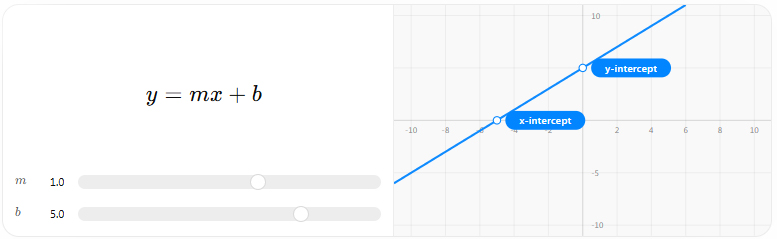
Advertisements

7 AI tools can help you grow your YouTube channel

Advertisements
  1. Scrip AI :

Descript uses AI to transcribe, edit, and mix both audio and video content. It’s particularly useful for podcast conversions and streamlining content creation.

Linkhttps://scripai.com/

  1. VidIQ:

VidIQ is a comprehensive toolset designed to help creators, brands, and marketers understand their audience, navigate the YouTube algorithm, and grow their channels. Key features include:

  • Keyword Research: Find the most searched keywords in your niche to optimize video metadata.
  • Competitor Analysis: Analyze successful strategies used by competitors.
  • Trend Alerts: Stay informed about trending topics in your niche.
  • Video SEO Score: Get an SEO score for your videos and suggestions for improvement.
  • Channel Audit Tool: Receive a detailed report on your channel’s performance.
  • Productivity Tools: Bulk edit video descriptions, tags, annotations, and more.
  • AI Tools: Features like Daily Video Ideas, Title Generator, Description Generator, and YouTube Channel Name Generator leverage AI to enhance content creation.

Link: https://vidiq.com/

3. TubeBuddy:

    TubeBuddy is a popular browser extension and mobile app that integrates directly with YouTube’s website. It offers various automation features, including topic ideas, trends, title and tag generation, and more. It’s a valuable tool for optimizing your channels and videos.

    Link: https://www.tubebuddy.com/

    Advertisements

    4. HeyGen:

      HeyGen is an AI-powered video generator that allows you to create studio-quality videos using AI-generated avatars and voices. Whether you’re a professional or a beginner, HeyGen makes video creation effortless and efficient. Here’s how it works:

      Choose an Avatar:

      • Select from over 100+ AI avatars representing various ethnicities, ages, and styles.
      • You can even create your own custom avatar if you prefer.

      Select a Voice:

      • HeyGen offers 300+ voices in different styles and languages.
      • These voices are generated by AI, infusing human-like intonation and inflections with exceptional accuracy.

      Start with a Template or Create from Scratch:

      • Pick from an extensive array of ready-to-use templates for various scenarios.
      • Alternatively, begin with a clean slate and create your video from scratch.

      Record Your Script or Use AI-Generated Text:

      • Type, speak, copy and paste, or use HeyGen’s AI to generate your script.
      • Effortlessly produce personalized outreach videos, content marketing videos, product marketing videos, and more.

      Features for Scale:

      • Video Translator: Translate your videos seamlessly into other languages while maintaining your natural speaking style.
      • API Integration: Integrate HeyGen’s powerful AI capabilities into your product programmatically.

      Linkhttps://www.heygen.com/

      5. Veed:

        Veed is an AI-powered video editor that simplifies video editing directly in your browser. It offers features like auto-generated subtitles, text formatting, stock library access, screen recording, voice translations, and avatar creation.

        Link: https://www.veed.io/

        6. Instant Chapters:

        it is a revolutionary AI-powered tool designed to simplify and streamline the content organization process for YouTube creators. By generating timestamped chapters automatically, the tool aims to enhance viewer experience, increase watch time, and drive channel growth. Creators can simply paste the YouTube URL for the video they want chapters created for, and the tool generates the chapters. It’s like having your very own virtual assistant for video editing!

        Link: https://www.instantchapters.com/

        7. Pikzels:

        Pikzels is the world’s first AI thumbnail generator that instantly transforms your ideas into stunning YouTube thumbnails. With Pikzels, you can create eye-catching thumbnails in under 30 seconds. Here’s how it works:

        • FaceSwap: Upload a picture of yourself, and watch as our AI smoothly swaps out the original face with yours, ensuring your audience instantly recognizes you.
        • Instant Thumbnails: Transform your ideas into captivating thumbnails within seconds.
        • Powered by AI: Experience fully automated thumbnail designs with Pikzels AI.
        • Generate from Links: Simply paste a link to a video’s thumbnail you like, and our AI recreates it.
        • Upcoming Features: Subscribers get early access to features like AI ideation and adding text to thumbnails.

        Link: https://www.pikzels.com/

        Remember that while these tools can be incredibly helpful, creating engaging and valuable content remains essential for long-term channel growth. Happy YouTubing!

        Advertisements

        سبع أدوات للذكاء الاصطناعي يمكن أن تساعدك على تطوير قناتك على يوتيوب

        Advertisements

        قد يكون تطوير قناة على يوتيوب أمراً صعباً، ولكن هناك العديد من الأدوات التي تعمل بالذكاء الاصطناعي والتي يمكن أن تساعد المبدعين في تحسين محتواهم وتحسين قابلية الاكتشاف وتعزيز أداء القناة بشكل عام

        فيما يلي بعض أدوات الذكاء الاصطناعي البارزة لمنشئي مقاطع اليوتيوب

        1. Scrip AI

        تستخدم هذه الأداة الذكاء الاصطناعي لنسخ وتحرير ومزج كل من محتوى الصوت والفيديو، إنه مفيد بشكل خاص لتحويلات البودكاست وتبسيط إنشاء المحتوى

        2. VidIQ

        هي مجموعة أدوات شاملة مصممة لمساعدة المبدعين والعلامات التجارية والمسوقين على فهم جمهورهم والتنقل في خوارزمية يوتيوب وتنمية قنواتهم، تشمل الميزات الرئيسية ما يلي
        الكلمات المفتاحية: ابحث عن الكلمات الرئيسية الأكثر بحثاً في محتوى قناتك لتحسين البيانات الوصفية للفيديو
        تحليل المنافسين: تحليل الاستراتيجيات الناجحة التي يستخدمها المنافسون
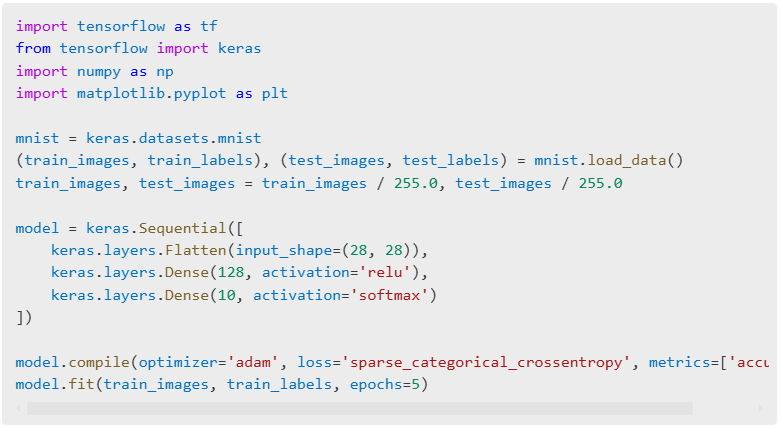
        تنبيهات التشابه: ابق على اطلاع بالموضوعات الشائعة الموازية لمحتوى قناتك

        :بالفيديو SEO درجة

        SEO احصل على درجة

        لمقاطع الفيديو والاقتراحات الخاصة بك للتحسين محركات البحث

        أداة تدقيق القناة: احصل على تقرير مفصل عن أداء قناتك
        أدوات الإنتاجية: تحرير واسع لأوصاف الفيديو والعلامات والتعليقات التوضيحية والمزيد
        أدوات الذكاء الاصطناعي: ميزات مثل أفكار الفيديو اليومية، ومولد العنوان، ومولد الوصف، ومولد اسم القناة على يوتيوب تستفيد من الذكاء الاصطناعي لتعزيز إنشاء المحتوى

        3. TubeBuddy

        وهو امتداد متصفح وتطبيق جوال شائع يتكامل مباشرة مع موقع يوتيوب، يقدم ميزات أتمتة مختلفة، بما في ذلك أفكار الموضوع والاتجاهات والعنوان وتوليد العلامات والمزيد، إنها أداة قيمة لتحسين قنواتك ومقاطع الفيديو الخاصة بك

        4. HeyGen

        وهو مولد فيديو يعمل بالذكاء الاصطناعي ويسمح لك بإنشاء مقاطع فيديو بجودة الاستوديو باستخدام الصور الرمزية والأصوات التي تم إنشاؤها بواسطة الذكاء الاصطناعي، سواء كنت محترفًا أو مبتدئًا، فإن هذه الأداة تجعل إنشاء الفيديو سهلاً وفعالًا، وإليك كيفية عملها
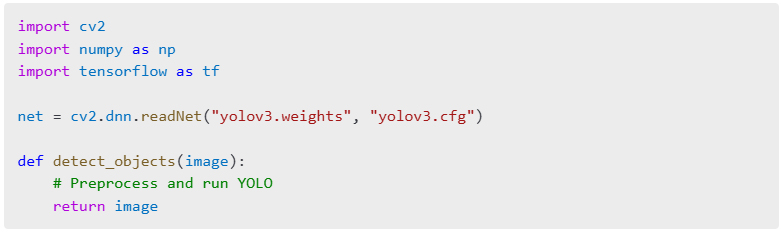
        أ- اختر الأفتار

        •           اختر من بين أكثر من 100 صورة أفتار للذكاء الاصطناعي تمثل مختلف الأعراق والأعمار والأنماط

        •           يمكنك حتى إنشاء أفتار مخصص خاص بك إذا كنت تفضل ذلك

        ب- اختر صوت

        •           تقدم هذه الأداة أكثر من 300 صوت بأنماط ولغات مختلفة

        •           يتم إنشاء هذه الأصوات بواسطة الذكاء الاصطناعي، مما يغرس التجويد والانعطافات الشبيهة بالإنسان بدقة استثنائية

        ج- ابدأ بقالب أو أنشئ من الصفر

        •           اختر من بين مجموعة واسعة من القوالب الجاهزة للاستخدام لسيناريوهات مختلفة

        •           بدلاً من ذلك، ابدأ بسجل فارغ وقم بإنشاء مقطع فيديو من الصفر

        د- سجل نصك أو استخدم النص الذي تم إنشاؤه بواسطة الذكاء الاصطناعي

        •           اكتب وتحدث وانسخ والصق أو استخدم الذكاء الاصطناعي لـ HeyGen لإنشاء نصك

        •           أنتج بسهولة مقاطع فيديو لتسويق المحتوى ومقاطع فيديو لتسويق المنتجات والمزيد

        هـ – ميزات المقياس

        •           مترجم الفيديو: ترجمة مقاطع الفيديو الخاصة بك بسلاسة إلى لغات أخرى مع الحفاظ على أسلوب التحدث الطبيعي

        •           تكامل واجهة برمجة التطبيقات: دمج قدرات هذه الأداة في منتجك بشكل برمجي

        Advertisements

        5. Veed

        وهو محرر فيديو يعمل بالذكاء الاصطناعي يبسط تحرير الفيديو مباشرة في متصفحك، يقدم ميزات مثل الترجمات التي تم إنشاؤها تلقائيًا، وتنسيق النصوص، والوصول إلى مكتبة المخزون، وتسجيل الشاشة، والترجمات الصوتية، وإنشاء الأفتار

        6. Instant Chapters

        إنها أداة ثورية تعمل بالذكاء الاصطناعي مصممة لتبسيط عملية تنظيم المحتوى لمنشئي محتوى يوتيوب من خلال إنشاء فصول مخططة زمنيًا تلقائيًا، تهدف الأداة إلى تعزيز تجربة المشاهد وزيادة وقت المشاهدة ودفع نمو القناة،

        URL كما ويمكن للمنشئين ببساطة لصق عنوان

        على يوتيوب للفيديو المراد إنشاء فصول له، ثم تتولى هذه الأداة توليد الفصول، إنه مثل امتلاك مساعدك الافتراضي الخاص لتحرير الفيديو

        Pikzels7.

        وهو أول مولد مصغر للذكاء الاصطناعي في العالم يحول أفكارك على الفور إلى صور مصغرة مذهلة على يوتيوب، باستخدام هذه الأداة يمكنك إنشاء صور مصغرة لافتة للنظر في أقل من 30 ثانية

        إليك كيفية عملها

        •           تحويل الوجه: قم بتحميل صورتك الشخصية وشاهد بينما يقوم الذكاء الاصطناعي الخاص بنا بتبديل وجهك الأصلي بسلاسة مما يضمن التعرف عليك على الفور

        •           الصور المصغرة الفورية: حوّل أفكارك إلى صور مصغرة جذابة في غضون ثوانٍ

        •           مدعوم بالذكاء الاصطناعي: تجربة تصميمات الصور المصغرة الآلية بالكامل

        •           أنشئ من الروابط: ما عليك سوى لصق رابط إلى الصورة المصغرة التي تحبها للفيديو ويعيد الذكاء الاصطناعي الخاص بنا إنشائه

        •           الميزات القادمة: يحصل المشتركون على وصول مبكر إلى ميزات مثل التفكير في الذكاء الاصطناعي وإضافة نص إلى الصور المصغرة

        تذكر أنه في حين أن هذه الأدوات يمكن أن تكون مفيدة بشكل لا يصدق فهي تختصر كثيراً من الوقت والجهد ولاسيما إنشاء محتوى جذاب وقيم يظل ضرورياً لنمو القناة على المدى الطويل

        Advertisements

        Data visualization using ChatGpt and Tableau

        Advertisements

        With the development of data analysis tools and software, users of Tableau visualizations can save time and effort by taking advantage of the integration between ChatGpt and Tableau, thus automating processing with more flexibility.

        How is that done? This is what we will explain in our article today, let’s get started

        As we mentioned, the process will be done using the ChatGPT application. What is the concept of this application?

        We will not go into complex technical details that explain the mechanism of action of this application, as this is not our topic today, and we may devote a detailed explanation to it in the coming days, but what we are interested in explaining now is what serves the topic we are talking about, which is integration with Tableau functions

        ChatGPT is a conversational bot based on artificial intelligence with its amazing capabilities in conducting conversations and interacting with questions and inquiries in a linguistic manner similar to the nature of human reaction and you can use it in a variety of functions and inquiries including data visualization which is the focus of our topic for this day

        First we need to install the OpenAI API as a first step to start using ChatGBT and then authenticate our credentials using JavaScript and entering the following code:

        Once this process is complete, we can use ChatGpt to create visualizations in Tableau

        Why is ChatGPT integration important to Tableau functionality?

        In short, the basic necessity of this integration process is that it allows answering the most difficult questions and inquiries in an easy way and in natural language, and through which we can Tableau visualize these answers

        Also, through this integration process, we can create interactive dashboards that help users find solutions to their inquiries in a timely manner, and thus their ability to identify patterns in their data and outliers at high speed makes reaching sound decisions easier.

        Now let’s learn how to integrate ChatGPT with Tableau

        This is done by carrying out the following stages

        Step 1: Connect Tableau to your data source

        This is done by selecting the Connect button in the upper left corner of the Tableau interface and then selecting the data source

        Step 2: Install and configure TabPy

        TabPy is a Python package that allows us to use Python scripts in Tableau

        First enter the following command

        After completing the installation of TabPy, we proceed to configure it to work with Tableau, and this is done by running TabPy with the following command in the terminal

        Step 3: Install and configure the ChatGPT API

        The ChatGPT API is a REST interface

        At this stage, we install and prepare the ChatGPT API, and to be able to interact with the ChatGPT pattern, we install the ChatGPT API, and this is done by entering the following command in the Terminal window

        Then, we set up the authentication, and this is done by obtaining the API key through a subscription request in OpenAI, and then you go to set it up in Python by running the following command:

        Advertisements

        Create integration between ChatGPT and Tableau (Python)

        After successfully completing the previous steps, it remains to create the ChatGPT integration with Tableau

        This is done by following these steps:

        Step 1: Choose a Python function that calls the CHatGPT API

        ChatGPT’s function here is to return the response from the queries entered into it

        This is what the following example shows

        Step 2: Use TabPy to register a Python function

        This means registering a Python function with TabPy to be used in Tableau by running the following command in the Terminal window

        This will create a TabPy configuration file, open it and add the following lines:

        Save the file, and to start TabPy run the following command:

        Step 3: Use the Python function in Tableau

        To do this, we open a new workbook in Tableau and do the following:

        1. We drag the “Text” object into the control panel

        2. Click on the text and choose “Edit text” and in the dialog box type the following formula:

        3. Then click OK and the text edit box will close

        4. Drag the Parameter object onto the Control Panel

        5. In the “Create Parameter” dialog box, set the data type to “String” and choose “all” to the available values, and set the current value to “empty string”, then click OK.

        6. On the Parameter object, right-click and select Show Parameter Control.

        7. Type a query in “Input Text” and press Enter

        8. It will display the reply from ChatGPT in a “text” object and then call ChatGPT and Tableau together

        Merger may seem a tiring process at first, but doing it repeatedly, even on a small scale, will develop your skills and develop capabilities to process data in a flexible and fast manner, and help you to troubleshoot problems and address them more effectively than before.

        Create visualizations:

        Using ChatGpt:

        The first thing we need to do is provide ChatGpt with the data to be visualized, and after it receives the data that we have given it to it via a group or by passing a table, it will create the visualization according to the requests assigned to it

        See in this code inserted in JavaScript how we create a visualization

        In the above code we use OpenAI API functions to generate a bar chart of sales by location

        We enter this request into ChatGpt via the immediate variable, to create the visualization we use the client.completions.create function and at the end we can display the resulting visualization in Tableau which was previously stored in the message variable

        customize the resulting perceptions

        We can customize the resulting visualizations according to our requirements in terms of changing the visualization type, size and color style, and this is done by providing ChatGpt with additional parameters

        We can do this by using the following code in JavaScript

        And keep in mind that experimenting with different parameters is a powerful tool for creating engaging and innovative visuals

        What we did in the previous code is we created a quarterly earnings line chart using blue

        Then we entered our request into ChatGpt through the immediate variable

        Then we selected the appropriate visualization style, so we have a line chart in blue color and size according to demand

        Show the visuals in Tableau

        And as a reminder.. All of the above stages and procedures are to create a visualization using ChatGpt

        But you promised us in this article that we will show the visualization in Tableau

        Well don’t worry we’re not done yet..let’s go

        The first thing we have to do is copy the resulting visualization from the message variable and paste it into Tableau and this is done by implementing the following steps

        • Create a new worksheet in Tableau

        • Select “Text” from the “Marks” section.

        • Paste the visualization copied from the message variable into the text box and adjust the size of the text box to fit the visualization

        • Congratulations.. The visualization has finally appeared in Tableau

        And at the end of our interview today, allow me to pre-empt things and gladly answer some questions that some of the readers are likely to have.

        Question 1: Are there free versions of ChatGPT?

        Answer: Yes, there are free versions, but although their uses are limited, they often suffice

        Question 2: Can we integrate ChatGPT with visualization tools other than Tableau?

        Answer: Yes, and this is done by following the same steps that we followed above

        Question 3: Does ChatGPT give accurate answers?

        Answer: Not only accurate answers, but very accurate in general, when the information is entered correctly

        In the end, I hope that you have found valuable information in this article as a data analyst looking for permanent and continuous development in his work. A successful person, my friend, as you know, is the person who accomplishes his work accurately and as quickly as possible.

        If you find the benefit, please share with friends and support us, and quickly join wonderful partners by following the blog. We are honored to have you with us.. Welcome.

        Advertisements

        Tableauو ChatGpt تصور البيانات باستخدام

        Advertisements

        مع تطور أدوات وبرامج تحليل البيانات أصبح بمقدور مستخدمي التصورات البيانية

        Tableau على برنامج

        توفير الوقت والجهد عن طريق الاستفادة من

        Tableau و ChatGpt التكامل بين

        وبالتالي أتمتة المعالجة بمرونة أكثر

        كيف يتم ذلك؟ هذا ما سنوضحه في مقالنا اليوم، هيا لنبدأ

        ChatGPT كما ذكرنا ستتم العملية بالاستعانة بتطبيق

        ما هو مفهوم هذا التطبيق؟

        لن ندخل في تفاصيل تقنية معقدة تشرح آلية عمل هذا التطبيق فليس هذا موضوعنا اليوم وربما نخصص له شرحاً تفصيلياً في القادم من الأيام وإنما ما يهمنا شرحه الآن هو ما يخدم الموضوع الذي نتحدث فيه

        Tableau وهو التكامل مع وظائف

        هو روبوت محادثة يعتمد على الذكاء الاصطناعي ChatGPT

        ويمتاز بقدراته المذهلة في إجراء المحادثات والتفاعل مع الأسئلة والاستفسارات بطريقة لغوية طبيعة تشبه رد فعل الإنسان ويمكنك الاستعانة به في مجموعة متنوعة من الوظائف والاستفسارات بما فيها تصور البيانات التي هي محور موضوعنا لهذا اليوم

        OpenAI API نحتاج في البداية إلى تثبيت

        ChatGBT كخطوة أولى للشروع في استخدام

        ثم مصادقة بيانات الدخول الخاصة بنا

        JavaScript ويتم ذلك باستخدام

        : وإدخال الكود التالي

        وعند إتمام هذه العملية أصبح بمقدورنا

        Tableau لإنشاء تصورات في ChatGpt استخدام

        ؟Tableau مع وظائف ChatGPT ما أهمية تكامل

        باختصار تمكن الضرورة الأساسية لعملية الدمج هذه بأنها تتيح الإجابة على أصعب الأسئلة والاستفسارات بطريقة سهلة وبلغة طبيعية

        من تصور هذه الإجابات Tableau ومن خلالها يمكننا

        كما ويمكننا من خلال عملية الدمج هذه إنشاء لوحات معلومات تفاعلية تساعد المستخدمين في إيجاد الحلول على استفساراتهم في زمن مناسب وبالتالي قدرتهم على تحديد أنماط بياناتهم والقيم المتطرفة بسرعة عالية تجعل الوصول إلى قرارات سليمة أمراً أكثر سهولة

        Tableau مع ChatGPT لنتعرف الآن على كيفية الدمج

        يتم ذلك بتنفيذ المراحل التالية

        بمصدر بياناتك Tableau المرحلة الأولى: ربط

        ويتم ذلك بتحديد الزر “اتصال” في الزاوية اليسرى العلوية

        Tableau من واجهة

        ثم تحديد مصدر البيانات

        TabPy المرحلة الثانية: تثبيت وتجهيز

        Python هي حزمة TabPy

        Tableau النصية في Python تتيح لنا استخدام تعليمات

        أولاً أدخل الأمر التالي

        TabPy وبعد الانتهاء من تثبيت

        Tableau نتجه إلى تهيئته للعمل مع

        TabPy ويتم ذلك بتشغيل

        terminal بواسطة الأمر التالي في

        ChatGPT API المرحلة الثالثة: تثبيت وتجهيز

        REST هي واجهة ChatGPT واجهة برمجة تطبيقات

        نقوم في هذه المرحلة بتثبيت وتجهيز واجهة

        ChatGPT برمجة تطبيقات

        ChatGPT ولنتمكن من إحداث التفاعل مع نمط

        ChatGPT API نقوم بتثبيت

        ويتم ذلك عن طريق إدخال الأمر التالي

        Terminal window في

        ثم بعد ذلك نقوم إعداد المصادقة

        API ويتم ذلك بالحصول على مفتاح

        OpenAI من خلال طلب اشتراك في

        Python لتنتقل بعدها إلى إعداده في

        :بواسطة تشغيل الأمر التالي

        Advertisements

        ( بايثون )Tableau و ChatGPT إنشاء التكامل بين

        بعد إنجاز المراحل السابقة بنجاح

        Tableau مع ChatGPT يبقى أمامنا إنشاء تكامل

        :ويتم ذلك باتباع الخطوات التالية

        :الخطوة الأولى

        ChatGPT API اختيار دالة بايثون التي تستدعي

        هنا إعادة الاستجابة ChatGPT وظيفة

        من الاستعلامات المدخلة إليها  

        وهذا ما يوضحه المثال التالي

        TabPy الخطوة الثانية : استخدام

        في تسجيل وظيفة بايثون

        TabPy وهذا يعني تسجيل دالة بايثون مع

        Tableau ليتم استعمالها في

           Terminal window ويتم ذلك بتشغيل الأمر التالي في

        TabPy وهنا سيتشكل ملف تكوين لـ

        : افتحه وأضف الأسطر التالية

        TabPy قم بحفظ الملف، ولبدء

        عليك تشغيل الأمر التالي

        Tableau الخطوة الثالثة: استخدم دالة بايثون في

        Tableau جديد في workbook  وللقيام بذلك نفتح

        ونقوم بالإجراءات التالية

        إلى لوحة التحكم “Text” نسحب الكائن *

        “Edit text” انقر فوق النص واختر *

        وفي صندوق الحوار اكتب الصيغة التالية

        ثم انقر فوق “موافق” فيُغلَق صندوق تحرير النص *

        إلى لوحة التحكم “Parameter” اسحب الكائن *

         “Create Parameter” في صندوق حوار *

         “all” واختر “String” اضبط نوع البيانات على  

        على القيم المتاحة واضبط القيمة الحالية

        ثم انقر الأمر موافق “empty string” على

        انقر بالزر الأيمن للماوس “Parameter” على الكائن *

        “Show Parameter Control” واختر

        Enter واضغط “Input Text” اكتب استعلاماً في *

        في كائن “نص” ChatGPT سيعرض الرد من *

        معاً Tableauو ChatGPT ثم يتم استدعاء

        قد يبدو الدمج عملية متعبة في البداية ولكن تنفيذها بشكل متكرر ولو على نطاق ضيق سينمي عندك المهارات ويطور القدرات على معالجة البيانات بشكل مرن وسريع ويساعدك على استكشاف المشكلات ومعالجتها بفاعليها أكبر من ذي قبل

        : إنشـــــــــــاء التصورات

        :ChatGpt باستخدام

        ChatGpt أول ما نحتاج إليه هو تزويد

        بالبيانات المراد تصورها، وبعد تلقيه البيانات التي لقناه إياها عن طريق مجموعة أو عن طريق تمرير جدول سيقوم بإنشاء التصور وفق الطلبات الموكلة إليه

        JavaScript شاهد في هذا الكود المدخل في

        كيف نقوم بإنشاء تصور

        OpenAI API في الكود السابق نستعين بوظائف

        لتوليد مخطط شريطي للمبيعات حسب الموقع

        ChatGpt نُدخِل هذا الطلب في

        عبر المتغير الفوري، ولإنشاء التصور

        client.completions.create نستخدم وظيفة

        Tableau وفي النهاية يمكننا عرض التصور الناتج في

        والذي كان قد خزن مسبقاً في متغير الرسالة

        تغيير خصائص التصورات الناتجة

        يمكننا تخصيص التصورات الناتجة وفق متطلباتنا من حيث تغيير نوع التصور وحجمه ونمط الألوان

        إضافية parameters بـ ChatGpt ويتم ذلك عن طريق تزويد

        JavaScript ويمكننا تنفيذ ذلك عن طريق استخدام الكود التالي في

        مختلفة parameters وتذكر دائماً أن تجريب

        يعتبر أداة قوية لتحصل على بيانات مرئية جذابة ومبتكرة

        ما فعلناه في الكود السابق هو أننا قمنا بإنشاء مخطط خطي للأرباح بمقدار ربع سنة باستخدام اللون الأزرق

        من خلال المتغير الفوري ChatGpt ثم أدخلنا طلبنا في

        ثم حددنا نمط التصور المناسب فنتج لدينا مخطط خطي بلون أزرق وبحجم وفق الطلب

        Tableau إظهار المرئيات في

        وللتذكير.. كل ما سبق من مراحل وإجراءات

        ChatGpt هي إنشاء تصور باستخدام

        أول ما علينا فعله هو نسخ التصور الناتج من متغير الرسالة

        ويتم ذلك بتنفيذ المراحل التالية Tableau ولصقه في

        Tableau أنشئ ورقة عمل جديدة في *

        “Marks” من جزء “Text” اختر *

        الصق التصور المنسوخ من متغير الرسالة في مربع النص واضبط حجم مربع النص ليناسب التصور *

        Tableau تهانينا .. لقد ظهر التصور أخيراً في *

        وفي نهاية مالقتنا اليوم اسمحوا لي أن استبق الأمور وأجيب بكل سرور عن بعض الأسئلة التي على الأرجح قد تتبادر إلى أذهان بعض القراء

        ؟ChatGPT السؤال الأول: هل يوجد نسخ مجانية من

        الجواب: نعم يوجد إصدارات مجانية ولكنها ورغم أن استخداماتها محدودة ولكنها غالباً ما تفي بالغرض

        ChatGPT السؤال الثاني: هل نستطيع دمج

        ؟Tableau مع أدوات تصور أخرى غير

        الجواب: نعم ويتم ذلك باتباع نفس الخطوات التي اتبعناها آنفاً

        أجوبة دقيقة؟ ChatGPT السؤال الثالث: هل يعطي

        الجواب: ليست أجوبة دقة فحسب، بل بمنتهى الدقة بشكل عام وذلك عند إدخال المعلومات بشكل صحيح

        وفي النهاية آمل أن تكون قد وجدت في هذا المقال معلومات قيمة كمحلل بيانات يبحث عن التطور الدائم والمستمر في عمله فالشخص الناجح يا صديقي كما تعلم هو الشخص الذي ينجز عمله بدقة وبأسرع وقت ممكن

        فإن وجدت الفائدة أرجو أن تقوم بالمشاركة بين الأصدقاء وتقديم الدعم لنا وسارع بالالتحاق بشركاء رائعين عن طريق متابعة المدونة فنحن نتشرف بوجودك معنا.. أهلاً بك  

        Advertisements

        AI Using ChatGPT & Power BI

        Advertisements

        Simply change the way traditional data analysis and business intelligence development is handled by integrating ChatGPT into Power BI

        It is also possible through this integration to obtain more effective reports related to making decisive and appropriate decisions

        In order to get the desired benefit from using these features optimally, you must first develop your skills in Power BI, and this is done by integrating ChatGPT within your scope of work, and this is very simple, with a few clicks you can get results and find solutions more quickly and effectively

        This is what we will explain in this article to get the required benefit from using this technology, which will also help you with DAX queries

        Should we know why should we integrate ChatGPT into Bower BI?

        The Power BI tool is one of the most important tools in data visualization and analysis, and this is what users of this tool feel in their dealings with data, but when dealing with large data sets, dealing with DAX queries becomes more difficult

        But when ChatGPT is integrated into that system, it will become easier in terms of speed and accuracy in obtaining answers, and thus the pace of your work will increase and become more flexible, as ChatGPT contributes to the completion of many other tasks, such as finding glitches, working to restore them, calculating metrics, building complex calculations, and other tasks other

        In going to how to integrate ChatGPT into Power BI we will call the API to interact with the ChatGPT API business functions and in conjunction with the use of the visual feature of Power BI

        This is done by following these steps:

        1. Subscribe to the OpenAI API key: You must first obtain an API key to access the ChatGPT API

        2. Visit https://www.openai.com/api and register to get an API key

        3. Building custom visualizations in Power BI: This is done using TypeScript and D3.js.

        4. Prepare your own environment for custom visual development, you can use the guide on the link:

        https://docs.microsoft.com/en-us/power-bi/developer/visuals/environment-setup

        5. Create a new custom visual project: using the Bower BI command line

        6. Open Terminal or Command Prompt and run:

        API call: In your new custom visual project, modify the src / visual.ts file to include the code necessary to make API calls to ChatGPT

        To make HTTP requests you will need to use a library such as “axios” loaded by run

        npm install axios

        Then modify the src/visual.ts file by making the necessary imports as a ChatGPT API call

        Call the API in the visual update function: by making modifications to the update task in the src/visual.ts file to call the ChatGPT API and show the results, eg using a text element to show the response from ChatGPT

        Importing custom visuals after compiling them: You have to package the visuals by running the pbiviz package in the terminal, right after completing the code, and this will create a .pbiviz file in the dist folder.

        Going to Power BI, import the custom visualizations by selecting the ellipsis (…) in “Visualizations” section and click on the option (Import from file) and select the generated file which is .pbiviz

        Add visuals to a Power BI report by selecting it from the “Visualizations” section

        Advertisements

        In the following example, we demonstrate how to query DAX by casting it to ChatGPT:

        Now take a look at the DAX expression code from which you get the same result:

        With Power BI integration, you’ll get instant answers that help speed up your workflow

        This is what we will explain with examples of DAX queries that can be asked on ChatGPT:

        Moreover, if you are caught by an error message, ChatGPT handles and fixes the bugs in the DAX expressions, and as we mentioned at the beginning of the article, one of the valuable tasks that ChatGPT helps you do is find and fix the bugs in the DAX expressions

        ChatGPT helps save a lot of time and effort in dealing with huge data sets because you can use AI Chatbot visuals when creating complex DAX expressions instead of manually writing each calculation

        My professional friends, this benefit is dedicated to you.. You deserve it

        Now we’ll go over a very important topic of how to integrate ChatGPT with Power BI using Python

        This is done by implementing the following steps:

        Enable Python in Power BI Desktop

        This is done by following these steps:

        1. Install Python on your computer. If you do not have a copy of Python on your computer, you can get it from the official website: https://www.python.org/downloads/

        2. Then you have to install the Python Compatibility feature in Power BI Desktop

        3. Go to Power BI Desktop and follow the following path:

        File -> Options and settings -> Options -> Python scripting

        Then choose check for “Python scripting” box then choose “OK”

        With this, you have achieved compatibility for Python scripting in Power BI Desktop

        4. After completing the previous step, you will have to set the Python path in Power BI Desktop

        5. Perform the following steps:

        File -> Options and settings -> Options -> Python scripting

        Click “Detect” to automatically detect the Python installation path instead of choosing it manually

        6. After executing the previous step, restart Power BI Desktop for the new changes to take effect

        Now you have to install the following Python libraries:

        • Openai is the library that provides access to the ChatGPT model
        • Pandas is the library that creates and manipulates dataframes
        • Pyodbc is the library that secures the connection to a Power BI data source

        You can install these libraries using pip by running the following command in terminal:

        We are now at the stage of validating and setting up the OpenAI API

        • Create an OpenAI account and own an API key

        • Install the OpenAI Python library

        • Set OPENAI_API_KEY to your API key

        • By running the following Python code, you can authenticate and configure the OpenAI API

        Define a task that queries the ChatGPT model and returns the response:

        The query_chatgpt function takes a directive as input, sends it to the ChatGPT form, and then returns the response

        Connect to a Power BI data source using pyodbc:

        • Write a Power Query function that calls the query_chatgpt function, which returns the response in tabular form

        • Deploy your Python script as a data farm in Power BI

        • Go to Power BI Desktop and select the “Home” tab

        • Click on ‘Transform Data’ and choose:

        New Source -> Python Script

        Go to Python script and click OK then Close & Apply

        Use the ChatGPT data source in your own Power BI report

        • Go to the Report tab

        • Click on Get Data, then More

        • Select the data source “Python Script” and click Connect

        • Enter the subject to be sent to the ChatGPT form

        • Finally, the response will appear as a table in the Power BI report Finally, be sure to enter the actual values for your environment rather than the elements in the code

        Advertisements

        ChatGPT + Power BI الذكاء الاصطناعي باستخدام

        Advertisements

        بكل بساطة يمكن تغير طريقة التعامل مع تحليل البيانات وتطوير أسلوب ذكاء الأعمال التقليديَّين وذلك بواسطة

        Power BIفي ChatGPT دمج لغة  

        كما ويمكن من خلال ذلك الدمج الحصول على تقارير أكثر فاعلية تتعلق باتخاذ القرارات الحاسمة والمناسبة

        ولتحصيل الفائدة المرجوة من استخدام هذه الميزات على الوجه الأمثل لابد في البداية

        Power BI من تطوير مهاراتك في

        ضمن نطاق عملك ChatGPT ويتم ذلك بدمج

        ويتعبر ذلك أمراً بسيطاً للغاية فبعدة نقرات تستطيع تحصيل النتائج والعثور على الحلول بسرعة وفاعلية أكبر وهذا ما سنشرحه في مقالتنا هذه لتحصل على الفائدة المطلوبة من استخدام هذه التقنية والتي أيضاً

        DAX ستساعدك في استعلامات

        يجب أن نعرف لماذا يجب علينا

        Bower BI في ChatGPT دمج

        Power BI تعتبر أداة

        من أهم الأدوات في تصور البيانات وتحليلها وهذا ما يلمسه مستخدمو هذه الأداة في تعاملاتهم مع البيانات، ولكن عند التعامل مع مجموعات البيانات الضخمة يصبح التعامل

        أكثر صعوبة DAX مع استعلامات

        ChatGPT ولكن عند دمج

        في تلك المنظومة سيصبح الأمر أكثر سهولة من حيث سرعة ودقة الحصول على الإجابات وبالتالي ترتفع وتيرة عملك وتصبح أكثر مرونة

        ChatGPT حيث أن

        يسهم بإنجاز مهام أخرى كثيرة ومتنوعة كالعثور على مواطن الخلل والعمل على ترميمها وحساب المقاييس وبناء العمليات الحسابية المعقدة وغيرها من المهام الأخرى

        وفي الانتقال إلى

        Power BI في ChatGPT كيفية دمج

        سنقوم باستدعاء واجهة برمجة التطبيقات لإجراء التفاعل مع وظائف عمل

        ChatGPT واجهة برمجة تطبيقات

        وبالتزامن مع استخدام الميزة

        Bower BI المرئية لـ

        : ويتم ذلك باتباع الخطوات التالية

        : OpenAI API اشترك في مفتاح *

        يجب أن تحصل أولاً على

        API مفتاح

        ChatGPT API للوصول إلى

        : قم بزيارة الموقع *

        https://www.openai.com/api

        API والتسجيل للحصول على مفتاح *

        Power BI بناء مرئيات مخصصة في

        D3.js. و TypeScript ويتم ذلك باستخدام

        :تجهيز بيئة خاصة بك للتطوير المرئي المخصص، يمكنك الاستعانة بالدليل الموجود على الرابط *

        https://docs.microsoft.com/en-us/power-bi/developer/visuals/environment-setup

        : إنشاء مشروع مرئي جديد مخصص *

        Bower BI وذلك بواسطة سطر أوامر

        Terminal افتح *

        : أو موجه الأوامر وقم بتشغيل

        : API استدعاء

        في مشروعك مرئي المخصص الجديد

        src/visual.ts قم بتعديل ملف

        لإدراج الكود الضروري للقيام بعملية

        ChatGPT إلى API استدعاءات

        HTTP ولإجراء طلبات

        ستحتاج إلى الاستعانة

        “axios” بمكتبة مثل

        npm install axios حمله بواسطة تشغيل

        ثم أجرِ تعديل

        src/visual.ts على ملف

        عن طريق إجراء عمليات الاستيراد اللازمة

        ChatGPT API كاستدعاء

        API قم باستدعاء

        في وظيفة التحديث المرئي : وذلك بإجراء تعديلات مهمة التحديث

        src/visual.ts في ملف

        وإظهار النتائج ChatGPT API لاستدعاء

        كأن تستخدم عنصر نص لإظهار الاستجابة

        ChatGPT من

        استيراد المرئيات المخصصة بعد تجميعها

        عليك القيام بتعبئة المرئيات المرئية

        pbiviz package بواسطة تشغيل

        terminal في

        وذلك بعد الانتهاء مباشرة من الكود وهذا سيؤدي إلى

        .pbiviz وهذا سيؤدي إلى إنشاء ملف

        dist. في مجلد

           Power BI وبالانتقال إلى

        قم باستيراد المرئيات المخصصة عن طريق اختيار

        (…) علامة الحذف

        “Visualizations” في التبويبة

        (Import from file) وانقر على الخَيار

        وحدد الملف الذي تم إنشاؤه

        .pbiviz وهو

        Power BI أضف العناصر المرئية إلى تقرير

        بواسطة تحديده من

        Visualizations قسم

        Advertisements

        وفي المثال التالي نوضح طريقة

        ChatGPT بطرحه على DAX استعلام

        DAX ألقِ نظرة الآن على كود تعبير

        :من خلاله تحصل على نفس النتيجة 

        Power BI بالدمج في

        ستحصل على إجابات فورية تساهم في تسريع وتيرة عملك

        DAX وهذا ما سنوضحه بأمثله عن استعلامات

        ChatGPT يمكن طرحها على

        علاوة على ذلك، إذا فاجأتكَ رسالة خطأ

        ChatGPT فيستولى

        DAX معالجة الخلل وإصلاحه في تعبيرات

        وكما أسلفنا في بداية المقال من المهام القيِّمة

        ChatGPT التي يساعدك

        في القيام بها هو العثور على الأخطاء

        DAX وإصلاحها في تعبيرات

        ChatGPT يساعد

        في توفير الكثير من الوقت والجهد في التعامل مع مجموعات ضخمة من البيانات

        “AI Chatbot” إذ يمكنك استخدام العناصر المرئية

        DAX عند إنشاء تعبيرات

        المعقدة بدلاً من كتابة كل عملية حسابية بشكل يدوي

        أصدقائي المحترفين هذه الفائدة مخصصة لكم .. أنتم تستحقون

        والآن سنتناول موضوع بالغ الأهمية

        Power BI مع ChatGPT هو كيفية دمج

        Python باستخدام

        : ويتم ذلك بتنفيذ الخطوات الآتية

        Power BI Desktop في Python تمكين

        : ويتم ذلك باتباع الخطوات التالية

        :تثبيت بايثون على جهاز الكمبيوتر الخاص بك، فإن لم تكن تمتلك نسخة بايثون على جهازك يمكنك الحصول عليه من الموقع الرسمي *

        https://www.python.org/downloads/

        Power BI Desktop ثم عليك تثبيت ميزة توافق بايثون في *

        Power BI Desktop انتقل إلى *

        :واتبع المسار التالي

        File -> Options and settings -> Options -> Python scripting

        “Python scripting” ثم اختيار تحديد للمربع

        “ثم اختر “موافق

        وبهذا تكون قد أكملت التمكين للبرمجة النصية لبايثون

        Power BI Desktop في

        بعد الانتهاء من الخطوة السابقة يبقى أمامك تعيين *

        Power BI Desktop مسار بايثون في

        :قم بتنفيذ الخطوات التالية *

        File -> Options and settings -> Options -> Python scripting 

        “Detect” انقر فوق

        لاكتشاف مسار تثبيت بايثون تلقائياً بدلاً من اختياره يدوياً

        بعد تنفيذ الخطوة السابقة

        Power BI Desktop أعد تشغيل

        لتصبح التغيرات الجديدة سارية المفعول

        : الآن عليك تثبيت مكتبات بايثون التالية

        Openai

        وهي المكتبة التي تؤمن الوصول

        ChatGPT إلى نموذج

        Pandas

        وهي المكتبة التي تنشئ إطارات البيانات ومعالجتها

        Pyodbc

        وهي المكتبة تؤمن الاتصال

        Power BIبمصدر بيانات

        pip وهذه المكتبات يمكنك تثبيتها باستخدام

        terminal بواسطة تشغيل الأمر التالي في

        OpenAI API وصلنا الآن مرحلة المصادقة وإعداد

        OpenAI أنشئ حساب على موقع *

        API وامتلك مفتاح

        OpenAI Python ثبِّت مكتبة *

        OPENAI_API_KEY قم بتعيين *

        الخاص بك API لمفتاح

        وعن طريق تشغيل كود بايثون التالي تتمكن *

        OpenAI API من مصادقة وإعداد

        ChatGPT حدد مهمة تستعلم عن نموذج

        : وترجع الاستجابة

        موجهًا كمدخلات query_chatgpt تأخذ الدالة

        ChatGPT وتقوم بإرسالها إلى نموذج

        ثم ترجع الاستجابة

        Power BI الاتصال بمصدر بيانات

        pyodbc باستخدام

        Power Query اكتب دالة *

        query_chatgpt التي تستدعي الدالة

        والتي ترجع الاستجابة على شكل جدول

        انشر السكريبت الخاص ببايثون *

        Power BI كمصر بيانات في

        Power BI Desktop انتقل إلى *

        ” Home” واختر علامة التبويب

        :ثم اختر ‘Transform Data’ انقر فوق *

        New Source -> Python Script

        OK واضغط Python script ادخل على

        Close & Apply ثم

        ChatGPT استخدم مصدر بيانات

        Power BI في تقريرك الخاص على

        Report اذهب إلى علامة التبويب *

        More ثم Get Data انقر على *

        “Python Script” اختر مصدر البيانات *

        Connect وانقر على

        ChatGPT أدخِل الموضوع المراد إرساله إلى نموذج *

        أخيراً تأكد من إدخال القيم الفعلية لبيئتك بدل العناصر الموجودة في الكود  

        Advertisements

        How To Create an Online Business with AI In Just 24 Hours!

        Advertisements

        Did you know that you can create your own company online from nothing in a record time!

        Yes, my friend, this is possible by artificial intelligence and using ChatgPT and free tools.

        This depends on creating a website and developing a suitable strategy for work and I am not talking here about creating an electronic blog or store, but according to what we will explain in this article.

        The basic idea of this project is based on providing something useful to people, and here you do not need to create content or write articles, but rather mainly on the real data.

        So you have to think and search for the things that a large group of users is looking for and receives their interest and accordingly you can create a database that is based on your work within the framework of your work and your interests, such as if your field of work in digital marketing, for example, is here you need to form ideas on providing things related to With digital marketing and most of most workers in this field is to organize e -mail content during marketing campaigns, you can now provide assistance to them by building Boostctr.io

        Advertisements

        It is an easy -to -use location that contains tested topics with some information and how to build this position, starting with the beginning of you obtaining the symbol for the front and backgrounds and paste it into Visual Studio Code.

        And the creation of the site is very simple, as you can use HTML, CSS and JavaScript for the frontend and use ASP.NET CORE API and the Lite DB database for the Backend,

        you can simply add a link or copy of an advertisement or a server for your ads or sell advertisements

        We come to the optimal investment stage of this site

        The idea of the best investment lies by making people get to know the site and explore its content in order to attract more possible visitors and sell advertising spaces, as well as benefit from the sale of topics, content and e -mail marketing tools, and you can add a distinct membership through which the members can access the full database or Get more daily records.

        Do you think this idea is more feasible than creating an electronic store, or does its simplicity make it a commercial activity on the Internet the lowest level of stores.

        Share your opinion and indicate us with an idea that can be added as a valuable content of this type of site, we are waiting for your opinion on the comments.

        Advertisements

        !كيفية إنشاء شركة عبر الإنترنت بواسطة الذكاء الاصطناعي خلال 24 ساعة فقط

        Advertisements

        هل تعلم أنه أصبح بمقدورك إنشاء شركة خاصة بك عبر الإنترنت من لا شيء خلال زمن قياسي نعم صديقي هذا ممكن وذلك بواسطة الذكاء الاصطناعي

        والأدوات المجانية chatgpt وباستخدام

        يعتمد ذلك على إنشاء موقع إلكتروني ووضع استراتيجية مناسبة للعمل ولا أتحدث هنا عن إنشاء مدونة أو متجر إلكتروني بل وفق ما سنشرحه في هذا المقال

        تقوم الفكرة الأساسية لهذا المشروع على تقديم شي مفيد للناس وهنا لست بحاجة إلى إنشاء محتوى أو كتابة مقالات بل بالاعتماد وبشكل أساسي على البيانات الحقيقية لذا عليك التفكير والبحث عن الأشياء التي يبحث عنها فئة كبيرة من المستخدمين وينال اهتمامهم وبناء عليها يمكنك تكوين قاعدة بيانات تستند عليها في عملك ضمن إطار عملك واهتماماتك ، كأن يكون مجال عملك في التسويق الرقمي على سبيل المثال ، فأنت هنا بحاجة لتكوين الأفكار حول تقديم أشياء تتعلق بالتسويق الرقمي وأكثر ما يُربك أغلب العاملين في هذا المجال هو تنظيم محتوى البريد الإلكتروني خلال الحملات التسويقية

        BOOSTCTR.IO   يمكنك الآن توفير المساعدة لهم ببناء

        Advertisements

        وهو موقع سهل الاستخدام يحوي مواضيع مُجربة مع بعض المعلومات وكيفية بناء هذا الموضع تعتمد بداية على حصولك على الرمز للواجهتين الأمامية والخلفية

        Visual Studio Code ولصقه في

        وإنشاء الموقع بسيط للغاية إذ يمكنك استخدام

        للواجهة الأمامية HTML و CSS و JavaScript

        ASP.NET Core API واستخدام

        للواجهة الخلفية Lite DB وقاعدة بيانات

        ومن ثم يمكنك ببساطة إضافة رابط أو صورة إعلان ما أو خادم لإعلاناتك أو بيع مساحات للإعلانات

        نأتي إلى مرحلة الاستثمار الأمثل لهذ ا الموقع

        تكمن فكرة الاستثمار الأفضل من خلال جعل الناس يتعرفون على الموقع واستكشاف محتواه بغية جذب أكبر ممكن من الزوار وبيع مساحات إعلانية وكذلك الاستفادة من عمليات بيع المواضيع والمحتوى وأدوات التسويق عبر البريد الإلكتروني، كما ويمكنك إضافة عضوية متميزة تمكن من خلالها الأعضاء الوصول إلى قاعدة البيانات الكاملة أو الحصول على المزيد من السجلات اليومية

        هل تعتقد أن هذه الفكرة مجدية أكثر من إنشاء متجر إلكتروني أم أن بساطتها تجعلها نشاط تجاري عبر الإنترنت أقل مستوى من المتاجر شاركنا رأيك وأشِر علينا بفكرة يمكن أن تضاف كمحتوى قيّم لهذا النوع من المواقع ، ننتظرك رأيك في التعليقات   

        Advertisements

        12 Amazing AI Websites That Will Get You Interested

        Advertisements

        The Internet includes an endless number of websites of various disciplines and fields, with different content and topics, but the vast majority of them depend on artificial intelligence.

        Which made the mechanism of using the Internet more useful and easier for users everywhere

        In our article today, we will talk about 12 websites, all of which rely on artificial intelligence to automate various functions, and through which it is possible to create distinguished content in record time.

        1. Browse AI

        An important and summary tool for owners of commercial activities and for-profit institutions, as it allows them to know the behavior of competing companies, obtain information from the website, and follow the market movement. In addition, it suggests potential customers to you by tracking their interests that may be compatible with your services, and it is a free site for all

        2. StockAI

        This site specializes in creating attractive designs by means of artificial intelligence. This site is distinguished by the fact that anyone can use this site to create beautiful designs with one click, whether he is an expert in design or not. This site creates wonderful content that can contain a mixture of images, graphics and texts.

        3. Poised

        This site is very suitable for developing public speaking skills through the techniques it provides that allow you to hear your voice with high accuracy, which makes you recognize the negatives and positives as a speaker in front of people, in other words, the site will enable you to listen to your voice and style of public speaking as if you were one of the audience and listeners

        The site also includes videos that enable you to know the effect of body language to communicate the idea to the audience while speaking

        4. AssemblyAI

        This site enables its users to convert audio files, video clips, and live audio recording into texts that are available for editing and subtitles

        All you have to do is enter the name of the file to be converted and the location where you want to save it, then the conversion process will start according to a specific time frame, with the ability to preview it during the conversion process.

        However, what is wrong with this site is that it does not support all file types on the one hand, and on the other hand, if you want to convert a number of files, you cannot convert them together, rather you have to convert one file after the other, that is, you cannot convert a new file until after the file before it has finished.

        5. Texti. app

        This site is distinguished by its ability to find the search results accurately by offering an immediate answer to your questions, while excluding suggestions and guesses from the results.

        Once you enter the words or phrases that you want to search for, this site will start searching within the framework of the topic to be found, and then you will have to choose the most appropriate result through the description resulting from the search process

        This site saves time and effort, as it has an easy and simple interface, which makes it easier for the user to browse and search

        6. AI. Image Enlarger

        This site, with its unique tool, enables users to enlarge images with high accuracy, in addition to several important features for images and graphics

        Advertisements

        7. Sembly

        This website makes it easy for users to transcribe notes online to take notes while avoiding losing focus resulting from moving between paragraphs. The user can also record the audio directly so that the audio is converted into text that allows the listeners to understand the meaning of the audio clip, which facilitates the exchange of information. between users

        8. Synthesia

        The story of this site seems incredible. Imagine that with texts you can create professional video clips. If the mechanism of this system depends on embodying the user’s personality by creating animated images in several different languages, you can also add sound and music effects to add to your video clip more distinction and excitement.

        With all this professionalism and progress in the features provided by this site for creating video clips, its use is not limited to professionals only, but anyone can use it very easily to design videos that rely on artificial intelligence techniques.

        9. Super meme

        A special site for designing memes, which allows users to choose a set of templates or create a template on demand using the creator of memes supported by artificial intelligence. It is enough to add text and images to make memes more professional with one click, and then publish this work on social media, and your product will be the focus of attention for those looking for unique ideas And dazzling works, and thus your sales will increase and your profits will increase

        10. Podcastle AI

        Also from the site distinguished by converting text into speech with the addition of several features such as obtaining the quality of studio recordings, determining the type of voice, translating sounds into texts and many additional free features that will impress you once you see the site and get to know it

        11. NameLix

        The capabilities of this site depend on the creation of distinctive brands or the use of pre-made designs that allow you to obtain various ideas and fake logos in order to be able to determine the colors and titles that are most appropriate for your design.

        12. Murf.AI

        We have known in the previous sites in this article about sites that convert sounds into texts, but the function of this site is the opposite, that is, it converts texts, i.e. sounds similar to the human voice to the extent that the listener will think that the reader is a human, so this tool is useful for creating audio libraries with the ability to control by votes

        Using this site is smooth and simple, as the user has to download the text file so that the site converts it into an accurate and clear sound

        In addition, one of the advantages of this site is that it is a gateway to making money by providing texts that are presented in the form of accurate audio recordings that are sold to those interested in buying audio books.

        Advertisements

        اثنا عشر موقع ذكاء اصطناعي مذهلون سينالون اهتمامك

        Advertisements

        تضم شبكة الإنترنت عدد لا متناهي من المواقع الإلكترونية متعددة الاختصاصات والمجالات وعلى اختلاف محتواها ومواضيعها إلا أن الغالبية العظمى منها تعتمد على الذكاء الاصطناعي 

        مما جعل آلية استخدام الإنترنت أكثر فائدة وسهولة للمستخدمين في كل مكان

        وسنتناول في مقالتنا اليوم الحديث عن 12 موقع إلكتروني تعتمد جميعها على الذكاء الاصطناعي لأتمتة الوظائف المتنوعة كما وأصبح بالإمكان بواسطتها إنشاء محتوى متميز في زمن قياسي  

        1. Browse AI

        أداة مهمة وخلاصة لأصحاب الأنشطة التجارية والمؤسسات الربحية فهي تتيح لهم معرفة سلوك الشركات المنافسة والحصول على المعلومات من الموقع الإلكتروني ومتابعة حركة السوق وبالإضافة إلى ذلك يقترح عليك العملاء المحتملين من خلال تتبع اهتماماتهم التي قد تتوافق مع خدماتك وهو موقع مجاني للجميع

        2. StockAI

        هذا الموقع متخصص بإنشاء التصاميم الجذابة بواسطة الذكاء الاصطناعي ويمتاز هذا الموقع بأن بمقدور أي شخص أن يستخدم هذا الموقع لإنشاء التصاميم الجميلة وبنقرة واحدة سواء كان خبير بالتصميم أم لا , يبتكر هذا الموقع محتوى رائع يمكن أن يحوي مزيج من الصور والرسومات والنصوص  

        3. Poised

        هذا الموقع مناسب جداً لتطوير مهارات التحدث أمام الجمهور من خلال ما يوفره من تقنيات تتيح لك سماع صوتك بدقة عالية مما يجعلك تتعرف على السلبيات والإيجابيات كمتحدِّث أمام الناس أي بمعنى آخر سيمكنك الموقع من الاستماع إلى صوتك وأسلوبك في الخطابة كما لو كنت أحد الحضور والمستمعين

        كما يتضمن الموقع مقاطع فيديو تمكنك من معرفة تأثير لغة الجسد لإيصال الفكرة إلى الجمهور أثناء التحدث

        4. AssemblyAI

        يمكِّن هذا الموقع مستخدميه من تحويل الملفات الصوتية ومقاطع الفيديو والتسجيل الصوتي المباشر إلى نصوص متاحة للتحرير والترجمة

        ما عليك إلا أن تُدخِل اسم الملف المراد تحويله والمكان الذي تريد حفظه فيه ثم تبدأ عمليه التحويل وفق إطار زمني معين مع إمكانية معاينتها أثناء عملية التحويل

        إلا أن ما يعيب هذا الموقع أنه لا يدعم جميع أنواع الملفات من جهة , ومن جهة أخرى إذا أردت تحويل عدد من الملفات فلا يمكنك تحويلها مع بعضها بل يتوجب عليك تحويل ملف تلو الآخر أي لا يمكنك تحويل ملف جديد إلا بعد أن ينتهي الملف الذي قبله  

        5. Texti.app

        يمتاز هذا الموقع بقدرته على العثور على نتائج البحث بدقة من خلال طرح إجابة فورية على أسئلتك مع استبعاد الاقتراحات والتخمينات من النتائج

        بمجرد إدخالك للكلمات أو الجُمل التي تريد البحث عنها سيشرع هذا الموقع بالبحث ضمن إطار الموضوع المراد العثور عليه ثم يبقى أمامك اختيار النتيجة الأنسب من خلال الوصف الناتج عن عملية البحث

        يوفر هذا الموقع الوقت والجهد فهو يمتاز بواجهة سهلة وبسيطة مما يسهل على المستخدم عملية التصفح والبحث

        6. AI. Image Enlarger

        هذه الموقع وبواسطة أداته المميزة يمكن المستخدمين من تكبير الصور وبدقة عالية بالإضافة إلى عدة ميزات مهمة للصور والغرافيك

        Advertisements

        7. Sembly

        يسهل هذا الموقع على المستخدمين عملية النسخ عبر الإنترنت لتدوين الملاحظات مع تجنب الوقوع في فقدان التركيز الناتج عن الانتقال بين الفقرات , كما ويمكن للمستخدم بواسطة هذا الموقع أن يقوم بالتسجيل الصوتي مباشرة ليتم تحويل الصوت إلى نص يتيح للسامعين فهم المقصود من المقطع الصوتي مما يسهل تبادل المعلومات بين المستخدمين

        8. Synthesia

        تبدو قصة هذا الموقع لا تصدق , تخيل أنه بواسطة نصوص يمكنك إنشاء مقاطع فيديو احترافية إذا تعتمد آلية عمل هذا النظام على تجسيد شخصية المستخدم بواسطة إنشاء صور متحركة بعدة لغات مختلفة كما ويمكنك إضافة المؤثرات الصوتية والموسيقية ليضفي إلى مقطع الفيديو الخاصة بك مزيداً من التميز والإثارة

        مع كل هذه الاحترافية والتقدم في الميزات التي يوفرها هذا الموقع لإنشاء مقاطع الفيديو إلا أن استعماله لا يقتصر على المحترفين فقط بل يمكن لأي شخص الاستعانة به بمنتهى السهولة لتصميم الفيديوهات التي تعتمد على تقنيات الذكاء الاصطناعي

        9. Super Meme

        موقع خاص لتصميم الميمات والذي يتيح للمستخدمين اختيار مجموعة من القوالب أو ابتكار قالب حسب الطلب باستخدام منشئ الميمات بالمدعوم بالذكاء الاصطناعي , ويكفي إضافة نصوص وصور لجعل الميمات أكثر احترافية وبنقرة واحدة ومن ثم نشر هذا العمل على وسائل التواصل الاجتماعي وسيكون منتجك محط اهتمام الباحثين عن الأفكار المتميزة والأعمال المبهرة وبالتالي سترتفع مبيعاتك وتزيد أرباحك 

        10. Podcastle Ai

        أيضاً من الموقع المتميزة بتحويل النص إلى كلام مع إضافة عدة ميزات كالحصول على جودة تسجيلات الاستوديو وتحديد نوع الصوت وترجمة الأصوات إلى نصوص والعديد من الميزات الإضافية المجانية التي ستبهرك بمجرد اطلاعك على الموقع والتعرف عليها  

        11. NameLix

        تعتمد إمكانيات هذا الموقع على إنشاء العلامات التجارية المميزة أو الاستعانة بتصاميم مجهزة مسبقاً تتيح لك الحصول على أفكار متنوعة وشعارات وهمية لتتمكن من تحديد الألوان والعناوين الأنسب بالنسبة لتصميمك   

        12. Murf.AI

        تعرفنا في المواقع السابقة في عذا المقال على مواقع تقوم بتحويل الأصوات إلى نصوص لكن وظيفة هذا الموقع هي العكس أي أنه يقوم بتحويل النصوص أي أصوات تشبه صوت الإنسان إلى درجة أن السامع سيعتقد أن القارئ هو إنسان , إذاً هذه الأداة مفيدة لإنشاء المكتبات الصوتية مع إمكانية التحكم بالأصوات

        استخدام هذا الموقع سلس وبسيط إذ أن على المستخدم أن يحمل الملف النصي ليتولى الموقع تحويله إلى صوت دقيق وواضح أضف على ذلك أن من ميزات هذا الموقع أن يكون باباً لكسب المال من خلال تقديم نصوص تطرح على شكل تسجيلات صوتية دقيقة تباع للمهتمين بالشراء الكتب الصوتية

        Advertisements