The 5 AI Terms That Separate Experts from Beginners

Advertisements

Artificial Intelligence is no longer a niche discipline reserved for researchers or engineers—it has become a foundational layer shaping how businesses operate, how content is created, and how decisions are made at scale. Yet, despite its widespread presence, the majority of people interact with AI tools without truly understanding the underlying concepts driving them. This creates a critical gap: those who grasp even a handful of core AI terms can think more strategically, ask better questions, and leverage tools far more effectively than the average user. The reality is simple but powerful—understanding just a few key concepts doesn’t just improve your knowledge; it fundamentally upgrades how you interact with technology, making you part of the top tier of informed users in an increasingly AI-driven world.

Machine Learning is the backbone of most modern AI systems, referring to the ability of algorithms to learn patterns from data rather than being explicitly programmed for every scenario. Instead of writing rigid rules, developers feed models large datasets and allow them to “learn” relationships, correlations, and behaviors over time. This paradigm shift is what enables systems like recommendation engines, fraud detection models, and predictive analytics tools to continuously improve without manual intervention.

What makes Machine Learning particularly powerful is its adaptability—models can evolve as new data becomes available, making them highly relevant in dynamic environments such as finance, healthcare, and marketing. For example, when you see personalized product recommendations on an e-commerce platform, you are witnessing Machine Learning in action, analyzing your behavior and predicting what you are most likely to engage with next.

  • Learns from data instead of explicit programming
  • Improves performance over time with more input
  • Powers predictions, recommendations, and automation

Neural Networks are a subset of Machine Learning inspired by the structure of the human brain, consisting of layers of interconnected “neurons” that process information. While the comparison to the brain is metaphorical rather than literal, the architecture allows these systems to capture highly complex patterns in data—far beyond what traditional algorithms can achieve.

The real strength of Neural Networks lies in their ability to handle unstructured data such as images, audio, and natural language. This is why they are central to technologies like voice assistants, facial recognition, and language translation systems. A deep neural network (often referred to as Deep Learning) can process millions of parameters, enabling it to detect subtle patterns that would be impossible for humans to identify manually.

  • Structured in layers (input, hidden, output)
  • Excellent at processing complex, unstructured data
  • Foundation of advanced AI capabilities like vision and speech

Natural Language Processing (NLP) focuses on enabling machines to interpret, generate, and respond to human language in a meaningful way. This is the technology behind chatbots, translation tools, sentiment analysis systems, and AI writing assistants.

What makes NLP particularly challenging—and impressive—is the ambiguity and nuance of human language. Words can have multiple meanings depending on context, tone, and cultural factors. Modern NLP models leverage large datasets and sophisticated architectures to understand intent, not just keywords.

For instance, when a user asks a conversational AI a question, NLP allows the system to interpret the request, analyze its meaning, and generate a coherent response rather than simply matching predefined phrases. This transforms interactions from mechanical to conversational, significantly improving user experience.

  • Enables machines to understand and generate human language
  • Handles context, sentiment, and intent
  • Powers chatbots, voice assistants, and translation systems
Advertisements

Training data is arguably the most critical factor in determining the effectiveness of any AI system. It refers to the dataset used to teach a model how to perform a task. The quality, diversity, and volume of this data directly influence the model’s accuracy, fairness, and reliability.

A common misconception is that better algorithms automatically produce better results. In reality, even the most advanced model will fail if trained on poor-quality or biased data. For example, a facial recognition system trained primarily on one demographic group may perform poorly on others, leading to significant ethical and operational issues.

Understanding training data gives you a strategic advantage—it allows you to evaluate AI systems critically, rather than blindly trusting their outputs. It also highlights why data governance and curation are becoming central disciplines in modern organizations.

  • Determines accuracy and reliability of AI systems
  • Poor data leads to biased or incorrect results
  • Often more important than the algorithm itself

Prompt Engineering is the practice of crafting inputs (prompts) in a way that guides AI systems—especially language models—to produce optimal outputs. While it may sound simple, it is quickly becoming one of the most valuable practical skills in the AI era.

The difference between a vague prompt and a well-structured one can be dramatic. A clear, context-rich prompt can transform a generic response into a highly specific, actionable output. This is particularly relevant for professionals using AI in content creation, coding, data analysis, or business strategy.

For example, instead of asking “Write an article about marketing,” a well-engineered prompt would specify audience, tone, structure, and objectives—leading to significantly better results. This ability to “communicate with AI effectively” is what separates casual users from power users.

  • Focuses on optimizing AI outputs through better inputs
  • Requires clarity, structure, and context
  • Rapidly becoming a high-value digital skill

Understanding these five AI terms is not just about technical literacy—it is about positioning yourself ahead of the curve in a world where AI is becoming a core competency across industries. While most people passively consume AI-driven tools, those who understand the underlying concepts can actively shape outcomes, optimize workflows, and make more informed decisions.

The gap between users who “use AI” and those who “understand AI” is widening rapidly. By mastering concepts like Machine Learning, Neural Networks, NLP, Training Data, and Prompt Engineering, you are not just learning terminology—you are building a mental framework that allows you to think critically and strategically about technology.

If there is one takeaway, it is this: in the AI era, understanding beats usage. And those who invest in understanding today will lead tomorrow.

Advertisements

خمسة مصطلحات في الذكاء الاصطناعي تميز الخبراء عن المبتدئين

Advertisements

لم يعد الذكاء الاصطناعي تخصصاً متخصصاً يقتصر على الباحثين أو المهندسين بل أصبح ركيزة أساسية تُشكل طريقة عمل الشركات وكيفية إنشاء المحتوى وكيفية اتخاذ القرارات على نطاق واسع، ومع ذلك ورغم انتشاره الواسع يتفاعل معظم الناس مع أدوات الذكاء الاصطناعي دون فهم حقيقي للمفاهيم الأساسية التي تُحركها، وهذا يُحدث فجوة جوهرية: فمن يُتقن ولو عدداً قليلاً من مصطلحات الذكاء الاصطناعي الأساسية يستطيع التفكير بشكل استراتيجي وطرح أسئلة أفضل واستخدام الأدوات بفعالية أكبر بكثير من المستخدم العادي

الحقيقة بسيطة لكنها مؤثرة: ففهم بعض المفاهيم الرئيسية لا يُحسّن معرفتك فحسب بل يُطوّر بشكل جذري طريقة تفاعلك مع التكنولوجيا مما يجعلك جزءاً من نخبة المستخدمين المُطّلعين في عالم يعتمد بشكل متزايد على الذكاء الاصطناعي

يُعدّ التعلّم الآلي العمود الفقري لمعظم أنظمة الذكاء الاصطناعي الحديثة ويشير إلى قدرة الخوارزميات على تعلّم الأنماط من البيانات بدلاً من برمجتها بشكل صريح لكل سيناريو، فبدلاً من كتابة قواعد جامدة يُزوّد ​​المطورون النماذج بمجموعات بيانات ضخمة ويسمحون لها “بتعلّم” العلاقات والترابطات والسلوكيات بمرور الوقت، هذا التحوّل الجذري هو ما يمكّن أنظمة مثل محركات التوصيات ونماذج كشف الاحتيال وأدوات التحليلات التنبؤية من التحسين المستمر دون تدخل يدوي

ما يجعل التعلّم الآلي قوياً بشكل خاص هو قابليته للتكيّف؛ إذ يمكن للنماذج أن تتطور مع توفّر بيانات جديدة مما يجعلها ذات صلة كبيرة في بيئات ديناميكية مثل التمويل والرعاية الصحية والتسويق، على سبيل المثال عندما ترى توصيات منتجات مُخصصة على منصة للتجارة الإلكترونية فأنت تشهد التعلّم الآلي وهو يعمل حيث يحلل سلوكك ويتنبأ بما يُرجّح أن تتفاعل معه لاحقاً

يتعلّم من البيانات بدلاً من البرمجة الصريحة •

يُحسّن الأداء بمرور الوقت مع المزيد من المدخلات •

يدعم التنبؤات والتوصيات والأتمتة •

الشبكات العصبية هي فرع من فروع التعلّم الآلي مستوحاة من بنية الدماغ البشري وتتكون من طبقات من “الخلايا العصبية” المترابطة التي تعالج المعلومات، فعلى الرغم من أن تشبيه الشبكات العصبية بالدماغ مجازي وليس حرفياً إلا أن بنيتها تسمح لهذه الأنظمة باستخلاص أنماط بالغة التعقيد من البيانات وهو ما يتجاوز بكثير قدرات الخوارزميات التقليدية

تكمن القوة الحقيقية للشبكات العصبية في قدرتها على معالجة البيانات غير المهيكلة مثل الصور والصوت واللغة الطبيعية، ولذلك فهي أساسية في تقنيات مثل المساعدين الصوتيين والتعرف على الوجوه وأنظمة الترجمة، تستطيع الشبكة العصبية العميقة (التي يُشار إليها غالباً بالتعلم العميق) معالجة ملايين المعاملات مما يمكّنها من اكتشاف أنماط دقيقة يستحيل على البشر تحديدها يدوياً

مُهيكلة في طبقات (مدخلات – مخفية – مخرجات) •

ممتازة في معالجة البيانات المعقدة وغير المهيكلة •

أساس قدرات الذكاء الاصطناعي المتقدمة مثل الرؤية والكلام •

 (NLP) تركز معالجة اللغة الطبيعية

على تمكين الآلات من تفسير اللغة البشرية وتوليدها والاستجابة لها بطريقة ذات معنى، هذه هي التقنية التي تقف وراء برامج الدردشة الآلية وأدوات الترجمة وأنظمة تحليل المشاعر ومساعدي الكتابة بالذكاء الاصطناعي

ما يجعل معالجة اللغة الطبيعية تحدياً مثيراً للإعجاب هو غموض اللغة البشرية ودقتها، فالكلمات قد تحمل معاني متعددة تبعاً للسياق والنبرة والعوامل الثقافية، وتستفيد نماذج معالجة اللغة الطبيعية الحديثة من مجموعات بيانات ضخمة وبنى متطورة لفهم النية وليس مجرد الكلمات المفتاحية

على سبيل المثال عندما يطرح المستخدم سؤالاً على نظام ذكاء اصطناعي تفاعلي تُمكّن معالجة اللغة الطبيعية النظام من تفسير الطلب وتحليل معناه ثم توليد رد متماسك بدلاً من مجرد مطابقة عبارات مُحددة مسبقاً، هذا يُحوّل التفاعلات من آلية إلى حوارية مما يُحسّن تجربة المستخدم بشكل ملحوظ

تُمكّن الآلات من فهم اللغة البشرية وتوليدها •

تُعالج السياق والمشاعر والنية •

تُشغّل روبوتات الدردشة والمساعدين الصوتيين وأنظمة الترجمة •

Advertisements

بلا شك تُعدّ بيانات التدريب العاملَ الأهمّ في تحديد فعالية أيّ نظام ذكاء اصطناعي وهي مجموعة البيانات المستخدمة لتعليم النموذج كيفية أداء مهمة ما، وتؤثّر جودة هذه البيانات وتنوّعها وحجمها بشكل مباشر على دقة النموذج وعدالته وموثوقيته

من المفاهيم الخاطئة الشائعة أن الخوارزميات الأفضل تُنتج نتائج أفضل تلقائياً، لكن في الواقع حتى أكثر النماذج تطوراً ستفشل إذا تم تدريبها على بيانات رديئة الجودة أو متحيزة، فعلى سبيل المثال قد يُظهر نظام التعرّف على الوجوه الذي تم تدريبه بشكل أساسي على فئة ديموغرافية واحدة أداءً ضعيفاً على فئات أخرى مما يؤدي إلى مشكلات أخلاقية وتشغيلية كبيرة

يمنحك فهم بيانات التدريب ميزة استراتيجية إذ يسمح لك بتقييم أنظمة الذكاء الاصطناعي بشكل نقدي بدلاً من الثقة العمياء في مخرجاتها، كما يُسلّط الضوء على سبب تحوّل إدارة البيانات وتنظيمها إلى تخصصات أساسية في المؤسسات الحديثة

يمنحك فهم بيانات التدريب ميزة استراتيجية فهو يسمح لك بتقييم أنظمة الذكاء الاصطناعي بشكل نقدي بدلاً من الثقة العمياء في مخرجاتها

يحدد دقة وموثوقية أنظمة الذكاء الاصطناعي •

البيانات الضعيفة تؤدي إلى نتائج متحيزة أو غير صحيحة •

غالباً ما يكون أهم من الخوارزمية نفسها •

هندسة التوجيه هي ممارسة صياغة المدخلات (التوجيهات) بطريقة توجه أنظمة الذكاء الاصطناعي – وخاصة نماذج اللغة – لإنتاج مخرجات مثالية، فعلى الرغم من أنها قد تبدو بسيطة إلا أنها سرعان ما أصبحت واحدة من أهم المهارات العملية في عصر الذكاء الاصطناعي

يمكن أن يكون الفرق بين التوجيه الغامض والتوجيه المنظم جيداً كبيراً، فالتوجيه الواضح والغني بالسياق يمكنه تحويل استجابة عامة إلى مخرجات محددة وقابلة للتنفيذ، وهذا مهم بشكل خاص للمحترفين الذين يستخدمون الذكاء الاصطناعي في إنشاء المحتوى أو البرمجة أو تحليل البيانات أو استراتيجية الأعمال

على سبيل المثال بدلاً من السؤال “اكتب مقالاً عن التسويق” سيحدد التوجيه المصمم جيداً الجمهور والأسلوب والبنية والأهداف مما يؤدي إلى نتائج أفضل بكثير، وهذه القدرة على “التواصل مع الذكاء الاصطناعي بفعالية” هي ما يميز المستخدمين العاديين عن المستخدمين المتقدمين

يركز على تحسين مخرجات الذكاء الاصطناعي من خلال مدخلات أفضل •

يتطلب الوضوح والهيكلة والسياق •

يكتسب بسرعة مهارة رقمية عالية القيمة •

إن فهم مصطلحات الذكاء الاصطناعي الخمسة هذه لا يقتصر على المعرفة التقنية فحسب بل يتعلق بوضع نفسك في طليعة المنافسة في عالم أصبح فيه الذكاء الاصطناعي كفاءة أساسية في مختلف القطاعات، فبينما يستهلك معظم الناس أدوات الذكاء الاصطناعي بشكل سلبي يستطيع من يفهمون المفاهيم الأساسية التأثير بفعالية على النتائج وتحسين سير العمل واتخاذ قرارات أكثر استنارة

تتسع الفجوة بسرعة بين المستخدمين الذين “يستخدمون الذكاء الاصطناعي” وأولئك الذين “يفهمونه”، فبإتقان مفاهيم مثل التعلم الآلي والشبكات العصبية ومعالجة اللغة الطبيعية وبيانات التدريب والهندسة الفورية لن تكتسب مجرد مصطلحات بل ستبني إطاراً ذهنياً يمكّنك من التفكير النقدي والاستراتيجي في التكنولوجيا

وإن كان هناك درسٌ واحدٌ يجب استخلاصه فهو: في عصر الذكاء الاصطناعي الفهم أهم من الاستخدام ومن يستثمر في الفهم اليوم سيقود الغد

Advertisements

How Data Science is Transforming Modern Cybersecurity

Advertisements

In an era where digital ecosystems underpin nearly every aspect of modern life—from financial systems to healthcare infrastructure—cybersecurity has evolved into a critical discipline. However, traditional rule-based security mechanisms are no longer sufficient to counter increasingly sophisticated cyber threats. This is where data science emerges as a transformative force. By harnessing vast amounts of data and applying statistical modeling, machine learning, and pattern recognition, data science enables organizations to detect, predict, and neutralize cyber threats with unprecedented precision.

This article explores how data science reshapes cybersecurity, offering both foundational insights for beginners and advanced perspectives for professionals seeking to deepen their understanding.

At its core, cybersecurity is about protecting systems, networks, and data from unauthorized access or attacks. Data science, on the other hand, focuses on extracting meaningful insights from structured and unstructured data. When these two domains intersect, a powerful synergy emerges.

Data science enhances cybersecurity by:

  • Identifying anomalies in network behavior
  • Predicting potential attack vectors
  • Automating threat detection processes
  • Improving incident response times

Unlike traditional systems that rely on predefined rules, data-driven cybersecurity systems continuously learn and adapt, making them more resilient against evolving threats.

1. Threat Detection and Anomaly Identification

One of the most critical applications is detecting unusual patterns that may indicate malicious activity. Machine learning models are trained on historical data to recognize “normal” behavior. Any deviation from this baseline triggers alerts.

For example, if a user typically logs in from one geographic location but suddenly accesses the system from multiple countries within minutes, anomaly detection systems flag this as suspicious.

  • Real-time monitoring of network traffic
  • Behavioral analytics for user activity
  • Detection of zero-day attacks

2. Predictive Analytics for Threat Prevention

Predictive models analyze past cyber incidents to forecast future attacks. By identifying patterns in attack strategies, organizations can proactively strengthen their defenses.

For instance, clustering algorithms can group similar attack types, enabling cybersecurity teams to anticipate new variants of known threats.

  • Forecasting attack trends
  • Risk scoring for vulnerabilities
  • Strategic allocation of security resources
Advertisements

3. Malware Detection and Classification

Data science enables automated malware detection by analyzing file characteristics and behavior. Instead of relying solely on signature-based detection, machine learning models can identify previously unseen malware.

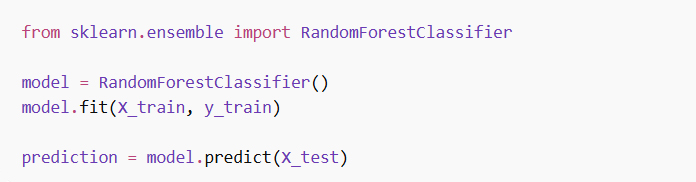
A simplified example of a classification model in Python:

This approach allows systems to:

  • Detect polymorphic malware
  • Classify threats based on behavior
  • Continuously improve detection accuracy

4. Fraud Detection and Risk Management

In sectors like banking and e-commerce, data science plays a vital role in identifying fraudulent transactions. Algorithms analyze transaction patterns and flag anomalies in real time.

For example:

  • Unusual spending behavior
  • Transactions from unfamiliar devices
  • Rapid successive purchases

These insights help prevent financial losses and enhance user trust.

5. Security Automation and Incident Response

Automation powered by data science reduces the burden on human analysts. Intelligent systems can:

  • Prioritize threats based on severity
  • Automati cally isolate compromised systems
  • Generate actionable insights for security teams

This leads to faster response times and minimizes damage during cyber incidents.

Machine Learning

Machine learning is the backbone of modern cybersecurity analytics. Supervised and unsupervised learning techniques are used for classification, clustering, and anomaly detection.

  • Supervised learning for known threats
  • Unsupervised learning for unknown threats
  • Reinforcement learning for adaptive security systems

Big Data Analytics

Cybersecurity systems process massive volumes of data from logs, network traffic, and user activity. Big data technologies enable:

  • Real-time data processing
  • Scalable storage solutions
  • Efficient querying of large datasets

Natural Language Processing (NLP)

NLP is used to analyze threat intelligence reports, phishing emails, and dark web communications.

  • Detecting phishing attempts
  • Extracting information from threat reports
  • Monitoring hacker forums

Consider a large enterprise where employees access sensitive data daily. A data science model monitors user behavior over time. If an employee suddenly downloads an unusually large volume of confidential files outside working hours, the system flags this as a potential insider threat.

This approach combines:

  • Behavioral analytics
  • Time-series analysis
  • Risk scoring models

Despite its advantages, integrating data science into cybersecurity comes with challenges:

  • Data Quality Issues: Incomplete or noisy data can reduce model accuracy
  • Adversarial Attacks: Hackers may manipulate data to deceive models
  • High False Positives: Excessive alerts can overwhelm security teams
  • Privacy Concerns: Monitoring user behavior must comply with regulations

Addressing these challenges requires continuous model tuning, robust data pipelines, and ethical considerations.

The future of cybersecurity lies in fully autonomous systems powered by artificial intelligence. Emerging trends include:

  • Self-healing systems that automatically recover from attacks
  • AI-driven threat hunting
  • Integration with IoT and edge computing security

As cyber threats grow more complex, the role of data science will only become more central, transforming cybersecurity from a reactive discipline into a proactive and predictive one.

Data science has fundamentally reshaped the cybersecurity landscape. By enabling systems to learn from data, detect anomalies, and predict threats, it provides a dynamic and intelligent defense mechanism against cyber attacks. Organizations that leverage data science effectively gain a significant advantage in safeguarding their digital assets.

In a world where data is both the target and the tool, mastering the intersection of data science and cybersecurity is no longer optional—it is essential.

Advertisements

كيف يُحدث علم البيانات تحولاً جذرياً في الأمن السيبراني الحديث؟

Advertisements

في عصرٍ تُشكل فيه الأنظمة الرقمية أساساً لكل جانب من جوانب الحياة الحديثة تقريباً من الأنظمة المالية إلى البنية التحتية للرعاية الصحية تطور الأمن السيبراني ليصبح تخصصاً بالغ الأهمية، ومع ذلك لم تعد آليات الأمان التقليدية القائمة على القواعد كافية لمواجهة التهديدات السيبرانية المتطورة باستمرار، وهنا يبرز علم البيانات كقوة مُغيرة، فمن خلال تسخير كميات هائلة من البيانات وتطبيق النمذجة الإحصائية والتعلم الآلي والتعرف على الأنماط يُمكّن علم البيانات المؤسسات من اكتشاف التهديدات السيبرانية والتنبؤ بها وتحييدها بدقة غير مسبوقة

تستكشف هذه المقالة كيف يُعيد علم البيانات تشكيل الأمن السيبراني مُقدمةً رؤى أساسية للمبتدئين ووجهات نظر متقدمة للمختصين الساعين إلى تعميق فهمهم

في جوهره يدور الأمن السيبراني حول حماية الأنظمة والشبكات والبيانات من الوصول غير المصرح به أو الهجمات، من ناحية أخرى يُركز علم البيانات على استخلاص رؤى قيّمة من البيانات المنظمة وغير المنظمة، وعندما يتقاطع هذان المجالان ينشأ تآزر قوي

:يعزز علم البيانات الأمن السيبراني من خلال

تحديد الشذوذ في سلوك الشبكة •

التنبؤ بأساليب الهجوم المحتملة •

أتمتة عمليات كشف التهديدات •

تحسين أوقات الاستجابة للحوادث •

على عكس الأنظمة التقليدية التي تعتمد على قواعد محددة مسبقاً تتعلم أنظمة الأمن السيبراني القائمة على البيانات وتتكيف باستمرار مما يجعلها أكثر مرونة في مواجهة التهديدات المتطورة

1. كشف التهديدات وتحديد الشذوذ

يُعد كشف الأنماط غير المعتادة التي قد تشير إلى نشاط ضار أحد أهم تطبيقات علم البيانات، بحيث تُدرَّب نماذج التعلم الآلي على البيانات التاريخية للتعرف على السلوك “الطبيعي” وعليه فأي انحراف عن هذا النمط الأساسي يُطلق تنبيهات

على سبيل المثال إذا كان المستخدم يسجل دخوله عادةً من موقع جغرافي واحد ثم دخل فجأةً إلى النظام من عدة دول في غضون دقائق فإن أنظمة كشف الشذوذ تُصنِّف هذا السلوك على أنه مشبوه

مراقبة حركة مرور الشبكة في الوقت الفعلي •

تحليل سلوك المستخدم •

كشف هجمات اليوم الصفر •

Advertisements

2. التحليلات التنبؤية للوقاية من التهديدات

تحلل النماذج التنبؤية الحوادث الإلكترونية السابقة للتنبؤ بالهجمات المستقبلية، ومن خلال تحديد أنماط استراتيجيات الهجوم تستطيع المؤسسات تعزيز دفاعاتها بشكل استباقي

على سبيل المثال يمكن لخوارزميات التجميع تصنيف أنواع الهجمات المتشابهة مما يمكّن فرق الأمن السيبراني من توقع المتغيرات الجديدة للتهديدات المعروفة

           التنبؤ باتجاهات الهجمات •

           تقييم مخاطر الثغرات الأمنية •

           التوزيع الاستراتيجي للموارد الأمنية •

3. اكتشاف البرمجيات الخبيثة وتصنيفها

يُتيح علم البيانات إمكانية الاكتشاف الآلي للبرمجيات الخبيثة من خلال تحليل خصائص الملفات وسلوكها، فبدلاً من الاقتصار على أساليب الاكتشاف القائمة على التوقيعات البرمجية فحسب يمكن لنماذج التعلم الآلي تحديد البرمجيات الخبيثة التي لم يسبق رصدها من قبل

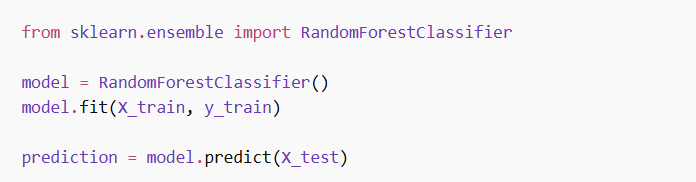
:وفيما يلي مثال مبسط لنموذج تصنيف مُبرمج بلغة بايثون

: يُمكّن هذا النهج الأنظمة من

اكتشاف البرمجيات الخبيثة متعددة الأشكال •

تصنيف التهديدات بناءً على سلوكها •

التحسين المستمر لدقة الكشف •

4. كشف الاحتيال وإدارة المخاطر

في قطاعات مثل الخدمات المصرفية والتجارة الإلكترونية يلعب علم البيانات دوراً حيوياً في تحديد المعاملات الاحتيالية، تُحلل الخوارزميات أنماط المعاملات وتُشير إلى الحالات الشاذة في الوقت الفعلي

:على سبيل المثال

معاملات من أجهزة غير مألوفة •

عمليات شراء متتالية سريعة •

تُساعد هذه المعلومات في منع الخسائر المالية وتعزيز ثقة المستخدم

5. أتمتة الأمن والاستجابة للحوادث

تُقلل الأتمتة المدعومة بعلم البيانات العبء على المحللين البشريين

: يُمكن للأنظمة الذكية

تحديد أولويات التهديدات بناءً على خطورتها •

عزل الأنظمة المخترقة تلقائياً •

توليد معلومات قابلة للتنفيذ لفرق الأمن •

يؤدي ذلك إلى أوقات استجابة أسرع وتقليل الأضرار أثناء الحوادث الإلكترونية

التعلم الآلي

يُعدّ التعلم الآلي الركيزة الأساسية لتحليلات الأمن السيبراني الحديثة، إذ تُستخدم تقنيات التعلم الخاضع للإشراف وغير الخاضع للإشراف في التصنيف والتجميع واكتشاف الحالات الشاذة

التعلم الخاضع للإشراف للتهديدات المعروفة •

التعلم غير الخاضع للإشراف للتهديدات غير المعروفة •

التعلم المعزز لأنظمة الأمان التكيفية •

تحليلات البيانات الضخمة

تعالج أنظمة الأمن السيبراني كميات هائلة من البيانات من السجلات وحركة مرور الشبكة ونشاط المستخدم

: تُمكّن تقنيات البيانات الضخمة ما يلي

معالجة البيانات في الوقت الفعلي •

حلول تخزين قابلة للتوسع •

استعلام فعال عن مجموعات البيانات الكبيرة •

(NLP) معالجة اللغة الطبيعية

تُستخدم معالجة اللغة الطبيعية لتحليل تقارير معلومات التهديدات ورسائل البريد الإلكتروني التصيدية واتصالات الإنترنت المظلم

اكتشاف محاولات التصيد الاحتيالي •

استخراج المعلومات من تقارير التهديدات •

مراقبة منتديات المخترقين •

مثال واقعي: اكتشاف التهديدات الداخلية

لنفترض مؤسسة كبيرة حيث يصل الموظفون إلى بيانات حساسة يومياً، يراقب نموذج علم البيانات سلوك المستخدم بمرور الوقت، فإذا قام موظفٌ فجأةً بتنزيل كمية كبيرة غير معتادة من الملفات السرية خارج ساعات العمل، فيُشير النظام إلى ذلك باعتباره تهديداً داخلياً محتملاً

: يجمع هذا النهج بين

تحليل السلوك •

تحليل السلاسل الزمنية •

نماذج تقييم المخاطر •

: على الرغم من مزاياه فإن دمج علم البيانات في الأمن السيبراني ينطوي على تحديات منها

مشاكل جودة البيانات: قد تؤدي البيانات غير المكتملة أو المشوشة إلى تقليل دقة النموذج •

الهجمات الخبيثة: قد يتلاعب المخترقون بالبيانات لخداع النماذج •

ارتفاع معدل الإنذارات الكاذبة: قد تُرهق التنبيهات المفرطة فرق الأمن •

مخاوف الخصوصية: يجب أن يتوافق رصد سلوك المستخدم مع اللوائح •

يتطلب التغلب على هذه التحديات ضبطاً مستمراً للنماذج وقنوات بيانات قوية ومراعاة الاعتبارات الأخلاقية

يكمن مستقبل الأمن السيبراني في الأنظمة المستقلة تماماً والمدعومة بالذكاء الاصطناعي

: تشمل الاتجاهات الناشئة ما يلي

أنظمة ذاتية الإصلاح تتعافى تلقائياً من الهجمات •

البحث عن التهديدات المدعوم بالذكاء الاصطناعي •

التكامل مع أمن إنترنت الأشياء والحوسبة الطرفية •

مع ازدياد تعقيد التهديدات السيبرانية سيزداد دور علم البيانات أهمية محولاً الأمن السيبراني من مجال تفاعلي إلى مجال استباقي وتنبؤي

أحدث علم البيانات نقلةً نوعيةً في مجال الأمن السيبراني، فمن خلال تمكين الأنظمة من التعلّم من البيانات واكتشاف الشذوذات والتنبؤ بالتهديدات يُوفّر آلية دفاعٍ ديناميكيةً وذكيةً ضد الهجمات السيبرانية، وتكتسب المؤسسات التي تُوظّف علم البيانات بفعالية ميزةً كبيرةً في حماية أصولها الرقمية

في عالمٍ تُعدّ فيه البيانات هدفاً وأداةً في آنٍ واحد، فلم يعد إتقان التكامل بين علم البيانات والأمن السيبراني خياراً بل ضرورةً حتمية

Advertisements

Harnessing the Power of Algorithms for a Smarter Life

Advertisements

Algorithms are the backbone of modern technology, influencing virtually every aspect of our daily lives. From the moment we wake up to the moment we go to bed, algorithms silently and efficiently manage and optimize our experiences, guiding us in ways we may not even be aware of. Understanding how to leverage algorithms can help us make more informed decisions, optimize our routines, and even improve our productivity.

This article aims to explore how algorithms function in everyday life, the ways in which we can benefit from them, and the practical strategies for leveraging algorithms to make our daily activities more efficient.

An algorithm is essentially a step-by-step procedure or formula for solving a problem. In the context of data science and artificial intelligence (AI), algorithms process data to derive patterns, predict outcomes, or optimize solutions. While we may not always recognize their presence, algorithms shape the way we interact with technology.

Examples of Algorithms in Daily Life:

  • Search Engines: When we type a query into Google, an algorithm sorts through billions of web pages, ranking them based on relevance, quality of content, and other factors. It uses ranking algorithms like PageRank, which considers factors like backlinks and keywords, to present the best results.
  • Social Media Feeds: Algorithms personalize your social media experience by sorting posts in a way that reflects your interests, previous interactions, and trending topics. Instagram, for example, uses machine learning models to predict what content is most relevant to you, adjusting the order of posts you see.
  • E-commerce Recommendations: Shopping platforms like Amazon or eBay recommend products based on your past browsing or purchase history. Algorithms process your behavior to suggest items you’re likely to be interested in.

Algorithms can be used to streamline personal tasks, enhance productivity, and optimize decision-making processes in ways we might not have considered. For instance, in the realm of time management, algorithms can help us manage our daily schedules, remind us of important tasks, or even suggest when we should take breaks to boost productivity.

Calendar and Task Management:

  • Smart Scheduling Algorithms: Tools like Google Calendar, Microsoft Outlook, or time management apps like Todoist often use scheduling algorithms to suggest the best times for meetings or tasks based on your availability and historical patterns. They also consider external factors like time zone differences and deadlines.
  • Priority Algorithms: Apps like Trello or Asana incorporate algorithms to help users prioritize tasks. These algorithms can analyze task urgency, deadlines, and even team collaboration needs to recommend how to organize your to-do list effectively.

Example:

Consider a person using an AI-based personal assistant, like Siri or Google Assistant. The assistant can not only manage their schedule but also suggest when to work on specific tasks based on the person’s past habits and priorities. If an individual typically checks emails at 9 a.m. each day, an assistant algorithm will prioritize those tasks for that time slot.

Algorithms have transformed the way we approach health and fitness. From tracking our daily steps to optimizing workouts, AI-driven technologies can assist us in achieving our fitness goals.

Wearable Devices:

  • Step Tracking and Exercise Optimization: Devices like Fitbit, Apple Watch, and other wearable fitness trackers use algorithms to monitor physical activity. These algorithms analyze factors like your heart rate, steps taken, and sleep patterns to recommend personalized fitness plans.
  • Health Predictions: Some apps, using machine learning algorithms, can predict potential health risks by analyzing patterns in your fitness data over time. For example, by recognizing unusual changes in heart rate or sleep patterns, the app might suggest a medical checkup before issues arise.

Example:

An individual using a fitness tracker could receive suggestions on their exercise intensity based on how their body responded to previous workouts. If the algorithm notices that a user’s heart rate is consistently elevated during certain exercises, it may recommend alternative exercises that reduce strain or optimize calorie burning.

From ride-sharing to navigation, algorithms are revolutionizing transportation systems, making them more efficient, cost-effective, and sustainable.

Navigation Systems:

  • Route Optimization: Google Maps, Apple Maps, and Waze all utilize traffic algorithms to provide real-time route suggestions. These algorithms analyze factors such as traffic congestion, road closures, and historical traffic patterns to recommend the quickest routes.
  • Ride-sharing Apps: Algorithms also play a pivotal role in ride-sharing apps like Uber and Lyft. By analyzing demand patterns and real-time traffic conditions, these platforms can predict ride availability, surge pricing, and optimal pick-up locations.

Example:

Imagine a commuter using Google Maps to navigate during rush hour. Google’s algorithm could adjust the route in real-time to avoid unexpected traffic slowdowns, ensuring the commuter reaches their destination faster. Similarly, Uber’s algorithm determines the most efficient pick-up points based on real-time location and traffic patterns.

Advertisements

In the financial sector, algorithms have been deployed to automate various tasks, from savings to investments, making financial management easier and more accessible.

Personal Finance and Budgeting:

  • Expense Tracking: Apps like Mint and YNAB (You Need A Budget) use algorithms to categorize spending and alert users to unusual financial activity. They can also suggest areas where users can cut back to save more.
  • Automated Savings: Apps like Digit or Qapital use algorithms to analyze your spending habits and transfer small amounts of money into savings accounts automatically. The app’s algorithm makes these transfers based on patterns in your bank account, optimizing your savings without requiring manual input.

Example:

A user may sign up for an app like Digit, which automatically transfers small amounts from their checking account to their savings account every day based on their spending patterns. The algorithm learns how much the user can afford to save without noticing a difference in their day-to-day spending.

Investment Algorithms:

  • Robo-Advisors: Platforms like Betterment and Wealthfront use machine learning algorithms to provide automated investment advice. They analyze your financial goals, risk tolerance, and time horizon to suggest personalized portfolios that balance risk and reward.

Smart home devices are another area where algorithms have proven to be immensely beneficial, creating more comfortable and energy-efficient living spaces. These algorithms enable devices to anticipate user needs, adjust settings automatically, and even save money on energy bills.

Smart Thermostats:

  • Predictive Algorithms for Energy Efficiency: Smart thermostats, like Nest and Ecobee, use algorithms to learn your temperature preferences throughout the day. They adjust heating or cooling systems based on your patterns, such as reducing energy use when you’re not at home.

Smart Lighting:

  • Behavioral Adaptation: Smart lighting systems, such as Philips Hue, use algorithms to adjust brightness and color temperature based on the time of day, your preferences, and even activity recognition (e.g., reading, working, relaxing).

Example:

A smart thermostat might automatically adjust the temperature based on your previous week’s schedule. If you typically set the temperature lower when you leave for work, the algorithm will preemptively adjust the setting every weekday without manual input, optimizing both comfort and energy consumption.

In communication tools like email or messaging platforms, algorithms assist in organizing, categorizing, and even composing messages.

Email Management:

  • Spam Filters: Email platforms like Gmail and Outlook use algorithms to detect spam, phishing attempts, and categorize emails into folders such as primary, social, or promotions based on your past behavior.
  • Smart Replies: Gmail offers features like Smart Compose and Smart Reply, which use natural language processing algorithms to suggest quick responses or even draft full replies based on the context of the email.

Example:

If an individual receives a work-related email about an upcoming meeting, Gmail’s algorithm may automatically suggest a polite, contextually relevant reply, saving time and effort. In addition, the algorithm might flag emails from unknown senders as spam, reducing distractions.

While algorithms offer immense benefits, they also raise ethical concerns. The use of algorithms in daily life has the potential to reinforce biases, limit privacy, and create dependency. It is important to stay aware of these issues as we continue to integrate algorithms into our lives.

Privacy and Data Security:

  • Algorithms rely on vast amounts of personal data to make informed predictions and decisions. This raises concerns about how our data is collected, stored, and used. The balance between convenience and privacy must be carefully managed.

Algorithmic Bias:

  • Algorithms can sometimes perpetuate biases if they are trained on biased data. For instance, AI algorithms used in hiring processes may favor certain demographics over others, leading to unfair outcomes. Ensuring fairness and transparency in algorithmic decision-making is essential.

Algorithms are powerful tools that can significantly enhance our productivity, health, financial management, and daily convenience. By understanding the algorithms that drive our technology, we can make more informed decisions, optimize our routines, and even anticipate needs before they arise. As we continue to move toward a more automated and data-driven world, the key lies in using these algorithms responsibly and ethically to maximize their potential for enhancing our everyday lives.

In the future, we may see even more sophisticated and personalized algorithms that help us in ways we can only imagine today. The key to success will be in understanding how to leverage these tools in a way that complements our goals and values.

Advertisements

تسخير قوة الخوارزميات من أجل حياة أكثر ذكاءً

Advertisements

تُعد الخوارزميات العمود الفقري للتكنولوجيا الحديثة، إذ تؤثر في كل جانب تقريباً من جوانب حياتنا اليومية، فمنذ لحظة استيقاظنا وحتى لحظة خلودنا إلى النوم تعمل الخوارزميات بصمت وكفاءة على إدارة تجاربنا وتحسينها موجهةً إيانا بطرق قد لا ندركها حتى، لذا فإن فهم كيفية الاستفادة من الخوارزميات يمكن أن يساعدنا في اتخاذ قرارات أكثر استنارة وتحسين روتيننا اليومي بل وحتى تعزيز إنتاجيتنا

يهدف هذا المقال إلى استكشاف كيفية عمل الخوارزميات في الحياة اليومية والطرق التي يمكننا من خلالها الاستفادة منها والاستراتيجيات العملية لتسخير الخوارزميات لجعل أنشطتنا اليومية أكثر كفاءة

الخوارزمية هي في جوهرها إجراء أو صيغة تسلسلية (خطوة بخطوة) تهدف إلى حل مشكلة ما وفي سياق علم البيانات والذكاء الاصطناعي تقوم الخوارزميات بمعالجة البيانات لاستخلاص الأنماط أو التنبؤ بالنتائج أو تحسين الحلول ورغم أننا قد لا ندرك دائماً وجودها إلا أن الخوارزميات تُشكّل الطريقة التي نتفاعل بها مع التكنولوجيا

: أمثلة على الخوارزميات في الحياة اليومية

محركات البحث: عندما نكتب استعلاماً بحثياً في محرك “جوجل” تقوم خوارزمية ما بفرز مليارات صفحات الويب وتصنيفها بناءً على مدى ملاءمتها وجودة محتواها وعوامل أخرى

“PageRank” وهي تستخدم خوارزميات تصنيف مثل خوارزمية

(ترتيب الصفحات) التي تأخذ في الاعتبار عوامل

(backlinks) مثل الروابط الخلفية

والكلمات المفتاحية لتقديم أفضل النتائج الممكنة

موجزات وسائل التواصل الاجتماعي: تعمل الخوارزميات على تخصيص تجربتك في وسائل التواصل الاجتماعي من خلال فرز المنشورات بطريقة تعكس اهتماماتك وتفاعلاتك السابقة والموضوعات الرائجة حالياً، فعلى سبيل المثال يستخدم تطبيق “إنستغرام” نماذج التعلم الآلي للتنبؤ بالمحتوى الأكثر ملاءمة لك ومن ثم تعديل ترتيب المنشورات التي تظهر أمامك

توصيات التجارة الإلكترونية: تقوم منصات التسوق الإلكتروني مثل “أمازون” أو “إيباي” بترشيح المنتجات لك بناءً على سجل تصفحك أو تاريخ مشترياتك السابق، إذ تقوم الخوارزميات بمعالجة سلوكك لتقترح عليك عناصر يُرجح أنك مهتم بها

يمكن استخدام الخوارزميات لتبسيط المهام الشخصية وتعزيز الإنتاجية وتحسين عمليات اتخاذ القرار بطرق ربما لم تخطر ببالنا من قبل، فعلى سبيل المثال وفي مجال إدارة الوقت يمكن للخوارزميات أن تساعدنا في تنظيم جداولنا اليومية وتذكيرنا بالمهام المهمة بل وحتى اقتراح الأوقات المناسبة لأخذ فترات راحة بهدف تعزيز الإنتاجية  

: إدارة التقويم والمهام

خوارزميات الجدولة الذكية: تستخدم أدوات مثل تقويم “جوجل” و”مايكروسوفت آوتلوك” وتطبيقات إدارة الوقت مثل تودويست خوارزميات جدولة لاقتراح أفضل الأوقات للاجتماعات أو المهام بناءً على توافرك وأنماطك السابقة، كما تأخذ هذه الأدوات في الاعتبار عوامل خارجية مثل فروق التوقيت والمواعيد النهائية

خوارزميات تحديد الأولويات: تتضمن تطبيقات مثل تريلو وأسانا خوارزميات لمساعدة المستخدمين على تحديد أولويات المهام، تستطيع هذه الخوارزميات تحليل مدى إلحاح المهام والمواعيد النهائية وحتى احتياجات التعاون الجماعي لتقديم توصيات حول كيفية تنظيم قائمة مهامك بفعالية

: مثال

لنفترض شخصاً يستخدم مساعداً شخصياً يعمل بالذكاء الاصطناعي مثل سيري أو مساعد جوجل، فلا يقتصر دور المساعد على إدارة جدوله الزمني فحسب بل يمكنه أيضاً اقتراح أوقات العمل على مهام محددة بناءً على عادات الشخص وأولوياته السابقة، فإذا كان الشخص يتفقد بريده الإلكتروني عادةً في الساعة التاسعة صباحاً كل يوم فستقوم خوارزمية المساعد بتحديد أولويات تلك المهام في ذلك الوقت

لقد غيّرت الخوارزميات نظرتنا إلى الصحة واللياقة، فمن تتبّع خطواتنا اليومية إلى تحسين التمارين تُساعدنا التقنيات المدعومة بالذكاء الاصطناعي على تحقيق أهدافنا في اللياقة

الأجهزة القابلة للارتداء : تتبّع الخطوات وتحسين التمارين

Fitbit و Apple Watch تستخدم أجهزة مثل

وغيرها من أجهزة تتبّع اللياقة القابلة للارتداء خوارزميات لمراقبة النشاط البدني، فتُحلّل هذه الخوارزميات عوامل مثل معدل ضربات القلب وعدد الخطوات وأنماط النوم لتقديم توصيات بخطط لياقة مُخصصة

التنبؤات الصحية: تستطيع بعض التطبيقات باستخدام خوارزميات التعلّم الآلي التنبؤ بالمخاطر الصحية المُحتملة من خلال تحليل أنماط بيانات اللياقة بمرور الوقت، فعلى سبيل المثال من خلال رصد تغييرات غير معتادة في معدل ضربات القلب أو أنماط النوم قد يُقترح التطبيق إجراء فحص طبي قبل ظهور أي مشاكل

: مثال

قد يتلقى الشخص الذي يستخدم جهاز تتبّع اللياقة اقتراحات بشأن شدة التمارين بناءً على استجابة جسمه للتمارين السابقة، إذا لاحظت الخوارزمية ارتفاعاً مستمراً في معدل ضربات قلب المستخدم أثناء تمارين معينة فقد تقترح تمارين بديلة تُخفف الإجهاد أو تُحسّن حرق السعرات الحرارية

من خدمات مشاركة الركوب إلى الملاحة تُحدث الخوارزميات ثورة في أنظمة النقل مما يجعلها أكثر كفاءة وفعالية من حيث التكلفة واستدامة

: أنظمة الملاحة

تحسين المسارات: تستخدم خرائط جوجل وخرائط أبل وويز خوارزميات حركة المرور لتقديم اقتراحات للمسارات في الوقت الفعلي، فتُحلل هذه الخوارزميات عوامل مثل الازدحام المروري وإغلاق الطرق وأنماط حركة المرور السابقة للتوصية بأسرع الطرق

تطبيقات مشاركة الركوب: تلعب الخوارزميات أيضاً دوراً محورياً في تطبيقات مشاركة الركوب مثل أوبر وليفت، من خلال تحليل أنماط الطلب وحالة المرور في الوقت الفعلي، تستطيع هذه المنصات التنبؤ بتوافر الرحلات وأسعار الذروة ومواقع الالتقاء المثلى

: مثال

تخيل شخصاً يستخدم خرائط جوجل للتنقل خلال ساعة الذروة، إذ أن بإمكان خوارزمية جوجل تعديل المسار لحظياً لتجنب الازدحام المروري غير المتوقع مما يضمن وصول الراكب إلى وجهته أسرع، وبالمثل تحدد خوارزمية أوبر نقاط الالتقاء الأكثر كفاءة بناءً على الموقع وأنماط حركة المرور في الوقت الفعلي

في القطاع المالي تم توظيف الخوارزميات لأتمتة مهام متنوعة من الادخار إلى الاستثمار مما يجعل الإدارة المالية أسهل وأكثر سهولة

التمويل : أتمتة الادخار والاستثمار

في القطاع المالي تم توظيف الخوارزميات لأتمتة مهام متنوعة من الادخار إلى الاستثمار مما يجعل الإدارة المالية أسهل وأكثر يسراً

: التمويل الشخصي وإدارة الميزانية

“Mint” تتبع النفقات : تستخدم تطبيقات مثل

خوارزميات لتصنيف أوجه الإنفاق وتنبيه المستخدمين في حال رصد أي نشاط مالي غير اعتيادي، كما يمكن لهذه التطبيقات اقتراح مجالات يمكن للمستخدمين تقليص نفقاتهم فيها لزيادة مدخراتهم

“Digit” أو “Qapital” الادخار الآلي: تستخدم تطبيقات مثل

خوارزميات لتحليل عاداتك في الإنفاق ومن ثم تحويل مبالغ مالية صغيرة إلى حسابات التوفير بشكل تلقائي، وتتولى خوارزمية التطبيق إجراء عمليات التحويل هذه استناداً إلى الأنماط المرصودة في حسابك المصرفي مما يساهم في تعظيم مدخراتك دون الحاجة إلى أي تدخل يدوي منك

: مثال

“Digit” قد يقوم المستخدم بالاشتراك في تطبيق مثل

الذي يعمل تلقائياً على تحويل مبالغ صغيرة من حسابه الجاري إلى حساب التوفير الخاص به بصفة يومية وذلك بناءً على أنماط إنفاقه، وتعمل الخوارزمية على تحديد المبلغ الذي يمكن للمستخدم ادخاره دون أن يشعر بأي فارق أو تأثير على نفقاته اليومية المعتادة

: خوارزميات الاستثمار

Betterment و Wealthfront المستشارون الآليون: تستخدم منصات مثل

خوارزميات التعلم الآلي لتقديم نصائح استثمارية آلية، إذ تحلل هذه المنصات أهدافك المالية وقدرتك على تحمل المخاطر والأفق الزمني لاقتراح محافظ استثمارية مخصصة توازن بين المخاطر والعوائد

Advertisements

تُعدّ أجهزة المنزل الذكية مجالاً آخر أثبتت فيه الخوارزميات فائدتها الكبيرة حيث تُساهم في خلق مساحات معيشية أكثر راحة وكفاءة في استهلاك الطاقة، تُمكّن هذه الخوارزميات الأجهزة من توقع احتياجات المستخدم وضبط الإعدادات تلقائياً بل وتوفير المال على فواتير الطاقة

منظمات الحرارة الذكية : خوارزميات تنبؤية لكفاءة الطاقة

Nest و Ecobee تستخدم منظمات الحرارة الذكية مثل

خوارزميات لتعلم تفضيلاتك لدرجة الحرارة على مدار اليوم، فتقوم هذه المنظمات بضبط أنظمة التدفئة أو التبريد بناءً على أنماط استخدامك مثل تقليل استهلاك الطاقة عندما تكون خارج المنزل

الإضاءة الذكية : التكيف السلوكي

Philips Hue تستخدم أنظمة الإضاءة الذكية مثل

خوارزميات لضبط السطوع ودرجة حرارة اللون بناءً على وقت اليوم وتفضيلاتك وحتى التعرف على النشاط (مثل القراءة أو العمل أو الاسترخاء)

: مثال

قد يقوم منظم الحرارة الذكي بضبط درجة الحرارة تلقائياً بناءً على جدولك الأسبوعي السابق، فإذا كنت تضبط درجة الحرارة عادةً على مستوى منخفض عند مغادرتك للعمل ستقوم الخوارزمية بضبط الإعداد مسبقاً كل يوم من أيام الأسبوع دون تدخل يدوي مما يُحسّن الراحة ويُقلل استهلاك الطاقة

في أدوات الاتصال مثل البريد الإلكتروني أو منصات المراسلة تُساعد الخوارزميات في تنظيم الرسائل وتصنيفها وحتى كتابتها

إدارة البريد الإلكتروني : مرشحات البريد العشوائي

Gmail و Outlook تستخدم منصات البريد الإلكتروني مثل

خوارزميات لاكتشاف البريد العشوائي ومحاولات التصيد الاحتيالي وتصنيف رسائل البريد الإلكتروني في مجلدات مثل البريد الأساسي أو الاجتماعي أو الترويجي بناءً على سلوكك السابق

: الردود الذكية

ميزات مثل “الإنشاء الذكي” و”الرد الذكي” Gmail يوفر

والتي تستخدم خوارزميات معالجة اللغة الطبيعية لاقتراح ردود سريعة أو حتى صياغة ردود كاملة بناءً على سياق البريد الإلكتروني

: مثال

إذا تلقى شخص ما بريداً إلكترونياً متعلقاً بالعمل حول اجتماع قادم فقد تقترح خوارزمية جيميل تلقائياً رداً مهذباً ومناسباً للسياق مما يوفر الوقت والجهد، بالإضافة إلى ذلك قد تصنف الخوارزمية رسائل البريد الإلكتروني من مرسلين مجهولين على أنها رسائل غير مرغوب فيها مما يقلل من عوامل التشتيت

على الرغم من الفوائد الهائلة التي تقدمها الخوارزميات إلا أنها تثير أيضاً مخاوف أخلاقية، إن استخدام الخوارزميات في حياتنا اليومية قد يُعزز التحيزات ويُقيد الخصوصية ويُنشئ التبعية، فمن المهم أن نُدرك هذه المشكلات مع استمرارنا في دمج الخوارزميات في حياتنا

: الخصوصية وأمن البيانات

تعتمد الخوارزميات على كميات هائلة من البيانات الشخصية لاتخاذ تنبؤات وقرارات مدروسة، وهذا يُثير مخاوف بشأن كيفية جمع بياناتنا وتخزينها واستخدامها، يجب إدارة التوازن بين سهولة الاستخدام والخصوصية بعناية

: التحيز الخوارزمي

قد تُؤدي الخوارزميات أحياناً إلى ترسيخ التحيزات إذا تم تدريبها على بيانات متحيزة، على سبيل المثال قد تُفضل خوارزميات الذكاء الاصطناعي المُستخدمة في عمليات التوظيف فئات ديموغرافية مُعينة على غيرها مما يُؤدي إلى نتائج غير عادلة، يُعد ضمان العدالة والشفافية في عملية صنع القرار الخوارزمي أمراً ضرورياً

تُعد الخوارزميات أدوات قوية يُمكنها تحسين إنتاجيتنا وصحتنا وإدارتنا المالية وراحتنا اليومية بشكل كبير، فمن خلال فهم الخوارزميات التي تُشغل تقنياتنا يُمكننا اتخاذ قرارات أكثر فعالية وتحسين روتيننا اليومي بل وحتى توقع احتياجاتنا قبل ظهورها

مع استمرار توجهنا نحو عالم يعتمد على الأتمتة والبيانات بشكل متزايد يكمن السر في استخدام هذه الخوارزميات بمسؤولية وأخلاقية لتحقيق أقصى استفادة منها في تحسين حياتنا اليومية

في المستقبل قد نشهد خوارزميات أكثر تطوراً وتخصيصاً تساعدنا بطرق لا نتخيلها اليوم، ويكمن مفتاح النجاح في فهم كيفية توظيف هذه الأدوات بما يتوافق مع أهدافنا وقيمنا

Advertisements

Create a Client-Ready Home Office That Boosts Your Professional Image

Advertisements

For budding entrepreneurs meeting clients from a spare room, the home-based office setup can quietly shape trust before a word is spoken. The challenge is real: a space that works for daily focus can still read as makeshift in virtual and in-person meetings, and that gap can distract from the work being offered. “Impressive” in client meeting spaces isn’t about trendy decor, it’s about clear signals of reliability, privacy, and intention through professional workspace design. A client-ready office helps early businesses show up with confidence and consistency.

  • Choose a clean, quiet spot that supports a professional business meeting environment.
  • Set up a simple, uncluttered background and organized workspace to keep attention on the conversation.
  • Improve lighting and camera placement so your face is clear and confident on calls.
  • Manage sound and distractions so clients hear you easily and meetings stay focused.
  • Keep a quick office setup checklist of home office essentials to stay client ready anytime.

A polished home office is less about fancy gear and more about removing distractions that weaken your presence. That starts with ergonomics, lighting and sound, and what clients see behind you on video. Simple choices like ergonomic furniture help your body stay steady and comfortable so you can focus on the conversation.

This matters because client work in analytics and data science often involves long sessions of explaining tradeoffs, assumptions, and results. When your chair, screen, glare, or echo pulls your attention, your message feels less clear. Strong ergonomics can even boost output, since ergonomic interventions can improve productivity by up to 20%.

Imagine presenting a dashboard review and needing to defend a surprising metric. If you are squinting at a bright window, shifting in your seat, and your background looks messy, confidence drops fast. When your lighting is even, your sound is clean, and your backdrop is calm, your insights land better.

This setup process helps you build a home office that looks professional on camera and functions reliably during real client conversations. For analytics and data science work, where you often need to walk through assumptions, visuals, and decisions, the goal is to remove friction so your thinking and explanations stay crisp.

  1. Place your desk for camera-friendly light
    Start by positioning your desk so natural light hits your face from the front or slightly to the side, not from behind you. Then set your camera at eye level, using a laptop stand or a stable stack of books, so your posture and eye contact look confident. This single change reduces the “shadowed face” effect that can make even good insights feel uncertain.
  2. Arrange furniture for steady, distraction-free work
    Choose a chair and desk height that let your feet rest flat and your elbows sit comfortably near keyboard height, then keep your main screen directly in front of you. Clear one “meeting zone” on the desk with only what you use on calls: notebook, pen, water, and a second screen if you present dashboards. A predictable layout keeps you from fidgeting or hunting for items while you are explaining a metric.
  3. Lock in meeting tech that will not fail mid-call
    Use a wired internet connection if possible, or place your router closer to your office, and test your connection at the time of day you typically meet clients. Standardize a simple meeting kit: one primary laptop, one backup option (tablet or phone hotspot), and a single headset you always use. Reliability matters because clients judge your recommendations partly by how smoothly the conversation flows.
  4. Upgrade audio and video with two small tools
    Pick one dedicated microphone solution, either a USB mic or a headset mic, and confirm your voice sounds clear without echo in your meeting app’s test mode. Add a basic light in front of you, such as a ring light or small LED panel, so your expressions stay visible even on cloudy days. These upgrades often beat expensive cameras because clear sound and consistent light make it easier for clients to follow complex explanations.
  5. Style a calm, professional background
    Decide what you want clients to see, then remove everything else: a plain wall, a tidy shelf, or a simple framed print can work. Add one real plant for warmth and visual stability, and you can justify it with the idea that workplace productivity by fifteen percent has been linked to plants in workspace design guidance. Keep branding subtle, like one notebook or small logo item, so your work stays the focus.
Advertisements

Q: What are the key elements to include in a home office to make a strong impression during client meetings?
A: Prioritize clear audio, flattering light, a stable camera angle, and a distraction-free background. Keep one dedicated “client kit” within reach: headset or mic, charging cable, notepad, and a clean glass of water. A consistent setup reduces last-minute scrambling and helps you sound confident explaining models and tradeoffs.

Q: How can I organize my home-based workspace to reduce stress and stay focused when hosting important virtual calls?
A: Create zones: a call surface (only meeting essentials), a work surface (analysis tasks), and a landing spot for papers and devices. Tame noise by closing gaps and adding soft materials; sealing air paths can help cut distractions so you stay composed. Do a two-minute reset before meetings to avoid clutter-induced stress.

Q: What design tips can help make a small room feel spacious and professional for in-person customer meetings?
A: Use one bright key light, a mirror or light wall color, and minimal furniture with clear walkways. Hide cables, store supplies vertically, and keep decor intentional: one plant, one print, nothing noisy. If you can, add a small side chair and a tiny table to signal you are prepared to host.

Q: How can I set up my home office to simplify scheduling and minimize the feeling of being overwhelmed by meetings?
A: Batch calls into set windows and leave protected focus blocks for deep work like feature engineering or dashboard QA. Keep a single calendar source of truth and a repeatable pre-call checklist so setup feels automatic. Add a five-minute buffer to every meeting to capture action items before the next call starts.

Q: How can I protect my home office setup and essential appliances to avoid disruptions during critical client interactions?
A: Start with prevention: a surge protector, routine software updates, and a weekly “reliability check” for internet, power, and peripherals. Plan a backup path for connectivity; backup internet can be as simple as a tested hotspot option. If breakdowns still worry you, compare warranty-style home system coverage versus homeowners or renters insurance so you know what each does and does not handle, click here for more info on what a home warranty is.

When your home office is also your meeting room, it’s easy to worry that noise, glitches, or clutter will undercut your credibility. The fix isn’t perfection, it’s a steady business environment investment mindset that treats your workspace as part of your service, pairing home office productivity with professional image enhancement. When the basics are reliable, impressing clients virtually and in-person starts to feel natural, and entrepreneur workspace motivation comes from momentum instead of pressure. A client-ready office is built through small, consistent upgrades, not a single big overhaul. Choose one upgrade today and schedule it, so the next call feels calmer and more in your control. That habit builds stability you can grow on, even as your workload and opportunities change.

Advertisements

أنشئ مكتباً منزلياً جاهزاً لاستقبال العملاء يُعزز صورتك المهنية

Advertisements

بالنسبة لرواد الأعمال الطموحين الذين يلتقون بالعملاء من غرفة إضافية يُمكن أن يُساهم تجهيز المكتب المنزلي في بناء الثقة قبل حتى أن تُنطق كلمة واحدة، إذ يكمن التحدي في أن المساحة المُناسبة للتركيز اليومي قد تبدو مؤقتة في الاجتماعات الافتراضية والحضورية وهذا التباين قد يُشتت الانتباه عن العمل المُقدّم، فلا يكمن سرّ جاذبية مساحات اجتماعات العملاء في الديكورات العصرية بل في إظهار مؤشرات واضحة على الموثوقية والخصوصية والجدية من خلال تصميم احترافي لمساحة العمل، وعليه يُساعد المكتب الجاهز لاستقبال العملاء الشركات الناشئة على الظهور بثقة وانتظام

اختر مكاناً نظيفاً وهادئاً يُوفر بيئة عمل احترافية لاجتماعات العمل ●

جهّز خلفية بسيطة وخالية من الفوضى ومساحة عمل مُنظمة للحفاظ على تركيز المُستمعين على المحادثة ●

حسّن الإضاءة وموضع الكاميرا لتظهر صورتك بوضوح وثقة أثناء المكالمات ●

تحكّم في الصوت والمُشتتات ليتمكن العملاء من سماعك بسهولة ولتبقى الاجتماعات مُركّزة ●

احتفظ بقائمة سريعة لتجهيز مكتبك المنزلي تتضمن أساسيات المكتب لتكون جاهزاً لاستقبال العملاء في أي وقت ●

تساعدك هذه الخطوات على إنشاء مكتب منزلي يبدو احترافياً أمام الكاميرا ويعمل بكفاءة أثناء المحادثات مع العملاء، ففي مجال تحليل البيانات وعلومها حيث تحتاج غالباً إلى شرح الافتراضات والرسوم البيانية واتخاذ القرارات يكمن الهدف في تبسيط الأمور لضمان وضوح أفكارك وشروحاتك

1. ضع مكتبك في مكان مناسب للإضاءة أمام الكاميرا

ابدأ بوضع مكتبك بحيث تصل الإضاءة الطبيعية إلى وجهك من الأمام أو من الجانب قليلاً وليس من الخلف، ثم اضبط الكاميرا على مستوى عينيك باستخدام حامل كمبيوتر محمول أو مجموعة كتب ثابتة بحيث تبدو وضعيتك وتواصلك البصري واثقين، هذا التغيير البسيط يقلل من تأثير “الوجه المظلل” الذي قد يجعل حتى الأفكار الجيدة تبدو غير مؤكدة

2. رتب الأثاث لعمل هادئ وخالٍ من المشتتات

اختر كرسياً وارتفاعاً مناسبين للمكتب يسمحان لقدميك بالاستقرار بشكل مسطح ووضع مرفقيك بشكل مريح بالقرب من مستوى لوحة المفاتيح ثم ضع شاشتك الرئيسية أمامك مباشرة، خصّص ركناً واحداً على مكتبك للاجتماعات وضع فيه فقط ما تحتاجه أثناء المكالمات: دفتر ملاحظات وقلم وماء وشاشة ثانية إذا كنت تعرض لوحات معلومات، يساعدك الترتيب المُنظّم على تجنّب التململ أو البحث عن الأدوات أثناء شرح أي مؤشر

3. اختر تقنية اجتماعات موثوقة لا تتعطل أثناء المكالمة

استخدم اتصال إنترنت سلكياً إن أمكن أو ضع جهاز التوجيه (الراوتر) بالقرب من مكتبك واختبر اتصالك في الوقت الذي تجتمع فيه عادةً مع العملاء، جهّز مجموعة أدوات اجتماعات بسيطة: جهاز كمبيوتر محمول أساسي وخيار احتياطي (جهاز لوحي أو نقطة اتصال هاتفية) وسماعة رأس واحدة تستخدمها دائماً، فالموثوقية مهمة لأن العملاء يُقيّمون توصياتك جزئياً بناءً على سلاسة المحادثة

4. حسّن جودة الصوت والفيديو باستخدام أداتين صغيرتين

USB اختر ميكروفوناً مخصصاً إما ميكروفون

أو ميكروفون سماعة رأس، وتأكد من وضوح صوتك دون صدى في وضع الاختبار في تطبيق الاجتماعات، وأضف إضاءة بسيطة أمامك

صغيرة LED مثل إضاءة دائرية أو لوحة

لتبقى تعابير وجهك واضحة حتى في الأيام الغائمة، فغالباً ما تتفوق هذه التحسينات على الكاميرات باهظة الثمن لأن الصوت الواضح والإضاءة الثابتة يُسهّلان على العملاء فهم الشروحات المعقدة

5. صمم خلفية هادئة واحترافية

حدد ما تريد أن يراه عملاؤك ثم أزل كل ما عداه: جدار عادي ورف مرتب أو لوحة مطبوعة بسيطة مؤطرة، كلها خيارات مناسبة، وأضف نبتة طبيعية واحدة لإضفاء الدفء والاستقرار البصري، ويمكنك تبرير ذلك بالإشارة إلى أن النباتات في بيئة العمل تزيد الإنتاجية بنسبة 15% وفقاً لإرشادات تصميم مساحات العمل، اجعل علامتك التجارية بسيطة كدفتر ملاحظات واحد أو شعار صغير حتى يبقى عملك هو محور التركيز

Advertisements

س: ما هي العناصر الأساسية التي يجب تضمينها في المكتب المنزلي لترك انطباع قوي خلال اجتماعات العملاء؟

ج: أعطِ الأولوية للصوت الواضح والإضاءة المناسبة وزاوية الكاميرا الثابتة والخلفية الخالية من المشتتات، احتفظ بمجموعة أدوات مخصصة للعميل في متناول يدك: سماعة رأس أو ميكروفون  وكابل شحن ومفكرة وكوب ماء نظيف، يقلل الترتيب المنتظم من الارتباك في اللحظات الأخيرة ويساعدك على الظهور بثقة عند شرح النماذج والمفاضلات

س: كيف يمكنني تنظيم مساحة العمل المنزلية لتقليل التوتر والحفاظ على التركيز أثناء إجراء مكالمات افتراضية مهمة؟

ج: قسّم المساحة إلى مناطق: سطح للمكالمات (للأدوات الأساسية فقط) وسطح للعمل (للمهام التحليلية) ومكان لوضع الأوراق والأجهزة، قلِّل الضوضاء عن طريق سد الفجوات وإضافة مواد ناعمة؛ كما أن إغلاق مسارات الهواء يساعد على تقليل المشتتات والحفاظ على هدوئك، خصص دقيقتين لإعادة ترتيب مكتبك قبل الاجتماعات لتجنب التوتر الناتج عن الفوضى

س: ما هي نصائح التصميم التي تساعد على جعل الغرفة الصغيرة تبدو واسعة واحترافية لاجتماعات العملاء الشخصية؟

ج: استخدم إضاءة رئيسية ساطعة ومرآة أو جداراً بلون فاتح وأثاثاً بسيطاً مع ممرات واضحة، أخفِ الكابلات وخزّن اللوازم بشكل عمودي واحرص على أن يكون الديكور مدروساً: نبتة واحدة لوحة فنية واحدة لا شيء صاخب، وإذا أمكن أضف كرسياً جانبياً صغيراً وطاولة صغيرة للإشارة إلى استعدادك لاستقبال العملاء

س: كيف يمكنني تجهيز مكتبي المنزلي لتبسيط جدولة الاجتماعات وتقليل الشعور بالإرهاق منها؟

ج: قسّم المكالمات إلى فترات زمنية محددة واترك فترات تركيز مخصصة للأعمال المعقدة مثل هندسة الميزات أو ضمان جودة لوحة المعلومات، واحتفظ بتقويم واحد كمصدر موثوق للمعلومات وقائمة مراجعة قابلة للتكرار قبل كل مكالمة بحيث يصبح الإعداد تلقائياً، أضف خمس دقائق احتياطية لكل اجتماع لتسجيل بنود العمل قبل بدء المكالمة التالية

س: كيف يمكنني حماية مكتبي المنزلي وأجهزتي الأساسية لتجنب أي انقطاعات أثناء تفاعلاتي المهمة مع العملاء؟ ج: ابدأ بالوقاية: واقي من زيادة التيار وتحديثات دورية للبرامج و”فحص موثوقية” أسبوعي للإنترنت والطاقة والأجهزة الطرفية، خطط لمسار احتياطي للاتصال؛ يمكن أن يكون الإنترنت الاحتياطي بسيطاً مثل نقطة اتصال لاسلكية مُختبرة، إذا كانت الأعطال لا تزال تُقلقك قارن بين تغطية نظام المنزل التي تُقدمها الضمانات وتأمين مالكي المنازل أو المستأجرين لمعرفة ما يُغطيه كل منهما وما لا يُغطيه، انقر هنا لمزيد من المعلومات حول ضمان المنزل

عندما يكون مكتبك المنزلي هو نفسه غرفة اجتماعاتك فمن السهل أن تقلق من أن الضوضاء أو الأعطال أو الفوضى ستؤثر سلباً على مصداقيتك، إذاً الحل ليس في الكمال بل في تبني عقلية استثمارية في بيئة عمل مستقرة تُعامل مساحة عملك كجزء من خدمتك وتجمع بين إنتاجية المكتب المنزلي وتعزيز صورتك المهنية، فعندما تكون الأساسيات موثوقة يصبح إبهار العملاء سواءً افتراضياً أو شخصياً أمراً طبيعياً، ويأتي حافز رائد الأعمال من الزخم بدلاً من الضغط، يُبنى المكتب الجاهز لاستقبال العملاء من خلال ترقيات صغيرة ومُستمرة وليس من خلال تغيير جذري واحد، اختر ترقية واحدة اليوم وحدد موعداً لها حتى تشعر بمزيد من الهدوء والتحكم في مكالمتك القادمة، هذه العادة تُرسخ استقراراً يُمكنك البناء عليه حتى مع تغير حجم عملك وفرصك

Advertisements

Coffee and Health: A Data-Driven Perspective

Advertisements

Coffee is not merely a beverage; it is one of the most consistent daily inputs in human behavior across cultures, making it an ideal subject for longitudinal analysis in epidemiology and data science. When billions of individuals repeatedly consume the same compound over decades, patterns emerge with statistical clarity. What makes coffee particularly interesting is that its effects are not binary but operate across a spectrum influenced by dosage, timing, and individual biological variability. Over the past two decades, large-scale cohort studies and meta-analyses have transitioned the conversation from uncertainty to relative consensus, positioning coffee as a net-positive factor in long-term health when consumed correctly. This article synthesizes that body of evidence into a structured, data-driven narrative.

  • Coffee is one of the most studied daily habits globally
  • Long-term data provides high statistical reliability
  • Effects depend on dose, timing, and individual response

When examining umbrella reviews that aggregate hundreds of observational studies, a consistent signal emerges: coffee consumption is more frequently associated with reduced risk than increased risk across a wide range of health outcomes. This includes all-cause mortality, cardiovascular disease, and several chronic conditions. From a data science perspective, this is significant because it indicates robustness across heterogeneous datasets—different populations, lifestyles, and methodologies. While causality cannot be definitively established due to the observational nature of most studies, the convergence of evidence reduces the likelihood that these findings are purely coincidental or confounded.

  • Lower all-cause mortality observed across populations
  • Reduced cardiovascular and chronic disease risk
  • Strong consistency across independent datasets

One of the most critical insights from long-term coffee research is the presence of a non-linear, U-shaped dose-response curve. This means that both low consumption and excessive consumption produce suboptimal outcomes, while moderate intake yields the greatest benefit. Typically, the optimal range falls between 3 to 5 cups per day, where the reduction in mortality and disease risk is most pronounced. Beyond this range, benefits plateau and may reverse due to side effects such as sleep disruption and increased physiological stress. This aligns with classic optimization models in analytics, where diminishing returns and risk thresholds define the ideal operating zone.

  • Optimal intake: approximately 3–5 cups daily
  • Benefits follow a U-shaped curve
  • Overconsumption reduces net positive effects

Coffee’s impact on the brain is one of the most compelling areas of research, particularly in the context of aging populations. Longitudinal studies suggest that regular coffee consumption is associated with a reduced risk of neurodegenerative diseases such as Alzheimer’s and Parkinson’s. The underlying mechanisms involve caffeine’s interaction with adenosine receptors, as well as the antioxidant properties of coffee’s polyphenols, which help mitigate oxidative stress and inflammation in neural tissue. Over time, these effects may contribute to preserving cognitive function and delaying decline.

  • Lower risk of Alzheimer’s and Parkinson’s disease
  • Neuroprotective effects via reduced inflammation
  • Potential delay in cognitive decline

From a metabolic standpoint, coffee has been consistently linked to improved insulin sensitivity and a reduced risk of type 2 diabetes. Cardiovascular outcomes, once considered a concern due to caffeine’s acute effects on heart rate and blood pressure, now show a more nuanced reality. Moderate coffee consumption is associated with a decreased risk of cardiovascular disease and mortality. This shift in understanding highlights the importance of distinguishing between short-term physiological responses and long-term health outcomes—an essential principle in data interpretation.

  • Reduced risk of type 2 diabetes
  • Improved metabolic efficiency
  • Lower long-term cardiovascular risk with moderate intake
Advertisements

One of the most frequently asked questions is whether coffee actually extends lifespan. While no single factor guarantees increased longevity, the data suggests that regular coffee drinkers tend to have a lower risk of premature death compared to non-drinkers. More importantly, emerging research indicates improvements in health span—the period of life spent in good health. This distinction is critical because extending life without maintaining quality is not a meaningful outcome. Coffee appears to contribute positively to both dimensions when consumed within optimal parameters.

  • Associated with longer average lifespan
  • Improves health span, not just survival
  • Strong correlation across multiple studies

Despite its benefits, coffee is not universally beneficial under all conditions. Excessive consumption can lead to negative outcomes such as anxiety, insomnia, and increased heart rate. One of the most overlooked risks is sleep disruption, which has cascading effects on hormonal balance, cognitive performance, and long-term health. Additionally, individual sensitivity to caffeine varies significantly due to genetic differences in metabolism, meaning that optimal intake is not identical for everyone.

  • High intake can cause anxiety and sleep issues
  • Sleep disruption reduces overall health benefits
  • Individual tolerance varies significantly

Recent studies highlight that not only the quantity but also the timing of coffee consumption plays a critical role in its long-term effects. Drinking coffee primarily in the morning aligns with the body’s natural circadian rhythms and cortisol cycles, maximizing alertness while minimizing disruption to sleep. In contrast, consuming coffee throughout the day dilutes its benefits and may even negate them due to cumulative interference with rest and recovery processes. This introduces a behavioral optimization layer often ignored in simplistic analyses.

  • Morning consumption yields better outcomes
  • Late-day coffee disrupts circadian rhythms
  • Timing is as important as dosage

To fully understand coffee’s long-term impact, it is essential to examine its biochemical composition. Coffee contains a complex mixture of bioactive compounds, including caffeine, chlorogenic acids, and polyphenols. These compounds influence multiple biological systems, from neural signaling to metabolic regulation and inflammation control. The synergistic effect of these components explains why coffee’s impact extends far beyond simple stimulation, functioning instead as a multi-system modulator.

  • Contains caffeine, antioxidants, and polyphenols
  • Impacts metabolism, brain function, and inflammation
  • Acts as a multi-system biological modulator

When evaluated through the lens of long-term data, coffee emerges as a high-value, low-cost lifestyle factor with measurable benefits across multiple health domains. However, its effectiveness depends on respecting the underlying data patterns—moderation, timing, and individual variability. Rather than viewing coffee as inherently good or bad, it should be understood as a variable that can be optimized. For most individuals, daily coffee consumption is not just safe—it is statistically advantageous when approached intelligently.

  • Coffee is a net-positive habit for most people
  • Benefits depend on moderation and timing
  • Best results come from data-informed consumption
Advertisements

القهوة والصحة: ​​منظور قائم على البيانات

Advertisements

القهوة ليست مجرد مشروب، بل هي من أكثر العوامل اليومية ثباتاً في السلوك البشري عبر مختلف الثقافات مما يجعلها موضوعاً مثالياً للتحليل الطولي في علم الأوبئة وعلم البيانات، فعندما يستهلك مليارات الأفراد نفس المركب بشكل متكرر على مدى عقود تظهر أنماط واضحة إحصائياً، ما يجعل القهوة مثيرة للاهتمام بشكل خاص هو أن تأثيراتها ليست ثنائية بل تتفاوت عبر طيف واسع يتأثر بالجرعة والتوقيت والاختلافات البيولوجية الفردية

على مدى العقدين الماضيين ساهمت دراسات الأتراب واسعة النطاق والتحليلات التلوية في تحويل النقاش من حالة عدم اليقين إلى إجماع نسبي مما يؤكد أن القهوة عامل إيجابي في الصحة على المدى الطويل عند استهلاكها بشكل صحيح

تُقدم هذه المقالة خلاصةً لهذه الأدلة في سرد ​​منظم قائم على البيانات

القهوة يُعدّ تناول القهوة من أكثر العادات اليومية دراسةً على مستوى العالم *

توفر البيانات طويلة الأمد موثوقية إحصائية عالية *

تعتمد التأثيرات على الجرعة والتوقيت والاستجابة الفردية *

عند دراسة المراجعات الشاملة التي تجمع مئات الدراسات الرصدية تبرز إشارة ثابتة: يرتبط استهلاك القهوة في أغلب الأحيان بانخفاض المخاطر الصحية مقارنةً بزيادتها وذلك عبر نطاق واسع من النتائج الصحية، يشمل ذلك الوفيات لأي سبب وأمراض القلب والأوعية الدموية والعديد من الأمراض المزمنة، من منظور علم البيانات يُعدّ هذا الأمر بالغ الأهمية لأنه يُشير إلى متانة النتائج عبر مجموعات بيانات غير متجانسة – من حيث السكان وأنماط الحياة والمنهجيات المختلفة، في حين أنه لا يمكن إثبات السببية بشكل قاطع نظراً لطبيعة معظم الدراسات الرصدية فإن تقارب الأدلة يقلل من احتمالية أن تكون هذه النتائج محض صدفة أو نتيجة عوامل أخرى

انخفاض معدل الوفيات الإجمالي بين مختلف الفئات السكانية *

انخفاض خطر الإصابة بأمراض القلب والأوعية الدموية والأمراض المزمنة *

اتساق قوي بين مجموعات البيانات المستقلة *

من أهم النتائج المستخلصة من أبحاث القهوة طويلة الأمد وجود منحنى استجابة للجرعة غير خطي

U على شكل حرف

وهذا يعني أن كلاً من الاستهلاك المنخفض والاستهلاك المفرط يُنتجان نتائج دون المستوى الأمثل بينما يُحقق الاستهلاك المعتدل أكبر فائدة، فعادةً يتراوح المعدل الأمثل بين 3 إلى 5 أكواب يومياً حيث يكون انخفاض معدل الوفيات وخطر الإصابة بالأمراض أكثر وضوحاً، بعد هذا النطاق تتوقف الفوائد وقد تنعكس بسبب آثار جانبية مثل اضطراب النوم وزيادة الإجهاد الفسيولوجي، يتوافق هذا مع نماذج التحسين الكلاسيكية في التحليلات حيث يُحدد تناقص العائدات وعتبات المخاطر نطاق التشغيل الأمثل

منحنى الاستجابة للجرعة: فهم التأثير غير الخطي للجرعة الكمية المثلى للاستهلاك حوالي 3-5 أكواب يومياً *

U تظهر الفوائد على شكل منحنى على هيئة حرف *

يؤدي الإفراط في الاستهلاك إلى تقليل الفوائد الإجمالية *

يُعدّ تأثير القهوة على الدماغ من أهم مجالات البحث لا سيما في سياق شيخوخة السكان، تشير الدراسات الطولية إلى أن الاستهلاك المنتظم للقهوة يرتبط بانخفاض خطر الإصابة بالأمراض التنكسية العصبية مثل الزهايمر وباركنسون، إذ تتضمن الآليات الكامنة وراء ذلك تفاعل الكافيين مع مستقبلات الأدينوزين، بالإضافة إلى خصائص مضادات الأكسدة الموجودة في مركبات البوليفينول الموجودة في القهوة والتي تساعد على تخفيف الإجهاد التأكسدي والالتهاب في الأنسجة العصبية، ومع مرور الوقت قد تُساهم هذه الآثار في الحفاظ على الوظائف المعرفية وتأخير تدهورها

انخفاض خطر الإصابة بمرض الزهايمر وباركنسون *

آثار وقائية عصبية عبر تقليل الالتهاب *

إمكانية تأخير التدهور المعرفي *

من الناحية الأيضية ارتبطت القهوة باستمرار بتحسين حساسية الأنسولين وتقليل خطر الإصابة بداء السكري من النوع الثاني، أما بالنسبة للتأثيرات القلبية الوعائية التي كانت تُعتبر في السابق مصدر قلق بسبب تأثيرات الكافيين الحادة على معدل ضربات القلب وضغط الدم فقد باتت تُظهر الآن واقعاً أكثر دقة، يرتبط استهلاك القهوة باعتدال بانخفاض خطر الإصابة بأمراض القلب والأوعية الدموية والوفاة، يُبرز هذا التحول في الفهم أهمية التمييز بين الاستجابات الفسيولوجية قصيرة المدى والنتائج الصحية طويلة المدى وهو مبدأ أساسي في تفسير البيانات

انخفاض خطر الإصابة بداء السكري من النوع الثاني *

تحسين كفاءة التمثيل الغذائي *

انخفاض خطر الإصابة بأمراض القلب والأوعية الدموية على المدى الطويل مع الاستهلاك المعتدل *

Advertisements

من أكثر الأسئلة شيوعاً هو ما إذا كانت القهوة تُطيل العمر بالفعل، في حين أنه لا يوجد عامل واحد يضمن زيادة طول العمر، إذ تشير البيانات إلى أن مُستهلكي القهوة بانتظام يميلون إلى انخفاض خطر الوفاة المبكرة مقارنةً بغير المُستهلكين، والأهم من ذلك تُشير الأبحاث الحديثة إلى تحسنات في فترة الصحة – وهي الفترة التي يقضيها الشخص بصحة جيدة، يُعدّ هذا التمييز بالغ الأهمية لأنّ إطالة العمر دون الحفاظ على جودته ليس نتيجةً ذات قيمة، ويبدو أنّ القهوة تُسهم إيجاباً في كلا البُعدين عند تناولها ضمن الحدود المُثلى

مرتبطة بزيادة متوسط ​​العمر المتوقع *

تحسين الصحة العامة، وليس فقط البقاء على قيد الحياة *

ارتباط قوي في العديد من الدراسات *

على الرغم من فوائدها إلا أنّ القهوة ليست مُفيدة للجميع في جميع الظروف، فالإفراط في تناولها قد يُؤدّي إلى نتائج سلبية مثل القلق والأرق وزيادة سرعة ضربات القلب، ومن أكثر المخاطر التي يتمّ تجاهلها اضطراب النوم والذي يُؤثّر سلباً على التوازن الهرموني والأداء الإدراكي والصحة على المدى الطويل، بالإضافة إلى ذلك تختلف حساسية الأفراد للكافيين اختلافاً كبيراً بسبب الاختلافات الجينية في عملية التمثيل الغذائي ممّا يعني أنّ الكمية المُثلى لتناولها ليست واحدة للجميع

قد يؤدي الإفراط في تناول القهوة إلى القلق واضطرابات النوم *

يؤدي اضطراب النوم إلى تقليل الفوائد الصحية العامة *

تختلف قدرة تحمل الأفراد بشكل كبير *

تشير الدراسات الحديثة إلى أن كمية القهوة وتوقيت تناولها يلعبان دوراً حاسماً في آثارها طويلة المدى، فتناول القهوة في الصباح يتوافق مع إيقاعات الجسم الطبيعية ودورات الكورتيزول مما يزيد من اليقظة ويقلل من اضطراب النوم، في المقابل يؤدي تناول القهوة على مدار اليوم إلى تقليل فوائدها بل وقد يُلغيها تماماً بسبب التداخل التراكمي مع عمليات الراحة والاستشفاء، وهذا يُضيف بُعداً سلوكياً غالباً ما يتم تجاهله في التحليلات المبسطة

يُحقق تناول القهوة صباحاً نتائج أفضل *

يُؤدي تناول القهوة في وقت متأخر من اليوم إلى اضطراب إيقاعات الجسم الطبيعية *

التوقيت لا يقل أهمية عن الجرعة *

لفهم تأثير القهوة على المدى الطويل فهماً كاملاً من الضروري دراسة تركيبها الكيميائي الحيوي، إذ تحتوي القهوة على مزيج معقد من المركبات النشطة بيولوجياً بما في ذلك الكافيين وحمض الكلوروجينيك والبوليفينولات، فتؤثر هذه المركبات على العديد من الأنظمة البيولوجية بدءاً من الإشارات العصبية وصولاً إلى تنظيم عمليات الأيض والتحكم في الالتهابات، يفسر التأثير التآزري لهذه المكونات سبب امتداد تأثير القهوة إلى ما هو أبعد من مجرد التحفيز حيث تعمل بدلاً من ذلك كمنظم متعدد الأنظمة

تحتوي على الكافيين ومضادات الأكسدة والبوليفينولات *

تؤثر على عمليات الأيض ووظائف الدماغ والالتهابات *

تعمل كمنظم بيولوجي متعدد الأنظمة *

عند تقييمها من خلال منظور البيانات طويلة الأجل تبرز القهوة كعامل نمط حياة قيّم ومنخفض التكلفة مع فوائد ملموسة في مجالات صحية متعددة، ومع ذلك تعتمد فعاليتها على مراعاة أنماط البيانات الأساسية – الاعتدال والتوقيت والاختلافات الفردية، فبدلاً من النظر إلى القهوة على أنها جيدة أو سيئة بطبيعتها يجب فهمها كمتغير يمكن

تحسينه، وبالنسبة لمعظم الأفراد فإن تناول القهوة يومياً ليس آمناً فحسب بل إنه مفيد إحصائياً عند تناوله بذكاء

: إذاً استنادا إلى ما ذكر أعلاه نستخلص النتائج التالية

يُعدّ شرب القهوة عادةً إيجابيةً لمعظم الناس *

وتعتمد فوائدها على الاعتدال والتوقيت المناسبين *

وتتحقق أفضل النتائج من خلال استهلاكها بناءً على بيانات دقيقة *

Advertisements