Local and online small business owners often build their operations around one primary offer, one big client, or one sales channel. The core tension is simple: single revenue source risks turn normal ups and downs into revenue instability that can squeeze payroll, inventory, and peace of mind. Yet business revenue diversification challenges are real, because adding income streams can distract teams, dilute quality, and create new costs before the payoff shows up. The goal is to protect what already works while building the importance of multiple income streams into the business with care.
Understanding Revenue Diversification
Revenue diversification means earning money in more than one way, so your business is not dependent on a single offer or pipeline. In practice, it’s a corporate growth strategy where you add income sources that fit your skills, customers, and capacity.
It matters because variety makes your cash flow steadier when one stream slows down. It also gives you more control, since you can shift attention to what’s working instead of scrambling when a client leaves.
Think of a shop that relies on walk-ins only. Adding online orders, a subscription refill, or a simple service package means one rainy week does not derail the month. Some firms even build revenues from new markets to balance regional slumps. A solid foundation makes it easier to test new revenue ideas without messy setup or compliance gaps.
Expand Offerings Without Wrecking Your Back Office
Diversifying works best when your business stays easy to understand and manage behind the scenes, even as you add new moving parts. When you expand into new products, services, or even a new market, it can help to form a limited liability company (LLC) so each new revenue stream has a clearer “home.” That structure can make it easier to organize operations (and keep responsibilities, accounts, and decisions from blurring together) while you test what’s worth scaling. An LLC can also help limit personal liability, which matters when you’re experimenting and don’t yet know which new offerings will stick.
Because setup details can be stressful and easy to get wrong when you’re juggling growth, some business owners choose to work with a business formation company to simplify the process and make sure the legal structure is handled correctly, ZenBusiness is one option people use for that. With the foundation clearer and the risk better managed, you’re in a stronger position to try multiple income streams without creating confusion for yourself, or your customers, so you can move into the next section’s step-by-step plan with confidence.
Test New Revenue Streams Without Taking Big Risks
This step-by-step approach helps you add new income sources without betting the business on a single big launch. It matters because small, controlled tests are easier to fund, easier to learn from, and less likely to confuse your customers.
Clear budget and time for experiments Start by trimming expenses and commitments that no longer pull their weight so your test budget comes from savings, not stress. A simple review to eliminate redundant services can free up cash and attention for a small pilot. Set a fixed monthly cap and a weekly time block so the experiment stays contained.
Pick one complementary add-on and pre-sell it Choose a product or service that naturally fits what you already sell, like an upgrade, a bundle, or a done-for-you version. Validate demand with a small pre-sale to your current customers before you build anything big. Aim for 10 to 20 paid commitments or deposits, then deliver a basic version and collect feedback.
Pilot a simple subscription with a clear promise Create a subscription that solves one repeating problem, such as monthly refills, ongoing support, or a members-only perk. Keep it easy to explain in one sentence and start with a short trial window, like 30 to 60 days, so people can try it without hesitation. Track churn, support load, and whether members buy less or more of your main offering.
Explore one new market using a “tiny launch” Pick a single new audience or channel and run a limited campaign with one message and one offer. Set a success target you can measure, like cost per lead, conversion rate, or repeat purchase rate, and stop after a preset spend. Then decide: refine and repeat, or drop it and move on.
Form one partnership and test it like a product List 5 potential partners whose customers already need what you provide, then propose one small shared activity, like a co-hosted webinar or a referral swap with a tracking link. Write down expectations in plain language, including who does what, how leads are handled, and how revenue is split. Stick with the partners and routines that show long-term superiority through consistent results, not just early excitement.
Advertisements
Revenue Stream Growth: Common Questions Answered
Q: How do I add revenue streams without overextending my time and cash? A: Treat every new idea like a capped experiment with a fixed budget, a fixed weekly time block, and a clear stop date. If it cannot run inside those limits, it is not a test yet, it is a new business. Keep your “must-do” operations protected first, then experiment only with what is left.
Q: What if new offers confuse my customers and weaken my main brand? A: Start with clear messaging that ties the new offer to the same core problem you already solve. A market positioning strategy helps you stay in a “distinct and desirable place” in customers’ minds, even as you expand. Use one simple sentence: “We help X do Y, and this add-on helps you do it faster or with less effort.”
Q: How do I decide which idea to test first when I have too many options? A: Use a simple scorecard: customer demand, ease to deliver, and profit potential, each rated 1 to 5. Test the highest total that also supports your main offer, not a random shiny idea. If two tie, pick the one with the shortest path to a paid pilot.
Q: When should I stop or pause a new stream instead of pushing harder? A: Stop when it consistently misses one or two pre-set metrics, like conversion rate, delivery time, or support load. Keep a short notes log on what customers asked for, then either adjust the offer or shelve it. Quitting a weak pilot is focus, not failure.
Q: Can I target a new audience without losing focus on my best customers? A: Yes, if you define the new segment clearly and keep the offer almost identical at first. Think of it as a strategic expansion designed to reduce risk, not a full rebrand. Run one channel and one message so you can learn cleanly.
Build Revenue Resilience With One Trackable New Stream
Adding revenue streams can feel like a tug-of-war between growth and the fear of spreading your business too thin or confusing customers. The steadier path is the one built on key takeaways on diversification: protect your core, stay clear on positioning, and treat new income ideas as thoughtful experimentation you can measure. Done this way, you’re building revenue resilience and business growth confidence at the same time, because decisions come from what the numbers and customers tell you. Diversification works best when it’s simple, intentional, and tracked. This week, you can pick one practical diversification strategy to test and define one metric that will tell you “keep going” or “pause.” That kind of calm, consistent progress is what turns today’s effort into tomorrow’s stability.
Advertisements
كيف تنمي أعمالك التجارية بأمان من خلال إضافة مصادر دخل متعددة
Advertisements
غالباً ما يبني أصحاب المشاريع الصغيرة سواءً المحلية أو عبر الإنترنت عملياتهم حول عرض رئيسي واحد أو عميل رئيسي واحد أو قناة مبيعات واحدة، يكمن التحدي الأساسي في أن مخاطر الاعتماد على مصدر دخل واحد تُحوّل التقلبات الطبيعية إلى عدم استقرار في الإيرادات مما قد يُؤثر سلباً على الرواتب والمخزون وراحة البال مع ذلك تُعدّ تحديات تنويع مصادر دخل الأعمال حقيقية لأن إضافة مصادر دخل جديدة قد تُشتّت فرق العمل وتُضعف الجودة وتُنشئ تكاليف جديدة قبل ظهور العائد، فالهدف هنا هو حماية ما يُجدي نفعاً بالفعل مع تعزيز أهمية مصادر الدخل المتعددة في العمل بعناية
فهم تنويع الإيرادات
يعني تنويع الإيرادات كسب المال بأكثر من طريقة بحيث لا يعتمد عملك على عرض واحد أو مسار مبيعات واحد، فعملياً هي استراتيجية نمو مؤسسية تُضيف فيها مصادر دخل تُناسب مهاراتك وعملائك وقدراتك هذا الأمر مهم لأن التنوع يُعزز استقرار تدفقاتك النقدية عند تباطؤ أحد المصادر، كما يمنحك مزيداً من التحكم حيث يُمكنك توجيه انتباهك إلى ما يُحقق نتائج جيدة بدلاً من التخبط عند فقدان عميل، تخيل متجراً يعتمد على الزبائن المباشرين فقط، إذاً إضافة الطلبات عبر الإنترنت أو تجديد الاشتراكات أو باقة خدمات بسيطة يعني أن أسبوعاً واحداً من الأمطار لن يؤثر سلباً على الشهر، بل إن بعض الشركات تُنمّي إيراداتها من أسواق جديدة لتعويض الركود الإقليمي، فوجود أساس متين يُسهّل اختبار أفكار جديدة لزيادة الإيرادات دون تعقيدات في الإعداد أو ثغرات في الامتثال
وسّع نطاق عروضك دون إرباك مكتبك الخلفي
يُحقق التنويع أفضل النتائج عندما يظل عملك سهل الفهم والإدارة حتى مع إضافة عناصر جديدة، عند التوسع في منتجات أو خدمات جديدة أو حتى سوق جديدة قد يكون من المفيد تأسيس شركة ذات مسؤولية محدودة لتوفير هيكل واضح لكل مصدر دخل جديد، بحيث يُسهّل هذا الهيكل تنظيم العمليات (ويُحافظ على فصل المسؤوليات والحسابات والقرارات) أثناء اختبار ما يستحق التوسع، كما تُساعد الشركة ذات المسؤولية المحدودة في الحد من المسؤولية الشخصية وهو أمر مهم عند التجربة وعدم معرفة أي العروض الجديدة ستنجح نظراً لأن تفاصيل التأسيس قد تكون مرهقة وعرضة للخطأ عند إدارة النمو يختار بعض أصحاب الأعمال التعاون مع شركة متخصصة في تأسيس الشركات لتبسيط العملية وضمان التعامل السليم مع الهيكل القانوني
أحد الخيارات المتاحة ZenBusiness وتُعدّ
فمع وضوح الأساس وإدارة المخاطر بشكل أفضل ستكون في وضع أقوى لتجربة مصادر دخل متعددة دون إحداث أي ارتباك لك أو لعملائك مما يُمكّنك من الانتقال بثقة إلى الخطة التفصيلية في القسم التالي
اختبر مصادر دخل جديدة دون مخاطر كبيرة
يساعدك هذا النهج التدريجي على إضافة مصادر دخل جديدة دون المخاطرة بكل شيء في عملية إطلاق واحدة ضخمة، هذا مهم لأن التجارب الصغيرة والمُحكمة أسهل في التمويل والتعلم منها وأقل عرضة لإرباك عملائك
1. خصص ميزانية ووقتاً واضحين للتجارب
ابدأ بتقليص النفقات والالتزامات غير الضرورية بحيث تأتي ميزانية التجربة من المدخرات لا من الضغوط، فمراجعة بسيطة لإلغاء الخدمات الزائدة تُوفر لك المال والجهد لتجربة صغيرة، حدد سقفاً شهرياً ثابتاً وفترة زمنية أسبوعية لضمان بقاء التجربة ضمن نطاقها المحدد
2. اختر إضافةً مكمّلةً واحدةً وقم ببيعها مسبقاً
اختر منتجاً أو خدمةً تتناسب مع ما تبيعه حالياً مثل ترقية أو باقة أو نسخة جاهزة، تحقق من الطلب من خلال بيع مسبق محدود لعملائك الحاليين قبل تطوير أي شيء كبير، واستهدف الحصول على 10 إلى 20 التزاماً مدفوعاً أو دفعة مقدمة ثم قدّم نسخةً أساسيةً واجمع آراء العملاء
3. جرّب اشتراكاً بسيطاً بوعد واضح
أنشئ اشتراكاً يحل مشكلةً متكررةً مثل التجديد الشهري أو الدعم المستمر أو ميزة حصرية للأعضاء، واجعل شرحه بسيطاً في جملة واحدة وابدأ بفترة تجريبية قصيرة من 30 إلى 60 يوماً ليتمكن المستخدمون من تجربته دون تردد، وراقب معدل إلغاء الاشتراكات وحجم الدعم وما إذا كان الأعضاء يشترون كميات أقل أو أكثر من منتجك الرئيسي
: ٤. استكشف سوقاً جديداً واحداً من خلال إطلاق تجريبي محدود
اختر جمهوراً أو قناة جديدة واحدة وأطلق حملة محدودة برسالة واحدة وعرض واحد، حدد هدفاً للنجاح قابلاً للقياس مثل تكلفة الحصول على عميل محتمل أو معدل التحويل أو معدل تكرار الشراء وتوقف بعد إنفاق مبلغ محدد مسبقاً، ثم قرر: هل تُحسّن الحملة وتُكررها أم تتخلى عنها وتنتقل إلى غيرها؟
: ٥. كوّن شراكة واحدة واختبرها كما لو كانت منتجاً
أدرج خمسة شركاء محتملين يحتاج عملاؤهم بالفعل إلى ما تُقدمه ثم اقترح نشاطاً مشتركاً صغيراً مثل ندوة عبر الإنترنت مشتركة أو تبادل إحالات مع رابط تتبع، دوّن التوقعات بلغة واضحة بما في ذلك من يقوم بماذا وكيفية التعامل مع العملاء المحتملين وكيفية تقسيم الإيرادات، التزم بالشركاء والأساليب التي تُظهر تفوقاً طويل الأمد من خلال نتائج ثابتة وليس مجرد حماس مبدئي
Advertisements
تنمية مصادر الإيرادات: إجابات على أسئلة شائعة
س: كيف أزيد مصادر إيراداتي دون استنزاف وقتي ومالي؟
ج: تعامل مع كل فكرة جديدة كتجربة محدودة بميزانية ثابتة وفترة زمنية أسبوعية محددة وتاريخ انتهاء واضح، إذا لم تتمكن من الاستمرار ضمن هذه الحدود فهي ليست تجربة بعد بل مشروع تجاري جديد، حافظ على عملياتك الأساسية أولاً ثم جرب ما تبقى منها فقط
س: ماذا لو أربكت العروض الجديدة عملائي وأضعفت علامتي التجارية الرئيسية؟
ج: ابدأ برسالة واضحة تربط العرض الجديد بنفس المشكلة الأساسية التي تحلها بالفعل، تساعدك استراتيجية تحديد الموقع في السوق على البقاء في مكانة مميزة ومرغوبة لدى العملاء حتى مع توسعك، استخدم جملة بسيطة: “نساعد X على فعل Y وهذه الإضافة تساعدك على القيام بذلك بشكل أسرع أو بجهد أقل”
س: كيف أقرر أي فكرة أجرب أولاً عندما يكون لديّ خيارات كثيرة؟
ج: استخدم بطاقة تقييم بسيطة: طلب العملاء وسهولة التسليم وإمكانية الربح مع تقييم كل منها من 1 إلى 5، اختبر أعلى مجموع نقاط يدعم عرضك الرئيسي وليس فكرةً عشوائيةً براقة، إذا تساوى اثنان فاختر الفكرة التي تُتيح أقصر طريق للتجربة المدفوعة
س: متى يجب عليّ إيقاف أو تعليق مسار جديد بدلاً من بذل المزيد من الجهد؟
ج: توقف عندما يفشل المسار باستمرار في تحقيق واحد أو اثنين من المقاييس المحددة مسبقاً مثل معدل التحويل أو وقت التسليم أو حجم الدعم، دوّن ملاحظات مختصرة حول طلبات العملاء ثم عدّل العرض أو أوقفه، فالتوقف عن تجربة ضعيفة هو تخطيط صحيح وليس فشلاً
س: هل يُمكنني استهداف شريحة جديدة من الجمهور دون فقدان التركيز على أفضل عملائي؟ ج: نعم إذا حددت الشريحة الجديدة بوضوح وحافظت على العرض مطابقاً تقريباً في البداية، فكّر في الأمر كتوسع استراتيجي مصمم لتقليل المخاطر وليس تغييراً كاملاً للعلامة التجارية، استخدم قناة واحدة ورسالة واحدة لتتمكن من التعلم بشكل واضح
عزز مرونة إيراداتك من خلال مصدر دخل جديد قابل للتتبع
قد يبدو إضافة مصادر دخل جديدة أشبه بصراع بين النمو والخوف من تشتيت جهودك أو إرباك عملائك، فالمسار الأكثر ثباتاً هو المبني على مبادئ أساسية في التنويع: حماية أعمالك الأساسية والحفاظ على وضوح موقعك في السوق والتعامل مع أفكار الدخل الجديدة كتجارب مدروسة قابلة للقياس، فبهذه الطريقة تبني مرونة في الإيرادات وثقة في نمو أعمالك في آنٍ واحد لأن القرارات تستند إلى الأرقام وآراء العملاء، يكون التنويع أكثر فعالية عندما يكون بسيطاً ومقصوداً وقابلاً للتتبع، هذا الأسبوع يمكنك اختيار استراتيجية تنويع عملية واحدة لاختبارها وتحديد مؤشر واحد يُرشدك إلى “الاستمرار” أو “التوقف”، هذا النوع من التقدم الهادئ والمستمر هو ما يحوّل جهد اليوم إلى استقرار الغد
For years data engineering was treated as one of the most technically demanding areas in the technology industry because building reliable pipelines managing infrastructure cleaning massive datasets and orchestrating distributed systems required deep experience and long hours of manual work. Companies invested heavily in hiring engineers who could understand databases cloud architecture automation frameworks and performance optimization because even a small mistake inside a data pipeline could affect an entire business operation.
What makes the current moment different is that cloud code systems powered by artificial intelligence are beginning to perform many of these responsibilities with an efficiency that feels almost unsettling. Tasks that once demanded teams of engineers can now be generated optimized and deployed in minutes through AI-assisted cloud development environments. What sounded experimental only a few years ago is now becoming a practical reality inside startups enterprises and even academic research environments. Many engineers are discovering that the tools are no longer acting like assistants because increasingly they behave like experienced collaborators capable of reasoning about architecture debugging infrastructure and generating production-ready workflows.
The frightening part is not simply that the technology works. The frightening part is how quickly it is improving and how naturally it integrates into the workflows of real engineering teams.
The Shift from Writing Code to Directing Systems
Traditional software development forced engineers to spend enormous amounts of time translating business logic into exact lines of code. Data engineers especially had to manually connect databases configure ETL jobs manage schemas monitor failures and optimize performance across multiple cloud services. Much of the work was repetitive even though it required technical skill.
Cloud code platforms powered by advanced AI models are changing this relationship entirely. Instead of manually constructing every pipeline engineers increasingly describe objectives in plain language while intelligent systems generate the infrastructure configurations SQL transformations orchestration scripts and deployment logic automatically. The engineer is slowly moving away from being a pure builder and becoming more of a system director who supervises architecture validates outputs and refines business goals.
This transition feels similar to the industrial revolution inside manufacturing where machines did not completely eliminate workers but dramatically transformed the nature of their work. In the same way cloud code is not removing engineering intelligence from the process but it is compressing the amount of manual implementation required to produce sophisticated systems.
An engineer can now describe a pipeline that ingests streaming customer data validates schema consistency stores clean records inside a cloud warehouse and triggers real-time analytics dashboards and many AI-powered cloud environments will generate the majority of the required implementation automatically. What once took several days can now happen during a single working session.
Why Data Engineering Became the Perfect Target for AI
Data engineering turned out to be uniquely vulnerable to AI acceleration because much of the discipline follows recognizable architectural patterns. Pipelines usually involve ingestion transformation validation storage orchestration monitoring and scaling. Once AI systems learned these recurring structures they became remarkably effective at reproducing them.
Large language models trained on millions of repositories now understand frameworks such as Apache Spark Apache Airflow dbt Kafka and cloud-native ecosystems with surprising fluency. They can generate infrastructure-as-code configurations optimize SQL queries recommend partitioning strategies and even explain why a pipeline failed. In many situations they already outperform inexperienced engineers because the models have effectively absorbed patterns from thousands of production environments.
The result is a strange new reality where junior engineers sometimes spend more time validating AI-generated solutions than writing original implementations themselves. This changes how companies think about hiring because organizations are beginning to prioritize problem-solving ability architectural reasoning and domain understanding over raw implementation speed.
What matters now is not merely whether someone can write code from scratch. What matters is whether they understand systems deeply enough to guide intelligent tools toward reliable outcomes.
The Psychological Shock Inside Engineering Teams
One of the most fascinating aspects of this transformation is the emotional response from engineers themselves. Many professionals initially dismissed AI-generated cloud code as unreliable toy technology incapable of handling real production systems. That skepticism began fading once developers watched these tools generate working data pipelines infrastructure templates and debugging strategies in real time.
There is a particular moment many engineers describe after using advanced cloud coding environments extensively. At first the generated solutions appear impressive but limited. Then gradually the engineer notices that the AI is anticipating design decisions identifying edge cases and proposing optimizations before they even ask. That moment changes the perception entirely because the interaction stops feeling like autocomplete and starts feeling like collaboration.
For experienced data engineers this realization can be uncomfortable. Skills that required years of practice are suddenly being reproduced in seconds. Some engineers interpret this as a threat while others see it as liberation from repetitive implementation work. The difference usually depends on whether the individual defines their professional value through manual coding or through higher-level systems thinking.
The engineers who adapt fastest are the ones who understand that abstraction has always been the direction of computing history. Assembly language evolved into high-level programming languages and manual server management evolved into cloud orchestration platforms. AI-generated cloud code is simply the next abstraction layer even though it feels far more dramatic because it directly touches intellectual labor.
Advertisements
Cloud Platforms Are Quietly Accelerating the Change
Major cloud providers are moving aggressively because they understand the strategic importance of AI-assisted engineering. Companies such as Amazon Web Services through AWS intelligent tooling and Google Cloud through AI-integrated infrastructure systems are embedding generative capabilities directly into development workflows. Microsoft is integrating AI deeply across cloud engineering environments while startups are building entirely new development ecosystems centered around autonomous code generation.
These platforms are not only generating code. They are learning operational behavior. They observe deployment patterns infrastructure usage debugging histories and optimization decisions. Over time this creates systems that become increasingly capable of predicting engineering intent.
This evolution matters because data engineering lives directly inside the cloud ecosystem. Modern pipelines depend on managed warehouses serverless compute distributed storage and orchestration services. Once AI becomes deeply integrated into these environments the distance between idea and deployment shrinks dramatically.
A founder with limited engineering experience can now prototype data infrastructure that previously required an entire technical team. A researcher can process terabytes of information without manually configuring distributed systems. Small companies can achieve operational sophistication that once belonged only to large enterprises with specialized engineering departments.
The Real Risk Is Not Job Loss
Public discussions around AI often focus obsessively on whether jobs will disappear. The more immediate transformation is actually about expectations. When cloud code can generate infrastructure rapidly companies begin expecting faster iteration shorter deployment cycles and smaller engineering teams. Productivity standards shift almost overnight.
This creates pressure not because engineers become irrelevant but because the definition of valuable engineering changes. Engineers who only know how to manually implement predictable workflows may struggle while engineers who understand architecture governance scalability security and business strategy become even more valuable.
Human judgment still matters enormously because AI systems remain vulnerable to hallucinations hidden inefficiencies insecure configurations and architectural misunderstandings. A generated pipeline may function correctly while still being dangerously expensive poorly governed or operationally fragile. Experienced engineers recognize these risks in ways that current AI systems still cannot fully internalize.
The future therefore does not belong to engineers who compete against AI in raw code generation speed. It belongs to engineers who learn how to orchestrate AI effectively while contributing strategic insight that automated systems cannot reliably replicate.
Education Is Already Falling Behind
Universities and training programs face a growing challenge because many educational models still focus heavily on manual implementation techniques that AI systems increasingly automate. Students continue spending months learning syntax patterns that cloud code tools can now generate almost instantly.
This does not mean technical education is becoming useless. In fact deep understanding becomes even more important because engineers must evaluate whether AI-generated solutions are reliable scalable and ethically sound. The danger appears when learners confuse code generation with genuine comprehension.
Future data engineers will likely need stronger foundations in systems thinking distributed computing governance observability and business intelligence rather than memorization of implementation details alone. Knowing why a pipeline architecture matters may become more valuable than manually writing every transformation step yourself.
Educational institutions that adapt quickly could produce a generation of engineers capable of leveraging AI systems with extraordinary efficiency. Institutions that fail to adapt risk preparing students for workflows that are already disappearing.
The Strange Future of Engineering Identity
Perhaps the most profound change is philosophical rather than technical. For decades programmers built professional identity around writing code manually. Craftsmanship was tied directly to implementation. Cloud code challenges that identity because it separates problem solving from low-level construction.
Some engineers resist this transition because manual coding feels personal and creative. Others embrace it because removing repetitive implementation unlocks more time for innovation architecture and experimentation. Both reactions are understandable because the shift touches something deeper than productivity. It changes how engineers perceive expertise itself.
The reality is that code may increasingly become a medium of expression rather than the central measure of technical ability. The engineer of the future may spend less time typing syntax and more time designing intelligent systems guiding AI agents validating architecture and translating business complexity into computational strategy.
That future is no longer theoretical. It is already unfolding inside cloud platforms development environments and data engineering workflows around the world.
Conclusion
Cloud code has advanced beyond the stage where it can be dismissed as a novelty or productivity gimmick. It is already reshaping how data infrastructure is designed deployed and maintained and the pace of progress suggests that this transformation is only accelerating. What makes the moment feel unsettling is not merely the sophistication of the technology but the realization that many long-standing assumptions about engineering work are changing faster than most professionals expected.
Yet history repeatedly shows that technological revolutions do not simply eliminate expertise. They redefine it. The engineers who thrive in this new landscape will not necessarily be the ones who write the most code manually. They will be the ones who understand systems deeply communicate clearly think strategically and learn how to collaborate with intelligent tools rather than compete against them.
The conversation is no longer about whether AI will influence data engineering because that question has already been answered. The real question now is how quickly engineers educators businesses and students can adapt to a world where cloud code is becoming astonishingly capable.
Have you personally experienced AI-generated cloud code producing results that surprised you or even made you uncomfortable about the future of engineering? The discussion around this shift is becoming impossible to ignore and the most interesting perspectives are often coming from the people witnessing it firsthand.
Advertisements
لماذا يحلّ كود كلاود تدريجياً محلّ هندسة البيانات التقليدية؟
Advertisements
مقدمة
لسنوات طويلة اعتُبرت هندسة البيانات من أكثر المجالات تطلباً من الناحية التقنية في قطاع التكنولوجيا، إذ تطلّب بناء مسارات بيانات موثوقة وإدارة البنية التحتية وتنظيف مجموعات البيانات الضخمة وتنسيق الأنظمة الموزعة خبرةً عميقةً وساعات طويلة من العمل اليدوي، فاستثمرت الشركات بكثافة في توظيف مهندسين قادرين على فهم قواعد البيانات وبنية الحوسبة السحابية وأطر الأتمتة وتحسين الأداء لأنّ أي خطأ بسيط في مسار البيانات قد يؤثر على سير العمل بأكمله
ما يميّز الوضع الحالي هو أنّ أنظمة كود الحوسبة السحابية المدعومة بالذكاء الاصطناعي بدأت تُؤدّي العديد من هذه المهام بكفاءة مذهلة، فالمهام التي كانت تتطلب فرقاً من المهندسين يُمكن الآن إنجازها وتحسينها ونشرها في دقائق معدودة عبر بيئات تطوير سحابية مدعومة بالذكاء الاصطناعي، ما كان يُعتبر تجريبياً قبل بضع سنوات فقط أصبح اليوم واقعاً ملموساً في الشركات الناشئة والمؤسسات وحتى في بيئات البحث الأكاديمي، يكتشف العديد من المهندسين أنّ الأدوات لم تعد مجرد مساعدين بل أصبحت تتصرف بشكل متزايد كشركاء ذوي خبرة قادرين على تحليل بنية النظام وتصحيح أخطاء البنية التحتية وإنشاء سير عمل جاهز للإنتاج
لا يكمن الجانب المخيف في مجرد فعالية التكنولوجيا بل في سرعة تطورها وسهولة اندماجها في سير عمل فرق الهندسة الحقيقية
التحوُّل من كتابة الشفرة إلى إدارة الأنظمة
أجبر تطوير البرمجيات التقليدي المهندسين على قضاء وقت طويل في ترجمة منطق الأعمال إلى سطور برمجية دقيقة، وكان على مهندسي البيانات على وجه الخصوص ربط قواعد البيانات يدوياً وتكوين مهام استخراج البيانات
(ETL) وتحويلها وتحميلها
وإدارة المخططات ومراقبة الأعطال وتحسين الأداء عبر خدمات سحابية متعددة، كان جزء كبير من العمل متكرراً رغم أنه يتطلب مهارات تقنية تُغير منصات الشفرة السحابية المدعومة بنماذج الذكاء الاصطناعي المتقدمة هذه العلاقة تماماً، فبدلاً من بناء كل مسار يدوياً يصف المهندسون الأهداف بلغة بسيطة، بينما تُنشئ الأنظمة الذكية تكوينات البنية التحتية
ونصوص التنسيق ومنطق النشر تلقائياً SQL وتحويلات
يتحول دور المهندس تدريجياً من مجرد بناء إلى مدير نظام يُشرف على البنية ويُدقّق المخرجات ويُحسّن أهداف العمل
يشبه هذا التحول الثورة الصناعية في قطاع التصنيع حيث لم تُلغِ الآلات العمال تماماً لكنها غيّرت طبيعة عملهم بشكل جذري، وبالمثل لا يُلغي استخدام الحوسبة السحابية دور المهندسين بل يُقلل من الجهد اليدوي اللازم لإنشاء أنظمة متطورة يستطيع المهندس الآن وصف مسار معالجة بيانات العملاء المتدفقة والتحقق من اتساق المخطط وتخزين السجلات النظيفة في مستودع بيانات سحابي وتفعيل لوحات معلومات تحليلية فورية، كما أن العديد من بيئات الحوسبة السحابية المدعومة بالذكاء الاصطناعي ستُنشئ معظم عمليات التنفيذ المطلوبة تلقائياً، ما كان يستغرق أياماً أصبح يُنجز الآن خلال جلسة عمل واحدة
لماذا أصبحت هندسة البيانات هدفاً مثالياً للذكاء الاصطناعي؟
اتضح أن هندسة البيانات عرضة بشكل فريد لتسريع الذكاء الاصطناعي نظراً لأن جزءاً كبيراً من هذا التخصص يتبع أنماطاً معمارية معروفة، فتتضمن مسارات البيانات عادةً عمليات الاستيعاب والتحويل والتحقق والتخزين والتنسيق والمراقبة والتوسع، بمجرد أن تعلمت أنظمة الذكاء الاصطناعي هذه الهياكل المتكررة أصبحت فعالة بشكل ملحوظ في إعادة إنتاجها تستطيع نماذج اللغة الضخمة المدربة على ملايين المستودعات الآن فهم أطر عمل
Apache Spark و Apache Airflow و dbt Kafka مثل
بالإضافة إلى بيئات الحوسبة السحابية الأصلية بطلاقة مذهلة، يمكنها إنشاء تكوينات البنية التحتية
SQL كبرمجيات وتحسين استعلامات
واقتراح استراتيجيات التقسيم بل وتفسير سبب فشل مسار البيانات، ففي كثير من الحالات تتفوق هذه النماذج بالفعل على المهندسين عديمي الخبرة لأنها استوعبت بفعالية أنماطاً من آلاف بيئات الإنتاج
النتيجة هي واقع جديد غريب حيث يقضي المهندسون المبتدئون أحياناً وقتاً أطول في التحقق من صحة الحلول التي يولدها الذكاء الاصطناعي بدلاً من كتابة تطبيقات أصلية بأنفسهم، هذا يغير طريقة تفكير الشركات في التوظيف لأن المؤسسات بدأت تعطي الأولوية لقدرة حل المشكلات والتفكير المعماري وفهم المجال على حساب سرعة التنفيذ فحسب لم يعد المهم الآن مجرد قدرة الشخص على كتابة التعليمات البرمجية من الصفر بل الأهم هو فهمه العميق للأنظمة بما يكفي لتوجيه الأدوات الذكية نحو نتائج موثوقة
الصدمة النفسية داخل فرق الهندسة
من أبرز جوانب هذا التحول الاستجابة العاطفية للمهندسين أنفسهم، فقد استخفّ العديد من المحترفين في البداية بالتعليمات البرمجية السحابية المولدة بواسطة الذكاء الاصطناعي معتبرينها مجرد تقنية تجريبية غير موثوقة وغير قادرة على التعامل مع أنظمة الإنتاج الحقيقية، لكن هذا التشكيك بدأ يتلاشى عندما شاهد المطورون هذه الأدوات وهي تولد نماذج لبنية تحتية لخطوط نقل البيانات واستراتيجيات تصحيح الأخطاء في الوقت الفعلي
هناك لحظة معينة يصفها العديد من المهندسين بعد استخدام بيئات البرمجة السحابية المتقدمة على نطاق واسع، ففي البداية تبدو الحلول المولدة مثيرة للإعجاب ولكنها محدودة، ثم يلاحظ المهندس تدريجياً أن الذكاء الاصطناعي يتوقع قرارات التصميم ويحدد الحالات الشاذة ويقترح تحسينات حتى قبل أن يطلبها، فتغير هذه اللحظة التصور تماماً لأن التفاعل يتوقف عن كونه مجرد إكمال تلقائي ويبدأ في أن يكون تعاوناً حقيقياً
بالنسبة لمهندسي البيانات ذوي الخبرة قد يكون هذا الإدراك غير مريح، فالمهارات التي كانت تتطلب سنوات من الممارسة تُعاد إنتاجها فجأة في ثوانٍ، إذ يفسر بعض المهندسين هذا الأمر على أنه تهديد بينما يراه آخرون تحرراً من أعمال التنفيذ المتكررة، ويعتمد هذا الاختلاف عادةً على ما إذا كان الفرد يُعرّف قيمته المهنية من خلال البرمجة اليدوية أو من خلال التفكير النظمي عالي المستوى
المهندسون الأسرع تكيفاً هم أولئك الذين يُدركون أن التجريد كان دائماً هو اتجاه تاريخ الحوسبة، فقد تطورت لغة التجميع إلى لغات برمجة عالية المستوى وتطورت إدارة الخوادم اليدوية إلى منصات تنسيق الحوسبة السحابية، إذ أن كود الحوسبة السحابية المُولّد بواسطة الذكاء الاصطناعي هو ببساطة طبقة التجريد التالية على الرغم من أنه يبدو أكثر تأثيراً لأنه يمسّ العمل الفكري بشكل مباشر
منصات الحوسبة السحابية تُسرّع التغيير بهدوء
يتحرك مزودو خدمات الحوسبة السحابية الرئيسيون بقوة لأنهم يُدركون الأهمية الاستراتيجية للهندسة المدعومة بالذكاء الاصطناعي، شركات مثل أمازون ويب سيرفيسز
الذكية وجوجل كلاود AWS من خلال أدوات
من خلال أنظمة البنية التحتية المتكاملة مع الذكاء الاصطناعي تُدمج قدرات التوليد مباشرةً في سير عمل التطوير، تُدمج مايكروسوفت الذكاء الاصطناعي بعمق في بيئات هندسة الحوسبة السحابية، بينما تُنشئ الشركات الناشئة أنظمة تطوير جديدة كلياً تتمحور حول توليد الكود ذاتياً
لا تقتصر هذه المنصات على توليد الكود فحسب بل إنها تتعلم السلوك التشغيلي أيضاً، فيراقبون أنماط النشر واستخدام البنية التحتية وسجلات تصحيح الأخطاء وقرارات التحسين، وبمرور الوقت يُنشئ هذا أنظمةً تزداد قدرتها على التنبؤ بالأهداف الهندسية
يُعدّ هذا التطور بالغ الأهمية لأن هندسة البيانات جزء لا يتجزأ من بيئة الحوسبة السحابية، تعتمد خطوط البيانات الحديثة على مستودعات البيانات المُدارة والحوسبة بلا خوادم والتخزين الموزع وخدمات التنسيق، وبمجرد دمج الذكاء الاصطناعي بعمق في هذه البيئات تتقلص المسافة بين الفكرة والتطبيق بشكل كبير
يستطيع مؤسس ذو خبرة هندسية محدودة الآن تصميم نماذج أولية لبنية تحتية للبيانات كانت تتطلب سابقاً فريقاً تقنياً كاملاً، كما يستطيع الباحث معالجة تيرابايتات من المعلومات دون الحاجة إلى تكوين الأنظمة الموزعة يدوياً، وتستطيع الشركات الصغيرة تحقيق مستوى عالٍ من الكفاءة التشغيلية كان حكراً على الشركات الكبيرة ذات الأقسام الهندسية المتخصصة
Advertisements
الخطر الحقيقي ليس فقدان الوظائف
غالباً ما تركز النقاشات العامة حول الذكاء الاصطناعي بشكلٍ مفرط على مسألة اختفاء الوظائف، لكن التحول الأسرع والأكثر إلحاحاً يتعلق في الواقع بالتوقعات، فعندما يصبح بإمكان البرمجيات السحابية توليد البنية التحتية بسرعة تبدأ الشركات بتوقع دورات تطوير أسرع ونشر أقصر وفرق هندسية أصغر وتتغير معايير الإنتاجية بشكلٍ شبه فوري
يخلق هذا ضغطاً ليس لأن المهندسين أصبحوا غير ذي صلة بل لأن تعريف الهندسة القيّمة يتغير، فقد يواجه المهندسون الذين لا يعرفون سوى كيفية تنفيذ سير العمل المتوقع يدوياً صعوبة، بينما يصبح المهندسون الذين يفهمون حوكمة البنية وقابلية التوسع والأمان واستراتيجية الأعمال أكثر قيمة
لا يزال للحكم البشري أهمية بالغة لأن أنظمة الذكاء الاصطناعي لا تزال عرضة للأوهام ونقاط الضعف الخفية والتكوينات غير الآمنة وسوء فهم البنية، وقد تعمل خط أنابيب مُولّد بشكل صحيح ولكنه مع ذلك مكلف للغاية أو سيئ الإدارة أو هش تشغيلياً، وعليه يدرك المهندسون ذوو الخبرة هذه المخاطر بطرق لا تستطيع أنظمة الذكاء الاصطناعي الحالية استيعابها بالكامل
لذلك فإن المستقبل ليس للمهندسين الذين يتنافسون مع الذكاء الاصطناعي في سرعة توليد التعليمات البرمجية الخام، بل هو للمهندسين الذين يتعلمون كيفية تنسيق الذكاء الاصطناعي بفعالية مع تقديم رؤى استراتيجية لا تستطيع الأنظمة الآلية محاكاتها بشكل موثوق
بدأ التعليم يتخلف بالفعل
تواجه الجامعات وبرامج التدريب تحدياً متزايداً لأن العديد من النماذج التعليمية لا تزال تركز بشكل كبير على تقنيات التنفيذ اليدوي التي تُؤتمتها أنظمة الذكاء الاصطناعي بشكل متزايد، ويستمر الطلاب في قضاء شهور في تعلم أنماط بناء الجملة التي يمكن لأدوات البرمجة السحابية الآن توليدها بشكل فوري تقريباً
لا يعني هذا أن التعليم التقني أصبح عديم الفائدة، في الواقع يصبح الفهم العميق أكثر أهمية لأن المهندسين يجب أن يُقيّموا ما إذا كانت الحلول التي يُولدها الذكاء الاصطناعي موثوقة وقابلة للتوسع وسليمة أخلاقياً، يكمن الخطر عندما يخلط المتعلمون بين توليد التعليمات البرمجية والفهم الحقيقي
من المرجح أن يحتاج مهندسو البيانات في المستقبل إلى أسس أقوى في التفكير النظمي وحوسبة التوزيع والحوكمة والمراقبة وذكاء الأعمال، فبدلاً من مجرد حفظ تفاصيل التنفيذ قد يصبح فهم أهمية بنية خط الأنابيب أكثر قيمة من كتابة كل خطوة تحويل يدوياً
يمكن للمؤسسات التعليمية التي تتكيف بسرعة أن تُخرّج جيلاً من المهندسين القادرين على الاستفادة من أنظمة الذكاء الاصطناعي بكفاءة استثنائية، أما المؤسسات التي تفشل في التكيف فتُخاطر بإعداد الطلاب لسير عمل يتلاشى بالفعل
مستقبل غريب لهوية الهندسة
ربما يكون التغيير الأعمق فلسفياً أكثر منه تقنياً، فلعقود طويلة بنى المبرمجون هويتهم المهنية على كتابة التعليمات البرمجية يدوياً حيث ارتبطت المهارة ارتباطاً وثيقاً بالتنفيذ، فيتحدى كود الحوسبة السحابية هذه الهوية لأنه يفصل حل المشكلات عن بناء الأنظمة على مستوى منخفض
يقاوم بعض المهندسين هذا التحول لأن البرمجة اليدوية تبدو شخصية وإبداعية، بينما يرحب به آخرون لأن التخلص من التنفيذ المتكرر يتيح مزيداً من الوقت للابتكار في التصميم والتجريب، كلا ردي الفعل مفهومان لأن هذا التحول يمس شيئاً أعمق من مجرد الإنتاجية فهو يغير نظرة المهندسين إلى الخبرة نفسها
والحقيقة هي أن الكود قد يصبح بشكل متزايد وسيلة للتعبير بدلاً من كونه المقياس المركزي للقدرة التقنية، فقد يقضي مهندس المستقبل وقتاً أقل في كتابة قواعد اللغة البرمجية ووقتاً أطول في تصميم أنظمة ذكية وتوجيه وكلاء الذكاء الاصطناعي والتحقق من صحة التصميم وترجمة تعقيدات الأعمال إلى استراتيجيات حسابية
لم يعد هذا المستقبل مجرد نظرية بل هو واقع ملموس بالفعل في بيئات تطوير منصات الحوسبة السحابية وسير عمل هندسة البيانات حول العالم
الخلاصة
لقد تجاوزت تقنية الحوسبة السحابية مرحلة اعتبارها مجرد ابتكار أو حيلة لزيادة الإنتاجية فهي تُعيد تشكيل كيفية تصميم ونشر وصيانة البنية التحتية للبيانات ويشير تسارع وتيرة التقدم إلى أن هذا التحول يتزايد باستمرار، ما يُثير القلق في هذه المرحلة ليس فقط تطور التكنولوجيا بل إدراك أن العديد من الافتراضات الراسخة حول العمل الهندسي تتغير بوتيرة أسرع مما توقعه معظم المتخصصين
ومع ذلك يُظهر التاريخ مراراً وتكراراً أن الثورات التكنولوجية لا تُزيل الخبرة فحسب بل تُعيد تعريفها، لن يكون المهندسون الذين يزدهرون في هذا المشهد الجديد بالضرورة هم من يكتبون معظم الأكواد يدوياً بل هم من يفهمون الأنظمة بعمق ويتواصلون بوضوح ويفكرون استراتيجياً ويتعلمون كيفية التعاون مع الأدوات الذكية بدلاً من التنافس معها
لم يعد النقاش يدور حول ما إذا كان الذكاء الاصطناعي سيؤثر على هندسة البيانات لأن هذا السؤال قد تمت الإجابة عليه بالفعل، السؤال الحقيقي الآن هو مدى سرعة تكيف المهندسين والمعلمين والشركات والطلاب مع عالم تُصبح فيه تقنية الحوسبة السحابية ذات قدرات مذهلة
هل سبق لك أن شهدت بنفسك نتائج مذهلة أو حتى مثيرة للقلق بشأن مستقبل الهندسة ناتجة عن استخدام الذكاء الاصطناعي في الحوسبة السحابية؟ بات من المستحيل تجاهل النقاش الدائر حول هذا التحول وغالباً ما تأتي أكثر وجهات النظر إثارة للاهتمام من الأشخاص الذين يشهدونه مباشرة
The world of data science moves at a brutal pace. Techniques that felt groundbreaking only a year ago can suddenly become outdated while entirely new paradigms emerge almost overnight. Most professionals spend their time chasing tools frameworks and trending tutorials yet the real breakthroughs rarely begin there. They begin inside research papers.
That is where the future quietly takes shape before the industry notices. Long before a concept becomes a production feature in mainstream AI platforms it usually exists first as an academic idea hidden inside dense pages of experimentation mathematical reasoning and technical insights. The challenge is that many data scientists avoid research papers completely. Some believe they are too theoretical while others assume they are only useful for academics pursuing PhDs. In reality the opposite is true.
The best research papers reshape how you think. They sharpen your intuition reveal where the field is heading and help you understand why modern systems work the way they do instead of simply teaching you how to use them. A single well-understood paper can permanently change the way you design models evaluate results or approach machine learning problems.
In 2026 data science is no longer just about building predictive models. It is about understanding generative AI reasoning systems multimodal architectures efficient training pipelines and the growing relationship between humans and intelligent systems. The professionals who thrive in this environment will not necessarily be the ones memorizing the most libraries. They will be the ones who deeply understand the ideas driving the industry forward.
These five research papers are not random academic selections. They are papers that changed conversations across artificial intelligence machine learning and modern data science. Whether you are a beginner trying to understand the foundations of modern AI or an experienced engineer looking to stay ahead of the curve these papers deserve your attention.
“Attention Is All You Need” — The Paper That Changed AI Forever
Attention Is All You Need
There are moments in technology when one idea completely rewrites the rules of an industry. This paper was one of those moments. Before transformers became the foundation of modern AI systems researchers relied heavily on recurrent neural networks and sequential processing methods that struggled with scale speed and long-range dependencies. Then this paper introduced a radically different approach built around attention mechanisms and everything changed.
The transformer architecture became the foundation for systems like OpenAI GPT models as well as countless language vision and multimodal systems that dominate AI today. Without understanding this paper it becomes extremely difficult to fully grasp why modern large language models behave the way they do.
What makes this research fascinating is not just the technical innovation but the elegance of the idea itself. Instead of processing information step by step the model learns which parts of the input deserve focus at any given moment. That shift unlocked extraordinary improvements in scalability parallelization and contextual understanding.
For data scientists this paper teaches something deeper than architecture design. It demonstrates how simplifying a system can sometimes create more power instead of less. Even years after its release the influence of this paper continues to expand into healthcare finance robotics recommendation systems and scientific computing.
“Deep Residual Learning for Image Recognition” — Why Deep Networks Finally Worked
Deep Residual Learning for Image Recognition
One of the biggest problems in deep learning was surprisingly simple. As neural networks became deeper they often became worse instead of better. Training instability exploding gradients and optimization failures limited how far researchers could scale architectures. Then residual learning changed the game.
This paper introduced the idea of skip connections allowing information to flow through layers more effectively without degradation. The result was the revolutionary ResNet architecture which enabled neural networks to become dramatically deeper while maintaining performance and stability.
At first glance this may sound like a computer vision breakthrough only relevant to image classification but the influence of residual learning extends far beyond that domain. Modern AI architectures across natural language processing generative systems and reinforcement learning borrow heavily from the same underlying principles.
The reason this paper matters in 2026 is because it teaches one of the most important lessons in machine learning engineering. Performance improvements do not always come from making systems more complicated. Sometimes the real breakthrough comes from removing obstacles that prevent learning itself.
Reading this paper also helps data scientists develop a stronger understanding of optimization dynamics which remains one of the most misunderstood aspects of deep learning even among professionals already working in the field.
“BERT: Pre-training of Deep Bidirectional Transformers for Language Understanding”
Before BERT most language models processed text in a largely one-directional manner which limited contextual understanding. This paper introduced bidirectional training allowing models to interpret language with far greater nuance and contextual awareness.
The impact was immediate. Search engines recommendation systems chatbots semantic analysis platforms and enterprise AI solutions rapidly evolved because of the ideas presented here. Suddenly machines became significantly better at understanding ambiguity context intent and relationships between words.
For data scientists this paper represents the beginning of the modern NLP revolution. Many of the techniques now considered standard in language AI trace directly back to the innovations introduced in BERT.
What makes this paper especially valuable is that it bridges theory and practical application beautifully. Even professionals who are not NLP specialists can learn enormous lessons from the way pretraining transfer learning and fine-tuning were approached. Those concepts now influence nearly every branch of artificial intelligence including computer vision and multimodal AI.
Understanding BERT also helps explain why modern AI systems can adapt so effectively to specialized domains with relatively limited additional training data which has become critically important for businesses integrating AI into real-world operations.
Advertisements
“Diffusion Models Beat GANs on Image Synthesis” — The Rise of AI Creativity
Diffusion Models Beat GANs on Image Synthesis
AI-generated imagery exploded into mainstream culture almost overnight yet many people still do not understand the technology behind it. This paper played a major role in that transformation by demonstrating how diffusion models could outperform GANs in generating high-quality images.
For years GANs dominated generative image research despite their instability and training challenges. Diffusion models introduced a different philosophy based on gradually removing noise to generate coherent outputs. The results were astonishingly realistic and dramatically more stable.
Today diffusion architectures power many of the most recognizable generative AI systems in the world. Their influence extends beyond image generation into video synthesis audio creation scientific simulation and even molecular research.
For data scientists this paper is important because generative AI is no longer a niche specialty. It is rapidly becoming part of mainstream workflows across marketing entertainment medicine design education and software development.
Reading this research helps professionals understand why generative systems behave the way they do while also revealing the growing convergence between creativity and computation. In many ways this paper symbolizes the moment AI stopped being viewed purely as an analytical tool and started becoming a creative collaborator.
“Chain-of-Thought Prompting Elicits Reasoning in Large Language Models”
One of the most surprising discoveries in modern AI was that large language models could dramatically improve their reasoning abilities simply by changing how they were prompted. This paper showed that asking models to reason step by step could unlock significantly stronger performance across logic mathematics and complex problem solving tasks.
The implications were enormous because the breakthrough did not require entirely new architectures or massive retraining efforts. Instead it revealed that intelligence in language models is deeply connected to how humans structure interaction with them.
This paper matters tremendously in 2026 because prompting has evolved into a genuine professional skill. Businesses are actively searching for people who understand how to guide AI systems effectively rather than merely using them casually.
For data scientists the deeper lesson goes beyond prompting techniques. This research forces us to rethink assumptions about intelligence reasoning and emergent behavior inside neural systems. It highlights how capabilities can remain hidden until the right interaction method reveals them.
As AI systems continue moving toward autonomous reasoning agents and advanced decision-making workflows the concepts introduced in this paper are becoming increasingly central to the future of human-AI collaboration.
Why Reading Research Papers Matters More Than Ever
Many professionals consume endless tutorials without ever exploring the original ideas that shaped the technology they use daily. That approach works temporarily but eventually it creates shallow understanding. Research papers force you to slow down think critically and engage with concepts at their source.
The goal is not memorization. It is intellectual adaptation.
The most successful data scientists in the coming years will not simply be tool users. They will be professionals capable of understanding emerging paradigms before they become mainstream. Research literacy creates that advantage. It allows you to recognize meaningful breakthroughs early instead of reacting after the industry has already shifted.
Even if some sections feel difficult at first the long-term payoff is enormous. Every paper you study strengthens your technical intuition improves your analytical thinking and expands your ability to solve problems creatively.
The difference between an average practitioner and a truly exceptional one often comes down to depth of understanding. Research papers are where that depth begins.
Conclusion
Data science in 2026 is evolving faster than ever and the professionals who remain curious adaptable and intellectually engaged will shape the next generation of AI innovation. These five papers are more than academic publications. They are milestones that transformed how machines learn reason communicate and create.
You do not need to become a researcher to benefit from reading them. You simply need the willingness to explore the ideas behind the tools you already use every day. Once you begin reading research with curiosity instead of intimidation you start seeing technology differently. You stop following trends blindly and begin understanding the forces creating them.
That shift changes everything.
The question is no longer whether AI will reshape the future. It already has. The real question is whether you will understand that future deeply enough to lead within it.
Advertisements
بصفتك عالِم بيانات إليك خمسة أبحاث علمية يجب عليك قراءتها في عام 2026
Advertisements
مقدمة
يشهد عالم علم البيانات تطوراً سريعاً للغاية، فالتقنيات التي كانت تُعتبر رائدة قبل عام واحد فقط قد تصبح فجأة قديمة بينما تظهر نماذج جديدة كلياً بين عشية وضحاها، إذ يقضي معظم المتخصصين وقتهم في البحث عن الأدوات والأطر والبرامج التعليمية الرائجة إلا أن الإنجازات الحقيقية نادراً ما تبدأ من هناك بل تبدأ من الأبحاث العلمية
هناك حيث يتشكل المستقبل بهدوء قبل أن يلاحظه قطاع الصناعة، فقبل أن يصبح أي مفهوم ميزة إنتاجية في منصات الذكاء الاصطناعي السائدة يكون موجوداً في الغالب كفكرة أكاديمية كامنة بين صفحات مليئة بالتجارب والاستدلالات الرياضية والرؤى التقنية، بحيث يكمن التحدي في أن العديد من علماء البيانات يتجنبون الأبحاث العلمية تماماً، فيعتقد البعض أنها نظرية للغاية بينما يفترض آخرون أنها مفيدة فقط للأكاديميين الذين يسعون للحصول على شهادات الدكتوراه، في الواقع العكس هو الصحيح
أفضل الأبحاث العلمية تُعيد تشكيل طريقة تفكيرك وتُصقل حدسك وتكشف لك عن وجهة المجال وتساعدك على فهم سبب عمل الأنظمة الحديثة بالطريقة التي تعمل بها، فبدلاً من مجرد تعليمك كيفية استخدامها يمكن لورقة بحثية واحدة مفهومة جيداً أن تُغير جذرياً طريقة تصميمك للنماذج وتقييمك للنتائج أو معالجتك لمشاكل التعلم الآلي
في عام ٢٠٢٦ لم يعد علم البيانات يقتصر على بناء نماذج تنبؤية فحسب بل أصبح يدور حول فهم أنظمة الاستدلال التوليدي للذكاء الاصطناعي والبنى متعددة الوسائط ومسارات التدريب الفعالة والعلاقة المتنامية بين الإنسان والأنظمة الذكية، لن يكون المحترفون الذين يزدهرون في هذا المجال بالضرورة هم من يحفظون أكبر عدد من المكتبات بل هم من يفهمون بعمق الأفكار التي تدفع هذا القطاع قدماً
هذه الأوراق البحثية الخمس ليست اختيارات أكاديمية عشوائية بل هي أوراق غيّرت مسار النقاشات في مجالات الذكاء الاصطناعي والتعلم الآلي وعلم البيانات الحديث، فسواء كنت مبتدئاً تسعى لفهم أسس الذكاء الاصطناعي الحديث أو مهندساً خبيراً تتطلع إلى مواكبة أحدث التطورات فإن هذه الأوراق تستحق اهتمامك
الاهتمام هو كل ما تحتاجه – الورقة البحثية التي غيرت الذكاء الاصطناعي إلى الأبد
هناك لحظات في عالم التكنولوجيا تُعيد فيها فكرة واحدة صياغة قواعد صناعة بأكملها، كانت هذه الورقة البحثية إحدى تلك اللحظات، فقبل أن تُصبح المحوّلات أساس أنظمة الذكاء الاصطناعي الحديثة اعتمد الباحثون بشكل كبير على الشبكات العصبية المتكررة وأساليب المعالجة التسلسلية التي عانت من مشاكل في سرعة التوسع والتبعيات بعيدة المدى، ثم قدمت هذه الورقة البحثية نهجاً مختلفاً جذرياً قائماً على آليات الانتباه فتغير كل شيء
أصبحت بنية المحوّلات أساساً لأنظمة
OpenAI GPT مثل نماذج
ما يجعل هذا البحث مُثيراً للاهتمام ليس فقط الابتكار التقني بل روعة الفكرة نفسها، فبدلاً من معالجة المعلومات خطوة بخطوة يتعلم النموذج أي أجزاء المدخلات تستحق التركيز في أي لحظة، وقد أدى هذا التحول إلى تحسينات هائلة في قابلية التوسع والتوازي والفهم السياقي
بالإضافة إلى عدد لا يُحصى من أنظمة رؤية اللغة والأنظمة متعددة الوسائط التي تُهيمن على الذكاء الاصطناعي اليوم، وبدون فهم هذه الورقة البحثية يصعب للغاية استيعاب سبب سلوك نماذج اللغة الكبيرة الحديثة على هذا النحو
بالنسبة لعلماء البيانات تُعلّم هذه الورقة البحثية شيئاً أعمق من مجرد تصميم البنية، فهي تُبيّن كيف يُمكن لتبسيط النظام أحياناً أن يُولّد قوة أكبر بدلاً من تقليلها، وحتى بعد سنوات من نشرها لا يزال تأثير هذه الورقة البحثية يتوسع ليشمل الرعاية الصحية والتمويل والروبوتات وأنظمة التوصية والحوسبة العلمية
التعلم العميق المتبقي للتعرف على الصور – لماذا نجحت الشبكات العميقة أخيراً؟
كانت إحدى أكبر مشكلات التعلم العميق بسيطة بشكلٍ مُفاجئ، فمع ازدياد عمق الشبكات العصبية غالباً ما كانت تتدهور بدلاً من أن تتحسن وقد حدّت عدم استقرار التدريب وتضخم التدرجات وفشل التحسين من قدرة الباحثين على توسيع نطاق البنى، ثم جاء التعلم المتبقي ليُغيّر قواعد اللعبة قدّمت هذه الورقة البحثية فكرة وصلات التخطي مما يسمح بتدفق المعلومات عبر الطبقات بكفاءة أكبر دون تدهور
الثورية ResNet وكانت النتيجة بنية
التي مكّنت الشبكات العصبية من أن تصبح أعمق بشكلٍ كبير مع الحفاظ على الأداء والاستقرار
للوهلة الأولى قد يبدو هذا وكأنه إنجازٌ في مجال رؤية الحاسوب يقتصر على تصنيف الصور، لكن تأثير التعلم المتبقي يتجاوز هذا المجال بكثير، فبنى الذكاء الاصطناعي الحديثة في معالجة اللغة الطبيعية والأنظمة التوليدية والتعلم المعزز تستقي الكثير من المبادئ الأساسية نفسها
تكمن أهمية هذه الورقة البحثية في عام 2026 في أنها تُعلّم أحد أهم الدروس في هندسة التعلم الآلي: تحسين الأداء لا يتحقق دائماً بجعل الأنظمة أكثر تعقيداً، أحياناً يكمن الإنجاز الحقيقي في إزالة العقبات التي تعيق عملية التعلم نفسها
تساعد قراءة هذه الورقة البحثية علماء البيانات على تطوير فهم أعمق لديناميكيات التحسين والتي لا تزال من أكثر جوانب التعلم العميق سوء فهماً حتى بين المتخصصين العاملين في هذا المجال
التدريب المسبق لنماذج التحويل ثنائية الاتجاه العميقة لفهم اللغة :BERT
كانت معظم نماذج اللغة BERT قبل ظهور
تعالج النصوص بطريقة أحادية الاتجاه إلى حد كبير مما حدّ من فهم السياق، قدمت هذه الورقة البحثية التدريب ثنائي الاتجاه مما سمح للنماذج بتفسير اللغة بدقة أكبر ووعي سياقي أعمق
كان الأثر فورياً فقد تطورت محركات البحث وأنظمة التوصية وبرامج الدردشة الآلية ومنصات التحليل الدلالي وحلول الذكاء الاصطناعي للمؤسسات بسرعة بفضل الأفكار المطروحة هنا، وفجأة أصبحت الآلات أكثر كفاءة بشكل ملحوظ في فهم الغموض وسياق المعنى والعلاقة بين الكلمات بالنسبة لعلماء البيانات تمثل هذه الورقة البحثية بداية ثورة معالجة اللغة الطبيعية الحديثة، فالعديد من التقنيات التي تُعتبر الآن معياراً في الذكاء الاصطناعي اللغوي تعود جذورها مباشرة
BERT إلى الابتكارات التي قدمها
ما يجعل هذه الورقة البحثية قيّمة للغاية هو ربطها المتقن بين النظرية والتطبيق العملي، حتى المتخصصون غير المتخصصين في معالجة اللغات الطبيعية يمكنهم استخلاص دروس قيّمة من منهجية التدريب المسبق ونقل التعلم والضبط الدقيق، وتؤثر هذه المفاهيم اليوم على جميع فروع الذكاء الاصطناعي تقريباً بما في ذلك رؤية الحاسوب والذكاء الاصطناعي متعدد الوسائط
BERT كما يُساعد فهم نموذج
على تفسير قدرة أنظمة الذكاء الاصطناعي الحديثة على التكيف بفعالية مع المجالات المتخصصة باستخدام بيانات تدريب إضافية محدودة نسبياً وهو أمر بالغ الأهمية للشركات التي تُدمج الذكاء الاصطناعي في عملياتها الواقعية
Advertisements
نماذج الانتشار تتفوق على الشبكات التوليدية التنافسية في توليد الصور – صعود الإبداع في الذكاء الاصطناعي
انتشرت الصور المولدة بالذكاء الاصطناعي في الثقافة العامة بسرعة كبيرة ومع ذلك لا يزال الكثيرون يجهلون التقنية الكامنة وراءها، فقد لعبت هذه الورقة البحثية دوراً محورياً في هذا التحول من خلال توضيح كيف يمكن لنماذج الانتشار أن تتفوق على الشبكات التوليدية التنافسية في توليد صور عالية الجودة
لسنوات هيمنت الشبكات التوليدية التنافسية على أبحاث توليد الصور على الرغم من عدم استقرارها وتحديات تدريبها، قدمت نماذج الانتشار فلسفة مختلفة تعتمد على إزالة التشويش تدريجياً لتوليد مخرجات متماسكة، وكانت النتائج واقعية بشكل مذهل وأكثر استقراراً بشكل ملحوظ
اليوم تُشغّل بنى الانتشار العديد من أنظمة الذكاء الاصطناعي التوليدية الأكثر شهرة في العالم، ويمتد تأثيرها إلى ما هو أبعد من توليد الصور ليشمل توليف الفيديو وإنشاء الصوت والمحاكاة العلمية وحتى الأبحاث الجزيئية
بالنسبة لعلماء البيانات تُعد هذه الورقة البحثية مهمة لأن الذكاء الاصطناعي التوليدي لم يعد تخصصاً محدوداً بل أصبح جزءاً لا يتجزأ من سير العمل السائد في مجالات التسويق والترفيه والطب والتصميم والتعليم وتطوير البرمجيات
تُعد هذه الورقة البحثية مهمة لعلماء البيانات لأن الذكاء الاصطناعي التوليدي لم يعد تخصصاً محدوداً بل أصبح جزءاً أساسياً من سير العمل في مجالات التسويق والترفيه والطب والتصميم والتعليم وتطوير البرمجيات، تساعد قراءة هذا البحث المتخصصين على فهم سبب سلوك الأنظمة التوليدية على النحو الذي تتصرف به كما تكشف عن التقارب المتزايد بين الإبداع والحوسبة، يرمز هذا البحث من نواحٍ عديدة إلى اللحظة التي توقف فيها الذكاء الاصطناعي عن كونه مجرد أداة تحليلية وبدأ يتحول إلى شريك إبداعي
“تحفيز التفكير المتسلسل يُحفز الاستدلال في نماذج اللغة الكبيرة”
كان من أبرز الاكتشافات المفاجئة في مجال الذكاء الاصطناعي الحديث أن نماذج اللغة الكبيرة يمكنها تحسين قدراتها على الاستدلال بشكل كبير بمجرد تغيير طريقة تحفيزها، أظهر هذا البحث أن مطالبة النماذج بالاستدلال خطوة بخطوة يمكن أن يُحسّن أداءها بشكل ملحوظ في مسائل المنطق والرياضيات وحل المشكلات المعقدة
كانت الآثار المترتبة هائلة لأن هذا الإنجاز لم يتطلب بنى جديدة كلياً أو جهوداً مكثفة لإعادة التدريب، بل كشف أن الذكاء في نماذج اللغة مرتبط ارتباطاً وثيقاً بكيفية تنظيم البشر لتفاعلهم معها
يكتسب هذا البحث أهمية بالغة في عام 2026 لأن التحفيز قد تطور ليصبح مهارة مهنية حقيقية، تبحث الشركات بنشاط عن أشخاص يفهمون كيفية توجيه أنظمة الذكاء الاصطناعي بفعالية بدلاً من مجرد استخدامها بشكل عشوائي
بالنسبة لعلماء البيانات يتجاوز الدرس الأعمق مجرد تقنيات التلقين، حيث يُجبرنا هذا البحث على إعادة النظر في الافتراضات المتعلقة بالتفكير الذكي والسلوك الناشئ داخل الأنظمة العصبية، كما يُسلط الضوء على كيفية بقاء القدرات خفية حتى تكشفها طريقة التفاعل المناسبة
مع استمرار تطور أنظمة الذكاء الاصطناعي نحو وكلاء التفكير المستقلين وسير العمل المتقدم لاتخاذ القرارات، إذ تكتسب المفاهيم المطروحة في هذه الورقة أهمية متزايدة في مستقبل التعاون بين الإنسان والذكاء الاصطناعي
لماذا أصبحت قراءة الأبحاث العلمية أكثر أهمية من أي وقت مضى؟
يستهلك العديد من المحترفين عدداً لا يحصى من الدروس التعليمية دون الخوض في الأفكار الأصلية التي شكلت التكنولوجيا التي يستخدمونها يومياً، فقد ينجح هذا النهج مؤقتاً لكنه يؤدي في النهاية إلى فهم سطحي، تجبرك الأبحاث العلمية على التمهل والتفكير النقدي والتعمق في المفاهيم من جذورها
الهدف ليس الحفظ بل التكيف الفكري
لن يكون علماء البيانات الأكثر نجاحاً في السنوات القادمة مجرد مستخدمين للأدوات بل سيكونون محترفين قادرين على فهم النماذج الناشئة قبل أن تصبح سائدة، تمنحك معرفة البحث العلمي هذه الميزة فهي تُمكّنك من التعرف على الإنجازات المهمة مبكراً بدلاً من التفاعل بعد أن يكون المجال قد تغير بالفعل
حتى لو بدت بعض الأقسام صعبة في البداية فإن العائد على المدى الطويل هائل، كل بحث تدرسه يُعزز حدسك التقني ويُحسّن تفكيرك التحليلي ويُوسع قدرتك على حل المشكلات بطرق إبداعية
غالباً ما يكمن الفرق بين الممارس العادي والممارس المتميز في عمق الفهم وتبدأ هذه المعرفة من الأبحاث العلمية
الخلاصة
يشهد علم البيانات في عام 2026 تطوراً متسارعاً غير مسبوق وسيُشكّل المحترفون الذين يتمتعون بروح الفضول والقدرة على التكيف والانخراط الفكري الجيل القادم من ابتكارات الذكاء الاصطناعي، هذه الأبحاث الخمسة ليست مجرد منشورات أكاديمية بل هي علامات فارقة غيّرت جذرياً كيفية تعلّم الآلات وفهمها وتواصلها وإبداعها
لا يشترط أن تصبح باحثاً للاستفادة من قراءتها بل يكفي أن تمتلك الرغبة في استكشاف الأفكار الكامنة وراء الأدوات التي تستخدمها يومياً، فبمجرد أن تبدأ بقراءة الأبحاث بفضول بدلاً من الرهبة ستنظر إلى التكنولوجيا بنظرة مختلفة وستتوقف عن اتباع التوجهات بشكل أعمى وستبدأ بفهم القوى الدافعة وراءها
هذا التحول يُغيّر كل شيء
لم يعد السؤال هو ما إذا كان الذكاء الاصطناعي سيُعيد تشكيل المستقبل فقد فعل ذلك بالفعل، السؤال الحقيقي هو: هل ستفهم هذا المستقبل بعمق كافٍ لتقود فيه؟
The AI industry is moving faster than almost any technological revolution in history. Every month, new tools appear, startups explode overnight, companies restructure entire departments around artificial intelligence, and thousands of professionals suddenly realize that the career path they chose only a year ago may already be evolving into something entirely different.
And this is where confusion begins.
A beginner opens YouTube and hears someone say that Data Science is dying. Another creator claims Machine Learning Engineering is the future. Then another insists that AI Engineering is the highest-paying career on Earth. LinkedIn adds even more noise, with professionals constantly changing their job titles depending on market trends. Suddenly, people no longer know what these careers actually mean.
Should you become a Data Scientist? Is Machine Learning Engineering too difficult? Is AI Engineering just a trendy buzzword? Which role has the best salary? Which one survives automation? Which one is best for freelancers? Which one allows remote work? Which one is safest for the next ten years?
These are not small questions anymore. In 2026, choosing the wrong specialization can waste years of learning effort, thousands of hours, and enormous emotional energy. Many people spend months studying topics they never truly enjoy, only because social media convinced them that a particular role was “hot.”
But the reality is more nuanced than most articles explain.
The truth is that these three careers are deeply connected, yet fundamentally different in mindset, daily workflow, technical responsibilities, and long-term career trajectory. And choosing the right one is not about chasing hype. It is about understanding how your personality, strengths, problem-solving style, and career goals align with the actual work professionals perform every single day.
This guide is designed to remove the confusion completely.
By the end of this article, you will understand:
What each role truly does in real companies
The skills required for each career
The tools and technologies professionals use daily
Salary expectations and hiring trends in 2026
Which career is easier to enter
Which role is most future-proof
Which path is ideal for creatives, analysts, coders, and builders
And most importantly: which one fits YOU
If you have ever felt overwhelmed by AI career advice online, this article is meant to give you clarity instead of hype.
Why AI Careers Are Exploding in 2026
Artificial intelligence is no longer a futuristic experiment hidden inside research labs. It is now embedded into search engines, customer support systems, healthcare platforms, cybersecurity tools, financial forecasting systems, recommendation engines, robotics, autonomous workflows, marketing automation, and nearly every major digital product people use daily.
Companies are no longer asking whether they should use AI. They are asking how quickly they can integrate it before competitors overtake them.
This has created an unprecedented demand for professionals who can:
Analyze data
Build intelligent systems
Train machine learning models
Deploy scalable AI products
Automate business decisions
Optimize operational efficiency
But the industry split these responsibilities into specialized roles. That is why Data Scientists, ML Engineers, and AI Engineers emerged as distinct career tracks.
At first glance, they seem similar because all three involve Python, algorithms, and AI concepts. But once you step inside real-world projects, the differences become dramatic.
One role focuses heavily on extracting insights from data. Another concentrates on building scalable machine learning infrastructure. The third focuses on integrating modern AI systems into products and applications.
Understanding this distinction is the key to avoiding years of frustration.
What a Data Scientist Actually Does
A Data Scientist is fundamentally a decision-making specialist.
Their primary responsibility is not merely building AI models. Instead, they focus on understanding data deeply enough to extract insights that help businesses make smarter decisions.
A professional Data Scientist spends enormous amounts of time:
Cleaning messy datasets
Finding hidden patterns
Building predictive models
Creating dashboards and reports
Performing statistical analysis
Conducting experiments
Communicating findings to stakeholders
In many companies, Data Scientists act as translators between raw data and business strategy.
For example:
An e-commerce company may use Data Science to predict customer churn.
A hospital may analyze patient risk factors.
A bank may detect fraudulent behavior patterns.
A streaming platform may improve recommendation systems.
The role is analytical, investigative, and highly research-oriented.
People who enjoy curiosity-driven thinking usually thrive here. If you love asking questions such as:
“Why did this happen?”
“What pattern exists here?”
“What does the data reveal?”
“Can we predict future behavior?”
…then Data Science can feel intellectually addictive.
However, many beginners misunderstand this field. They imagine glamorous AI model creation all day long. In reality, much of Data Science involves data cleaning, statistical reasoning, stakeholder communication, and experimentation.
The strongest Data Scientists are often people who enjoy both mathematics and storytelling simultaneously.
Core Skills Required for Data Scientists
A successful Data Scientist in 2026 usually needs:
Python
SQL
Statistics
Probability
Data visualization
Exploratory Data Analysis (EDA)
Machine learning fundamentals
Business intelligence thinking
Communication skills
Mathematics matters significantly in this field, especially statistics.
For example, concepts such as probability distributions, regression, variance, and hypothesis testing are foundational.
One of the most important formulas frequently used in predictive analytics is linear regression:
This formula may look simple, but it represents one of the foundational concepts behind predictive modeling and trend estimation.
Data Scientists also work heavily with tools such as:
Pandas
NumPy
Scikit-learn
Power BI
Tableau
Jupyter Notebook
Matplotlib
What a Machine Learning Engineer Actually Does
A Machine Learning Engineer sits closer to software engineering than traditional analytics.
While a Data Scientist asks:
“Can we create a predictive model?”
…the ML Engineer asks:
“Can we deploy this model reliably for millions of users?”
This role is far more engineering-intensive.
Machine Learning Engineers build production systems capable of:
Training models at scale
Serving predictions in real time
Optimizing inference speed
Managing ML pipelines
Monitoring model performance
Handling cloud deployment
Automating retraining workflows
In simple terms: Data Scientists often create prototypes. ML Engineers transform those prototypes into real-world products.
Imagine a recommendation system for a massive streaming platform. A Data Scientist may design the algorithm, but the ML Engineer ensures it runs efficiently for millions of users simultaneously without crashing infrastructure.
This role requires stronger software engineering discipline than Data Science.
People who enjoy:
Backend systems
Infrastructure
Optimization
APIs
Performance engineering
Scalability
Deployment pipelines
…usually prefer Machine Learning Engineering.
Advertisements
Skills Required for ML Engineers
Machine Learning Engineers typically require:
Advanced Python
Software engineering principles
APIs and backend development
Docker
Kubernetes
Cloud platforms
CI/CD pipelines
MLOps
Model deployment
Deep learning frameworks
They often work with:
TensorFlow
PyTorch
FastAPI
AWS
Google Cloud
Azure
MLflow
Kubernetes
Unlike pure Data Science roles, ML Engineering strongly rewards engineering discipline, system design, and production reliability.
Many companies increasingly prioritize ML Engineers because building AI prototypes is no longer enough. Businesses need AI systems that function continuously in production environments.
This is why ML Engineering salaries have surged dramatically in recent years.
What an AI Engineer Actually Does
AI Engineering has become one of the hottest and most misunderstood careers in 2026.
An AI Engineer focuses on integrating modern AI capabilities into products, applications, and workflows.
This role exploded alongside:
Large Language Models (LLMs)
Generative AI
AI agents
Autonomous systems
AI copilots
Retrieval-Augmented Generation (RAG)
Multi-modal AI systems
Unlike traditional ML Engineers, AI Engineers frequently work directly with advanced AI APIs and foundation models.
Their work often includes:
Building AI chat systems
Creating AI automation pipelines
Integrating LLMs into products
Prompt engineering
Fine-tuning AI models
Designing AI workflows
Building AI agents
Connecting tools and vector databases
This role is evolving incredibly fast because the AI ecosystem itself changes almost monthly.
An AI Engineer may build:
AI customer support agents
AI content generation systems
AI coding assistants
AI-powered business automation
AI research tools
AI video workflows
The role combines:
Software engineering
Applied AI
Product thinking
Automation architecture
This makes AI Engineering one of the most versatile careers today.
Skills Required for AI Engineers
AI Engineers usually need:
Python
APIs
LLM frameworks
Vector databases
Prompt engineering
RAG architecture
AI workflow orchestration
Cloud deployment
AI product integration
Popular tools include:
LangChain
OpenAI APIs
Hugging Face
Pinecone
Weaviate
Ollama
CrewAI
AutoGen
FastAPI
Unlike traditional Data Science, AI Engineering is less mathematics-heavy and more product-oriented.
This is one reason many developers are transitioning into AI Engineering faster than into classical Data Science.
The Biggest Misconception About These Careers
One of the largest misconceptions online is the belief that these are completely separate worlds.
They are not.
In reality:
Many Data Scientists learn ML Engineering.
Many ML Engineers transition into AI Engineering.
Many AI Engineers still use Data Science concepts daily.
These fields overlap heavily.
Think of them as different layers:
Data Science = understanding data
ML Engineering = deploying intelligent systems
AI Engineering = building AI-powered products
The best professionals increasingly understand all three at least partially.
Salary Expectations in 2026
Salaries vary by country, experience level, and company size, but overall trends show strong growth across all three careers.
Generally:
Data Scientists earn very well in analytics-heavy industries.
ML Engineers often command higher salaries due to infrastructure complexity.
AI Engineers currently experience explosive salary growth because of generative AI demand.
In many global markets:
Junior professionals can already secure impressive compensation.
Senior AI Engineers at top companies earn extraordinary salaries.
Freelancers with practical AI integration skills are generating significant independent income.
But salary alone is dangerous as a career compass.
A high-paying role that destroys your motivation is not sustainable long term.
Which Career Is Easiest for Beginners?
This depends entirely on your background.
If you enjoy analytics, business thinking, and statistics: → Data Science may feel natural.
If you already enjoy coding and backend systems: → ML Engineering may fit better.
If you love building modern AI tools quickly: → AI Engineering may be the most exciting path.
Ironically, many beginners today start directly with AI Engineering because modern AI APIs dramatically reduce infrastructure complexity.
However, skipping fundamentals completely is risky.
Professionals who understand underlying ML concepts usually adapt faster when technologies evolve.
Which Career Is Most Future-Proof?
This question dominates online discussions.
The answer is nuanced.
Data Science remains foundational because businesses will always need insights from data.
ML Engineering remains critical because scalable AI infrastructure is becoming more important every year.
AI Engineering is growing explosively because generative AI adoption is accelerating globally.
But here is the deeper truth:
The safest career in 2026 is not tied to a job title. It is tied to adaptability.
Technology changes too quickly for rigid specialization alone.
The professionals surviving long term are those who:
Continuously learn
Build projects
Understand systems deeply
Combine technical and communication skills
Adapt faster than the market changes
A Realistic Learning Roadmap
If you feel overwhelmed, do not panic.
You do NOT need to master everything immediately.
A practical roadmap looks like this:
Phase 1 — Foundations
Learn:
Python
SQL
Git
Statistics basics
Data structures
APIs
Phase 2 — Core AI Concepts
Learn:
Machine learning fundamentals
Model evaluation
Data preprocessing
Neural networks
A foundational concept behind neural networks is gradient optimization:
Understanding optimization functions like this helps explain how machine learning systems improve prediction accuracy during training.
Phase 3 — Choose Your Specialization
Then decide:
Analytics → Data Science
Infrastructure → ML Engineering
AI Products → AI Engineering
Phase 4 — Build Real Projects
This is the stage most people avoid.
Projects matter more than certificates.
Build:
AI chatbots
Recommendation systems
Fraud detection systems
Predictive dashboards
AI workflow automations
Employers increasingly care about demonstrable capability rather than theoretical memorization.
The Career Nobody Talks About: Hybrid AI Professionals
One of the most powerful trends in 2026 is the rise of hybrid professionals.
These are people who combine:
AI skills
Design thinking
Business understanding
Content creation
Marketing
Automation
Product development
A professional who understands both AI systems and business problems becomes extraordinarily valuable.
This is why freelancers, startup founders, creators, and independent consultants are thriving in the AI era.
The future increasingly belongs to people who can connect disciplines together.
The Most Important Question You Must Ask Yourself
Do not ask:
“Which role pays the most?”
Ask:
“Which daily workflow would I actually enjoy for years?”
Because eventually:
Data Science becomes frustrating if you hate analysis.
ML Engineering becomes exhausting if you dislike infrastructure.
AI Engineering becomes chaotic if you hate rapid technological change.
Career sustainability depends on alignment, not hype.
Conclusion
The AI revolution is creating one of the greatest career opportunities in modern history. But opportunity without clarity creates confusion, distraction, and wasted years.
Data Scientists transform raw information into insight. ML Engineers transform models into scalable systems. AI Engineers transform intelligent capabilities into real-world products.
None of these careers is universally “better” than the others.
The right path depends on:
Your mindset
Your curiosity
Your strengths
Your tolerance for complexity
Your long-term goals
And perhaps the most encouraging reality of all is this:
You are not permanently locked into one path forever.
Many professionals evolve naturally across these roles over time. The most important step is simply starting intelligently instead of blindly following trends.
2026 will reward people who learn strategically, adapt continuously, and build relentlessly.
The question is no longer whether AI will shape the future.
The question is whether you will shape your future with it.
Advertisements
عالم بيانات، مهندس تعلم آلي، أم مهندس ذكاء اصطناعي؟ الخيار المهني لعام ٢٠٢٦ الذي سيغير كل شيء
Advertisements
مقدمة
يشهد قطاع الذكاء الاصطناعي تطوراً متسارعاً يفوق أي ثورة تكنولوجية في التاريخ، ففي كل شهر تظهر أدوات جديدة وتزدهر الشركات الناشئة بسرعة البرق وتعيد الشركات هيكلة أقسامها بالكامل لتتمحور حول الذكاء الاصطناعي ويدرك آلاف المهنيين فجأة أن المسار المهني الذي اختاروه قبل عام واحد فقط قد يكون قد بدأ يتطور إلى شيء مختلف تماماً
وهنا يبدأ الارتباك
يفتح المبتدئ موقع يوتيوب فيسمع أحدهم يقول إن علم البيانات يحتضر، ويدّعي آخر أن هندسة التعلم الآلي هي المستقبل، ثم يصرّ ثالث على أن هندسة الذكاء الاصطناعي هي أعلى المهن أجراً في العالم، ويزيد موقع لينكدإن من هذا التشويش حيث يغير المهنيون مسمياتهم الوظيفية باستمرار تبعاً لاتجاهات السوق، وفجأة لم يعد الناس يعرفون المعنى الحقيقي لهذه المهن
هل يجب أن تصبح عالم بيانات؟ •
هل هندسة التعلم الآلي صعبة للغاية؟ •
هل هندسة الذكاء الاصطناعي مجرد مصطلح رائج؟ •
أي وظيفة تقدم أفضل راتب؟ •
أي وظيفة تصمد أمام الأتمتة؟ •
أي وظيفة هي الأنسب للعاملين لحسابهم الخاص؟ أيها يسمح بالعمل عن بُعد؟ •
أيّها الأكثر أماناً للعشر سنوات القادمة؟ •
لم تعد هذه أسئلة بسيطة، ففي عام ٢٠٢٦ قد يُهدر اختيار التخصص الخاطئ سنوات من الجهد المبذول في التعلم وآلاف الساعات وطاقة عاطفية هائلة، إذ يقضي الكثيرون شهوراً في دراسة مواضيع لا يستمتعون بها حقاً لمجرد أن وسائل التواصل الاجتماعي أقنعتهم بأن وظيفة معينة مطلوبة بشدة
لكن الحقيقة أكثر تعقيداً مما توضحه معظم المقالات
الحقيقة هي أن هذه المهن الثلاث مترابطة ترابطاً وثيقاً، ومع ذلك فهي مختلفة جوهرياً في طريقة التفكير وسير العمل اليومي والمسؤوليات التقنية والمسار الوظيفي طويل الأمد، واختيار المهنة المناسبة لا يتعلق بملاحقة الضجة الإعلامية بل بفهم كيف تتوافق شخصيتك ونقاط قوتك وأسلوبك في حل المشكلات وأهدافك المهنية مع العمل الفعلي الذي يؤديه المحترفون يومياً
صُمم هذا الدليل لإزالة أي لبس تماماً
: بنهاية هذا المقال ستفهم ما يلي
الدور الوظيفي في الشركات الحقيقية •
المهارات المطلوبة لكل مسار وظيفي •
الأدوات والتقنيات التي يستخدمها المحترفون يومياً •
توقعات الرواتب واتجاهات التوظيف في عام ٢٠٢٦ •
أي مسار وظيفي أسهل للالتحاق به؟ •
أي دور وظيفي هو الأكثر ضماناً لمستقبلك المهني؟ •
أي مسار وظيفي هو الأنسب للمبدعين والمحللين والمبرمجين والمطورين؟ •
والأهم من ذلك: أي مسار يناسبك أنت؟ •
إذا شعرت يوماً بالحيرة من كثرة النصائح المهنية المتعلقة بالذكاء الاصطناعي على الإنترنت فهذا المقال مصمم ليمنحك الوضوح بدلاً من المبالغة
لماذا تشهد وظائف الذكاء الاصطناعي نمواً هائلاً في عام ٢٠٢٦؟
لم يعد الذكاء الاصطناعي مجرد تجربة مستقبلية محصورة في مختبرات الأبحاث، بل أصبح جزءاً لا يتجزأ من محركات البحث وأنظمة دعم العملاء ومنصات الرعاية الصحية وأدوات الأمن السيبراني وأنظمة التنبؤ المالي وأنظمة التوصيات والروبوتات وسير العمل الآلي وأتمتة التسويق وكل منتج رقمي رئيسي تقريباً يستخدمه الناس يومياً
لم تعد الشركات تتساءل عما إذا كان ينبغي عليها استخدام الذكاء الاصطناعي بل تتساءل عن مدى سرعة دمجه قبل أن يتفوق عليها المنافسون
: أدى هذا إلى طلب غير مسبوق على المتخصصين القادرين على
تحليل البيانات •
بناء أنظمة ذكية •
تدريب نماذج التعلم الآلي •
نشر منتجات ذكاء اصطناعي قابلة للتطوير •
أتمتة قرارات الأعمال •
تحسين الكفاءة التشغيلية •
لكن القطاع قسّم هذه المسؤوليات إلى أدوار متخصصة، ولهذا السبب برزت وظائف علماء البيانات ومهندسي التعلم الآلي ومهندسي الذكاء الاصطناعي كمسارات وظيفية متميزة
للوهلة الأولى تبدو هذه الوظائف متشابهة لأنها جميعاً تتضمن لغة بايثون والخوارزميات ومفاهيم الذكاء الاصطناعي، ولكن بمجرد الخوض في مشاريع واقعية تصبح الاختلافات جوهرية
يركز أحد الأدوار بشكل كبير على استخلاص الرؤى من البيانات
ويركز دور آخر على بناء بنية تحتية قابلة للتطوير للتعلم الآلي
ويركز الدور الثالث على دمج أنظمة الذكاء الاصطناعي الحديثة في المنتجات والتطبيقات
إن فهم هذا التمييز هو المفتاح لتجنب سنوات من الإحباط
ماذا يفعل عالم البيانات فعلياً؟
عالم البيانات هو في الأساس متخصص في اتخاذ القرارات
إن مسؤوليته الأساسية لا تقتصر على بناء نماذج الذكاء الاصطناعي فحسب، بدلاً من ذلك يركزون على فهم البيانات بعمق كافٍ لاستخلاص رؤى تساعد الشركات على اتخاذ قرارات أكثر ذكاءً
:يقضي عالم البيانات المحترف قدراً هائلاً من وقته في
تنظيف مجموعات البيانات غير المنظمة •
اكتشاف الأنماط الخفية •
بناء النماذج التنبؤية •
إنشاء لوحات المعلومات والتقارير •
إجراء التحليلات الإحصائية •
تنفيذ التجارب •
إيصال النتائج إلى أصحاب المصلحة •
وفي العديد من الشركات يؤدي علماء البيانات دور المترجمين الذين يربطون بين البيانات الأولية واستراتيجية الأعمال
: على سبيل المثال
قد تستخدم شركة للتجارة الإلكترونية علم البيانات للتنبؤ بمعدلات تخلّي العملاء عن الخدمة •
قد يقوم أحد المستشفيات بتحليل عوامل الخطر المرتبطة بالمرضى •
قد يعمل أحد البنوك على رصد أنماط السلوك الاحتيالي •
قد تعمل إحدى منصات البث الرقمي على تحسين أنظمة التوصيات الخاصة بها •
تتسم هذه الوظيفة بطابع تحليلي واستقصائي وتعتمد بشكل كبير على البحث والتقصي
وعادةً ما يزدهر في هذا المجال الأشخاص الذين يستمتعون بالتفكير القائم على الفضول وحب الاستطلاع، فإذا كنت ممن يحبون طرح أسئلة مثل
“لماذا حدث هذا الأمر؟” •
“ما هو النمط الموجود هنا؟” •
“ماذا تكشف عنه البيانات؟” •
“هل يمكننا التنبؤ بالسلوك المستقبلي؟” •
فإن علم البيانات قد يمثل لك تجربة “إدمانية” من الناحية الفكرية …
ومع ذلك فإن العديد من المبتدئين يسيئون فهم هذا المجال؛ إذ يتخيلون أن العمل فيه يقتصر على بناء نماذج الذكاء الاصطناعي البراقة طوال اليوم، ولكن في الواقع ينطوي جزء كبير من علم البيانات على تنظيف البيانات والاستدلال الإحصائي والتواصل مع أصحاب المصلحة وإجراء التجارب وغالباً ما يكون علماء البيانات الأكثر تميزاً هم أولئك الذين يستمتعون بالجمع بين الرياضيات وسرد القصص في آنٍ واحد
المهارات الأساسية المطلوبة لعلماء البيانات
:عادةً ما يحتاج عالم البيانات الناجح في عام 2026 إلى إتقان المهارات التالية
Python لغة البرمجة •
SQL لغة الاستعلامات الهيكلية •
الإحصاء •
الاحتمالات •
Data Visualization تصوير البيانات •
(EDA) تحليل البيانات الاستكشافي •
(Machine Learning) أساسيات التعلم الآلي •
التفكير القائم على ذكاء الأعمال •
مهارات التواصل •
تحظى الرياضيات بأهمية كبيرة في هذا المجال ولا سيما علم الإحصاء
:فعلى سبيل المثال تُعد مفاهيم مثل
(Regression) التوزيعات الاحتمالية والانحدار
(Variance) والتباين
واختبار الفرضيات مفاهيماً جوهرية وأساسية
:ومن أهم المعادلات التي تُستخدم بكثرة في مجال التحليلات التنبؤية معادلة الانحدار الخطي
قد تبدو هذه الصيغة بسيطة لكنها تمثل أحد المفاهيم الأساسية وراء النمذجة التنبؤية وتقدير الاتجاهات
: يعمل علماء البيانات أيضاً بشكل مكثف مع أدوات مثل
Pandas •
NumPy •
Scikit-learn •
Power BI •
Tableau •
Jupyter Notebook •
Matplotlib •
ما يفعله مهندس التعلم الآلي فعلياً
يُعتبر مهندس التعلم الآلي أقرب إلى هندسة البرمجيات منه إلى التحليلات التقليدية
: بينما يسأل عالم البيانات
“هل يمكننا إنشاء نموذج تنبؤي؟”
: يسأل مهندس التعلم الآلي
“هل يمكننا نشر هذا النموذج بشكل موثوق لملايين المستخدمين؟”
هذا الدور أكثر كثافة من الناحية الهندسية
:يبني مهندسو التعلم الآلي أنظمة إنتاج قادرة على
تدريب النماذج على نطاق واسع •
تقديم التنبؤات في الوقت الفعلي •
تحسين سرعة الاستدلال •
إدارة مسارات التعلم الآلي •
مراقبة أداء النموذج •
التعامل مع النشر السحابي •
أتمتة عمليات إعادة التدريب •
: ببساطة
غالباً ما يقوم علماء البيانات بإنشاء نماذج أولية، بينما يحوّل مهندسو التعلّم الآلي هذه النماذج الأولية إلى منتجات واقعية
تخيّل نظام توصيات لمنصة بثّ ضخمة، قد يصمّم عالم البيانات الخوارزمية لكن يضمن مهندس التعلّم الآلي تشغيلها بكفاءة لملايين المستخدمين في وقت واحد دون تسبّب في أعطال للبنية التحتية
يتطلّب هذا الدور خبرةً أكبر في هندسة البرمجيات مقارنةً بعلم البيانات
: الأشخاص الذين يستمتعون بما يلي
أنظمة الواجهة الخلفية •
البنية التحتية •
التحسين •
واجهات برمجة التطبيقات •
هندسة الأداء •
قابلية التوسع •
مسارات النشر •
عادةً ما يفضّلون هندسة التعلّم الآلي …
المهارات المطلوبة لمهندسي تعلم الآلة
:يحتاج مهندسو تعلم الآلة عادةً إلى
إتقان لغة بايثون •
مبادئ هندسة البرمجيات •
واجهات برمجة التطبيقات وتطوير الخوادم الخلفية •
Docker •
Kubernetes •
المنصات السحابية •
خطوط أنابيب التكامل المستمر/التسليم المستمر •
عمليات تعلم الآلة •
نشر النماذج •
أطر التعلم العميق •
:غالباً ما يعملون مع
TensorFlow
PyTorch
FastAPI
AWS
Google Cloud
Azure
MLflow
Kubernetes
على عكس وظائف علوم البيانات البحتة تُكافئ هندسة تعلم الآلة بشدة الانضباط الهندسي وتصميم الأنظمة وموثوقية الإنتاج
تُولي العديد من الشركات اهتماماً متزايداً لمهندسي تعلم الآلة لأن بناء نماذج أولية للذكاء الاصطناعي لم يعد كافياً، إذ تحتاج الشركات إلى أنظمة ذكاء اصطناعي تعمل باستمرار في بيئات الإنتاج
لهذا السبب ارتفعت رواتب مهندسي تعلم الآلة بشكل كبير في السنوات الأخيرة
ما يفعله مهندس الذكاء الاصطناعي فعلياً
أصبحت هندسة الذكاء الاصطناعي من أكثر المهن رواجاً وسوء فهماً في عام 2026
يركز مهندس الذكاء الاصطناعي على دمج إمكانيات الذكاء الاصطناعي الحديثة في المنتجات والتطبيقات وسير العمل
:وقد ازدهر هذا الدور بالتزامن مع
(LLMs) نماذج اللغة الكبيرة •
الذكاء الاصطناعي التوليدي •
وكلاء الذكاء الاصطناعي •
الأنظمة المستقلة •
مساعدو الطيار الآليون •
(RAG) التوليد المعزز بالاسترجاع •
أنظمة الذكاء الاصطناعي متعددة الوسائط •
على عكس مهندسي التعلم الآلي التقليديين يعمل مهندسو الذكاء الاصطناعي غالباً بشكل مباشر مع واجهات برمجة تطبيقات الذكاء الاصطناعي المتقدمة والنماذج الأساسية
:يشمل عملهم عادةً
بناء أنظمة دردشة الذكاء الاصطناعي •
إنشاء مسارات أتمتة الذكاء الاصطناعي •
دمج نماذج اللغة الكبيرة في المنتجات •
هندسة الرسائل الفورية •
ضبط نماذج الذكاء الاصطناعي بدقة •
تصميم سير عمل الذكاء الاصطناعي •
بناء وكلاء الذكاء الاصطناعي •
ربط الأدوات وقواعد بيانات المتجهات •
يتطور هذا الدور بسرعة فائقة نظراً للتغيرات شبه الشهرية في بيئة الذكاء الاصطناعي نفسها
:قد يقوم مهندس الذكاء الاصطناعي ببناء ما يلي
وكلاء دعم عملاء مدعومين بالذكاء الاصطناعي •
أنظمة توليد محتوى مدعومة بالذكاء الاصطناعي •
مساعدون في البرمجة مدعومون بالذكاء الاصطناعي •
أتمتة الأعمال المدعومة بالذكاء الاصطناعي •
أدوات بحث مدعومة بالذكاء الاصطناعي •
مسارات عمل فيديو مدعومة بالذكاء الاصطناعي •
:يجمع هذا الدور بين
هندسة البرمجيات •
الذكاء الاصطناعي التطبيقي •
التفكير في المنتج •
هندسة الأتمتة •
هذا ما يجعل هندسة الذكاء الاصطناعي واحدة من أكثر المهن تنوعاً اليوم
Advertisements
المهارات المطلوبة لمهندسي الذكاء الاصطناعي
: يحتاج مهندسو الذكاء الاصطناعي عادةً إلى
لغة بايثون •
واجهات برمجة التطبيقات •
LLM أطر عمل •
قواعد بيانات المتجهات •
هندسة التوجيه •
RAG هندسة •
تنسيق سير عمل الذكاء الاصطناعي •
نشر سحابي •
تكامل منتجات الذكاء الاصطناعي •
:تشمل الأدوات الشائعة ما يلي
LangChain •
واجهات برمجة تطبيقات •
Hugging Face •
Pinecone •
Weaviate •
Ollama •
CrewAI •
AutoGen •
FastAPI •
على عكس علم البيانات التقليدي فإن هندسة الذكاء الاصطناعي أقل اعتماداً على الرياضيات وأكثر توجهاً نحو المنتج
هذا أحد الأسباب التي تجعل العديد من المطورين ينتقلون إلى هندسة الذكاء الاصطناعي بشكل أسرع من انتقالهم إلى علم البيانات التقليدي
أكبر المفاهيم الخاطئة حول هذه المسارات المهنية
من أكثر المفاهيم الخاطئة شيوعاً على الإنترنت الاعتقاد بأن هذه المجالات منفصلة تماماً، هذا غير صحيح
: في الواقع
يتعلم العديد من علماء البيانات هندسة التعلم الآلي •
وينتقل العديد من مهندسي التعلم الآلي إلى هندسة الذكاء الاصطناعي •
بينما لا يزال العديد من مهندسي الذكاء الاصطناعي يستخدمون مفاهيم علم البيانات يومياً •
تتداخل هذه المجالات بشكل كبير •
:يمكن اعتبارها طبقات مختلفة
علم البيانات = فهم البيانات
هندسة التعلم الآلي = نشر الأنظمة الذكية
هندسة الذكاء الاصطناعي = بناء منتجات مدعومة بالذكاء الاصطناعي يُدرك أفضل المحترفين هذه المجالات الثلاثة ولو جزئياً
توقعات الرواتب في عام ٢٠٢٦
تختلف الرواتب باختلاف البلد ومستوى الخبرة وحجم الشركة ولكن تشير الاتجاهات العامة إلى نمو قوي في جميع هذه المسارات المهنية الثلاثة
: بشكل عام
يحصل علماء البيانات على رواتب مجزية في القطاعات التي تعتمد بشكل كبير على التحليلات
غالباً ما يحصل مهندسو التعلم الآلي على رواتب أعلى نظراً لتعقيد البنية التحتية
يشهد مهندسو الذكاء الاصطناعي حالياً نمواً هائلاً في الرواتب بسبب الطلب المتزايد على الذكاء الاصطناعي التوليدي
:في العديد من الأسواق العالمية
يستطيع المبتدئون الحصول على رواتب مجزية ويتقاضى كبار مهندسي الذكاء الاصطناعي في الشركات الرائدة رواتب استثنائية بينما يحقق المستقلون ذوو المهارات العملية في دمج الذكاء الاصطناعي دخلاً مستقلاً كبيراً
لكن الراتب وحده ليس معياراً دقيقاً للمسار المهني، فالوظيفة ذات الراتب المرتفع التي تُثبط عزيمتك ليست خياراً مستداماً على المدى الطويل
ما هو المسار المهني الأسهل للمبتدئين؟
: يعتمد هذا كلياً على خلفيتك
فإذا كنت تستمتع بالتحليلات والتفكير التجاري والإحصاء: فقد يبدو علم البيانات خياراً طبيعياً
وإذا كنت تستمتع بالبرمجة وأنظمة الواجهة الخلفية: فقد يكون هندسة التعلم الآلي أنسب لك
أما إذا كنت شغوفاً ببناء أدوات الذكاء الاصطناعي الحديثة بسرعة: فقد تكون هندسة الذكاء الاصطناعي هي المسار الأكثر إثارة
ومن المفارقات أن العديد من المبتدئين اليوم يبدأون مباشرةً بهندسة الذكاء الاصطناعي لأن واجهات برمجة تطبيقات الذكاء الاصطناعي الحديثة تُقلل بشكل كبير من تعقيد البنية التحتية
مع ذلك فإن تجاهل الأساسيات تماماً أمرٌ محفوف بالمخاطر
فالمحترفون الذين يفهمون مفاهيم التعلم الآلي الأساسية عادةً ما يتكيفون بشكل أسرع مع تطور التقنيات
أي مهنة هي الأكثر أماناً في المستقبل؟
يهيمن هذا السؤال على النقاشات الإلكترونية لكن الإجابة ليست بهذه البساطة
يظل علم البيانات أساسياً لأن الشركات ستحتاج دائماً إلى رؤى مستمدة من البيانات
تبقى هندسة التعلم الآلي بالغة الأهمية لأن البنية التحتية للذكاء الاصطناعي القابلة للتطوير تزداد أهمية عاماً بعد عام
تشهد هندسة الذكاء الاصطناعي نمواً هائلاً نظراً لتسارع تبني الذكاء الاصطناعي التوليدي عالمياً
:لكن إليكم الحقيقة الأعمق
إن أكثر المهن أماناً في عام ٢٠٢٦ لا يرتبط بمسمى وظيفي محدد بل بالقدرة على التكيف، إذ تتغير التكنولوجيا بسرعة تفوق قدرة التخصص الجامد على التكيف
: وعليه المهنيون الذين ينجحون على المدى الطويل هم أولئك الذين
يتعلمون باستمرار •
يبنون مشاريع •
يفهمون الأنظمة بعمق •
يجمعون بين المهارات التقنية ومهارات التواصل •
يتكيفون أسرع من تغيرات السوق •
خارطة طريق واقعية للتعلم
إذا شعرتَ بالإرهاق فلا داعي للقلق، فلستَ مُطالباً بإتقان كل شيء دفعةً واحدة
: تبدو خارطة الطريق العملية كالتالي
المرحلة الأولى – الأساسيات
: تعلّم
بايثون •
SQL •
Git •
أساسيات الإحصاء •
هياكل البيانات •
واجهات برمجة التطبيقات (APIs) •
المرحلة الثانية – مفاهيم الذكاء الاصطناعي الأساسية
: تعلّم
أساسيات التعلّم الآلي •
تقييم النموذج •
معالجة البيانات المسبقة •
الشبكات العصبية •
: يُعدّ تحسين التدرج أحد المفاهيم الأساسية للشبكات العصبية
يساعد فهم دوال التحسين هذه في شرح كيفية تحسين أنظمة التعلّم الآلي لدقة التنبؤ أثناء التدريب
المرحلة الثالثة – اختر تخصصك
: ثم قرر
التحليلات ← علم البيانات
البنية التحتية ← هندسة التعلم الآلي
منتجات الذكاء الاصطناعي ← هندسة الذكاء الاصطناعي
المرحلة الرابعة – بناء مشاريع حقيقية
هذه هي المرحلة التي يتجنبها معظم الناس ( المشاريع أهم من الشهادات )
: بناء
روبوتات محادثة تعمل بالذكاء الاصطناعي •
أنظمة التوصية •
أنظمة كشف الاحتيال •
لوحات معلومات تنبؤية •
أتمتة سير عمل الذكاء الاصطناعي •
يهتم أصحاب العمل بشكل متزايد بالقدرات الملموسة بدلاً من الحفظ النظري
الوظيفة التي لا يتحدث عنها أحد: متخصصو الذكاء الاصطناعي الهجين
من أبرز التوجهات في عام 2026 ظهور المتخصصين الهجينين
: هؤلاء هم الأشخاص الذين يجمعون بين
مهارات الذكاء الاصطناعي •
التفكير التصميمي •
فهم الأعمال •
إنشاء المحتوى •
التسويق •
الأتمتة •
تطوير المنتجات •
يصبح المحترف الذي يفهم أنظمة الذكاء الاصطناعي ومشاكل الأعمال على حد سواء ذا قيمة استثنائية
لهذا السبب يزدهر العاملون المستقلون ومؤسسو الشركات الناشئة والمبدعون والمستشارون المستقلون في عصر الذكاء الاصطناعي، فالمستقبل يزداد قوةً لمن يستطيعون الربط بين مختلف التخصصات
السؤال الأهم الذي يجب أن تطرحه على نفسك
لا تسأل: “أي وظيفة هي الأعلى أجراً؟”
بل اسأل: “أي سير عمل يومي سأستمتع به لسنوات؟”
: لأن في النهاية
يصبح علم البيانات محبطاً إذا كنت تكره التحليل •
يصبح هندسة التعلم الآلي مرهقاً إذا كنت لا تحب البنية التحتية •
يصبح هندسة الذكاء الاصطناعي فوضوياً إذا كنت تكره التغير التكنولوجي السريع •
استدامة المسار الوظيفي تعتمد على التوافق لا على الضجة الإعلامية
الخلاصة
تُتيح ثورة الذكاء الاصطناعي واحدة من أعظم الفرص الوظيفية في التاريخ الحديث، لكن الفرصة بدون وضوح تُسبب الارتباك والتشتت وإضاعة السنوات
يُحوّل علماء البيانات المعلومات الخام إلى رؤى ثاقبة •
يُحوّل مهندسو التعلم الآلي النماذج إلى أنظمة قابلة للتطوير •
يُحوّل مهندسو الذكاء الاصطناعي القدرات الذكية إلى منتجات عملية •
لا يوجد مسار وظيفي “أفضل” من غيره بشكل مطلق
:يعتمد المسار الصحيح على
عقليتك •
فضولك •
نقاط قوتك •
قدرتك على استيعاب التعقيد •
أهدافك طويلة المدى •
:ولعلّ أكثر ما يُشجع على الإطلاق هو
لستَ مُقيّداً بمسار واحد إلى الأبد، إذ يتطور العديد من المحترفين بشكل طبيعي بين هذه الأدوار مع مرور الوقت، فالخطوة الأهم هي البدء بذكاء بدلاً من اتباع التوجهات السائدة دون تفكير
سيُكافئ عام ٢٠٢٦ الأشخاص الذين يتعلمون استراتيجياً ويتكيفون باستمرار ويبنون بلا هوادة
لم يعد السؤال هو ما إذا كان الذكاء الاصطناعي سيُشكّل المستقبل
Introduction: Why Automation Is No Longer Optional
In a world increasingly driven by efficiency and scale, automation is not just a convenience—it’s a competitive advantage. Whether you’re a data scientist processing large datasets, a web designer managing repetitive tasks, or a business owner trying to optimize operations, Python has quietly become the backbone of modern automation. Its simplicity, combined with a rich ecosystem of libraries, enables even non-experts to build powerful automated workflows.
But here’s the real question: which tools actually make automation “ridiculously easy”? Not all libraries are created equal. Some reduce complexity dramatically, while others unlock entirely new possibilities. In this article, we’ll explore nine Python libraries that stand out—not just for what they do, but for how effortlessly they let you do it.
1. Selenium: Automating the Web Like a Human
When it comes to browser automation, Selenium is the industry standard. It allows you to programmatically control web browsers—click buttons, fill forms, scrape content, and even simulate real user behavior.
Imagine logging into dozens of dashboards every morning. With Selenium, that becomes a one-click script. It’s particularly powerful for testing web applications or scraping dynamic content that traditional tools can’t handle.
A practical example: automatically extracting pricing data from competitor websites daily and saving it into a database for analysis.
2. PyAutoGUI: Control Your Entire Screen
PyAutoGUI takes automation beyond the browser and into your operating system. It allows you to control the mouse, keyboard, and screen interactions.
This is especially useful when dealing with legacy systems or software that doesn’t offer APIs. You can automate repetitive UI tasks like file uploads, design exports, or batch processing in tools like Photoshop.
For example, a designer could automate exporting hundreds of images with consistent settings—something that would otherwise take hours.
3. Pandas: Automating Data Workflows
Automation isn’t just about clicking buttons—it’s about eliminating manual data processing. Pandas excels at this.
With Pandas, you can clean, transform, and analyze datasets in seconds. Tasks like merging Excel files, filtering rows, or generating reports become fully automated pipelines.
Consider a scenario where you receive daily CSV reports. Instead of manually editing them, a Pandas script can clean, aggregate, and email insights automatically.
4. Schedule: Simple Task Scheduling Without Complexity
Sometimes, you don’t need complex cron jobs or enterprise schedulers. The Schedule library provides a human-readable way to run tasks at specific intervals.
Its syntax is intuitive, allowing you to define jobs like “run this every day at 10 AM” with minimal code.
For example, you could automate sending a daily performance report or triggering a backup process without relying on external tools.
Advertisements
5. Requests: Automating API Interactions
Modern systems rely heavily on APIs, and Requests makes interacting with them effortless.
It allows you to send HTTP requests, authenticate, and retrieve data with just a few lines of code. This is foundational for automation workflows involving external services.
A real-world use case: automatically pulling data from a CRM system, processing it, and pushing updates to another platform.
6. BeautifulSoup: Effortless Web Scraping
When paired with Requests, BeautifulSoup becomes a powerful scraping tool. It parses HTML and XML documents, allowing you to extract specific elements with precision.
This is ideal for gathering structured data from websites—news articles, product listings, or job postings.
For instance, you could build a script that monitors new job listings in your niche and notifies you instantly.
7. OpenPyXL: Excel Automation at Scale
Excel remains deeply embedded in business workflows. OpenPyXL allows you to automate Excel file creation, editing, and formatting without opening the application.
You can generate reports, apply styles, insert formulas, and even create dashboards programmatically.
Imagine generating a fully formatted financial report every week—complete with charts and formulas—without touching Excel manually.
8. Watchdog: Real-Time File Monitoring
Watchdog introduces event-driven automation. It monitors file system changes and triggers actions when something happens—like a file being created or modified.
This is particularly useful for workflows involving file drops, such as automatically processing uploaded documents.
For example, a system could detect when a new image is added to a folder, resize it, and upload it to a server instantly.
9. Airflow: Enterprise-Level Workflow Automation
For more complex automation pipelines, Apache Airflow is a game-changer. It allows you to define workflows as directed acyclic graphs (DAGs), making dependencies and scheduling explicit.
Airflow is widely used in data engineering for orchestrating ETL pipelines, but its flexibility makes it suitable for any multi-step automation process.
A practical use case: orchestrating a daily pipeline that collects data, processes it, runs machine learning models, and sends results—all automatically.
Conclusion: Automation Is a Skill Multiplier
The real power of automation lies not just in saving time, but in amplifying your capabilities. These nine Python libraries represent different layers of automation—from simple scripts to enterprise-grade workflows. Mastering them doesn’t just make your work easier; it fundamentally changes how you approach problems.
If you’re serious about productivity and scalability, the next step is clear: pick one library, apply it to a real problem, and build from there. Automation is not a destination—it’s a mindset.
So, which of these libraries will you start with?
Advertisements
أتمتة كل شيء: 9 مكتبات بايثون لا غنى عنها في عام 2026
Advertisements
مقدمة: لماذا لم تعد الأتمتة خياراً؟
في عالم يتزايد فيه التركيز على الكفاءة والتوسع لم تعد الأتمتة مجرد ميزة إضافية بل أصبحت ميزة تنافسية، فسواء كنت عالم بيانات تعالج مجموعات بيانات ضخمة أو مصمم مواقع يدير مهاماً متكررة أو صاحب عمل يسعى لتحسين العمليات فقد أصبحت بايثون بهدوء الركيزة الأساسية للأتمتة الحديثة، فبساطتها إلى جانب نظامها البيئي الغني بالمكتبات تُمكّن حتى غير المتخصصين من بناء سير عمل مؤتمتة فعّالة
لكن السؤال الحقيقي هو: ما الأدوات التي تجعل الأتمتة “سهلة للغاية”؟ ليست كل المكتبات متساوية، فبعضها يُقلل التعقيد بشكل كبير بينما يفتح البعض الآخر آفاقاً جديدة تماماً
في هذه المقالة سنستعرض تسع مكتبات بايثون متميزة ليس فقط لما تُقدمه بل أيضاً لسهولة استخدامها
أتمتة الويب كالبشر:Selenium.1
عندما يتعلق الأمر بأتمتة المتصفحات تُعد سيلينيوم المعيار الصناعي، إذ يُمكّنك هذا البرنامج من التحكم برمجياً في متصفحات الويب – النقر على الأزرار وملء النماذج واستخراج المحتوى وحتى محاكاة سلوك المستخدم الحقيقي
تخيّل تسجيل الدخول إلى عشرات لوحات التحكم كل صباح، فمع هذه المكتبة يصبح ذلك مجرد نقرة واحدة فهي تتميز بقوتها الفائقة في اختبار تطبيقات الويب أو استخراج المحتوى الديناميكي الذي تعجز الأدوات التقليدية عن التعامل معه مثال عملي: استخراج بيانات التسعير تلقائياً من مواقع المنافسين يومياً وحفظها في قاعدة بيانات لتحليلها
تحكّم بشاشتك بالكامل:PyAutoGUI.2
تنقل هذه المكتبة الأتمتة من المتصفح إلى نظام التشغيل، فهي تُمكّنك من التحكم في الماوس ولوحة المفاتيح وتفاعلات الشاشة يُعدّ هذا مفيداً للغاية عند التعامل مع الأنظمة القديمة
(APIs) أو البرامج التي لا توفر واجهات برمجة تطبيقات
يمكنك أتمتة مهام واجهة المستخدم المتكررة مثل تحميل الملفات وتصدير التصاميم أو المعالجة الدفعية في أدوات مثل فوتوشوب
على سبيل المثال: يمكن للمصمم أتمتة تصدير مئات الصور بإعدادات ثابتة – وهو أمر كان سيستغرق ساعات لولا ذلك
أتمتة سير عمل البيانات:Pandas.٣
لا تقتصر الأتمتة على مجرد النقر على الأزرار بل تتعداها إلى التخلص من معالجة البيانات اليدوية وتتفوق بانداز في هذا المجال
باستخدام بانداز يمكنك تنظيف مجموعات البيانات وتحويلها وتحليلها في ثوانٍ بحيث تصبح مهام مثل دمج ملفات إكسل وتصفية الصفوف أو إنشاء التقارير مسارات عمل مؤتمتة بالكامل
يومية CSV تخيل سيناريو تتلقى فيه تقارير
فبدلاً من تعديلها يدوياً يمكن لبرنامج نصي مكتوب بلغة بانداز تنظيفها وتجميعها وإرسال النتائج عبر البريد الإلكتروني تلقائياً
جدولة مهام بسيطة بدون تعقيدات:Schedule.٤
cron في بعض الأحيان لا تحتاج إلى مهام
معقدة أو أدوات جدولة مؤسسية، توفر هذه المكتبة طريقة سهلة الفهم لتشغيل المهام على فترات زمنية محددة
يتميز بناء الجملة فيها بالبساطة مما يسمح لك بتعريف مهام مثل “تشغيل هذا كل يوم الساعة ١٠ صباحاً” بأقل قدر من التعليمات البرمجية
على سبيل المثال: يمكنك أتمتة إرسال تقرير أداء يومي أو بدء عملية نسخ احتياطي دون الاعتماد على أدوات خارجية
Advertisements
(APIs)أتمتة التفاعلات مع واجهات برمجة التطبيقات:Requests.٥
تعتمد الأنظمة الحديثة بشكل كبير على واجهات برمجة التطبيقات
التفاعل معها Requests وتُسهّل
HTTP فهي تُمكّنك من إرسال طلبات
والتحقق من الهوية واسترجاع البيانات ببضع أسطر من التعليمات البرمجية فقط، وهذا أساسي لأتمتة سير العمل التي تتضمن خدمات خارجية
مثال عملي: سحب البيانات تلقائياً
(CRM) من نظام إدارة علاقات العملاء
ومعالجتها ونشر التحديثات على منصة أخرى
استخراج البيانات من الويب بسهولة:BeautifulSoup.٦
Requests مع BeautifulSoup عند دمج
تُصبح أداة استخراج بيانات قوية
XML و HTML فهي تُحلل مستندات
مما يسمح لك باستخراج عناصر مُحددة بدقة
وهذا مثالي لجمع البيانات المُهيكلة من مواقع الويب – مثل المقالات الإخبارية وقوائم المنتجات أو إعلانات الوظائف
على سبيل المثال: يُمكنك إنشاء برنامج نصي يُراقب إعلانات الوظائف الجديدة في مجال تخصصك ويُعلمك بها فوراً
على نطاق واسعExcelأتمتة:OpenPyXL.٧
لا يزال إكسل جزءاً لا يتجزأ من سير العمل في الشركات، تتيح لك هذه المكتبة أتمتة إنشاء ملفات إكسل وتعديلها وتنسيقها دون الحاجة إلى فتح التطبيق
يمكنك إنشاء التقارير وتطبيق الأنماط وإدراج الصيغ وحتى إنشاء لوحات معلومات برمجياً
تخيل إنشاء تقرير مالي منسق بالكامل أسبوعياً – يتضمن الرسوم البيانية والصيغ – دون الحاجة إلى التعامل مع إكسل يدوياً
مراقبة الملفات في الوقت الفعلي:Watchdog.8
تقدم هذه المكتبة أتمتة قائمة على الأحداث، فهي تراقب تغييرات نظام الملفات وتُفعّل الإجراءات عند حدوث أي تغيير مثل إنشاء ملف أو تعديله
يُعد هذا مفيداً بشكل خاص لسير العمل الذي يتضمن نقل الملفات مثل المعالجة التلقائية للمستندات المرفوعة على سبيل المثال: يمكن للنظام اكتشاف إضافة صورة جديدة إلى مجلد وتغيير حجمها ورفعها إلى الخادم فوراً
أتمتة سير العمل على مستوى المؤسسات:Airflow.9
بالنسبة لخطوط أتمتة العمليات الأكثر تعقيداً
نقلة نوعية Apache Airflow يُعد
فهو يتيح لك تعريف سير العمل
(DAGs) كرسوم بيانية موجهة غير دورية
مما يجعل التبعيات والجدولة واضحة
على نطاق واسع في هندسة البيانات Airflow يُستخدم
لكن مرونته تجعله مناسباً ETL لتنظيم مسارات
لأي عملية أتمتة متعددة الخطوات
مثال عملي: تنظيم مسار يومي يجمع البيانات ويعالجها ويشغل نماذج التعلم الآلي ويرسل النتائج – كل ذلك تلقائياً
الخلاصة: الأتمتة تُضاعف المهارات
لا تكمن القوة الحقيقية للأتمتة في توفير الوقت فحسب بل في تعزيز قدراتك، إذ تمثل مكتبات بايثون التسع هذه مستويات مختلفة من الأتمتة – من البرامج النصية البسيطة إلى سير العمل على مستوى المؤسسات، إتقانها لا يُسهّل عملك فحسب بل يُغيّر جذرياً طريقة تعاملك مع المشكلات
إذا كنت جاداً بشأن الإنتاجية وقابلية التوسع فالخطوة التالية واضحة: اختر مكتبة واحدة وطبّقها على مشكلة حقيقية وانطلق منها، الأتمتة ليست غاية بل هي عقلية
In 2026, artificial intelligence is no longer a niche skill—it is a baseline competency. Just as knowing how to use a computer defined employability in the early 2000s, knowing how to leverage AI tools now defines relevance in modern workflows. What makes this shift particularly significant is not just the existence of AI, but its integration into everyday systems: writing, coding, design, communication, research, and even decision-making. The professionals who thrive are not necessarily those who understand AI theoretically, but those who can operationalize it—who can translate intent into output using the right tools at the right moment.
This article is designed to bridge that gap. Whether you are a beginner exploring AI for the first time or a professional aiming to sharpen your competitive edge, the following eight tools represent the core infrastructure of productivity, creativity, and innovation in 2026.
1. ChatGPT – The Universal AI Interface
ChatGPT has evolved into what can only be described as the operating system of human-AI interaction. It is no longer just a chatbot—it is a multimodal, multi-capability assistant that can write, code, analyze data, generate images, and even execute tasks across integrated tools. Its strength lies in its versatility; it functions as a general-purpose AI layer that adapts to nearly any domain.
What makes ChatGPT essential to learn is not just what it does, but how it changes the way we think about work. Instead of performing tasks manually, users now orchestrate outcomes. For example, a web designer can generate UI copy, debug frontend code, and brainstorm UX improvements—all within a single conversational workflow. A student can transform complex academic material into structured summaries, quizzes, and visual explanations in minutes.
Practically, mastering ChatGPT means mastering prompting, context management, and iterative refinement. The difference between a beginner and an expert is not access to the tool—it is the ability to extract high-quality outputs consistently.
2. Claude – Deep Thinking and Long-Context Intelligence
Claude represents the evolution of AI toward depth rather than speed. While many tools excel at quick outputs, Claude specializes in handling large, complex inputs—entire documents, books, or codebases—thanks to its massive context window.
This capability transforms workflows in research-heavy and professional environments. Legal analysts use Claude to review contracts, developers analyze entire repositories, and content creators refine long-form writing with coherence and nuance. Its outputs are often more structured, more cautious, and less prone to hallucination compared to other systems.
Learning Claude is less about quick prompts and more about strategic thinking. It shines when you feed it complexity and ask it to reason, critique, or synthesize. For professionals dealing with dense information, this tool is not optional—it is transformative.
3. Google Gemini – The Productivity Integrator
Gemini is not just an AI model—it is an ecosystem amplifier. Deeply embedded into Google Workspace, it operates inside Gmail, Docs, Sheets, and Drive, effectively turning everyday tools into intelligent systems.
The real value of Gemini lies in contextual intelligence. Imagine drafting an email where the AI already understands previous conversations, documents, and data relevant to the thread. Or generating a spreadsheet analysis that aligns with your existing datasets without manual input. This level of integration reduces friction between thinking and execution.
For teams and organizations, learning Gemini is about workflow optimization. It eliminates repetitive tasks, accelerates communication, and introduces a layer of intelligence into routine operations that were previously manual.
4. Microsoft Copilot – AI Inside Your Daily Work Tools
Microsoft Copilot embeds AI directly into professional environments—Word, Excel, PowerPoint, and Teams—making it one of the most practical tools for enterprise productivity.
Its impact is particularly evident in data-driven workflows. In Excel, Copilot can analyze datasets, generate insights, and even suggest visualizations without requiring advanced formulas. In PowerPoint, it can transform a simple prompt into a complete presentation. In Teams, it summarizes meetings and extracts actionable insights automatically.
Learning Copilot is about augmenting your existing skillset rather than replacing it. It allows professionals to operate at a higher level of abstraction, focusing on decisions rather than mechanics.
Advertisements
5. Midjourney – The Creative Engine for Visual Content
Midjourney represents the creative frontier of AI. It enables users to generate high-quality, artistic images from textual descriptions, making it indispensable for designers, marketers, and content creators.
The importance of Midjourney lies in its ability to compress the creative process. What once required hours of design work can now be prototyped in minutes. A brand designer can generate multiple logo concepts instantly, while a marketer can create campaign visuals tailored to specific audiences.
However, mastering Midjourney is not trivial. It requires an understanding of prompt engineering, style control, and iterative refinement. The users who excel are those who treat it not as a shortcut, but as a collaborative creative partner.
6. GitHub Copilot – The Developer’s Second Brain
GitHub Copilot has redefined software development by acting as an intelligent coding partner. It suggests code, completes functions, and even generates entire modules based on natural language descriptions.
The impact of Copilot is measurable. Developers spend less time on boilerplate code and more time on architecture and problem-solving. It accelerates learning for beginners while enhancing productivity for experienced engineers.
From a practical standpoint, learning Copilot means understanding how to guide it effectively—writing clear prompts, validating outputs, and integrating suggestions into robust systems. It does not replace developers; it amplifies them.
7. Notion AI – The Knowledge and Workflow Hub
Notion AI transforms note-taking and project management into an intelligent system. It combines organization with generation, allowing users to create, summarize, and manage content within a single workspace.
The real power of Notion AI lies in its ability to act as a “second brain.” It stores knowledge, structures ideas, and assists in content creation simultaneously. For example, a business owner can manage tasks, generate reports, and document strategies all within one environment.
Learning Notion AI is about building systems, not just using features. It is particularly valuable for individuals who manage complex workflows or large volumes of information.
8. Zapier – The Automation Backbone
Zapier represents a different category of AI tool—automation. It connects thousands of applications and allows users to create workflows that run automatically without manual intervention.
In 2026, automation is no longer optional. Businesses rely on it to scale operations, reduce costs, and eliminate repetitive tasks. For instance, a marketing workflow can automatically collect leads, send emails, update CRM systems, and generate reports—all without human input.
Learning Zapier is about thinking in systems. It requires understanding processes, identifying inefficiencies, and designing workflows that operate autonomously. When combined with AI assistants, it becomes a powerful force multiplier.
Conclusion: The Real Skill Is Not the Tool—It’s the Strategy
The rapid evolution of AI tools has created a paradox: while there are more tools than ever, the real advantage comes from mastering a focused set rather than chasing every new release. The eight tools outlined here are not just tools—they are foundational layers of the modern digital workflow.
The professionals who will dominate in 2026 are not those who use AI occasionally, but those who integrate it deeply into how they think, create, and solve problems. If you learn how to combine these tools—using ChatGPT for ideation, Claude for depth, Copilot for execution, and Zapier for automation—you are not just keeping up; you are building a competitive system.
The question is no longer whether you should learn AI tools. The real question is: how long can you afford not to?
Advertisements
أتقن أدوات الذكاء الاصطناعي هذه قبل فوات الأوان
Advertisements
مقدمة: المعرفة الجديدة في عصر الذكاء الاصطناعي
في عام 2026 لم يعد الذكاء الاصطناعي مهارة متخصصة بل أصبح كفاءة أساسية، فكما كان إتقان استخدام الحاسوب معياراً للتوظيف في أوائل الألفية فإن معرفة كيفية الاستفادة من أدوات الذكاء الاصطناعي تُحدد اليوم أهمية العمل في بيئات العمل الحديثة، إذ لا يقتصر الأمر على وجود الذكاء الاصطناعي فحسب بل يتعداه إلى دمجه في الأنظمة اليومية: الكتابة والبرمجة والتصميم والتواصل والبحث وحتى اتخاذ القرارات، فالمحترفون الناجحون ليسوا بالضرورة من يفهمون الذكاء الاصطناعي نظرياً بل من يستطيعون تطبيقه عملياً أي من يستطيعون تحويل النوايا إلى نتائج باستخدام الأدوات المناسبة في الوقت المناسب
تهدف هذه المقالة إلى سد هذه الفجوة سواء كنت مبتدئاً تستكشف الذكاء الاصطناعي لأول مرة أو محترفاً تسعى إلى تعزيز ميزتك التنافسية فإن الأدوات الثمانية التالية تُمثل البنية التحتية الأساسية للإنتاجية والإبداع والابتكار في عام 2026
واجهة الذكاء الاصطناعي الشاملة –ChatGPT.1
ليصبح ما يُمكن وصفه بنظام تشغيل التفاعل ChatGPT تطور
بين الإنسان والذكاء الاصطناعي، فلم يعد مجرد روبوت محادثة بل أصبح مساعداً متعدد الوسائط والقدرات قادراً على الكتابة والبرمجة وتحليل البيانات وإنشاء الصور بل وتنفيذ المهام عبر أدوات متكاملة، تكمن قوته في تنوعه فهو يعمل كطبقة ذكاء اصطناعي عامة الأغراض تتكيف مع أي مجال تقريباً
ضرورياً ليس فقط ما يفعله ChatGPT ما يجعل تعلم
بل كيف يغير طريقة تفكيرنا في العمل، فبدلاً من أداء المهام يدوياً أصبح المستخدمون الآن يُنسقون النتائج، فعلى سبيل المثال يستطيع مصمم مواقع الويب إنشاء نصوص واجهة المستخدم وتصحيح أخطاء كود الواجهة الأمامية وتبادل الأفكار لتحسين تجربة المستخدم وكل ذلك ضمن سير عمل حواري واحد، يستطيع الطالب تحويل المواد الأكاديمية المعقدة إلى ملخصات منظمة واختبارات وشروحات مرئية في دقائق
يعني إتقان التوجيه وإدارة السياق والتحسين المستمر ChatGPT عملياً إتقان
فالفرق بين المبتدئ والخبير ليس في الوصول إلى الأداة بل في القدرة على استخراج مخرجات عالية الجودة باستمرار
التفكير العميق والذكاء السياقي الممتد – Claude .٢
يمثل كلود تطوراً في مجال الذكاء الاصطناعي نحو العمق بدلاً من السرعة، فبينما تتفوق العديد من الأدوات في سرعة الإخراج يتخصص كلود في معالجة المدخلات الكبيرة والمعقدة – كالمستندات الكاملة والكتب وقواعد البيانات البرمجية – بفضل نافذة السياق الواسعة التي يوفرها
تُحدث هذه القدرة تحولاً جذرياً في سير العمل في بيئات البحث المكثفة والبيئات المهنية، إذ يستخدم المحللون القانونيون كلود لمراجعة العقود ويحلل المطورون المستودعات بأكملها ويُحسّن منشئو المحتوى كتاباتهم المطولة بأسلوب متماسك ودقيق، وغالباً ما تكون مخرجاته أكثر تنظيماً ودقة وأقل عرضة للتشويش مقارنةً بالأنظمة الأخرى
لا يقتصر تعلم كلود على الاستجابة السريعة فحسب بل يتعداه إلى التفكير الاستراتيجي، يتألق كلود عند تزويده بمعلومات معقدة وطلب منه الاستدلال والنقد والتركيب، فبالنسبة للمهنيين الذين يتعاملون مع معلومات كثيفة لا يُعد هذا البرنامج خياراً بل هو أداة تحويلية
مُكامل الإنتاجية – Google Gemini.٣
جيميني ليس مجرد نموذج ذكاء اصطناعي بل هو مُعزز للنظام البيئي
Google Workspace المدمج بعمق في Gemini يعمل
Gmail و Docs و Sheets و Drive داخل
محولاً الأدوات اليومية إلى أنظمة ذكية
تكمن القيمة الحقيقية لهذه الأداة في الذكاء السياقي، تخيل كتابة بريد إلكتروني حيث يفهم الذكاء الاصطناعي مسبقاً المحادثات والمستندات والبيانات السابقة ذات الصلة، أو إنشاء تحليل لجدول بيانات يتوافق مع مجموعات البيانات الموجودة لديك دون تدخل يدوي، فيقلل هذا المستوى من التكامل من العوائق بين التفكير والتنفيذ
بالنسبة للفرق والمؤسسات، يُعنى تعلم جيمني بتحسين سير العمل، فهو يُلغي المهام المتكررة ويُسرّع التواصل ويُضيف طبقة من الذكاء إلى العمليات الروتينية التي كانت تُنفذ يدوياً
الذكاء الاصطناعي في أدوات عملك اليومية–Microsoft Copilot.4
الذكاء الاصطناعي مباشرةً Microsoft Copilot يُدمج
Word و Excel و PowerPoint و Teams في بيئات العمل الاحترافية
مما يجعله أحد أكثر الأدوات العملية لزيادة إنتاجية المؤسسات ويظهر تأثيره جلياً في سير العمل القائم على البيانات
تحليل مجموعات البيانات Copilot في برنامج إكسل يُمكن لبرنامج
واستخلاص الرؤى وحتى اقتراح الرسوم البيانية دون الحاجة إلى معادلات متقدمة
وفي برنامج باوربوينت يُمكنه تحويل أي طلب بسيط إلى عرض تقديمي متكامل
فيُلخّص الاجتماعات ويستخلص الرؤى القابلة للتنفيذ تلقائياً Teams أما في برنامج
يُعنى بتعزيز مهاراتك الحالية لا استبدالها Copilot إن تعلم برنامج
فهو يُتيح للمحترفين العمل بمستوى أعلى من التفكير التحليلي والتركيز على اتخاذ القرارات بدلاً من التركيز على الجوانب التقنية
Advertisements
المحرك الإبداعي للمحتوى المرئي–Midjourney .٥
يمثل ميدجورني أحدث ما توصل إليه الذكاء الاصطناعي في مجال الإبداع، فهو يمكّن المستخدمين من إنشاء صور فنية عالية الجودة انطلاقاً من الأوصاف النصية مما يجعله أداة لا غنى عنها للمصممين والمسوقين ومنشئي المحتوى
تكمن أهمية ميدجورني في قدرته على اختصار العملية الإبداعية، فما كان يتطلب ساعات من العمل التصميمي أصبح بالإمكان الآن إنشاء نماذج أولية له في دقائق، فيستطيع مصمم العلامة التجارية إنشاء العديد من مفاهيم الشعارات فوراً بينما يستطيع المسوق إنشاء صور حملات إعلانية مصممة خصيصاً لجمهور محدد
مع ذلك فإن إتقان ميدجورني ليس بالأمر الهين فهو يتطلب فهماً للهندسة السريعة والتحكم في الأسلوب والتحسين المستمر فالمستخدمون المتميزون هم أولئك الذين لا يتعاملون معه كطريق مختصر بل كشريك إبداعي تعاوني
العقل الثاني للمطور–GitHub Copilot.٦
تعريف تطوير البرمجيات GitHub Copilot أعاد
من خلال العمل كشريك برمجة ذكي، فهو يقترح التعليمات البرمجية ويكمل الوظائف بل وينشئ وحدات كاملة بناءً على أوصاف اللغة الطبيعية
عملية التعلم للمبتدئين Copilot تأثير
ويعزز إنتاجية المهندسين ذوي الخبرة
من الناحية العملية يعني تعلم هذه الأداة فهم كيفية استخدامه بفعالية من خلال كتابة تعليمات واضحة والتحقق من صحة المخرجات ودمج الاقتراحات في أنظمة متينة
محل المطورين بل يُعزز دورهم Copilot إذاً لا يحل
مركز المعرفة وسير العمل–Notion AI.7
تدوين الملاحظات وإدارة المشاريع إلى نظام ذكي Notion AI يُحوّل
فهو يجمع بين التنظيم والتوليد مما يسمح للمستخدمين بإنشاء المحتوى وتلخيصه وإدارته ضمن مساحة عمل واحدة
Notion AI تكمن القوة الحقيقية لـ
في قدرته على العمل كـ “عقل ثانٍ”، فهو يخزن المعرفة وينظم الأفكار ويساعد في إنشاء المحتوى في آنٍ واحد، فعلى سبيل المثال يمكن لصاحب العمل إدارة المهام وإنشاء التقارير وتوثيق الاستراتيجيات كل ذلك ضمن بيئة واحدة
إن تعلم برنامج هذا البرنامج يدور حول بناء الأنظمة وليس مجرد استخدام الميزات، وهو ذو قيمة خاصة للأفراد الذين يديرون سير عمل معقد أو كميات كبيرة من المعلومات
العمود الفقري للأتمتة – Zapier.٨
مختلفة من أدوات الذكاء الاصطناعي Zapier يمثل
ألا وهي الأتمتة
فهو يربط آلاف التطبيقات ويتيح للمستخدمين إنشاء عمليات سير عمل تعمل تلقائياً دون تدخل بشري
في عام ٢٠٢٦ لم تعد الأتمتة خياراً بل ضرورة حتمية، إذ تعتمد الشركات عليها لتوسيع نطاق عملياتها وخفض التكاليف والتخلص من المهام المتكررة، فعلى سبيل المثال يمكن لعملية سير عمل تسويقية جمع بيانات العملاء المحتملين وإرسال رسائل البريد الإلكتروني
(CRM) وتحديث أنظمة إدارة علاقات العملاء
وإنشاء التقارير تلقائياً كل ذلك دون تدخل بشري
Zapier يتطلب تعلم
التفكير المنهجي وفهم العمليات وتحديد أوجه القصور وتصميم عمليات سير عمل تعمل بشكل مستقل
وعند دمجه مع مساعدي الذكاء الاصطناعي
أداة فعّالة للغاية Zapier يصبح
الخلاصة: المهارة الحقيقية ليست في الأداة بل في الاستراتيجية
أدى التطور السريع لأدوات الذكاء الاصطناعي إلى مفارقة: فبينما يوجد اليوم عدد أكبر من الأدوات تكمن الميزة الحقيقية في إتقان مجموعة محددة منها بدلاً من ملاحقة كل إصدار جديد، فالأدوات الثمانية المذكورة هنا ليست مجرد أدوات بل هي ركائز أساسية لسير العمل الرقمي الحديث لن يكون المحترفون الذين سيسيطرون على المشهد في عام ٢٠٢٦ هم من يستخدمون الذكاء الاصطناعي بشكل متقطع بل من يدمجونه بعمق في طريقة تفكيرهم وإبداعهم وحلهم للمشاكل، إذا تعلمت كيفية دمج هذه الأدوات
لتوليد الأفكار ChatGPT باستخدام
للتعمق في التفاصيل Claude و
للتنفيذ Copilot و
للأتمتة Zapier و
فلن تكتفي بمواكبة التطورات بل ستبني نظاماً تنافسياً
لم يعد السؤال هو ما إذا كان عليك تعلم أدوات الذكاء الاصطناعي، بل السؤال الحقيقي هو: إلى متى يمكنك التغاضي عن ذلك؟






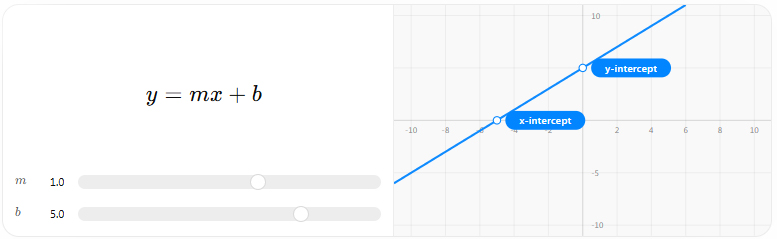


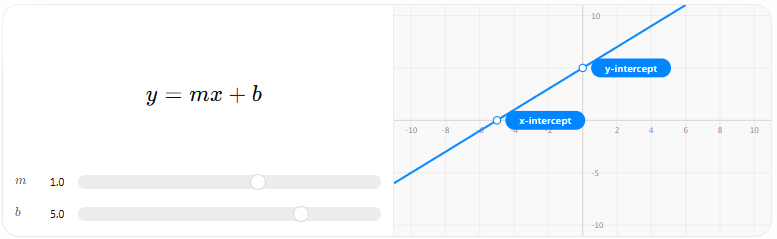




You must be logged in to post a comment.