

Artificial intelligence has become remarkably easy to experiment with. A few lines of Python, access to a powerful API, and a well-written prompt can produce something that looks surprisingly intelligent. But there is a significant difference between creating an impressive AI demonstration and engineering a system that people can actually depend on.
The real challenge begins when your application encounters thousands of users, unfamiliar data, unexpected inputs, expensive model calls, security concerns, and situations that its developers never anticipated. Suddenly, knowing how to call an AI model is no longer enough. You need to understand the architecture surrounding it, how data moves through the system, how models are evaluated, and what happens when something goes wrong.
This is where serious AI engineering begins.
Interestingly, some of the most valuable knowledge in this field does not come from watching another tutorial or experimenting with the latest framework. It comes from understanding the principles that experienced engineers have spent years documenting.
The following six books offer something more substantial than collections of code examples. Together, they cover the journey from understanding machine learning fundamentals to designing, developing, deploying, and maintaining sophisticated AI systems. Whether you are an aspiring AI engineer, a software developer transitioning into artificial intelligence, or someone already building applications with large language models, these books can fundamentally change how you approach the discipline.
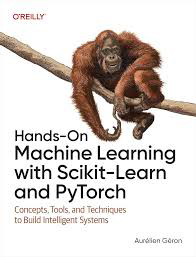
1. Hands-On Machine Learning with Scikit-Learn and PyTorch by Aurélien Géron
Before building sophisticated AI applications, you need to understand what happens beneath the interface. Machine learning is not simply about selecting a model and feeding it information. It involves understanding data, choosing appropriate algorithms, training models, measuring their performance, and improving their ability to generalize beyond the examples they have already encountered.
This is precisely where Aurélien Géron’s Hands-On Machine Learning with Scikit-Learn and PyTorch becomes valuable.
Rather than treating machine learning as an abstract mathematical discipline, Géron approaches it from an engineering perspective. Readers explore practical techniques through Python, gradually developing an understanding of how machine learning algorithms behave and how they can be applied to real problems.
One of the book’s greatest strengths is its practical orientation. You encounter essential concepts such as classification, regression, decision trees, ensemble learning, neural networks, and deep learning while working through actual implementations. Instead of merely memorizing definitions, you begin to recognize why certain algorithms are appropriate for particular problems and where their limitations become apparent.
Consider a simple example. Imagine developing an AI application that predicts whether a customer will cancel a subscription. You could immediately reach for a neural network, but would that necessarily be the best decision? Perhaps a gradient boosting model would perform better, require less computational power, and be considerably easier to interpret.
Understanding these trade-offs is what separates someone who simply uses machine learning libraries from someone who can engineer effective machine learning solutions.
For beginners, this book offers a structured introduction. For experienced developers, it provides an opportunity to strengthen their understanding of the algorithms powering modern AI applications.
Who should read it? Anyone who wants a practical foundation in machine learning before moving into advanced AI engineering.
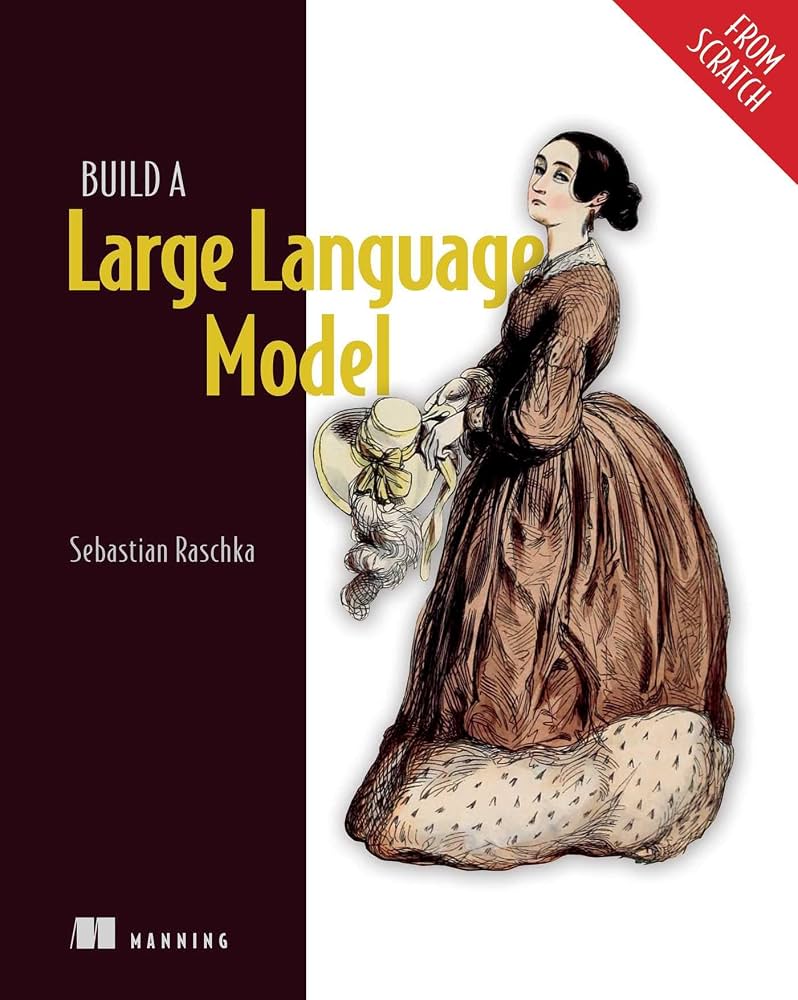
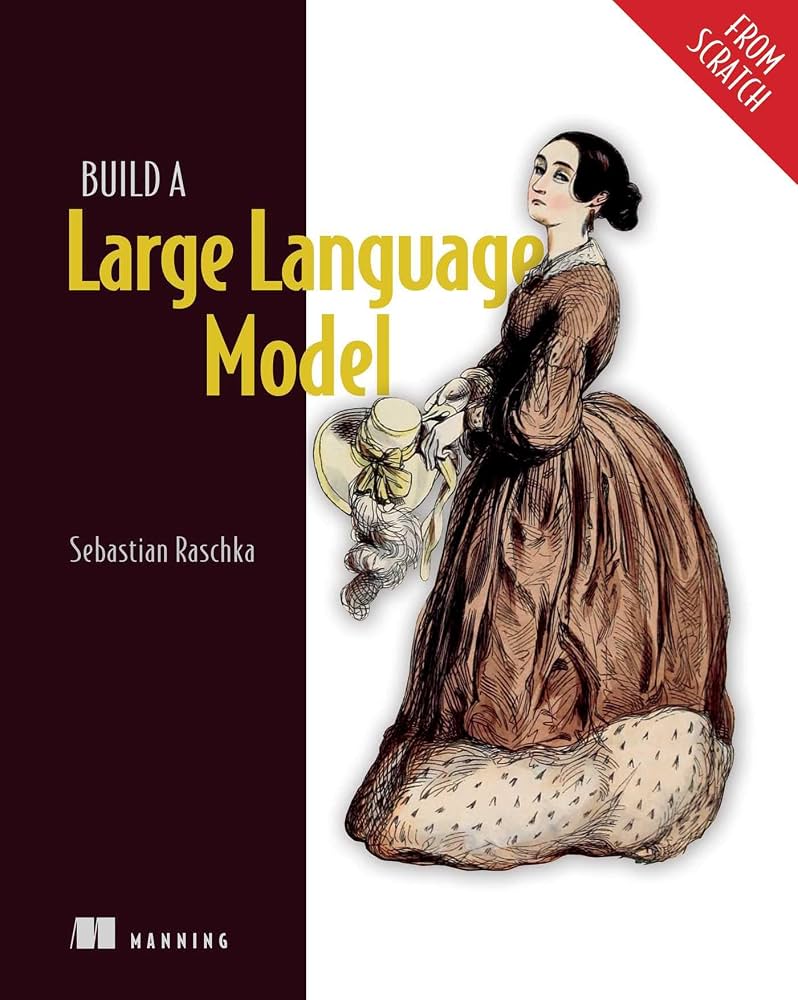
2. Build a Large Language Model (From Scratch) by Sebastian Raschka
Most developers working with large language models interact with them through APIs. They send a prompt, receive a response, adjust a few parameters, and integrate the result into an application.
There is nothing wrong with this approach. In fact, it is often the most efficient way to develop AI-powered products. However, relying exclusively on APIs can create a significant knowledge gap. You may know how to use an LLM without understanding what makes it work.
Sebastian Raschka’s Build a Large Language Model (From Scratch) addresses that problem directly.
The book takes readers through the process of implementing a GPT-style language model using Python and PyTorch. Rather than hiding the underlying mechanisms behind high-level libraries, Raschka explains the individual components that make modern language models possible.
You explore tokenization, embeddings, attention mechanisms, transformer architecture, pretraining, and fine-tuning. Each concept contributes to a broader understanding of how a model processes language and generates responses.
The attention mechanism deserves particular attention because it represents one of the most important architectural developments behind modern language models. Understanding how attention allows a model to identify relationships between different tokens can make seemingly mysterious model behavior considerably easier to reason about.
But the real value of this book goes beyond understanding transformers.
Suppose you are building an application that produces inaccurate answers. Without understanding how language models work, you might immediately assume that the problem lies in your prompt. Yet the underlying issue could involve tokenization, training data, model limitations, or the way information is represented internally.
A stronger understanding of the model gives you more possibilities when diagnosing such problems.
You do not necessarily need to train a billion-parameter model yourself. However, understanding how a smaller GPT-style model is constructed gives you a much better foundation for working with the enormous models available today.
Who should read it? Developers and aspiring AI engineers who want to understand the internal architecture of large language models rather than treating them as mysterious black boxes.
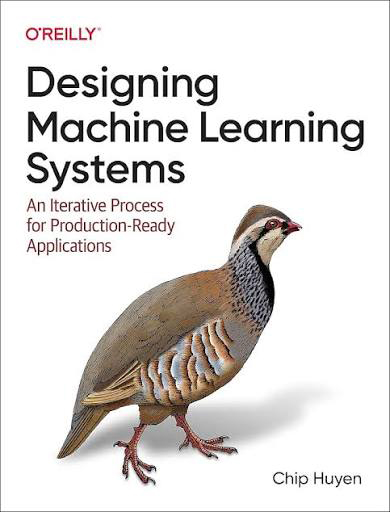
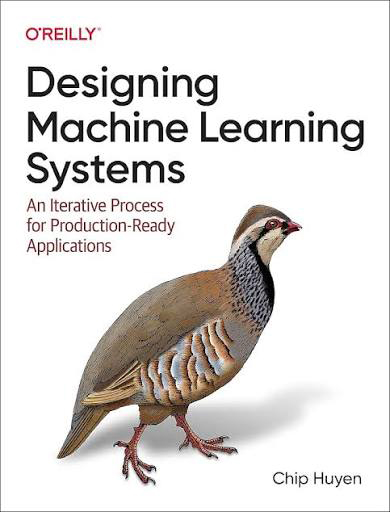
3. Designing Machine Learning Systems by Chip Huyen
Here is a situation that many aspiring AI engineers eventually encounter.
You have trained a model, achieved impressive evaluation results, and successfully demonstrated that it works. Everyone is satisfied with the prototype. Then you deploy it, and the problems begin.
The incoming data looks different from your training data. Predictions become less accurate. Inference takes longer than expected. Monitoring reveals unexpected behavior, and updating the model becomes increasingly complicated.
The problem is not necessarily the model itself. The problem is the system surrounding it.
Chip Huyen’s Designing Machine Learning Systems explores precisely this often-neglected dimension of artificial intelligence.
Rather than concentrating exclusively on algorithms, the book examines the engineering decisions involved in turning machine learning models into reliable products. It explores data engineering, feature development, training infrastructure, deployment strategies, monitoring, and the challenges of maintaining models over time.
One particularly important concept is data distribution shift. Machine learning systems operate on patterns learned from historical information, but the real world does not remain constant. Customer behavior changes, market conditions evolve, and new types of information enter the system.
A recommendation engine that performs exceptionally well today may gradually become less relevant as user preferences change. Without appropriate monitoring and retraining strategies, its performance can deteriorate without anyone immediately noticing.
Huyen helps readers understand why machine learning must be treated as a continuous engineering process rather than a one-time training exercise.
Another valuable lesson is that successful AI systems require decisions beyond technical accuracy. Latency, infrastructure costs, maintainability, scalability, and business requirements all influence the architecture.
This is particularly important for developers who want to progress from building experimental projects to engineering systems used by actual customers.
Although the book predates the current wave of generative AI, its principles remain highly relevant. In fact, understanding traditional machine learning system design provides an excellent foundation for building modern LLM-powered applications.
Who should read it? Machine learning engineers, data scientists, software developers, and technical professionals who want to understand how production-grade AI systems are designed and maintained.
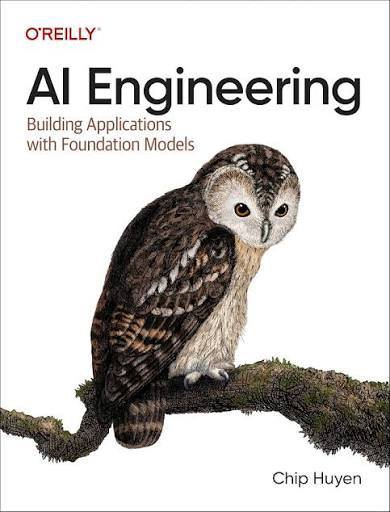
4. AI Engineering by Chip Huyen
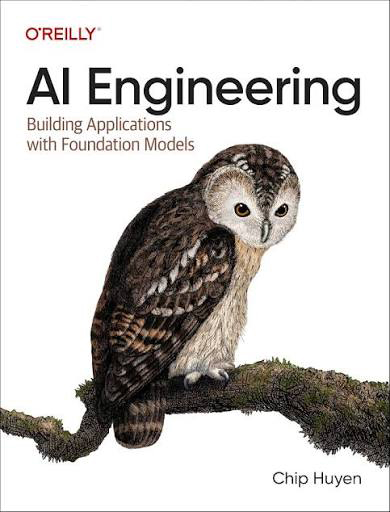
AI Engineering: Building Applications with Foundation Models by Chip Huyen | Goodreads
If Designing Machine Learning Systems teaches you how to think about machine learning as an engineering discipline, AI Engineering takes that perspective into the era of foundation models.
The emergence of powerful language models has changed the way developers approach artificial intelligence. Previously, building an intelligent application often required collecting large datasets, selecting an algorithm, training a model, and maintaining the entire training pipeline.
Today, developers can access powerful pretrained models and build applications around them without necessarily training a model from scratch.
However, this convenience introduces a different set of engineering challenges.
How do you provide a model with the right information? How do you evaluate responses that can vary between requests? How do you reduce hallucinations? How should you choose between prompting, retrieval-augmented generation, and fine-tuning? And how can you control inference costs without sacrificing the quality of the application?
These are among the questions Chip Huyen explores in AI Engineering.
The book covers the practical foundations of building applications with foundation models, including prompt engineering, context construction, retrieval-augmented generation, model evaluation, fine-tuning, and inference optimization.
One particularly important subject is context engineering.
Many developers initially believe that getting better results from an LLM is primarily about writing better prompts. In reality, the quality of the information supplied to the model can be just as important as the instructions themselves.
Imagine building an AI assistant for a company that needs to answer questions about thousands of internal documents. Giving the model a generic instruction will not magically provide access to the company’s knowledge. You need a mechanism for retrieving relevant information, organizing it, and supplying the appropriate context when a question arrives.
This is where retrieval-augmented generation, commonly known as RAG, becomes valuable.
The book also emphasizes evaluation, an area that deserves far more attention than it typically receives. An application that produces impressive answers in five demonstrations is not necessarily a reliable application. Engineers need systematic ways to measure accuracy, relevance, consistency, and other quality dimensions.
For anyone interested in developing AI assistants, document intelligence platforms, intelligent search applications, or LLM-powered business software, this book is particularly relevant.
Who should read it? Developers who want to move beyond basic API integrations and build sophisticated applications using modern foundation models.
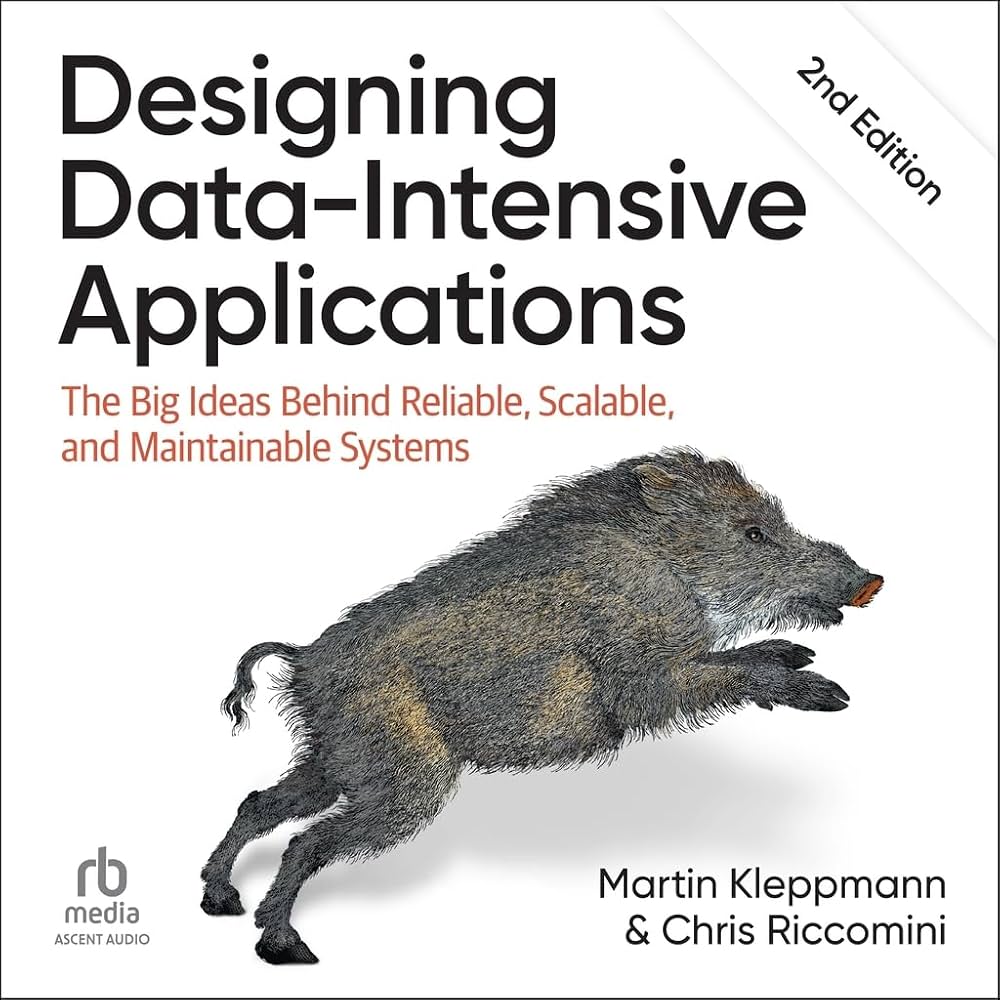
5. Designing Data-Intensive Applications by Martin Kleppmann and Chris Riccomini
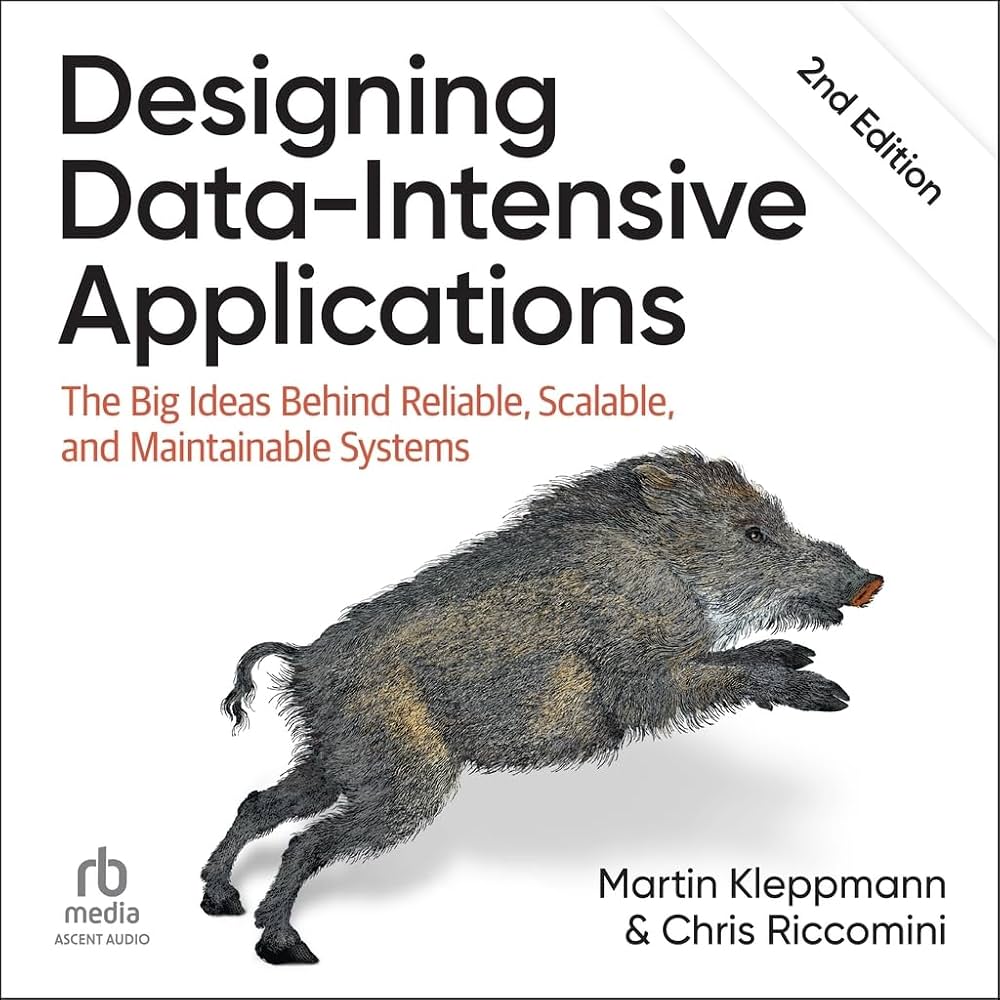
At first glance, a book about distributed systems and data infrastructure might seem like an unusual addition to a collection about artificial intelligence.
But consider something important.
An AI application is not simply a model surrounded by a user interface. It is often a complex software system that must collect, store, retrieve, process, and distribute enormous amounts of information.
Without reliable data infrastructure, even an exceptionally capable model can become part of an unreliable product.
Designing Data-Intensive Applications by Martin Kleppmann and Chris Riccomini helps engineers understand the infrastructure principles behind modern data-intensive software.
The book explores databases, distributed systems, data replication, partitioning, consistency, fault tolerance, and the architectural decisions required to build systems that operate reliably at scale.
Why should an AI engineer care about these subjects?
Imagine developing an AI-powered research assistant that allows thousands of users to upload documents and ask questions about them. Your application must store files, process their contents, generate embeddings, maintain searchable indexes, retrieve relevant information, and deliver responses without overwhelming the infrastructure.
The language model is only one part of this process.
If the database becomes unavailable, the application may stop functioning. If the retrieval infrastructure is poorly designed, users may receive irrelevant information. If data consistency is not handled correctly, different components may operate on conflicting information.
These are infrastructure problems, and they cannot be solved simply by changing the prompt.
The book’s strength lies in helping readers develop the architectural thinking necessary to understand such challenges. It teaches you to evaluate trade-offs instead of blindly adopting popular technologies.
The second edition, published in 2026, also makes this an especially relevant addition to a modern engineering reading list.
You might not need every concept immediately, particularly if you are still developing your first AI project. Nevertheless, the deeper your applications become, the more valuable this knowledge will be.
Who should read it? Software engineers, backend developers, AI infrastructure engineers, and anyone interested in building scalable AI products rather than isolated machine learning experiments.
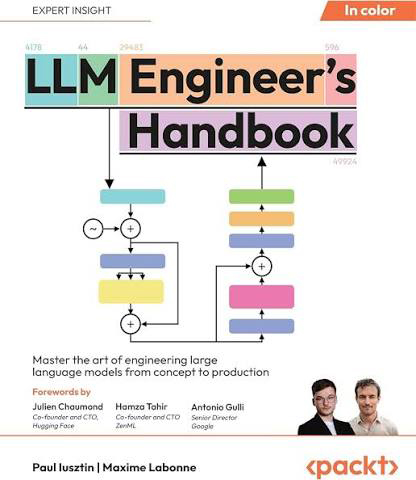
6. LLM Engineer’s Handbook by Paul Iusztin and Maxime Labonne
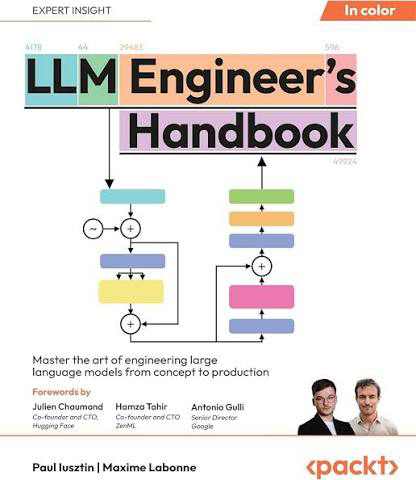
LLM Engineer’s Handbook | Paul Iusztin
There is a particular moment in every developer’s journey when theoretical understanding must become practical engineering.
You understand transformers. You know how RAG works. You have experimented with prompting and explored different models. But can you combine all these concepts into a complete application that can be deployed, monitored, evaluated, and improved?
That is the challenge addressed by LLM Engineer’s Handbook.
Written by Paul Iusztin and Maxime Labonne, the book takes a practical approach to building large language model applications. Instead of examining individual concepts in isolation, it guides readers through the development of an end-to-end LLM system.
Its coverage includes data collection and preparation, training pipelines, LLM application development, retrieval-augmented generation, deployment, and monitoring.
This practical perspective is particularly useful because real-world AI engineering rarely involves working with just one component.
Consider building an intelligent customer-support assistant. First, you need to prepare the information that the system will use. Then you need to develop a retrieval mechanism, integrate a language model, evaluate its responses, deploy the application, and monitor its behavior.
Each stage introduces different challenges.
A poorly prepared dataset can undermine retrieval quality. An inefficient architecture can increase response times. Inadequate evaluation can allow incorrect answers to reach customers. And without monitoring, problems may remain unnoticed long after deployment.
The handbook helps connect these separate responsibilities into a coherent engineering workflow.
Another reason this book deserves a place on the list is its emphasis on implementation. Reading about architecture is useful, but following an actual project through multiple development stages gives you a clearer understanding of how the pieces fit together.
Some implementation details and framework choices will naturally evolve as the AI ecosystem changes. That is why the most valuable lessons are the architectural patterns and engineering practices rather than memorizing particular library APIs.
Who should read it? Intermediate Python developers, aspiring LLM engineers, and practitioners who want to build complete language-model applications rather than stopping at experimental prototypes.
The Six Books Cover Different Parts of the AI Engineering Journey
Reading these books in sequence can help you develop a more complete understanding of what building AI systems actually involves.
| Book | The main skill you develop |
| Hands-On Machine Learning | Machine learning fundamentals |
| Build a Large Language Model (From Scratch) | Understanding LLM architecture |
| Designing Machine Learning Systems | ML system architecture |
| AI Engineering | Foundation-model applications |
| Designing Data-Intensive Applications | Data infrastructure and scalability |
| LLM Engineer’s Handbook | End-to-end LLM development |
In What Order Should You Read These Books?
One mistake aspiring AI engineers frequently make is collecting technical books without following a clear learning progression. They jump between advanced topics, experiment with unfamiliar frameworks, and eventually discover that their knowledge consists of disconnected pieces.
A better approach is to build your understanding progressively.
Start with Hands-On Machine Learning to establish your foundations. You do not need to become an expert in every algorithm, but you should understand how models learn, how they are evaluated, and why different approaches produce different results.
Next, read Build a Large Language Model (From Scratch). This will give you a deeper understanding of the architecture behind modern language models and help you approach LLM technologies with greater technical confidence.
Once you understand the fundamentals, move to Designing Machine Learning Systems. This is where your perspective begins to change. You stop thinking exclusively about models and start considering the complete system, including data quality, deployment, monitoring, and reliability.
Then read AI Engineering to understand how those engineering principles apply to foundation-model applications. At this stage, you should begin developing practical projects involving RAG, evaluation, prompting, and model integration.
Finally, explore Designing Data-Intensive Applications and LLM Engineer’s Handbook. The former will strengthen your understanding of the infrastructure that supports sophisticated applications, while the latter will help you connect your knowledge through practical end-to-end implementation.
Of course, this is not the only possible reading order. If you are already a backend developer with strong software engineering experience, you might benefit from starting with AI Engineering and returning to machine learning fundamentals when necessary.
The important thing is to read with a purpose.
Reading Is Not Enough. Build Something Along the Way
There is one principle worth remembering throughout this journey: you do not become a better AI engineer simply by reading more books. You become better by applying what you learn to problems that force you to think.
After studying machine learning fundamentals, build a prediction model using a real dataset. After learning about transformers, experiment with implementing a small language model. Once you understand RAG, develop an application that searches through a collection of documents and generates answers based on retrieved information.
Then take that project further.
Introduce evaluation datasets. Measure response quality. Experiment with different retrieval strategies. Track latency and computational costs. Identify failure cases and improve the architecture.
These activities transform theoretical knowledge into engineering experience.
You will also discover something that many beginners overlook. Building an AI application is not always about choosing the most powerful model. Sometimes a smaller model, a better retrieval strategy, cleaner data, or a more efficient architecture produces a substantially better product.
That is the mindset these six books can help develop.
The AI industry will continue introducing new frameworks, models, libraries, and development techniques. Some of today’s most popular tools will eventually disappear, while entirely new approaches will emerge.
But the ability to understand systems, evaluate technical decisions, work with data, and build reliable software will remain valuable regardless of which model dominates the market next year.
Ultimately, the best AI engineers are not necessarily those who know the most tools. They are the ones who understand how to combine technology, mathematics, data, and software engineering to solve problems that matter.
And that is a skill worth investing in.
هل ترغب في بناء أنظمة ذكاء اصطناعي أفضل؟ ابدأ بهذه الكتب الستة

أصبح إجراء التجارب في مجال الذكاء الاصطناعي أمراً في غاية السهولة، فبضعة أسطر من لغة بايثون والوصول
(API) إلى واجهة برمجة تطبيقات
(prompts) قوية وصياغة دقيقة للأوامر
قد تؤدي جميعها إلى نتائج تبدو ذكية بشكل مذهل، لكن هناك فرقاً جوهرياً بين إنشاء نموذج تجريبي مبهر للذكاء الاصطناعي وبين هندسة نظام يمكن للأفراد الاعتماد عليه فعلياً
تبدأ التحديات الحقيقية عندما يواجه تطبيقك آلاف المستخدمين وبيانات غير مألوفة ومدخلات غير متوقعة وتكاليف عالية لاستدعاء النماذج ومخاوف أمنية ومواقف لم يتوقعها المطورون من قبل، حينها لا يعود مجرد معرفة كيفية استدعاء نموذج ذكاء اصطناعي كافياً، إذ تحتاج إلى فهم البنية الهندسية المحيطة به وكيفية تدفق البيانات عبر النظام وآليات تقييم النماذج وما ينبغي فعله عند حدوث خلل ما
هنا تبدأ هندسة الذكاء الاصطناعي بمعناها الحقيقي ومن المثير للاهتمام أن بعض أكثر المعارف قيمة في هذا المجال لا تأتي من متابعة المزيد من الدروس التعليمية
(frameworks) أو تجربة أحدث الأطر البرمجية
بل من استيعاب المبادئ التي قضى المهندسون ذوو الخبرة سنوات في توثيقها تقدم الكتب الستة التالية محتوى أكثر عمقاً من مجرد مجموعات من الأمثلة البرمجية، فهي تغطي رحلة متكاملة تبدأ من فهم أساسيات تعلم الآلة وصولاً إلى تصميم وتطوير ونشر وصيانة أنظمة ذكاء اصطناعي متطورة، وسواء كنت تطمح لأن تصبح مهندس ذكاء اصطناعي أو مطور برمجيات يسعى للانتقال إلى هذا المجال أو حتى شخصاً يعمل بالفعل على بناء تطبيقات
(LLMs) تعتمد على النماذج اللغوية الكبيرة
فإن هذه الكتب قادرة على تغيير نهجك في التعامل مع هذا التخصص بشكل جذري
1. Hands-On Machine Learning
تأليف أوريليان جيرون
قبل الشروع في بناء تطبيقات ذكاء اصطناعي متطورة يجب أن تفهم ما يحدث خلف الواجهة البرمجية، فتعلم الآلة لا يقتصر ببساطة على اختيار نموذج وتزويده بالبيانات بل يتطلب فهماً عميقاً للبيانات واختيار الخوارزميات المناسبة وتدريب النماذج وقياس أدائها وتعزيز قدرتها على التعميم لتتمكن من التعامل مع بيانات جديدة لم ترها من قبل وهنا تكمن القيمة الحقيقية لكتاب
Scikit-Learn و PyTorch”تعلم الآلة العملي باستخدام
للمؤلف أوريليان جيرون، بدلاً من التعامل مع تعلم الآلة كنظام رياضي مجرد يطرحه “جيرون” من منظور هندسي، يستكشف القراء تقنيات عملية باستخدام لغة بايثون مما ينمي لديهم تدريجياً فهماً لكيفية عمل خوارزميات تعلم الآلة وكيفية تطبيقها على مشكلات واقعية
تتمثل إحدى أكبر نقاط قوة الكتاب في توجهه العملي، إذ يتعرف القارئ على مفاهيم جوهرية -مثل التصنيف والانحدار وأشجار القرار والتعلم التجميعي والشبكات العصبية والتعلم العميق- من خلال تطبيقها فعلياً، وبدلاً من الاكتفاء بحفظ التعريفات يبدأ القارئ في إدراك سبب ملاءمة خوارزميات معينة لمشكلات محددة، ومتى تظهر حدود هذه الخوارزميات
لنأخذ مثالاً بسيطاً: تخيل أنك تطور تطبيقاً يعتمد على الذكاء الاصطناعي للتنبؤ بما إذا كان أحد العملاء سيلغي اشتراكه، قد تتبادر إلى ذهنك فوراً فكرة استخدام “شبكة عصبية”، لكن هل سيكون هذا هو القرار الأمثل دائماً؟ ربما يكون نموذج “تعزيز التدرج” خياراً أفضل، فهو قد يقدم أداءً أدق ويتطلب قدرة حوسبية أقل، كما أنه أسهل بكثير من حيث التفسير والفهم
إن استيعاب هذه المفاضلات هو ما يميز الشخص الذي يكتفي باستخدام مكتبات تعلم الآلة عن الشخص القادر على هندسة حلول فعالة في هذا المجال
بالنسبة للمبتدئين يقدم هذا الكتاب مدخلاً منظماً، أما بالنسبة للمطورين ذوي الخبرة فهو يتيح لهم تعميق فهمهم للخوارزميات التي تشكل أساس تطبيقات الذكاء الاصطناعي الحديثة
لمن هذا الكتاب؟ لكل من يرغب في بناء أساس عملي في تعلم الآلة قبل الانتقال إلى مجالات هندسة الذكاء الاصطناعي المتقدمة
2. Build a Large Language Model (From Scratch)
تأليف سيباستيان راشكا
: Phi-2 تحسين نموذج
(Fine-tuning) نظرة متعمقة في الضبط الدقيق
للنماذج اللغوية الصغيرة
| The Deep Hub | بقلم: برافين ييرنيني
Medium منصة
يتفاعل معظم المطورين الذين يعملون
(LLMs) مع النماذج اللغوية الضخمة
من خلال واجهات برمجة التطبيقات، حيث يرسلون نصاً توجيهياً ويتلقون استجابةً ويعدلون بعض المعايير ثم يدمجون النتيجة في تطبيقاتهم
لا ضير في هذا النهج، بل إنه غالباً ما يكون الطريقة الأكثر كفاءة لتطوير منتجات تعتمد على الذكاء الاصطناعي، ومع ذلك فإن الاعتماد الحصري على واجهات برمجة التطبيقات قد يخلق فجوة معرفية كبيرة، فقد تعرف كيفية استخدام نموذج لغوي ضخم دون أن تفهم الآليات التي تجعله يعمل
وهنا يأتي كتاب
(Build a Large Language Model – From Scratch)
للكاتب سيباستيان راشكا ليعالج هذه المشكلة بشكل مباشر
يأخذ الكتاب القراء في رحلة
GPT لتنفيذ نموذج لغوي من طراز
(PyTorch) باستخدام لغة البرمجة بايثون ومكتبة
وبدلاً من إخفاء الآليات الأساسية خلف مكتبات برمجية عالية المستوى يشرح راشكا المكونات الفردية التي تجعل النماذج اللغوية الحديثة ممكنة
(Tokenization) ستتعرف على مفاهيم مثل الترميز
(Embeddings) والتضمينات
(Attention mechanisms) وآليات الانتباه
(Transformer architecture) وبنية المحولات
(Pretraining) والتدريب المسبق
(Fine-tuning) والضبط الدقيق
ويساهم كل مفهوم من هذه المفاهيم في تكوين فهم أوسع لكيفية معالجة النموذج للغة وتوليده للاستجابات وتستحق “آلية الانتباه” اهتماماً خاصاً، فهي تمثل واحدة من أهم التطورات الهيكلية التي تقوم عليها النماذج اللغوية الحديثة، ففهم كيف تتيح هذه الآلية للنموذج
(Tokens) تحديد العلاقات بين الرموز
المختلفة يجعل من السهل تفسير سلوكيات النموذج التي قد تبدو غامضة للوهلة الأولى
لكن القيمة الحقيقية لهذا الكتاب
(Transformers) “تتجاوز مجرد فهم بنية “المحولات
لنفترض أنك تبني تطبيقاً يقدم إجابات غير دقيقة، فبدون فهم كيفية عمل النماذج اللغوية قد تفترض فوراً أن المشكلة تكمن في النص التوجيهي الذي قدمته، لكن المشكلة الفعلية قد تتعلق بآلية الترميز أو بيانات التدريب أو قيود النموذج أو حتى الطريقة التي يتم بها تمثيل المعلومات داخلياً
إن امتلاك فهم أعمق للنموذج يمنحك خيارات أوسع عند تشخيص مثل هذه المشكلات قد لا تحتاج بالضرورة إلى تدريب نموذج يحتوي على مليارات المعايير بنفسك، لكن فهم كيفية
GPT بناء نموذج أصغر من طراز
يمنحك أساساً متيناً للتعامل مع النماذج الضخمة المتاحة اليوم
من ينبغي عليه قراءة هذا الكتاب؟ المطورون ومهندسو الذكاء الاصطناعي الطموحون الذين يرغبون في فهم البنية الداخلية للنماذج اللغوية الكبيرة بدلاً من التعامل معها كصناديق سوداء غامضة
3. (Designing Machine Learning Systems)
بقلم تشيب هوين
:إليك موقف يواجهه في نهاية المطاف الكثير من الطامحين للعمل كمهندسي ذكاء اصطناعي
لقد قمت بتدريب نموذج وحققت نتائج تقييم مبهرة وأثبتَّ بنجاح أنه يعمل، حيث أبدى الجميع رضاهم عن النموذج الأولي، ولكن بمجرد طرحه للاستخدام الفعلي تبدأ المشكلات في الظهور
تصبح البيانات الواردة مختلفة عن بيانات التدريب التي استخدمتها وتفقد التنبؤات دقتها وتستغرق عملية الاستنتاج وقتاً أطول مما كان متوقعاً، كما تكشف المراقبة عن سلوكيات غير متوقعة، وتزداد عملية تحديث النموذج تعقيداً بمرور الوقت
المشكلة لا تكمن بالضرورة في النموذج ذاته بل في النظام المحيط به
(Designing Machine Learning Systems) يتناول كتاب
للكاتبة تشيب هوين هذا الجانب -الذي غالباً ما يتم تجاهله- في مجال الذكاء الاصطناعي
بدلاً من التركيز حصراً على الخوارزميات يبحث الكتاب في القرارات الهندسية اللازمة لتحويل نماذج تعلم الآلة إلى منتجات موثوقة، ويستعرض جوانب مثل هندسة البيانات
(feature development) وتطوير السمات
والبنية التحتية للتدريب واستراتيجيات النشر والمراقبة والتحديات المرتبطة بصيانة النماذج على المدى الطويل
ومن المفاهيم المهمة للغاية التي يطرحها الكتاب: “تحول توزيع البيانات”، فأنظمة تعلم الآلة تعتمد في عملها على أنماط مستمدة من بيانات تاريخية لكن العالم الواقعي ليس ثابتاً، إذ تتغير سلوكيات العملاء وتتطور ظروف السوق وتدخل أنواع جديدة من البيانات إلى النظام
على سبيل المثال: قد يعمل محرك التوصيات بكفاءة عالية اليوم لكنه قد يفقد فاعليته تدريجياً مع تغير تفضيلات المستخدمين، وإذا غابت استراتيجيات المراقبة وإعادة التدريب المناسبة فقد يتراجع أداء النظام دون أن يلاحظ أحد ذلك على الفور
تساعد تشيب هوين القراء على إدراك ضرورة التعامل مع تعلم الآلة كعملية هندسية مستمرة وليس كمجرد تمرين تدريبي يُنفذ لمرة واحدة
ومن الدروس القيمة الأخرى التي يقدمها الكتاب أن نجاح أنظمة الذكاء الاصطناعي يتطلب اتخاذ قرارات تتجاوز مجرد الدقة التقنية، فزمن الاستجابة وتكاليف البنية التحتية وسهولة الصيانة وقابلية التوسع ومتطلبات العمل، كلها عوامل تؤثر بشكل مباشر على تصميم النظام (البنية الهندسية)
يُعد هذا الكتاب ذا أهمية خاصة للمطورين الذين يسعون للانتقال من بناء مشاريع تجريبية إلى هندسة أنظمة يستخدمها عملاء فعليون
ورغم أن الكتاب صدر قبل الموجة الحالية من الذكاء الاصطناعي التوليدي، إلا أن مبادئه لا تزال ذات أهمية بالغة، ففهم تصميم أنظمة تعلم الآلة التقليدية يوفر أساساً متيناً لبناء التطبيقات الحديثة القائمة على النماذج اللغوية الكبيرة
لمن هذا الكتاب؟ لمهندسي تعلم الآلة وعلماء البيانات ومطوري البرمجيات والمتخصصين التقنيين الذين يرغبون في فهم كيفية تصميم وصيانة أنظمة الذكاء الاصطناعي المخصصة للاستخدام الفعلي (على مستوى الإنتاج)
4. بقلم تشيب هوين (AI Engineering)
هندسة الذكاء الاصطناعي: بناء التطبيقات
(Foundation Models) باستخدام النماذج التأسيسية
تأليف تشيب هوين
Goodreads موقع
إذا كان كتاب
(Designing Machine Learning Systems)
يعلمك كيفية التفكير في تعلم الآلة كنظام هندسي
(AI Engineering) فإن كتاب
“ينقل هذا المنظور إلى عصر “النماذج التأسيسية
لقد غيّر ظهور النماذج اللغوية القوية الطريقة التي يتعامل بها المطورون مع الذكاء الاصطناعي، ففي السابق كان بناء تطبيق ذكي يتطلب غالباً جمع مجموعات بيانات ضخمة واختيار خوارزمية وتدريب نموذج وإدارة عملية التدريب بأكملها
أما اليوم فيمكن للمطورين الوصول إلى نماذج قوية مدربة مسبقاً وبناء تطبيقات تعتمد عليها دون الحاجة بالضرورة إلى تدريب نموذج من الصفر
ومع ذلك تجلب هذه السهولة معها مجموعة مختلفة من التحديات الهندسية كيف يمكنك تزويد النموذج بالمعلومات الصحيحة؟ كيف تقيّم الاستجابات التي قد تختلف من طلب إلى آخر؟ كيف تقلل من “الهلوسات” (تقديم معلومات خاطئة بثقة)؟
(Prompt Engineering) كيف تختار بين هندسة الأوامر
أو التوليد المعزز بالاسترجاع أو الضبط الدقيق ؟ وكيف يمكنك التحكم في تكاليف الاستنتاج دون التضحية بجودة التطبيق؟
هذه بعض الأسئلة التي تستكشفها تشيب هوين في كتابها “هندسة الذكاء الاصطناعي”
يتناول الكتاب الأسس العملية لبناء التطبيقات باستخدام النماذج التأسيسية بما في ذلك هندسة الأوامر وبناء السياق والتوليد المعزز بالاسترجاع وتقييم النماذج والضبط الدقيق وتحسين عمليات الاستنتاج
:ومن المواضيع المهمة بشكل خاص
(Context Engineering) “هندسة السياق”
يعتقد العديد من المطورين في البداية أن الحصول على نتائج أفضل من النماذج اللغوية الكبيرة يعتمد بشكل أساسي
أفضل (Prompts) على كتابة أوامر
لكن في الواقع قد تكون جودة المعلومات المقدمة للنموذج لا تقل أهمية عن التعليمات ذاتها
تخيل أنك تبني مساعداً ذكياً لشركة ما، يحتاج إلى الإجابة عن أسئلة تتعلق بآلاف الوثائق الداخلية، فإعطاء النموذج تعليمات عامة لن يجعله قادراً فجأة على الوصول إلى معرفة الشركة، أنت بحاجة إلى آلية لاسترجاع المعلومات ذات الصلة وتنظيمها وتوفير السياق المناسب عند طرح أي سؤال وهنا تبرز أهمية التوليد المعزز بالاسترجاع
RAG المعروف اختصاراً بـ
كما يركز الكتاب أيضاً على “التقييم” وهو جانب يستحق اهتماماً أكبر بكثير مما يحظى به عادةً، فالتطبيق الذي يقدم إجابات مبهرة في خمس تجارب توضيحية ليس بالضرورة تطبيقاً موثوقاً، لذا يحتاج المهندسون إلى طرق منهجية لقياس الدقة والملاءمة والاتساق وغيرها من أبعاد الجودة، يُعدّ هذا الكتاب ذا أهمية خاصة لكل من يرغب في تطوير مساعدين يعتمدون على الذكاء الاصطناعي أو منصات لتحليل الوثائق أو تطبيقات بحث ذكية أو برمجيات أعمال قائمة على النماذج اللغوية الكبيرة
من ينبغي عليه قراءة هذا الكتاب؟ المطورون الذين يتطلعون إلى تجاوز مجرد دمج واجهات برمجة التطبيقات الأساسية والراغبون في بناء تطبيقات متطورة باستخدام النماذج التأسيسية الحديثة
5. (Designing Data-Intensive Applications)
تأليف مارتن كليبمان وكريس ريكوميني
كتاب “تصميم التطبيقات كثيفة البيانات: الأفكار الجوهرية لبناء أنظمة موثوقة وقابلة للتوسع وسهلة الصيانة” – تأليف مارتن كليبمان وكريس ريكوميني
قد يبدو للوهلة الأولى أن كتاباً يتناول الأنظمة الموزعة والبنية التحتية للبيانات هو إضافة غير معتادة لمجموعة كتبٍ تدور حول الذكاء الاصطناعي
لكن، تأمل في أمرٍ بالغ الأهمية: إن تطبيق الذكاء الاصطناعي ليس مجرد نموذج محاط بواجهة مستخدم، بل هو غالباً نظام برمجـي معقد يتطلب جمع كميات هائلة من البيانات وتخزينها واسترجاعها ومعالجتها وتوزيعها
فبدون بنية تحتية موثوقة للبيانات حتى أكثر النماذج تطوراً وقدرةً قد ينتهي بها المطاف لتكون جزءاً من منتجٍ غير موثوق
يساعد كتاب “تصميم التطبيقات كثيفة البيانات” لمؤلفيه مارتن كليبمان وكريس ريكوميني المهندسين على فهم مبادئ البنية التحتية التي تقوم عليها البرمجيات الحديثة كثيفة البيانات يستعرض الكتاب قواعد البيانات، والأنظمة الموزعة
(Replication) ونسخ البيانات
(Consistency) والاتساق (Partitioning) والتقسيم
(Fault Tolerance) وتحمّل الأعطال
والقرارات المعمارية اللازمة لبناء أنظمة تعمل بكفاءة وموثوقية على نطاق واسع
لماذا ينبغي على مهندس الذكاء الاصطناعي الاهتمام بهذه الموضوعات؟
تخيل أنك تطور مساعداً بحثياً يعتمد على الذكاء الاصطناعي ويسمح لآلاف المستخدمين برفع وثائق وطرح أسئلة حولها، سيتعين على تطبيقك تخزين الملفات ومعالجة محتوياتها وإنشاء تمثيلات رقمية والحفاظ على فهارس قابلة للبحث واسترجاع المعلومات ذات الصلة وتقديم الإجابات – كل ذلك دون إرهاق البنية التحتية
في هذه العملية لا يمثل نموذج اللغة سوى جزءٍ واحدٍ فقط
فإذا تعطلت قاعدة البيانات قد يتوقف التطبيق عن العمل، وإذا كانت البنية التحتية المخصصة لاسترجاع البيانات مصممة بشكل سيئ، فقد يحصل المستخدمون على معلومات غير ذات صلة، وإذا لم تتم إدارة اتساق البيانات بشكل صحيح فقد تعمل المكونات المختلفة للنظام بناءً على معلومات متضاربة
هذه مشكلات تتعلق بالبنية التحتية ولا يمكن حلها ببساطة عن طريق تعديل “الأوامر” الموجهة للنموذج تكمن قوة هذا الكتاب في مساعدته للقراء على تطوير “التفكير المعماري” اللازم لفهم مثل هذه التحديات
(Trade-offs) كيفية تقييم المقايضات
بدلاً من تبني التقنيات الشائعة بشكل أعمى
كما أن صدور الطبعة الثانية في عام 2026 يجعل من هذا الكتاب إضافةً بالغة الأهمية لأي قائمة قراءة هندسية في عصرنا الحالي
قد لا تحتاج إلى كل مفهوم وارد في الكتاب على الفور لا سيما إذا كنت لا تزال في مرحلة تطوير مشروعك الأول في مجال الذكاء الاصطناعي، ومع ذلك كلما ازدادت تطبيقاتك تعمقاً زادت قيمة هذه المعرفة
من ينبغي عليه قراءة هذا الكتاب؟ مهندسو البرمجيات ومطورو الأنظمة الخلفية ومهندسو البنية التحتية للذكاء الاصطناعي وأي شخص مهتم ببناء منتجات ذكاء اصطناعي قابلة للتوسع بدلاً من الاكتفاء بتجارب تعلم الآلة المنعزلة
6. (LLM Engineer’s Handbook)
تأليف بول يوستين وماكسيم لابون
دليل مهندس النماذج اللغوية الكبيرة | بول يوستين
تأتي لحظة فارقة في مسيرة كل مطور حيث يتحتم عليه تحويل الفهم النظري إلى ممارسة هندسية فعلية
ربما تكون على دراية بآليات عمل نماذج “المحولات” وتقنيات التوليد المعزز بالاسترجاع وربما سبق لك تجربة صياغة الأوامر واستكشاف نماذج لغوية متنوعة، ولكن هل يمكنك دمج كل هذه المفاهيم في تطبيق متكامل قابل للنشر والمراقبة والتقييم والتطوير؟
هذا هو التحدي الذي يتناوله كتاب “دليل مهندس النماذج اللغوية الكبيرة
يقدم الكتاب الذي ألفه بول يوستين وماكسيم لابون نهجاً عملياً لبناء تطبيقات تعتمد على النماذج اللغوية الكبيرة، فبدلاً من تناول المفاهيم بشكل منفصل يرشد الكتاب القارئ خلال عملية تطوير نظام متكامل للنماذج اللغوية الكبيرة بدءاً من مراحله الأولى وصولاً إلى إطلاقه
يغطي الكتاب جوانب متعددة تشمل جمع البيانات وإعدادها
(Training Pipelines) وخطوط معالجة التدريب
وتطوير تطبيقات النماذج اللغوية الكبيرة وتقنيات التوليد المعزز بالاسترجاع بالإضافة إلى عمليات النشر والمراقبة
تكتسب هذه الرؤية العملية أهميتها من كون هندسة الذكاء الاصطناعي في الواقع العملي نادراً ما تقتصر على التعامل مع مكون واحد فقط
لنأخذ على سبيل المثال بناء مساعد ذكي لخدمة العملاء، ستحتاج أولاً إلى تجهيز المعلومات التي سيعتمد عليها النظام ثم تطوير آلية لاسترجاع البيانات ودمج نموذج لغوي وتقييم استجاباته ونشر التطبيق ومراقبة أدائه وسلوكه
تحمل كل مرحلة من هذه المراحل تحدياتها الخاصة
فالبيانات المُعدّة بشكل سيئ قد تؤدي إلى تراجع جودة الاسترجاع، والبنية البرمجية غير الكفؤة قد تزيد من زمن الاستجابة والتقييم غير الدقيق قد يسمح بوصول إجابات خاطئة إلى المستخدمين كما أن غياب المراقبة قد يجعل المشكلات تمر دون ملاحظة لفترة طويلة بعد إطلاق النظام
يساعد هذا الدليل في ربط هذه المهام المتعددة ضمن مسار عمل هندسي متماسك
ومن الأسباب الأخرى التي تجعل هذا الكتاب جديراً بالقراءة هو تركيزه الشديد على الجانب التطبيقي، فبينما تعد القراءة عن البنى البرمجية مفيدة فإن متابعة مشروع حقيقي عبر مراحل تطويره المختلفة تمنحك فهماً أوضح لكيفية ترابط الأجزاء معاً
قد تتغير بعض تفاصيل التنفيذ أو الأدوات المستخدمة مع تطور منظومة الذكاء الاصطناعي، لذا تظل الدروس الأكثر قيمة هي تلك المتعلقة بالأنماط الهندسية والممارسات التقنية بدلاً من مجرد حفظ واجهات برمجة التطبيقات الخاصة بمكتبات برمجية معينة
لمن هذا الكتاب؟ إنه موجه لمطوري بايثون من المستوى المتوسط وللطامحين في العمل كمهندسين للنماذج اللغوية الكبيرة وللممارسين الذين يسعون لبناء تطبيقات متكاملة تعتمد على هذه النماذج بدلاً من الاكتفاء بتطوير نماذج أولية تجريبية
تُغطي الكتب الستة جوانب مختلفة من رحلة هندسة الذكاء الاصطناعي
يُساعدك قراءة هذه الكتب بالتسلسل على تطوير فهم أشمل لما ينطوي عليه بناء أنظمة الذكاء الاصطناعي
| الكتاب | المهارة الرئيسية التي ستكتسبها |
| Hands-On Machine Learning | أساسيات التعلم الآلي |
| Build a Large Language Model (From Scratch) | فهم بنية النموذج اللغوي الكبير |
| Designing Machine Learning Systems | بنية نظام التعلم الآلي |
| AI Engineering | تطبيقات النموذج الأساسي |
| Designing Data-Intensive Applications | بنية البيانات وقابلية التوسع |
| LLM Engineer’s Handbook | تطوير النموذج اللغوي الكبير من البداية إلى النهاية |
ما هو الترتيب الأمثل لقراءة هذه الكتب؟
من الأخطاء الشائعة التي يقع فيها الطامحون للعمل كمهندسي ذكاء اصطناعي هي جمع الكتب التقنية دون اتباع مسار تعليمي واضح، إذ ينتقلون عشوائياً بين موضوعات متقدمة ويجربون أطر عمل غير مألوفة ليكتشفوا في النهاية أن معرفتهم ليست سوى أجزاء متناثرة وغير مترابطة
النهج الأفضل هو بناء فهمك بشكل تدريجي
“Hands-On Machine Learning” ابدأ بكتاب
لترسيخ أساسياتك، لست بحاجة لأن تصبح خبيراً في كل خوارزمية لكن ينبغي أن تفهم كيف تتعلم النماذج وكيف يتم تقييمها ولماذا تؤدي الأساليب المختلفة إلى نتائج متباينة
بعد ذلك اقرأ كتاب
Build a Large Language Model (From Scratch)
(بناء نموذج لغوي ضخم من الصفر)، سيمنحك هذا فهماً أعمق للبنية الهندسية التي تقوم عليها النماذج اللغوية الحديثة ويساعدك على التعامل مع تقنيات النماذج اللغوية الضخمة بثقة تقنية أكبر
بمجرد استيعاب الأساسيات
انتقل إلى كتاب
Designing Machine Learning Systems
(تصميم أنظمة التعلم الآلي)، هنا ستبدأ نظرتك للأمور في التغير، إذ ستتوقف عن التفكير في النماذج فقط وتبدأ في النظر إلى النظام ككل بما في ذلك جودة البيانات والنشر والمراقبة والموثوقية
AI Engineering ثم اقرأ كتاب
لتفهم كيف تُطبق هذه المبادئ الهندسية على تطبيقات النماذج الأساسية، في هذه المرحلة ينبغي أن تبدأ في تطوير مشاريع عملية
RAG تتضمن تقنيات مثل
(الاسترجاع المعزز بالتوليد) والتقييم وهندسة الأوامر ودمج النماذج
وأخيراً اطلع على كتابَي
Designing Data-Intensive Applications
(تصميم التطبيقات كثيفة البيانات)
LLM Engineer’s Handbook و
(دليل مهندس النماذج اللغوية الضخمة)
سيُعزز الأول فهمك للبنية التحتية التي تدعم التطبيقات المعقدة بينما سيساعدك الثاني على ربط معارفك من خلال تنفيذ عملي متكامل للمشاريع بالطبع هذا ليس الترتيب الوحيد الممكن للقراءة، فإذا كنت تعمل بالفعل كمطور برمجيات وتمتلك خبرة قوية في هندسة البرمجيات فقد يكون من الأفضل لك
AI Engineering البدء بكتاب
والعودة إلى أساسيات التعلم الآلي عند الحاجة، إذاً الأهم هو أن تقرأ بهدف محدد
: القراءة وحدها لا تكفي، ابنِ شيئاً أثناء رحلتك
هناك مبدأ يستحق التذكر طوال هذه الرحلة: لن تصبح مهندس ذكاء اصطناعي أفضل بمجرد قراءة المزيد من الكتب بل ستتحسن من خلال تطبيق ما تتعلمه على مشكلات تدفعك للتفكير بعمق
بعد دراسة أساسيات التعلم الآلي قم ببناء نموذج تنبؤي باستخدام مجموعة بيانات حقيقية، وبعد تعلم كيفية عمل نماذج “المحولات”، جرب تنفيذ نموذج لغوي صغير. بمجرد استيعابك لمفهوم “التوليد المعزز بالاسترجاع” ، وبادر بتطوير تطبيق يبحث في مجموعة من الوثائق ويولّد إجابات بناءً على المعلومات المسترجعة
ثم توسّع في هذا المشروع وأدخِل مجموعات بيانات للتقييم وقِس جودة الاستجابات وجرّب استراتيجيات استرجاع متنوعة وراقب زمن الاستجابة والتكاليف الحوسبية، حدّد حالات الإخفاق واعمل على تحسين البنية التقنية
هذه الممارسات تحوّل المعرفة النظرية إلى خبرة هندسية عملية
ستكتشف أيضاً أمراً يغفل عنه الكثير من المبتدئين: بناء تطبيقات الذكاء الاصطناعي لا يقتصر دائماً على اختيار النموذج الأكثر قوة، ففي بعض الأحيان قد يؤدي استخدام نموذج أصغر أو اعتماد استراتيجية استرجاع أفضل أو توفير بيانات أكثر نقاءً أو تصميم بنية تقنية أكثر كفاءة إلى تقديم منتج يتفوق بمراحل
وهذا هو نمط التفكير الذي يمكن لهذه الكتب الستة مساعدتك في تطويره
سيستمر مجال الذكاء الاصطناعي في طرح أطر عمل ونماذج ومكتبات وتقنيات تطوير جديدة، فبعض الأدوات الرائجة اليوم قد تختفي مستقبلاً بينما ستظهر نهجٌ جديدة كلياً
لكن القدرة على فهم الأنظمة وتقييم القرارات التقنية والتعامل مع البيانات وبناء برمجيات موثوقة ستظل مهارات قيّمة بغض النظر عن النموذج الذي سيهيمن على السوق في العام المقبل
في نهاية المطاف لا يقتصر تميّز مهندسي الذكاء الاصطناعي على معرفتهم بأكبر عدد من الأدوات بل يكمن في قدرتهم على دمج التكنولوجيا والرياضيات والبيانات وهندسة البرمجيات لحل مشكلات جوهرية، وهذه مهارة تستحق الاستثمار فيها


You must be logged in to post a comment.