
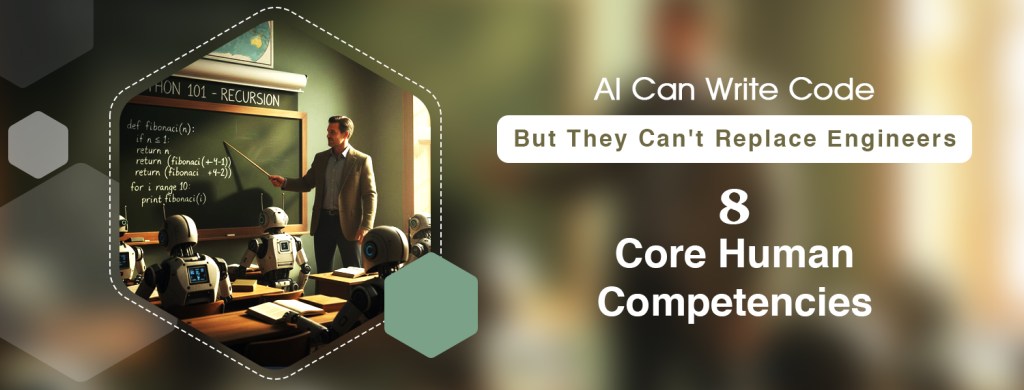
The balance of power in software engineering and data science has shifted noticeably over the last few years. Where we once spent hours agonizing over minor syntax choices, missing semicolons, or boilerplate initialization logic, generative models now generate functional code snippets in milliseconds. Yet, those of us who have spent decades analyzing systems, building architectures, and debugging live production environments recognize a fundamental truth that often escapes the broader tech narrative: writing syntax has never been the hard part of computing. Code is merely an intermediate translation layer between raw human intent and machine execution. As artificial intelligence grows proficient at producing that intermediate layer, the true value of data professionals pivots sharply toward higher-order capabilities—skills grounded in systemic thinking, domain contextualization, and nuanced problem-solving.
The Delusion of Algorithmic Correctness
Generative engines operate on statistical likelihood, not deterministic reasoning. When a large language model yields a block of clean-looking Python code for a machine learning pipeline, it gives an impression of absolute authority that can easily deceive junior engineers. In practice, however, these generated scripts frequently hide subtle, destructive flaws under a polished exterior. Data leakage across cross-validation folds, unnoticed shifts in feature distribution, and unoptimized memory utilization are classic examples of errors that run without throwing a single runtime exception, yet completely invalidate the downstream results. A human expert understands that a script running without errors is not synonymous with a correct system. The capacity to audit generated code with intense skepticism—dissecting its underlying logic, identifying silent failures, and verifying mathematical integrity—has become far more critical than the manual speed at which one writes lines of code.
Architectural Vision and System Constraints
An isolated script generated by an automated tool exists in a vacuum, whereas real-world software operates within a web of complex constraints. Large-scale data platforms must balance resource consumption, network latency, data consistency, and distributed compute limits. An automated model might effortlessly produce a recursive algorithm to handle hierarchical data, completely unaware that in a real production environment, that same algorithm will breach stack limits or cause severe cluster bottlenecks under peak throughput. Human practitioners excel precisely where artificial models fail: in grasping the holistic framework. We design systems with intentional trade-offs, making deliberate compromises between storage costs and querying performance, or between real-time processing and event-driven latency, based on strict infrastructure limits and operational budgets that AI cannot intuit.
Domain Contextualization and Semantic Bridge-Building
Data does not exist purely to be manipulated; it represents physical supply chains, human behaviors, financial transactions, and medical diagnoses. A machine learning model can easily construct a prediction algorithm based on historical features, but it remains fundamentally blind to business context and domain mechanics. Consider a scenario where an automated pipeline flags an sudden spike in user cancellations as an anomaly to be filtered out; an experienced domain professional recognizes that spike as the direct consequence of a recent regional policy change. Translating messy, ambiguous business problems into precise mathematical and computational questions requires deeply contextual human domain knowledge. We serve as the bridge between abstract organizational goals and rigid computational logic, ensuring that the problems we solve actually align with reality.
Data Engineering Hygiene and Pipeline Durability
Generating a query or a isolated transformation script is relatively straightforward, but maintaining robust data pipelines over years of evolution is an entirely different operational discipline. Real-world input feeds are chaotic: schemas change without warning, upstream services push malformed records, and upstream dependencies drop out intermittently. Human engineers design for resilience through continuous integration, Defensive Programming, robust error handling, and sophisticated observability. When an automated tool outputs a fragile ETL script that lacks adequate schema assertion checks, a seasoned engineer immediately identifies the vulnerabilities, introducing idempotency, monitoring layers, and fallback protocols that prevent catastrophic data corruption downstream.
Algorithmic Governance and Ethical Stewardship
The code running our modern analytical models carries profound real-world consequences, influencing credit approvals, job applications, medical diagnoses, and criminal justice assessments. Automated code generators replicate and often amplify the historical biases embedded in their training sets without moral comprehension or ethical accountability. Ensuring fairness, transparency, and regulatory compliance is an explicitly human responsibility. When automated pipelines select features that proxy sensitive demographic attributes, it falls upon data professionals to intervene, auditing feature importance, mitigating algorithmic bias, and advocating for ethical practices. Algorithmic governance demands a moral compass, empathy, and social context—qualities entirely absent from statistical language models.
Advanced Debugging and Forensic Pathology
The true test of an engineer’s capability never happens during routine writing; it unfolds during a severe production outage when systems fail in novel, unpredictable ways. Automated assistants can offer generic troubleshooting steps, but they struggle immensely when confronted with complex race conditions, distributed deadlocks, or subtle memory leaks caused by non-deterministic hardware interactions. Forensic debugging requires intuitive deduction, deep mental modeling of complex systems, and hypotheses built on years of hands-on experience. A human developer approaches a broken environment like a clinical pathologist, isolating variables methodically, observing systemic behaviors under stress, and tracing root causes through layers of abstraction that AI assistants cannot trace.
Strategic Product Intuition and Feature Curation
Software and analytical models ultimately serve users, and users rarely articulate their technical needs with complete clarity. When stakeholders ask for a dashboard or a specific predictive feature, they are often describing a symptom rather than the underlying objective. A proficient data professional possesses product intuition, questioning assumptions, refining specifications, and curating features that deliver genuine strategic utility. Rather than blindly building what was asked, human experts evaluate feature redundancy, estimate maintenance costs, and prioritize user experience, ensuring that the software solutions delivered actually drive meaningful business impact.
Continuous Adaptation and Unlearning
The technology stack of data engineering and machine learning evolves at a dizzying pace, rendering specific framework syntax obsolete within a few short years. What sets elite human professionals apart is not static technical knowledge, but meta-learning: the capacity to rapidly learn new paradigms, unlearn obsolete habits, and reconstruct mental models from first principles. While an AI model is constrained by the static dataset on which it was trained, human engineers adapt dynamically to emerging technological paradigms, reinventing their workflows and leveraging new paradigms to solve novel problems that have never existed before.
Conclusion: The Symbiotic Paradigm Shift
The ascension of artificial intelligence in code generation marks not the obsolescence of the data professional, but an elevation of our core function. As syntax generation converts into a commoditized utility, the boundary between writing code and designing impactful systems becomes increasingly clear. The future does not belong to those who merely memorize syntax, but to the architects, strategists, and ethical stewards who leverage computational tools to navigate real-world complexity. By mastering systemic design, domain context, adversarial resilience, and empathetic collaboration, data professionals ensure that while AI may write the code, human intellect continues to direct the future of technology.
الذكاء الاصطناعي قادر على كتابة التعليمات البرمجية – لكنه لا يستطيع أن يحل محل المهندسين: ٨ كفاءات بشرية أساسية

شهدت موازين القوى في هندسة البرمجيات وعلوم البيانات تحولاً ملحوظاً خلال السنوات القليلة الماضية، فبعد أن كنا نقضي ساعات في التفكير ملياً في خيارات نحوية بسيطة أو فواصل منقوطة مفقودة أو منطق تهيئة نمطي أصبحت النماذج التوليدية الآن تُنتج مقاطع برمجية وظيفية في أجزاء من الثانية، ومع ذلك فإن أولئك منا الذين أمضوا عقوداً في تحليل الأنظمة وبناء البنى وتصحيح أخطاء بيئات الإنتاج الحية يُدركون حقيقة أساسية غالباً ما تغيب عن الخطاب التقني الأوسع: كتابة التعليمات البرمجية لم تكن أبداً الجزء الصعب من الحوسبة، فالكود ليس سوى طبقة ترجمة وسيطة بين النية البشرية الخام والتنفيذ الآلي، ومع ازدياد كفاءة الذكاء الاصطناعي في إنتاج هذه الطبقة الوسيطة تتجه القيمة الحقيقية لمتخصصي البيانات بشكل حاد نحو القدرات العليا – المهارات القائمة على التفكير المنهجي وتحديد سياق المجال وحل المشكلات الدقيق
وهم صحة الخوارزميات
تعمل المحركات التوليدية على أساس الاحتمالية الإحصائية وليس على أساس الاستدلال الحتمي، فعندما يُنتج نموذج لغوي ضخم كتلة من كود بايثون نظيف المظهر لخط أنابيب التعلم الآلي فإنه يُعطي انطباعاً بالكفاءة المطلقة ما قد يُضلل المهندسين المبتدئين بسهولة، ومع ذلك فغالباً من الناحية العلمية ما تُخفي هذه البرامج النصية المُولّدة عيوباً دقيقة ومدمرة تحت مظهرها المصقول، فبإمكاننا أن نعتبر أن
تسرب البيانات عبر طيات التحقق المتبادل *
والتحولات غير الملحوظة في توزيع الميزات *
والاستخدام غير الأمثل للذاكرة *
أمثلة كلاسيكية على أخطاء تعمل دون إطلاق أي استثناء وقت التشغيل، ومع ذلك تُبطل النتائج اللاحقة تماماً، وعليه يُدرك الخبير البشري أن البرنامج النصي الذي يعمل دون أخطاء لا يُرادف نظاماً صحيحاً، إذ أصبحت القدرة على تدقيق الكود المُولّد بشكٍّ عميق – بتحليل منطقه الأساسي وتحديد حالات الفشل الصامتة والتحقق من سلامته الرياضية – أكثر أهمية بكثير من السرعة اليدوية لكتابة سطور الكود
الرؤية المعمارية وقيود النظام
يوجد البرنامج النصي المعزول الذي تُولّده أداة آلية في فراغ، بينما يعمل البرنامج الحقيقي ضمن شبكة من القيود المعقدة، فيجب على منصات البيانات واسعة النطاق تحقيق التوازن بين استهلاك الموارد وزمن استجابة الشبكة واتساق البيانات وحدود الحوسبة الموزعة، وقد يُنتج نموذج آلي خوارزمية تكرارية بسهولة للتعامل مع البيانات الهرمية دون أن يُدرك أن هذه الخوارزمية نفسها ستتجاوز حدود الذاكرة المخصصة أو تُسبب اختناقات حادة في المجموعة الحاسوبية في بيئة إنتاج حقيقية عند ذروة الإنتاجية
إذاً يتفوق الممارسون البشريون تحديداً حيث تفشل النماذج الاصطناعية في فهم الإطار الشامل، فنصمم أنظمةً تنطوي على مقايضات مدروسة حيث نوازن بوعي بين تكاليف التخزين وأداء الاستعلام أو بين المعالجة الفورية وزمن الانتقال المرتبط بالأحداث وذلك استناداً إلى قيود صارمة في البنية التحتية وميزانيات تشغيلية لا يمكن للذكاء الاصطناعي استنباطها أو إدراكها
تحديد سياق المجال وبناء الجسور الدلالية
لا تُوجد البيانات لمجرد التلاعب بها فهي تمثل سلاسل التوريد المادية والسلوكيات البشرية والمعاملات المالية والتشخيصات الطبية، فيمكن لنموذج التعلم الآلي بسهولة بناء خوارزمية تنبؤية استناداً إلى السمات التاريخية ولكنه يظل في جوهره عاجزاً عن فهم سياق الأعمال وآليات المجال
ولنفترض سيناريو يُشير فيه نظام آلي إلى ارتفاع مفاجئ في عمليات إلغاء المستخدمين باعتباره حالة شاذة يجب استبعادها، فيُدرك خبير متمرس في المجال أن هذا الارتفاع هو نتيجة مباشرة لتغيير حديث في السياسة الإقليمية، فيتطلب تحويل مشاكل الأعمال المعقدة والغامضة إلى أسئلة رياضية وحسابية دقيقة معرفة عميقة بسياق المجال البشري، فنحن إذاً بمثابة الجسر بين الأهداف التنظيمية المجردة والمنطق الحسابي الصارم مما يضمن توافق المشاكل التي نحلها مع الواقع
نظافة هندسة البيانات ومتانة خطوط البيانات
يُعد إنشاء استعلام أو نص تحويل معزول أمراً بسيطاً نسبياً، لكن الحفاظ على خطوط بيانات قوية على مر سنوات من التطور يُمثل تخصصاً تشغيلياً مختلفاً تماماً، إذ تتسم مصادر البيانات في العالم الحقيقي بالفوضى: تتغير المخططات فجأة وتدفع الخدمات المصدرية سجلات غير صحيحة وتتوقف التبعيات المصدرية بشكل متقطع، كما ويصمم المهندسون البشريون أنظمة مرنة من خلال التكامل المستمر والبرمجة الدفاعية ومعالجة الأخطاء القوية والمراقبة المتطورة
فعندما تُخرج أداة آلية نصاً برمجياً هشاً لعملية استخراج البيانات وتحويلها وتحميلها يفتقر إلى فحوصات كافية للتحقق من صحة المخطط، بينما يُحدد المهندس الخبير نقاط الضعف على الفور ويُدخل خاصية التكرار وطبقات المراقبة وبروتوكولات النسخ الاحتياطي التي تمنع تلف البيانات الكارثي في المراحل اللاحقة
الحوكمة الخوارزمية والإدارة الأخلاقية
للشفرة البرمجية التي تُشغل نماذجنا التحليلية الحديثة عواقب وخيمة في العالم الحقيقي، إذ تؤثر على الموافقات الائتمانية وطلبات التوظيف والتشخيصات الطبية وتقييمات العدالة الجنائية، إذ تُكرر مولدات الشفرات الآلية بل وتُضخم في كثير من الأحيان التحيزات التاريخية المُضمنة في مجموعات التدريب الخاصة بها دون فهم أخلاقي أو مسؤولية أخلاقية، لذا فإن ضمان العدالة والشفافية والامتثال التنظيمي مسؤولية بشرية صريحة،
فعندما تختار أنظمة المعالجة الآلية ميزات تُشير إلى سمات ديموغرافية حساسة يقع على عاتق متخصصي البيانات التدخل ومراجعة أهمية الميزات والحد من التحيز الخوارزمي والدعوة إلى ممارسات أخلاقية، إذاً تتطلب الحوكمة الخوارزمية بوصلة أخلاقية وتعاطفاً وفهماً للسياق الاجتماعي – وهي صفات غائبة تماماً عن نماذج اللغة الإحصائية
التصحيح المتقدم للأخطاء والتحليل الجنائي
لا يظهر الاختبار الحقيقي لقدرات المهندس أثناء كتابة التعليمات البرمجية الروتينية، بل يتجلى خلال انقطاع حاد في الإنتاج عندما تتعطل الأنظمة بطرق جديدة وغير متوقعة، فيمكن للمساعدين الآليين تقديم خطوات عامة لحل المشكلات لكنهم يواجهون صعوبة بالغة عند التعامل مع حالات التزامن المعقدة أو حالات الجمود الموزعة أو تسربات الذاكرة الدقيقة الناتجة عن تفاعلات الأجهزة غير الحتمية، وعليه يتطلب التصحيح الجنائي استنتاجاً بديهياً ونمذجة ذهنية عميقة للأنظمة المعقدة وفرضيات مبنية على سنوات من الخبرة العملية
يتعامل المطور البشري مع بيئة معطلة كطبيب متخصص في علم الأمراض حيث يعزل المتغيرات بشكل منهجي ويراقب السلوكيات النظامية تحت الضغط ويتتبع الأسباب الجذرية عبر طبقات من التجريد لا تستطيع مساعدات الذكاء الاصطناعي تتبعها
الرؤية الاستراتيجية للمنتج وتنسيق الميزات
تخدم البرامج والنماذج التحليلية المستخدمين في نهاية المطاف، ونادراً ما يعبر المستخدمون عن احتياجاتهم التقنية بوضوح تام، فعندما يطلب أصحاب المصلحة لوحة تحكم أو ميزة تنبؤية محددة فإنهم غالباً ما يصفون عرضاً بدلاً من الهدف الأساسي، وعليه يتمتع متخصص البيانات الماهر بحدسٍ قوي تجاه المنتج حيث يُشكك في الافتراضات ويُحسّن المواصفات ويُصمم الميزات التي تُحقق فائدة استراتيجية حقيقية، وبدلاً من بناء ما طُلب منه بشكلٍ أعمى يُقيّم الخبراء البشريون تكرار الميزات ويُقدّرون تكاليف الصيانة ويُعطون الأولوية لتجربة المستخدم مما يضمن أن حلول البرمجيات المُقدمة تُحقق بالفعل تأثيراً تجارياً ملموساً
التكيف المستمر والتخلي عن العادات القديمة
تتطور البنية التكنولوجية لهندسة البيانات والتعلم الآلي بوتيرةٍ مُذهلة، مما يجعل بعض صيغ الأطر البرمجية قديمة في غضون سنوات قليلة، فما يُميز المحترفين البشريين المتميزين ليس المعرفة التقنية الثابتة بل التعلم الفائق: القدرة على تعلم نماذج جديدة بسرعة والتخلي عن العادات القديمة وإعادة بناء النماذج الذهنية من المبادئ الأساسية، في حين أن نموذج الذكاء الاصطناعي مُقيد بمجموعة البيانات الثابتة التي تم تدريبه عليها
إذاً يتكيف المهندسون البشريون ديناميكياً مع النماذج التكنولوجية الناشئة ويُعيدون ابتكار سير عملهم ويستفيدون من النماذج الجديدة لحل مشكلات جديدة لم تكن موجودة من قبل
الخلاصة: التحول النموذجي التكافلي
لا يُشير صعود الذكاء الاصطناعي في توليد الشفرات إلى تقادم دور متخصصي البيانات بل إلى ارتقاء بوظيفتنا الأساسية، فمع تحوّل توليد الصيغ البرمجية إلى خدمة متاحة للجميع تتضح الحدود الفاصلة بين كتابة الشفرات البرمجية وتصميم أنظمة مؤثرة
فالمستقبل لم يعد حكراً على من يحفظون الصيغ البرمجية فحسب بل على المهندسين المعماريين والاستراتيجيين والمسؤولين الأخلاقيين الذين يوظفون الأدوات الحاسوبية للتغلب على تعقيدات العالم الحقيقي، ومن خلال إتقان التصميم المنهجي وسياق المجال والقدرة على مواجهة التحديات والتعاون القائم على التعاطف
يضمن متخصصو البيانات أنه بينما قد يكتب الذكاء الاصطناعي الشفرات البرمجية سيظل العقل البشري هو من يقود مستقبل التكنولوجيا

