
What the Functions That Data Scientists Must Mastering to Can Excel in Python?

Advertisements

Data science has emerged as one of the most sought-after fields in recent years, and Python has become its most popular programming language. Python’s versatility, simplicity, and a vast library ecosystem have made it the go-to language for data analysis, machine learning, and automation. However, mastering Python is not just about knowing syntax or using basic libraries. To truly excel, data scientists must be adept in certain key Python functions. These functions enable efficient data handling, manipulation, and analysis, helping professionals extract meaningful insights from vast datasets. Without mastering these core functions, data scientists risk falling behind in a fast-paced, data-driven world.

A strong understanding of Python’s functional programming functions—map(), filter(), and reduce()—is essential for any data scientist. These functions allow efficient manipulation of data in a clear and concise manner.

  • map() applies a function to every element in a sequence, making it extremely useful when transforming datasets. Instead of using loops, map() streamlines the code, improving readability and performance.
  • filter() selects elements from a dataset based on a specified condition, making it a powerful tool for cleaning data by removing unwanted entries without needing verbose loop structures.
  • reduce() applies a rolling computation to sequential pairs in a dataset, which is vital in scenarios like calculating cumulative statistics or combining results from multiple sources.

While some may think of these functions as “advanced,” mastering them is a mark of efficiency and proficiency in data manipulation—an everyday task for a data scientist.

Data manipulation is one of the most critical aspects of a data scientist’s role, and Python’s pandas library is at the heart of this task. Among the various functions in pandas, three stand out as indispensable: apply(), groupby(), and merge().

  • apply() allows for custom function applications across DataFrame rows or columns, granting tremendous flexibility. It is an essential tool when data scientists need to implement more complex transformations that go beyond simple arithmetic operations.
  • groupby() enables data aggregation and summarization by grouping datasets based on certain criteria. This function is invaluable for statistical analysis, giving data scientists the power to uncover trends and patterns in datasets, such as sales grouped by region or average purchase value segmented by customer demographics.
  • merge() is vital for combining datasets, which is common when working with multiple data sources. It allows for seamless data integration, enabling large datasets to be merged, concatenated, or joined based on matching keys. Mastery of this function is crucial for building complex datasets necessary for thorough analysis.

The numpy library, central to scientific computing in Python, provides data scientists with powerful tools for numerical operations. Three functions—reshape(), arange(), and linspace()—are particularly crucial when dealing with arrays and matrices.

  • reshape() allows data scientists to change the shape of arrays without altering their data, a common requirement when working with multidimensional data structures. This function is essential for preparing data for machine learning models, where input formats must often conform to specific dimensions.
  • arange() generates arrays of evenly spaced values, providing a flexible way to create sequences of numbers without loops. It simplifies the process of generating datasets for testing algorithms, such as creating a series of timestamps or equally spaced intervals.
  • linspace() also generates evenly spaced numbers but allows for greater control over the number of intervals within a specified range. This function is frequently used in mathematical simulations and modeling, enabling data scientists to fine-tune their analyses or visualize results with precision.
Advertisements

Data visualization is an integral part of a data scientist’s job, and matplotlib is one of the most commonly used libraries for this task. Three core functions that data scientists must master are plot(), scatter(), and hist().

  • plot() is the foundation for creating line graphs, which are often used to show trends or compare data over time. It’s a must-have tool for any data scientist looking to communicate insights effectively.
  • scatter() is essential for plotting relationships between two variables. Understanding how to use this function is vital for visualizing correlations, which can be the first step in building predictive models.
  • hist() generates histograms, which are key to understanding the distribution of a dataset. This function is particularly important in exploratory data analysis (EDA), where understanding the underlying structure of data can inform subsequent modeling approaches.

The itertools library in Python is a lesser-known but highly powerful toolset for data scientists, especially in scenarios that require combinatorial calculations.

  • product() computes the Cartesian product of input iterables, making it useful for generating combinations of features, configurations, or hyperparameters in machine learning workflows.
  • combinations() and permutations() are fundamental for solving problems where the arrangement or selection of elements is important, such as in optimization tasks or feature selection during model development.

Mastering these functions significantly reduces the complexity of code needed to explore multiple possible configurations or selections of data, providing data scientists with deeper flexibility in problem-solving.

The field of data science requires not only an understanding of statistical principles and machine learning techniques but also mastery over the programming tools that make this analysis possible. Python’s built-in functions and libraries are essential for any data scientist’s toolbox, and learning to use them effectively is non-negotiable for success. From the efficiency of map() and filter() to the powerful data manipulation capabilities of pandas, these functions allow data scientists to perform their job faster and more effectively. By mastering these functions, data scientists can ensure they remain competitive and excel in their careers, ready to tackle increasingly complex data challenges.

Advertisements

ما هي الوظائف التي يجب على علماء البيانات إتقانها لكي يتمكنوا من التفوق في بايثون؟

Advertisements

لقد برز علم البيانات كواحد من أكثر المجالات المرغوبة في السنوات الأخيرة وأصبحت بايثون لغة البرمجة الأكثر شعبية، جعلت تنوع بايثون وبساطتها ونظامها البيئي الواسع للمكتبات منها اللغة المفضلة لتحليل البيانات والتعلم الآلي والأتمتة ومع ذلك فإن إتقان بايثون لا يقتصر فقط على معرفة قواعد اللغة أو استخدام المكتبات الأساسية وللتفوق الأمثل يجب أن يكون علماء البيانات بارعين في وظائف بايثون الرئيسية معينة بحيث تمكنهم هذه الوظائف من التعامل مع البيانات والتلاعب بها وتحليلها بكفاءة مما يساعد المحترفين على استخراج رؤى ذات مغزى من مجموعات البيانات الضخمة، فبدون إتقان هذه الوظائف الأساسية يخاطر علماء البيانات بالتخلف في عالم متسارع الخطى مدفوع وذاخر بالبيانات

إن الفهم القوي لوظائف البرمجة الوظيفية في بايثون

map() و filter() و reduce()

أمر ضروري لأي عالم بيانات إذ تسمح هذه الوظائف بالتلاعب الفعال بالبيانات بطريقة واضحة وموجزة

تطبق هذه دالة على كل عنصر في تسلسل : map()

مما يجعلها مفيدة للغاية عند تحويل مجموعات البيانات فبدلاً من استخدام الحلقات تعمل هذه الدالة على تبسيط التعليمات البرمجية وتحسين قابلية القراءة والأداء

تحدد هذه الدالة عناصر من مجموعة بيانات : filter()

بناءً على شرط محدد مما يجعلها أداة قوية لتنظيف البيانات عن طريق إزالة الإدخالات غير المرغوب فيها دون الحاجة إلى هياكل حلقة مطولة

تطبق هذه الدالة حساباً متدحرجاً : Reduce()

على أزواج متسلسلة في مجموعة بيانات وهو أمر حيوي في سيناريوهات مثل حساب الإحصائيات التراكمية أو الجمع بين النتائج من مصادر متعددة

في حين قد يعتقد البعض أن هذه الوظائف “متقدمة” فإن إتقانها هو علامة على الكفاءة والإتقان في معالجة البيانات وهي مهمة يومية لعالم البيانات

يعد معالجة البيانات أحد أهم جوانب دور عالم البيانات

في بايثون هي جوهر هذه المهمة pandas ومكتبة

pandas فمن بين الوظائف المختلفة في

:تبرز ثلاث وظائف باعتبارها لا غنى عنها

apply() و groupby() و merge()

تتيح تطبيقات الوظائف المخصصة : apply()

DataFrame عبر صفوف أو أعمدة

مما يمنح مرونة هائلة، إنها أداة أساسية عندما يحتاج علماء البيانات إلى تنفيذ تحويلات أكثر تعقيداً تتجاوز العمليات الحسابية البسيطة

تمكّن تجميع البيانات وتلخيصها : groupby()

من خلال تجميع مجموعات البيانات بناءً على معايير معينة، هذه الوظيفة لا تقدر بثمن للتحليل الإحصائي مما يمنح علماء البيانات القدرة على اكتشاف الاتجاهات والأنماط في مجموعات البيانات مثل المبيعات المجمعة حسب المنطقة أو متوسط ​​قيمة الشراء المجزأة حسب التركيبة السكانية للعملاء

تعتبر حيوية لدمج مجموعات البيانات : merge()

وهو أمر شائع عند العمل مع مصادر بيانات متعددة فهي تسمح بالتكامل السلس للبيانات مما يتيح دمج مجموعات البيانات الكبيرة أو ربطها أو ضمها بناءً على مفاتيح مطابقة، يعد إتقان هذه الوظيفة أمراً بالغ الأهمية لبناء مجموعات بيانات معقدة ضرورية للتحليل الشامل

التي تعد أساسية للحوسبة العلمية NumPy توفر مكتبة

في بايثون لعلماء البيانات أدوات قوية للعمليات العددية

reshape() و arange() و linspace() هناك ثلاث وظائف

بالغة الأهمية بشكل خاص عند التعامل مع المصفوفات

تتيح لعلماء البيانات تغيير شكل المصفوفات دون تغيير بياناتها : reshape()

وهو متطلب شائع عند العمل مع هياكل البيانات متعددة الأبعاد، تعد هذه الوظيفة ضرورية لإعداد البيانات لنماذج التعلم الآلي حيث يجب أن تتوافق تنسيقات الإدخال غالباً مع أبعاد معينة

تولد مصفوفات من القيم المتباعدة بالتساوي : arange()

مما يوفر طريقة مرنة لإنشاء تسلسلات من الأرقام بدون حلقات، إنها تبسط عملية إنشاء مجموعات البيانات لاختبار الخوارزميات مثل إنشاء سلسلة من الطوابع الزمنية أو الفواصل المتباعدة بالتساوي

تولد أيضاً أرقاماً متباعدة بالتساوي : linspace()

ولكنها تسمح بقدر أكبر من التحكم في عدد الفواصل ضمن نطاق محدد، تُستخدم هذه الوظيفة بشكل متكرر في عمليات المحاكاة والنمذجة الرياضية مما يتيح لعلماء البيانات ضبط تحليلاتهم أو تصور النتائج بدقة

Advertisements

يُعد تصور البيانات جزءاً لا يتجزأ من عمل عالم البيانات

هي واحدة من المكتبات الأكثر استخداماً لهذه المهمة matplotlibو

هي الأساس لإنشاء الرسوم البيانية الخطية : plot()

والتي تُستخدم غالباً لإظهار الاتجاهات أو مقارنة البيانات بمرور الوقت، إنها أداة لا غنى عنها لأي عالم بيانات يتطلع إلى توصيل الأفكار بشكل فعال

ضرورية لرسم العلاقات بين متغيرين : scatter()

بحيث يعد فهم كيفية استخدام هذه الوظيفة أمراً حيوياً لتصور الارتباطات والتي يمكن أن تكون الخطوة الأولى في بناء النماذج التنبؤية

تولد هذه دالة مخططات بيانية : hist()

وهي مفتاح لفهم توزيع مجموعة البيانات

(EDA) هذه الدالة مهمة بشكل خاص في تحليل البيانات الاستكشافي

حيث يمكن لفهم البنية الأساسية للبيانات أن يفيد في مناهج النمذجة اللاحقة

في بايثون مجموعة أدوات أقل شهرة itertools تعتبر مكتبة

ولكنها قوية للغاية لعلماء البيانات وخاصة في السيناريوهات التي تتطلب حسابات تركيبية

تحسب حاصل الضرب الديكارتي للعناصر القابلة للتكرار في الإدخال : product()

مما يجعلها مفيدة لتوليد مجموعات من الميزات أو التكوينات أو المعلمات الفائقة في سير عمل التعلم الآلي

أساسية لحل المشكلات : combinations() و permutations()

حيث يكون ترتيب العناصر أو اختيارها مهماً كما هو الحال في مهام التحسين أو اختيار الميزات أثناء تطوير النموذج

يؤدي إتقان هذه الوظائف إلى تقليل تعقيد التعليمات البرمجية المطلوبة لاستكشاف تكوينات أو اختيارات متعددة محتملة للبيانات بشكل كبير مما يوفر لعلماء البيانات مرونة أعمق في حل المشكلات

لا يتطلب مجال علم البيانات فهم المبادئ الإحصائية وتقنيات التعلم الآلي فحسب بل يتطلب أيضاً إتقان أدوات البرمجة التي تجعل هذا التحليل ممكناً، تعد الوظائف والمكتبات المضمنة في بايثون ضرورية لمجموعة أدوات أي عالم بيانات وتعلم كيفية استخدامها بشكل فعال أمر لا يمكن المساومة عليه لتحقيق النجاح

 map() و filter() من كفاءة

pandas إلى قدرات معالجة البيانات القوية في

بحيث تسمح هذه الوظائف لعلماء البيانات بأداء وظائفهم بشكل أسرع وأكثر فعالية، من خلال إتقان هذه الوظائف يمكن لعلماء البيانات ضمان بقائهم قادرين على المنافسة والتفوق في حياتهم المهنية وجاهزين لمواجهة تحديات البيانات المعقدة بشكل متزايد


Advertisements

What Data Structures Should Data Scientists and Machine Learning Engineers Know?

Advertisements

In the fields of data science and machine learning, understanding and working with data is crucial. Data structures are the foundation of how we store, organize, and manipulate data. Whether you’re working on a simple machine learning model or a large-scale data pipeline, choosing the right data structure can impact the performance, efficiency, and scalability of your solution. Below are the key data structures that every data scientist and machine learning engineer should know.

Arrays are one of the most basic and commonly used data structures. They store elements of the same data type in contiguous memory locations. In machine learning, arrays are often used to store data points, feature vectors, or image pixel values. NumPy arrays (ndarrays) are particularly important for scientific computing in Python due to their efficiency and ease of use.

Key features:

  • Fixed size
  • Direct access via index
  • Efficient memory usage
  • Support for mathematical operations with libraries like NumPy

Use cases in ML/DS:

  • Storing input data for machine learning models
  • Efficient numerical computations
  • Operations on multi-dimensional data like images and matrices

Python’s built-in list data structure is dynamic and can store elements of different types. Lists are versatile and support various operations like insertion, deletion, and concatenation.

Key features:

  • Dynamic size (can grow or shrink)
  • Can store elements of different types
  • Efficient for sequential access

Use cases in ML/DS:

  • Storing sequences of variable-length data (e.g., sentences in NLP)
  • Maintaining collections of data points during exploratory data analysis
  • Buffering batches of data for training

Stacks and queues are linear data structures that organize elements based on specific order principles. Stacks follow the LIFO (Last In, First Out) principle, while queues follow FIFO (First In, First Out).

Stacks are used in algorithms like depth-first search (DFS) and backtracking. Queues are important for tasks requiring first-come-first-serve processing, like breadth-first search (BFS) or implementing pipelines for data streaming.

Key features:

  • Stack: LIFO, useful for recursion and undo functionality
  • Queue: FIFO, useful for sequential task execution

Use cases in ML/DS:

  • DFS/BFS in graph traversal algorithms
  • Managing tasks in processing pipelines (e.g., loading data in batches)
  • Backtracking algorithms used in optimization problems

Hash tables store key-value pairs and offer constant-time average complexity for lookups, insertions, and deletions. In Python, dictionaries are the most common implementation of hash tables.

Key features:

  • Fast access via keys
  • No fixed size, grows dynamically
  • Allows for quick lookups, making it ideal for caching

Use cases in ML/DS:

  • Storing feature-to-index mappings in NLP tasks (word embeddings, one-hot encoding)
  • Caching intermediate results in dynamic programming solutions
  • Counting occurrences of data points (e.g., word frequencies in text analysis)

A set is an unordered collection of unique elements, which allows for fast membership checking, insertions, and deletions. Sets are useful when you need to enforce uniqueness or compare different groups of data.

Key features:

  • Only stores unique elements
  • Fast membership checking
  • Unordered, with no duplicate entries

Use cases in ML/DS:

  • Removing duplicates from datasets
  • Identifying unique values in a column
  • Performing set operations like unions and intersections (useful in recommender systems)
Advertisements

Graphs represent relationships between entities (nodes/vertices) and are especially useful in scenarios where data points are interconnected, like social networks, web pages, or transportation systems. Graphs can be directed or undirected and weighted or unweighted, depending on the relationships they model.

Key features:

  • Consists of nodes (vertices) and edges (connections)
  • Can represent complex relationships
  • Efficient traversal using algorithms like DFS and BFS

Use cases in ML/DS:

  • Modeling relationships in social network analysis
  • Representing decision-making processes in algorithms
  • Graph neural networks (GNNs) for deep learning on graph-structured data
  • Route optimization and recommendation systems

Heaps are specialized tree-based data structures that efficiently support priority-based element retrieval. A heap maintains the smallest (min-heap) or largest (max-heap) element at the top of the tree, making it easy to extract the highest or lowest priority item.

Key features:

  • Allows quick retrieval of the maximum or minimum element
  • Efficient insertions and deletions while maintaining order

Use cases in ML/DS:

  • Implementing priority-based algorithms (e.g., Dijkstra’s algorithm for shortest paths)
  • Managing queues in real-time systems and simulations
  • Extracting the top-k elements from a dataset

Trees are hierarchical data structures made up of nodes connected by edges. Binary trees, binary search trees (BSTs), and decision trees are some of the commonly used variations in machine learning.

Key features:

  • Nodes with parent-child relationships
  • Supports efficient searching, insertion, and deletion
  • Binary search trees allow for ordered data access

Use cases in ML/DS:

  • Decision trees and random forests for classification and regression
  • Storing hierarchical data (e.g., folder structures, taxonomies)
  • Optimizing search tasks using BSTs

Matrices are a specific type of 2D array that is crucial for handling mathematical operations in machine learning and data science. Matrix operations, such as multiplication, addition, and inversion, are central to many algorithms, including linear regression, neural networks, and PCA.

Key features:

  • Efficient for representing and manipulating multi-dimensional data
  • Supports algebraic operations like matrix multiplication and inversion

Use cases in ML/DS:

  • Storing and manipulating input data for machine learning models
  • Representing and transforming data in linear algebra-based algorithms
  • Performing operations like dot products and vector transformations

Tensors are multi-dimensional arrays, and they are generalizations of matrices to higher dimensions. In deep learning, tensors are essential as they represent inputs, weights, and intermediate calculations in neural networks.

Key features:

  • Generalization of matrices to n-dimensions
  • Highly efficient in storing and manipulating multi-dimensional data
  • Supported by libraries like TensorFlow and PyTorch

Use cases in ML/DS:

  • Representing data in deep learning models
  • Storing and updating neural network weights
  • Performing backpropagation in gradient-based optimization methods

Conclusion

Understanding these data structures and their use cases can greatly enhance a data scientist’s or machine learning engineer’s ability to develop efficient, scalable solutions. Selecting the appropriate data structure for a given task ensures that algorithms perform optimally, both in terms of time complexity and memory usage. For anyone serious about working in data science and machine learning, building a strong foundation in these data structures is essential.

Advertisements

ما هي هياكل البيانات التي يجب أن يعرفها علماء البيانات ومهندسو التعلم الآلي؟

Advertisements

في مجالات علم البيانات والتعلم الآلي يعد فهم البيانات والعمل بها أمراً بالغ الأهمية تشكل هياكل البيانات الأساس لكيفية تخزين البيانات وتنظيمها ومعالجتها سواء كنت تعمل على نموذج تعلم آلي بسيط أو خط أنابيب بيانات واسع النطاق فإن اختيار هيكل البيانات الصحيح يمكن أن يؤثر على أداء وكفاءة وقابلية توسيع الحل الخاص بك

:فيما يلي هياكل البيانات الرئيسية التي يجب أن يعرفها كل عالم بيانات ومهندس تعلم آلي

تعتبر المصفوفات واحدة من أكثر هياكل البيانات الأساسية شيوعاً فهي تخزن عناصر من نفس نوع البيانات في مواقع ذاكرة متجاورة في التعلم الآلي، فغالباً ما تُستخدم المصفوفات لتخزين نقاط البيانات أو متجهات الميزات أو قيم بكسل الصورة

NumPy (ndarrays) تعد مصفوفات

مهمة بشكل خاص للحوسبة العلمية في بايثون نظراً لكفاءتها وسهولة استخدامها

:الميزات الرئيسية

حجم ثابت *

الوصول المباشر عبر الفهرس *

استخدام فعال للذاكرة *

NumPy دعم العمليات الحسابية باستخدام مكتبات مثل *

: ML/DS حالات الاستخدام في

تخزين بيانات الإدخال لنماذج التعلم الآلي *

الحسابات الرقمية الفعّالة *

العمليات على البيانات متعددة الأبعاد مثل الصور والمصفوفات *

بنية بيانات القائمة المضمنة في بايثون ديناميكية ويمكنها تخزين عناصر من أنواع مختلفة القوائم متعددة الاستخدامات وتدعم عمليات مختلفة مثل الإدراج والحذف والتسلسل

:الميزات الرئيسية

الحجم الديناميكي (يمكن أن ينمو أو يتقلص) *

يمكن تخزين عناصر من أنواع مختلفة *

فعال للوصول المتسلسل *

: ML/DS حالات الاستخدام في

تخزين تسلسلات من البيانات ذات الطول المتغير (على سبيل المثال، الجمل في معالجة اللغة الطبيعية) *

الحفاظ على مجموعات من نقاط البيانات أثناء تحليل البيانات الاستكشافي *

تخزين دفعات البيانات مؤقتاً للتدريب *

هي هياكل بيانات خطية تنظم العناصر بناءً على مبادئ ترتيب محددة

(آخر ما دخل، أول ما خرج) LIFO مبدأ Stacks تتبع

(أول ما دخل، أول ما خرج) FIFO مبدأ Queues بينما تتبع

(DFS) في خوارزميات مثل البحث بالعمق أولاً Stacks  تُستخدم

Queues والتتبع العكسي بينما تعد

مهمة للمهام التي تتطلب معالجة على أساس أسبقية الحضور

أو تنفيذ خطوط الأنابيب لبث البيانات (BFS) مثل البحث بالعرض أولاً

:الميزات الرئيسية

مفيد لوظائف التكرار والتراجع LIFO :Stack 

مفيد لتنفيذ المهام المتسلسلة FIFO :Queue

: ML/DS حالات الاستخدام في

في خوارزميات عبور الرسم البياني DFS/BFS

إدارة المهام في خطوط الأنابيب المعالجة (على سبيل المثال، تحميل البيانات في دفعات)

خوارزميات التتبع العكسي المستخدمة في مشاكل التحسين

تخزن جداول التجزئة أزواج القيمة الرئيسية وتوفر تعقيداً متوسطاً ثابت الوقت لعمليات البحث والإدراج والحذف في بايثون، تعد القواميس التنفيذ الأكثر شيوعاً لجداول التجزئة

:الميزات الرئيسية

الوصول السريع عبر المفاتيح *

لا يوجد حجم ثابت ينمو بشكل ديناميكي *

يسمح بالبحث السريع مما يجعله مثالياً للتخزين المؤقت *

: ML/DS حالات الاستخدام في

تخزين تعيينات الميزة إلى الفهرس في مهام معالجة اللغة الطبيعية (تضمين الكلمات والترميز الساخن) *

تخزين النتائج الوسيطة في حلول البرمجة الديناميكية *

حساب تكرارات نقاط البيانات (على سبيل المثال: ترددات الكلمات في تحليل النص) *

المجموعة عبارة عن مجموعة غير مرتبة من العناصر الفريدة مما يسمح بالتحقق السريع من العضوية والإدراجات والحذف، المجموعات مفيدة عندما تحتاج إلى فرض التفرد أو مقارنة مجموعات مختلفة من البيانات

:الميزات الرئيسية

تخزين العناصر الفريدة فقط *

فحص سريع للعضوية *

غير مرتب، بدون إدخالات مكررة *

: ML/DS حالات الاستخدام في

إزالة العناصر المكررة من مجموعات البيانات *

تحديد القيم الفريدة في عمود *

إجراء عمليات المجموعة مثل الاتحادات والتقاطعات (مفيدة في أنظمة التوصية) *

Advertisements

تمثل الرسوم البيانية العلاقات بين الكيانات (العقد/الرؤوس) وهي مفيدة بشكل خاص في السيناريوهات حيث تكون نقاط البيانات مترابطة مثل الشبكات الاجتماعية أو صفحات الويب أو أنظمة النقل، يمكن توجيه الرسوم البيانية أو عدم توجيهها وترجيحها أو عدم ترجيحها اعتماداً على العلاقات التي تحاكيها

:الميزات الرئيسية

تتكون من عقد (رؤوس) وحواف (اتصالات) *

يمكن أن تمثل علاقات معقدة *

DFS و BFS عبور فعال باستخدام خوارزميات مثل *

: ML/DS حالات الاستخدام في

نمذجة العلاقات في تحليل الشبكات الاجتماعية *

تمثيل عمليات اتخاذ القرار في الخوارزميات *

للتعلم العميق على البيانات المهيكلة بيانياً (GNNs) شبكات عصبية بيانية *

أنظمة تحسين المسار والتوصية *

هي هياكل بيانات متخصصة قائمة على الشجرة تدعم بكفاءة استرداد العناصر القائمة على الأولوية

(max-heap) أو أكبر عنصر (min-heap) على أصغر عنصر Heap تحافظ

في أعلى الشجرة، مما يسهل استخراج العنصر ذي الأولوية الأعلى أو الأدنى

:الميزات الرئيسية

يتيح الاسترجاع السريع للعنصر الأقصى أو الأدنى *

الإدراج والحذف بكفاءة مع الحفاظ على الترتيب *

: ML/DS حالات الاستخدام في

تنفيذ خوارزميات تعتمد على الأولوية (على سبيل المثال، خوارزمية ديكسترا لأقصر المسارات) *

إدارة قوائم الانتظار في أنظمة المحاكاة في الوقت الفعلي *

استخراج العناصر الأعلى من مجموعة البيانات *

الأشجار هي هياكل البيانات الهرمية المكونة من عقد متصلة بواسطة حواف الأشجار الثنائية

(BSTs) وأشجار البحث الثنائية

وأشجار القرار هي بعض الاختلافات المستخدمة بشكل شائع في التعلم الآلي

:الميزات الرئيسية

العقد ذات علاقات الوالد والطفل *

تدعم البحث والإدراج والحذف بكفاءة *

تسمح أشجار البحث الثنائية بالوصول المنظم للبيانات *

: ML/DS حالات الاستخدام في

أشجار القرار والغابات العشوائية للتصنيف والانحدار *

تخزين البيانات الهرمية (على سبيل المثال، هياكل المجلدات، التصنيفات) *

تحسين مهام البحث باستخدام أشجار البحث الثنائية *

هي نوع معين من المصفوفات ثنائية الأبعاد التي تعد بالغة الأهمية للتعامل مع العمليات الرياضية في التعلم الآلي وعلوم البيانات، عمليات المصفوفات مثل الضرب والجمع والعكس هي مركزية للعديد من الخوارزميات بما في ذلك الانحدار الخطي والشبكات العصبية وتحليل المكونات الرئيسية

:الميزات الرئيسية

فعال لتمثيل ومعالجة البيانات متعددة الأبعاد *

يدعم العمليات الجبرية مثل ضرب المصفوفات وعكسها *

: ML/DS حالات الاستخدام في

تخزين ومعالجة بيانات الإدخال لنماذج التعلم الآلي *

تمثيل البيانات وتحويلها في الخوارزميات القائمة على الجبر الخطي *

إجراء عمليات مثل حاصل ضرب النقاط وتحويلات المتجهات *

هي عبارة عن مصفوفات متعددة الأبعاد، وهي تعميمات للمصفوفات إلى أبعاد أعلى في التعلم العميق

ضرورية Tensors تعد

لأنها تمثل المدخلات والأوزان والحسابات الوسيطة في الشبكات العصبية

:الميزات الرئيسية

n تعميم المصفوفات إلى أبعاد *

كفاءة عالية في تخزين ومعالجة البيانات متعددة الأبعاد *

TensorFlow و PyTorch مدعومة من مكتبات مثل *

: ML/DS حالات الاستخدام في

تمثيل البيانات في نماذج التعلم العميق *

تخزين وتحديث أوزان الشبكة العصبية *

إجراء الانتشار العكسي في طرق التحسين القائمة على التدرج *

الخلاصة

إن فهم هياكل البيانات هذه وحالات استخدامها يمكن أن يعزز بشكل كبير قدرة عالم البيانات أو مهندس التعلم الآلي على تطوير حلول فعالة وقابلة للتطوير، يضمن اختيار هيكل البيانات المناسب لمهمة معينة أن تعمل الخوارزميات بشكل مثالي سواء من حيث تعقيد الوقت أو استخدام الذاكرة بالنسبة لأي شخص جاد في العمل في علم البيانات والتعلم الآلي فإن بناء أساس قوي في هياكل البيانات هذه أمر ضروري

Advertisements

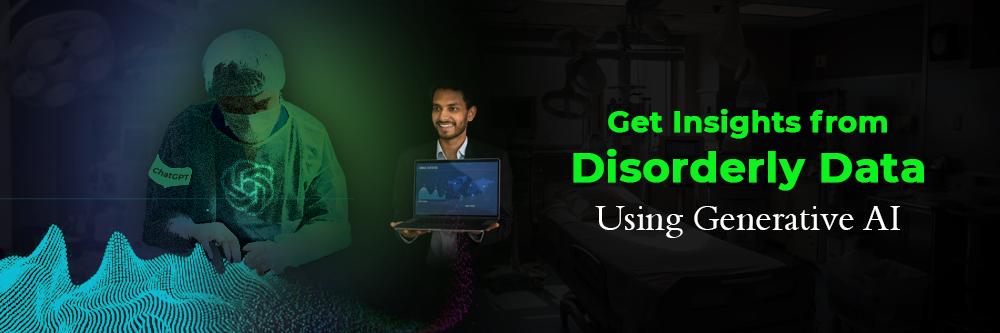
Get Insights from Disorderly Data by Using Generative AI

Advertisements

In today’s data-driven world, businesses are constantly generating vast amounts of data. However, much of this data is disorderly—unstructured, noisy, and difficult to analyze. Traditional data analysis techniques often struggle with such messy data. Enter Generative AI, an innovative approach capable of transforming disorderly data into actionable insights. This article delves into how generative AI is revolutionizing the field of data analytics, making sense of complex datasets that were previously challenging to work with.

Disorderly data, also known as unstructured data, includes information that doesn’t fit neatly into databases. Examples include text documents, images, social media posts, and even audio or video files. Unlike structured data (such as spreadsheets), disorderly data lacks a predefined format, making it harder to process using traditional algorithms.

Disorderly data poses several challenges:

Volume and Variety: The sheer volume and variety of disorderly data make it overwhelming for traditional analysis tools.

Ambiguity and Redundancy: Disorderly data often includes irrelevant or redundant information that complicates analysis.

Contextual Understanding: Extracting meaningful insights from disorderly data requires understanding context, a task that can be challenging for conventional algorithms.

This is where Generative AI comes into play, offering an efficient way to process and make sense of such data.

Generative AI, powered by advanced algorithms like transformers and neural networks, excels in processing and understanding unstructured data. Here’s how it works:

Pattern Recognition: Generative AI models identify patterns in noisy data that might not be immediately apparent to human analysts.

Data Synthesis: It can generate new data based on learned patterns, filling in gaps, and offering deeper insights into hidden relationships.

Contextual Understanding: With natural language processing (NLP) and other capabilities, Generative AI can understand context in a more human-like manner.

Example Use Case: A retail company wants to analyze customer reviews (text data) to improve its product. Traditional analytics may struggle with the unstructured nature of reviews, but Generative AI can extract common sentiments, identify trends, and even predict future customer preferences.

Advertisements

Natural Language Processing (NLP): Used for extracting meaning from text-based disorderly data, NLP enables AI to process human language and extract key themes.

Image and Video Analysis: Generative models can analyze disorderly visual data, such as images and videos, to find hidden patterns and insights.

Reinforcement Learning: This technique allows generative AI to learn and adapt, refining its analysis of disorderly data over time.

Faster Insights: Generative AI can process vast amounts of data quickly, turning disorderly datasets into usable insights within minutes or hours.

Scalability: Whether the dataset is small or massive, generative AI scales effortlessly, handling complex data scenarios that would overwhelm traditional systems.

Reduced Human Effort: By automating data analysis, businesses can reduce the need for extensive human intervention, freeing up resources for other critical tasks.

As generative AI continues to evolve, its application in data analytics will become even more transformative. We can expect advances in the following areas:

Improved Data Augmentation: AI models will be able to generate synthetic data that complements existing disorderly datasets, enriching analysis.

Real-Time Insights: Generative AI will enable real-time insights from streaming data, such as live social media feeds or sensor data.

Greater Predictive Capabilities: By learning from disorderly data, generative AI will enhance its ability to predict trends and behaviors across industries.

Conclusion

Disorderly data, once seen as a challenge, is now a rich resource for actionable insights thanks to Generative AI. By leveraging advanced techniques such as NLP, pattern recognition, and data synthesis, businesses can now harness the power of unstructured data to gain a competitive edge. The future of data analytics lies in generative models that continue to evolve and adapt to the complexities of real-world data.

Generative AI not only makes sense of disorderly data but also unlocks its full potential, offering unprecedented opportunities for innovation and growth.

Advertisements

استخراج رؤى من البيانات غير المنظمة باستخدام الذكاء الاصطناعي التوليدي

Advertisements

في عالم اليوم الذي تحركه البيانات تولد الشركات باستمرار كميات هائلة من البيانات ومع ذلك فإن الكثير من هذه البيانات غير المنظمة تعتبر عشوائية ومشتتة يصعب تحليلها، فغالباً ما تكافح تقنيات تحليل البيانات التقليدية مع مثل هذه البيانات الفوضوية أدخل الذكاء الاصطناعي التوليدي وهو نهج مبتكر قادر على تحويل البيانات غير المنظمة إلى رؤى قابلة للتنفيذ تتعمق هذه المقالة في كيفية إحداث الذكاء الاصطناعي التوليدي ثورة في مجال تحليلات البيانات وإضفاء معنى على مجموعات البيانات المعقدة التي كانت صعبة في السابق للعمل معها

1. فهم البيانات غير المنظمة

تتضمن البيانات غير المنظمة معلومات لا تتناسب بشكل أنيق مع قواعد البيانات تشمل الأمثلة المستندات النصية والصور ومنشورات وسائل التواصل الاجتماعي وحتى ملفات الصوت أو الفيديو على عكس البيانات المنظمة (مثل جداول البيانات)، تفتقر البيانات غير المنظمة إلى تنسيق محدد مسبقاً مما يجعل معالجتها باستخدام الخوارزميات التقليدية أكثر صعوبة

2. التحديات في استخراج الأفكار من البيانات غير المنظمة

:تفرض البيانات غير المنظمة العديد من التحديات

الحجم والتنوع: إن الحجم والتنوع الهائل للبيانات غير المنظمة يجعلانها مرهقة لأدوات التحليل التقليدية

الغموض والتكرار: غالباً ما تتضمن البيانات غير المنظمة معلومات غير ذات صلة أو مكررة مما يعقد التحليل

الفهم السياقي: يتطلب استخراج الأفكار ذات المغزى من البيانات غير المنظمة فهم السياق وهي مهمة قد تكون صعبة بالنسبة للخوارزميات التقليدية

وهنا يأتي دور الذكاء الاصطناعي التوليدي الذي يوفر طريقة فعالة لمعالجة مثل هذه البيانات وفهمها

3. كيف يتعامل الذكاء الاصطناعي التوليدي مع البيانات غير المنظمة

يتفوق الذكاء الاصطناعي التوليدي المدعوم بخوارزميات متقدمة مثل المحولات والشبكات العصبية في معالجة وفهم البيانات غير المنظمة، إليك كيفية عملها

التعرف على الأنماط: تحدد نماذج الذكاء الاصطناعي التوليدي الأنماط في البيانات المشوشة التي قد لا تكون واضحة على الفور للمحللين البشريين

تركيب البيانات: يمكنها توليد بيانات جديدة بناءً على الأنماط المكتسبة وملء الفجوات وتقديم رؤى أعمق للعلاقات المخفية

(NLP) الفهم السياقي: باستخدام معالجة اللغة الطبيعية

والقدرات الأخرى يمكن للذكاء الاصطناعي التوليدي فهم السياق بطريقة أكثر شبهاً بالإنسان

مثال على حالة الاستخدام: تريد شركة بيع بالتجزئة تحليل مراجعات العملاء (بيانات نصية) لتحسين منتجها قد تواجه التحليلات التقليدية صعوبة في التعامل مع الطبيعة غير المنظمة للمراجعات ولكن الذكاء الاصطناعي التوليدي يمكنه استخراج المشاعر المشتركة وتحديد الاتجاهات وحتى التنبؤ بتفضيلات العملاء في المستقبل

Advertisements

4. التقنيات الرئيسية في الذكاء الاصطناعي التوليدي للبيانات غير المنظمة

:(NLP) معالجة اللغة الطبيعية

تُستخدم لاستخراج المعنى من البيانات غير المنظمة المستندة إلى النص وتمكّن معالجة اللغة الطبيعية الذكاء الاصطناعي من معالجة اللغة البشرية واستخراج الموضوعات الرئيسية

تحليل الصور والفيديو: يمكن للنماذج التوليدية تحليل البيانات المرئية غير المنظمة مثل الصور ومقاطع الفيديو للعثور على الأنماط والرؤى المخفية

التعلم التعزيزي: تسمح هذه التقنية للذكاء الاصطناعي التوليدي بالتعلم والتكيف وتحسين تحليله للبيانات غير المنظمة بمرور الوقت

5. فوائد استخدام الذكاء الاصطناعي التوليدي للبيانات غير المنظمة

رؤى أسرع: يمكن للذكاء الاصطناعي التوليدي معالجة كميات هائلة من البيانات بسرعة وتحويل مجموعات البيانات غير المنظمة إلى رؤى قابلة للاستخدام في غضون دقائق أو ساعات

قابلية التوسع: سواء كانت مجموعة البيانات صغيرة أو ضخمة فإن الذكاء الاصطناعي التوليدي يتوسع بسهولة ويتعامل مع سيناريوهات البيانات المعقدة التي من شأنها أن تطغى على الأنظمة التقليدية

الجهد البشري المنخفض: من خلال أتمتة تحليل البيانات يمكن للشركات تقليل الحاجة إلى التدخل البشري المكثف وتحرير الموارد لمهام حاسمة أخرى

6. التأثيرات المستقبلية للذكاء الاصطناعي التوليدي في تحليلات البيانات

مع استمرار تطور الذكاء الاصطناعي التوليدي سيصبح تطبيقه في تحليلات البيانات أكثر تحولاً يمكننا أن نتوقع تقدماً في المجالات التالية

تحسين زيادة البيانات: ستكون نماذج الذكاء الاصطناعي قادرة على توليد بيانات اصطناعية تكمل مجموعات البيانات غير المنظمة الموجودة مما يثري التحليل

رؤى في الوقت الفعلي: سيمكن الذكاء الاصطناعي التوليدي من الحصول على رؤى في الوقت الفعلي من البيانات المتدفقة مثل موجزات الوسائط الاجتماعية المباشرة أو بيانات المستشعر

قدرات تنبؤية أكبر: من خلال التعلم من البيانات غير المنظمة سيعزز الذكاء الاصطناعي التوليدي قدرته على التنبؤ بالاتجاهات والسلوكيات عبر الصناعات

الخلاصة

البيانات غير المنظمة التي كانت تُعتبر تحدياً في السابق أصبحت الآن مصدراً غنياً للرؤى القابلة للتنفيذ بفضل الذكاء الاصطناعي التوليدي، فمن خلال الاستفادة من التقنيات المتقدمة مثل معالجة اللغة الطبيعية والتعرف على الأنماط وتوليف البيانات يمكن للشركات الآن الاستفادة من قوة البيانات غير المنظمة للحصول على ميزة تنافسية، يكمن مستقبل تحليلات البيانات في النماذج التوليدية التي تستمر في التطور والتكيف مع تعقيدات البيانات في العالم الحقيقي

لا يعمل الذكاء الاصطناعي التوليدي على فهم البيانات غير المنظمة فحسب بل إنه يفتح أيضاً إمكاناتها الكاملة مما يوفر فرصاً غير مسبوقة للإبداع والنمو

Advertisements