
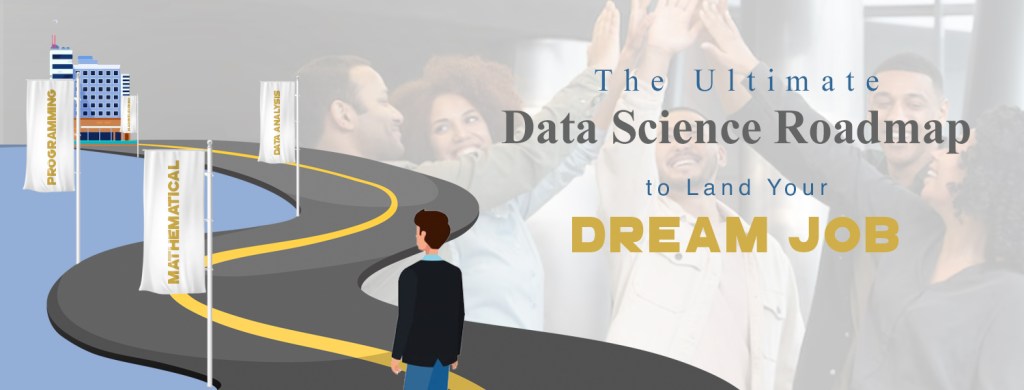
The field of data science has become one of the most sought-after career paths in today’s digital economy. With industries relying on data-driven decisions more than ever, companies are constantly searching for skilled professionals who can turn raw information into meaningful insights. Yet for newcomers, the biggest question remains: where do you start, and how do you navigate the overwhelming list of tools, concepts, and frameworks? The truth is, you don’t need to learn everything. You just need a clear, structured roadmap that leads directly to employability.
In this article, I will walk you through the only data science roadmap you need to get a job, breaking down each stage into practical, narrative-driven steps that ensure you not only learn but also position yourself as a competitive candidate.
Building the Mathematical Foundation
Every strong data scientist begins with mathematics, not because you need to become a mathematician, but because the language of data is built on numbers, probability, and patterns. Concepts like linear algebra, calculus, and statistics serve as the bedrock of understanding how algorithms work and how predictions are made. For example, understanding the gradient in calculus is not about solving equations on paper, but about recognizing how optimization happens in machine learning models like gradient descent. Similarly, grasping probability helps you evaluate risks, detect biases, and interpret uncertainty in predictions. Without this foundation, you may find yourself relying blindly on libraries without ever comprehending what’s happening behind the scenes. And in interviews, recruiters often test this depth of knowledge. Think of this stage as building the grammar before you start writing in the language of data.
Mastering Programming for Data Science
Once the mathematics is in place, the next step is to learn how to communicate with data effectively—and this is where programming comes in. Python has emerged as the undisputed king of data science languages, thanks to its simplicity and vast ecosystem of libraries like NumPy, Pandas, Scikit-learn, and TensorFlow. However, R also remains valuable, particularly in research and academic environments. Learning programming is not just about syntax; it is about developing problem-solving skills. Imagine being handed a messy dataset full of missing values, outliers, and inconsistent formatting. Your task as a data scientist is to clean, transform, and prepare that data so that it can tell a story. Through consistent coding practice, such as participating in Kaggle competitions or working on personal projects, you start developing an intuition for handling real-world data challenges. This hands-on experience becomes your proof of competence in job applications.
Diving into Data Analysis and Visualization
At its heart, data science is about storytelling, and visualization is the way you make data’s story come alive. Employers want to see if you can take complex, multi-dimensional datasets and simplify them into insights that decision-makers can understand. This is why mastering tools like Matplotlib, Seaborn, or Plotly is crucial. Beyond Python libraries, platforms such as Power BI or Tableau also enhance your ability to create compelling dashboards. For example, imagine presenting a sales forecast to a boardroom—numbers alone may seem abstract, but a clear line chart showing trends or a heatmap highlighting problem areas instantly resonates with the audience. The ability to visualize effectively often becomes the deciding factor in whether your work is recognized and implemented within an organization.
Understanding Machine Learning Concepts
With foundations in mathematics, programming, and visualization established, the next step is venturing into machine learning. This is where theory meets practice, and you begin to teach machines how to make decisions. Start with supervised learning methods such as linear regression, logistic regression, and decision trees, then gradually move into more advanced algorithms like random forests, gradient boosting, and support vector machines. From there, unsupervised learning methods like clustering or dimensionality reduction broaden your perspective. What matters most is not memorizing formulas but understanding the intuition behind each algorithm—why you would use it, what kind of data it works best with, and how to evaluate its performance using metrics like accuracy, precision, or recall. Recruiters often focus on your ability to explain machine learning concepts in plain language, which shows that you don’t just “know” the algorithm but truly understand it.
Gaining Practical Experience Through Projects
No matter how many courses you complete or how many books you read, employers ultimately look for proof of application. This is where projects become the centerpiece of your roadmap. Start with small, guided projects like predicting housing prices or analyzing customer churn, then move toward larger, end-to-end case studies. For instance, you could build a sentiment analysis model for social media data or create a recommendation system similar to what Netflix or Amazon uses. Beyond showcasing your technical ability, projects demonstrate initiative and creativity. The key is to document your work on platforms like GitHub and share your learning journey on LinkedIn or personal blogs. In today’s job market, recruiters often review your portfolio before they even invite you for an interview, and a strong collection of projects can significantly set you apart.
Preparing for the Job Market
The final step in the roadmap is translating all your skills into employability. This means learning how to craft a resume that highlights not just your technical tools but also the impact of your projects. Instead of listing “Python, Pandas, Scikit-learn,” focus on what you achieved with them, such as “Developed a machine learning model that improved prediction accuracy by 15%.” Equally important is preparing for interviews, which often include both technical tests and behavioral questions. You might be asked to code live, solve case studies, or explain your approach to a data problem. Beyond the technical side, employers want to know if you can communicate with non-technical teams, adapt quickly, and think critically under pressure. Networking also plays a huge role—attending meetups, joining online communities, and seeking mentorship can open doors to opportunities you wouldn’t find on job boards.
Conclusion
The journey to becoming a data scientist may appear overwhelming at first glance, but with the right roadmap, it becomes a structured and achievable process. Start with building your mathematical foundation, then progress into programming, analysis, machine learning, and projects, before finally polishing your professional profile for the job market. Remember, the goal is not to learn everything at once but to follow a step-by-step path that steadily builds both competence and confidence. Employers are not just looking for people who know the tools—they want problem-solvers, storytellers, and innovators who can bring data to life. Follow this roadmap with persistence, and you will not only become job-ready but also set yourself on the path toward a rewarding career in data science.
خارطة الطريق المثالية لعلم البيانات لتحقيق وظيفة أحلامك

أصبح مجال علم البيانات من أكثر المسارات المهنية رواجاً في الاقتصاد الرقمي اليوم، ومع اعتماد القطاعات على القرارات القائمة على البيانات أكثر من أي وقت مضى تبحث الشركات باستمرار عن متخصصين مهرة قادرين على تحويل المعلومات الخام إلى رؤى قيّمة، ومع ذلك يبقى السؤال الأهم بالنسبة للمبتدئين: من أين تبدأ وكيف تتعامل مع القائمة الهائلة من الأدوات والمفاهيم والأطر؟ في الحقيقة لستَ بحاجة إلى تعلم كل شيء، كل ما تحتاجه هو خارطة طريق واضحة ومنظمة تُفضي مباشرةً إلى فرص التوظيف
وفي هذه المقالة سأشرح لك خارطة الطريق الوحيدة التي تحتاجها في علم البيانات للحصول على وظيفة مُقسّماً كل مرحلة إلى خطوات عملية مبنية على سرد قصصي تضمن لك ليس فقط التعلم بل أيضاً وضع نفسك كمرشح تنافسي
بناء الأساس الرياضي
يبدأ كل عالِم بيانات قوي بالرياضيات ليس لأنك بحاجة إلى أن تصبح عالم رياضيات ولكن لأن لغة البيانات مبنية على الأرقام والاحتمالات والأنماط، إذ تُشكّل مفاهيم مثل الجبر الخطي وحساب التفاضل والتكامل والإحصاء أساساً لفهم كيفية عمل الخوارزميات وكيفية التنبؤ، فعلى سبيل المثال لا يقتصر فهم التدرج في حساب التفاضل والتكامل على حل المعادلات على الورق بل يشمل إدراك كيفية حدوث التحسين في نماذج التعلم الآلي مثل انحدار التدرج، وبالمثل يُساعدك فهم الاحتمالات على تقييم المخاطر واكتشاف التحيزات وتفسير عدم اليقين في التنبؤات، فبدون هذا الأساس قد تجد نفسك تعتمد بشكل أعمى على المكتبات دون فهم ما يحدث خلف الكواليس، وفي المقابلات غالباً ما يختبر مسؤولو التوظيف هذا العمق من المعرفة، تخيّل هذه المرحلة كبناء القواعد قبل البدء في الكتابة بلغة البيانات
إتقان البرمجة لعلم البيانات
بمجرد إتقان الرياضيات فإن الخطوة التالية هي تعلم كيفية التواصل مع البيانات بفعالية وهنا يأتي دور البرمجة، برزت بايثون كملكة لغات علم البيانات بلا منازع بفضل بساطتها ونطاقها الواسع من المكتبات
NumPy و Pandas و Scikit-learn و TensorFlow مثل
قيّمة R ومع ذلك لا تزال لغة
لا سيما في البيئات البحثية والأكاديمية، تعلّم البرمجة لا يقتصر على بناء الجملة فحسب بل يشمل أيضاً تطوير مهارات حل المشكلات، فتخيّل أنك تُسلّم مجموعة بيانات مُربكة مليئة بالقيم الناقصة والقيم الشاذة والتنسيق غير المتسق، مهمتك كعالِم بيانات هي تنظيف هذه البيانات وتحويلها وتجهيزها بحيث تُمكّنك من سرد قصة، إذاً من خلال ممارسة البرمجة بانتظام
Kaggle مثل المشاركة في مسابقات
أو العمل على مشاريع شخصية تبدأ في تطوير حدسك للتعامل مع تحديات البيانات الواقعية تُصبح هذه التجربة العملية دليلاً على كفاءتك في طلبات التوظيف
التعمق في تحليل البيانات وتصورها
في جوهره يتمحور علم البيانات حول سرد القصص والتصور هو الطريقة التي تُضفي بها الحيوية على قصة البيانات، إذ يرغب أصحاب العمل في معرفة ما إذا كان بإمكانك استخدام مجموعات البيانات المعقدة ومتعددة الأبعاد وتبسيطها إلى رؤى يمكن لصانعي القرار فهمها، ولهذا السبب
Plotly أو Seaborn أو Matplotlib يُعدّ إتقان أدوات مثل
أمراً بالغ الأهمية
Tableau أو Power BI إلى جانب مكتبات بايثون تُعزز منصات مثل
قدرتك على إنشاء لوحات معلومات جذابة، وعلى سبيل المثال تخيّل عرض توقعات مبيعات أمام مجلس إدارة قد تبدو الأرقام وحدها مجردة لكن مخططاً خطياً واضحاً يُظهر الاتجاهات أو خريطة حرارية تُبرز مواطن الخلل تلقى صدى فورياً لدى الجمهور، وعليه غالباً ما تُصبح القدرة على التصور الفعّال العامل الحاسم في تقدير عملك وتطبيقه داخل المؤسسة
فهم مفاهيم التعلم الآلي
بعد إرساء أسس الرياضيات والبرمجة والتصور تأتي الخطوة التالية وهي الانغماس في التعلم الآلي، وهنا تلتقي النظرية بالتطبيق وتبدأ بتعليم الآلات كيفية اتخاذ القرارات، لذا ابدأ بأساليب التعلم المُشرف مثل الانحدار الخطي والانحدار اللوجستي وأشجار القرار ثم انتقل تدريجياً إلى خوارزميات أكثر تقدماً مثل الغابات العشوائية وتعزيز التدرج وآلات المتجهات الداعمة، من هنا تُوسّع أساليب التعلم غير المُشرف مثل التجميع أو تقليل الأبعاد آفاقك، وتذكر دائماً الأهم ليس حفظ الصيغ بل فهم جوهر كل خوارزمية أي سبب استخدامها ونوع البيانات التي تعمل معها بشكل أفضل وكيفية تقييم أدائها باستخدام مقاييس مثل الدقة والإتقان والتذكر، فغالباً ما يركز مسؤولو التوظيف على قدرتك على شرح مفاهيم التعلم الآلي بلغة واضحة مما يدل على أنك لا “تعرف” الخوارزمية فحسب بل تفهمها فهماً حقيقياً
اكتساب الخبرة العملية من خلال المشاريع
بغض النظر عن عدد الدورات التي تُكملها أو عدد الكتب التي تقرأها يبحث أصحاب العمل في النهاية عن دليل على طلبك للوظيفة، وهنا تصبح المشاريع محور خارطة طريقك، لذا ابدأ بمشاريع صغيرة وموجهة مثل التنبؤ بأسعار المساكن أو تحليل معدل فقدان العملاء ثم انتقل إلى دراسات حالة أكبر وأكثر شمولية، فعلى سبيل المثال يمكنك بناء نموذج لتحليل المشاعر لبيانات وسائل التواصل الاجتماعي أو إنشاء نظام توصيات مشابه لما تستخدمه نتفليكس أو أمازون، إلى جانب إبراز قدراتك التقنية تُظهر المشاريع روح المبادرة والإبداع
GitHub ويكمن السر في توثيق عملك على منصات مثل
LinkedIn ومشاركة رحلة التعلم الخاصة بك على
أو المدونات الشخصية، ففي سوق العمل اليوم غالباً ما يُراجع مسؤولو التوظيف ملف أعمالك قبل دعوتك لإجراء مقابلة ويمكن لمجموعة قوية من المشاريع أن تُميزك بشكل كبير
التحضير لسوق العمل
الخطوة الأخيرة في خارطة الطريق هي ترجمة جميع مهاراتك إلى فرص عمل، وهذا يعني تعلم كيفية صياغة سيرة ذاتية تُبرز ليس فقط أدواتك التقنية ولكن أيضاً تأثير مشاريعك، فبدلاً من ذكر “بايثون، باندا، سكيت ليرن”، ركّز على ما حققته باستخدامها مثل “طوّرت نموذج تعلّم آلي حسّن دقة التنبؤ بنسبة 15%”، ولا يقلّ أهميةً التحضير للمقابلات والتي غالباً ما تشمل اختبارات تقنية وأسئلة سلوكية، قد يُطلب منك البرمجة مباشرةً أو حلّ دراسات حالة أو شرح منهجك في حل مشكلة بيانات، إضافة إلى الجانب التقني يرغب أصحاب العمل بمعرفة قدرتك على التواصل مع الفرق غير التقنية والتكيّف بسرعة والتفكير النقدي تحت الضغط، كما يلعب التواصل دوراً هاماً – فحضور اللقاءات والانضمام إلى المجتمعات الإلكترونية والبحث عن الإرشاد كلها عوامل تفتح لك آفاقاً جديدة لفرص عمل لم تكن لتجدها في مواقع التوظيف
الخلاصة
قد تبدو رحلة التحول إلى عالم بيانات شاقة للوهلة الأولى ولكن مع خارطة الطريق الصحيحة تصبح عملية منظمة وقابلة للتحقيق، لذا ابدأ ببناء أساسك الرياضي ثم تقدّم نحو البرمجة والتحليل والتعلّم الآلي والمشاريع قبل أن تُحسّن ملفك المهني لسوق العمل، تذكر أن الهدف ليس تعلم كل شيء دفعةً واحدة بل اتباع مسار تدريجي يبني الكفاءة والثقة بالنفس باستمرار، إذ لا يبحث أصحاب العمل فقط عن أشخاص يجيدون استخدام الأدوات بل يريدون من يجيد حل المشاكل ويروي القصص، ومبتكرين قادرين على تجسيد البيانات، لذا اتبع هذه الخارطة بإصرار ولن تصبح جاهزاً للوظيفة فحسب بل ستضع نفسك أيضاً على الطريق نحو مهنة مجزية في مجال علوم البيانات

