

As a Python developer, I used to pride myself on writing everything from scratch. Whether it was a quick script to clean a dataset or a complex automation workflow, I found joy in crafting each line of code myself. But over time, I realized that reinvention isn’t always smart — especially when the Python ecosystem offers libraries so powerful and polished, they simply outshine any homegrown solution. Here are the eight libraries that made me retire my own scripts.
1. Pandas – My Go-To Data Wrangler
I used to write long, clunky loops to clean and manipulate CSV files. Then I discovered Pandas. With one-liners like df.dropna() or df.groupby(), I was doing in seconds what used to take hours. Whether I’m merging datasets or reshaping tables, Pandas has become my Swiss Army knife for data.
Before Pandas: 50 lines of nested loops
After Pandas: 3 lines of elegance
2. BeautifulSoup – No More Manual HTML Parsing
Scraping the web used to be a nightmare of regex and fragile string manipulation. BeautifulSoup changed that. With its intuitive syntax, parsing HTML and XML now feels like reading a book. I stopped worrying about malformed tags and started focusing on insights.

That one line replaced dozens of lines of messy parsing logic.
3. Requests – The End of urllib Torture
Ever tried to use urllib.request? I did — once. Then I met Requests. It made HTTP calls human-friendly. With simple methods like .get() and .post(), Requests reads like plain English. I no longer need to wrestle with headers, sessions, or cookies on my own.

It just works. Every time.
4. Typer – Command-Line Interfaces Without the Pain
For CLI tools, I used to rely on argparse. It worked, but the syntax was verbose. Typer changed my world. Built on top of Click, it lets me build rich CLI apps using Python type hints. It’s intuitive, readable, and scalable — even for complex tools.
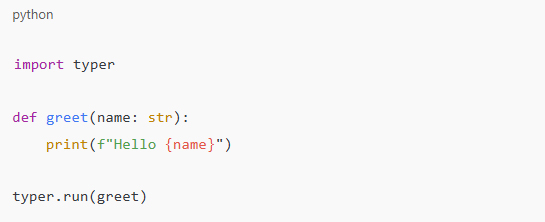
With Typer, I shipped tools 3x faster.
5. OpenPyXL – Automating Excel the Right Way
I once wrote a monstrous VBA script to generate Excel reports. That ended the day I found OpenPyXL. It lets me create, read, and edit .xlsx files natively in Python. I can style cells, create charts, and update formulas without opening Excel.
Excel automation is now just another Python script — no macros, no drama.
6. Rich – Console Output That Makes Me Look Good
Debugging output and CLI logs were always boring, until I started using Rich. This library transformed my terminal output into a colorful, styled experience with progress bars, tables, markdown, and even live updates.
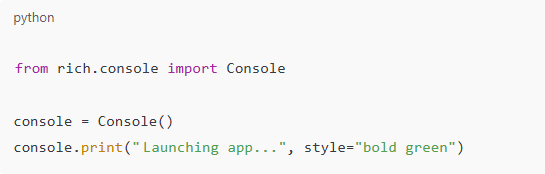
Rich made my tools feel like apps, not scripts.
7. Schedule – Human-Readable Task Scheduling
Instead of writing cron jobs or manually handling datetime logic, I now use schedule. It lets me define jobs in a language that almost reads like English.
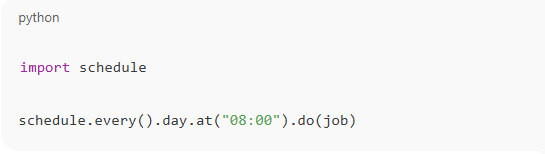
It’s like having a built-in personal assistant for Python.
8. PyAutoGUI – The End of Repetitive Clicks
I once wrote scripts to automate workflows in specific apps, relying on API access (if available). But many apps don’t have APIs. That’s where PyAutoGUI comes in. It controls the mouse, keyboard, and screen like a robot assistant.
I’ve used it to batch-edit images, generate reports, and even auto-fill web forms — no backend access required.
Final Thoughts: Stop Reinventing, Start Reusing
There’s pride in writing original code. But there’s power in knowing when not to. These libraries saved me hours of frustration, reduced bugs, and supercharged my productivity. If you’re still writing your own scripts for tasks that are already solved — maybe it’s time to stop.
Let Python’s ecosystem do the heavy lifting. You’ve got better things to build.
مكتبات بايثون التي حلت محل نصوصي البرمجية التي كنتُ أُعدّها بنفسي

بصفتي مطور بايثون كنت أفتخر بكتابة كل شيء من الصفر، سواءً كان نصاً برمجياً سريعاً لتنظيف مجموعة بيانات أو سير عمل أتمتة معقداً، كنت أجد متعة في صياغة كل سطر من الشيفرة بنفسي، لكن مع مرور الوقت أدركت أن إعادة الابتكار ليست دائماً ذكية خاصةً عندما يوفر نظام بايثون مكتبات قوية ومتطورة لدرجة أنها ببساطة تتفوق على أي حل محلي
إليكم هذه المكتبات الثماني التي دفعتني للتخلي عن نصوصي البرمجية الخاصة
1. معالج البيانات المفضل لدي : Pandas
ومعالجتها CSV كنت أكتب حلقات طويلة ومعقدة لتنظيف ملفات
ثم اكتشفت باندا، فباستخدام جمل قصيرة
df.groupby() أو df.dropna() مثل
كنت أنجز في ثوانٍ ما كان يستغرق ساعات، سواءً كنت أدمج مجموعات البيانات أو أعيد تشكيل الجداول
قبل باندا: 50 سطراً من الحلقات المتداخلة
بعد باندا: 3 أسطر بشكل أنيق
2. اليدوي HTML لا مزيد من تحليل BeautifulSoup
كان استخراج بيانات الويب كابوساً من التعبيرات العادية والتلاعب الهش بالسلاسل النصية
ذلك BeautifulSoup غيّر
بفضل بنيته النحوية البديهية
الآن أشبه بقراءة كتاب HTML و XML أصبح تحليل
لم أعد أقلق بشأن العلامات المشوهة وبدأت بالتركيز على الأفكار

حلّ هذا السطر محل عشرات الأسطر من منطق التحليل الفوضوي
3. urllib نهاية عذاب Requests
؟ urllib.request هل سبق لك أن حاولت استخدام
Requests فعلت ذلك مرة واحدة ثم وجدت
سهلة الاستخدام HTTP جعل مكالمات
.get() و .post() باستخدام طرق بسيطة مثل
سهلة القراءة Requests أصبحت
لم أعد بحاجة إلى التعامل مع الرؤوس أو الجلسات أو ملفات تعريف الارتباط بمفردي

إنه يعمل ببساطة في كل مرة
4. واجهات سطر أوامر سهلة Typer
،في أدوات سطر الأوامر argparse كنت أعتمد على
كان يعمل، لكن بناء الجملة كان مُطوّلاً
حياتي Typer غيّر
Click بُني على
Python وهو يُتيح لي بناء تطبيقات سطر أوامر غنية باستخدام تلميحات نوع
إنه بديهي وسهل القراءة وقابل للتطوير حتى للأدوات المُعقدة
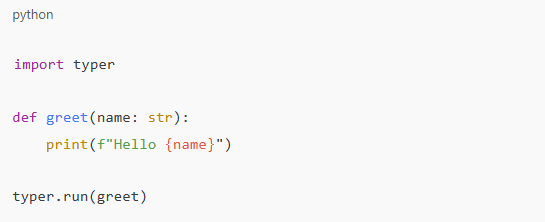
أصبحت الأدوات أسرع بثلاث مرات Typer مع
5. بالطريقة الصحيحة Excel أتمتة OpenPyXL
Excel لإنشاء تقارير VBA كتبتُ ذات مرة نصًا برمجيًا ضخمًا بلغة
OpenPyXL انتهى ذلك اليوم الذي اكتشفتُ فيه
Python وقراءتها وتحريرها تلقائيًا في .xlsx يُتيح لي إنشاء ملفات
يُمكنني تنسيق الخلايا، وإنشاء المخططات البيانية
Excel وتحديث الصيغ دون الحاجة لفتح
Python الآن مجرد نص برمجي آخر في Excel أصبحت أتمتة
بدون وحدات ماكرو بدون تعقيدات
6. مخرجات وحدة التحكم التي تُحسّن مظهري Rich
لطالما كان تصحيح الأخطاء وسجلات سطر الأوامر مُملاً
Rich حتى بدأتُ باستخدام
حوّلت هذه المكتبة مخرجات طرفيتي إلى تجربة زاهية الألوان وأنيقة
Markdown مع أشرطة تقدم وجداول ورموز
وحتى تحديثات مباشرة
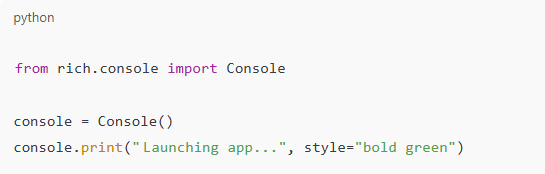
7. جدولة مهام سهلة القراءة Schedule
Datetime أو التعامل يدوياً مع cron بدلاً من كتابة مهام
Schedule أستخدم الآن
يتيح لي هذا تحديد المهام بلغة تُشبه الإنجليزية تقريباً
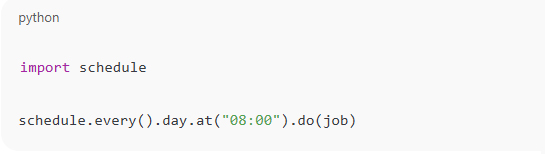
Python يشبه الأمر وجود مساعد شخصي مدمج في
8. نهاية النقرات المتكررة PyAutoGUI
كتبتُ سابقاً نصوصاً برمجية لأتمتة سير العمل في تطبيقات محددة بالاعتماد على الوصول إلى واجهة برمجة التطبيقات (إن وُجدت). لكن العديد من التطبيقات لا تحتوي على واجهات برمجة تطبيقات
PyAutoGUI وهنا يأتي دور
فهو يتحكم في الماوس ولوحة المفاتيح والشاشة كمساعد آلي
لقد استخدمته لتحرير الصور دفعةً واحدة وإنشاء التقارير وحتى ملء نماذج الويب تلقائيًا دون الحاجة إلى الوصول إلى الواجهة الخلفية
أفكار أخيرة: توقف عن إعادة الابتكار وابدأ بإعادة الاستخدام
يكمن الفخر في كتابة أكواد أصلية ولكن تكمن القوة في معرفة متى لا تفعل ذلك، لقد وفرت عليّ هذه المكتبات ساعات من الإحباط وقللت من الأخطاء البرمجية وعززت إنتاجيتي بشكل كبير، فإذا كنت لا تزال تكتب نصوصك البرمجية الخاصة لمهام تم حلها بالفعل فربما حان الوقت للتوقف
دع بيئة بايثون تتولى المهمة الصعبة، لديك أشياء أفضل لتفعلها

