

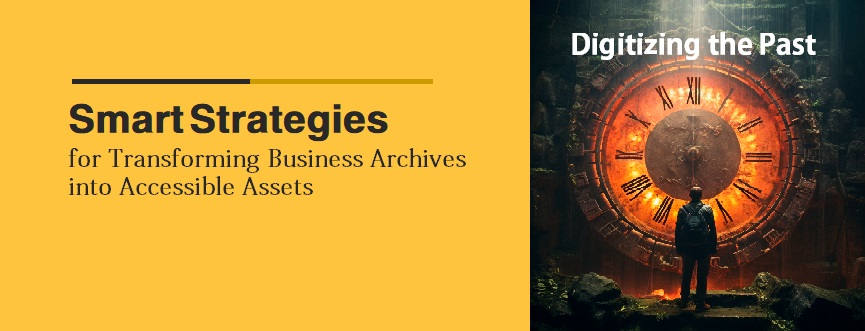

In an age where speed, access, and accuracy drive competitive advantage, relying on dusty file cabinets and analog records is like racing in a horse-drawn carriage on the autobahn. Digitizing business archives isn’t just about going paperless—it’s about unlocking your data’s potential, minimizing operational friction, and empowering your teams to move with confidence. You’ve probably felt the pain of hunting down a misplaced contract or trying to cross-reference data that lives in ten different formats.
Choose the Right Scanning Workflow
There’s no one-size-fits-all when it comes to scanning your physical archives. High-speed document scanners are great for standard papers, but fragile items or oversized documents may require flatbed or specialty scanners. Decide early whether you’ll handle scanning in-house or outsource to a third-party digitization service—each has its own cost, timeline, and quality control implications. Creating a clear scanning workflow ensures that the process runs smoothly, with attention to metadata tagging, file naming conventions, and storage destinations from the start.
Safeguard Sensitive Data in the Digital Shift
As you digitize your archives, protecting sensitive information becomes just as important as preserving it. From employee records to client contracts, some documents carry high stakes if leaked or mishandled, making data protection a non-negotiable part of your strategy. Encryption, secure user authentication, and audit trails should be built into your digital infrastructure from the start to prevent breaches and misuse.
Select Smart Storage Solutions
Once your files are digitized, the next move is choosing how and where to store them so they’re both secure and easily retrievable. Cloud platforms offer scalability, remote access, and data redundancy, making them a strong choice for most organizations, especially those with distributed teams. But not all files belong in the cloud—sensitive data may require local or hybrid solutions that comply with industry regulations.
Implement Metadata and Indexing Standards
Digitization without metadata is like a library with no catalog system—it may all be there, but good luck finding what you need. When you add structured metadata during the digitization process, you create pathways for quick search, categorization, and data linkage. This is especially useful when working across departments or time zones, where different teams might need to access the same file for different purposes.
Plan for Long-Term Data Migration
Technology moves fast, and digital archives that live in yesterday’s formats are tomorrow’s headaches. Make sure your digitization strategy includes a plan for regular data migrations so you’re not left scrambling when a software becomes obsolete. Whether you’re storing files in proprietary systems or open formats, it’s smart to future-proof your files by choosing widely supported, non-proprietary formats like PDF/A, CSV, or XML. Stay ahead by scheduling periodic reviews of your storage solutions and making updates before they become urgent.
Train Your Team on the New System
No matter how elegant your digitized archive is, it’s useless if your team doesn’t know how to use it. Conduct hands-on training to familiarize everyone with the new systems, file structures, search tools, and permissions protocols. Encourage a feedback loop so users can flag hiccups or suggest improvements that make everyday usage smoother. Turning archived files into active tools requires buy-in and competence across your workforce—not just from IT or leadership.
Integrate Archives With Existing Platforms
One major benefit of digitizing your business archives is the chance to connect them to tools you already use. Whether it’s your CRM, ERP, or project management software, linking archives to these systems can create seamless workflows and reduce redundant data entry. Integration allows your teams to pull up relevant documents in real-time—right when they’re working on a task—instead of toggling between platforms or wasting time searching. This helps turn archival data into a living resource that supports daily decision-making.
Transforming your business archives from physical clutter into digital gold takes effort, but the payoff is real. Once scattered records become strategic assets when they’re accessible, secure, and woven into your daily workflows. You don’t just save time—you gain clarity, accountability, and a better handle on the full history of your organization’s decisions and actions. Digitization gives you the chance to treat your data like the powerful resource it is, not just a pile of paper taking up space in a storage room.
Unlock the power of data with Data World, your go-to source for innovative business solutions and educational services in data science!
Written by Cameron Ward
رقمنة الماضي: استراتيجيات ذكية لتحويل أرشيفات الأعمال إلى أصول يسهل الوصول إليها

في عصر تُعزز فيه السرعة وسهولة الوصول والدقة الميزة التنافسية، يُشبه الاعتماد على خزائن الملفات المُغبرة والسجلات التناظرية سباقاً في عربة تجرها الخيول على الطريق السريع، إذ لا تقتصر رقمنة أرشيفات الأعمال على الاستغناء عن الورق فحسب بل تشمل أيضاً إطلاق العنان لإمكانات بياناتك وتقليل الاحتكاك التشغيلي وتمكين فريقك من العمل بثقة، فربما شعرتَ بمشقة البحث عن عقد في غير محله أو محاولة مقارنة بيانات موجودة بعشرة تنسيقات مختلفة
اختر سير عمل المسح الضوئي المناسب
لا يوجد حل واحد يناسب الجميع عندما يتعلق الأمر بمسح أرشيفاتك المادية، إذ تُعدّ ماسحات المستندات عالية السرعة مثالية للأوراق القياسية ولكن قد تتطلب المستندات الهشة أو كبيرة الحجم ماسحات ضوئية مسطحة أو ماسحات ضوئية متخصصة، لذا قرر مُبكراً ما إذا كنت ستتولى المسح الضوئي داخلياً أو ستُسنده إلى جهة خارجية لخدمات رقمنة ( لكلٍّ منهما تكلفته وجدوله الزمني وآثاره على مراقبة الجودة ) بحيث يضمن إنشاء سير عمل واضح للمسح الضوئي سلاسة العملية مع الاهتمام منذ البداية بوضع علامات على البيانات الوصفية وتسمية الملفات ووجهات التخزين
حماية البيانات الحساسة في التحول الرقمي
مع رقمنة أرشيفاتك تُصبح حماية المعلومات الحساسة بنفس أهمية الحفاظ عليها من سجلات الموظفين إلى عقود العملاء، إذ تحمل بعض المستندات مخاطر عالية في حال تسريبها أو إساءة استخدامها مما يجعل حماية البيانات جزءاً لا يتجزأ من استراتيجيتك، لذا يجب دمج التشفير ومصادقة المستخدم الآمنة ومسارات التدقيق في بنيتك التحتية الرقمية منذ البداية لمنع الاختراقات وسوء الاستخدام
اختر حلول التخزين الذكية
بمجرد رقمنة ملفاتك تتمثل الخطوة التالية في اختيار كيفية ومكان تخزينها بحيث تكون آمنة وسهلة الاسترداد، بحيث توفر منصات السحابة قابلية التوسع والوصول عن بُعد وتكرار البيانات مما يجعلها خياراً قوياً لمعظم المؤسسات وخاصةً تلك التي لديها فرق عمل موزعة، ولكن ليست كل الملفات تنتمي إلى السحابة فقد تتطلب البيانات الحساسة حلولاً محلية أو مختلطة تتوافق مع لوائح الصناعة
تطبيق معايير البيانات الوصفية والفهرسة
الرقمنة بدون بيانات وصفية أشبه بمكتبة بدون نظام فهرسة فقد يكون كل شيء موجوداً ولكن نتمنى لك التوفيق في العثور على ما تحتاجه، فعند إضافة بيانات وصفية منظمة أثناء عملية الرقمنة فإنك تُنشئ مسارات للبحث السريع والتصنيف وربط البيانات، لذا يُعد هذا مفيداً بشكل خاص عند العمل عبر أقسام أو مناطق زمنية مختلفة حيث قد تحتاج فرق مختلفة إلى الوصول إلى الملف نفسه لأغراض مختلفة
التخطيط لنقل البيانات على المدى الطويل
تتطور التكنولوجيا بسرعة وعليه تعد الأرشيفات الرقمية التي تعيش بتنسيقات قديمة مصدر قلق للغد، لذا تأكد من أن استراتيجية الرقمنة الخاصة بك تتضمن خطة لنقل البيانات بانتظام حتى لا تُترك في حيرة عندما يصبح أحد البرامج قديماً، فسواء كنت تُخزن الملفات في أنظمة خاصة أو تنسيقات مفتوحة فمن الحكمة تأمين ملفاتك للمستقبل باختيار تنسيقات غير خاصة مدعومة على نطاق واسع
PDF/A أو CSV أو XML مثل
ابقَ في الطليعة بجدولة مراجعات دورية لحلول التخزين لديك وإجراء التحديثات قبل أن تصبح عاجلة
درّب فريقك على النظام الجديد
مهما كان أرشيفك الرقمي أنيقاً فلن يكون ذا فائدة إذا لم يكن فريقك على دراية بكيفية استخدامه، لذا قدّم تدريباً عملياً لتعريف الجميع بالأنظمة الجديدة وهياكل الملفات وأدوات البحث وبروتوكولات الأذونات، ثم شجع على تبادل الآراء والملاحظات حتى يتمكن المستخدمون من الإبلاغ عن أي مشاكل أو اقتراح تحسينات تجعل الاستخدام اليومي أكثر سلاسة، يتطلب تحويل الملفات المؤرشفة إلى أدوات فعالة دعماً وكفاءة من جميع فرق العمل لديك وليس فقط من قسم تكنولوجيا المعلومات أو القيادة
دمج الأرشيفات مع المنصات الحالية
من أهم فوائد رقمنة أرشيفات أعمالك إمكانية ربطها بالأدوات التي تستخدمها بالفعل
(CRM) فسواءً كان نظام إدارة علاقات العملاء
(ERP) أو نظام تخطيط موارد المؤسسات
أو برنامج إدارة المشاريع فإن ربط الأرشيفات بهذه الأنظمة يمكن أن يُسهّل سير العمل ويقلل من إدخال البيانات المكررة، بحيث يتيح التكامل لفرقك الوصول إلى المستندات ذات الصلة فوراً مباشرةً أثناء عملهم على مهمة ما، بدلاً من التنقل بين المنصات أو إضاعة الوقت في البحث، فهذا يساعد على تحويل بيانات الأرشيف إلى مورد حيوي يدعم اتخاذ القرارات اليومية
يتطلب تحويل أرشيفات أعمالك من فوضى مادية إلى ثروة رقمية جهوداً كبيرة لكن ثمارها حقيقية، بحيث تُصبح السجلات المتناثرة أصولاً استراتيجية عندما تكون سهلة الوصول وآمنة ومدمجة في سير عملك اليومي، فهنا أنت لا توفر الوقت فحسب بل تكتسب الوضوح والمساءلة وتتحكم بشكل أفضل في التاريخ الكامل لقرارات وإجراءات مؤسستك، وعليه تمنحك الرقمنة فرصة التعامل مع بياناتك كمورد قوي وليس مجرد كومة من الورق تشغل مساحة في غرفة تخزين
مصدرك الأمثل لحلول الأعمال المبتكرة والخدمات التعليمية في علم البيانات Data World اكتشف عالَم البيانات مع
Written by Cameron Ward

