

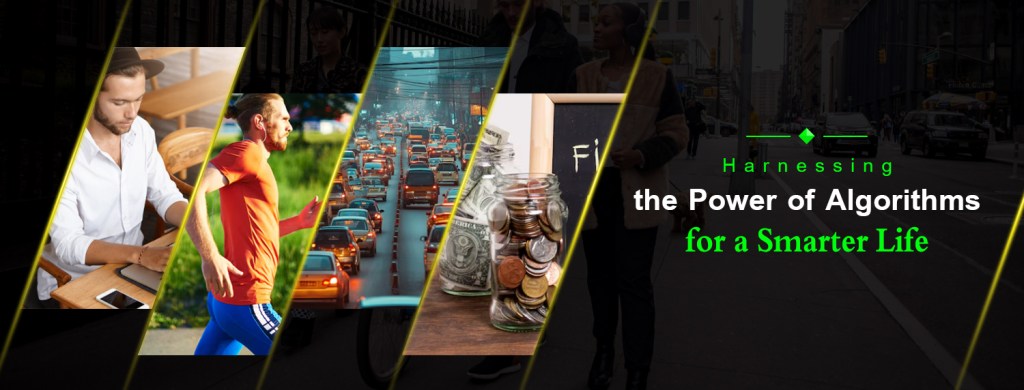
Algorithms are the backbone of modern technology, influencing virtually every aspect of our daily lives. From the moment we wake up to the moment we go to bed, algorithms silently and efficiently manage and optimize our experiences, guiding us in ways we may not even be aware of. Understanding how to leverage algorithms can help us make more informed decisions, optimize our routines, and even improve our productivity.
This article aims to explore how algorithms function in everyday life, the ways in which we can benefit from them, and the practical strategies for leveraging algorithms to make our daily activities more efficient.
1. What Are Algorithms and How Do They Impact Our Lives?
An algorithm is essentially a step-by-step procedure or formula for solving a problem. In the context of data science and artificial intelligence (AI), algorithms process data to derive patterns, predict outcomes, or optimize solutions. While we may not always recognize their presence, algorithms shape the way we interact with technology.
Examples of Algorithms in Daily Life:
- Search Engines: When we type a query into Google, an algorithm sorts through billions of web pages, ranking them based on relevance, quality of content, and other factors. It uses ranking algorithms like PageRank, which considers factors like backlinks and keywords, to present the best results.
- Social Media Feeds: Algorithms personalize your social media experience by sorting posts in a way that reflects your interests, previous interactions, and trending topics. Instagram, for example, uses machine learning models to predict what content is most relevant to you, adjusting the order of posts you see.
- E-commerce Recommendations: Shopping platforms like Amazon or eBay recommend products based on your past browsing or purchase history. Algorithms process your behavior to suggest items you’re likely to be interested in.
2. Algorithms and Personal Productivity
Algorithms can be used to streamline personal tasks, enhance productivity, and optimize decision-making processes in ways we might not have considered. For instance, in the realm of time management, algorithms can help us manage our daily schedules, remind us of important tasks, or even suggest when we should take breaks to boost productivity.
Calendar and Task Management:
- Smart Scheduling Algorithms: Tools like Google Calendar, Microsoft Outlook, or time management apps like Todoist often use scheduling algorithms to suggest the best times for meetings or tasks based on your availability and historical patterns. They also consider external factors like time zone differences and deadlines.
- Priority Algorithms: Apps like Trello or Asana incorporate algorithms to help users prioritize tasks. These algorithms can analyze task urgency, deadlines, and even team collaboration needs to recommend how to organize your to-do list effectively.
Example:
Consider a person using an AI-based personal assistant, like Siri or Google Assistant. The assistant can not only manage their schedule but also suggest when to work on specific tasks based on the person’s past habits and priorities. If an individual typically checks emails at 9 a.m. each day, an assistant algorithm will prioritize those tasks for that time slot.
3. Health and Fitness: How Algorithms Are Enhancing Our Well-Being
Algorithms have transformed the way we approach health and fitness. From tracking our daily steps to optimizing workouts, AI-driven technologies can assist us in achieving our fitness goals.
Wearable Devices:
- Step Tracking and Exercise Optimization: Devices like Fitbit, Apple Watch, and other wearable fitness trackers use algorithms to monitor physical activity. These algorithms analyze factors like your heart rate, steps taken, and sleep patterns to recommend personalized fitness plans.
- Health Predictions: Some apps, using machine learning algorithms, can predict potential health risks by analyzing patterns in your fitness data over time. For example, by recognizing unusual changes in heart rate or sleep patterns, the app might suggest a medical checkup before issues arise.
Example:
An individual using a fitness tracker could receive suggestions on their exercise intensity based on how their body responded to previous workouts. If the algorithm notices that a user’s heart rate is consistently elevated during certain exercises, it may recommend alternative exercises that reduce strain or optimize calorie burning.
4. Transportation: AI Algorithms Driving Mobility
From ride-sharing to navigation, algorithms are revolutionizing transportation systems, making them more efficient, cost-effective, and sustainable.
Navigation Systems:
- Route Optimization: Google Maps, Apple Maps, and Waze all utilize traffic algorithms to provide real-time route suggestions. These algorithms analyze factors such as traffic congestion, road closures, and historical traffic patterns to recommend the quickest routes.
- Ride-sharing Apps: Algorithms also play a pivotal role in ride-sharing apps like Uber and Lyft. By analyzing demand patterns and real-time traffic conditions, these platforms can predict ride availability, surge pricing, and optimal pick-up locations.
Example:
Imagine a commuter using Google Maps to navigate during rush hour. Google’s algorithm could adjust the route in real-time to avoid unexpected traffic slowdowns, ensuring the commuter reaches their destination faster. Similarly, Uber’s algorithm determines the most efficient pick-up points based on real-time location and traffic patterns.
5. Finance: Automating Savings and Investments
In the financial sector, algorithms have been deployed to automate various tasks, from savings to investments, making financial management easier and more accessible.
Personal Finance and Budgeting:
- Expense Tracking: Apps like Mint and YNAB (You Need A Budget) use algorithms to categorize spending and alert users to unusual financial activity. They can also suggest areas where users can cut back to save more.
- Automated Savings: Apps like Digit or Qapital use algorithms to analyze your spending habits and transfer small amounts of money into savings accounts automatically. The app’s algorithm makes these transfers based on patterns in your bank account, optimizing your savings without requiring manual input.
Example:
A user may sign up for an app like Digit, which automatically transfers small amounts from their checking account to their savings account every day based on their spending patterns. The algorithm learns how much the user can afford to save without noticing a difference in their day-to-day spending.
Investment Algorithms:
- Robo-Advisors: Platforms like Betterment and Wealthfront use machine learning algorithms to provide automated investment advice. They analyze your financial goals, risk tolerance, and time horizon to suggest personalized portfolios that balance risk and reward.
6. Home Automation: Smarter Living Through Algorithms
Smart home devices are another area where algorithms have proven to be immensely beneficial, creating more comfortable and energy-efficient living spaces. These algorithms enable devices to anticipate user needs, adjust settings automatically, and even save money on energy bills.
Smart Thermostats:
- Predictive Algorithms for Energy Efficiency: Smart thermostats, like Nest and Ecobee, use algorithms to learn your temperature preferences throughout the day. They adjust heating or cooling systems based on your patterns, such as reducing energy use when you’re not at home.
Smart Lighting:
- Behavioral Adaptation: Smart lighting systems, such as Philips Hue, use algorithms to adjust brightness and color temperature based on the time of day, your preferences, and even activity recognition (e.g., reading, working, relaxing).
Example:
A smart thermostat might automatically adjust the temperature based on your previous week’s schedule. If you typically set the temperature lower when you leave for work, the algorithm will preemptively adjust the setting every weekday without manual input, optimizing both comfort and energy consumption.
7. Artificial Intelligence in Communication
In communication tools like email or messaging platforms, algorithms assist in organizing, categorizing, and even composing messages.
Email Management:
- Spam Filters: Email platforms like Gmail and Outlook use algorithms to detect spam, phishing attempts, and categorize emails into folders such as primary, social, or promotions based on your past behavior.
- Smart Replies: Gmail offers features like Smart Compose and Smart Reply, which use natural language processing algorithms to suggest quick responses or even draft full replies based on the context of the email.
Example:
If an individual receives a work-related email about an upcoming meeting, Gmail’s algorithm may automatically suggest a polite, contextually relevant reply, saving time and effort. In addition, the algorithm might flag emails from unknown senders as spam, reducing distractions.
8. Ethical Considerations and the Future of Algorithm Use
While algorithms offer immense benefits, they also raise ethical concerns. The use of algorithms in daily life has the potential to reinforce biases, limit privacy, and create dependency. It is important to stay aware of these issues as we continue to integrate algorithms into our lives.
Privacy and Data Security:
- Algorithms rely on vast amounts of personal data to make informed predictions and decisions. This raises concerns about how our data is collected, stored, and used. The balance between convenience and privacy must be carefully managed.
Algorithmic Bias:
- Algorithms can sometimes perpetuate biases if they are trained on biased data. For instance, AI algorithms used in hiring processes may favor certain demographics over others, leading to unfair outcomes. Ensuring fairness and transparency in algorithmic decision-making is essential.
Conclusion: Maximizing the Potential of Algorithms
Algorithms are powerful tools that can significantly enhance our productivity, health, financial management, and daily convenience. By understanding the algorithms that drive our technology, we can make more informed decisions, optimize our routines, and even anticipate needs before they arise. As we continue to move toward a more automated and data-driven world, the key lies in using these algorithms responsibly and ethically to maximize their potential for enhancing our everyday lives.
In the future, we may see even more sophisticated and personalized algorithms that help us in ways we can only imagine today. The key to success will be in understanding how to leverage these tools in a way that complements our goals and values.
تسخير قوة الخوارزميات من أجل حياة أكثر ذكاءً

تُعد الخوارزميات العمود الفقري للتكنولوجيا الحديثة، إذ تؤثر في كل جانب تقريباً من جوانب حياتنا اليومية، فمنذ لحظة استيقاظنا وحتى لحظة خلودنا إلى النوم تعمل الخوارزميات بصمت وكفاءة على إدارة تجاربنا وتحسينها موجهةً إيانا بطرق قد لا ندركها حتى، لذا فإن فهم كيفية الاستفادة من الخوارزميات يمكن أن يساعدنا في اتخاذ قرارات أكثر استنارة وتحسين روتيننا اليومي بل وحتى تعزيز إنتاجيتنا
يهدف هذا المقال إلى استكشاف كيفية عمل الخوارزميات في الحياة اليومية والطرق التي يمكننا من خلالها الاستفادة منها والاستراتيجيات العملية لتسخير الخوارزميات لجعل أنشطتنا اليومية أكثر كفاءة
1. ما هي الخوارزميات وكيف تؤثر في حياتنا ؟
الخوارزمية هي في جوهرها إجراء أو صيغة تسلسلية (خطوة بخطوة) تهدف إلى حل مشكلة ما وفي سياق علم البيانات والذكاء الاصطناعي تقوم الخوارزميات بمعالجة البيانات لاستخلاص الأنماط أو التنبؤ بالنتائج أو تحسين الحلول ورغم أننا قد لا ندرك دائماً وجودها إلا أن الخوارزميات تُشكّل الطريقة التي نتفاعل بها مع التكنولوجيا
: أمثلة على الخوارزميات في الحياة اليومية
محركات البحث: عندما نكتب استعلاماً بحثياً في محرك “جوجل” تقوم خوارزمية ما بفرز مليارات صفحات الويب وتصنيفها بناءً على مدى ملاءمتها وجودة محتواها وعوامل أخرى
“PageRank” وهي تستخدم خوارزميات تصنيف مثل خوارزمية
(ترتيب الصفحات) التي تأخذ في الاعتبار عوامل
(backlinks) مثل الروابط الخلفية
والكلمات المفتاحية لتقديم أفضل النتائج الممكنة
موجزات وسائل التواصل الاجتماعي: تعمل الخوارزميات على تخصيص تجربتك في وسائل التواصل الاجتماعي من خلال فرز المنشورات بطريقة تعكس اهتماماتك وتفاعلاتك السابقة والموضوعات الرائجة حالياً، فعلى سبيل المثال يستخدم تطبيق “إنستغرام” نماذج التعلم الآلي للتنبؤ بالمحتوى الأكثر ملاءمة لك ومن ثم تعديل ترتيب المنشورات التي تظهر أمامك
توصيات التجارة الإلكترونية: تقوم منصات التسوق الإلكتروني مثل “أمازون” أو “إيباي” بترشيح المنتجات لك بناءً على سجل تصفحك أو تاريخ مشترياتك السابق، إذ تقوم الخوارزميات بمعالجة سلوكك لتقترح عليك عناصر يُرجح أنك مهتم بها
2. الخوارزميات والإنتاجية الشخصية
يمكن استخدام الخوارزميات لتبسيط المهام الشخصية وتعزيز الإنتاجية وتحسين عمليات اتخاذ القرار بطرق ربما لم تخطر ببالنا من قبل، فعلى سبيل المثال وفي مجال إدارة الوقت يمكن للخوارزميات أن تساعدنا في تنظيم جداولنا اليومية وتذكيرنا بالمهام المهمة بل وحتى اقتراح الأوقات المناسبة لأخذ فترات راحة بهدف تعزيز الإنتاجية
: إدارة التقويم والمهام
خوارزميات الجدولة الذكية: تستخدم أدوات مثل تقويم “جوجل” و”مايكروسوفت آوتلوك” وتطبيقات إدارة الوقت مثل تودويست خوارزميات جدولة لاقتراح أفضل الأوقات للاجتماعات أو المهام بناءً على توافرك وأنماطك السابقة، كما تأخذ هذه الأدوات في الاعتبار عوامل خارجية مثل فروق التوقيت والمواعيد النهائية
خوارزميات تحديد الأولويات: تتضمن تطبيقات مثل تريلو وأسانا خوارزميات لمساعدة المستخدمين على تحديد أولويات المهام، تستطيع هذه الخوارزميات تحليل مدى إلحاح المهام والمواعيد النهائية وحتى احتياجات التعاون الجماعي لتقديم توصيات حول كيفية تنظيم قائمة مهامك بفعالية
: مثال
لنفترض شخصاً يستخدم مساعداً شخصياً يعمل بالذكاء الاصطناعي مثل سيري أو مساعد جوجل، فلا يقتصر دور المساعد على إدارة جدوله الزمني فحسب بل يمكنه أيضاً اقتراح أوقات العمل على مهام محددة بناءً على عادات الشخص وأولوياته السابقة، فإذا كان الشخص يتفقد بريده الإلكتروني عادةً في الساعة التاسعة صباحاً كل يوم فستقوم خوارزمية المساعد بتحديد أولويات تلك المهام في ذلك الوقت
٣. الصحة واللياقة: كيف تُحسّن الخوارزميات صحتنا؟
لقد غيّرت الخوارزميات نظرتنا إلى الصحة واللياقة، فمن تتبّع خطواتنا اليومية إلى تحسين التمارين تُساعدنا التقنيات المدعومة بالذكاء الاصطناعي على تحقيق أهدافنا في اللياقة
الأجهزة القابلة للارتداء : تتبّع الخطوات وتحسين التمارين
Fitbit و Apple Watch تستخدم أجهزة مثل
وغيرها من أجهزة تتبّع اللياقة القابلة للارتداء خوارزميات لمراقبة النشاط البدني، فتُحلّل هذه الخوارزميات عوامل مثل معدل ضربات القلب وعدد الخطوات وأنماط النوم لتقديم توصيات بخطط لياقة مُخصصة
التنبؤات الصحية: تستطيع بعض التطبيقات باستخدام خوارزميات التعلّم الآلي التنبؤ بالمخاطر الصحية المُحتملة من خلال تحليل أنماط بيانات اللياقة بمرور الوقت، فعلى سبيل المثال من خلال رصد تغييرات غير معتادة في معدل ضربات القلب أو أنماط النوم قد يُقترح التطبيق إجراء فحص طبي قبل ظهور أي مشاكل
: مثال
قد يتلقى الشخص الذي يستخدم جهاز تتبّع اللياقة اقتراحات بشأن شدة التمارين بناءً على استجابة جسمه للتمارين السابقة، إذا لاحظت الخوارزمية ارتفاعاً مستمراً في معدل ضربات قلب المستخدم أثناء تمارين معينة فقد تقترح تمارين بديلة تُخفف الإجهاد أو تُحسّن حرق السعرات الحرارية
4. النقل : خوارزميات الذكاء الاصطناعي تُحسّن التنقل
من خدمات مشاركة الركوب إلى الملاحة تُحدث الخوارزميات ثورة في أنظمة النقل مما يجعلها أكثر كفاءة وفعالية من حيث التكلفة واستدامة
: أنظمة الملاحة
تحسين المسارات: تستخدم خرائط جوجل وخرائط أبل وويز خوارزميات حركة المرور لتقديم اقتراحات للمسارات في الوقت الفعلي، فتُحلل هذه الخوارزميات عوامل مثل الازدحام المروري وإغلاق الطرق وأنماط حركة المرور السابقة للتوصية بأسرع الطرق
تطبيقات مشاركة الركوب: تلعب الخوارزميات أيضاً دوراً محورياً في تطبيقات مشاركة الركوب مثل أوبر وليفت، من خلال تحليل أنماط الطلب وحالة المرور في الوقت الفعلي، تستطيع هذه المنصات التنبؤ بتوافر الرحلات وأسعار الذروة ومواقع الالتقاء المثلى
: مثال
تخيل شخصاً يستخدم خرائط جوجل للتنقل خلال ساعة الذروة، إذ أن بإمكان خوارزمية جوجل تعديل المسار لحظياً لتجنب الازدحام المروري غير المتوقع مما يضمن وصول الراكب إلى وجهته أسرع، وبالمثل تحدد خوارزمية أوبر نقاط الالتقاء الأكثر كفاءة بناءً على الموقع وأنماط حركة المرور في الوقت الفعلي
5. التمويل: أتمتة الادخار والاستثمار
في القطاع المالي تم توظيف الخوارزميات لأتمتة مهام متنوعة من الادخار إلى الاستثمار مما يجعل الإدارة المالية أسهل وأكثر سهولة
التمويل : أتمتة الادخار والاستثمار
في القطاع المالي تم توظيف الخوارزميات لأتمتة مهام متنوعة من الادخار إلى الاستثمار مما يجعل الإدارة المالية أسهل وأكثر يسراً
: التمويل الشخصي وإدارة الميزانية
“Mint” تتبع النفقات : تستخدم تطبيقات مثل
خوارزميات لتصنيف أوجه الإنفاق وتنبيه المستخدمين في حال رصد أي نشاط مالي غير اعتيادي، كما يمكن لهذه التطبيقات اقتراح مجالات يمكن للمستخدمين تقليص نفقاتهم فيها لزيادة مدخراتهم
“Digit” أو “Qapital” الادخار الآلي: تستخدم تطبيقات مثل
خوارزميات لتحليل عاداتك في الإنفاق ومن ثم تحويل مبالغ مالية صغيرة إلى حسابات التوفير بشكل تلقائي، وتتولى خوارزمية التطبيق إجراء عمليات التحويل هذه استناداً إلى الأنماط المرصودة في حسابك المصرفي مما يساهم في تعظيم مدخراتك دون الحاجة إلى أي تدخل يدوي منك
: مثال
“Digit” قد يقوم المستخدم بالاشتراك في تطبيق مثل
الذي يعمل تلقائياً على تحويل مبالغ صغيرة من حسابه الجاري إلى حساب التوفير الخاص به بصفة يومية وذلك بناءً على أنماط إنفاقه، وتعمل الخوارزمية على تحديد المبلغ الذي يمكن للمستخدم ادخاره دون أن يشعر بأي فارق أو تأثير على نفقاته اليومية المعتادة
: خوارزميات الاستثمار
Betterment و Wealthfront المستشارون الآليون: تستخدم منصات مثل
خوارزميات التعلم الآلي لتقديم نصائح استثمارية آلية، إذ تحلل هذه المنصات أهدافك المالية وقدرتك على تحمل المخاطر والأفق الزمني لاقتراح محافظ استثمارية مخصصة توازن بين المخاطر والعوائد
6. أتمتة المنزل: حياة أكثر ذكاءً بفضل الخوارزميات
تُعدّ أجهزة المنزل الذكية مجالاً آخر أثبتت فيه الخوارزميات فائدتها الكبيرة حيث تُساهم في خلق مساحات معيشية أكثر راحة وكفاءة في استهلاك الطاقة، تُمكّن هذه الخوارزميات الأجهزة من توقع احتياجات المستخدم وضبط الإعدادات تلقائياً بل وتوفير المال على فواتير الطاقة
منظمات الحرارة الذكية : خوارزميات تنبؤية لكفاءة الطاقة
Nest و Ecobee تستخدم منظمات الحرارة الذكية مثل
خوارزميات لتعلم تفضيلاتك لدرجة الحرارة على مدار اليوم، فتقوم هذه المنظمات بضبط أنظمة التدفئة أو التبريد بناءً على أنماط استخدامك مثل تقليل استهلاك الطاقة عندما تكون خارج المنزل
الإضاءة الذكية : التكيف السلوكي
Philips Hue تستخدم أنظمة الإضاءة الذكية مثل
خوارزميات لضبط السطوع ودرجة حرارة اللون بناءً على وقت اليوم وتفضيلاتك وحتى التعرف على النشاط (مثل القراءة أو العمل أو الاسترخاء)
: مثال
قد يقوم منظم الحرارة الذكي بضبط درجة الحرارة تلقائياً بناءً على جدولك الأسبوعي السابق، فإذا كنت تضبط درجة الحرارة عادةً على مستوى منخفض عند مغادرتك للعمل ستقوم الخوارزمية بضبط الإعداد مسبقاً كل يوم من أيام الأسبوع دون تدخل يدوي مما يُحسّن الراحة ويُقلل استهلاك الطاقة
7. الذكاء الاصطناعي في الاتصالات
في أدوات الاتصال مثل البريد الإلكتروني أو منصات المراسلة تُساعد الخوارزميات في تنظيم الرسائل وتصنيفها وحتى كتابتها
إدارة البريد الإلكتروني : مرشحات البريد العشوائي
Gmail و Outlook تستخدم منصات البريد الإلكتروني مثل
خوارزميات لاكتشاف البريد العشوائي ومحاولات التصيد الاحتيالي وتصنيف رسائل البريد الإلكتروني في مجلدات مثل البريد الأساسي أو الاجتماعي أو الترويجي بناءً على سلوكك السابق
: الردود الذكية
ميزات مثل “الإنشاء الذكي” و”الرد الذكي” Gmail يوفر
والتي تستخدم خوارزميات معالجة اللغة الطبيعية لاقتراح ردود سريعة أو حتى صياغة ردود كاملة بناءً على سياق البريد الإلكتروني
: مثال
إذا تلقى شخص ما بريداً إلكترونياً متعلقاً بالعمل حول اجتماع قادم فقد تقترح خوارزمية جيميل تلقائياً رداً مهذباً ومناسباً للسياق مما يوفر الوقت والجهد، بالإضافة إلى ذلك قد تصنف الخوارزمية رسائل البريد الإلكتروني من مرسلين مجهولين على أنها رسائل غير مرغوب فيها مما يقلل من عوامل التشتيت
8. الاعتبارات الأخلاقية ومستقبل استخدام الخوارزميات
على الرغم من الفوائد الهائلة التي تقدمها الخوارزميات إلا أنها تثير أيضاً مخاوف أخلاقية، إن استخدام الخوارزميات في حياتنا اليومية قد يُعزز التحيزات ويُقيد الخصوصية ويُنشئ التبعية، فمن المهم أن نُدرك هذه المشكلات مع استمرارنا في دمج الخوارزميات في حياتنا
: الخصوصية وأمن البيانات
تعتمد الخوارزميات على كميات هائلة من البيانات الشخصية لاتخاذ تنبؤات وقرارات مدروسة، وهذا يُثير مخاوف بشأن كيفية جمع بياناتنا وتخزينها واستخدامها، يجب إدارة التوازن بين سهولة الاستخدام والخصوصية بعناية
: التحيز الخوارزمي
قد تُؤدي الخوارزميات أحياناً إلى ترسيخ التحيزات إذا تم تدريبها على بيانات متحيزة، على سبيل المثال قد تُفضل خوارزميات الذكاء الاصطناعي المُستخدمة في عمليات التوظيف فئات ديموغرافية مُعينة على غيرها مما يُؤدي إلى نتائج غير عادلة، يُعد ضمان العدالة والشفافية في عملية صنع القرار الخوارزمي أمراً ضرورياً
الخلاصة: تعظيم إمكانات الخوارزميات
تُعد الخوارزميات أدوات قوية يُمكنها تحسين إنتاجيتنا وصحتنا وإدارتنا المالية وراحتنا اليومية بشكل كبير، فمن خلال فهم الخوارزميات التي تُشغل تقنياتنا يُمكننا اتخاذ قرارات أكثر فعالية وتحسين روتيننا اليومي بل وحتى توقع احتياجاتنا قبل ظهورها
مع استمرار توجهنا نحو عالم يعتمد على الأتمتة والبيانات بشكل متزايد يكمن السر في استخدام هذه الخوارزميات بمسؤولية وأخلاقية لتحقيق أقصى استفادة منها في تحسين حياتنا اليومية
في المستقبل قد نشهد خوارزميات أكثر تطوراً وتخصيصاً تساعدنا بطرق لا نتخيلها اليوم، ويكمن مفتاح النجاح في فهم كيفية توظيف هذه الأدوات بما يتوافق مع أهدافنا وقيمنا
 Data World
You must be logged in to post a comment.