

Introduction: Learning the Hard Way
Over the past few years, I enrolled in dozens of data science courses across multiple platforms. Some were too theoretical, others outdated, and many promised “job readiness” without delivering practical depth. After investing hundreds of hours, a clear pattern emerged: only a small number of courses consistently build real-world capability, confidence, and employable skills.
This article distills that experience into four data science courses that genuinely stand above the rest—based on curriculum depth, instructional quality, practical projects, and long-term value.
1. IBM Data Science Professional Certificate (Coursera)
Best for: Structured beginners who want end-to-end coverage
This program excels at building a strong foundation. It covers Python, SQL, data analysis, visualization, and introductory machine learning with a clear learning path. What makes it effective is not novelty, but clarity and structure.
Why it works
- Progressive curriculum with no assumed background
- Hands-on labs using real datasets
- Strong focus on industry-standard tools
Limitations
- Machine learning depth is introductory
- Less emphasis on advanced math or model optimization
Real-world takeaway
You finish knowing how data science workflows actually operate in business environments—not just definitions.
2. Applied Data Science with Python (University of Michigan – Coursera)
Best for: Learners who want to think like a data scientist
This specialization shifts the focus from tools to reasoning. Instead of “which function to call,” it emphasizes why certain analytical decisions are made.
Why it works
- Strong emphasis on pandas, NumPy, and data manipulation
- Excellent treatment of data cleaning and feature engineering
- Real analytical thinking, not just code execution
Limitations
- Requires solid Python fundamentals
- Visual design and UI feel dated
Example Insight
You learn how subtle preprocessing choices can dramatically change model outcomes—an essential real-world skill.
3. Machine Learning by Andrew Ng (Coursera)
Best for: Understanding the core logic of machine learning
This course remains a benchmark. While it does not use modern libraries heavily, it explains machine learning concepts with exceptional clarity.
Why it works
- Deep intuition for algorithms
- Clear mathematical explanations without unnecessary complexity
- Strong conceptual grounding
Limitations
- Uses Octave/MATLAB instead of Python
- Minimal focus on deployment or production systems
Practical Value
Once you understand why gradient descent works, every modern ML framework becomes easier to master.
4. Data Science Bootcamp (Jose Portilla – Udemy)
Best for: Practical, tool-driven learners
This course is dense, practical, and highly actionable. It is especially effective for learners who want immediate exposure to real workflows using Python.
Why it works
- Extensive hands-on coding
- Covers NumPy, pandas, Matplotlib, Seaborn, and scikit-learn
- Strong balance between explanation and execution
Limitations
- Less theoretical depth
- Requires self-discipline due to volume
Sample Code Style You’ll Master
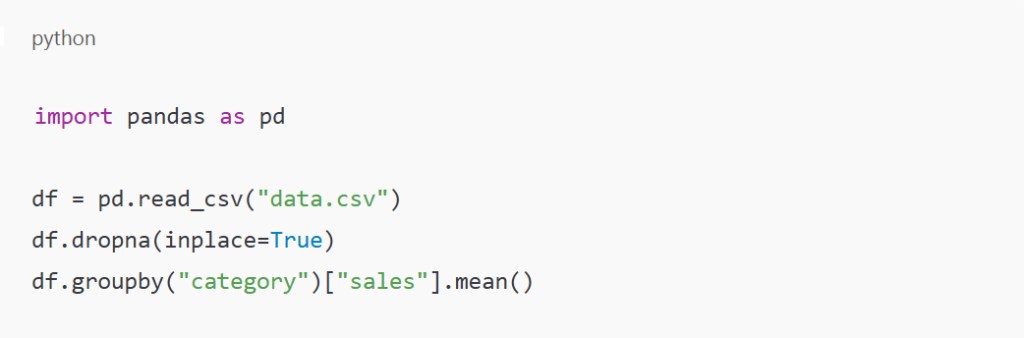
This type of practical fluency is exactly what employers expect.
How to Choose the Right One for You
Each of these courses excels in a different dimension. The “best” choice depends on your objective:
- Complete beginner → IBM Data Science Certificate
- Analytical depth → University of Michigan specialization
- Machine learning theory → Andrew Ng’s ML course
- Hands-on job skills → Jose Portilla’s Bootcamp
In many cases, combining one foundational course + one practical course produces the strongest results.
Conclusion: Quality Beats Quantity
Trying dozens of courses taught me a simple lesson: progress does not come from consuming more content, but from choosing the right content and applying it deeply. These four courses consistently deliver clarity, competence, and confidence—the qualities that actually move careers forward.
If you are serious about data science, start with one of these, commit fully, and build projects alongside the lessons. The difference is measurable.
بعد أكثر من 30 دورة تدريبية إليكم أفضل 4 دروات منها

المقدمة: التعلم بالطريقة الصعبة
على مدى السنوات القليلة الماضية قمت بالتسجيل في العشرات من دورات علوم البيانات عبر منصات متعددة، فكان بعضها نظرياً أكثر مما ينبغي والبعض الآخر عفا عليه الزمن، ووعد العديد منهم «بالاستعداد الوظيفي» دون تقديم عمق عملي، وبعد استثمار مئات الساعات ظهر نمط واضح: عدد قليل فقط من الدورات التدريبية يبني باستمرار القدرات الواقعية والثقة والمهارات القابلة للتوظيف
تلخص هذه المقالة هذه التجربة في أربع دورات دراسية لعلم البيانات تتفوق حقاً على بقية الدورات التدريبية – استناداً إلى عمق المنهج الدراسي وجودة التدريس والمشاريع العملية والقيمة طويلة المدى
1. IBM Data Science Professional Certificate (Coursera)
الأفضل لـ: المبتدئين المنظمين الذين يريدون تغطية شاملة
يتفوق هذا البرنامج في بناء أساس قوي
وتحليل البيانات والتصور والتعلم الآلي التمهيدي SQL و Python وهو يغطي
بمسار تعليمي واضح ما يجعلها فعالة ليس الحداثة بل الوضوح والبنية
لماذا يعمل؟
المنهج التقدمي مع عدم وجود خلفية مفترضة •
مختبرات عملية تستخدم مجموعات بيانات حقيقية •
التركيز القوي على الأدوات المتوافقة مع معايير الصناعة •
: القيود
يعد عمق التعلم الآلي أمراً تمهيدياً •
تركيز أقل على الرياضيات المتقدمة أو تحسين النموذج •
: الوجبات الجاهزة في العالم الحقيقي
لقد انتهيت من معرفة كيفية عمل سير عمل علوم البيانات فعلياً في بيئات الأعمال، وليس فقط التعريفات
2. علم البيانات التطبيقي باستخدام بايثون (جامعة ميشيغان – كورسيرا)
الأفضل لـ: المتعلمين الذين يريدون التفكير كعالم بيانات
يحول هذا التخصص التركيز من الأدوات إلى التفكير، فبدلاً من “ما هي الوظيفة التي يجب الاتصال بها” فإنه يؤكد على سبب اتخاذ قرارات تحليلية معينة
لماذا يعمل؟
ومعالجة البيانات NumPy و pandas التركيز القوي على •
معالجة ممتازة لتنظيف البيانات وهندسة الميزات •
تفكير تحليلي حقيقي وليس مجرد تنفيذ التعليمات البرمجية •
: القيود
يتطلب أساسيات بايثون الصلبة •
التصميم المرئي وواجهة المستخدم تبدو قديمة •
: مثال
ستتعلم كيف يمكن لخيارات المعالجة المسبقة الدقيقة أن تغير نتائج النموذج بشكل كبير – وهي مهارة أساسية في العالم الحقيقي
3. (Coursera) Andrew Ng التعلم الآلي بواسطة
الأفضل لـ: فهم المنطق الأساسي للتعلم الآلي
تظل هذه الدورة معياراً، فعلى الرغم من أنه لا يستخدم المكتبات الحديثة بشكل كبير إلا أنه يشرح مفاهيم التعلم الآلي بوضوح استثنائي
لماذا يعمل؟
الحدس العميق للخوارزميات •
تفسيرات رياضية واضحة دون تعقيد لا لزوم له •
أسس مفاهيمية قوية •
: القيود
Python بدلاً من Octave/MATLAB يستخدم •
الحد الأدنى من التركيز على أنظمة النشر أو الإنتاج •
القيمة العملية
بمجرد أن تفهم سبب عمل النسب المتدرج، يصبح إتقان كل إطار عمل حديث لتعلم الآلة أسهل
4. (Udemy – المعسكر التدريبي لعلوم البيانات (خوسيه بورتيلا
الأفضل لـ: المتعلمين العمليين المعتمدين على الأدوات
هذه الدورة كثيفة وعملية وقابلة للتنفيذ للغاية، إنها فعالة بشكل خاص للمتعلمين الذين يريدون التعرض الفوري لسير العمل الحقيقي باستخدام بايثون
لماذا يعمل؟
التدريب العملي على نطاق واسع على الترميز •
NumPy، pandas، Matplotlib، Seaborn، scikit-learn يغطي •
توازن قوي بين الشرح والتنفيذ •
:القيود
عمق نظري أقل •
يتطلب الانضباط الذاتي بسبب الحجم •
نموذج لنمط التعليمات البرمجية الذي ستتقنه
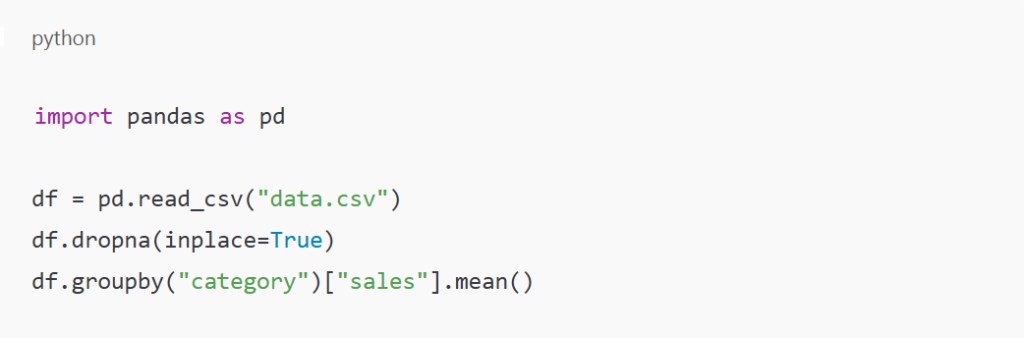
هذا النوع من الطلاقة العملية هو بالضبط ما يتوقعه أصحاب العمل
كيفية اختيار المناسب لك
:كل دورة من هذه الدورات تتفوق في بُعد مختلف، يعتمد الاختيار “الأفضل” على هدفك
مبتدئ كامل → شهادة علوم بيانات •
العمق التحليلي ← تخصص جامعة ميشيغان •
Andrew Ng نظرية التعلم الآلي ← دورة تعلم الآلة لـ •
مهارات العمل العملية ← المعسكر التدريبي لخوسيه بورتيلا •
في كثير من الحالات يؤدي الجمع بين دورة تأسيسية واحدة ودورة عملية واحدة إلى الحصول على أقوى النتائج
الخلاصة : الجودة تغلب الكمية
علمتني تجربة العشرات من الدورات التدريبية درساً بسيطاً: التقدم لا يأتي من استهلاك المزيد من المحتوى ولكن من اختيار المحتوى المناسب وتطبيقه بعمق، بحيث توفر هذه الدورات الأربع باستمرار الوضوح والكفاءة والثقة وهي الصفات التي تدفع الحياة المهنية إلى الأمام
إذا كنت جاداً بشأن علم البيانات فابدأ بواحدة من هذه الأمور والتزم بها بالكامل وقم ببناء المشاريع جنباً إلى جنب مع الدروس
 Data World
You must be logged in to post a comment.