
Top AI Tools You Should Be Using in 2026

Advertisements

Artificial intelligence is no longer niche—it has become an essential part of nearly every workflow in business, creativity, research, and everyday life. In 2026, the landscape of AI tools has matured into a vibrant ecosystem of powerful platforms, each designed to help users automate tasks, generate content, analyze data, and boost productivity. Here’s a comprehensive look at the top AI tools shaping this year across major categories.

Best For: Writing, brainstorming, planning, research, coding, and multimodal tasks.
ChatGPT remains the most versatile and widely used AI, powering everything from content creation to business automation. In 2026 it’s evolved beyond simple text generation into a multitasking AI capable of handling images, video analysis, and complex workflows.

Best For: Research, analytics, productivity, and search integration.
Gemini leverages Google’s massive data ecosystem to deliver context-rich answers, research synthesis, and productivity features deeply integrated with Workspace apps like Docs, Sheets, Slides, and Gmail.

Best For: Long-form writing, document review, and structured logic.
Claude is highly regarded for reasoning, analysis, and ethical alignment. It’s particularly effective in professional settings such as legal work, technical documentation, and research summarization.

Best For: Daily office tasks, automation inside Microsoft 365.
Copilot now powers Word, Excel, Outlook, Teams, and PowerPoint with generative capabilities—writing text, generating summaries, automating spreadsheets, and supporting collaboration.

Best For: Marketers, writers, and brand-focused content.
Jasper AI shines for SEO-optimized blogging, ad copy, social content, and customized voice generation—ideal for agencies and content teams.

Best For: Artists, designers, and visual storytellers.
This advanced image generation tool produces ultra-realistic graphics, illustrations, and concept art with style presets and integration into design tools like Figma and Photoshop.

Advertisements

Best For: Marketing videos, training content, social media clips.
Runway’s Gen-2/Gen-3 tools create cinematic-quality video with text prompts, motion effects, and editing automation. Synthesia focuses on avatar-driven video creation with voice cloning and multilingual narration.

Best For: Notes, planning, documentation, team collaboration.
Notion AI brings intelligent summaries, meeting insights, and project management automation into one unified workspace.

Best For: Research, information retrieval, citation-based answers.
Unlike many general AIs, Perplexity blends conversational AI with real-time web search, delivering credible, cited responses that are invaluable for academia, journalism, and deep research tasks.

Best For: Task automation, cross-app processes.
Zapier’s AI Agents can design and optimize workflows autonomously, connecting apps and data without coding—great for freeing teams from repetitive tasks.

2026 isn’t just about the mainstream platforms—several specialist tools are gaining traction:

  • Cursor AI – AI-assisted code editor for real-time coding flow and collaboration.
  • Perplexity AI – Research engine with web citations.
  • ElevenLabs – Industry-leading AI voice generation.
  • Framer AI – AI website builder for rapid web design.
  • Runway Gen-2/Gen-3 – AI video & skilled editing platform.
  • Sora AI – Full scene video generation from text prompts.

🔹 Agentic AI

AI agents are becoming autonomous helpers that execute tasks across desktop and web environments, not just chat responses.

🔹 Multimodal Intelligence

Tools now handle text, images, audio, and video seamlessly—transforming creativity and productivity workflows.

🔹 Integration With Workflows

The biggest impact comes from tools embedded in everyday software like Office, Workspace, and design platforms.

🔹 Democratized AI Creation

Open-source tools and APIs let developers build customized AI assistants or integrate intelligence directly into apps.

2026’s AI landscape is rich, dynamic, and incredibly practical. From universal assistants like ChatGPT and Gemini to specialized creative tools like Midjourney and Runway, AI is reshaping how we solve problems, create content, and optimize work. Whether you’re a creator, analyst, marketer, or business leader, incorporating the right mix of these tools can dramatically accelerate your output and reduce routine workload.

Advertisements

أهم أدوات الذكاء الاصطناعي التي يجب عليك استخدامها في عام 2026

Advertisements

لم يعد الذكاء الاصطناعي مجالاً متخصصاً بل أصبح جزءاً أساسياً من جميع مجالات العمل تقريباً في الأعمال التجارية والإبداع والبحث والحياة اليومية، وفي عام 2026 نضجت أدوات الذكاء الاصطناعي لتتحول إلى نظام بيئي حيوي من المنصات القوية المصممة لمساعدة المستخدمين على أتمتة المهام وإنشاء المحتوى وتحليل البيانات وتعزيز الإنتاجية

إليكم نظرة شاملة على أفضل أدوات الذكاء الاصطناعي التي تُشكل هذا العام في الفئات الرئيسية

الأفضل لـ: الكتابة والعصف الذهني والتخطيط والبحث والبرمجة والمهام متعددة الوسائط

أكثر أدوات الذكاء الاصطناعي تنوعاً واستخداماً ChatGPT يظل

على نطاق واسع، حيث يدعم كل شيء بدءاً من إنشاء المحتوى وصولاً إلى أتمتة الأعمال، في عام 2026 تطور ليصبح أكثر من مجرد أداة لتوليد النصوص ليصبح ذكاءً اصطناعياً متعدد المهام قادراً على التعامل مع الصور وتحليل الفيديو وسير العمل المعقدة

الأفضل لـ: البحث والتحليلات والإنتاجية وتكامل البحث

الضخم Google من نظام بيانات Gemini يستفيد

لتقديم إجابات غنية بالسياق وتجميع نتائج البحث وميزات إنتاجية متكاملة بعمق

Docs و Sheets و Slides و Gmail مثل Workspace مع تطبيقات

الأفضل لـ: الكتابة المطولة ومراجعة المستندات والمنطق المنظم

بتقدير كبير لقدراته على الاستنتاج Claude يُحظى

والتحليل والالتزام بالمعايير الأخلاقية وهو فعال بشكل خاص في البيئات المهنية مثل العمل القانوني والتوثيق التقني وتلخيص الأبحاث

Microsoft 365 الأفضل لـ: مهام المكتب اليومية، الأتمتة داخل

الآن تطبيقات Copilot يدعم

Word و Excel و Outlook و Teams و PowerPoint

بقدرات توليدية – كتابة النصوص وإنشاء الملخصات وأتمتة جداول البيانات ودعم التعاون

الأفضل لـ: المسوقين والكتاب ومحتوى العلامات التجارية

في كتابة المدونات المحسّنة لمحركات البحث Jasper AI يتألق

ونصوص الإعلانات ومحتوى وسائل التواصل الاجتماعي وإنشاء الصوت المخصص – وهو مثالي للوكالات وفرق المحتوى

الأفضل لـ: الفنانين والمصممين ورواة القصص المرئية

تُنتج هذه الأداة المتقدمة لتوليد الصور رسومات وتوضيحات وفنوناً مفاهيمية فائقة الواقعية مع قوالب أنماط مسبقة

Figma و Photoshop وتكامل مع أدوات التصميم مثل

الأفضل لـ: فيديوهات التسويق والمحتوى التدريبي ومقاطع الفيديو لوسائل التواصل الاجتماعي

Runway من Gen-2/Gen-3 تُتيح أدوات

إنشاء فيديوهات بجودة سينمائية باستخدام أوامر نصية وتأثيرات حركية وأتمتة التحرير، بينما تُركز سينثيسيا على إنشاء فيديوهات باستخدام شخصيات افتراضية مع استنساخ الصوت والتعليق الصوتي متعدد اللغات

Advertisements

الأفضل لـ: تدوين الملاحظات والتخطيط والتوثيق والتعاون الجماعي

ملخصات ذكية ورؤى للاجتماعات Notion AI يُقدم

وأتمتة إدارة المشاريع في مساحة عمل موحدة

الأفضل لـ: البحث واسترجاع المعلومات والإجابات المدعومة بالمصادر

على عكس العديد من أنظمة الذكاء الاصطناعي العامة

بين الذكاء الاصطناعي التفاعلي والبحث على الويب في الوقت الفعلي Perplexity يجمع

مما يوفر إجابات موثوقة ومدعومة بالمصادر وهي قيّمة للغاية للأوساط الأكاديمية والصحافة ومهام البحث المتعمق

الأفضل لـ: أتمتة المهام والعمليات بين التطبيقات

تصميم وتحسين سير العمل تلقائياً Zapier AI يمكن لوكلاء

وربط التطبيقات والبيانات بدون الحاجة إلى برمجة وهو أمر رائع لتحرير الفرق من المهام المتكررة

:لا يقتصر عام 2026 على المنصات السائدة فحسب، بل تكتسب العديد من الأدوات المتخصصة زخماً

محرر أكواد مدعوم بالذكاء الاصطناعي لبرمجة وتعاون في الوقت الفعلي : Cursor AI

محرك بحث مع مراجع من الويب : Perplexity AI

رائدة في مجال توليد الصوت بالذكاء الاصطناعي : ElevenLabs

أداة بناء مواقع ويب بالذكاء الاصطناعي لتصميم مواقع الويب بسرعة : Framer AI

منصة فيديو وتحرير احترافية بالذكاء الاصطناعي : Runway Gen-2/Gen-3

توليد مقاطع فيديو كاملة من نصوص وصفية : Sora AI

الذكاء الاصطناعي الوكيل

أصبحت وكلاء الذكاء الاصطناعي مساعدين مستقلين ينفذون المهام عبر بيئات سطح المكتب والويب وليس مجرد تقديم ردود في الدردشة

الذكاء متعدد الوسائط

تتعامل الأدوات الآن مع النصوص والصور والصوت والفيديو بسلاسة مما يُحدث تحولاً في سير عمل الإبداع والإنتاجية

التكامل مع سير العمل

يأتي التأثير الأكبر من الأدوات المدمجة في البرامج اليومية

إضفاء الطابع الديمقراطي على إنشاء الذكاء الاصطناعي

تتيح الأدوات وواجهات برمجة التطبيقات مفتوحة المصدر للمطورين إنشاء مساعدين ذكاء اصطناعي مخصصين أو دمج الذكاء مباشرةً في التطبيقات

يُعد مشهد الذكاء الاصطناعي لعام 2026 غنياً وديناميكياً وعملياً للغاية

Geminiو ChatGPT فمن المساعدين الشاملين مثل

Midjourney و Runway إلى الأدوات الإبداعية المتخصصة مثل

يُعيد الذكاء الاصطناعي تشكيل كيفية حل المشكلات وإنشاء المحتوى وتحسين العمل، فسواء كنت مبدعاً أو محللاً أو مسوقاً أو قائد أعمال فإن دمج المزيج المناسب من هذه الأدوات يمكن أن يُسرع إنتاجيتك بشكل كبير ويقلل من عبء العمل الروتيني

Advertisements

After 30+ Courses, These 4 Data Science Programs Stand Out

Advertisements

Over the past few years, I enrolled in dozens of data science courses across multiple platforms. Some were too theoretical, others outdated, and many promised “job readiness” without delivering practical depth. After investing hundreds of hours, a clear pattern emerged: only a small number of courses consistently build real-world capability, confidence, and employable skills.

This article distills that experience into four data science courses that genuinely stand above the rest—based on curriculum depth, instructional quality, practical projects, and long-term value.

Best for: Structured beginners who want end-to-end coverage

This program excels at building a strong foundation. It covers Python, SQL, data analysis, visualization, and introductory machine learning with a clear learning path. What makes it effective is not novelty, but clarity and structure.

Why it works

  • Progressive curriculum with no assumed background
  • Hands-on labs using real datasets
  • Strong focus on industry-standard tools

Limitations

  • Machine learning depth is introductory
  • Less emphasis on advanced math or model optimization

Real-world takeaway
You finish knowing how data science workflows actually operate in business environments—not just definitions.

Best for: Learners who want to think like a data scientist

This specialization shifts the focus from tools to reasoning. Instead of “which function to call,” it emphasizes why certain analytical decisions are made.

Why it works

  • Strong emphasis on pandas, NumPy, and data manipulation
  • Excellent treatment of data cleaning and feature engineering
  • Real analytical thinking, not just code execution

Limitations

  • Requires solid Python fundamentals
  • Visual design and UI feel dated

Example Insight
You learn how subtle preprocessing choices can dramatically change model outcomes—an essential real-world skill.

Advertisements

Best for: Understanding the core logic of machine learning

This course remains a benchmark. While it does not use modern libraries heavily, it explains machine learning concepts with exceptional clarity.

Why it works

  • Deep intuition for algorithms
  • Clear mathematical explanations without unnecessary complexity
  • Strong conceptual grounding

Limitations

  • Uses Octave/MATLAB instead of Python
  • Minimal focus on deployment or production systems

Practical Value
Once you understand why gradient descent works, every modern ML framework becomes easier to master.

Best for: Practical, tool-driven learners

This course is dense, practical, and highly actionable. It is especially effective for learners who want immediate exposure to real workflows using Python.

Why it works

  • Extensive hands-on coding
  • Covers NumPy, pandas, Matplotlib, Seaborn, and scikit-learn
  • Strong balance between explanation and execution

Limitations

  • Less theoretical depth
  • Requires self-discipline due to volume

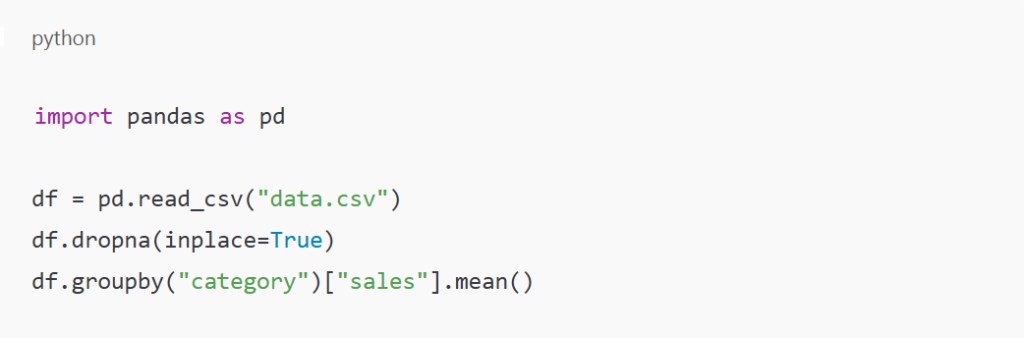
Sample Code Style You’ll Master

This type of practical fluency is exactly what employers expect.

Each of these courses excels in a different dimension. The “best” choice depends on your objective:

  • Complete beginner → IBM Data Science Certificate
  • Analytical depth → University of Michigan specialization
  • Machine learning theory → Andrew Ng’s ML course
  • Hands-on job skills → Jose Portilla’s Bootcamp

In many cases, combining one foundational course + one practical course produces the strongest results.

Trying dozens of courses taught me a simple lesson: progress does not come from consuming more content, but from choosing the right content and applying it deeply. These four courses consistently deliver clarity, competence, and confidence—the qualities that actually move careers forward.

If you are serious about data science, start with one of these, commit fully, and build projects alongside the lessons. The difference is measurable.

Advertisements

بعد أكثر من 30 دورة تدريبية إليكم أفضل 4 دروات منها

Advertisements

على مدى السنوات القليلة الماضية قمت بالتسجيل في العشرات من دورات علوم البيانات عبر منصات متعددة، فكان بعضها نظرياً أكثر مما ينبغي والبعض الآخر عفا عليه الزمن، ووعد العديد منهم «بالاستعداد الوظيفي» دون تقديم عمق عملي، وبعد استثمار مئات الساعات ظهر نمط واضح: عدد قليل فقط من الدورات التدريبية يبني باستمرار القدرات الواقعية والثقة والمهارات القابلة للتوظيف

تلخص هذه المقالة هذه التجربة في أربع دورات دراسية لعلم البيانات تتفوق حقاً على بقية الدورات التدريبية – استناداً إلى عمق المنهج الدراسي وجودة التدريس والمشاريع العملية والقيمة طويلة المدى

الأفضل لـ: المبتدئين المنظمين الذين يريدون تغطية شاملة

يتفوق هذا البرنامج في بناء أساس قوي

وتحليل البيانات والتصور والتعلم الآلي التمهيدي SQL و Python وهو يغطي

بمسار تعليمي واضح ما يجعلها فعالة ليس الحداثة بل الوضوح والبنية

لماذا يعمل؟

المنهج التقدمي مع عدم وجود خلفية مفترضة •

مختبرات عملية تستخدم مجموعات بيانات حقيقية •

التركيز القوي على الأدوات المتوافقة مع معايير الصناعة •

: القيود

يعد عمق التعلم الآلي أمراً تمهيدياً •

تركيز أقل على الرياضيات المتقدمة أو تحسين النموذج •

: الوجبات الجاهزة في العالم الحقيقي

لقد انتهيت من معرفة كيفية عمل سير عمل علوم البيانات فعلياً في بيئات الأعمال، وليس فقط التعريفات

الأفضل لـ: المتعلمين الذين يريدون التفكير كعالم بيانات

يحول هذا التخصص التركيز من الأدوات إلى التفكير، فبدلاً من “ما هي الوظيفة التي يجب الاتصال بها” فإنه يؤكد على سبب اتخاذ قرارات تحليلية معينة

لماذا يعمل؟

ومعالجة البيانات NumPy و pandas التركيز القوي على •

معالجة ممتازة لتنظيف البيانات وهندسة الميزات •

تفكير تحليلي حقيقي وليس مجرد تنفيذ التعليمات البرمجية •

: القيود

يتطلب أساسيات بايثون الصلبة •

التصميم المرئي وواجهة المستخدم تبدو قديمة •

: مثال

ستتعلم كيف يمكن لخيارات المعالجة المسبقة الدقيقة أن تغير نتائج النموذج بشكل كبير – وهي مهارة أساسية في العالم الحقيقي

Advertisements

الأفضل لـ: فهم المنطق الأساسي للتعلم الآلي

تظل هذه الدورة معياراً، فعلى الرغم من أنه لا يستخدم المكتبات الحديثة بشكل كبير إلا أنه يشرح مفاهيم التعلم الآلي بوضوح استثنائي

لماذا يعمل؟

الحدس العميق للخوارزميات •

تفسيرات رياضية واضحة دون تعقيد لا لزوم له •

أسس مفاهيمية قوية •

: القيود

Python بدلاً من Octave/MATLAB يستخدم •

الحد الأدنى من التركيز على أنظمة النشر أو الإنتاج •

القيمة العملية

بمجرد أن تفهم سبب عمل النسب المتدرج، يصبح إتقان كل إطار عمل حديث لتعلم الآلة أسهل

الأفضل لـ: المتعلمين العمليين المعتمدين على الأدوات

هذه الدورة كثيفة وعملية وقابلة للتنفيذ للغاية، إنها فعالة بشكل خاص للمتعلمين الذين يريدون التعرض الفوري لسير العمل الحقيقي باستخدام بايثون

لماذا يعمل؟

التدريب العملي على نطاق واسع على الترميز •

NumPy، pandas، Matplotlib، Seaborn، scikit-learn يغطي •

توازن قوي بين الشرح والتنفيذ •

:القيود

عمق نظري أقل •

يتطلب الانضباط الذاتي بسبب الحجم •

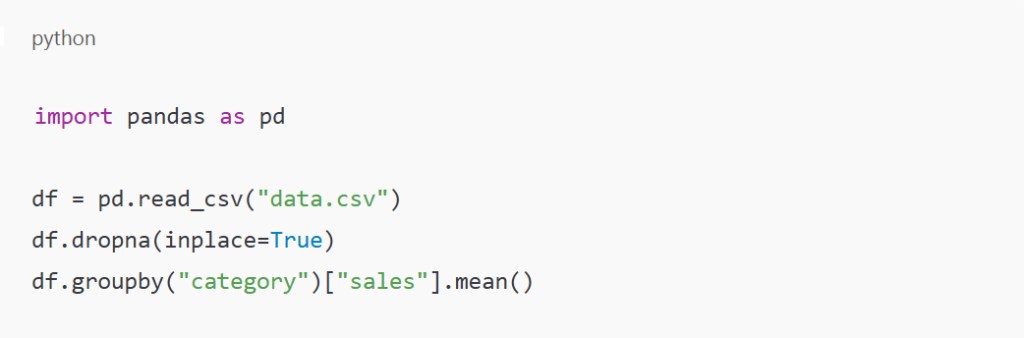
نموذج لنمط التعليمات البرمجية الذي ستتقنه

هذا النوع من الطلاقة العملية هو بالضبط ما يتوقعه أصحاب العمل

:كل دورة من هذه الدورات تتفوق في بُعد مختلف، يعتمد الاختيار “الأفضل” على هدفك

مبتدئ كامل → شهادة علوم بيانات •

العمق التحليلي ← تخصص جامعة ميشيغان •

Andrew Ng نظرية التعلم الآلي ← دورة تعلم الآلة لـ •

مهارات العمل العملية ← المعسكر التدريبي لخوسيه بورتيلا •

في كثير من الحالات يؤدي الجمع بين دورة تأسيسية واحدة ودورة عملية واحدة إلى الحصول على أقوى النتائج

علمتني تجربة العشرات من الدورات التدريبية درساً بسيطاً: التقدم لا يأتي من استهلاك المزيد من المحتوى ولكن من اختيار المحتوى المناسب وتطبيقه بعمق، بحيث توفر هذه الدورات الأربع باستمرار الوضوح والكفاءة والثقة وهي الصفات التي تدفع الحياة المهنية إلى الأمام

إذا كنت جاداً بشأن علم البيانات فابدأ بواحدة من هذه الأمور والتزم بها بالكامل وقم ببناء المشاريع جنباً إلى جنب مع الدروس

Advertisements

The Local Partnership Playbook: Building Strong Business Ties in Your Community

Advertisements

Local business partnerships are cooperative relationships between nearby organizations—shops, service providers, nonprofits, schools, and civic groups—built to create mutual value through referrals, shared audiences, and joint projects. For business owners, the payoff is practical: warmer trust, steadier foot traffic, and reputational momentum that spreads across a town faster than any single campaign.

  • Lead with shared customers, not grand ideas.
  • Make the first ask tiny, time-boxed, and measurable.
  • Protect trust with clear roles + quick follow-through.
  • Review monthly and keep what works; let the rest go.

Problem: Many partnerships begin with vague excitement (“We should collaborate!”) and end with vague silence. No one owns the next step. The “win” is fuzzy. The calendar fills up.

Solution: Treat partnerships like small operations, not big dreams. Define one shared outcome, one owner on each side, and one pilot with a start and end date.

Result: You build relationships that survive busy seasons—because the work is clear, bounded, and repeatable.

Partnership typeBest forA simple pilotCommon pitfall
Referral swapReliable lead flow“Two-week referral test + tracking”No follow-up = no results
Co-marketingNew audience reachJoint workshop or pop-upMixed messaging
Bundled offerHigher conversionPackage two services/productsPricing confusion
Community involvementTrust + reputationSponsor or co-host a local cause event“Performative” vibe
Vendor ecosystemOperational leveragePreferred provider listOverpromising capacity

Partnerships aren’t only about being friendly; they’re about communicating clearly, negotiating fairly, and leading through follow-through. Some business owners sharpen those skills through structured education—especially when they need a format that fits around work, family, and unpredictable weeks. If you’re exploring that route, take a look at this for an overview of online business degree options and specializations designed for flexibility.

Advertisements
  1. Pick one goal. Referrals, foot traffic, brand trust, recruitment—choose one.
  2. List your “customer neighbors.” Who serves your people before/after you do?
  3. Qualify alignment quickly. Similar quality standards, compatible values, overlapping audience.
  4. Propose one pilot. One event, one bundle, or one referral loop—time-boxed.
  5. Put roles in writing. One paragraph: who does what, by when, with what budget.
  6. Track one signal. A promo code, a referral card, a shared spreadsheet—keep it simple.
  7. Debrief and decide. Continue, adjust, or end cleanly. Data over drama.

A partnership can work and still drift, simply because nobody maintains it. Borrow a few simple rules:

  • Monthly touchpoint (15 minutes): what happened, what’s next, who owns it.
  • Quarterly refresh: a new offer, a new shared story, or a new activation.
  • Respect bandwidth: avoid plans that require heroics to execute.
  • Protect trust: if you can’t deliver, communicate early—silence is the real relationship killer.

If you want a practical, low-pressure way to sharpen your partnership approach—without paying for a consultant up front—SCORE is worth knowing. SCORE is a nonprofit resource partner associated with the U.S. Small Business Administration and offers free mentoring and educational workshops for small business owners. Here’s how it helps specifically with local partnerships:

  • Pressure-test your pitch: Bring your draft outreach message and get feedback on clarity and tone.
  • Tighten your offer: Mentors can help you turn “Let’s collaborate” into a concrete pilot with roles, timeline, and a simple measurement plan.
  • Choose better partners: A quick conversation can reveal whether you’re chasing “cool” or chasing alignment (customer overlap + operational fit).
  • Build a repeatable rhythm: Mentorship is especially useful when you want a sustainable process—weekly outreach, monthly activation, quarterly review—without overcomplicating it.

How many partnerships should I run at once?
Start with 2–3 active pilots. If you can’t reliably follow up, you’re not building a network—you’re collecting half-starts.

What if I’m worried a partner will steal customers?
Choose partners with complementary services, not substitutes. Then state expectations plainly: shared benefit, separate businesses.

How do I measure success without overcomplicating it?
Track one primary metric (referrals, redemptions, attendees) and one trust signal (repeat mentions, customer feedback, reviews mentioning the collaboration).

When should I walk away?
If execution is consistently one-sided, communication stays sloppy, or customers complain about the partner’s quality, step back quickly and politely.

Local partnerships work best when they’re treated like small experiments: a clear goal, a simple pilot, and real follow-through. Start tiny, keep roles obvious, and maintain the relationship with lightweight check-ins so it doesn’t depend on “whenever we have time.” Over months, the compounding effect is real—customers begin to experience you as part of a trusted local network, not just a standalone business.

Advertisements

دليل الشراكة المحلية: بناء علاقات تجارية متينة في مجتمعك

Advertisements

الشراكات التجارية المحلية هي علاقات تعاونية بين مؤسسات متجاورة – متاجر ومقدمي خدمات ومنظمات غير ربحية ومدارس وهيئات مدنية، تُبنى لخلق قيمة متبادلة من خلال الإحالات والجمهور المشترك والمشاريع المشتركة

بالنسبة لأصحاب الأعمال فإن العائد عملي: ثقة أكبر وحركة عملاء أكثر استقراراً وسمعة طيبة تنتشر في المدينة أسرع من أي حملة منفردة

ابدأ بالعملاء المشتركين لا بالأفكار الطموحة ●

اجعل الطلب الأول بسيطاً ومحدداً زمنياً وقابلاً للقياس ●

حافظ على الثقة من خلال تحديد الأدوار بوضوح ومتابعة سريعة ●

راجع شهرياً واحتفظ بما يُجدي نفعاً وتخلَّ عن الباقي ●

المشكلة: تبدأ العديد من الشراكات بحماس غامض (“يجب أن نتعاون!”) وتنتهي بصمت مبهم، لا أحد مسؤول عن الخطوة التالية، “النجاح” غير واضح، والجدول الزمني مزدحم

الحل: تعامل مع الشراكات كعمليات صغيرة لا كأحلام كبيرة، حدد هدفاً مشتركاً واحداً ومسؤولاً واحداً من كل طرف، ومشروعاً تجريبياً واحداً له تاريخ بدء وانتهاء

النتيجة: تبني علاقات تصمد أمام تقلبات المواسم لأن العمل واضح ومحدد وقابل للتكرار

مشكلة شائعةتجربة أولية بسيطةالأفضل لـنوع الشراكة
عدم المتابعة = عدم وجود نتائجاختبار إحالة لمدة أسبوعين + متابعةتدفق موثوق للعملاء المحتملينتبادل الإحالات
رسائل متضاربةورشة عمل مشتركة أو فعالية مؤقتةالوصول إلى جمهور جديدالتسويق المشترك
ارتباك في التسعيرباقة من خدمتين/منتجينمعدل تحويل أعلىالعرض المجمع
أجواء استعراضيةرعاية أو المشاركة في استضافة فعالية محلية ذات هدف نبيلالثقة والسمعة الطيبةالمشاركة المجتمعية
المبالغة في تقدير القدراتقائمة مقدمي الخدمات المفضلينالفعالية التشغيليةنظام الموردين البيئي

لا تقتصر الشراكات على الودّ فحسب بل تشمل التواصل الواضح والتفاوض العادل والقيادة الفعّالة من خلال المتابعة الدقيقة، إذ يحرص بعض أصحاب الأعمال على صقل هذه المهارات من خلال برامج تعليمية منظمة خاصةً عندما يحتاجون إلى برنامج يتناسب مع ظروف العمل والأسرة ومع تقلبات الحياة الأسبوعية، إذا كنت تفكر في هذا الخيار  فإليك نظرة عامة على خيارات شهادات إدارة الأعمال عبر الإنترنت والتخصصات المصممة لتوفير المرونة

Advertisements

1. اختر هدفاً واحداً: الإحالات أو زيادة عدد العملاء أو بناء ثقة العلامة التجارية أو التوظيف – اختر هدفاً واحداً

2. حدد “جيرانك من العملاء”: من يخدم عملائك قبلك أو بعدك؟

3. حدد مدى التوافق بسرعة: معايير جودة متشابهة، قيم متوافقة، جمهور مشترك

4. اقترح مشروعاً تجريبياً واحداً: فعالية واحدة، باقة واحدة، أو مسار إحالة واحد – ضمن إطار زمني محدد

5. حدد الأدوار كتابياً – فقرة واحدة: من يفعل ماذا، ومتى، وبأي ميزانية

٦. ركّز على إشارة واحدة: رمز ترويجي، بطاقة إحالة، جدول بيانات مشترك – اجعل الأمر بسيطاً

٧. قيّم العلاقة وقرر: استمر، عدّل، أو أنهِ العلاقة بسلاسة، فالبيانات أهم من الدراما

: قد تنجح الشراكة ولكنها تتلاشى ببساطة لعدم وجود من يتابعها، إليك بعض القواعد البسيطة

تواصل شهري (١٥ دقيقة): ما الذي حدث، ما الخطوة التالية، ومن المسؤول؟ ●

تحديث ربع سنوي: عرض جديد، قصة مشتركة جديدة، أو فعالية جديدة ●

راعِ الوقت: تجنّب الخطط التي تتطلب جهداً خارقاً للتنفيذ ●

حافظ على الثقة: إذا لم تتمكن من الوفاء بالوعود، تواصل مبكراً – الصمت هو قاتل العلاقات ●

إذا كنت ترغب في طريقة عملية وسهلة لتحسين نهج شراكتك – دون دفع تكلفة استشاري مقدماً

يستحق المعرفة SCORE فإن

هي منظمة غير ربحية شريكة في مجال الموارد SCORE

تابعة لإدارة الأعمال الصغيرة الأمريكية وتقدم خدمات إرشادية وورش عمل تعليمية مجانية لأصحاب المشاريع الصغيرة

: إليك كيف تُساعد تحديداً في بناء شراكات محلية

اختبر عرضك: أحضر مسودة رسالتك التسويقية واحصل على ملاحظات حول وضوحها وأسلوبها ●

حسّن عرضك: يُمكن للمرشدين مساعدتك في تحويل فكرة “لنتعاون” إلى مشروع تجريبي مُحدد الأدوار والجدول الزمني وخطة قياس بسيطة

اختر شركاء أفضل: يُمكن لمحادثة سريعة أن تكشف ما إذا كنت تسعى وراء “التميز” أم تسعى وراء التوافق (تداخل العملاء + التوافق التشغيلي)

ابنِ وتيرة عمل مُستدامة: يُعد الإرشاد مفيداً للغاية عندما ترغب في عملية مُستدامة – تواصل أسبوعي، تفعيل شهري، مراجعة ربع سنوية – دون تعقيدها

كم عدد الشراكات التي يجب أن أديرها في وقت واحد؟

ابدأ بـ 2-3 مشاريع تجريبية نشطة، إذا لم تتمكن من المتابعة بانتظام فأنت لا تبني شبكة علاقات بل تجمع بدايات غير مكتملة

ماذا لو كنت قلقاً من أن يسرق أحد الشركاء عملاءه؟

اختر شركاءً يقدمون خدمات مكملة لا بدائل، ثم حدد التوقعات بوضوح: منفعة مشتركة، أعمال منفصلة

كيف أقيس النجاح دون تعقيده؟

تتبع مؤشراً رئيسياً واحداً (الإحالات، عمليات الاسترداد، الحضور) ومؤشراً واحداً للثقة (تكرار الإشارات، آراء العملاء، التقييمات التي تذكر التعاون)

متى يجب عليّ الانسحاب؟

إذا كان التنفيذ أحادي الجانب باستمرار، أو كان التواصل غير دقيق، أو اشتكى العملاء من جودة الشريك، فانسحب بسرعة وبأدب

تنجح الشراكات المحلية بشكل أفضل عندما تُعامل كتجارب صغيرة: هدف واضح وتجربة أولية بسيطة ومتابعة جادة، ابدأ على نطاق صغير واجعل الأدوار واضحة وحافظ على العلاقة من خلال اجتماعات متابعة بسيطة حتى لا تعتمد على “متى ما توفر لدينا الوقت”، وعلى مدى شهور يصبح التأثير التراكمي حقيقياً – يبدأ العملاء في اعتبارك جزءاً من شبكة محلية موثوقة وليس مجرد شركة مستقلة

Advertisements

Top Data Science and Machine Learning Trends Shaping 2026

Advertisements

With the sunrise of 2026, the fields of Data Science and Machine Learning (ML) continue to evolve at an unprecedented pace. Organizations across industries are investing heavily in intelligent systems to drive decision-making, optimize operations, and create competitive advantages. Whether you’re a data professional, business leader, or aspiring technologist, understanding emerging trends is essential for staying relevant and future-ready.

This article highlights the key trends shaping the Data Science and ML landscape in 2026, offers real-world context, and provides actionable directions for preparation.

In 2026, accessibility to advanced AI and ML tools is accelerating. Platforms like automated ML (AutoML), drag-and-drop model builders, and low-code environments enable non-experts to build and deploy predictive models. This trend reduces barriers to entry for smaller businesses and expands adoption beyond traditional data science teams.

Real-Life Example: A mid-sized retail chain uses AutoML tools to forecast inventory demand across locations without hiring a large data team — enabling better stock planning during peak seasons.

Preparation Tip: Familiarize yourself with leading AutoML environments (e.g., Google AutoML, H2O.ai) and focus on interpreting model outputs and business implications rather than just building models.

Generative AI, powered by large language models (LLMs), has transitioned from novelty to enterprise adoption. Use cases in 2026 span automated report writing, code generation, data augmentation, simulation modeling, and real-time decision support.

Real-Life Example: A financial services firm uses LLMs to automate compliance reporting, reducing manual effort and improving accuracy.

Preparation Tip: Learn how to fine-tune and evaluate LLMs safely, and understand ethical implications, especially around bias and data privacy.

With greater reliance on automated decision systems, there is heightened scrutiny on ethical AI practices. Explainability — the ability to interpret model decisions — is now a compliance and trust requirement. Regulatory frameworks in Europe, the US, and beyond emphasize transparency and accountability.

Real-Life Example: A healthcare provider deploying diagnostic models must provide explainable results to clinicians to justify treatment recommendations.

Preparation Tip: Study explainable AI (XAI) techniques like SHAP, LIME, and counterfactual explanations. Build documentation and model governance practices.

Edge computing — processing data near the source rather than in centralized cloud servers — is becoming critical for latency-sensitive applications. Sensors, IoT devices, and autonomous systems use lightweight ML models for real-time decisioning.

Real-Life Example: In smart cities, traffic sensors process vehicle flow data on the edge to optimize signals without cloud round-trips.

Preparation Tip: Gain skills in edge-optimized ML frameworks and learn how to design models that balance performance, size, and energy efficiency.

Advertisements

Data fabric architectures unify distributed data sources, metadata, and governance. This enables streamlined access, reduces silos, and supports consistent analytics across systems. Modern enterprise architectures adopt these fabrics to accelerate insights and reduce integration friction.

Real-Life Example: A global insurer uses a data fabric to harmonize claims data from multiple regions, improving cross-functional analytics and customer service insights.

Preparation Tip: Understand data mesh vs. data fabric paradigms, and focus on metadata management and data governance strategies.

Augmented analytics uses AI and ML to enhance data exploration, pattern detection, and insight generation. Decision intelligence goes further by modeling and recommending actions based on predicted outcomes — transforming analytics into a decision support discipline.

Real-Life Example: A logistics company uses augmented analytics dashboards to identify bottlenecks and simulate routing scenarios before implementing changes.

Preparation Tip: Learn tools that integrate natural language querying, automated insights, and prescriptive analytics.

Environmental sustainability and ethical data stewardship are now core priorities. Data centers, model training, and compute-intensive processes are evaluated for carbon footprints. Ethical considerations also extend to data privacy, algorithmic fairness, and community impacts.

Real-Life Example: An energy provider uses ML to optimize grid load and reduce emissions, aligning analytics with sustainability goals.

Preparation Tip: Familiarize yourself with sustainable AI practices and frameworks for ethical data handling.

As Data Science and Machine Learning continue to mature, professionals must balance technical expertise with ethical judgment and domain understanding. Staying current with emerging tools, embracing multidisciplinary collaboration, and focusing on real-world impact will differentiate successful practitioners in 2026 and beyond. Whether you are building next-generation models or guiding organizational strategy, a future-focused mindset is essential.

Advertisements

أهم اتجاهات علوم البيانات والتعلم الآلي التي ستشكل ملامح عام 2026

Advertisements

مع حلول عام 2026 يستمر مجالا علم البيانات والتعلم الآلي في التطور بوتيرة غير مسبوقة، إذ تستثمر المؤسسات في مختلف القطاعات بكثافة في الأنظمة الذكية لدعم اتخاذ القرارات وتحسين العمليات وخلق مزايا تنافسية، فسواءً كنت متخصصاً في البيانات أو قائداً في مجال الأعمال أو طموحاً في مجال التكنولوجيا فإن فهم الاتجاهات الناشئة أمرٌ ضروري للبقاء على صلة بالموضوع والاستعداد للمستقبل

تُسلط هذه المقالة الضوء على التريندات الرئيسية التي تُشكّل مشهد علم البيانات والتعلم الآلي في عام 2026 وتقدم سياقاً واقعياً وتوفر توجيهات عملية للاستعداد

في عام 2026 تتسارع إمكانية الوصول إلى أدوات الذكاء الاصطناعي والتعلم الآلي المتقدمة

(AutoML) إذ أن منصات مثل التعلم الآلي

وأدوات بناء النماذج بالسحب والإفلات وبيئات البرمجة منخفضة التعليمات البرمجية تمكّن غير المتخصصين من بناء نماذج تنبؤية ونشرها، بحيث يُقلل هذا الاتجاه من عوائق الدخول للشركات الصغيرة ويُوسع نطاق التبني ليشمل فرقاً أخرى غير فرق علم البيانات التقليدية

مثال واقعي: تستخدم سلسلة متاجر تجزئة متوسطة الحجم

للتنبؤ بالطلب على المخزون (AutoML) أدوات التعلم الآلي المؤتمت

في جميع فروعها دون الحاجة إلى توظيف فريق بيانات ضخم مما يُتيح تخطيطاً أفضل للمخزون خلال مواسم الذروة

نصيحة تحضيرية: تعرّف على بيئات التعلم الآلي المؤتمت الرائدة

Google AutoML و H2O.ai :مثل

وركّز على تفسير مخرجات النماذج وتأثيراتها على الأعمال بدلاً من مجرد بناء النماذج

انتقل الذكاء الاصطناعي التوليدي

(LLMs) المدعوم بنماذج اللغة الكبيرة

من كونه تقنية جديدة إلى اعتماد مؤسسي واسع النطاق، بحيث تشمل حالات الاستخدام في عام 2026 كتابة التقارير المؤتمتة وتوليد التعليمات البرمجية وتوسيع البيانات ونمذجة المحاكاة ودعم اتخاذ القرارات في الوقت الفعلي

مثال واقعي: تستخدم شركة خدمات مالية نماذج اللغة الكبيرة لأتمتة تقارير الامتثال مما يقلل الجهد اليدوي ويحسّن الدقة

نصيحة تحضيرية: تعلّم كيفية ضبط نماذج اللغة الكبيرة وتقييمها بأمان وافهم الآثار الأخلاقية لا سيما فيما يتعلق بالتحيز وخصوصية البيانات

مع ازدياد الاعتماد على أنظمة اتخاذ القرارات الآلية يزداد التدقيق في ممارسات الذكاء الاصطناعي الأخلاقية، إذ أصبحت قابلية التفسير – أي القدرة على فهم قرارات النموذج – شرطاً أساسياً للامتثال وبناء الثقة، وتؤكد الأطر التنظيمية في أوروبا والولايات المتحدة وغيرها على الشفافية والمساءلة

مثال واقعي: يجب على مقدم الرعاية الصحية الذي يستخدم نماذج تشخيصية تقديم نتائج قابلة للتفسير للأطباء لتبرير توصيات العلاج

(XAI) نصيحة تحضيرية: ادرس تقنيات الذكاء الاصطناعي القابل للتفسير

والتفسيرات الافتراضية SHAP و LIME مثل

وقم بإعداد الوثائق وممارسات حوكمة النماذج

أصبحت الحوسبة على الحافة – أي معالجة البيانات بالقرب من مصدرها بدلاً من خوادم السحابة المركزية – بالغة الأهمية للتطبيقات الحساسة للتأخير، إذ تستخدم أجهزة الاستشعار وأجهزة إنترنت الأشياء والأنظمة ذاتية التشغيل نماذج تعلم آلي خفيفة الوزن لاتخاذ القرارات الآنية

مثال واقعي: في المدن الذكية تعالج أجهزة استشعار حركة المرور بيانات تدفق المركبات على الحافة لتحسين الإشارات دون الحاجة إلى نقل البيانات إلى السحابة

نصيحة تحضيرية: اكتسب مهارات في أطر عمل التعلم الآلي المُحسّنة للحافة وتعلّم كيفية تصميم نماذج تُوازن بين الأداء والحجم وكفاءة استهلاك الطاقة

Advertisements

توحّد بنى بنية البيانات الموحدة مصادر البيانات الموزعة والبيانات الوصفية والحوكمة، وهذا يُسهّل الوصول ويُقلّل من العوائق ويدعم التحليلات المتسقة عبر الأنظمة، إذ تعتمد بنى المؤسسات الحديثة هذه البنى لتسريع استخلاص الرؤى وتقليل احتكاك التكامل

مثال واقعي: تستخدم شركة تأمين عالمية بنية بيانات موحدة لتنسيق بيانات المطالبات من مناطق متعددة مما يُحسّن التحليلات متعددة الوظائف ورؤى خدمة العملاء

نصيحة تحضيرية: افهم الفرق بين نموذج شبكة البيانات ونموذج نسيج البيانات وركّز على إدارة البيانات الوصفية واستراتيجيات حوكمة البيانات

تستخدم التحليلات المعززة الذكاء الاصطناعي والتعلم الآلي لتحسين استكشاف البيانات واكتشاف الأنماط واستخلاص الرؤى، أما ذكاء القرار فيتجاوز ذلك من خلال نمذجة الإجراءات والتوصية بها بناءً على النتائج المتوقعة مما يحوّل التحليلات إلى أداة لدعم اتخاذ القرارات

مثال واقعي: تستخدم شركة لوجستية لوحات معلومات التحليلات المعززة لتحديد الاختناقات ومحاكاة سيناريوهات التوجيه قبل تطبيق التغييرات

نصيحة تحضيرية: تعلّم الأدوات التي تدمج الاستعلام باللغة الطبيعية والرؤى الآلية والتحليلات التوجيهية

تُعدّ الاستدامة البيئية والإدارة الأخلاقية للبيانات من الأولويات الأساسية حالياً، ويتم تقييم مراكز البيانات وتدريب النماذج والعمليات كثيفة الحوسبة من حيث البصمة الكربونية، كما تشمل الاعتبارات الأخلاقية خصوصية البيانات والعدالة الخوارزمية والتأثيرات المجتمعية

مثال واقعي: تستخدم إحدى شركات الطاقة تقنيات التعلّم الآلي لتحسين استهلاك الطاقة في الشبكة وتقليل الانبعاثات بما يتماشى مع أهداف الاستدامة

نصيحة تحضيرية: تعرّف على ممارسات الذكاء الاصطناعي المستدام وأطر العمل الخاصة بالتعامل الأخلاقي مع البيانات

مع استمرار تطور علوم البيانات والتعلّم الآلي يجب على المتخصصين الموازنة بين الخبرة التقنية والحكم الأخلاقي وفهم المجال، إذ أن مواكبة أحدث الأدوات وتبني التعاون متعدد التخصصات والتركيز على التأثير في الواقع العملي هي عوامل تميز الممارسين الناجحين في عام ٢٠٢٦ وما بعده، فسواء كنت تعمل على بناء نماذج الجيل القادم أو توجيه استراتيجية مؤسسية فإن التفكير المستقبلي ضروري

Advertisements