


Most developers believe that meaningful income only comes from large startups, funded products, or years of continuous development. My experience contradicted that belief entirely. One quiet weekend, driven by a very practical problem I personally faced, I built a small Python tool with no business plan, no marketing strategy, and no expectation of profit. A few weeks later, that same tool was covering my rent consistently. Not because it was complex or revolutionary, but because it solved a painful, specific problem better than existing alternatives. This article is not a motivational fantasy. It is a technical and practical breakdown of how a modest Python tool became a sustainable income stream, and why this approach works far more often than people think.
The Problem That Sparked the Idea
The idea did not come from market research or trend analysis. It came from frustration. I was repeatedly performing the same manual task related to data processing and reporting, involving messy CSV files, inconsistent column naming, and repetitive transformations before analysis. Existing tools were either bloated, expensive, or required configuration overhead that exceeded the task itself. What I needed was speed, predictability, and automation, not a full platform. That gap between “too simple” and “too complex” is where many profitable tools are born. When you feel friction in your own workflow, you are often standing directly on a monetizable idea.
Building the Tool in One Weekend
The first rule I followed was ruthless simplicity. I scoped the project to do one thing exceptionally well. The tool ingested raw CSV or Excel files, applied predefined cleaning rules, validated schema consistency, and output ready-to-use datasets along with a concise quality report. Python was the obvious choice due to its ecosystem, readability, and distribution flexibility. I relied on familiar libraries such as pandas for data manipulation and argparse for a clean command-line interface. There was no UI, no cloud deployment, and no database. The entire tool lived as a local executable script, designed to fit naturally into existing workflows.
Below is a simplified excerpt that captures the spirit of the core logic, not the full implementation.
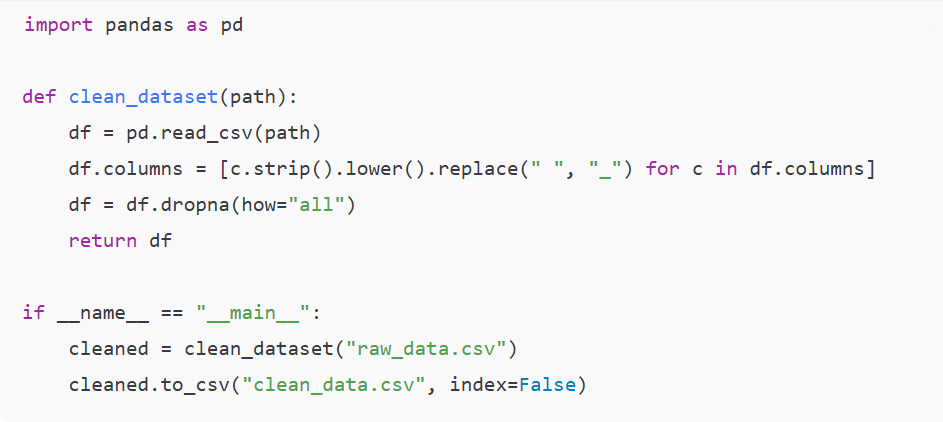
This kind of code is not impressive on its own, and that is precisely the point. The value was not in clever algorithms, but in removing repeated mental and operational effort from a real process.
Turning the Tool Into a Product
The transition from script to product was mostly about packaging and positioning. I documented the tool clearly, added sensible defaults, error messages that spoke like a human, and a dry-run mode for safety. Then I uploaded it to a small niche marketplace where professionals already paid for productivity tools. I priced it modestly, intentionally low enough to be an impulse purchase, but high enough to signal professional value. There was no freemium tier, only a clear promise: save time immediately or do not buy.
What surprised me was not the first sale, but the lack of support requests afterward. When a tool does one thing well, users understand it instinctively. That clarity reduces friction, refunds, and maintenance costs.
Why People Were Willing to Pay
People do not pay for code. They pay for outcomes. This tool saved users hours every week, reduced errors in downstream analysis, and eliminated a task they actively disliked. For freelancers, analysts, and small teams, time reclaimed translates directly into money earned or stress avoided. Additionally, the tool respected their environment. It did not force cloud uploads, subscriptions, or accounts. It simply worked where they already worked. That respect for the user’s workflow created trust, and trust converts far better than features.
Scaling Without Growing Complexity
As adoption increased, I resisted the temptation to expand features aggressively. Instead, I improved reliability, edge-case handling, and documentation. Minor enhancements were driven exclusively by real user feedback, not assumptions. Income grew not through virality, but through consistency. A small but steady stream of new users, combined with near-zero churn, was enough to reach the point where monthly revenue reliably covered rent. Importantly, maintenance time remained low, preserving the original advantage of the project.
Lessons Learned From the Experience
This project reinforced a counterintuitive truth. You do not need to build big to earn well. You need to build precisely. Tools that sit quietly inside professional workflows can outperform flashy applications if they remove friction at exactly the right point. Python, in this context, is not just a programming language. It is a leverage multiplier, enabling individuals to compete with teams by standing on mature libraries and simple distribution models.
Conclusion
The Python tool I built in a single weekend did not succeed because it was innovative or technically complex. It succeeded because it was honest, focused, and useful. It respected the user’s time, solved a real problem, and stayed out of the way. If you are a developer looking for sustainable income, do not start by asking what is trendy. Start by asking what annoys you enough that you would gladly pay to never deal with it again. Build that. Polish it. Ship it. Sometimes, that is all it takes to change your financial reality.
كيف تحوّل مشروع بايثون بسيط في عطلة نهاية الأسبوع إلى مصدر دخلي الرئيسي

يعتقد معظم المطورين أن الدخل المجزي لا يأتي إلا من الشركات الناشئة الكبيرة أو المنتجات الممولة أو سنوات من التطوير المستمر، لكن تجربتي ناقضت هذا الاعتقاد تماماً، ففي عطلة نهاية أسبوع هادئة وبدافع مشكلة عملية واجهتها شخصياً قمت ببناء أداة بايثون صغيرة بدون خطة عمل ولا استراتيجية تسويق ولا توقعات للربح، وبعد بضعة أسابيع أصبحت هذه الأداة نفسها تغطي جزء كبير من نفقاتي، ليس لأنها معقدة أو ثورية بل لأنها حلت مشكلة محددة ومؤرقة بشكل أفضل من البدائل الموجودة
هذه المقالة ليست مجرد قصة تحفيزية خيالية بل هي تحليل تقني وعملي لكيفية تحول أداة بايثون متواضعة إلى مصدر دخل مستدام ولماذا ينجح هذا النهج في كثير من الأحيان أكثر مما يعتقد الناس
المشكلة التي أدت إلى الفكرة
لم تأتِ الفكرة من أبحاث السوق أو تحليل الاتجاهات بل من الإحباط، كنت أقوم مراراً وتكراراً بنفس المهمة اليدوية المتعلقة بمعالجة البيانات وإعداد التقارير
غير منظمة CSV والتي تتضمن ملفات
وتسميات أعمدة غير متناسقة وتحويلات متكررة قبل التحليل، كانت الأدوات الموجودة إما ضخمة أو باهظة الثمن أو تتطلب تكويناً معقداً يفوق المهمة نفسها، وما كنت أحتاجه هو السرعة والقدرة على التنبؤ والأتمتة وليس منصة متكاملة، هذه الفجوة بين “البسيط جداً” و”المعقد جداً” هي المكان الذي تولد فيه العديد من الأدوات المربحة، فعندما تشعر بالصعوبة في سير عملك فأنت غالباً ما تكون على وشك اكتشاف فكرة قابلة للتسويق
بناء الأداة في عطلة نهاية أسبوع واحدة
كانت القاعدة الأولى التي اتبعتها هي البساطة المطلقة، بحيث صممت المشروع ليقوم بشيء واحد بشكل استثنائي
الأولية CSV أو Excel تقوم الأداة باستقبال ملفات
وتطبيق قواعد تنظيف محددة مسبقاً والتحقق من اتساق المخطط وإخراج مجموعات بيانات جاهزة للاستخدام مع تقرير جودة موجز، فكان بايثون الخيار الأمثل نظراً لبيئته البرمجية وسهولة قراءته ومرونة توزيعه، إذ اعتمدت على مكتبات مألوفة
argparse لمعالجة البيانات و pandas مثل
لواجهة سطر أوامر بسيطة
فلم تكن هناك واجهة مستخدم رسومية ولا نشر سحابي ولا قاعدة بيانات بل كانت الأداة بأكملها عبارة عن برنامج نصي قابل للتنفيذ محلياً مصمم ليتناسب بشكل طبيعي مع سير العمل الحالي
فيما يلي مقتطف مبسط يجسد روح المنطق الأساسي وليس التنفيذ الكامل
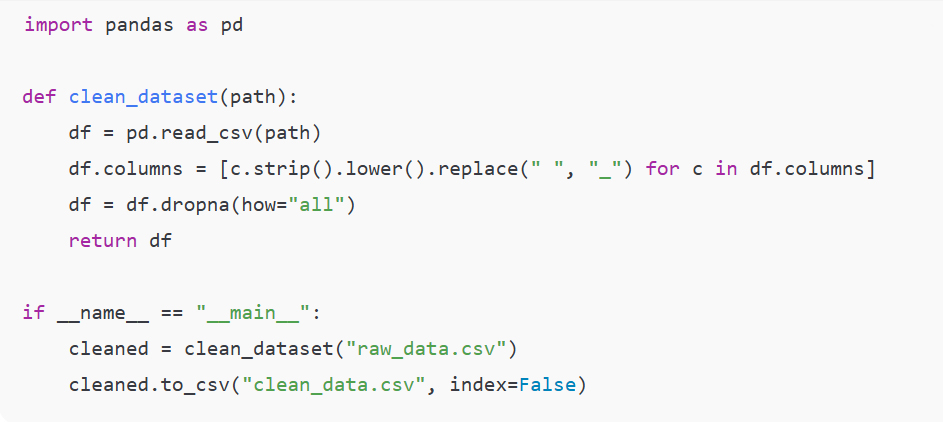
هذا النوع من الكود ليس مثيراً للإعجاب بحد ذاته وهذا هو بيت القصيد، لم تكن القيمة في الخوارزميات الذكية بل في إزالة الجهد الذهني والتشغيلي المتكرر من عملية حقيقية، تحويل الأداة إلى منتج
كان الانتقال من مجرد برنامج إلى منتج تجاري يدور في معظمه حول التغليف والتسويق، لقد وثّقتُ الأداة بوضوح وأضفتُ إعدادات افتراضية منطقية ورسائل خطأ بلغة سهلة الفهم ووضعاً للتجربة الآمنة، ثم رفعتها إلى متجر إلكتروني متخصص صغير حيث يدفع المحترفون بالفعل مقابل أدوات الإنتاجية، حددتُ سعراً معقولاً منخفضاً بما يكفي لتكون عملية الشراء تلقائية ولكنه مرتفع بما يكفي للإشارة إلى قيمتها الاحترافية. لم يكن هناك إصدار مجاني بل وعدٌ واضح: وفر وقتك فوراً أو لا تشترِ
ما فاجأني لم يكن البيع الأول بل قلة طلبات الدعم بعد ذلك، فعندما تؤدي الأداة وظيفة واحدة بكفاءة يفهمها المستخدمون بشكل حدسي، هذا الوضوح يقلل من المشاكل وطلبات استرداد الأموال وتكاليف الصيانة
لماذا كان الناس على استعداد للدفع؟
لا يدفع الناس مقابل الكود البرمجي بل يدفعون مقابل النتائج، لقد وفرت هذه الأداة للمستخدمين عدة ساعات كل أسبوع وقللت الأخطاء في التحليلات اللاحقة وألغت مهمة كانوا يكرهونها بشدة، فبالنسبة للمستقلين والمحللين والفرق الصغيرة فإن الوقت المسترجع يُترجم مباشرةً إلى أموال مكتسبة أو تجنب للتوتر، بالإضافة إلى ذلك احترمت الأداة بيئة عملهم فلم تفرض عليهم تحميل الملفات على السحابة أو الاشتراكات أو إنشاء حسابات بل عملت ببساطة في بيئة عملهم الحالية، هذا الاحترام لسير عمل المستخدمين خلق الثقة والثقة تحقق نتائج أفضل بكثير من الميزات
التوسع دون زيادة التعقيد
مع ازدياد عدد المستخدمين قاومتُ إغراء توسيع الميزات بشكل كبير، فبدلاً من ذلك حسّنتُ الموثوقية ومعالجة الحالات الاستثنائية والتوثيق، كانت التحسينات الطفيفة مدفوعة حصرياً بتعليقات المستخدمين الحقيقية وليس بالافتراضات، نما الدخل ليس من خلال الانتشار الواسع بل من خلال الاستمرارية، صحيح أنه كان وارد صغير ولكنه ثابت من المستخدمين الجدد، جنباً إلى جنب مع معدل تراجع شبه معدوم كافياً للوصول إلى النقطة التي يغطي فيها الدخل الشهري الإيجار بشكل موثوق، والأهم من ذلك ظل وقت الصيانة منخفضاً مما حافظ على الميزة الأصلية للمشروع
الدروس المستفادة من التجربة
عزز هذا المشروع حقيقة غير بديهية: لستَ بحاجة إلى بناء مشروع ضخم لتحقيق دخل جيد، بل تحتاج إلى بناء مشروع دقيق، إذ يمكن للأدوات التي تعمل بهدوء ضمن سير العمل الاحترافي أن تتفوق على التطبيقات المبهرة إذا أزالت العقبات في النقطة الصحيحة تماماً، وفي هذا السياق ليست لغة بايثون مجرد لغة برمجة بل هي عامل مضاعفة للقوة تمكّن الأفراد من التنافس مع الفرق بالاعتماد على مكتبات متطورة ونماذج توزيع بسيطة
الخلاصة
لم تنجح أداة بايثون التي بنيتها في عطلة نهاية أسبوع واحدة لأنها كانت مبتكرة أو معقدة تقنياً، بل نجحت لأنها كانت صادقة ومركزة ومفيدة، لقد احترمت وقت المستخدم وحلت مشكلة حقيقية ولم تكن عائقاً، فإذا كنت مطوراً تبحث عن دخل مستدام فلا تبدأ بالسؤال عما هو رائج بل ابدأ بالسؤال عما يزعجك لدرجة أنك ستدفع بسعادة لتجنبه، ابنِ ذلك وحسّنه وأطلقه، فأحياناً هذا كل ما يتطلبه الأمر لتغيير واقعك المالي
 Data World
You must be logged in to post a comment.