

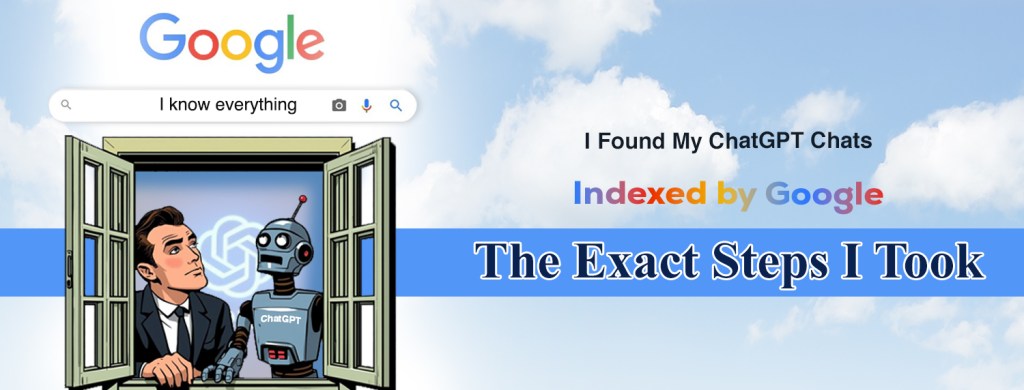
I realized something was wrong the moment a private phrasing I only used inside ChatGPT appeared in a Google result preview. It was subtle, almost unbelievable, yet unmistakable. My ChatGPT history was not “leaked” in the dramatic sense, but it had become publicly accessible through a shared link that search engines could index. This is not a hypothetical risk, and it does not require hacking or a data breach. It happens quietly, through default sharing behaviors, cached pages, and a misunderstanding of what “share” actually means in AI tools. What follows is exactly what I did to contain the situation in under ten minutes, explained clearly so you can do the same before it becomes a real problem.
How ChatGPT Conversations Become Public Without You Noticing
ChatGPT does not randomly publish your conversations, but it allows you to generate shareable links. Those links are designed for collaboration, demos, or support, yet once they exist, they behave like any other public URL. If you post one in a public space, send it to someone who reposts it, or even leave it accessible long enough, search engines can crawl it. The danger is not malice; it is inertia. Google indexes what it can reach. If a shared chat link does not explicitly block indexing, it can surface in search results, sometimes with enough context to identify the author, the topic, or sensitive details embedded in the text.
What makes this especially risky is that many users treat AI chats as semi-private notebooks. We brainstorm business ideas, draft contracts, analyze data, and sometimes paste internal content. When those conversations gain a public URL, the boundary between private thinking and public publishing collapses instantly.
The Moment I Confirmed the Problem Was Real
I did not panic; I verified. I copied a unique sentence from the chat and searched it in an incognito browser. The result appeared. Not prominently, but enough to confirm indexing had already begun. This step matters because it tells you whether you are dealing with a theoretical risk or an active exposure. Once confirmed, speed becomes more important than perfection. Search engines move slowly to forget, but they index quickly.
The 10-Minute Fix That Actually Works
The first thing I did was revoke access at the source. Inside ChatGPT, I navigated to my conversation history and identified any chats that had sharing enabled. I disabled sharing immediately. This alone cuts off future access, but it does not erase what search engines already cached.
Next, I deleted the affected conversations entirely. This is uncomfortable if the content matters to you, but deletion ensures the source URL returns nothing. From a search engine’s perspective, a dead page is the strongest signal to drop an index.
Then I moved to Google’s removal workflow. I submitted a request to remove outdated content by pasting the exact URL of the shared chat. This does not require proof of ownership in this case; it relies on the page no longer existing. Within minutes, the status showed as “Pending,” which is enough to stop further spread while Google processes the request.
To prevent recurrence, I audited my account settings. I turned off chat history where appropriate and made a personal rule never to generate share links for conversations containing drafts, credentials, client data, or internal reasoning. Finally, I ran a quick search for my name and common phrases I use, just to ensure no other artifacts were floating around.
All of this took less than ten minutes because the goal was containment, not perfection.
What This Incident Taught Me About AI Privacy
The core lesson is that AI tools behave like publishing platforms the moment a URL exists. The mental model most users have, that chats are ephemeral and private by default, is outdated. If you are a founder, consultant, analyst, or creator, your prompts are intellectual property. Treat them with the same care you would treat a Google Doc or a Notion page. Convenience features are not privacy features, and silence from a tool does not mean safety.
This is especially relevant for professionals who use ChatGPT to refine positioning, pricing, legal language, or strategy. A single indexed conversation can expose thinking that was never meant to leave the room.
Practical Safeguards I Use Going Forward
I now assume every shareable surface can become public. I separate exploratory thinking from sensitive work, avoid pasting raw data unless necessary, and periodically review my chat history the same way I review cloud storage permissions. This mindset shift matters more than any single setting, because tools change faster than policies, and habits are your real defense.
Conclusion
If your ChatGPT history ever appears on Google, it is not the end of the world, but it is a clear signal to act immediately. Disable sharing, delete the source, request removal, and tighten your defaults. Ten focused minutes are enough to stop the spread if you move quickly. The real value of this experience is not the fix itself, but the awareness it creates. AI is powerful, but only if you stay in control of where your thinking lives and who can see it.
If you found this useful, share your experience or questions. The more openly we discuss these edge cases, the safer we all become.
مُفهرسة بواسطة جوجل ChatGPT وجدتُ محادثاتي على
الخطوات التي اتخذتها بالتفصيل

أدركتُ وجود خطأ ما لحظة ظهور عبارة خاصة
في معاينة نتائج بحث جوجل ChatGPT استخدمتها فقط داخل
كان الأمر دقيقاً يكاد لا يُصدق ولكنه واضح لا لبس فيه
ChatGPT لم يتم “تسريب” سجل محادثاتي على
بالمعنى الدرامي ولكنه أصبح متاحاً للعامة عبر رابط مُشارك يمكن لمحركات البحث فهرسته، هذا ليس خطراً افتراضياً ولا يتطلب اختراقاً أو تسريباً للبيانات، يحدث ذلك بهدوء من خلال سلوكيات المشاركة الافتراضية والصفحات المخزنة مؤقتاً وسوء فهم لمعنى “المشاركة” في أدوات الذكاء الاصطناعي
فيما يلي شرحٌ مُفصّل لما فعلته لاحتواء الموقف في أقل من عشر دقائق حتى تتمكن من فعل الشيء نفسه قبل أن يُصبح مشكلة حقيقية
عامة دون أن تُلاحظ؟ ChatGPT كيف تُصبح محادثات
محادثاتك عشوائياً ChatGPT لا ينشر
ولكنه يسمح لك بإنشاء روابط قابلة للمشاركة، إذ صُممت هذه الروابط للتعاون أو العروض التوضيحية أو الدعم ولكن بمجرد وجودها تُعامل كأي رابط عام آخر، إذا نشرتَ رابطاً في مكان عام أو أرسلته إلى شخص أعاد نشره أو حتى تركته متاحاً لفترة كافية فبإمكان محركات البحث فهرسته، فالخطر ليس في سوء النية بل في التقاعس، جوجل تُفهرس ما يمكنها الوصول إليه، وإذا لم يمنع رابط الدردشة المُشارك الفهرسة صراحةً فقد يظهر في نتائج البحث وأحياناً مع سياق كافٍ لتحديد المُرسل أو الموضوع أو تفاصيل حساسة مُضمنة في النص
ما يزيد الأمر خطورة هو أن العديد من المستخدمين يتعاملون مع محادثات الذكاء الاصطناعي كدفاتر شبه خاصة، فنتبادل الأفكار التجارية ونُصيغ العقود ونُحلل البيانات وأحياناً نلصق محتوى داخلياً، فعندما تُصبح هذه المحادثات متاحة للعامة ينهار الحاجز بين التفكير الخاص والنشر العام فوراً
لحظة تأكدي من وجود المشكلة
لم أُصب بالذعر بل تحققت، نسختُ جملةً فريدة من الدردشة وبحثتُ عنها في متصفح خفي فظهرت النتيجة، لم تكن بارزة لكنها كانت كافية لتأكيد بدء الفهرسة، هذه الخطوة مهمة لأنها تُحدد ما إذا كنت تتعامل مع خطر نظري أم تعرض فعلي، بمجرد التأكد تصبح السرعة أهم من الدقة، فمحركات البحث بطيئة في نسيان المعلومات لكنها تُفهرسها بسرعة
الحل الفعال في 10 دقائق
أول ما فعلته هو إلغاء الوصول من المصدر
انتقلت إلى سجل محادثاتي ChatGPT داخل
وحددت أي محادثات مُفعّل فيها خيار المشاركة عطلت المشاركة فوراً، وهذا الإجراء وحده يمنع الوصول مستقبلاً لكنه لا يمحو ما خزنته محركات البحث مسبقاً
بعد ذلك حذفت المحادثات المتأثرة بالكامل، قد يكون هذا غير مريح إذا كان المحتوى مهماً بالنسبة لك، لكن الحذف يضمن عدم ظهور أي نتائج عند البحث عن رابط المصدر، فمن وجهة نظر محرك البحث تُعد الصفحة المعطلة أقوى مؤشر لحذف فهرس
ثم انتقلت إلى آلية إزالة المحتوى القديم من جوجل: أرسلت طلباً لإزالة المحتوى القديم عن طريق لصق رابط المحادثة المشتركة، إذ لا يتطلب هذا إثبات ملكية في هذه الحالة فهو يعتمد على عدم وجود الصفحة أصلاً، وفي غضون دقائق ظهرت الحالة “قيد الانتظار” وهو ما يكفي لوقف انتشارها ريثما تعالج جوجل الطلب
ولمنع تكرار ذلك راجعتُ إعدادات حسابي وعطّلتُ سجل المحادثات حيثما كان ذلك مناسباً ووضعتُ قاعدة شخصية تمنعني من إنشاء روابط مشاركة للمحادثات التي تحتوي على مسودات أو بيانات اعتماد أو بيانات عملاء أو تبريرات داخلية، أخيراً أجريتُ بحثاً سريعاً عن اسمي والعبارات الشائعة التي أستخدمها للتأكد من عدم وجود أي معلومات أخرى متداولة
كل هذا لم يستغرق أكثر من عشر دقائق لأن الهدف كان احتواء المشكلة لا منعها تماماً
ما تعلمته من هذه الحادثة حول خصوصية الذكاء الاصطناعي
الدرس الأساسي هو أن أدوات الذكاء الاصطناعي تتصرف كمنصات نشر
URL بمجرد وجود رابط
فالنموذج الذهني السائد لدى معظم المستخدمين والذي يعتبر المحادثات مؤقتة وخاصة بشكل افتراضي هو نموذج قديم، إذا كنت مؤسساً أو مستشاراً أو محللاً أو مبدعاً فإن أفكارك تُعدّ ملكية فكرية تعامل معها بنفس الحرص
Notion أو صفحة Google الذي تتعامل به مع مستند
ميزات الراحة ليست ميزات خصوصية وصمت الأداة لا يعني الأمان
ChatGPT هذا الأمر بالغ الأهمية للمحترفين الذين يستخدمون
لتحسين التموضع أو التسعير أو الصياغة القانونية أو الاستراتيجية، فمحادثة واحدة مفهرسة قد تكشف أفكاراً لم يكن من المفترض مشاركتها
إجراءات وقائية عملية أتبعها مستقبلاً
أفترض الآن أن كل مساحة قابلة للمشاركة يمكن أن تصبح عامة *
أفصل بين التفكير الاستكشافي والعمل الحساس *
أتجنب لصق البيانات الخام إلا عند الضرورة *
أراجع سجل محادثاتي دورياً بنفس الطريقة التي أراجع بها أذونات التخزين السحابي *
هذا التحول في التفكير أهم من أي إعداد منفرد لأن الأدوات تتغير أسرع من السياسات والعادات هي دفاعك الحقيقي
الخلاصة
ChatGPT إذا ظهر سجل محادثاتك على
في نتائج بحث جوجل فلا داعي للقلق، فهذه إشارة واضحة لاتخاذ إجراء فوري، عطّل خاصية المشاركة واحذف المصدر واطلب إزالة الملف وحسّن إعداداتك الافتراضية
عشر دقائق من التركيز كافية لوقف انتشار المشكلة إذا تحركت بسرعة، إذ تكمن القيمة الحقيقية لهذه التجربة ليس في الحل بحد ذاته بل في الوعي الذي تُحدثه، وتذكر دائماً أن الذكاء الاصطناعي قوي لكن بشرط أن تتحكم في كيفية مشاركة أفكارك ومن يمكنه الاطلاع عليها
إذا وجدت هذه المعلومات مفيدة شارك تجربتك أو أسئلتك، فكلما ناقشنا هذه الحالات الاستثنائية بصراحة كلما أصبحنا جميعاً أكثر أماناً
 Data World
You must be logged in to post a comment.