
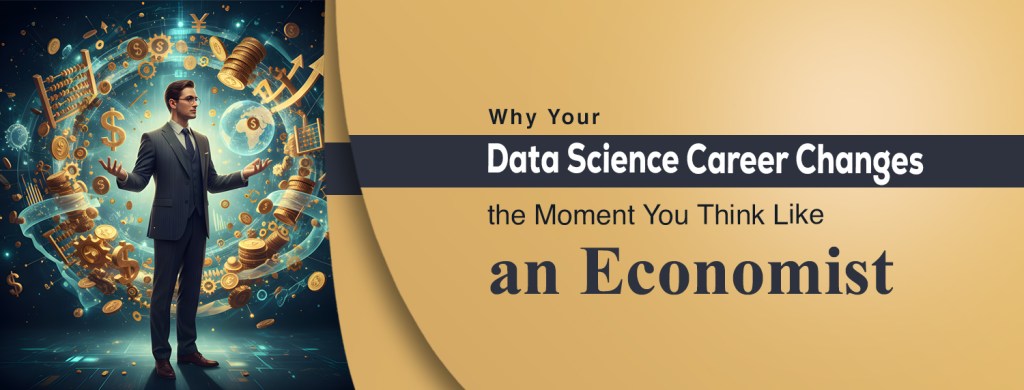
In the modern data-driven landscape, the true challenge facing data scientists is no longer how to store, process, or model information—technology already achieves that at scale. The real challenge is understanding the human forces behind the data. Data itself, no matter how large or beautifully structured, is silent until someone interprets the incentives, decisions, and constraints that shape it. This is exactly where the economist’s mindset becomes indispensable. Economists spend their careers studying why people behave the way they do, how choices are shaped under scarcity, how incentives influence actions, and how systems evolve over time. When a data scientist adopts this mode of thinking, analysis becomes more than prediction; it becomes insight. And insight is what drives strategic, meaningful decisions in the real world.
Understanding Human Behavior Beyond Patterns
Data science often revolves around identifying patterns—detecting churn, forecasting demand, predicting risk. But patterns alone cannot explain the deeper question: Why do people behave this way in the first place? Economists approach behavior through the lens of preferences, constraints, motivations, and expectations. They understand that every individual acts under a unique combination of incentives and limitations. When a data scientist incorporates this style of thinking, the data stops looking like static snapshots and begins to resemble a living story about human behavior. Instead of treating anomalies as numerical errors, the data scientist begins to explore the psychological and economic factors that might produce such deviations. This transforms the analysis into something more sophisticated, more realistic, and far more useful.
A Shift from Correlation to Causation
One of the most critical contributions of economics to data science is the relentless pursuit of causality. While machine learning models can uncover powerful correlations, economists dig deeper to identify what actually drives outcomes. This mindset protects data scientists from misinterpreting relationships that appear significant in the data but hold little meaning in reality. When economic reasoning guides an analysis, the data scientist becomes more critical, more skeptical, and more aware of potential confounders. Instead of taking patterns at face value, they explore the mechanisms that produce those patterns. This often leads to solutions that are more stable, more strategic, and more aligned with how people and systems truly operate.
Trade-Offs and the Discipline of Decision-Making
Economists think in trade-offs because every meaningful decision—whether made by a company or a customer—involves sacrificing one benefit to gain another. Data scientists who internalize this idea approach their work with greater strategic clarity. They stop chasing “perfect” accuracy and start understanding the cost of every improvement. A model that is slightly more accurate but significantly more expensive or harder to maintain may not be worth it. A prediction that requires invasive data collection may reduce user trust. A product change that improves engagement may create hidden frictions elsewhere. This trade-off mentality introduces a level of maturity that purely technical thinking often overlooks. It aligns the data scientist’s work with real-world decision-making, where constraints are ever-present and resources are never infinite.
Seeing Interconnected Systems Rather Than Isolated Numbers
Economics teaches that individuals, markets, and institutions are interconnected systems, not isolated units. Data scientists who adopt this worldview begin analyzing problems within broader contexts. They recognize how a change in one part of a system creates ripple effects in others. This systems-level thinking is invaluable when working on marketplace platforms, recommendation systems, pricing engines, supply chain forecasting, and any domain where multiple agents interact dynamically. Instead of building static models that assume the world remains unchanged, the economist-minded data scientist anticipates how people and systems will adapt. This ability to foresee second-order effects dramatically strengthens the relevance and longevity of analytical solutions.
Building Models That Reflect Real Human Behavior
Machine learning often imposes mathematical convenience on problems that are fundamentally human. Economic reasoning helps restore balance by grounding models in real behavioral principles: people maximize utility, respond to incentives, suffer from biases, act under uncertainty, and adapt to changing environments. By incorporating economic concepts—utility theory, behavioral economics, information asymmetry, game theory—data scientists build models that behave more reliably in real markets and real decisions. The result is not only more accurate predictions but also more interpretable and defensible models. They better capture how customers evaluate options, how employees react to policy changes, and how users respond to pricing or recommendations. In short, models become more realistic because they reflect the complexity of human nature rather than the simplicity of mathematical assumptions.
Communicating Insights with Clarity and Strategic Impact
Economists excel at distilling complex realities into clear, actionable insights. Their communication style emphasizes the “why” behind behaviors, the “because” behind decisions, and the “what if” behind each strategic scenario. When data scientists adopt this communication style, their influence multiplies. Instead of presenting outputs and metrics, they articulate stories about behavior, incentives, and strategic outcomes. Leaders respond not to predictions alone, but to interpretations that reveal risks, opportunities, and trade-offs. The data scientist who communicates with economic clarity becomes a strategist, not just a technician—someone whose insights shape policy, guide product development, and influence high-level decisions.
Embracing Uncertainty as a Natural Part of Decision-Making
Economics is built on the reality that uncertainty can never be eliminated, only understood and managed. Markets shift, people change, shocks occur, and expectations evolve. When data scientists adopt an economic approach to uncertainty, they stop fearing it and start analyzing it. They use concepts like expected utility, rational expectations, marginal decision-making, and risk tolerance to frame uncertainty in a structured, understandable way. This leads to more resilient models, more thoughtful forecasts, and a healthier relationship between confidence and doubt. The result is analytical work that does not pretend to be perfect but is intentionally designed to hold up under the unpredictability of real-world environments.
Conclusion
To think like an economist is to elevate data science into a discipline that understands the invisible forces driving human decisions. It adds depth, clarity, and realism to the technical power of models and algorithms. When data scientists learn to interpret incentives, anticipate trade-offs, appreciate systemic interactions, and communicate uncertainty with confidence, they move far beyond the limits of traditional analytics. They become advisors, strategists, and decision-shapers. In a world overflowing with data but starved for meaning, the data scientist who embraces economic thinking becomes uniquely equipped to make sense of complexity. They do more than predict the future—they understand the pressures that create it.
لماذا تتغير مسيرتك المهنية في علم البيانات بمجرد أن تفكر كخبير اقتصادي؟

في ظلّ البيئة الحديثة القائمة على البيانات لم يعد التحدي الحقيقي الذي يواجه علماء البيانات يكمن في كيفية تخزين المعلومات أو معالجتها أو نمذجتها – فالتكنولوجيا تُحقّق ذلك بالفعل على نطاق واسع، بل يكمن التحدي الحقيقي في فهم القوى البشرية الكامنة وراء البيانات، فالبيانات نفسها مهما ضخّمت أو بُنيت بشكل جميل تبقى صامتة حتى يُفسّر أحدٌ الحوافز والقرارات والقيود التي تُشكّلها، وهنا تحديداً تُصبح عقلية الاقتصادي لا غنى عنها
يقضي الاقتصاديون حياتهم المهنية في دراسة أسباب تصرفات الناس على هذا النحو وكيف تتشكّل الخيارات في ظلّ الندرة وكيف تُؤثّر الحوافز على الأفعال وكيف تتطور الأنظمة مع مرور الوقت، فعندما يتبنّى عالم البيانات هذا الأسلوب في التفكير يصبح التحليل أكثر من مجرّد تنبؤ بل يصبح بصيرة، والبصيرة هي ما يُحرّك القرارات الاستراتيجية والهادفة في العالم الحقيقي
فهم السـلوك البشري بما يتجاوز الأنماط
غالباً ما يتمحور علم البيانات حول تحديد الأنماط كالكشف عن فقدان العملاء والتنبؤ بالطلب والتنبؤ بالمخاطر، لكن الأنماط وحدها لا تُفسّر السؤال الأعمق: لماذا يتصرف الناس بهذه الطريقة في المقام الأول؟ يتناول الاقتصاديون السلوك من منظور التفضيلات والقيود والدوافع والتوقعات، فهم يدركون أن كل فرد يتصرف في ظل مزيج فريد من الحوافز والقيود، فعندما يدمج عالم البيانات هذا الأسلوب في التفكير تتوقف البيانات عن كونها لقطات ثابتة وتبدأ في أن تكون بمثابة قصة حية عن السلوك البشري، وبدلاً من التعامل مع الشذوذ كأخطاء عددية يبدأ عالم البيانات في استكشاف العوامل النفسية والاقتصادية التي قد تُسبب مثل هذه الانحرافات، وهذا بدوره يُحوّل التحليل إلى شيء أكثر تعقيداً وواقعية وفائدة
التحول من الارتباط إلى السببية
من أهم مساهمات الاقتصاد في علم البيانات السعي الدؤوب وراء السببية، فبينما يمكن لنماذج التعلم الآلي الكشف عن ارتباطات قوية يتعمق الاقتصاديون في البحث لتحديد العوامل المؤثرة فعلياً في النتائج، وعليه تحمي هذه العقلية علماء البيانات من سوء تفسير العلاقات التي تبدو مهمة في البيانات ولكنها لا تحمل معنى حقيقياً، فعندما يُوجّه المنطق الاقتصادي التحليل يصبح عالم البيانات أكثر انتقاداً وتشككاً ووعياً بالعوامل المُربكة المحتملة، وبدلاً من أخذ الأنماط على ظاهرها يستكشفون الآليات التي تُنتجها، إذ غالباً ما يؤدي هذا إلى حلول أكثر استقراراً واستراتيجيةً وتوافقاً مع كيفية عمل الأفراد والأنظمة
المقايضات وانضباط صنع القرار
يفكر الاقتصاديون في المقايضات لأن كل قرار ذي معنى – سواء اتخذته شركة أو عميل – ينطوي على التضحية بفائدة من أجل الحصول على أخرى، فعلماء البيانات الذين يستوعبون هذه الفكرة يتعاملون مع عملهم بوضوح استراتيجي أكبر، ويتوقفون عن السعي وراء الدقة “المثالية” ويبدأون بفهم تكلفة كل تحسين، وقد لا يكون النموذج الأكثر دقة بقليل ولكنه أكثر تكلفة أو صعوبة في الصيانة ذا قيمة، وقد يُقلل التنبؤ الذي يتطلب جمع بيانات مُتطفلة من ثقة المستخدم
قد يُؤدي تغيير المنتج الذي يُحسّن التفاعل إلى احتكاكات خفية في مجالات أخرى تُدخل عقلية المقايضات هذه مستوى من النضج غالباً ما يغفله التفكير التقني البحت، إنها تُوائِم عمل عالم البيانات مع صنع القرار في العالم الواقعي حيث تكون القيود حاضرة دائماً والموارد لا حدود لها
رؤية أنظمة مترابطة بدلاً من أرقام معزولة
يُعلّمنا علم الاقتصاد أن الأفراد والأسواق والمؤسسات أنظمة مترابطة وليست وحدات معزولة، إذ يبدأ علماء البيانات الذين يتبنون هذه النظرة العالمية بتحليل المشكلات ضمن سياقات أوسع، فهم يدركون كيف يُحدث تغيير في أحد أجزاء النظام تأثيرات متتالية في أجزاء أخرى
يُعدّ هذا التفكير على مستوى النظم بالغ الأهمية عند العمل على منصات السوق وأنظمة التوصية ومحركات التسعير وتنبؤات سلاسل التوريد وأي مجال تتفاعل فيه جهات متعددة بشكل ديناميكي، فبدلاً من بناء نماذج ثابتة تفترض ثبات العالم يتوقع عالم البيانات ذو العقلية الاقتصادية كيفية تكيف الأفراد والأنظمة، وعليه تُعزز هذه القدرة على توقع التأثيرات الثانوية بشكل كبير أهمية الحلول التحليلية وديمومة عملها
بناء نماذج تعكس السلوك البشري الحقيقي
غالباً ما يُطبّق التعلم الآلي أساليب رياضية مُيسّرة على المشكلات البشرية في جوهرها، إذ يُساعد التفكير الاقتصادي على استعادة التوازن من خلال ترسيخ النماذج في مبادئ سلوكية واقعية: يُحقق الأفراد أقصى استفادة ويستجيبون للحوافز ويُعانون من التحيزات ويتصرفون في ظل عدم اليقين ويتكيفون مع البيئات المتغيرة
من خلال دمج المفاهيم الاقتصادية – نظرية المنفعة والاقتصاد السلوكي وعدم تماثل المعلومات ونظرية الألعاب – يبني علماء البيانات نماذج تعمل بكفاءة أكبر في الأسواق الحقيقية والقرارات الفعلية، والنتيجة ليست تنبؤات أكثر دقة فحسب بل نماذج أكثر قابلية للتفسير والدفاع، فهي تلتقط بشكل أفضل كيفية تقييم العملاء للخيارات وكيفية تفاعل الموظفين مع تغييرات السياسات وكيفية استجابة المستخدمين للتسعير أو التوصيات، باختصار تصبح النماذج أكثر واقعية لأنها تعكس تعقيد الطبيعة البشرية بدلاً من بساطة الافتراضات الرياضية
توصيل الأفكار بوضوح وتأثير استراتيجي
يتميز الاقتصاديون في تلخيص الحقائق المعقدة إلى رؤى واضحة وقابلة للتنفيذ، إذ يركز أسلوب تواصلهم على “السبب” وراء السلوكيات و”السبب” وراء القرارات و”ماذا لو” وراء كل سيناريو استراتيجي، فعندما يعتمد علماء البيانات هذا الأسلوب في التواصل يتضاعف تأثيرهم، وبدلاً من عرض النتائج والمقاييس فإنهم يعبّرون عن قصص حول السلوك والحوافز والنتائج الاستراتيجية
لا يستجيب القادة للتنبؤات فحسب بل للتفسيرات التي تكشف عن المخاطر والفرص والتنازلات، إذ أن عالِم البيانات الذي يتواصل بوضوح اقتصادي يصبح استراتيجياً وليس مجرد فني – شخصاً تُشكل رؤيته السياسات وتُوجه تطوير المنتجات وتؤثر على القرارات رفيعة المستوى
احتضان عدم اليقين كجزء طبيعي من عملية صنع القرار
يُبنى علم الاقتصاد على حقيقة أن عدم اليقين لا يمكن القضاء عليه، بل يمكن فهمه وإدارته فقط، إذ تتغير الأسواق ويتغير الناس وتحدث الصدمات وتتطور التوقعات، فعندما يتبنى علماء البيانات نهجاً اقتصادياً للتعامل مع عدم اليقين فإنهم يتوقفون عن الخوف منه ويبدأون بتحليله، فيستخدمون مفاهيم مثل المنفعة المتوقعة والتوقعات العقلانية واتخاذ القرارات الهامشية وتحمل المخاطر لتأطير عدم اليقين بطريقة منظمة ومفهومة
يؤدي هذا إلى نماذج أكثر مرونة وتوقعات أكثر تعمقاً وعلاقة أصح بين الثقة والشك، والنتيجة هي عمل تحليلي لا يتظاهر بالكمال ولكنه مصمم عمداً للصمود في وجه عدم القدرة على التنبؤ ببيئات العالم الحقيقي
الخلاصة
إن التفكير كخبير اقتصادي يعني الارتقاء بعلم البيانات إلى تخصص يفهم القوى الخفية التي تُحرك القرارات البشرية، إذ يُضيف هذا عمقاً ووضوحاً وواقعيةً إلى القوة التقنية للنماذج والخوارزميات، وعندما يتعلم علماء البيانات تفسير الحوافز وتوقع المفاضلات وتقدير التفاعلات النظامية والتواصل مع حالات عدم اليقين بثقة فإنهم يتجاوزون حدود التحليلات التقليدية بكثير، فيصبحون مستشارين واستراتيجيين وصانعي قرارات
في عالمٍ يفيض بالبيانات ولكنه يفتقر إلى المعنى يُصبح عالم البيانات الذي يتبنى التفكير الاقتصادي مؤهلاً بشكل فريد لفهم التعقيد، إنهم لا يكتفون بالتنبؤ بالمستقبل بل يفهمون الضغوط التي تُولّده
 Data World
You must be logged in to post a comment.