

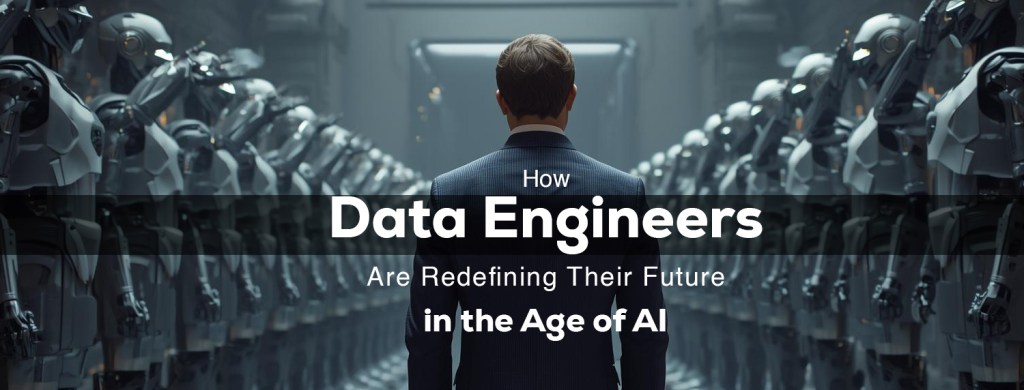
There was a time when data engineers were the silent backbone of the digital world. They built invisible pipelines that powered analytics dashboards and business decisions while their work lived quietly in the background. Yet as we step into 2025, a powerful shift has begun. The era of artificial intelligence has changed everything. The same engineers who once shaped data flows are now shaping intelligence itself. The walls between data engineering and AI engineering are collapsing, giving birth to a new kind of professional — one who does not just move data but gives it meaning, logic, and life.
The Evolution of Data Engineering
For years data engineers were defined by the pipeline. Their mission was to extract, transform, and load massive amounts of data with precision. They were masters of efficiency and reliability since business intelligence depended on their craft. But as AI systems began to demand cleaner, smarter, and more contextual data, the traditional boundaries of their work started to blur. Data was no longer a static resource stored in warehouses. It became dynamic and intelligent, ready to be consumed by models that learn and adapt.
This transformation forced data engineers to rethink their purpose. They began to explore new languages, frameworks, and architectures that serve the needs of AI systems rather than just reports. The rise of feature stores, real-time data pipelines, and model-ready datasets became a natural evolution. What was once a backend support role is now a creative and strategic discipline deeply embedded in the core of AI development.
The Convergence of Data and Intelligence
In 2025 the distance between data and intelligence has nearly vanished. Companies realized that no AI model can thrive without a strong data foundation, and no data pipeline is meaningful unless it serves intelligent systems. This convergence turned data engineers into AI engineers almost by necessity. They are now the architects who design the flow of information that feeds neural networks, fine-tunes machine learning algorithms, and maintains the ethical integrity of data usage.
Instead of stopping at ETL processes, data engineers are now involved in designing feedback loops that help models learn from real-world behavior. They collaborate with machine learning experts to ensure that data quality aligns with algorithmic precision. They implement data observability tools that detect drift and bias. In short, they became the silent partners of artificial intelligence, merging data logic with machine cognition.
The Skills Defining the New AI Engineer
The modern AI engineer who once began as a data engineer no longer lives in a world of static scripts. He navigates dynamic ecosystems filled with streaming data, distributed architectures, and intelligent agents. Python and SQL remain essential, but so do TensorFlow, PyTorch, and MLOps tools. Understanding how to automate model deployment, monitor data pipelines, and handle ethical AI constraints has become part of their daily routine.
They have become fluent in the language of AI systems while never forgetting their roots in data infrastructure. Their expertise bridges two worlds — one of data reliability and another of model intelligence. The result is a new generation of engineers who see data as a living entity that must be nurtured, protected, and taught to think.
The Industry Demand and the Rise of Hybrid Roles
In 2025, technology companies are no longer hiring data engineers and AI engineers as separate positions. Instead, they are creating hybrid roles that demand deep data expertise combined with applied AI knowledge. Startups and enterprises alike seek professionals who can both build a data platform and deploy a model on top of it. This merging of skill sets has reshaped hiring patterns across industries from finance to healthcare to manufacturing.
Businesses now understand that the journey from raw data to intelligent decision-making must be seamless. The engineer who can handle that entire journey becomes priceless. They are not just developers anymore but system thinkers who shape the DNA of digital intelligence.
What This Means for the Future
The rise of AI engineers from the roots of data engineering tells a larger story about how technology evolves. Each generation of innovation absorbs the one before it. Just as web developers became full-stack engineers, data engineers are becoming full-intelligence engineers. The future belongs to those who understand both the flow of information and the architecture of intelligence.
This shift will not slow down. Automation tools will make traditional data work easier, but the demand for human insight will grow. The world will need engineers who can blend structure with creativity, logic with vision, and pipelines with perception. And that is precisely what this new wave of AI engineers represents — a bridge between the mechanical and the meaningful.
Conclusion
As we look ahead to the years beyond 2025, the title “data engineer” may fade, but its spirit will remain stronger than ever. The professionals who once built data pipelines are now shaping the veins of artificial intelligence. Their role is no longer about moving information but about awakening it. They have become the builders of intelligent systems that not only process data but understand it. The silent era of engineering has ended, and a new one has begun — where data engineers have become AI engineers, and intelligence is no longer a dream but a craft.
كيف يُعيد مهندسو البيانات رسم مستقبلهم في عصر الذكاء الاصطناعي

كان مهندسو البيانات في الماضي العمود الفقري الصامت للعالم الرقمي، فقد بنوا قنوات اتصال غير مرئية تُشغّل لوحات معلومات التحليلات وقرارات الأعمال بينما كان عملهم يُدار بهدوء في الخلفية، ومع حلول عام 2025 بدأ تحول جذري، إذ قد غيّر عصر الذكاء الاصطناعي كل شيء فالمهندسون أنفسهم الذين شكّلوا تدفقات البيانات يُشكّلون الآن الذكاء الاصطناعي نفسه، ومن الملاحظ أن الحواجز بين هندسة البيانات وهندسة الذكاء الاصطناعي بدأت تنهار، مما يُمهّد الطريق لظهور نوع جديد من المهنيين – مهني لا يكتفي بنقل البيانات فحسب بل يُضفي عليها معنىً ومنطقاً وحياة
تطور هندسة البيانات
لسنوات كان مهندسو البيانات يُعرّفون بقنوات الاتصال، إذ كانت مهمتهم استخراج كميات هائلة من البيانات وتحويلها وتحميلها بدقة، وكانوا بارعين في الكفاءة والموثوقية لأن ذكاء الأعمال يعتمد على حرفتهم، ولكن مع تزايد طلب أنظمة الذكاء الاصطناعي على بيانات أنظف وأذكى وأكثر ارتباطاً بالسياق فبدأت الحدود التقليدية لعملهم تتلاشى، ولم تعد البيانات مورداً ثابتاً مُخزّناً في المستودعات بل أصبحت البيانات ديناميكية وذكية وجاهزة للاستخدام من قبل النماذج التي تتعلم وتتكيف
أجبر هذا التحول مهندسي البيانات على إعادة التفكير في أهدافهم فبدأوا في استكشاف لغات وأطر عمل وهياكل جديدة تلبي احتياجات أنظمة الذكاء الاصطناعي بدلاً من مجرد التقارير، وأصبح ظهور مخازن الميزات وخطوط أنابيب البيانات الفورية ومجموعات البيانات الجاهزة للنماذج تطوراً طبيعياً وما كان في السابق دور دعم خلفي أصبح الآن تخصصاً إبداعياً واستراتيجياً متأصلاً بعمق في جوهر تطوير الذكاء الاصطناعي
التقاء البيانات والذكاء
في عام 2025 تلاشت تقريباً الفجوة بين البيانات والذكاء، إذ أدركت الشركات أنه لا يمكن لأي نموذج ذكاء اصطناعي أن يزدهر بدون أساس متين من البيانات ولا جدوى لأي خط أنابيب بيانات إلا إذا خدم الأنظمة الذكية، فحوّل هذا التقارب مهندسي البيانات إلى مهندسي ذكاء اصطناعي بحكم الضرورة، وهم الآن المهندسون الذين يصممون تدفق المعلومات الذي يغذي الشبكات العصبية ويضبط خوارزميات التعلم الآلي ويحافظ على النزاهة الأخلاقية لاستخدام البيانات
بدلاً من التوقف عند عمليات استخراج وتحويل وتحميل البيانات يشارك مهندسو البيانات الآن في تصميم حلقات التغذية الراجعة التي تساعد النماذج على التعلم من السلوك الواقعي، فيتعاونون مع خبراء التعلم الآلي لضمان توافق جودة البيانات مع دقة الخوارزميات ويطبقون أدوات مراقبة البيانات التي تكشف عن الانحراف والتحيز، إذاً باختصار أصبحوا بمثابة شركاء صامتين للذكاء الاصطناعي يدمجون منطق البيانات مع الإدراك الآلي
المهارات التي تُحدد مهندس الذكاء الاصطناعي الجديد
لم يعد مهندس الذكاء الاصطناعي الحديث الذي بدأ كمهندس بيانات يعيش في عالم البرامج النصية الثابتة، فهو يتنقل بين أنظمة بيئية ديناميكية مليئة ببيانات متدفقة وبنى موزعة ووكلاء أذكياء
أساسيتين SQL إذ لا تزال بايثون و
TensorFlow و PyTorch و MLOps وكذلك أدوات
وعليه أصبح فهم كيفية أتمتة نشر النماذج ومراقبة خطوط أنابيب البيانات والتعامل مع قيود الذكاء الاصطناعي الأخلاقية جزءاً من روتينهم اليومي
أصبحوا بارعين في لغة أنظمة الذكاء الاصطناعي مع الحفاظ على جذورهم في البنية التحتية للبيانات، بحيث تربط خبرتهم بين عالمين أحدهما موثوقية البيانات والآخر ذكاء النماذج، والنتيجة هي جيل جديد من المهندسين الذين يرون البيانات ككيان حي يجب رعايته وحمايته وتعليمه التفكير
الطلب الصناعي وظهور الأدوار الهجينة
في عام 2025 لم تعد شركات التكنولوجيا تُوظّف مهندسي البيانات ومهندسي الذكاء الاصطناعي كمناصب منفصلة بل إنها تُنشئ أدواراً هجينة تتطلب خبرةً عميقةً في البيانات إلى جانب معرفةٍ تطبيقيةٍ بالذكاء الاصطناعي، إذ تبحث الشركات الناشئة والمؤسسات التجارية على حدٍ سواء عن متخصصين قادرين على بناء منصة بيانات وتطبيق نموذجٍ قائمٍ عليها، وقد أعاد هذا الدمج بين المهارات تشكيل أنماط التوظيف في مختلف القطاعات من المالية إلى الرعاية الصحية إلى التصنيع
تُدرك الشركات الآن أن الرحلة من البيانات الخام إلى اتخاذ القرارات الذكية يجب أن تكون سلسة، ويصبح المهندس الذي يُدير هذه الرحلة بأكملها لا يُقدّر بثمن، فهم لم يعودوا مُجرّد مُطوّرين بل مُفكّرون نُظم يُشكّلون جوهر الذكاء الرقمي
ماذا يعني هذا للمستقبل؟
يُعبّر صعود مهندسي الذكاء الاصطناعي من جذور هندسة البيانات عن قصةٍ أعمق حول كيفية تطور التكنولوجيا، فكل جيلٍ من الابتكارات يستوعب الجيل الذي يسبقه وكما أصبح مُطوّرو الويب مهندسين مُتكاملين يُصبح مهندسو البيانات مهندسي ذكاءٍ كامل، المستقبل ملكٌ لأولئك الذين يفهمون تدفق المعلومات وبنية الذكاء
لن يتباطأ هذا التحول، إذ ستُسهّل أدوات الأتمتة العمل بالبيانات التقليدية لكن الطلب على البصيرة البشرية سيزداد، إذ سيحتاج العالم إلى مهندسين قادرين على مزج البنية بالإبداع والمنطق بالرؤية وخطوط الأنابيب بالإدراك، وهذا تحديداً ما تُمثّله هذه الموجة الجديدة من مهندسي الذكاء الاصطناعي – جسر بين الآلي والمعنى
الخلاصة
مع تطلعنا إلى ما بعد عام ٢٠٢٥ قد يتلاشى لقب “مهندس بيانات” لكن روحه ستبقى أقوى من أي وقت مضى فالمحترفون الذين بنوا خطوط أنابيب البيانات يُشكّلون الآن شرايين الذكاء الاصطناعي، فلم يعد دورهم نقل المعلومات بل إيقاظها، وعليه أصبحوا بناة أنظمة ذكية لا تُعالج البيانات فحسب بل تفهمها أيضاً، لقد انتهى عصر الهندسة الصامت وبدأ عصر جديد حيث أصبح مهندسو البيانات مهندسي ذكاء اصطناعي ولم يعد الذكاء حلماً بل حرفة
 Data World
You must be logged in to post a comment.