
Role of AI in Reshaping Data Science Careers

Advertisements

In a world where artificial intelligence (AI) is no longer a futuristic concept but an active force in business and technology the field of data science finds itself at a crossroads. On one hand there are exciting opportunities: new tools, higher salaries, increasing demand. On the other hand there are questions: will AI replace data scientists? Are the job roles shifting so fast that what you learn now may be outdated tomorrow? If you are building or advising a career in data science (or your work touches on this area) then understanding what is actually happening in the job market is critical. In this article I explore the real‑world trends for 2025 in the data science and AI job market: the demand, the shifts in roles and skills, the risks, and how you as a professional (or aspiring one) can position yourself.

Demand is still strong but evolving

Numerous reports point to continued growth in data‑science and AI‑related roles. The job market for data scientists still expects around 21 000 new openings per year in the U.S. alone over the next decade.

Roles are shifting: specialization and infrastructure matter more

What is a “data scientist” nowadays is no longer the same as five years ago. Employers increasingly demand:

  • Strong machine‑learning/AI skills
  • Data engineering, MLOps and infrastructure skills become more prominent
  • Domain expertise (industry knowledge, ethical/AI governance) is a differentiator

Salary and compensation remain attractive

Salary data for data science/AI professionals show robust numbers. Many data science job postings in 2025 offer salaries in the $160 000‑$200 000 range in the U.S. In the AI segment salaries are slightly higher than standard data science roles.

AI is more complement than substitute (for now)

AI tends to augment high‑skill work more than it automates it away. Rather than viewing AI purely as a threat it is more accurate to see it as reshaping jobs and skill‑requirements.

Entry‑level roles are harder to find

Though demand is robust overall the competition for entry‑level and “generalist” data science roles is becoming tougher. The share of postings for 0‑2 years of experience decreased and salaries increased for more experienced candidates.

The “data scientist unicorn” is fading

Employers are less often looking for one person to do everything (data wrangling, feature engineering, modeling, deployment, business translation). Instead roles are splitting into: data engineer, ML/AI engineer, analytics engineer, data product manager.

Skills are changing fast

Because AI and data roles evolve rapidly, the required skill‑set is shifting:

  • Classic languages like Python and SQL remain vital; SQL has overtaken R in many job listings
  • Deep learning, NLP, MLOps are growing in importance
  • Soft skills, domain knowledge, ethics and governance are becoming differentiators
  • Skill‑based hiring is growing: employers value demonstrable skills (certifications, portfolios) perhaps more than formal degrees in some cases

The role of AI in affecting jobs is nuanced

Although there is concern about AI leading to widespread job loss, most evidence suggests that for now AI is not causing huge mass layoffs in high‑skill data/AI roles. Still the impact may accelerate in coming years.

Advertisements

Given your background in web design, motion graphics, brand identity etc your path may not be a classic “data scientist” role but the intersection of design, data and AI is very relevant. Here are some implications and opportunities:

  • Data‑driven design: More companies integrate analytics into design decisions. Knowing how to interpret data, dashboards, and link visuals to business outcomes can give you an edge.
  • Motion graphics + AI content: As you use tools like Adobe After Effects or Adobe Animate the rise of generative AI (GenAI) means you may collaborate with data/AI teams to visualise model outputs, dashboards, user workflows.
  • Upskilling counts: Even if you don’t become a data scientist you benefit from acquiring foundational data literacy—SQL basics, data visualisation tools, understanding ML workflows. These complement your design/brand skills and make you more versatile.
  • Branding AI capabilities: For your own services (web design, brand identity) you can offer value by saying “I understand how AI‑driven data flows affect UX” or “I can build dashboards with strong visual narrative”. That differentiates you.
  • Avoid entering a matured “commodity” space: Entry‑level data science is tougher. So if you pivot into data/AI you might target niches where your design/visualisation expertise is rare: e.g., AI ethics visualisations, UX for ML interfaces, dashboard storytelling, data‑driven branding.

In short: don’t wait for “data science job market explosion” to pass you by—position your existing strengths (design, visuals, motion) plus some data/AI fluency to ride the wave rather than be overtaken by it.

Here’s a practical roadmap for moving forward smartly:

  1. Audit your current skills
    • How comfortable are you with Python/SQL or data‑tools?
    • Do you understand basics of ML/AI workflows (model building, deployment) at a conceptual level?
    • How good are you at communicating insights visually and with business context?
  2. Pick a niche or combine strengths
    • Because generalist “data scientist” roles are less common now you’ll stand out by combining two strengths: e.g., “motion graphics + ML interpretability” or “web UI for data pipelines”.
    • Consider roles such as analytics engineer, data visualisation specialist, design‑driven data product owner.
  3. Upskill strategically
    • Focus on in‑demand skills: machine learning fundamentals; cloud/data engineering basics; MLOps; SQL; data visualisation tools
    • Also invest in “soft” but crucial skills: domain knowledge, communication, ethics, decision‑making
    • Consider a portfolio of projects rather than only relying on formal degrees (skill‑based hiring is rising)
  4. Stay adaptable and alert to shifts
    • The job market changes: roles will evolve as AI becomes more embedded
    • Entry‑level may stay competitive; experience + unique combo of skills will help
    • Keep your design/visual skills sharp—they will remain valuable even when AI changes some technical roles

In summary: the job market for data science and AI remains strong but changing. It is less about “will there be jobs” and more about “what kind of jobs, and with what skills”. For those able to combine technical fluency with domain, design, communication and flexibility the opportunities are excellent. For those expecting a straightforward path without continuous learning the environment will be competitive.

If I may invite you:
– Comment below with your own perspective: have you seen data/AI roles advertised in your region recently? What skills did they ask for?
– Consider writing a short list of three new skills you are willing to add this year to stay relevant in this shifting landscape.

Advertisements

دور الذكاء الاصطناعي في إعادة تشكيل مسارات علوم البيانات

Advertisements

في عالمٍ لم يعد فيه الذكاء الاصطناعي مفهوماً مستقبلياً بل قوةً فاعلةً في عالم الأعمال والتكنولوجيا، إذ يجد مجال علم البيانات نفسه عند مفترق طرق فمن ناحية ثمة فرصٌ واعدة: أدوات جديدة ورواتب أعلى وطلب متزايد، ومن ناحية أخرى ثمة تساؤلاتٌ : هل سيحل الذكاء الاصطناعي محل علماء البيانات وهل تتغير الأدوار الوظيفية بسرعةٍ كبيرةٍ لدرجة أن ما تتعلمه الآن قد يصبح قديماً غداً إذا كنتَ تبني أو تُقدّم المشورة المهنية في مجال علم البيانات (أو إذا كان عملك يتطرق إلى هذا المجال) فإن فهم ما يحدث فعلياً في سوق العمل أمرٌ بالغ الأهمية

في هذه المقالة أستكشف اتجاهات سوق العمل في مجال علم البيانات والذكاء الاصطناعي لعام 2025: الطلب والتحولات في الأدوار والمهارات والمخاطر وكيف يمكنكَ كمحترف (أو كطامح) تحديد وضعك المهني

لا يزال الطلب قوياً ولكنه في تطور

تشير العديد من التقارير إلى استمرار النمو في الأدوار المتعلقة بعلم البيانات والذكاء الاصطناعي، إذ لا يزال سوق العمل لعلماء البيانات يتوقع حوالي 21,000 وظيفة جديدة سنوياً في الولايات المتحدة وحدها على مدار العقد المقبل

الأدوار تتغير: التخصص والبنية التحتية أكثر أهمية

:لم يعد مفهوم “عالِم البيانات” اليوم كما كان قبل خمس سنوات، إذ يطلب أصحاب العمل بشكل متزايد

مهارات قوية في التعلم الآلي/الذكاء الاصطناعي •

أصبحت مهارات هندسة البيانات •

(MLOps) وعمليات إدارة العمليات الرئيسية

والبنية التحتية أكثر بروزاً

تُعدّ الخبرة في المجال (المعرفة بالقطاع والحوكمة الأخلاقية/حوكمة الذكاء الاصطناعي) عاملاً مميزاً •

لا تزال الرواتب والتعويضات مغرية

تُظهر بيانات الرواتب لمتخصصي علوم البيانات / الذكاء الاصطناعي أرقاماً قوية، بحيث تُقدّم العديد من إعلانات وظائف علوم البيانات في عام 2025 رواتب تتراوح بين 160,000 و200,000 دولار أمريكي في الولايات المتحدة، وفي قطاع الذكاء الاصطناعي تكون الرواتب أعلى قليلاً من وظائف علوم البيانات القياسية

يعتبر الذكاء الاصطناعي مكملاً أكثر منه بديلاً (في الوقت الحالي)

يميل الذكاء الاصطناعي إلى تعزيز العمل الذي يتطلب مهارات عالية أكثر من أتمتته، فبدلاً من النظر إلى الذكاء الاصطناعي كتهديد فحسب من الأدق النظر إليه على أنه يُعيد تشكيل الوظائف ومتطلبات المهارات

أصبحت وظائف المستوى المبتدئ أكثر صعوبة

على الرغم من قوة الطلب بشكل عام إلا أن المنافسة على وظائف المستوى المبتدئ ووظائف علوم البيانات “العامة” تزداد صعوبة، إذ انخفضت نسبة الوظائف الشاغرة لخبرة سنتين أو ثلاث سنوات وارتفعت رواتب المرشحين الأكثر خبرة

عالِم البيانات الطموح يتلاشى

أصبح أصحاب العمل يبحثون بشكل أقل عن شخص واحد للقيام بكل شيء (معالجة البيانات وهندسة الميزات والنمذجة والنشر وترجمة الأعمال)، وبدلاً من ذلك تنقسم الأدوار إلى: مهندس بيانات ومهندس تعلّم آلي/ذكاء اصطناعي ومهندس تحليلات ومدير منتجات بيانات

المهارات تتغير بسرعة

:نظراً للتطور السريع لأدوار الذكاء الاصطناعي والبيانات فإن مجموعة المهارات المطلوبة تتغير

حيوية SQL لا تزال اللغات الكلاسيكية مثل بايثون و •

في العديد من قوائم الوظائف R على لغة SQL تفوقت لغة

(NLP) تتزايد أهمية التعلم العميق ومعالجة اللغة الطبيعية •

(MLOps) وعمليات إدارة قواعد البيانات

أصبحت المهارات الشخصية والمعرفة بالمجال والأخلاقيات والحوكمة عوامل تميز •

دور الذكاء الاصطناعي في التأثير على الوظائف دقيق •

على الرغم من وجود مخاوف من أن يؤدي الذكاء الاصطناعي إلى فقدان وظائف على نطاق واسع تشير معظم الأدلة إلى أنه حتى الآن لا يُسبب الذكاء الاصطناعي تسريحات جماعية ضخمة في وظائف البيانات / الذكاء الاصطناعي عالية المهارات، ومع ذلك قد يتسارع هذا التأثير في السنوات القادمة

Advertisements

نظراً لخلفيتك في تصميم الويب والرسوم المتحركة وهوية العلامة التجارية وما إلى ذلك قد لا يكون مسارك المهني منصباً تقليدياً في مجال “عالم البيانات” ولكن تقاطع التصميم والبيانات والذكاء الاصطناعي بالغ الأهمية

: فلتناول بعض التداعيات والفرص

التصميم الموجه بالبيانات: تُدمج المزيد من الشركات التحليلات في قرارات التصميم، إن معرفة كيفية تفسير البيانات ولوحات المعلومات وربط العناصر المرئية بنتائج الأعمال يمكن أن يمنحك ميزة تنافسية

:محتوى الرسوم المتحركة والذكاء الاصطناعي

مع استخدامك لأدوات مثل

Adobe Animate أو Adobe After Effects

(GenAI) فإن صعود الذكاء الاصطناعي التوليدي

يعني أنه يمكنك التعاون مع فرق البيانات / الذكاء الاصطناعي لتصور مخرجات النماذج ولوحات المعلومات وسير عمل المستخدم

تحسين المهارات أمر بالغ الأهمية: حتى لو لم تصبح عالم بيانات فإنك تستفيد

SQL من اكتساب معرفة أساسية بالبيانات – أساسيات

وأدوات تصور البيانات، وفهم سير عمل التعلم الآلي. هذه المهارات تُكمل مهاراتك في التصميم/العلامة التجارية وتجعلك أكثر تنوعاً

: قدرات بناء العلامة التجارية بالذكاء الاصطناعي

بالنسبة لخدماتك الخاصة (تصميم المواقع وهوية العلامة التجارية) يمكنك تقديم قيمة بقولك “أفهم كيف تؤثر تدفقات البيانات المدعومة بالذكاء الاصطناعي على تجربة المستخدم” أو “يمكنني بناء لوحات معلومات بسرد بصري قوي” هذا ما يميزك

: تجنب دخول مجال “السلع” المزدهر

يعتبر علم البيانات للمبتدئين أصعب، لذلك إذا انتقلت إلى مجال البيانات / الذكاء الاصطناعي فقد تستهدف مجالات تكون فيها خبرتك في التصميم / التصور نادرة: على سبيل المثال تصورات أخلاقيات الذكاء الاصطناعي وتجربة المستخدم لواجهات التعلم الآلي وسرد القصص على لوحات المعلومات وبناء العلامة التجارية المدعومة بالبيانات

باختصار: لا تنتظر “انفجار سوق العمل في علم البيانات” حتى يتجاوزك – ضع نقاط قوتك الحالية (التصميم أو المرئيات أو الحركة) بالإضافة إلى بعض إتقان البيانات / الذكاء الاصطناعي لركوب الموجة بدلاً من تجاوزها

:إليك خارطة طريق عملية للمضي قدماً بذكاء

1. راجع مهاراتك الحالية

أو أدوات البيانات SQL /ما مدى معرفتك بلغة بايثون

هل تفهم أساسيات سير عمل التعلم الآلي / الذكاء الاصطناعي (بناء النماذج، النشر) على المستوى المفاهيمي

ما مدى مهارتك في توصيل الأفكار بصرياً وفي سياق العمل

2. اختر تخصصاً أو اجمع نقاط قوتك

• نظراً لأن أدوار “عالم البيانات” العامة أقل شيوعاً الآن ستتميز من خلال الجمع بين نقطتي قوة: على سبيل المثال “رسومات متحركة + قابلية تفسير التعلم الآلي” أو “واجهة مستخدم ويب لخطوط أنابيب البيانات”

• فكر في أدوار مثل مهندس تحليلات أو أخصائي تصور البيانات أو مالك منتج بيانات قائم على التصميم

3. طوّر مهاراتك استراتيجياً

ركز على المهارات المطلوبة: أساسيات التعلم الآلي

أدوات تصور البيانات – SQL – MLOps أو أساسيات هندسة السحابة / البيانات

استثمر أيضاً في المهارات “الشخصية” ولكن الأساسية : المعرفة بالمجال والتواصل والأخلاق واتخاذ القرارات

فكّر في محفظة مشاريع بدلاً من الاعتماد فقط على الشهادات الرسمية (التوظيف القائم على المهارات في ازدياد)

4. كن متكيفاً ومتيقظاً للتحولات

سوق العمل في تغير مستمر: ستتطور الأدوار مع تزايد إدماج الذكاء الاصطناعي

قد يبقى مستوى المبتدئين تنافسياً : الخبرة + مزيج فريد من المهارات سيساعد

حافظ على مهاراتك في التصميم / التصوير – ستظل قيّمة حتى عندما يغير الذكاء الاصطناعي بعض الأدوار التقنية

باختصار: لا يزال سوق العمل في مجال علوم البيانات والذكاء الاصطناعي قوياً ولكنه متغير، فالأمر لا يتعلق بـ “هل ستكون هناك وظائف” بقدر ما يتعلق بـ “ما نوع الوظائف، وبأي مهارات”؟ بالنسبة لأولئك القادرين على الجمع بين الطلاقة التقنية والمجال والتصميم والتواصل والمرونة فإن الفرص ممتازة، أما بالنسبة لأولئك الذين يتوقعون مساراً مباشراً دون تعلم مستمر فستكون البيئة تنافسية

: دعوة للحوار

علّق أدناه برأيك: هل رأيت وظائف في مجال البيانات / الذكاء الاصطناعي معلنة في منطقتك مؤخراً ما المهارات المطلوبة

فكر في كتابة قائمة قصيرة بثلاث مهارات جديدة ترغب في إضافتها هذا العام لتظل ذا صلة بهذا المشهد المتغير
Advertisements

8 Practical Python Automation Projects to Master in 48 Hours

Advertisements

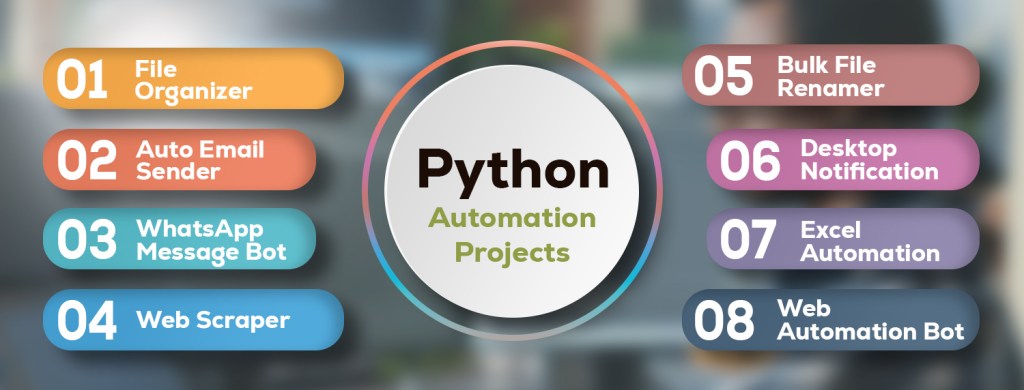
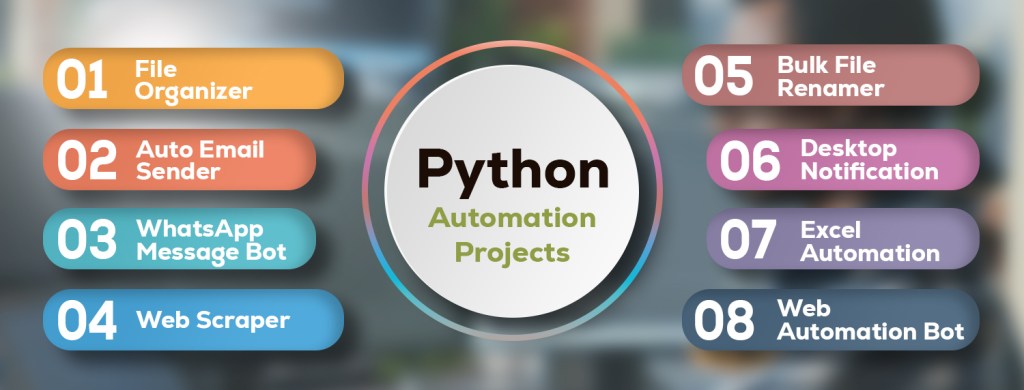
In a world that never stops generating tasks, automation is not just a luxury — it’s a necessity. Python has become the language of choice for people who want to make their computers work for them. It allows anyone, whether a beginner or an experienced developer, to automate daily routines, streamline workflows, and create elegant tools that simplify life. What’s more inspiring is that most of these automations can be built in just a weekend, giving you practical results and immediate satisfaction. In this article, we’ll explore eight real-world automation projects that combine creativity, simplicity, and powerful results. Each project includes a detailed explanation and working code, ready to run and expand.

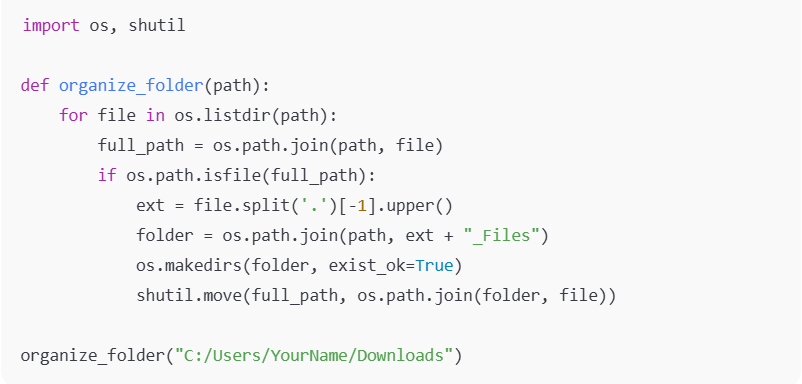
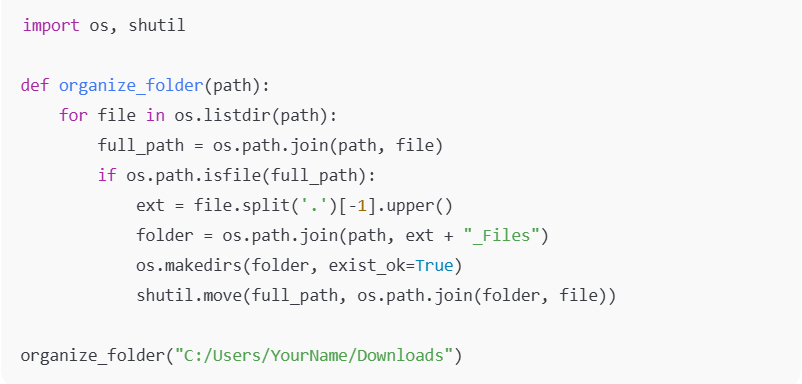
Let’s be honest — everyone’s Downloads folder looks like a battlefield. PDFs, images, ZIP archives, and installers all live together in digital chaos. A File Organizer is one of the simplest yet most satisfying automation scripts you can build. It scans a target folder, detects the file extensions, creates categorized subfolders, and moves each file into its proper place. This saves time, reduces clutter, and gives your workspace a touch of order.

Beyond personal use, such automation can be scaled for offices to organize report folders, designers to manage creative assets, or photographers to sort by file type. It’s the foundation of file automation — understanding how to navigate directories, classify files, and manipulate them programmatically.

This script can be adapted to group by date, size, or even project names — the perfect first step toward smarter digital management.

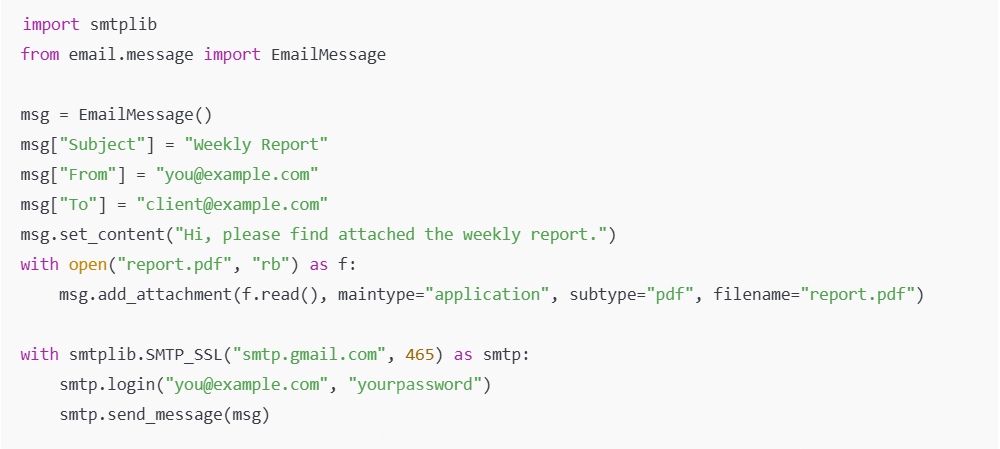
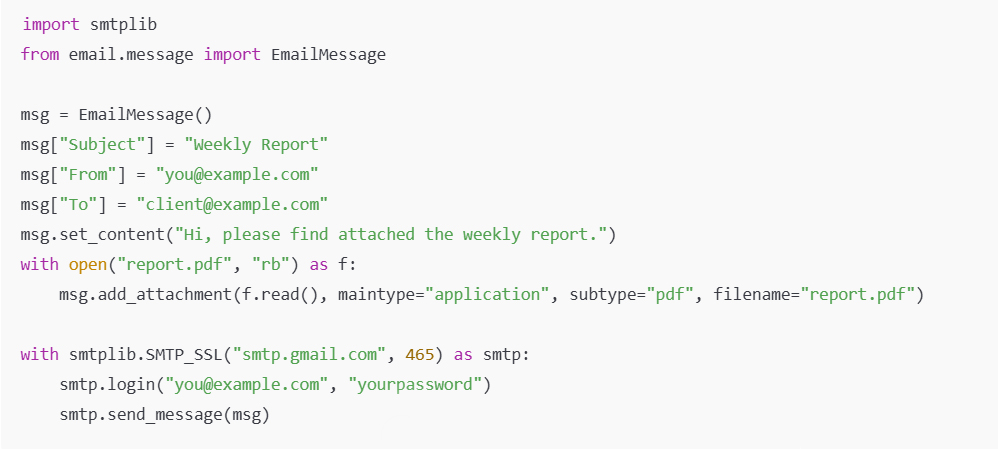
Every professional has at least one recurring email to send: reports, invoices, weekly updates, or newsletters. Manually sending them every week is a waste of time. That’s where an Auto Email Sender steps in. Using Python’s smtplib and email libraries, you can compose and send messages automatically, even with attachments. You can integrate it with your reporting scripts to send data automatically at the end of each process.

This project teaches you about SMTP protocols, secure authentication, and automating digital communication. It also helps you understand how businesses automate entire email flows using scripts or scheduled tasks. You can later add personalization and dynamic content fetched from spreadsheets or databases.

Set it on a scheduler, and you’ve got yourself an email assistant who never forgets or gets tired.

Imagine sending birthday wishes, reminders, or meeting alerts without lifting a finger. With the pywhatkit library, Python can automate WhatsApp messages right from your desktop. You define the message, the recipient, and the exact time — and the bot does the rest.

This project introduces you to simple automation that interacts with web applications through browser control. It’s particularly useful for small businesses or freelancers who manage multiple clients and want to send personalized yet automated updates. It’s also a gentle entry into browser-driven automation and time scheduling.

Once you see your computer send that message without your input, you’ll feel the real satisfaction of automation.

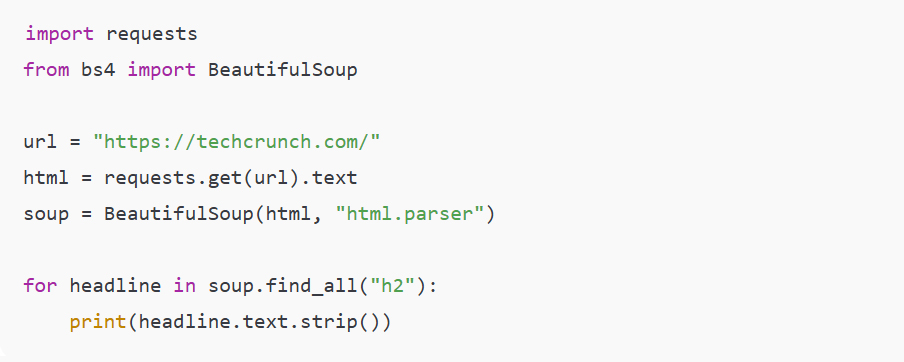
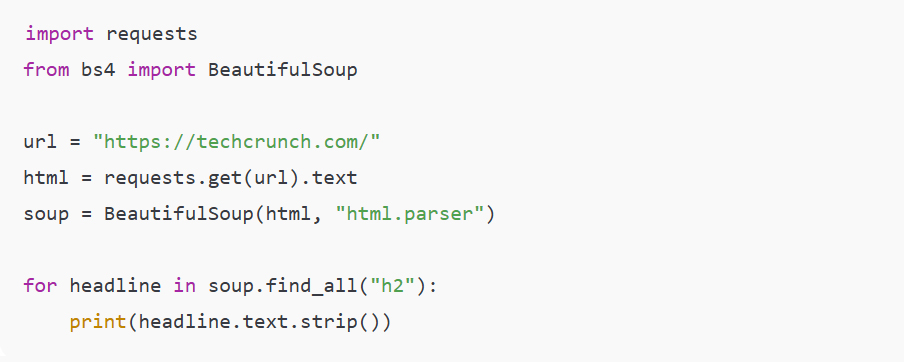
Web scraping is the heart of data automation — a way to collect information automatically from websites without manual copy-paste work. Whether it’s scraping job listings, product prices, or blog titles, Python’s BeautifulSoup and requests libraries make the process simple and powerful.

A Web Scraper can become part of many real-world systems — price tracking bots, research tools, or content aggregators. It introduces you to the HTML structure of websites and teaches you how to extract meaningful patterns. It’s also an excellent first step toward data analytics, since most analysis begins with data collection.

Once you’ve mastered this, you can expand it to scrape multiple pages, store data in CSV files, and even monitor changes over time.

Advertisements

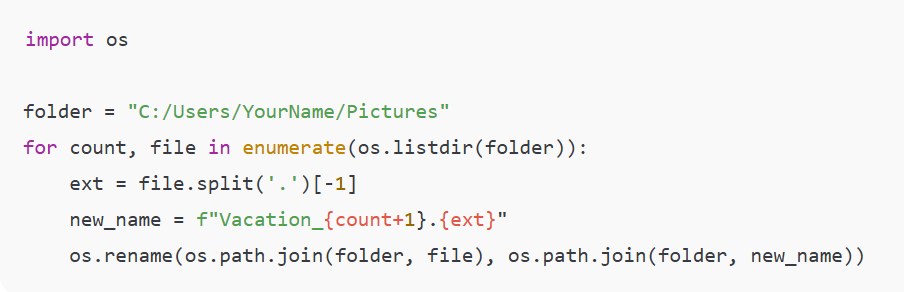
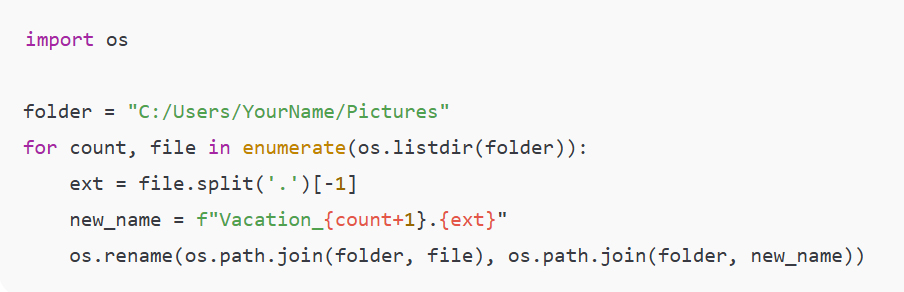
If you’ve ever had to rename hundreds of files — like photos, documents, or reports — you know the pain. The Bulk File Renamer eliminates that pain instantly. By looping through files in a folder, you can rename them with a consistent pattern, making them searchable and organized.

This project is particularly helpful for creative professionals, teachers, or office administrators. It introduces iteration and string formatting while giving immediate practical benefits.

After you run it, your files will instantly follow a perfect naming convention — a simple yet satisfying reward for your Python skills.

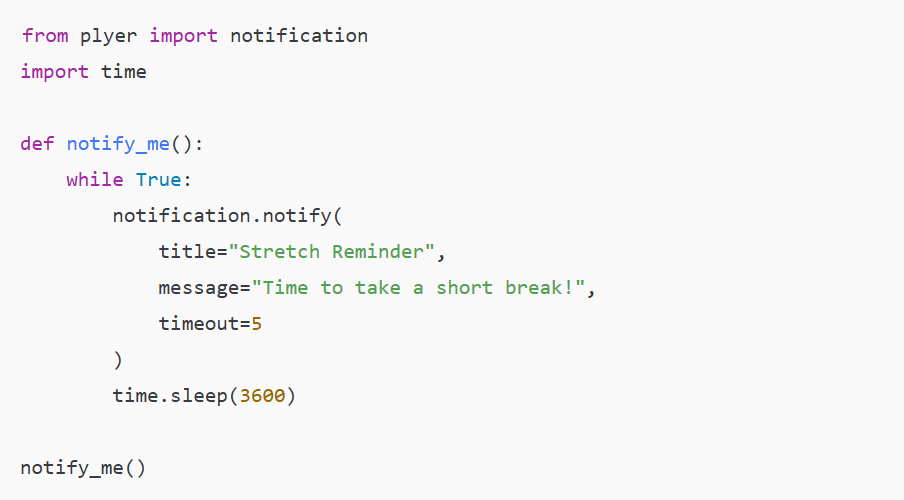
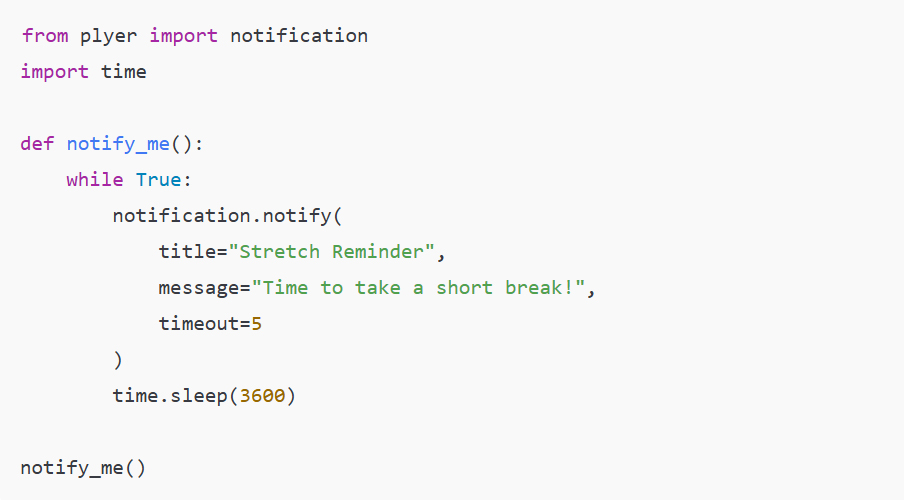
Modern life is full of distractions, and sometimes the simplest automation can bring balance. A Desktop Notification App is one of those. You can make Python send you notifications — like reminding you to stretch, hydrate, or check an important site. The plyer library makes it surprisingly easy.

This project is not just about productivity; it teaches you how applications communicate with your operating system and how automation can serve human well-being, not just efficiency.

You can even connect it to other scripts to notify you when a background task finishes or when a website updates.

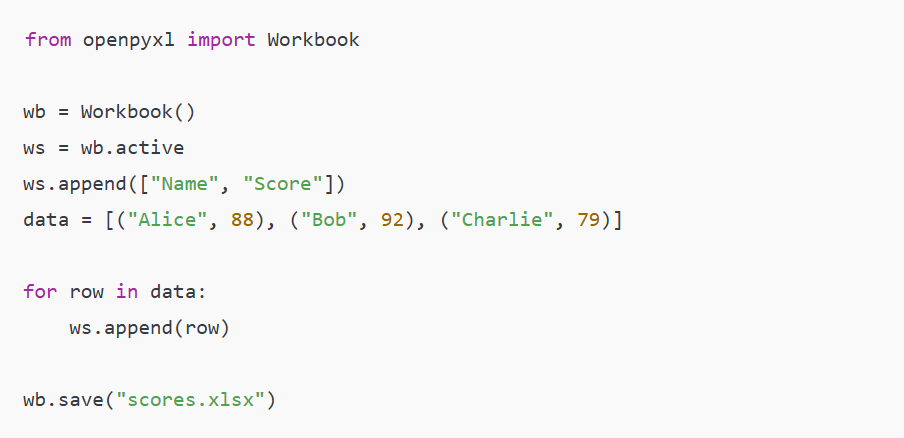
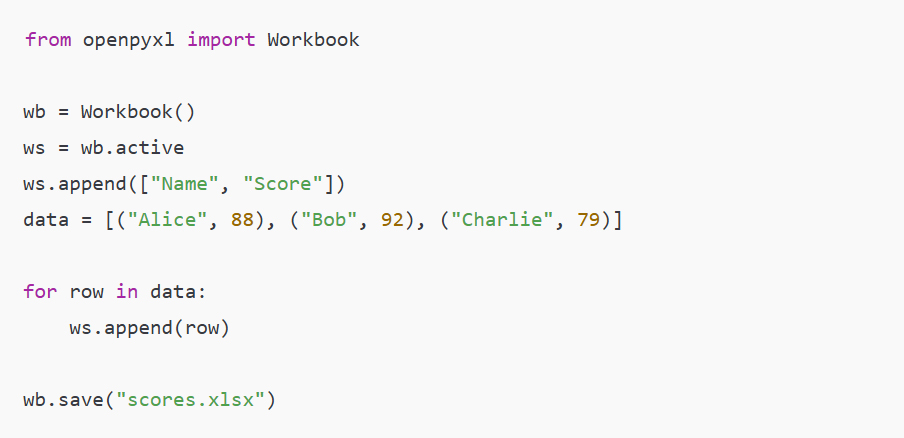
If your work involves data or reporting, Excel Automation is a game changer. Instead of manually updating sheets, you can use Python’s OpenPyXL library to fill in data, apply formulas, and save formatted Excel reports automatically.

This automation is especially powerful for analysts, accountants, teachers, or managers who regularly produce structured reports. It introduces concepts of data manipulation, file writing, and office integration — all essential skills for business automation.

Once you understand this foundation, you can automate monthly reports, combine multiple data sources, or even generate charts directly from Python.

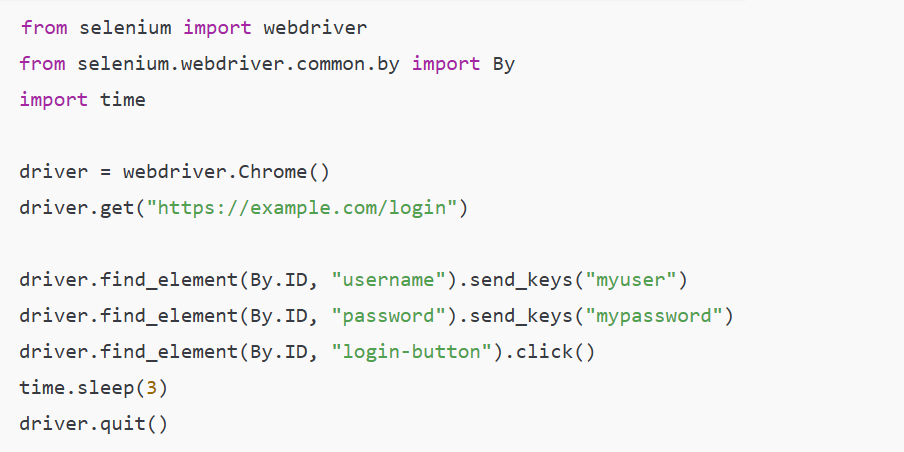
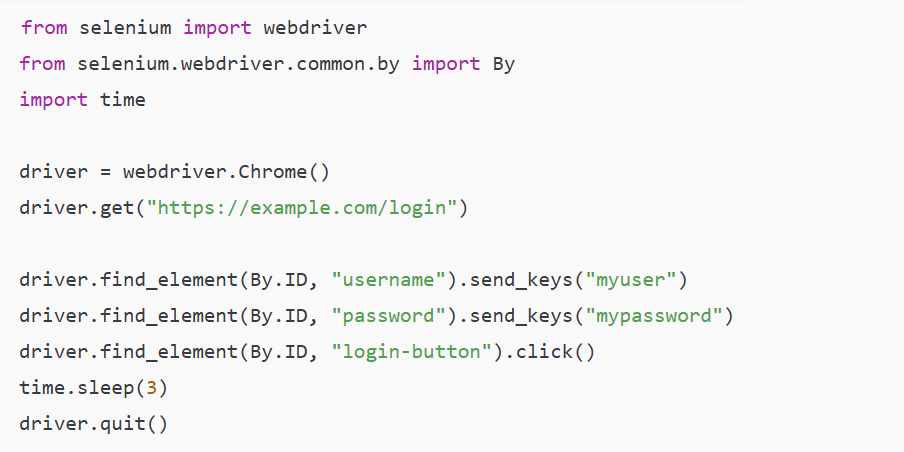
Finally, the Web Automation Bot. This is where automation meets intelligence. With Selenium, you can control a real browser — open websites, log in, click buttons, and extract information — just like a human would. It’s used in automated testing, social media bots, and even e-commerce monitoring tools.

This project teaches browser control, DOM manipulation, and event simulation. It’s a more advanced automation, but once you build it, you’ll see how close you are to creating full-scale automation systems.

From here, you can scale up to automate entire workflows — logging into dashboards, downloading reports, or posting updates online.

Conclusion

Each of these projects represents a small window into a much larger world — the world of automation-driven thinking. What makes them valuable isn’t just the code but the mindset they build: the idea that every repetitive task can be transformed into a system that runs on its own. Once you start building these automations, you begin to see possibilities everywhere — from your desktop to your business processes. So, take this weekend to experiment, learn, and enjoy the moment when your computer starts working for you instead of the other way around.

Advertisements

ثمانية مشاريع أتمتة بايثون عملية لإتقانها في 48 ساعة

Advertisements

في عالمٍ لا يتوقف فيه توليد المهام لم تعد الأتمتة مجرد ترف بل ضرورة، إذ أصبحت بايثون اللغة المفضلة لمن يرغبون في تشغيل حواسيبهم فهي تتيح لأي شخص أتمتة روتينه اليومي وتبسيط سير العمل وإنشاء أدوات أنيقة تُبسط الحياة سواءً كان مبتدئاً أو مطوراً خبيراً، والأمر الأكثر إلهاماً هو إمكانية بناء معظم هذه الأتمتة في عطلة نهاية أسبوع واحدة فقط أي خلال 48 ساعة مما يمنحك نتائج عملية ورضا فورياً

وفي هذه المقالة سنستكشف ثمانية مشاريع أتمتة عملية تجمع بين الإبداع والبساطة والنتائج الفعّالة، بحيث يتضمن كل مشروع شرحاً مفصلاً وشيفرة برمجية جاهزة للتشغيل والتوسع  

لنكن صريحين – يبدو مجلد التنزيلات لدى الجميع أشبه بساحة معركة

وملفات التثبيت ZIP والصور وملفات PDF فملفات

كلها تعيش معاً في فوضى رقمية، فمُنظّم الملفات يعدُّ أحد أبسط نصوص الأتمتة وأكثرها إرضاءً على الإطلاق فهو يفحص المجلد المُستهدف ويكتشف امتدادات الملفات ويُنشئ مجلدات فرعية مُصنّفة وينقل كل ملف إلى مكانه المُناسب، هذا يُوفّر الوقت ويُقلّل الفوضى ويُضفي على مساحة عملك لمسةً من التنظيم، وبعيداً عن الاستخدام الشخصي يُمكن توسيع نطاق هذه الأتمتة لتشمل المكاتب لتنظيم مجلدات التقارير وللمصممين لإدارة الأصول الإبداعية وللمصورين للفرز حسب نوع الملف، إنه أساس أتمتة الملفات – فهم كيفية التنقل بين المجلدات وتصنيف الملفات ومعالجتها برمجياً

يمكن تعديل هذا النص البرمجي للتجميع حسب التاريخ أو الحجم أو حتى أسماء المشاريع، وهي الخطوة الأولى المثالية نحو إدارة رقمية أكثر ذكاءً

يُرسل كل مُحترف بريداً إلكترونياً واحداً على الأقل بشكل مُتكرر: تقارير، فواتير، تحديثات أسبوعية، أو رسائل إخبارية، فإرسالها يدوياً كل أسبوع مُضيعة للوقت، هنا يأتي دور مُرسِل البريد الإلكتروني التلقائي

والبريد الإلكتروني في بايثون smtplib فباستخدام مكتبات

يمكنك إنشاء الرسائل وإرسالها تلقائياً حتى مع المرفقات يمكنك دمجه مع نصوص التقارير لإرسال البيانات تلقائياً في نهاية كل عملية

والمصادقة الآمنة SMTP يُعلّمك هذا المشروع بروتوكولات

وأتمتة الاتصالات الرقمية، كما يُساعدك على فهم كيفية أتمتة الشركات لتدفقات البريد الإلكتروني بالكامل باستخدام النصوص أو المهام المجدولة، يمكنك لاحقاً إضافة محتوى مُخصص وديناميكي من جداول البيانات أو قواعد البيانات  

باستخدام مُجدول ستحصل على مُساعد بريد إلكتروني لا ينسى ولا يتعب أبداً

تخيل إرسال تهنئة عيد ميلاد أو تذكيرات أو تنبيهات اجتماعات دون أي عناء

يُمكن لبايثون أتمتة رسائل واتساب مُباشرةً من سطح مكتبك pywhatkit فمع مكتبة

ما عليك سوى تحديد الرسالة والمُستلِم والوقت المُحدد – وسيتولى البوت الباقي، يُعرّفك هذا المشروع على أتمتة بسيطة تتفاعل مع تطبيقات الويب من خلال التحكم في المتصفح وهو مفيد بشكل خاص للشركات الصغيرة أو المستقلين الذين يديرون عملاء متعددين ويرغبون في إرسال تحديثات مخصصة وتلقائية في آنٍ واحد، كما أنه يُمثل مدخلاً سهلاً إلى الأتمتة المُدارة من خلال المتصفح وجدولة الوقت

بمجرد أن ترى جهاز الكمبيوتر الخاص بك يُرسل تلك الرسالة دون تدخل منك ستشعر بالرضا الحقيقي عن الأتمتة

يُعدّ كشط البيانات من الويب جوهر أتمتة البيانات، فهو طريقة لجمع المعلومات تلقائياً من مواقع الويب دون الحاجة إلى النسخ واللصق اليدوي، فسواءً كان الأمر يتعلق بكشط قوائم الوظائف أو أسعار المنتجات أو عناوين المدونات

ومكتبات الطلبات في بايثون BeautifulSoup فإن مكتبة

تجعل العملية بسيطة وفعالة، يمكن أن يُصبح كشط البيانات من الويب جزءاً من العديد من الأنظمة العملية مثل روبوتات تتبع الأسعار وأدوات البحث أو مُجمّعات المحتوى

لمواقع الويب HTML يُعرّفك على بنية

ويُعلّمك كيفية استخراج أنماط ذات معنى، كما أنه خطوة أولى ممتازة نحو تحليلات البيانات حيث تبدأ معظم التحليلات بجمع البيانات 

بمجرد إتقان هذه الميزة يمكنك توسيعها لاستخراج صفحات متعددة وتخزين البيانات في ملفات CSV وحتى مراقبة التغييرات مع مرور الوقت  

Advertisements

إذا سبق لك أن اضطررت لإعادة تسمية مئات الملفات ( مثل الصور أو المستندات أو التقارير ) فمهمتك مرهقة وصعبة للغاية، تُزيل أداة إعادة تسمية الملفات المجمعة هذه الصعوبة فوراً، فمن خلال تكرار الملفات في مجلد يمكنك إعادة تسميتها بنمط متسق مما يجعلها قابلة للبحث ومنظمة، هذا المشروع مفيد بشكل خاص للمحترفين المبدعين والمعلمين ومسؤولي المكاتب فهو يُقدم التكرار وتنسيق السلاسل النصية مع توفير فوائد عملية فورية

بعد تشغيله ستتبع ملفاتك فوراً اصطلاح تسمية مثالي – مكافأة بسيطة ولكنها مُرضية لمهاراتك في بايثون

الحياة العصرية مليئة بالمشتتات وأحياناً تُحقق أبسط الأتمتة التوازن، تطبيق إشعارات سطح المكتب هو أحد هذه التطبيقات، إذ يمكنك جعل بايثون يرسل لك إشعارات مثل تذكيرك بالتمدد أو شرب الماء أو زيارة موقع مهم، مساعدك المذهل في هذه العملية

فهي تُسهّل الأمر بشكل رائع Plyer هو مكتبة

لا يقتصر هذا المشروع على الإنتاجية فحسب؛ بل يُعلّمك كيفية تواصل التطبيقات مع نظام التشغيل لديك وكيف يُمكن للأتمتة أن تُعزز رفاهية الإنسان وليس الكفاءة فحسب

يمكنك أيضاً ربطه ببرامج نصية أخرى لإعلامك عند انتهاء مهمة خلفية أو عند تحديث موقع ويب

إذا كان عملك يتضمن بيانات أو تقارير فإن أتمتة إكسل تُحدث نقلة نوعية، فبدلاً من تحديث جداول البيانات يدوياً  

من بايثون OpenPyXL يُمكنك استخدام مكتبة

لملء البيانات وتطبيق الصيغ وحفظ تقارير إكسل المُنسّقة تلقائياً

هذه الأتمتة فعّالة بشكل خاص للمحللين والمحاسبين والمعلمين والمديرين الذين يُصدرون تقارير مُهيكلة بانتظام، إذ يُقدّم هذا الكتاب مفاهيم معالجة البيانات وكتابة الملفات وتكامل المكاتب – وهي مهارات أساسية لأتمتة الأعمال

بمجرد فهمك لهذه الأساسيات يمكنك أتمتة التقارير الشهرية ودمج مصادر بيانات متعددة أو حتى إنشاء مخططات بيانية مباشرةً من بايثون

وأخيراً بوت أتمتة الويب وهنا تلتقي الأتمتة بالذكاء، فمع سيلينيوم يمكنك التحكم في متصفح حقيقي – فتح مواقع الويب وتسجيل الدخول والنقر على الأزرار واستخراج المعلومات – تماماً كما يفعل الإنسان، يُستخدم في الاختبارات الآلية وروبوتات وسائل التواصل الاجتماعي وحتى أدوات مراقبة التجارة الإلكترونية

يُعلّم هذا المشروع التحكم في المتصفح

ومحاكاة الأحداث (DOM) ومعالجة نماذج الكائنات

إنه أتمتة أكثر تقدماً ولكن بمجرد إنشائه ستدرك مدى قربك من إنشاء أنظمة أتمتة شاملة

من هنا يمكنك التوسع لأتمتة سير العمل بالكامل – تسجيل الدخول إلى لوحات المعلومات وتنزيل التقارير أو نشر التحديثات عبر الإنترنت

يُمثل كلٌّ من هذه المشاريع نافذةً صغيرةً على عالمٍ أوسع بكثير – عالم التفكير المُدار بالأتمتة، ما يجعلها قيّمةً ليس فقط الكود بل العقلية التي تُكوّنها: فكرة أن كل مهمةٍ متكررةٍ يمكن تحويلها إلى نظامٍ يعملُ تلقائياً، فبمجرد البدء في بناء هذه الأتمتة ستبدأ برؤية الإمكانيات في كل مكان – من سطح المكتب إلى عمليات عملك، لذا استغل عطلة نهاية الأسبوع هذه للتجربة والتعلم والاستمتاع باللحظة التي يبدأ فيها جهاز الكمبيوتر بالعمل لصالحك بدلاً من العكس

Advertisements

How Data Engineers Are Redefining Their Future in the Age of AI

Advertisements

There was a time when data engineers were the silent backbone of the digital world. They built invisible pipelines that powered analytics dashboards and business decisions while their work lived quietly in the background. Yet as we step into 2025, a powerful shift has begun. The era of artificial intelligence has changed everything. The same engineers who once shaped data flows are now shaping intelligence itself. The walls between data engineering and AI engineering are collapsing, giving birth to a new kind of professional — one who does not just move data but gives it meaning, logic, and life.

For years data engineers were defined by the pipeline. Their mission was to extract, transform, and load massive amounts of data with precision. They were masters of efficiency and reliability since business intelligence depended on their craft. But as AI systems began to demand cleaner, smarter, and more contextual data, the traditional boundaries of their work started to blur. Data was no longer a static resource stored in warehouses. It became dynamic and intelligent, ready to be consumed by models that learn and adapt.

This transformation forced data engineers to rethink their purpose. They began to explore new languages, frameworks, and architectures that serve the needs of AI systems rather than just reports. The rise of feature stores, real-time data pipelines, and model-ready datasets became a natural evolution. What was once a backend support role is now a creative and strategic discipline deeply embedded in the core of AI development.

In 2025 the distance between data and intelligence has nearly vanished. Companies realized that no AI model can thrive without a strong data foundation, and no data pipeline is meaningful unless it serves intelligent systems. This convergence turned data engineers into AI engineers almost by necessity. They are now the architects who design the flow of information that feeds neural networks, fine-tunes machine learning algorithms, and maintains the ethical integrity of data usage.

Instead of stopping at ETL processes, data engineers are now involved in designing feedback loops that help models learn from real-world behavior. They collaborate with machine learning experts to ensure that data quality aligns with algorithmic precision. They implement data observability tools that detect drift and bias. In short, they became the silent partners of artificial intelligence, merging data logic with machine cognition.

Advertisements

The modern AI engineer who once began as a data engineer no longer lives in a world of static scripts. He navigates dynamic ecosystems filled with streaming data, distributed architectures, and intelligent agents. Python and SQL remain essential, but so do TensorFlow, PyTorch, and MLOps tools. Understanding how to automate model deployment, monitor data pipelines, and handle ethical AI constraints has become part of their daily routine.

They have become fluent in the language of AI systems while never forgetting their roots in data infrastructure. Their expertise bridges two worlds — one of data reliability and another of model intelligence. The result is a new generation of engineers who see data as a living entity that must be nurtured, protected, and taught to think.

In 2025, technology companies are no longer hiring data engineers and AI engineers as separate positions. Instead, they are creating hybrid roles that demand deep data expertise combined with applied AI knowledge. Startups and enterprises alike seek professionals who can both build a data platform and deploy a model on top of it. This merging of skill sets has reshaped hiring patterns across industries from finance to healthcare to manufacturing.

Businesses now understand that the journey from raw data to intelligent decision-making must be seamless. The engineer who can handle that entire journey becomes priceless. They are not just developers anymore but system thinkers who shape the DNA of digital intelligence.

The rise of AI engineers from the roots of data engineering tells a larger story about how technology evolves. Each generation of innovation absorbs the one before it. Just as web developers became full-stack engineers, data engineers are becoming full-intelligence engineers. The future belongs to those who understand both the flow of information and the architecture of intelligence.

This shift will not slow down. Automation tools will make traditional data work easier, but the demand for human insight will grow. The world will need engineers who can blend structure with creativity, logic with vision, and pipelines with perception. And that is precisely what this new wave of AI engineers represents — a bridge between the mechanical and the meaningful.

As we look ahead to the years beyond 2025, the title “data engineer” may fade, but its spirit will remain stronger than ever. The professionals who once built data pipelines are now shaping the veins of artificial intelligence. Their role is no longer about moving information but about awakening it. They have become the builders of intelligent systems that not only process data but understand it. The silent era of engineering has ended, and a new one has begun — where data engineers have become AI engineers, and intelligence is no longer a dream but a craft.

Advertisements

كيف يُعيد مهندسو البيانات رسم مستقبلهم في عصر الذكاء الاصطناعي

Advertisements

كان مهندسو البيانات في الماضي العمود الفقري الصامت للعالم الرقمي، فقد بنوا قنوات اتصال غير مرئية تُشغّل لوحات معلومات التحليلات وقرارات الأعمال بينما كان عملهم يُدار بهدوء في الخلفية، ومع حلول عام 2025 بدأ تحول جذري، إذ قد غيّر عصر الذكاء الاصطناعي كل شيء فالمهندسون أنفسهم الذين شكّلوا تدفقات البيانات يُشكّلون الآن الذكاء الاصطناعي نفسه، ومن الملاحظ أن الحواجز بين هندسة البيانات وهندسة الذكاء الاصطناعي بدأت تنهار، مما يُمهّد الطريق لظهور نوع جديد من المهنيين – مهني لا يكتفي بنقل البيانات فحسب بل يُضفي عليها معنىً ومنطقاً وحياة

لسنوات كان مهندسو البيانات يُعرّفون بقنوات الاتصال، إذ كانت مهمتهم استخراج كميات هائلة من البيانات وتحويلها وتحميلها بدقة، وكانوا بارعين في الكفاءة والموثوقية لأن ذكاء الأعمال يعتمد على حرفتهم، ولكن مع تزايد طلب أنظمة الذكاء الاصطناعي على بيانات أنظف وأذكى وأكثر ارتباطاً بالسياق فبدأت الحدود التقليدية لعملهم تتلاشى، ولم تعد البيانات مورداً ثابتاً مُخزّناً في المستودعات بل أصبحت البيانات ديناميكية وذكية وجاهزة للاستخدام من قبل النماذج التي تتعلم وتتكيف

أجبر هذا التحول مهندسي البيانات على إعادة التفكير في أهدافهم فبدأوا في استكشاف لغات وأطر عمل وهياكل جديدة تلبي احتياجات أنظمة الذكاء الاصطناعي بدلاً من مجرد التقارير، وأصبح ظهور مخازن الميزات وخطوط أنابيب البيانات الفورية ومجموعات البيانات الجاهزة للنماذج تطوراً طبيعياً وما كان في السابق دور دعم خلفي  أصبح الآن تخصصاً إبداعياً واستراتيجياً متأصلاً بعمق في جوهر تطوير الذكاء الاصطناعي


في عام 2025 تلاشت تقريباً الفجوة بين البيانات والذكاء، إذ أدركت الشركات أنه لا يمكن لأي نموذج ذكاء اصطناعي أن يزدهر بدون أساس متين من البيانات ولا جدوى لأي خط أنابيب بيانات إلا إذا خدم الأنظمة الذكية، فحوّل هذا التقارب مهندسي البيانات إلى مهندسي ذكاء اصطناعي بحكم الضرورة، وهم الآن المهندسون الذين يصممون تدفق المعلومات الذي يغذي الشبكات العصبية ويضبط خوارزميات التعلم الآلي ويحافظ على النزاهة الأخلاقية لاستخدام البيانات

بدلاً من التوقف عند عمليات استخراج وتحويل وتحميل البيانات يشارك مهندسو البيانات الآن في تصميم حلقات التغذية الراجعة التي تساعد النماذج على التعلم من السلوك الواقعي، فيتعاونون مع خبراء التعلم الآلي لضمان توافق جودة البيانات مع دقة الخوارزميات ويطبقون أدوات مراقبة البيانات التي تكشف عن الانحراف والتحيز، إذاً باختصار أصبحوا بمثابة شركاء صامتين للذكاء الاصطناعي يدمجون منطق البيانات مع الإدراك الآلي

لم يعد مهندس الذكاء الاصطناعي الحديث الذي بدأ كمهندس بيانات يعيش في عالم البرامج النصية الثابتة، فهو يتنقل بين أنظمة بيئية ديناميكية مليئة ببيانات متدفقة وبنى موزعة ووكلاء أذكياء

أساسيتين SQL إذ لا تزال بايثون و

TensorFlow و PyTorch و MLOps وكذلك أدوات

وعليه أصبح فهم كيفية أتمتة نشر النماذج ومراقبة خطوط أنابيب البيانات والتعامل مع قيود الذكاء الاصطناعي الأخلاقية جزءاً من روتينهم اليومي

أصبحوا بارعين في لغة أنظمة الذكاء الاصطناعي مع الحفاظ على جذورهم في البنية التحتية للبيانات، بحيث تربط خبرتهم بين عالمين أحدهما موثوقية البيانات والآخر ذكاء النماذج، والنتيجة هي جيل جديد من المهندسين الذين يرون البيانات ككيان حي يجب رعايته وحمايته وتعليمه التفكير

Advertisements

في عام 2025 لم تعد شركات التكنولوجيا تُوظّف مهندسي البيانات ومهندسي الذكاء الاصطناعي كمناصب منفصلة بل إنها تُنشئ أدواراً هجينة تتطلب خبرةً عميقةً في البيانات إلى جانب معرفةٍ تطبيقيةٍ بالذكاء الاصطناعي، إذ تبحث الشركات الناشئة والمؤسسات التجارية على حدٍ سواء عن متخصصين قادرين على بناء منصة بيانات وتطبيق نموذجٍ قائمٍ عليها، وقد أعاد هذا الدمج بين المهارات تشكيل أنماط التوظيف في مختلف القطاعات من المالية إلى الرعاية الصحية إلى التصنيع

تُدرك الشركات الآن أن الرحلة من البيانات الخام إلى اتخاذ القرارات الذكية يجب أن تكون سلسة، ويصبح المهندس الذي يُدير هذه الرحلة بأكملها لا يُقدّر بثمن، فهم لم يعودوا مُجرّد مُطوّرين بل مُفكّرون نُظم يُشكّلون جوهر الذكاء الرقمي

يُعبّر صعود مهندسي الذكاء الاصطناعي من جذور هندسة البيانات عن قصةٍ أعمق حول كيفية تطور التكنولوجيا، فكل جيلٍ من الابتكارات يستوعب الجيل الذي يسبقه وكما أصبح مُطوّرو الويب مهندسين مُتكاملين يُصبح مهندسو البيانات مهندسي ذكاءٍ كامل، المستقبل ملكٌ لأولئك الذين يفهمون تدفق المعلومات وبنية الذكاء

لن يتباطأ هذا التحول، إذ ستُسهّل أدوات الأتمتة العمل بالبيانات التقليدية لكن الطلب على البصيرة البشرية سيزداد، إذ سيحتاج العالم إلى مهندسين قادرين على مزج البنية بالإبداع والمنطق بالرؤية وخطوط الأنابيب بالإدراك، وهذا تحديداً ما تُمثّله هذه الموجة الجديدة من مهندسي الذكاء الاصطناعي – جسر بين الآلي والمعنى

مع تطلعنا إلى ما بعد عام ٢٠٢٥ قد يتلاشى لقب “مهندس بيانات” لكن روحه ستبقى أقوى من أي وقت مضى  فالمحترفون الذين بنوا خطوط أنابيب البيانات يُشكّلون الآن شرايين الذكاء الاصطناعي، فلم يعد دورهم نقل المعلومات بل إيقاظها، وعليه أصبحوا بناة أنظمة ذكية لا تُعالج البيانات فحسب بل تفهمها أيضاً، لقد انتهى عصر الهندسة الصامت وبدأ عصر جديد حيث أصبح مهندسو البيانات مهندسي ذكاء اصطناعي ولم يعد الذكاء حلماً بل حرفة

Advertisements

Inside the Mind of a Confused AI- Six Cartoon Scenarios

Advertisements

In the world of modern technology, satire writes itself. Our devices update while we sleep, our data travels through invisible clouds, and our AI assistants occasionally mistake sarcasm for affection. If an artist ever tried to sketch the digital age, it would look like a mix of confusion, brilliance, and a dash of existential dread — which is exactly what these six cartoon concepts capture.

Each cartoon is a humorous reflection of our uneasy friendship with data, intelligence, computers, and the all-powerful Cloud. You might laugh, or you might just recognize your daily struggle with a login screen. Either way, welcome to the funniest serious commentary you’ll read today.

Concept:
A business analyst stands beside a murky lake labeled “Data Lake”, holding a fishing rod tangled with broken dashboards. Behind him, a sign reads: “No Swimming — Undefined Values.”

Insight:
Companies were promised crystal-clear insight, but without proper management, their “data lakes” turned into “data swamps.” This cartoon pokes fun at the irony that storing too much data without structure leads to less clarity — not more.

Concept:
An AI robot lies on a therapist’s couch saying, “Sometimes I feel like humans only like me for my predictions.” The therapist, another AI, takes notes on a tablet labeled “Machine Learning Journal.”

Insight:
Artificial intelligence has become so “smart” that we project human emotions onto it. This scene satirizes our growing emotional dependence on technology — and how AI often mirrors our own insecurities back at us.

Concept:
A cheerful worker uploads files to the cloud, only for the next panel to show a thundercloud raining error messages: “Connection Lost,” “Try Again Later,” “Unknown Issue.”

Insight:
The Cloud has become a symbol of both convenience and fragility. This cartoon reflects how our entire digital lives depend on invisible servers that sometimes just… don’t feel like cooperating.

Advertisements

Concept:
An overworked laptop with dark circles under its webcam says, “I’ve been updating since 3 a.m. — can I go into sleep mode now?” Nearby, a human drinks coffee, exhausted from waiting.

Insight:
Computers are our most loyal coworkers — until they decide to restart during a deadline. The humor here hides a truth about our digital burnout: even machines need downtime, and so do we.

Concept:
A smartphone hides behind its screen, whispering, “Don’t worry, I only listen sometimes.” Around it, dozens of tiny apps peek through keyholes.

Insight:
This cartoon comments on the illusion of privacy in a world where every app quietly watches. It’s a funny — but unsettling — reminder that our devices might know us better than we know ourselves.

Concept:
An AI proudly displays its painting — a surreal image that looks suspiciously like data charts turned into abstract art. The human critic says, “Impressive. But why is it signed ‘Version 2.3’?”

Insight:
AI creativity blurs the line between logic and imagination. This cartoon captures the moment machines start expressing beauty through patterns — and we start questioning what it means to be “creative.”

Technology has always been serious business — but beneath the code, spreadsheets, and cloud servers lies a quietly comic story of human ambition. These six cartoons remind us that every algorithm reflects its creator, every dataset hides a human flaw, and every crash, update, or “unknown error” is just another way the universe keeps us humble.

The next time your computer freezes mid-task, don’t get angry — just imagine the cartoon. You’ll laugh, then reboot.

Advertisements

داخل عقل ذكاء اصطناعي مُربك- ستة سيناريوهات كرتونية

Advertisements

في عالم التكنولوجيا الحديثة تُكتب السخرية نفسها، إذ تُحدّث أجهزتنا أثناء نومنا وتنتقل بياناتنا عبر سُحُبٍ خفية وأحياناً ما يُخطئ مساعدونا بالذكاء الاصطناعي بين السخرية والمودة، فلو حاول فنانٌ رسم العصر الرقمي لبدا مزيجاً من الارتباك والبراعة وقليل من الخوف الوجودي وهو بالضبط ما تُجسّده هذه المفاهيم الكرتونية الستة

يُمثّل كل رسمٍ كاريكاتيري انعكاساً فكاهياً لصداقتنا المتوترة مع البيانات والذكاء وأجهزة الكمبيوتر والسحابة الإلكترونية الجبارة، قد تضحك أو قد تُدرك ببساطة معاناتك اليومية مع شاشة تسجيل الدخول، وعلى أي حال مرحباً بك في أطرف تعليقٍ جادٍّ ستقرأه اليوم

: الفكرة

يقف مُحلّل أعمال بجانب بحيرةٍ مُظلمةٍ كُتب عليها “بحيرة البيانات” حاملاً صنارة صيدٍ مُتشابكةٍ مع لوحات القيادة المُعطّلة وخلفه لافتةٌ كُتب عليها: “ممنوع السباحة – قيمٌ غير مُحدّدة”

: رؤية ثاقبة

وُعدت الشركات برؤية ثاقبة ولكن بدون إدارة سليمة تحولت “بحيرات بياناتها” إلى “مستنقعات بيانات”، يسخر هذا الرسم الكاريكاتوري من مفارقة أن تخزين بيانات كثيرة دون هيكلة يؤدي إلى وضوح أقل لا أكثر

: الفكرة

يرقد روبوت ذكاء اصطناعي على أريكة المعالج النفسي قائلاً: أحياناً أشعر أن البشر لا يحبونني إلا لتوقعاتي، فيدوّن المعالج وهو روبوت ذكاء اصطناعي آخر ملاحظات على جهاز لوحي يحمل عنوان “مجلة التعلم الآلي”

: رؤية ثاقبة

أصبح الذكاء الاصطناعي “ذكياً” لدرجة أننا نُسقط عليه المشاعر البشرية، إذ يسخر هذا المشهد من اعتمادنا العاطفي المتزايد على التكنولوجيا وكيف يعكس الذكاء الاصطناعي في كثير من الأحيان مخاوفنا الشخصية

: الفكرة

يُحمّل عاملٌ مُبتهج ملفاتٍ إلى السحابة فتُظهر اللوحة التالية سحابةً مُمطرةً تُمطر رسائل خطأ: “انقطع الاتصال”، “حاول مُجدداً لاحقاً”، “مشكلة غير معروفة”

: لمحة

أصبحت السحابة رمزاً للراحة والهشاشة، إذ يُجسّد هذا الرسم الكاريكاتوري كيف تعتمد حياتنا الرقمية بأكملها على خوادم غير مرئية والتي أحياناً لا تشعر بالرغبة في التعاون

Advertisements

: الفكرة

يقول كمبيوتر محمول مُرهق وهالات سوداء أسفل كاميرا الويب: أُحدّث منذ الثالثة صباحاً هل يُمكنني الدخول في وضع السكون الآن؟” في الجوار يشرب شخصٌ قهوته مُنهكاً من الانتظار

: لمحة

أجهزة الكمبيوتر هي أكثر زملاء العمل إخلاصاً لنا حتى تُقرر إعادة تشغيلها خلال موعد نهائي، فتُخفي الفكاهة هنا حقيقةً حول إرهاقنا الرقمي : حتى الآلات تحتاج إلى وقتٍ للتوقف ونحن أيضاً

: الفكرة

هاتف ذكي يختبئ خلف شاشته ويهمس: “لا تقلق أنا أكتفي بالاستماع فقط أحياناً “، حوله تسترق عشرات التطبيقات الصغيرة النظر من خلال ثقوب المفاتيح

: لمحة

يُعلق هذا الرسم الكاريكاتوري على وهم الخصوصية في عالم تراقبه فيه كل التطبيقات بصمت، إنه تذكير طريف – ولكنه مُقلق – بأن أجهزتنا قد تعرفنا أفضل مما نعرف أنفسنا

: الفكرة

يعرض الذكاء الاصطناعي بفخر لوحته وهي عبارة عن صورة سريالية تبدو بشكل مُريب كرسوم بيانية مُحوَّلة إلى فن تجريدي، يقول الناقد البشري: “مُبهرة، لكن لماذا تحمل توقيع ” الإصدار ٢.٣”؟

: لمحة

يُطمس إبداع الذكاء الاصطناعي الخط الفاصل بين المنطق والخيال، إذ يُصوِّر هذا الرسم الكاريكاتوري اللحظة التي تبدأ فيها الآلات بالتعبير عن الجمال من خلال الأنماط – ونبدأ بالتساؤل عن معنى أن تكون “مُبدعاً”

لطالما كانت التكنولوجيا عملاً جاداً ولكن وراء الأكواد البرمجية وجداول البيانات وخوادم السحابة تكمن قصةٌ هزليةٌ هادئةٌ عن طموح الإنسان، تُذكرنا هذه الرسوم الكاريكاتورية الستة بأن كل خوارزميةٍ تعكس مُنشئها وكل مجموعة بياناتٍ تُخفي عيباً بشرياً وكل عطلٍ أو تحديثٍ أو “خطأٍ غير معروف” هو مجرد وسيلةٍ أخرى

في المرة القادمة التي يتجمد فيها جهاز الكمبيوتر الخاص بك أثناء القيام بمهمةٍ ما لا تغضب ، بل تخيّل فقط الرسم الكاريكاتوري، ببساطة ستضحك ثم تُعيد تشغيله

Advertisements

Python Data Hacks Every Student Should Master

Advertisements

Python is the language that made data handling accessible to both beginners and experts. Yet, many students often overlook its hidden tricks—those little shortcuts and powerful functions that can save hours of work. Whether you’re dealing with messy datasets, writing code for assignments, or preparing for data-driven jobs, knowing these techniques can make you more efficient and stand out among peers.

Below are nine Python data tricks, complete with explanations and real-life examples, that you’ll wish you had discovered back in college.

Instead of writing long loops, Python allows you to process lists elegantly.

Example:

Use Case in College: Quickly filtering and transforming exam scores, like pulling out all passing grades above 60 and squaring them for analysis.

When you need both the index and the value from a list, enumerate() saves you from writing manual counters.

Example:

Output:

Why it helps: No more creating separate index = 0 counters in your assignments.

The * operator allows you to grab multiple values at once.

Example:

 In Practice: Splitting the top two highest exam grades from the rest.

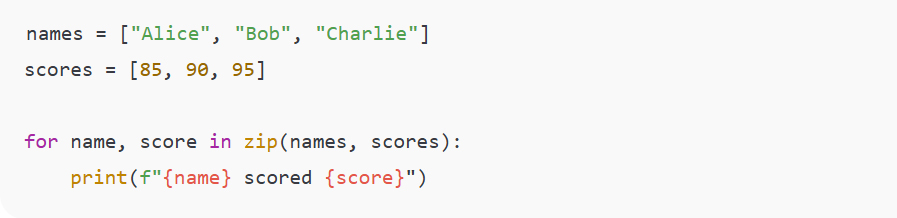
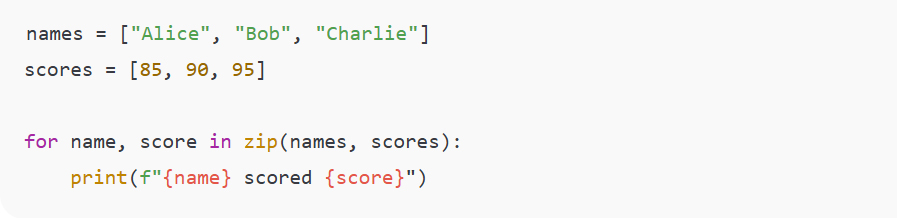
When you have two lists that should be combined, zip() does the magic.

Example:

Why it matters: Perfect for combining student names with their grades.

Advertisements

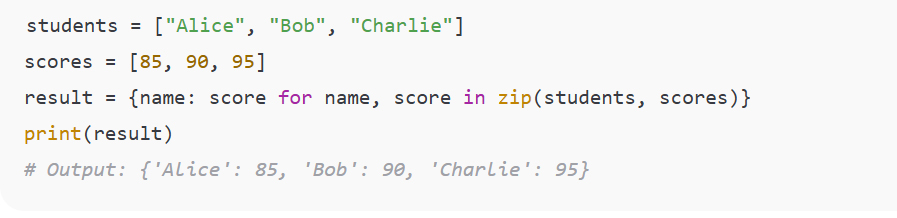
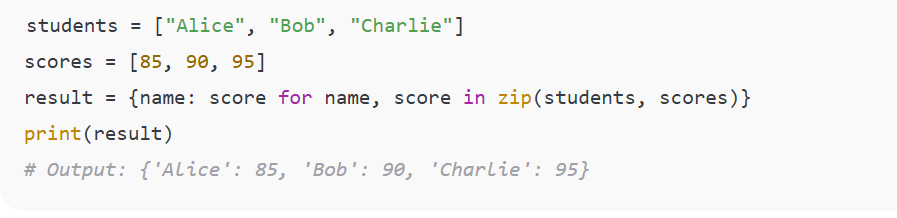
Just like list comprehensions, but for key-value pairs.

Example:

In Research: Building quick lookup tables for datasets.

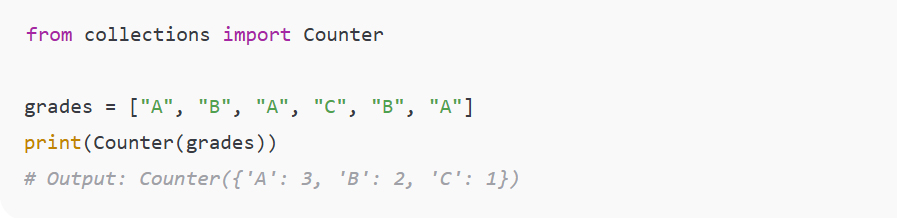
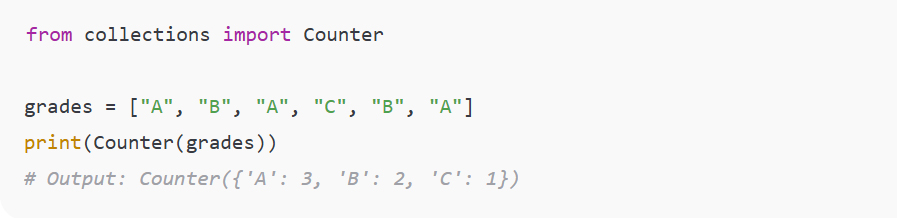
Counting items in data doesn’t need manual loops—use Counter

Example:

Why it rocks: Instantly count survey responses or repeated items in experiments.

Instead of using + or format(), f-strings keep your code clean.

Example:

College Hack: Quickly generate report summaries.

Anonymous functions can make sorting or filtering seamless.

Example:

Application: Sorting students by grades in just one line.

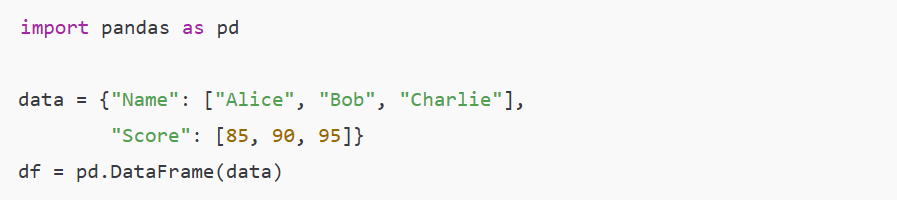
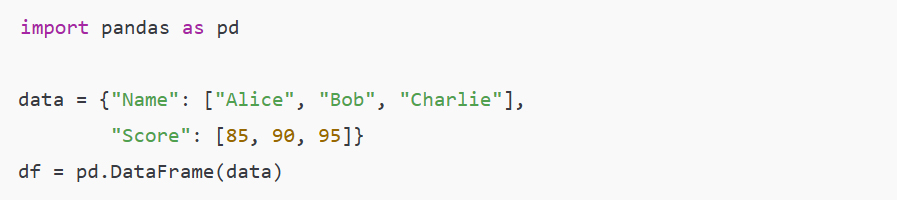
If you’re working with larger datasets, Pandas is a must.

Example:

Why it matters in college: Easy statistical calculations on survey results or lab data.

These nine tricks are not about memorizing syntax but about thinking like a Pythonic problem solver. Whether you’re cleaning messy data, analyzing exam results, or preparing datasets for machine learning, these shortcuts save time and make your work more professional.

The earlier you adopt these techniques, the more efficient and confident you’ll become in handling real-world data problems.

Advertisements

٩ حيل بيانات بايثون ينبغي على كل طالب إتقانها

Advertisements

بايثون هي اللغة التي جعلت معالجة البيانات في متناول المبتدئين والخبراء على حد سواء، ومع ذلك غالباً ما يغفل العديد من الطلاب عن حيلها الخفية – تلك الاختصارات الصغيرة والوظائف القوية التي يمكن أن توفر ساعات من العمل، سواء كنت تتعامل مع مجموعات بيانات غير منظمة أو تكتب برمجيات لواجبات أو تستعد لوظائف تعتمد على البيانات فإن معرفة هذه التقنيات يمكن أن تجعلك أكثر كفاءة وتبرز بين أقرانك

فيما يلي تسع حيل بيانات في بايثون كاملة مع الشروحات وأمثلة واقعية ستتمنى لو اكتشفتها من قبل

بدلاً من كتابة حلقات طويلة تتيح لك بايثون معالجة القوائم بأناقة

:مثال

حالة استخدام في الكلية: تصفية وتحويل درجات الامتحانات بسرعة، مثل سحب جميع الدرجات الناجحة التي تزيد عن 60 وتربيعها للتحليل

عندما تحتاج إلى كل من الفهرس والقيمة من قائمة

توفر عليك عناء كتابة عدادات يدوية enumerate() فإن دالة

: مثال

: المخرجات

لماذا يُفيدك هذا: لم يعد هناك حاجة لإنشاء عدادات منفصلة لمؤشر = ٠ في واجباتك

يُتيح لك مُعامل النجمة * الحصول على قيم متعددة في آنٍ واحد

: مثال

في التطبيق العملي: فصل أعلى درجتين في الامتحان عن البقية

Advertisements

عندما يكون لديك قائمتان يجب دمجهما

المهمة على أكمل وجه zip() تُؤدي دالة

: مثال

لماذا يُفيدك هذا: مثالي لدمج أسماء الطلاب مع درجاتهم

تماماً مثل فهم القوائم ولكن لأزواج المفتاح والقيمة

: مثال

في البحث: إنشاء جداول بحث سريعة لمجموعات البيانات

لا يحتاج عدّ العناصر في البيانات إلى حلقات يدوية – استخدم العداد

: مثال

أهميته: حساب استجابات الاستبيان أو العناصر المتكررة في التجارب فوراً

format() بدلاً من استخدام + أو

على نظافة الكود F تحافظ سلاسل

: مثال

خدعة جامعية : إنشاء ملخصات التقارير بسرعة

يمكن للدوال المجهولة أن تجعل عملية الفرز أو التصفية سلسة

: مثال

تطبيق: فرز الطلاب حسب الدرجات في سطر واحد فقط

ضروري Pandas إذا كنت تعمل مع مجموعات بيانات أكبر فإن

: مثال

أهميته في الجامعة : حسابات إحصائية سهلة لنتائج الاستبيان أو بيانات المختبر

لا تتعلق هذه الحيل التسع بحفظ قواعد اللغة بل بالتفكير كحلٍّ لمشكلات بايثونية، فسواء كنت تُنظّف بياناتٍ مُركّبة أو تُحلّل نتائج امتحانات أو تُجهّز مجموعات بيانات للتعلم الآلي فإن هذه الاختصارات تُوفّر الوقت وتُضفي على عملك طابعاً احترافياً

كلما اعتمدت هذه التقنيات مُبكراً كلما زادت كفاءتك وثقتك بنفسك في التعامل مع مشاكل البيانات الواقعية

Advertisements