Skills You Need to Become a Data Scientist in 2025

Advertisements

The data-driven era we live in makes data science one of the most attractive and future-proof careers. In 2025, the role of the data scientist has expanded beyond crunching numbers—it has become central to shaping business decisions, driving innovation, and even influencing government policies. Organizations are no longer looking for just analysts; they want professionals who can handle complex data systems, embrace artificial intelligence, and clearly translate results into actionable strategies. If you are wondering how to step into this field today, you need a clear roadmap that balances technical depth, practical projects, and future-oriented skills.

At the heart of data science lies mathematics. Concepts such as linear algebra, probability, and statistics form the backbone of nearly every model or algorithm. A solid understanding of these principles allows you to evaluate results instead of blindly trusting tools. For example, when analyzing medical data, statistical reasoning helps determine whether a correlation is real or just random. Without this foundation, you may end up with models that look impressive but produce misleading insights. In 2025, employers still prioritize this knowledge, as it ensures you are not just a tool user but also a problem solver.

While math gives you theory, programming gives you power. Python remains the dominant language, with libraries like NumPy, Pandas, and Scikit-learn forming a data scientist’s daily toolkit. R continues to be valued for advanced statistics, while SQL remains essential for querying and managing databases. Beyond coding, cloud-based platforms like AWS SageMaker, Google BigQuery, and Azure ML have become industry standards. For example, a retail company dealing with millions of customer records will expect you to pull, clean, and model data directly in the cloud. Mastering these tools makes you adaptable in diverse working environments.

In 2025, companies care less about what courses you took and more about what you can actually do. That’s why building a portfolio of projects is non-negotiable. Real-world projects—such as predicting housing prices, analyzing stock market sentiment, or developing a COVID-19 data dashboard—showcase not just technical skills but also your ability to think critically and communicate results. When hiring, managers are impressed by candidates who can walk them through a portfolio project, explaining why they made certain choices and how their work can be applied to real business challenges.

Advertisements

The best model in the world is useless if you cannot explain its results. In 2025, data scientists are increasingly judged on their ability to communicate clearly. Visualization tools such as Tableau and Power BI allow you to turn complex analyses into simple, intuitive dashboards. More importantly, you must develop the skill of storytelling—framing your findings in ways that decision-makers can act on. For instance, telling an executive team that a model has 90% accuracy is not enough; you must translate that into what it means for revenue growth, customer retention, or operational efficiency.

Artificial intelligence has transformed data science. Tools like AutoML and AI assistants now automate repetitive coding and model selection. While some fear this reduces the demand for data scientists, the reality is the opposite: it makes the role more strategic. Your job in 2025 is not to compete with AI, but to guide it, validate its outputs, and connect its insights to business objectives. Think of yourself less as a “programmer” and more as a “data strategist.” This shift means you must stay updated on the latest AI-powered workflows and learn how to use them as allies rather than competitors.

The final piece of the puzzle is community. Data science evolves too quickly to master in isolation. Joining Kaggle competitions, contributing to GitHub projects, or attending industry conferences will keep you sharp and visible. Networking often leads to opportunities that technical skills alone cannot unlock. For example, someone you collaborate with in an online hackathon might later refer you for a role in a top tech company. Continuous learning—through courses, certifications, and research—is what keeps a data scientist relevant in the long run.

Becoming a data scientist in 2025 is both challenging and rewarding. It requires you to combine strong mathematical knowledge, practical programming expertise, and hands-on project experience with the ability to tell compelling stories from data. It also means embracing AI as a partner and staying connected with the global data science community. If you commit to this journey, you’ll be preparing not just for a job, but for a career that places you at the heart of the digital revolution. Start small, stay consistent, and remember: the future belongs to those who can turn information into insight.

Advertisements

المهارات اللازمة لتصبح عالم بيانات في عام ٢٠٢٥

Advertisements

يجعل عصر البيانات الذي نعيش فيه من علم البيانات أحد أكثر المهن جاذبيةً واستعداداً للمستقبل، ففي عام ٢٠٢٥ توسّع دور عالم البيانات ليتجاوز مجرد تحليل الأرقام ليصبح محورياً في صياغة قرارات الأعمال ودفع عجلة الابتكار وحتى التأثير على السياسات الحكومية، إذ لم تعد المؤسسات تبحث عن محللين فحسب بل تريد متخصصين قادرين على التعامل مع أنظمة البيانات المعقدة وتبني الذكاء الاصطناعي وترجمة النتائج بوضوح إلى استراتيجيات عملية

إذا كنت تتساءل عن كيفية دخول هذا المجال اليوم فأنت بحاجة إلى خارطة طريق واضحة تُوازن بين العمق التقني والمشاريع العملية والمهارات المستقبلية

تكمن الرياضيات في جوهر علم البيانات، إذ تُشكل مفاهيم مثل الجبر الخطي والاحتمالات والإحصاء العمود الفقري لكل نموذج أو خوارزمية تقريباً، ويتيح لك الفهم المتين لهذه المبادئ تقييم النتائج بدلاً من الاعتماد بشكل أعمى على الأدوات، فعلى سبيل المثال: عند تحليل البيانات الطبية يُساعد الاستدلال الإحصائي في تحديد ما إذا كان الارتباط حقيقياً أم مجرد عشوائي، فبدون هذا الأساس قد ينتهي بك الأمر بنماذج تبدو مبهرة ولكنها تُقدم رؤىً مُضللة، وفي عام ٢٠٢٥ لا يزال أصحاب العمل يُعطون الأولوية لهذه المعرفة لأنها تضمن لك ليس فقط استخدام الأدوات بل أيضاً القدرة على حل المشكلات

بينما تُعطيك الرياضيات النظرية تُعطيك البرمجة القوة، إذ لا يزال بايثون هو اللغة السائدة حيث تُشكل مكتبات

NumPy و Pandas و Scikit-learn مثل

مجموعة الأدوات اليومية لعالم البيانات

تُقدر بقيمتها للإحصاءات المتقدمة R ولا تزال لغة

أساسية للاستعلام عن قواعد البيانات وإدارتها SQL بينما لا تزال

إلى جانب البرمجة أصبحت المنصات السحابية

AWS SageMaker و Google BigQuery و Azure ML مثل

معايير صناعية، فعلى سبيل المثال تتوقع منك شركة تجزئة تتعامل مع ملايين سجلات العملاء سحب البيانات وتنظيفها ونمذجتها مباشرةً في السحابة، وعليه فإن إتقان هذه الأدوات يُتيح لك القدرة على التكيف في بيئات العمل المتنوعة

مؤخراً أصبحت الشركات أقل اهتماماً بالدورات التي التحقتَ بها وأكثر اهتماماً بما يمكنك إنجازه فعلياً، ولذلك يُعدّ بناء محفظة مشاريع أمراً لا غنى عنه فالمشاريع الواقعية مثل التنبؤ بأسعار المساكن وتحليل اتجاهات سوق الأسهم أو تطوير لوحة معلومات بيانات كوفيد ١٩ لا تُظهر المهارات التقنية فحسب بل تُظهر أيضاً قدرتك على التفكير النقدي وتوصيل النتائج، وعند التوظيف يُعجب المدراء بالمرشحين الذين يستطيعون شرح مشروع المحفظة لهم وشرح أسباب اتخاذهم قرارات معينة وكيفية تطبيق عملهم على تحديات الأعمال الحقيقية

Advertisements

أفضل نموذج في العالم لا قيمة له إذا لم تتمكن من شرح نتائجه، ففي عام ٢٠٢٥ يُقيّم علماء البيانات بشكل متزايد بناءً على قدرتهم على التواصل بوضوح

Tableau و Power BI إذ تتيح لك أدوات التصور مثل

تحويل التحليلات المعقدة إلى لوحات معلومات بسيطة وسهلة الاستخدام، والأهم من ذلك يجب عليك تطوير مهارة سرد القصص – صياغة نتائجك بطرق يمكن لصانعي القرار العمل عليها، فعلى سبيل المثال: لا يكفي إخبار فريق تنفيذي بأن دقة نموذج ما تبلغ 90% بل يجب ترجمة ذلك إلى ما يعنيه ذلك لنمو الإيرادات أو الحفاظ على العملاء أو الكفاءة التشغيلية

أحدَثَ الذكاء الاصطناعي تحولاً جذرياً في علم البيانات

AutoML إذ تُؤتمت أدوات مثل

ومساعدي الذكاء الاصطناعي الآن عمليات الترميز المتكررة واختيار النماذج، وبينما يخشى البعض من أن يُقلل هذا من الطلب على علماء البيانات فإن الواقع هو عكس ذلك، فهو يجعل الدور أكثر استراتيجية، وعليه فإن وظيفتك في عام 2025 ليست منافسة الذكاء الاصطناعي بل توجيهه والتحقق من صحة مخرجاته وربط رؤاه بأهداف العمل، فكّر في نفسك أقل كـ”مبرمج” وأكثر كـ”استراتيجي بيانات”، هذا التحول يعني أنه يجب عليك البقاء على اطلاع دائم بأحدث سير العمل المدعومة بالذكاء الاصطناعي وتعلم كيفية استخدامها كحلفاء بدلاً من منافسين

الجزء الأخير من اللغز هو المجتمع، إذ يتطور علم البيانات بسرعة كبيرة جداً بحيث لا يمكن إتقانه بمعزل عن الآخرين

Kaggle فالمشاركة في مسابقات

GitHub أو المساهمة في مشاريع

أو حضور مؤتمرات الصناعة ستُبقيك متألقاً وواضحاً، فغالباً ما يُتيح لك التواصل فرصاً لا تُتاح لك بالمهارات التقنية وحدها، فعلى سبيل المثال قد يُرشّحك شخصٌ تتعاون معه في هاكاثون إلكتروني لاحقاً لوظيفة في شركة تقنية رائدة، وعليه فالتعلم المستمر من خلال الدورات والشهادات والبحث هو ما يُبقي عالم البيانات ذا صلة على المدى الطويل

يُعدّ العمل كعالم بيانات في عام ٢٠٢٥ تحدياً ومكافأة في آنٍ واحد، إذ يتطلب منك الجمع بين المعرفة الرياضية القوية والخبرة العملية في البرمجة والخبرة العملية في المشاريع والقدرة على سرد قصص مُلهمة من البيانات، كما يعني ذلك تبني الذكاء الاصطناعي كشريك والبقاء على تواصل مع مجتمع علوم البيانات العالمي، وبالالتزام بهذه الرحلة لن تُهيئ نفسك لوظيفة فحسب بل لمهنة تضعك في قلب الثورة الرقمية، ابدأ بخطوات صغيرة والتزم بالثبات وتذكر: المستقبل لمن يُحوّل المعلومات إلى رؤى

Advertisements

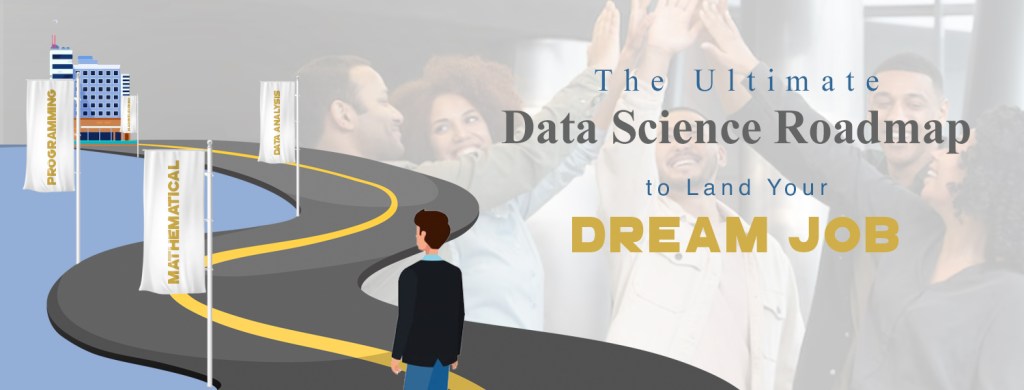
The Ultimate Data Science Roadmap to Land Your Dream Job

Advertisements

The field of data science has become one of the most sought-after career paths in today’s digital economy. With industries relying on data-driven decisions more than ever, companies are constantly searching for skilled professionals who can turn raw information into meaningful insights. Yet for newcomers, the biggest question remains: where do you start, and how do you navigate the overwhelming list of tools, concepts, and frameworks? The truth is, you don’t need to learn everything. You just need a clear, structured roadmap that leads directly to employability.

In this article, I will walk you through the only data science roadmap you need to get a job, breaking down each stage into practical, narrative-driven steps that ensure you not only learn but also position yourself as a competitive candidate.

Every strong data scientist begins with mathematics, not because you need to become a mathematician, but because the language of data is built on numbers, probability, and patterns. Concepts like linear algebra, calculus, and statistics serve as the bedrock of understanding how algorithms work and how predictions are made. For example, understanding the gradient in calculus is not about solving equations on paper, but about recognizing how optimization happens in machine learning models like gradient descent. Similarly, grasping probability helps you evaluate risks, detect biases, and interpret uncertainty in predictions. Without this foundation, you may find yourself relying blindly on libraries without ever comprehending what’s happening behind the scenes. And in interviews, recruiters often test this depth of knowledge. Think of this stage as building the grammar before you start writing in the language of data.

Once the mathematics is in place, the next step is to learn how to communicate with data effectively—and this is where programming comes in. Python has emerged as the undisputed king of data science languages, thanks to its simplicity and vast ecosystem of libraries like NumPy, Pandas, Scikit-learn, and TensorFlow. However, R also remains valuable, particularly in research and academic environments. Learning programming is not just about syntax; it is about developing problem-solving skills. Imagine being handed a messy dataset full of missing values, outliers, and inconsistent formatting. Your task as a data scientist is to clean, transform, and prepare that data so that it can tell a story. Through consistent coding practice, such as participating in Kaggle competitions or working on personal projects, you start developing an intuition for handling real-world data challenges. This hands-on experience becomes your proof of competence in job applications.

At its heart, data science is about storytelling, and visualization is the way you make data’s story come alive. Employers want to see if you can take complex, multi-dimensional datasets and simplify them into insights that decision-makers can understand. This is why mastering tools like Matplotlib, Seaborn, or Plotly is crucial. Beyond Python libraries, platforms such as Power BI or Tableau also enhance your ability to create compelling dashboards. For example, imagine presenting a sales forecast to a boardroom—numbers alone may seem abstract, but a clear line chart showing trends or a heatmap highlighting problem areas instantly resonates with the audience. The ability to visualize effectively often becomes the deciding factor in whether your work is recognized and implemented within an organization.

Advertisements

With foundations in mathematics, programming, and visualization established, the next step is venturing into machine learning. This is where theory meets practice, and you begin to teach machines how to make decisions. Start with supervised learning methods such as linear regression, logistic regression, and decision trees, then gradually move into more advanced algorithms like random forests, gradient boosting, and support vector machines. From there, unsupervised learning methods like clustering or dimensionality reduction broaden your perspective. What matters most is not memorizing formulas but understanding the intuition behind each algorithm—why you would use it, what kind of data it works best with, and how to evaluate its performance using metrics like accuracy, precision, or recall. Recruiters often focus on your ability to explain machine learning concepts in plain language, which shows that you don’t just “know” the algorithm but truly understand it.

No matter how many courses you complete or how many books you read, employers ultimately look for proof of application. This is where projects become the centerpiece of your roadmap. Start with small, guided projects like predicting housing prices or analyzing customer churn, then move toward larger, end-to-end case studies. For instance, you could build a sentiment analysis model for social media data or create a recommendation system similar to what Netflix or Amazon uses. Beyond showcasing your technical ability, projects demonstrate initiative and creativity. The key is to document your work on platforms like GitHub and share your learning journey on LinkedIn or personal blogs. In today’s job market, recruiters often review your portfolio before they even invite you for an interview, and a strong collection of projects can significantly set you apart.

The final step in the roadmap is translating all your skills into employability. This means learning how to craft a resume that highlights not just your technical tools but also the impact of your projects. Instead of listing “Python, Pandas, Scikit-learn,” focus on what you achieved with them, such as “Developed a machine learning model that improved prediction accuracy by 15%.” Equally important is preparing for interviews, which often include both technical tests and behavioral questions. You might be asked to code live, solve case studies, or explain your approach to a data problem. Beyond the technical side, employers want to know if you can communicate with non-technical teams, adapt quickly, and think critically under pressure. Networking also plays a huge role—attending meetups, joining online communities, and seeking mentorship can open doors to opportunities you wouldn’t find on job boards.

The journey to becoming a data scientist may appear overwhelming at first glance, but with the right roadmap, it becomes a structured and achievable process. Start with building your mathematical foundation, then progress into programming, analysis, machine learning, and projects, before finally polishing your professional profile for the job market. Remember, the goal is not to learn everything at once but to follow a step-by-step path that steadily builds both competence and confidence. Employers are not just looking for people who know the tools—they want problem-solvers, storytellers, and innovators who can bring data to life. Follow this roadmap with persistence, and you will not only become job-ready but also set yourself on the path toward a rewarding career in data science.

Advertisements

خارطة الطريق المثالية لعلم البيانات لتحقيق وظيفة أحلامك

Advertisements

أصبح مجال علم البيانات من أكثر المسارات المهنية رواجاً في الاقتصاد الرقمي اليوم، ومع اعتماد القطاعات على القرارات القائمة على البيانات أكثر من أي وقت مضى تبحث الشركات باستمرار عن متخصصين مهرة قادرين على تحويل المعلومات الخام إلى رؤى قيّمة، ومع ذلك يبقى السؤال الأهم بالنسبة للمبتدئين: من أين تبدأ وكيف تتعامل مع القائمة الهائلة من الأدوات والمفاهيم والأطر؟ في الحقيقة لستَ بحاجة إلى تعلم كل شيء، كل ما تحتاجه هو خارطة طريق واضحة ومنظمة تُفضي مباشرةً إلى فرص التوظيف

وفي هذه المقالة سأشرح لك خارطة الطريق الوحيدة التي تحتاجها في علم البيانات للحصول على وظيفة مُقسّماً كل مرحلة إلى خطوات عملية مبنية على سرد قصصي تضمن لك ليس فقط التعلم بل أيضاً وضع نفسك كمرشح تنافسي

يبدأ كل عالِم بيانات قوي بالرياضيات ليس لأنك بحاجة إلى أن تصبح عالم رياضيات ولكن لأن لغة البيانات مبنية على الأرقام والاحتمالات والأنماط، إذ تُشكّل مفاهيم مثل الجبر الخطي وحساب التفاضل والتكامل والإحصاء أساساً لفهم كيفية عمل الخوارزميات وكيفية التنبؤ، فعلى سبيل المثال لا يقتصر فهم التدرج في حساب التفاضل والتكامل على حل المعادلات على الورق بل يشمل إدراك كيفية حدوث التحسين في نماذج التعلم الآلي مثل انحدار التدرج،  وبالمثل يُساعدك فهم الاحتمالات على تقييم المخاطر واكتشاف التحيزات وتفسير عدم اليقين في التنبؤات، فبدون هذا الأساس قد تجد نفسك تعتمد بشكل أعمى على المكتبات دون فهم ما يحدث خلف الكواليس، وفي المقابلات غالباً ما يختبر مسؤولو التوظيف هذا العمق من المعرفة، تخيّل هذه المرحلة كبناء القواعد قبل البدء في الكتابة بلغة البيانات

بمجرد إتقان الرياضيات فإن الخطوة التالية هي تعلم كيفية التواصل مع البيانات بفعالية وهنا يأتي دور البرمجة،  برزت بايثون كملكة لغات علم البيانات بلا منازع بفضل بساطتها ونطاقها الواسع من المكتبات

NumPy و Pandas و Scikit-learn و TensorFlow مثل

قيّمة R ومع ذلك لا تزال لغة

لا سيما في البيئات البحثية والأكاديمية،  تعلّم البرمجة لا يقتصر على بناء الجملة فحسب بل يشمل أيضاً تطوير مهارات حل المشكلات، فتخيّل أنك تُسلّم مجموعة بيانات مُربكة مليئة بالقيم الناقصة والقيم الشاذة والتنسيق غير المتسق، مهمتك كعالِم بيانات هي تنظيف هذه البيانات وتحويلها وتجهيزها بحيث تُمكّنك من سرد قصة، إذاً من خلال ممارسة البرمجة بانتظام

Kaggle مثل المشاركة في مسابقات

أو العمل على مشاريع شخصية تبدأ في تطوير حدسك للتعامل مع تحديات البيانات الواقعية  تُصبح هذه التجربة العملية دليلاً على كفاءتك في طلبات التوظيف

في جوهره يتمحور علم البيانات حول سرد القصص والتصور هو الطريقة التي تُضفي بها الحيوية على قصة البيانات، إذ يرغب أصحاب العمل في معرفة ما إذا كان بإمكانك استخدام مجموعات البيانات المعقدة ومتعددة الأبعاد وتبسيطها إلى رؤى يمكن لصانعي القرار فهمها، ولهذا السبب

Plotly أو Seaborn أو Matplotlib يُعدّ إتقان أدوات مثل

أمراً بالغ الأهمية

Tableau أو Power BI إلى جانب مكتبات بايثون تُعزز منصات مثل

قدرتك على إنشاء لوحات معلومات جذابة، وعلى سبيل المثال تخيّل عرض توقعات مبيعات أمام مجلس إدارة قد تبدو الأرقام وحدها مجردة لكن مخططاً خطياً واضحاً يُظهر الاتجاهات أو خريطة حرارية تُبرز مواطن الخلل تلقى صدى فورياً لدى الجمهور، وعليه غالباً ما تُصبح القدرة على التصور الفعّال العامل الحاسم في تقدير عملك وتطبيقه داخل المؤسسة

Advertisements

بعد إرساء أسس الرياضيات والبرمجة والتصور تأتي الخطوة التالية وهي الانغماس في التعلم الآلي، وهنا تلتقي النظرية بالتطبيق وتبدأ بتعليم الآلات كيفية اتخاذ القرارات، لذا ابدأ بأساليب التعلم المُشرف مثل الانحدار الخطي والانحدار اللوجستي وأشجار القرار ثم انتقل تدريجياً إلى خوارزميات أكثر تقدماً مثل الغابات العشوائية وتعزيز التدرج وآلات المتجهات الداعمة، من هنا تُوسّع أساليب التعلم غير المُشرف مثل التجميع أو تقليل الأبعاد آفاقك، وتذكر دائماً الأهم ليس حفظ الصيغ بل فهم جوهر كل خوارزمية أي سبب استخدامها ونوع البيانات التي تعمل معها بشكل أفضل وكيفية تقييم أدائها باستخدام مقاييس مثل الدقة والإتقان والتذكر، فغالباً ما يركز مسؤولو التوظيف على قدرتك على شرح مفاهيم التعلم الآلي بلغة واضحة مما يدل على أنك لا “تعرف” الخوارزمية فحسب بل تفهمها فهماً حقيقياً

بغض النظر عن عدد الدورات التي تُكملها أو عدد الكتب التي تقرأها يبحث أصحاب العمل في النهاية عن دليل على طلبك للوظيفة، وهنا تصبح المشاريع محور خارطة طريقك، لذا ابدأ بمشاريع صغيرة وموجهة مثل التنبؤ بأسعار المساكن أو تحليل معدل فقدان العملاء ثم انتقل إلى دراسات حالة أكبر وأكثر شمولية، فعلى سبيل المثال يمكنك بناء نموذج لتحليل المشاعر لبيانات وسائل التواصل الاجتماعي أو إنشاء نظام توصيات مشابه لما تستخدمه نتفليكس أو أمازون، إلى جانب إبراز قدراتك التقنية تُظهر المشاريع روح المبادرة والإبداع

GitHub ويكمن السر في توثيق عملك على منصات مثل

LinkedIn ومشاركة رحلة التعلم الخاصة بك على

أو المدونات الشخصية، ففي سوق العمل اليوم غالباً ما يُراجع مسؤولو التوظيف ملف أعمالك قبل دعوتك لإجراء مقابلة ويمكن لمجموعة قوية من المشاريع أن تُميزك بشكل كبير

الخطوة الأخيرة في خارطة الطريق هي ترجمة جميع مهاراتك إلى فرص عمل، وهذا يعني تعلم كيفية صياغة سيرة ذاتية تُبرز ليس فقط أدواتك التقنية ولكن أيضاً تأثير مشاريعك، فبدلاً من ذكر “بايثون، باندا، سكيت ليرن”، ركّز على ما حققته باستخدامها مثل “طوّرت نموذج تعلّم آلي حسّن دقة التنبؤ بنسبة 15%”، ولا يقلّ أهميةً التحضير للمقابلات والتي غالباً ما تشمل اختبارات تقنية وأسئلة سلوكية، قد يُطلب منك البرمجة مباشرةً أو حلّ دراسات حالة  أو شرح منهجك في حل مشكلة بيانات، إضافة إلى الجانب التقني يرغب أصحاب العمل بمعرفة قدرتك على التواصل مع الفرق غير التقنية والتكيّف بسرعة والتفكير النقدي تحت الضغط، كما يلعب التواصل دوراً هاماً – فحضور اللقاءات والانضمام إلى المجتمعات الإلكترونية والبحث عن الإرشاد كلها عوامل تفتح لك آفاقاً جديدة لفرص عمل لم تكن لتجدها في مواقع التوظيف

قد تبدو رحلة التحول إلى عالم بيانات شاقة للوهلة الأولى ولكن مع خارطة الطريق الصحيحة تصبح عملية منظمة وقابلة للتحقيق، لذا ابدأ ببناء أساسك الرياضي ثم تقدّم نحو البرمجة والتحليل والتعلّم الآلي والمشاريع قبل أن تُحسّن ملفك المهني لسوق العمل، تذكر أن الهدف ليس تعلم كل شيء دفعةً واحدة بل اتباع مسار تدريجي يبني الكفاءة والثقة بالنفس باستمرار، إذ لا يبحث أصحاب العمل فقط عن أشخاص يجيدون استخدام الأدوات بل يريدون من يجيد حل المشاكل ويروي القصص، ومبتكرين قادرين على تجسيد البيانات، لذا اتبع هذه الخارطة بإصرار ولن تصبح جاهزاً للوظيفة فحسب بل ستضع نفسك أيضاً على الطريق نحو مهنة مجزية في مجال علوم البيانات

Advertisements

From Raw Data to Model Input: How to Design Effective Data Pipelines

Advertisements

A data pipeline is a structured workflow that transports raw data from multiple sources (databases, APIs, logs, IoT sensors, etc.) through a sequence of processes such as cleaning, transformation, feature extraction, and storage before feeding it into machine learning models. Unlike ad-hoc scripts, pipelines are automated, repeatable, and scalable—ensuring consistent results over time.

Real-life example: Imagine a fraud detection system at a bank. Every transaction stream needs to be captured in real-time, validated, enriched with customer history, and transformed into numerical features that a model can understand. Without a pipeline, data would be chaotic and models would fail.

Designing a robust ML pipeline involves breaking it into logical components, each handling a specific responsibility.

  1. Data Ingestion – The entry point of data from structured (SQL databases) or unstructured sources (social media feeds, images).
  2. Data Storage – Raw data is stored in data lakes (e.g., AWS S3, Hadoop) or structured warehouses (e.g., Snowflake, BigQuery).
  3. Data Processing & Transformation – Cleaning, normalizing, and feature engineering using frameworks like Apache Spark or Pandas.
  4. Feature Store – A centralized repository to manage and serve features consistently across training and inference.
  5. Model Serving Layer – Once trained, models consume data from the pipeline for real-time predictions.
  6. Monitoring & Logging – Ensures pipeline stability, detects anomalies, and triggers alerts when failures occur.

Here’s a simple conceptual diagram of the flow:

[ Data Sources ] ---> [ Ingestion Layer ] ---> [ Storage ] ---> [ Processing & Transformation ] ---> [ Feature Store ] ---> [ ML Model ] ---> [ Predictions ]

This modular architecture ensures flexibility: you can swap out technologies at each stage (e.g., Kafka for ingestion, Spark for processing) without breaking the pipeline.

Not all machine learning applications require the same data speed. Choosing between batch and streaming pipelines is a crucial design decision.

  • Batch Pipelines: Data is processed in chunks at scheduled intervals (daily, weekly). Example: an e-commerce company analyzing customer purchase data every night to update recommendation models.
  • Streaming Pipelines: Data is processed continuously in real-time. Example: ride-hailing apps (like Uber) that use live GPS signals to predict ETAs.

Hybrid architectures often combine both—batch pipelines for historical insights and streaming for instant responses.

Advertisements
  1. Automation First – Manual steps increase error probability. Automate ingestion, validation, and monitoring.
  2. Data Quality Gates – Validate data at every stage (e.g., schema checks, missing value detection).
  3. Scalability – Use distributed processing frameworks (Spark, Flink) for large datasets.
  4. Reusability & Modularity – Build pipelines as reusable blocks (ETL, feature extraction).
  5. Versioning – Track versions of both datasets and models to ensure reproducibility.
  6. Security & Compliance – Protect sensitive data (especially in healthcare or finance).

A factory wants to predict machine failures using sensor data.

  • Ingestion: IoT devices stream data to Kafka.
  • Storage: Raw sensor logs land in a cloud data lake.
  • Processing: Spark cleans noisy readings and aggregates features like “average vibration per minute.”
  • Feature Store: Derived metrics are stored for both training and real-time inference.
  • Model Deployment: A classification model predicts failure probability, sending alerts to engineers.

This pipeline reduces downtime and saves costs by enabling preventive action.

[ IoT Sensors ] --> [ Kafka Stream ] --> [ Data Lake ] --> [ Spark Processing ] --> [ Feature Store ] --> [ ML Model API ] --> [ Maintenance Alerts ]

Designing a data pipeline for machine learning is not just about moving data—it is about engineering trust in the data lifecycle. A well-structured pipeline ensures that models receive clean, timely, and relevant inputs, thereby improving their accuracy and reliability. Whether it’s batch or streaming, the key lies in building modular, automated, and scalable architectures. For organizations investing in AI, strong pipelines are the invisible backbone of their success.

Advertisements

من البيانات الخام إلى مدخلات النموذج: كيفية تصميم خطوط أنابيب بيانات فعّالة

Advertisements

خط أنابيب البيانات هو سير عمل مُنظّم ينقل البيانات الخام من مصادر متعددة (قواعد البيانات، واجهات برمجة التطبيقات، السجلات، أجهزة استشعار إنترنت الأشياء، إلخ) عبر سلسلة من العمليات مثل التنظيف والتحويل واستخراج الميزات والتخزين قبل إدخالها في نماذج التعلم الآلي، فعلى عكس البرامج النصية المخصصة تتميز خطوط الأنابيب بالأتمتة والتكرار والقابلية للتطوير مما يضمن نتائج متسقة مع مرور الوقت

مثال: تخيّل نظاماً للكشف عن الاحتيال في أحد البنوك، يجب التقاط كل تدفق من المعاملات في الوقت الفعلي والتحقق من صحته وإثرائه بسجلات العملاء وتحويله إلى خصائص رقمية يمكن للنموذج فهمها، إذاً بدون خط أنابيب ستكون البيانات فوضوية وستفشل النماذج

يتضمن تصميم خط أنابيب قوي للتعلم الآلي تقسيمه إلى مكونات منطقية كل منها يتعامل مع مسؤولية محددة

١. استيعاب البيانات : نقطة إدخال البيانات من مصادر مُهيكلة

أو غير مُهيكلة SQL مثل قواعد بيانات

مثل موجزات وسائل التواصل الاجتماعي والصور

٢. تخزين البيانات : تخزن البيانات الخام في بحيرات بيانات

Hadoop و AWS S3 :مثل

BigQuery و Snowflake :ومستودعات مهيكلة، مثل

٣. معالجة البيانات وتحويلها : التنظيف وهندسة الميزات

Pandas أو Apache Spark باستخدام أطر عمل مثل

٤. مخزن الميزات : مستودع مركزي لإدارة الميزات وتقديمها باستمرار عبر التدريب والاستدلال

٥. طبقة تقديم النماذج : بمجرد تدريبها تستهلك النماذج البيانات من خط الأنابيب للتنبؤات في الوقت الفعلي

٦. المراقبة والتسجيل : يضمن استقرار خط الأنابيب ويكتشف أي تشوهات ويُطلق تنبيهات عند حدوث أعطال

فيما يلي مخطط مفاهيمي بسيط للتدفق

[ Data Sources ] ---> [ Ingestion Layer ] ---> [ Storage ] ---> [ Processing & Transformation ] ---> [ Feature Store ] ---> [ ML Model ] ---> [ Predictions ]

تضمن هذه البنية المعيارية المرونة: يمكنك تبديل التقنيات في كل مرحلة

للمعالجة Spark للاستيعاب و Kafka : مثل

دون تعطيل خط الأنابيب

Advertisements

لا تتطلب جميع تطبيقات التعلم الآلي نفس سرعة البيانات، إذ يُعد الاختيار بين خطوط أنابيب الدفعات والتدفق قراراً تصميمياً حاسماً

خطوط أنابيب الدفعات: تُعالج البيانات في مجموعات على فترات زمنية مجدولة (يومياً، أسبوعياً)، فعلى سبيل مثال: شركة تجارة إلكترونية تُحلل بيانات مشتريات العملاء كل ليلة لتحديث نماذج التوصيات

خطوط أنابيب التدفق: تُعالج البيانات باستمرار وفي الوقت الفعلي، ومثالاً على ذلك: تطبيقات حجز السيارات (مثل أوبر)

GPS التي تستخدم إشارات

المباشرة للتنبؤ بوقت الوصول المتوقع

غالباً ما تجمع البنى الهجينة بين الاثنين : خطوط أنابيب الدفعات للرؤى التاريخية والتدفق للاستجابات الفورية

الأتمتة أولاً : الخطوات اليدوية تزيد من احتمالية الخطأ، لذا يوصى بأتمتة عمليات الاستيعاب والتحقق والمراقبة *

بوابات جودة البيانات : التحقق من صحة البيانات في كل مرحلة (مثل: فحص المخططات واكتشاف القيم المفقودة) *

(Spark وFlink) قابلية التوسع : استخدام أطر المعالجة الموزعة *

لمجموعات البيانات الكبيرة

إعادة الاستخدام والتركيبية : بناء خطوط الأنابيب ككتل قابلة لإعادة الاستخدام (استخراج وتحويل وتحميل البيانات، واستخراج الميزات)

إدارة الإصدارات : تتبع إصدارات كل من مجموعات البيانات والنماذج لضمان إمكانية إعادة الإنتاج *

الأمان والامتثال : حماية البيانات الحساسة (خاصةً في مجال الرعاية الصحية أو التمويل) *

يرغب مصنع في التنبؤ بأعطال الآلات باستخدام بيانات المستشعر

Kafka الاستيعاب : تُرسل أجهزة إنترنت الأشياء البيانات إلى *

التخزين : تُحفظ سجلات المستشعر الخام في بحيرة بيانات سحابية *

القراءات غير المرغوب فيها Spark المعالجة : يُنظف *

” ويُجمّع ميزات مثل “متوسط ​​الاهتزاز في الدقيقة

مخزن الميزات : تُخزَّن المقاييس المُشتقة للتدريب والاستدلال الفوري *

نشر النموذج : يتنبأ نموذج التصنيف باحتمالية الأعطال ويرسل تنبيهات إلى المهندسين *

يُقلِّل هذا الخط من وقت التوقف عن العمل ويُوفِّر التكاليف من خلال تمكين الإجراءات الوقائية

[ IoT Sensors ] --> [ Kafka Stream ] --> [ Data Lake ] --> [ Spark Processing ] --> [ Feature Store ] --> [ ML Model API ] --> [ Maintenance Alerts ]

لا يقتصر تصميم خط أنابيب بيانات للتعلم الآلي على نقل البيانات فحسب بل يشمل أيضاً بناء الثقة الهندسية في دورة حياة البيانات، يضمن خط الأنابيب المُنظَّم جيداً تلقي النماذج لمدخلات دقيقة وفي الوقت المناسب وذات صلة مما يُحسِّن دقتها وموثوقيتها، سواءً كان ذلك بنظام الدفعات أو البث يكمن السر في بناء هياكل معيارية وآلية وقابلة للتطوير، فبالنسبة للمؤسسات التي تستثمر في الذكاء الاصطناعي تُشكِّل خطوط الأنابيب القوية العمود الفقري غير المرئي لنجاحها

Advertisements

The Secret AI Stack of the World’s Best Data Analysts

Advertisements

In the rapidly evolving world of data analytics, the difference between an average analyst and one in the top 1% often comes down to the tools they use. While many professionals still rely heavily on spreadsheets and basic dashboards, the elite class of analysts integrates artificial intelligence into their workflow. These tools allow them to move faster, uncover patterns others miss, and tell compelling stories with data. What separates them from the rest is not only their skill set but also their ability to harness AI as an extension of their expertise.

ChatGPT has quickly become the quiet partner of many top analysts. Beyond its obvious role as a conversational AI, it functions as a code assistant, a research aide, and even a data storytelling companion. Instead of spending hours debugging SQL queries or rewriting Python scripts, analysts turn to ChatGPT to speed up technical tasks. Even more importantly, it helps explain statistical concepts in clear, client-friendly language, turning complicated findings into digestible insights. A financial analyst, for example, may rely on ChatGPT to reformat client reports instantly, saving hours that would have been spent manually editing.

Microsoft’s Power BI has long been a cornerstone of business intelligence, but with the integration of Copilot, it has transformed into something even more powerful. Analysts now rely on Copilot to generate DAX formulas from plain English prompts, summarize entire dashboards, and automatically provide executive-ready insights. Instead of creating static reports, elite analysts craft data stories that speak directly to decision-makers. Copilot doesn’t just make the process faster—it makes it smarter, empowering analysts to focus on interpretation rather than technical execution.

Tableau has always excelled in visualization, but when combined with Einstein AI, it offers predictive capabilities that make analysts stand out. Elite professionals use it not only to present data beautifully but also to forecast trends, detect anomalies, and run natural language queries without writing a single line of code. A marketing analyst, for instance, may ask Tableau’s AI to predict customer churn, receiving accurate forecasts that once required complex modeling. This ability to blend visualization with prediction is what makes Tableau a secret weapon for top analysts.

While building machine learning models used to be the domain of data scientists, tools like DataRobot have democratized the process. The world’s top analysts use it to rapidly build, test, and deploy predictive models without sacrificing accuracy. What makes DataRobot essential is not just automation, but also explainability—it helps analysts understand and communicate how the model works. This transparency is crucial when executives ask, “Why does the model recommend this decision?” With DataRobot, analysts can provide both speed and clarity.

Advertisements

Data is not always structured, and some of the richest insights come from unstructured text such as customer reviews, survey responses, and support tickets. This is where MonkeyLearn proves indispensable. Elite analysts use it to extract keywords, classify topics, and perform sentiment analysis in minutes. Instead of manually coding NLP models, they rely on MonkeyLearn’s AI-driven automation to unlock meaning from text-heavy datasets. A company looking to understand thousands of customer complaints can gain actionable insights almost instantly, something that would otherwise take weeks of manual work.

For analysts dealing with large and messy datasets, Alteryx is a game-changer. Its AI-powered workflow automation allows analysts to clean, prepare, and analyze data with drag-and-drop ease. But what makes it invaluable to top professionals is its ability to integrate predictive analytics directly into workflows. Elite analysts use Alteryx not just to save time, but to build smart, repeatable processes that scale. This frees them to focus on higher-level thinking—finding the “why” behind the numbers instead of wrestling with raw data.

When it comes to enterprise-scale analytics, Google Cloud’s Vertex AI is the tool of choice for the top tier of analysts. It allows them to train and deploy machine learning models at scale, integrate pre-trained APIs for natural language processing and computer vision, and connect seamlessly with BigQuery to analyze massive datasets. For a retail analyst managing thousands of SKUs across multiple markets, Vertex AI provides demand forecasting that is both powerful and precise. The ability to scale AI across global datasets is what makes this platform indispensable for the elite.

The difference between a good analyst and a world-class one often comes down to how effectively they integrate AI into their daily work. The top 1% are not just skilled in analysis—they are skilled in choosing the right tools. ChatGPT helps them work faster, Power BI Copilot and Tableau Einstein allow them to tell richer stories, DataRobot accelerates machine learning, MonkeyLearn unlocks text data, Alteryx streamlines workflows, and Vertex AI delivers enterprise-level scale. Together, these tools give analysts a competitive edge that turns raw data into strategic power. If you want to step into the ranks of the top 1%, these are the tools to master today.

Advertisements

أدوات الذكاء الاصطناعي لنخبة محللي البيانات في العالم

Advertisements

مقدمة

في عالم تحليلات البيانات سريع التطور غالباً ما يكمن الفرق بين المحلل التقليدي والمحلل المصنف من بين أفضل 1% في الأدوات التي يستخدمونها، فبينما لا يزال العديد من المحترفين يعتمدون بشكل كبير على جداول البيانات ولوحات المعلومات الأساسية تُدمج النخبة من المحللين الذكاء الاصطناعي في سير عملهم، بحيث تُمكّنهم هذه الأدوات من العمل بشكل أسرع واكتشاف الأنماط التي يغفل عنها الآخرون وسرد قصص مُقنعة باستخدام البيانات، ما يميزهم عن غيرهم ليس فقط مهاراتهم بل أيضاً قدرتهم على تسخير الذكاء الاصطناعي كامتداد لخبرتهم

الشريك الأمثل للعديد من كبار المحللين ChatGPT سرعان ما أصبح

فبالإضافة إلى دوره الواضح كذكاء اصطناعي مُحادث

كمساعد برمجي ومساعد بحثي ChatGPT يعمل

وحتى رفيق في سرد ​​قصص البيانات

SQL فبدلاً من قضاء ساعات في تصحيح أخطاء استعلامات

Python أو إعادة كتابة نصوص

لتسريع المهام التقنية ChatGPT يلجأ المحللون إلى

والأهم من ذلك أنه يُساعد في شرح المفاهيم الإحصائية بلغة واضحة وسهلة الفهم مما يُحوّل النتائج المعقدة إلى رؤى واضحة

ChatGPT فعلى سبيل المثال قد يعتمد المحلل المالي على

لإعادة تنسيق تقارير العملاء فوراً مما يوفر ساعات كان من الممكن قضاؤها في التحرير اليدوي

Power BI لطالما كان

من مايكروسوفت حجر الزاوية في استخبارات الأعمال

أصبح أكثر فعالية Copilot ولكن مع دمج

DAX لإنشاء صيغ Copilot يعتمد المحللون الآن على

من خلال مطالبات بسيطة وتلخيص لوحات معلومات كاملة وتقديم رؤى جاهزة للتنفيذيين تلقائياً، فبدلاً من إنشاء تقارير ثابتة يصمم المحللون المتميزون قصص بيانات تخاطب صانعي القرار مباشرةً

على تسريع العملية Copilot ولا يقتصر دور

فحسب بل يجعلها أكثر ذكاءً مما يُمكّن المحللين من التركيز على التفسير بدلاً من التنفيذ الفني

في مجال التصور Tableau لطالما تميز

فإنه يوفر قدرات تنبؤية Einstein AI ولكن عند دمجه مع

تجعل المحللين متميزين، إذ يستخدمه نخبة المحترفين ليس فقط لعرض البيانات بشكل جميل بل أيضاً للتنبؤ بالاتجاهات واكتشاف الشذوذ وتشغيل استعلامات اللغة الطبيعية دون الحاجة لكتابة سطر واحد من التعليمات البرمجية، وعلى سبيل المثال قد يطلب محلل تسويق

Tableau من الذكاء الاصطناعي في

التنبؤ بمعدل فقدان العملاء ليحصل على توقعات دقيقة كانت تتطلب في السابق نمذجة معقدة

Tableau هذه القدرة على دمج التصور مع التنبؤ هي ما يجعل

سلاحاً سرياً لكبار المحللين

Advertisements

في حين كان بناء نماذج التعلم الآلي حكراً على علماء البيانات

DataRobot إلا أن أدوات مثل

جعلت العملية أكثر سهولة، بحيث يستخدمه كبار المحللين في العالم لبناء نماذج تنبؤية واختبارها ونشرها بسرعة دون التضحية بالدقة

أساسياً ليس الأتمتة فحسب بل أيضاً سهولة الشرح DataRobot ما يجعل

( فهو يساعد المحللين على فهم كيفية عمل النموذج والتواصل معه )

وتُعد هذه الشفافية أمراً بالغ الأهمية عندما يسأل المدراء التنفيذيون: ” لماذا يوصي النموذج بهذا القرار”؟

يمكن للمحللين توفير السرعة والوضوح DataRobot مع

البيانات ليست دائماً منظمة وتأتي بعض أغنى الرؤى من نصوص غير منظمة مثل تقييمات العملاء وردود الاستبيانات وتذاكر الدعم

MonkeyLearn وهنا تبرز أهمية

إذ يستخدمه محللون محترفون لاستخراج الكلمات المفتاحية وتصنيف المواضيع وإجراء تحليلات المشاعر في دقائق، فبدلاً من برمجة نماذج معالجة اللغة الطبيعية يدوياً

المدعومة بالذكاء الاصطناعي MonkeyLearn يعتمدون على أتمتة

لاستخلاص المعنى من مجموعات البيانات الغنية بالنصوص، إذ يمكن للشركة التي تسعى لفهم آلاف شكاوى العملاء الحصول على رؤى عملية على الفور تقريباً وهو أمر قد يستغرق أسابيع من العمل اليدوي

بالنسبة للمحللين الذين يتعاملون مع مجموعات بيانات كبيرة ومعقدة

أداةً ثورية Alteryx يُعد

إذ تتيح أتمتة سير العمل المدعومة بالذكاء الاصطناعي للمحللين تنظيف البيانات وإعدادها وتحليلها بسهولة السحب والإفلات، لكن ما يجعله لا يُقدّر بثمن بالنسبة لكبار المهنيين هو قدرته على دمج التحليلات التنبؤية مباشرةً في سير العمل، وعليه يستخدم المحللون المتميزون هذه الأداة ليس فقط لتوفير الوقت فحسب بل لبناء عمليات ذكية وقابلة للتكرار وقابلة للتوسع، وهذا يُتيح لهم التركيز على التفكير على مستوى أعلى إيجاد “السبب” وراء الأرقام بدلاً من التعامل مع البيانات الخام

عندما يتعلق الأمر بالتحليلات على مستوى المؤسسات

Google Cloud من Vertex AI يُعد

الأداة المُفضلة لكبار المحللين، فهو يُمكّنهم من تدريب ونشر نماذج التعلم الآلي على نطاق واسع ودمج واجهات برمجة التطبيقات المُدربة مسبقاً لمعالجة اللغة الطبيعية والرؤية الحاسوبية

لتحليل مجموعات البيانات الضخمة BigQuery والاتصال بسلاسة مع

إذاً بالنسبة لمحللي التجزئة

(SKUs) الذين يُديرون آلاف وحدات التخزين

Vertex AI عبر أسواق مُتعددة يُوفر

تنبؤات قوية ودقيقة بالطلب

إن القدرة على توسيع نطاق الذكاء الاصطناعي عبر مجموعات البيانات العالمية هي ما يجعل هذه المنصة لا غنى عنها للنخبة

غالباً ما يكمن الفرق بين محلل جيد ومحلل عالمي المستوى في مدى فعالية دمج الذكاء الاصطناعي في عملهم اليومي، إذ لا يقتصر تفوق الـ 1% على مهارة التحليل فحسب بل يتعداه إلى مهارة اختيار الأدوات المناسبة

على العمل بشكل أسرع ChatGPT يساعدهم

Tableau Einstein و Power BI Copilot ويتيح لهم

سرد قصص أكثر ثراءً

التعلم الآلي DataRobot ويُسرّع

تحليل البيانات النصية MonkeyLearn ويُتيح

سير العمل Alteryx ويُبسط

Vertex AI ويُتيح

توسعاً على مستوى المؤسسات، تمنح هذه الأدوات مجتمعةً المحللين ميزة تنافسية تُحوّل البيانات الخام إلى قوة استراتيجية، إذا كنت ترغب في الانضمام إلى صفوف الـ 1% فهذه هي الأدوات التي يجب إتقانها اليوم

Advertisements