As a Python developer, I used to pride myself on writing everything from scratch. Whether it was a quick script to clean a dataset or a complex automation workflow, I found joy in crafting each line of code myself. But over time, I realized that reinvention isn’t always smart — especially when the Python ecosystem offers libraries so powerful and polished, they simply outshine any homegrown solution. Here are the eight libraries that made me retire my own scripts.
1. Pandas– My Go-To Data Wrangler
I used to write long, clunky loops to clean and manipulate CSV files. Then I discovered Pandas. With one-liners like df.dropna() or df.groupby(), I was doing in seconds what used to take hours. Whether I’m merging datasets or reshaping tables, Pandas has become my Swiss Army knife for data.
Before Pandas: 50 lines of nested loops After Pandas: 3 lines of elegance
2. BeautifulSoup – No More Manual HTML Parsing
Scraping the web used to be a nightmare of regex and fragile string manipulation. BeautifulSoup changed that. With its intuitive syntax, parsing HTML and XML now feels like reading a book. I stopped worrying about malformed tags and started focusing on insights.
That one line replaced dozens of lines of messy parsing logic.
3. Requests – The End of urllib Torture
Ever tried to use urllib.request? I did — once. Then I met Requests. It made HTTP calls human-friendly. With simple methods like .get() and .post(), Requests reads like plain English. I no longer need to wrestle with headers, sessions, or cookies on my own.
It just works. Every time.
4. Typer – Command-Line Interfaces Without the Pain
For CLI tools, I used to rely on argparse. It worked, but the syntax was verbose. Typer changed my world. Built on top of Click, it lets me build rich CLI apps using Python type hints. It’s intuitive, readable, and scalable — even for complex tools.
With Typer, I shipped tools 3x faster.
Advertisements
5. OpenPyXL – Automating Excel the Right Way
I once wrote a monstrous VBA script to generate Excel reports. That ended the day I found OpenPyXL. It lets me create, read, and edit .xlsx files natively in Python. I can style cells, create charts, and update formulas without opening Excel.
Excel automation is now just another Python script — no macros, no drama.
6. Rich – Console Output That Makes Me Look Good
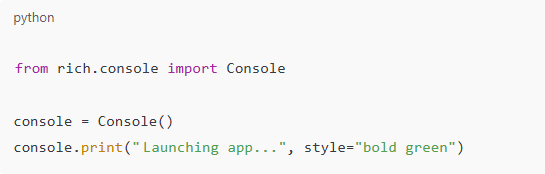
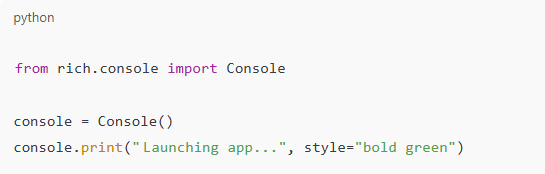
Debugging output and CLI logs were always boring, until I started using Rich. This library transformed my terminal output into a colorful, styled experience with progress bars, tables, markdown, and even live updates.
Rich made my tools feel like apps, not scripts.
7. Schedule – Human-Readable Task Scheduling
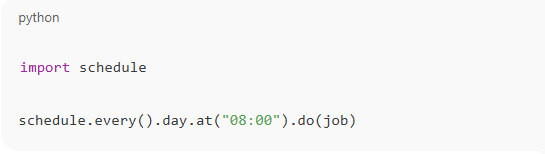
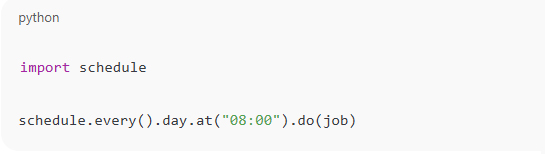
Instead of writing cron jobs or manually handling datetime logic, I now use schedule. It lets me define jobs in a language that almost reads like English.
It’s like having a built-in personal assistant for Python.
8. PyAutoGUI – The End of Repetitive Clicks
I once wrote scripts to automate workflows in specific apps, relying on API access (if available). But many apps don’t have APIs. That’s where PyAutoGUI comes in. It controls the mouse, keyboard, and screen like a robot assistant.
I’ve used it to batch-edit images, generate reports, and even auto-fill web forms — no backend access required.
Final Thoughts: Stop Reinventing, Start Reusing
There’s pride in writing original code. But there’s power in knowing when not to. These libraries saved me hours of frustration, reduced bugs, and supercharged my productivity. If you’re still writing your own scripts for tasks that are already solved — maybe it’s time to stop.
Let Python’s ecosystem do the heavy lifting. You’ve got better things to build.
Advertisements
مكتبات بايثون التي حلت محل نصوصي البرمجية التي كنتُ أُعدّها بنفسي
Advertisements
بصفتي مطور بايثون كنت أفتخر بكتابة كل شيء من الصفر، سواءً كان نصاً برمجياً سريعاً لتنظيف مجموعة بيانات أو سير عمل أتمتة معقداً، كنت أجد متعة في صياغة كل سطر من الشيفرة بنفسي، لكن مع مرور الوقت أدركت أن إعادة الابتكار ليست دائماً ذكية خاصةً عندما يوفر نظام بايثون مكتبات قوية ومتطورة لدرجة أنها ببساطة تتفوق على أي حل محلي
إليكم هذه المكتبات الثماني التي دفعتني للتخلي عن نصوصي البرمجية الخاصة
1. معالج البيانات المفضل لدي : Pandas
ومعالجتها CSV كنت أكتب حلقات طويلة ومعقدة لتنظيف ملفات
ثم اكتشفت باندا، فباستخدام جمل قصيرة
df.groupby() أو df.dropna() مثل
كنت أنجز في ثوانٍ ما كان يستغرق ساعات، سواءً كنت أدمج مجموعات البيانات أو أعيد تشكيل الجداول
قبل باندا: 50 سطراً من الحلقات المتداخلة بعد باندا: 3 أسطر بشكل أنيق
2.اليدوي HTML لا مزيد من تحليل BeautifulSoup
كان استخراج بيانات الويب كابوساً من التعبيرات العادية والتلاعب الهش بالسلاسل النصية
ذلك BeautifulSoup غيّر
بفضل بنيته النحوية البديهية
الآن أشبه بقراءة كتاب HTML و XML أصبح تحليل
لم أعد أقلق بشأن العلامات المشوهة وبدأت بالتركيز على الأفكار
حلّ هذا السطر محل عشرات الأسطر من منطق التحليل الفوضوي
3. urllib نهاية عذاب Requests
؟ urllib.request هل سبق لك أن حاولت استخدام
Requests فعلت ذلك مرة واحدة ثم وجدت
سهلة الاستخدام HTTP جعل مكالمات
.get() و .post() باستخدام طرق بسيطة مثل
سهلة القراءة Requests أصبحت
لم أعد بحاجة إلى التعامل مع الرؤوس أو الجلسات أو ملفات تعريف الارتباط بمفردي
إنه يعمل ببساطة في كل مرة
4. واجهات سطر أوامر سهلة Typer
،في أدوات سطر الأوامر argparse كنت أعتمد على
كان يعمل، لكن بناء الجملة كان مُطوّلاً
حياتي Typer غيّر
Click بُني على
Python وهو يُتيح لي بناء تطبيقات سطر أوامر غنية باستخدام تلميحات نوع
إنه بديهي وسهل القراءة وقابل للتطوير حتى للأدوات المُعقدة
أصبحت الأدوات أسرع بثلاث مرات Typer مع
Advertisements
5. بالطريقة الصحيحة Excel أتمتة OpenPyXL
Excel لإنشاء تقارير VBA كتبتُ ذات مرة نصًا برمجيًا ضخمًا بلغة
OpenPyXL انتهى ذلك اليوم الذي اكتشفتُ فيه
Python وقراءتها وتحريرها تلقائيًا في .xlsx يُتيح لي إنشاء ملفات
يُمكنني تنسيق الخلايا، وإنشاء المخططات البيانية
Excel وتحديث الصيغ دون الحاجة لفتح
Python الآن مجرد نص برمجي آخر في Excel أصبحت أتمتة
بدون وحدات ماكرو بدون تعقيدات
6. مخرجات وحدة التحكم التي تُحسّن مظهري Rich
لطالما كان تصحيح الأخطاء وسجلات سطر الأوامر مُملاً
Rich حتى بدأتُ باستخدام
حوّلت هذه المكتبة مخرجات طرفيتي إلى تجربة زاهية الألوان وأنيقة
Markdown مع أشرطة تقدم وجداول ورموز
وحتى تحديثات مباشرة
7. جدولة مهام سهلة القراءة Schedule
Datetime أو التعامل يدوياً مع cron بدلاً من كتابة مهام
Schedule أستخدم الآن
يتيح لي هذا تحديد المهام بلغة تُشبه الإنجليزية تقريباً
Python يشبه الأمر وجود مساعد شخصي مدمج في
8. نهاية النقرات المتكررة PyAutoGUI
كتبتُ سابقاً نصوصاً برمجية لأتمتة سير العمل في تطبيقات محددة بالاعتماد على الوصول إلى واجهة برمجة التطبيقات (إن وُجدت). لكن العديد من التطبيقات لا تحتوي على واجهات برمجة تطبيقات
PyAutoGUI وهنا يأتي دور
فهو يتحكم في الماوس ولوحة المفاتيح والشاشة كمساعد آلي
لقد استخدمته لتحرير الصور دفعةً واحدة وإنشاء التقارير وحتى ملء نماذج الويب تلقائيًا دون الحاجة إلى الوصول إلى الواجهة الخلفية
أفكار أخيرة: توقف عن إعادة الابتكار وابدأ بإعادة الاستخدام
يكمن الفخر في كتابة أكواد أصلية ولكن تكمن القوة في معرفة متى لا تفعل ذلك، لقد وفرت عليّ هذه المكتبات ساعات من الإحباط وقللت من الأخطاء البرمجية وعززت إنتاجيتي بشكل كبير، فإذا كنت لا تزال تكتب نصوصك البرمجية الخاصة لمهام تم حلها بالفعل فربما حان الوقت للتوقف
دع بيئة بايثون تتولى المهمة الصعبة، لديك أشياء أفضل لتفعلها
In the age of information, data science has quietly transformed from a buzzword to a secret weapon behind every great customer experience. Companies today don’t just rely on good training and courteous staff — they also lean heavily on the silent force of algorithms and predictive models that keep their customer support running like a well-oiled machine.
So, what’s the hidden magic that makes data science so powerful in this space? Let’s break it down.
Turning Conversations Into Insights
Every chat message, support ticket, or phone call holds a wealth of information. Traditionally, companies would handle these one by one, reactively solving issues. But modern customer support teams harness data science to process thousands — even millions — of interactions and distill them into meaningful trends.
By applying natural language processing (NLP), support teams can analyze what customers are talking about in real-time: Are there recurring complaints? Where are customers getting stuck? What product features are confusing?
This insight doesn’t just help solve individual cases faster — it feeds back into product improvements, FAQ updates, and proactive outreach that stops problems before they spread.
Predicting Problems Before They Happen
One of the secret superpowers of data science is prediction. By analyzing historical patterns, machine learning models can flag customers who are likely to churn, escalate, or leave a bad review.
Imagine knowing which users will probably run into payment errors or shipping delays — and reaching out with helpful guidance before they even file a ticket. That’s the next level of support.
Big companies like Amazon, Netflix, and telecom giants have invested millions in this approach — but the same technology is becoming accessible for small businesses through SaaS platforms and affordable AI tools.
Automating the Repetitive, Empowering the Human
Not all support interactions need a human agent. Bots powered by data science handle routine questions 24/7: order tracking, password resets, account updates. These AI assistants learn from massive datasets to answer with near-human fluency — but the real magic is that they free up human agents for high-value conversations that require empathy and nuanced judgment.
This hybrid approach means customers get faster replies for simple requests and more personalized help for complex ones — a win-win for satisfaction and operational costs.
Advertisements
Personalization at Scale
Data science also powers personalization. With the right models, a support team can instantly pull up a customer’s past purchases, preferences, and issues — and tailor the conversation accordingly.
Instead of asking a customer to repeat their story for the fifth time, the agent (or the AI) knows exactly what they bought, when they called last, and what solutions worked before. This level of context not only saves time but builds trust.
Real-Time Performance Tuning
Support managers used to rely on static reports — now, live dashboards powered by data analytics track agent performance, ticket volumes, resolution times, and customer sentiment in real-time.
This visibility lets teams spot bottlenecks as they happen, shift resources quickly, and reward top performers. Data-driven coaching has become the norm, not the exception.
Final Thoughts: The Silent Advantage
When done right, customers never even notice the data science humming in the background — they just feel heard, understood, and helped.
For businesses, the ROI is clear: fewer support costs, happier customers, and a constant stream of insights to improve products and services. The secret power of data science in customer support isn’t about replacing people — it’s about making them smarter, faster, and better equipped to deliver experiences that keep customers coming back.
Advertisements
كواليس دور علم البيانات في خدمة عملاء متميزة
Advertisements
في عصر المعلومات تحوّل علم البيانات بهدوء من مجرد مصطلح شائع إلى سلاح سري وراء كل تجربة عملاء رائعة، إذ لا تعتمد الشركات اليوم على التدريب الجيد والموظفين المهذبين فحسب، بل تعتمد أيضاً بشكل كبير على القوة الصامتة للخوارزميات والنماذج التنبؤية التي تُبقي دعم العملاء يعمل بكفاءة عالية، إذاً ما هو السر الكامن وراء قوة علم البيانات في هذا المجال؟ دعونا نوضح ذلك
:تحويل المحادثات إلى رؤى
تحمل كل رسالة دردشة أو تذكرة دعم أو مكالمة هاتفية ثروة من المعلومات، فتقليدياً كانت الشركات تتعامل مع هذه المعلومات واحدة تلو الأخرى وتحل المشكلات بشكل تفاعلي، لكن فرق دعم العملاء الحديثة تُسخّر علم البيانات لمعالجة آلاف – بل ملايين – التفاعلات وتحويلها إلى اتجاهات هادفة
(NLP) فمن خلال تطبيق معالجة اللغة الطبيعية
يُمكن لفرق الدعم تحليل ما يتحدث عنه العملاء في الوقت الفعلي: هل هناك شكاوى متكررة؟ أين يواجه العملاء صعوبة؟ ما هي ميزات المنتج المُربكة؟ لا تقتصر هذه الرؤية على حل الحالات الفردية بشكل أسرع فحسب، بل تُسهم أيضاً في تحسينات المنتج وتحديثات الأسئلة الشائعة والتواصل الاستباقي الذي يُوقف المشاكل قبل انتشارها
:التنبؤ بالمشاكل قبل حدوثها
يُعدّ التنبؤ إحدى القوى العظمى السرية لعلم البيانات، فمن خلال تحليل الأنماط التاريخية يُمكن لنماذج التعلم الآلي تحديد العملاء الذين يُحتمل أن يُغادروا الخدمة أو يُصعّدوا التعامل أو يتركوا تقييماً سيئاً، تخيل معرفة المستخدمين الذين يُحتمل أن يواجهوا أخطاء في الدفع أو تأخيراً في الشحن – والتواصل معهم بإرشادات مفيدة حتى قبل تقديمهم للشكوى، هذا هو المستوى التالي من الدعم وعليه استثمرت شركات كبيرة مثل أمازون ونتفليكس وشركات الاتصالات العملاقة ملايين الدولارات في هذا النهج، لكن التكنولوجيا نفسها
SaaS أصبحت متاحة للشركات الصغيرة من خلال منصات
وأدوات الذكاء الاصطناعي بأسعار معقولة
:أتمتة التكرار وتمكين العنصر البشري
لا تحتاج جميع تفاعلات الدعم إلى موظف بشري، إذ تتعامل الروبوتات المُدعمة بعلم البيانات مع الأسئلة الروتينية على مدار الساعة طوال أيام الأسبوع: تتبُّع الطلبات وإعادة تعيين كلمات المرور وتحديثات الحساب، بحيث يتعلم مساعدو الذكاء الاصطناعي من مجموعات بيانات ضخمة للإجابة بطلاقة تكاد تكون بشرية، لكن السر يكمن في أنهم يُتيحون للوكلاء البشريين إجراء محادثات عالية القيمة تتطلب التعاطف والحكم الدقيق، هذا النهج الهجين يعني حصول العملاء على ردود أسرع للطلبات البسيطة ومساعدة أكثر تخصيصاً للطلبات المعقدة وهو أمر مربح للطرفين من حيث الرضا وتكاليف التشغيل
Advertisements
:التخصيص على نطاق واسع
يُعزز علم البيانات التخصيص أيضاً، فباستخدام النماذج المناسبة يمكن لفريق الدعم الاطلاع فوراً على مشتريات العميل السابقة وتفضيلاته ومشاكله وتصميم المحادثة وفقاً لذلك، فبدلاً من مطالبة العميل بتكرار قصته للمرة الخامسة يعرف الوكيل (أو الذكاء الاصطناعي) بالضبط ما اشتراه ومتى اتصل آخر مرة والحلول التي نجحت سابقاً، وهذا المستوى من السياق لا يوفر الوقت فحسب بل يبني الثقة أيضاً
:ضبط الأداء في الوقت الفعلي
كان مديرو الدعم يعتمدون في السابق على التقارير الثابتة، أمّا الآن فتُتيح لوحات معلومات مباشرة مدعومة بتحليلات البيانات تتبع أداء الوكلاء وحجم الطلبات وأوقات الحل وتفاعل العملاء في الوقت الفعلي، فتتيح هذه الرؤية للفرق رصد الاختناقات فور حدوثها وتحويل الموارد بسرعة ومكافأة أفضل الموظفين أداءً، وعليه أصبح التدريب القائم على البيانات هو القاعدة وليس الاستثناء
خاتمة : الميزة الصامتة
عند تطبيقها بشكل صحيح لا يلاحظ العملاء حتى عمل علم البيانات في الخلفية بل يشعرون فقط بأنه مسموع ومفهوم ومدعوم، فبالنسبة للشركات فإن عائد الاستثمار واضح: تكاليف دعم أقل وعملاء أكثر رضا وتدفق مستمر من الأفكار لتحسين المنتجات والخدمات، بحيث لا تكمن القوة الخفية لعلم البيانات في دعم العملاء في استبدال الموظفين، بل في جعلهم أكثر ذكاءً وسرعةً وتجهيزاً لتقديم تجارب تجذب العملاء للعودة
In today’s world, Artificial Intelligence feels like an unavoidable buzzword — and with good reason. It’s transforming industries, reshaping how we work, and opening up opportunities that didn’t exist a decade ago. Naturally, thousands of eager learners flock to online AI courses hoping to become AI experts overnight. But here’s the uncomfortable truth: jumping from one random course to another often leaves you with shallow, disconnected knowledge and no real ability to solve real-world problems.
Too many people buy yet another course, hoping this one will finally “click.” They skim through a few video lessons, copy some code snippets, maybe run a basic neural network — but when it comes time to build something meaningful or troubleshoot an issue, they feel completely lost. That’s because real understanding doesn’t come from binge-watching lectures. It comes from deliberate, structured learning — and for that, you still can’t beat good books.
Why Random Courses Are Failing You
It’s not that online courses are bad. Many are well-produced and taught by experts. But when you hop from one to the next without a plan, you’re patching together fragments of knowledge with no strong foundation underneath. You might learn to run someone else’s code — but do you really understand why it works? Could you adapt it to a new problem? Could you explain it to someone else?
This shallow learning leaves you vulnerable. The field of AI evolves quickly, and tools and libraries change all the time. If you don’t understand the core principles, you’ll constantly feel like you’re playing catch-up — and sooner or later, you’ll burn out or give up altogether.
Books force you to slow down. They take you deeper than any 3-hour video course ever will. When you work through a book — with a pen, paper, and plenty of time to think — you build a mental framework that helps you connect ideas, question assumptions, and truly own what you learn.
The Books That Will Make You Truly Understand AI
So, if you’re ready to ditch the random course cycle, here are a few books that can build your AI knowledge from the ground up and make you a better practitioner for years to come.
1. “Pattern Recognition and Machine Learning” by Christopher M. Bishop
This book is a heavyweight classic for a reason. It’s not an easy read — but it lays out the mathematical and statistical foundations that power modern machine learning. Expect to revisit your linear algebra and probability knowledge. Work through the derivations. Try to implement the algorithms from scratch. By the time you’re done, you’ll see behind the curtain of so many “black box” models you find online.
2. “Deep Learning” by Ian Goodfellow, Yoshua Bengio, and Aaron Courville
Think of this book as your deep dive into the world of neural networks and modern AI systems. It explains the mechanics behind deep learning architectures, why they work, where they fail, and how to build better models. If you want to understand how the tools like TensorFlow or PyTorch are built — not just how to call their functions — this is your map.
3. “Artificial Intelligence: A Modern Approach” by Stuart Russell and Peter Norvig
This is the standard textbook in university-level AI courses. It doesn’t just cover machine learning — it explores the entire landscape of AI, including logic, planning, knowledge representation, robotics, and even the philosophical questions we face when building intelligent machines. It’s a book that broadens your view and shows you that AI is more than just training models.
Advertisements
4. “The Hundred-Page Machine Learning Book” by Andriy Burkov
If Bishop’s and Goodfellow’s tomes feel intimidating, this book is a perfect starting point. It condenses core ML concepts into a readable, concise format. You won’t master every detail from it alone, but it’s excellent for building a mental map before you go deeper — or for refreshing key ideas when you need a quick reference.
5. “You Look Like a Thing and I Love You” by Janelle Shane
Learning AI isn’t only about equations and algorithms — it’s also about understanding its quirks and limitations. This book is a witty, accessible look at how AI works (and fails) in the real world, through hilarious experiments and relatable explanations. It reminds you not to take every AI claim at face value, and gives you a healthy sense of skepticism — an essential trait for any serious AI learner.
How to Make the Most of These Books
Don’t treat these books like bedtime reading. Slow down. Take notes. Highlight passages. Rework the math by hand. Build small projects to test the theories you read about. The goal isn’t just to finish the book — it’s to absorb it so well that you can explain what you learned to someone else.
When you do need a course — and sometimes you will — you’ll approach it with intention. You’ll know exactly what you want to learn: a specific framework, tool, or implementation detail. That way, the course becomes a practical supplement, not your only source of truth.
Build a Knowledge Foundation That Lasts
The tech world is full of shiny tools and short-lived trends, but the principles that power AI — probability, statistics, optimization, and logic — don’t go out of style. If you build your learning on a solid foundation, you’ll always be able to pick up new skills, adapt to changing tools, and stay ahead of the hype.
So next time you’re tempted to buy yet another AI crash course, pause. Pick up a good book instead. Make some coffee, find a quiet place, and give yourself permission to dig deep. Your future self — the one solving real-world AI problems with confidence — will thank you.
Advertisements
توقف عن إهدار المال على دورات الذكاء الاصطناعي العشوائية – هذه الكتب هي كل ما تحتاجه
Advertisements
في عالمنا اليوم يبدو الذكاء الاصطناعي مصطلحاً شائعاً لا مفر منه، ولسبب وجيه فهو يُحدث تحولات في الصناعات ويُعيد تشكيل أساليب عملنا ويفتح آفاقاً جديدة لم تكن موجودة قبل عقد من الزمان، وبطبيعة الحال يتوافد آلاف المتعلمين المتحمسين على دورات الذكاء الاصطناعي عبر الإنترنت أملاً في أن يصبحوا خبراء في الذكاء الاصطناعي بين عشية وضحاها، ولكن إليكم الحقيقة الصادمة: إن الانتقال من دورة عشوائية إلى أخرى غالباً ما يُخلّف لديك معرفة سطحية ومنفصلة ويفقدك القدرة الحقيقية على حل مشاكل العالم الحقيقي
يشتري الكثيرون دورة أخرى على أمل أن تُجدي هذه الدورة نفعاً، فيُشاهدون بعض دروس الفيديو بسرعة وينسخون بعض مقتطفات الأكواد البرمجية وربما يُشغّلون شبكة عصبية أساسية ولكن عندما يحين وقت بناء شيء ذي معنى أو استكشاف مشكلة ما يشعرون بالضياع التام، ذلك لأن الفهم الحقيقي لا يأتي من كثرة مشاهدة المحاضرات بل يأتي من التعلم المُتأني والمنظم، ولهذا لا يُمكنك التغلب على الكتب الجيدة
لماذا الدورات العشوائية لا تفي بالغرض؟
ليس الأمر أن الدورات عبر الإنترنت سيئة، فالعديد منها مُعدّة جيداً ويُدرّسها خبراء لكن عندما تتنقل من واحد إلى آخر دون خطة مدروسة فأنت تُجمّع شظايا من المعرفة دون أساس متين، قد تتعلم تشغيل شيفرة شخص آخر – ولكن هل تفهم حقاً سبب نجاحها؟ هل يمكنك تكييفها مع مشكلة جديدة؟ هل يمكنك شرحها لشخص آخر؟
هذا التعلم السطحي يجعلك عرضة للخطر، فمجال الذكاء الاصطناعي يتطور بسرعة والأدوات والمكتبات تتغير باستمرار، فإذا لم تفهم المبادئ الأساسية ستشعر باستمرار وكأنك تحاول اللحاق بالركب وعاجلاً أم آجلاً ستُنهك أو تستسلم تماماً
الكتب تُجبرك على التباطؤ فهي تأخذك إلى عمق أكبر من أي دورة فيديو مدتها ثلاث ساعات، فعندما تُمعن النظر في كتاب – بقلم وورقة ووقت كافٍ للتفكير – فإنك تبني إطاراً ذهنياً يساعدك على ربط الأفكار وطرح الأسئلة وامتلاك ما تتعلمه حقاً
الكتب التي ستجعلك تفهم الذكاء الاصطناعي فهماً حقيقياً
إذا كنت مستعداً للتخلي عن الدورات الدراسية العشوائية فإليك بعض الكتب التي يمكنها بناء معرفتك بالذكاء الاصطناعي من الصفر وجعلك ممارساً أفضل لسنوات قادمة
1. بقلم كريستوفر بيشوب“Pattern Recognition and Machine Learning”
يُعد هذا الكتاب من الكتب الكلاسيكية المهمة لسبب وجيه، صحيح أنه ليس سهل القراءة لكنه يُرسي الأسس الرياضية والإحصائية التي تُعزز التعلم الآلي الحديث، توقع إعادة النظر في معرفتك بالجبر الخطي والاحتمالات واعمل على الاشتقاقات وحاول تطبيق الخوارزميات من الصفر، وعند الانتهاء سترى خلف الستار العديد من نماذج “الصندوق الأسود” التي تجدها على الإنترنت
اعتبر هذا الكتاب بمثابة رحلة متعمقة في عالم الشبكات العصبية وأنظمة الذكاء الاصطناعي الحديثة، إذ يشرح هذا الكتاب آليات هياكل التعلم العميق وأسباب نجاحها ومواطن فشلها وكيفية بناء نماذج أفضل، فإذا كنت ترغب في فهم كيفية بناء أدوات
PyTorch أو TensorFlow مثل
وليس فقط كيفية استدعاء وظائفها فهذا هو دليلك
Advertisements
3. بقلم ستيوارت راسل وبيتر نورفيج “Artificial Intelligence: A Modern Approach”
هذا الكتاب هو المرجع الأساسي في دورات الذكاء الاصطناعي على مستوى الجامعات، إذ لا يقتصر على تغطية التعلم الآلي فحسب بل يستكشف آفاق الذكاء الاصطناعي بالكامل بما في ذلك المنطق والتخطيط وتمثيل المعرفة والروبوتات وحتى الأسئلة الفلسفية التي نواجهها عند بناء الآلات الذكية، إنه كتاب يوسع آفاقك ويوضح لك أن الذكاء الاصطناعي أكثر من مجرد نماذج تدريب
5. بقلم جانيل شين “You Look Like a Thing and I Love You”
لا يقتصر تعلم الذكاء الاصطناعي على المعادلات والخوارزميات، بل يشمل أيضاً فهم خصائصه وحدوده، فيقدم هذا الكتاب نظرة بارعة وسهلة الفهم على كيفية عمل الذكاء الاصطناعي (وفشله) في العالم الواقعي، فمن خلال تجارب شيقة وشروحات واقعية يذكرك الكتاب بألا تأخذ كل ادعاء يتعلق بالذكاء الاصطناعي على محمل الجد ويمنحك شعوراً صحياً بالشك وهي سمة أساسية لأي متعلم جاد للذكاء الاصطناعي
كيف تحقق الاستفادة القصوى من هذه الكتب ؟
لا تتعامل مع هذه الكتب كقراءة قبل النوم، بل دوّن ملاحظاتك وحدّد بعض المقاطع وأعد حل المسائل الرياضية يدوياً ثم أنشئ مشاريع صغيرة لاختبار النظريات التي قرأتها، فالهدف ليس مجرد إنهاء الكتاب بل استيعابه جيداً بما يكفي لشرح ما تعلمته لشخص آخر
عندما تحتاج إلى دورة تدريبية ستتعامل معها بوعي، ستعرف بالضبط ما تريد تعلمه: إطار عمل محدد أو أداة أو تفاصيل تطبيقية، وبهذه الطريقة تصبح الدورة مُكمّلاً عملياً وليست مصدرك الوحيد للحقيقة
: ابنِ أساساً معرفياً يدوم
عالم التكنولوجيا مليء بالأدوات اللامعة والاتجاهات قصيرة الأمد، لكن المبادئ التي تُحرّك الذكاء الاصطناعي كالاحتمالات والإحصاء والتحسين والمنطق لا تفقد رونقها، فإذا بنيتَ تعلّمك على أساس متين ستتمكن دائماً من اكتساب مهارات جديدة والتكيف مع الأدوات المتغيرة والبقاء في صدارة هذا الصخب العلمي السريع التطور
لذا في المرة القادمة التي تُغريك فيها فكرة شراء دورة مكثفة أخرى في الذكاء الاصطناعي توقف قليلاً، التقط كتاباً جيداً بدلاً من ذلك، حضّر بعض القهوة وابحث عن مكان هادئ وامنح نفسك الإذن للتعمق، ستشكرك ذاتك المستقبلية التي ستحل مشاكل الذكاء الاصطناعي في العالم الحقيقي بثقة على هذا الصنيع
The data science job market is booming, but so is the competition. Companies want data scientists who are not just technically strong, but also able to communicate insights and solve real problems. To stand out, you need to understand what employers value most. Technical skills, soft skills, and industry-specific knowledge all play an important role.
Build a Strong Portfolio
One of the best ways to get noticed is to have a portfolio that proves what you can do. Don’t rely only on your resume. Create a portfolio website where you showcase your projects. Include case studies, GitHub repositories, and even visual dashboards if possible. Make sure each project tells a clear story — what was the problem, what data did you use, how did you solve it, and what impact did it have?
Master the Essential Tools
Recruiters expect you to know popular tools and programming languages like Python, R, SQL, and frameworks like TensorFlow or PyTorch for machine learning. But beyond just listing them, show that you’ve applied them. For example, share a project where you used Python for web scraping or R for statistical analysis. This practical application makes your skills credible.
Develop Soft Skills
Technical skills alone won’t guarantee you a job. Companies love data scientists who can explain complex findings in simple terms, work well in teams, and communicate with non-technical stakeholders. Practice storytelling with data — try presenting your projects in videos or blog posts. It shows you know how to translate data into decisions.
Gain Real-World Experience
If you’re just starting out, internships, volunteering, or freelancing can make a huge difference. Contribute to open-source data science projects or participate in hackathons. These experiences help you learn teamwork, solve real-world problems, and make connections in the field.
Advertisements
Network Like a Pro
Don’t underestimate the power of networking. Attend data science meetups, webinars, and conferences. Engage in online communities like LinkedIn groups or Kaggle forums. Many opportunities come through word of mouth, so let people know you’re looking and ready.
Tailor Every Application
Customize your resume and cover letter for each job. Highlight the skills and projects that match the job description. Use keywords that recruiters use. This small effort can help your application pass automated screening tools and reach a real human.
Keep Learning
The field of data science evolves fast. Stay updated by taking new courses, earning certifications, or learning emerging tools and trends. Showing that you’re committed to growth makes you a stronger candidate.
Final Thoughts
Standing out in the data science job market is about more than just technical skills. Build a portfolio that proves your abilities, develop your communication skills, gain experience, and make real connections. If you do this consistently, you’ll position yourself ahead of the competition.
Advertisements
كيف تتألق في سوق عمل علوم البيانات اليوم
Advertisements
افهم المنافسة
يشهد سوق عمل علوم البيانات ازدهاراً ملحوظاً وكذلك المنافسة، إذ تبحث الشركات عن علماء بيانات لا يتمتعون بالكفاءة التقنية فحسب بل أيضاً بالقدرة على توصيل الأفكار وحل المشكلات الحقيقية، ولكي تتميز عليك أن تفهم أكثر ما يُقدّره أصحاب العمل، تلعب المهارات التقنية والمهارات الشخصية والمعرفة المتخصصة دوراً هاماً
أنشئ محفظة أعمال قوية
من أفضل الطرق لجذب الانتباه هي إنشاء محفظة أعمال تُثبت قدراتك، لا تعتمد فقط على سيرتك الذاتية، بل أنشئ موقعاً إلكترونياً لعرض مشاريعك
GitHub وأدرج دراسات الحالة ومستودعات
وحتى لوحات المعلومات المرئية إن أمكن وتأكد من أن كل مشروع يروي قصة واضحة – ما هي المشكلة وما البيانات التي استخدمتها وكيف حلّتها وما هو تأثيرها
أتقن الأدوات الأساسية
يتوقع منك مسؤولو التوظيف معرفة الأدوات الشائعة
SQL و R ولغات البرمجة مثل بايثون و
للتعلم الآلي PyTorch أو TensorFlow وأطر عمل مثل
ولكن بالإضافة إلى مجرد ذكرها أظهر أنك طبقتها، فعلى سبيل المثال شارك مشروعاً استخدمت فيه بايثون
للتحليل الإحصائي R لاستخراج البيانات من الويب أو
هذا التطبيق العملي يجعل مهاراتك موثوقة
طوّر مهاراتك الشخصية
المهارات التقنية وحدها لا تضمن لك وظيفة، إذ تُفضل الشركات علماء البيانات الذين يستطيعون شرح النتائج المعقدة بعبارات بسيطة والعمل بكفاءة ضمن فرق والتواصل مع أصحاب المصلحة غير التقنيين، لذا مارس سرد القصص باستخدام البيانات – حاول عرض مشاريعك في مقاطع فيديو أو منشورات مدونة، هذا يُظهر لك قدرتك على ترجمة البيانات إلى قرارات
اكتسب خبرة عملية
إذا كنت مبتدئاً فإن التدريب العملي أو التطوع أو العمل الحر يُمكن أن يُحدث فرقاً كبيراً، لذا ساهم في مشاريع علوم البيانات مفتوحة المصدر أو شارك في هاكاثونات، إذ تساعدك هذه التجارب على تعلم العمل الجماعي وحل المشكلات الواقعية وبناء علاقات في هذا المجال
Advertisements
تواصل باحتراف
لا تستهن بقوة التواصل واحرص على حضور لقاءات وندوات ومؤتمرات علم البيانات وشارك في مجتمعات إلكترونية
Kaggle أو منتديات LinkedIn مثل مجموعات
فالعديد من الفرص تأتي من خلال التواصل الشفهي لذا أخبر الناس أنك تبحث عن وظيفة ومستعد لها
صمّم كل طلب توظيف حسب ذوقك
خصّص سيرتك الذاتية وخطاب التغطية لكل وظيفة وسلّط الضوء على المهارات والمشاريع التي تتوافق مع وصف الوظيفة واستخدم الكلمات المفتاحية التي يستخدمها مسؤولو التوظيف، هذا الجهد البسيط يمكن أن يساعد طلبك على اجتياز أدوات الفرز الآلية والوصول إلى شخص حقيقي
واصل التعلم
يتطور مجال علم البيانات بسرعة، لذا ابقَ على اطلاع دائم من خلال الالتحاق بدورات جديدة أو الحصول على شهادات أو تعلّم الأدوات والاتجاهات الناشئة، إن إظهار التزامك بالنمو يجعلك مرشحاً أقوى
خاتمة
التميز في سوق عمل علم البيانات لا يقتصر على المهارات التقنية فحسب، لذا أنشئ ملف أعمال يُثبت قدراتك وطوّر مهاراتك في التواصل واكتسب الخبرة وكوّن علاقات حقيقية إذا فعلت ذلك باستمرار فستضع نفسك في صدارة المنافسة
Freelance software development remains one of the most practical and flexible ways to earn money with coding skills. As a freelancer, you have the freedom to choose your clients, negotiate your rates, and decide which projects align with your interests and skill level. Many freelancers start small, working on simple website projects, bug fixes, or feature enhancements, and gradually move on to larger, higher-paying contracts as their reputation grows. Platforms like Upwork, Fiverr, and Toptal make it easier than ever to connect with clients worldwide who need everything from full-stack web development to custom mobile apps and automation scripts. While freelancing demands good communication skills, time management, and the ability to deliver clean, maintainable code on time, it also builds your portfolio, widens your network, and provides a constant flow of diverse challenges that help you grow technically and professionally. Whether you do it as a side hustle or a full-time business, freelancing gives you the freedom to earn on your own terms.
Example 1: Build a custom WordPress website for a local business.
Example 2: Develop a mobile app for a startup looking to launch an MVP (Minimum Viable Product).
Example 3: Offer bug fixing or code optimization services on platforms like Upwork or Fiverr.
2. Create and Sell Digital Products
Building and selling digital products is one of the most scalable ways to make money with coding. Unlike freelancing, where you trade time for money, digital products can generate passive income for years after you create them. Coders often build plugins, SaaS tools, website themes, or automation scripts that solve a common problem for a niche audience. Once your product is built, you can sell it on marketplaces or directly through your own website, and focus on marketing and support instead of constantly coding new projects from scratch. Many developers find success by listening to user feedback and continually improving their product, which keeps customers happy and attracts new buyers. This approach demands upfront effort, but the long-term reward is the possibility of recurring revenue streams without needing to negotiate with new clients for every dollar you earn.
Example 1: Design a Shopify theme and sell it on the Shopify Theme Store.
Example 2: Develop a time-tracking app and offer it as a subscription service.
Example 3: Build and sell custom scripts or automation tools for repetitive tasks.
3. Teach Coding Online
Sharing your coding knowledge through teaching is another powerful way to earn an income. If you enjoy explaining technical ideas in simple, clear ways, you can turn that skill into online courses, video tutorials, ebooks, or even live one-on-one lessons. Many beginners are willing to pay for well-organized, structured learning experiences rather than piecing together free resources. Platforms like Udemy, Skillshare, and Teachable allow you to create courses once and earn passive income every time someone enrolls. You could also offer personalized tutoring sessions, webinars, or coding bootcamps for those who prefer interactive learning. Teaching not only generates income but also strengthens your own understanding of programming, keeps you up-to-date with new technologies, and builds a personal brand as an expert in your field.
Example 1: Launch a Udemy course about building REST APIs with Node.js.
Example 2: Write an ebook that explains JavaScript for absolute beginners.
Example 3: Offer private tutoring sessions through a platform like Superprof or Wyzant.
4. Work Remotely for Companies
Remote work has transformed the job market for coders, offering stable income, benefits, and a steady flow of projects — all without being tied to a physical office. Companies around the world increasingly hire developers who can work from anywhere, which gives you the freedom to choose employers that align with your values and interests. Working remotely means you can collaborate with global teams, contribute to large-scale projects, and build long-term relationships that grow your skills and professional network. Many remote developers find opportunities in areas like web development, cloud services, mobile apps, and backend infrastructure. This route is ideal if you prefer the stability of a salary and a team environment over managing your own clients.
Example 1: Get hired as a front-end developer for a SaaS company.
Example 2: Work as a backend engineer maintaining cloud services.
Example 3: Join a remote team as a full-stack developer building web platforms.
Advertisements
5. Build and Monetize a Blog or YouTube Channel
If you enjoy creating content and helping others learn, you can build an audience by sharing your coding insights for free — then earn money through monetization. Many successful developers run blogs or YouTube channels where they post tutorials, deep dives, or personal experiences about the tech industry. Once you grow a loyal audience, you can monetize through ads, sponsorships, or affiliate marketing, recommending tools and services that you genuinely use. Though it takes time and consistency to build trust and attract viewers or readers, the long-term benefit is that your content can generate passive income while also boosting your reputation and opening up new career or business opportunities.
Example 1: Write detailed tutorials on your blog and earn through ad revenue and affiliate links.
Example 2: Create coding tutorial videos on YouTube and join the YouTube Partner Program.
Example 3: Partner with tech companies to sponsor your content and promote their tools.
6. Contribute to Open Source and Get Sponsorships
Open-source development is more than just a way to give back to the community — it can also become a revenue stream if you build something useful enough to attract sponsorships or donations. Many developers maintain open-source libraries, frameworks, or tools that others rely on for their own work. As your project grows in popularity, companies and individuals may sponsor you to keep the project maintained and secure. Platforms like GitHub Sponsors, Patreon, or Buy Me a Coffee make it simple for supporters to contribute financially. Some developers also offer premium add-ons, consulting, or custom integrations around their open-source projects, creating even more ways to generate income while keeping the core product free for the community.
Example 1: Develop a popular JavaScript library and get sponsorship from companies using it.
Example 2: Maintain a free tool for developers and receive donations via Buy Me a Coffee.
Example 3: Offer premium support or custom add-ons for your open-source software.
7. Develop Mobile Apps and Games
Creating your own mobile apps or games gives you the chance to earn money while exercising full creative control over what you build. Many successful indie developers design simple, addictive apps that solve a specific need or entertain users. Once published on app stores like Google Play or the Apple App Store, your app can earn money through paid downloads, ads, or in-app purchases. While the competition is fierce, the low cost of publishing and the massive user base of smartphones worldwide make it an attractive option for coders who want to build something of their own. Continuous updates, user feedback, and good marketing are essential to stand out and keep your app relevant.
Example 1: Create a simple productivity app and charge a small one-time fee.
Example 2: Build a casual game and earn revenue from in-game ads.
Example 3: Offer premium features via subscriptions within your app.
8. Automate Business Solutions for Clients
Automation is a goldmine for coders who understand how to connect tools, build scripts, or develop bots that save time and money. Many small and medium-sized businesses are eager to pay developers who can automate repetitive tasks like data entry, reporting, customer service, or marketing processes. With the growing use of APIs and cloud services, the demand for tailored automation solutions keeps increasing. Coders who specialize in automation often find themselves in high demand because they directly help clients increase efficiency and profits, which makes their services valuable and justifies premium rates.
Example 1: Develop a custom Python script to automate report generation for an e-commerce company.
Example 2: Create a chatbot that handles customer support on a client’s website.
Example 3: Integrate multiple web services to automate tasks like lead generation and email marketing.
Final Thoughts
The beauty of coding lies in its endless flexibility. Whether you want to build your own product, teach others, create content, freelance, or solve problems for clients, your skills can be turned into income streams that match your interests and lifestyle. The key is to experiment, stay curious, and keep adding value — because when you do, the opportunities to earn will keep growing alongside your skills.
Advertisements
البرمجة لتحقيق دخل: ٨ استراتيجيات لتحويل المهارات إلى دخل
Advertisements
: تطوير البرمجيات المستقل
يُعدّ تطوير البرمجيات المستقل من أكثر الطرق عملية ومرونة لكسب المال من خلال مهارات البرمجة، فبصفتك مستقلاً لديك حرية اختيار عملائك والتفاوض على أسعارك وتحديد المشاريع التي تناسب اهتماماتك ومستوى مهاراتك، إذ يبدأ العديد من المستقلين مشاريع صغيرة فيعملون على مشاريع مواقع ويب بسيطة أو إصلاح الأخطاء أو تحسين الميزات ثم ينتقلون تدريجياً إلى عقود أكبر وأكثر ربحية مع نمو سمعتهم
Toptal و Fiverrو Upwork تُسهّل منصات مثل
التواصل مع العملاء حول العالم الذين يحتاجون إلى كل شيء، فمن تطوير مواقع ويب متكاملة إلى تطبيقات جوال مخصصة ونصوص برمجية للأتمتة، في حين أن العمل الحر يتطلب مهارات تواصل جيدة وإدارة وقت والقدرة على تسليم برمجيات نظيفة وقابلة للصيانة في الوقت المحدد فإنه يُنمّي أيضاً محفظتك ويُوسّع شبكتك ويُتيح لك سلسلة مُستمرة من التحديات المتنوعة التي تُساعدك على النمو تقنياً ومهنياً، فسواءً كنت تعمل كمشروع جانبي أو بدوام كامل فإن العمل الحر يمنحك حرية الكسب بشروطك الخاصة
مثال ١: أنشئ موقع ووردبريس مخصصاً لشركة محلية
مثال ٢: طوّر تطبيقاً جوالاً لشركة ناشئة تسعى لإطلاق منتجها الأدنى القابل للتطبيق
مثال ٣: قدّم خدمات إصلاح الأخطاء أو تحسين الأكواد البرمجية
Fiverr أو Upwork على منصات مثل
٢. إنشاء وبيع المنتجات الرقمية
يُعد إنشاء وبيع المنتجات الرقمية من أكثر الطرق قابلية للتطوير لكسب المال من البرمجة، وعلى عكس العمل الحر حيث تُقايض الوقت بالمال يُمكن للمنتجات الرقمية أن تُدرّ دخلاً سلبياً لسنوات بعد إنشائها
SaaS فغالباً ما يُنشئ المبرمجون إضافات وأدوات
وقوالب مواقع ويب أو نصوصاً برمجية للأتمتة تُحلّ مشكلة شائعة لفئة مُحددة من الجمهور، فبمجرد إنشاء منتجك يُمكنك بيعه في الأسواق أو مباشرةً من خلال موقعك الإلكتروني والتركيز على التسويق والدعم بدلاً من برمجة مشاريع جديدة باستمرار من الصفر، إذ يحقق العديد من المطورين النجاح من خلال الاستماع إلى تعليقات المستخدمين والتحسين المُستمر لمنتجاتهم مما يُحافظ على رضا العملاء ويجذب مشترين جُدد، ويتطلب هذا النهج جهداً مقدماً لكن المكافأة على المدى الطويل هي إمكانية تحقيق تدفقات إيرادات متكررة دون الحاجة إلى التفاوض مع عملاء جدد مقابل كل دولار تربحه
Shopify وبيعه على متجر قوالب Shopify مثال 1: تصميم قالب
مثال 2: تطوير تطبيق لتتبع الوقت وتقديمه كخدمة اشتراك
مثال 3: إنشاء وبيع نصوص برمجية مخصصة أو أدوات أتمتة للمهام المتكررة
3. تعليم البرمجة عبر الإنترنت
تُعد مشاركة معرفتك البرمجية من خلال التدريس طريقة فعّالة أخرى لكسب الدخل، إذا كنت تستمتع بشرح الأفكار التقنية بطرق بسيطة وواضحة يمكنك تحويل هذه المهارة إلى دورات عبر الإنترنت أو دروس فيديو تعليمية أو كتب إلكترونية أو حتى دروس فردية مباشرة، فالعديد من المبتدئين على استعداد للدفع مقابل تجارب تعليمية منظمة ومنظمة جيداً بدلاً من تجميع موارد مجانية
Teachable و Skillshare و Udemy فتتيح لك منصات مثل
إنشاء دورات مرة واحدة وكسب دخل سلبي في كل مرة يسجل فيها شخص ما، يمكنك أيضاً تقديم جلسات تعليمية شخصية أو ندوات عبر الإنترنت أو معسكرات تدريب برمجية لمن يفضلون التعلم التفاعلي، فلا يقتصر دور التدريس على توليد الدخل فحسب بل يعزز أيضاً فهمك للبرمجة ويُبقيك على اطلاع دائم بأحدث التقنيات ويبني علامتك التجارية كخبير في مجالك
Udemy مثال 1: أطلق دورة تدريبية على
Node.js باستخدام REST حول بناء واجهات برمجة تطبيقات
للمبتدئين JavaScript مثال 2: اكتب كتاباً إلكترونياً يشرح
Wyzant أو Superprof مثال 3: قدّم جلسات تعليمية خاصة عبر منصة مثل
4. العمل عن بُعد للشركات
أحدث العمل عن بُعد نقلة نوعية في سوق العمل للمبرمجين حيث يوفر دخلاً ثابتاً ومزايا وتدفقاً مستمراً للمشاريع – كل ذلك دون الحاجة إلى مكتب فعلي، توظف الشركات حول العالم بشكل متزايد مطورين يمكنهم العمل من أي مكان مما يمنحك حرية اختيار أصحاب العمل الذين يتوافقون مع قيمك واهتماماتك، فالعمل عن بُعد يعني إمكانية التعاون مع فرق عالمية والمساهمة في مشاريع ضخمة وبناء علاقات طويلة الأمد تُنمّي مهاراتك وشبكتك المهنية، إذ يجد العديد من المطورين عن بُعد فرصاً في مجالات مثل تطوير الويب والخدمات السحابية وتطبيقات الجوال والبنية التحتية الخلفية، يُعد هذا المسار مثالياً إذا كنت تُفضّل استقرار الراتب وبيئة العمل الجماعي على إدارة عملائك بنفسك
SaaS مثال 1: احصل على وظيفة كمطور واجهة أمامية لشركة
مثال 2: اعمل كمهندس واجهة خلفية لصيانة الخدمات السحابية
مثال 3: انضم إلى فريق عن بُعد كمطور متكامل لبناء منصات الويب
Advertisements
٥. أنشئ مدونة أو قناة على يوتيوب واربح المال منها
إذا كنت تستمتع بإنشاء المحتوى ومساعدة الآخرين على التعلم يمكنك بناء قاعدة جماهيرية من خلال مشاركة أفكارك البرمجية مجاناً، ثم اربح المال من خلال تحقيق الدخل، إذ يدير العديد من المطورين الناجحين مدونات أو قنوات على يوتيوب ينشرون فيها دروساً تعليمية أو تحليلات معمقة أو تجارب شخصية حول صناعة التكنولوجيا، فبمجرد اكتساب جمهور وفي يمكنك تحقيق الدخل من خلال الإعلانات أو الرعاية أو التسويق بالعمولة من خلال التوصية بالأدوات والخدمات التي تستخدمها بالفعل، وعلى الرغم من أن بناء الثقة وجذب المشاهدين أو القراء يتطلب وقتاً ومثابرة إلا أن الفائدة على المدى الطويل هي أن محتواك يمكن أن يُدر دخلاً سلبياً مع تعزيز سمعتك وفتح فرص عمل أو مسارات مهنية جديدة
مثال ١: اكتب دروساً تعليمية مفصلة على مدونتك واربح المال من خلال عائدات الإعلانات وروابط التسويق بالعمولة
مثال ٢: أنشئ مقاطع فيديو تعليمية للبرمجة على يوتيوب وانضم إلى برنامج شركاء يوتيوب
مثال ٣: اشترك مع شركات تقنية لرعاية محتواك والترويج لأدواتها
٦. ساهم في تطوير البرمجيات مفتوحة المصدر واحصل على رعايات
يُعدّ تطوير البرمجيات مفتوحة المصدر أكثر من مجرد وسيلة لرد الجميل للمجتمع، بل يُمكن أن يُصبح مصدر دخل إذا أنشأتَ مشروعاً مفيداً بما يكفي لجذب الرعايات أو التبرعات، إذ يُحافظ العديد من المطورين على مكتبات أو أطر عمل أو أدوات مفتوحة المصدر يعتمد عليها الآخرون في عملهم، ومع ازدياد شعبية مشروعك قد تُقدّم لك الشركات والأفراد رعايتكم للحفاظ على المشروع وأمانه
Buy Me a Coffee و Patreon و GitHub Sponsors وتُسهّل منصات مثل
على الداعمين المساهمة المالية، كما يُقدّم بعض المطورين إضافات مميزة أو استشارات أو تكاملات مُخصصة لمشاريعهم مفتوحة المصدر مما يُتيح المزيد من الطرق لتحقيق الدخل مع الحفاظ على المنتج الأساسي مجانياً للمجتمع
شائعة JavaScript مثال ١: طوّر مكتبة
واحصل على رعاية من الشركات التي تستخدمها
مثال ٢: طوّر أداة مجانية للمطورين
Buy Me a Coffee واحصل على تبرعات عبر
مثال ٣: قدّم دعماً مميزاً أو إضافات مُخصصة لبرنامجك مفتوح المصدر
٧. تطوير تطبيقات وألعاب الجوال
يمنحك إنشاء تطبيقات أو ألعاب جوال خاصة بك فرصة لكسب المال مع التحكم الإبداعي الكامل بما تُنشئه، إذ يُصمم العديد من المطورين المستقلين الناجحين تطبيقات بسيطة ومُشوقة تُلبي حاجة مُحددة أو تُسلي المستخدمين، فبمجرد نشر تطبيقك
Apple App Store أو Google Play على متاجر التطبيقات مثل
يُمكنك ربح المال من خلال التنزيلات المدفوعة أو الإعلانات أو عمليات الشراء داخل التطبيق، وعلى الرغم من شراسة المنافسة إلا أن انخفاض تكلفة النشر وقاعدة مستخدمي الهواتف الذكية الضخمة حول العالم تجعله خياراً جذاباً للمبرمجين الذين يرغبون في تطوير تطبيق خاص بهم، فالتحديثات المُستمرة وآراء المستخدمين والتسويق الجيد كلها أمور أساسية للتميز والحفاظ على تطبيقك مُلائماً
مثال ١: أنشئ تطبيق إنتاجية بسيطاً واحصل على رسوم رمزية لمرة واحدة
مثال ٢: أنشئ لعبة بسيطة واربح المال من الإعلانات داخل اللعبة
مثال ٣: قدّم ميزات مميزة عبر الاشتراكات داخل تطبيقك
٨. أتمتة حلول الأعمال للعملاء
تُعدّ الأتمتة منجماً ذهبياً للمبرمجين الذين يفهمون كيفية ربط الأدوات وبناء النصوص البرمجية أو تطوير الروبوتات التي توفر الوقت والمال، وتحرص العديد من الشركات الصغيرة والمتوسطة على توظيف مطورين قادرين على أتمتة المهام المتكررة مثل إدخال البيانات وإعداد التقارير وخدمة العملاء وعمليات التسويق،
(APIs) ومع تزايد استخدام واجهات برمجة التطبيقات
والخدمات السحابية يتزايد الطلب على حلول الأتمتة المُخصصة، وغالباً ما يجد المبرمجون المتخصصون في الأتمتة أنفسهم مطلوبين بشدة لأنهم يساعدون العملاء بشكل مباشر على زيادة الكفاءة والأرباح مما يجعل خدماتهم قيّمة ويُبرر أسعارها المميزة
مثال ١: تطوير نص برمجي مخصص بلغة بايثون لأتمتة إنشاء التقارير لشركة تجارة إلكترونية
مثال ٢: إنشاء روبوت دردشة يُدير دعم العملاء على موقع العميل
مثال ٣: دمج خدمات ويب متعددة لأتمتة مهام مثل توليد العملاء المحتملين والتسويق عبر البريد الإلكتروني
خاتمة
يكمن جمال البرمجة في مرونتها اللامحدودة، فسواءً كنت ترغب في بناء منتجك الخاص أو تعليم الآخرين أو إنشاء محتوى أو العمل الحر أو حل مشاكل العملاء يُمكنك تحويل مهاراتك إلى مصادر دخل تُناسب اهتماماتك وأسلوب حياتك، يكمن السر في التجربة والفضول ومواصلة إضافة القيمة – لأنه عندما تفعل ذلك ستزداد فرصك في الربح مع نمو مهاراتك


















 Data World
You must be logged in to post a comment.