

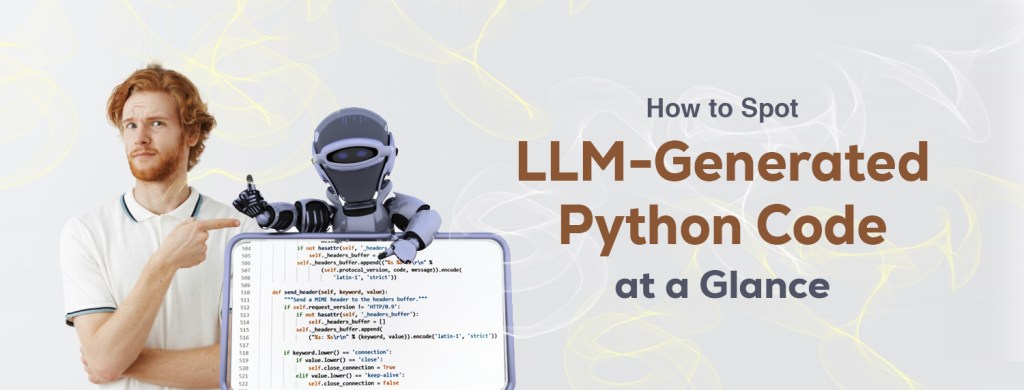
Introduction: The Rise of LLM-Generated Code
In recent years, the explosion of large language models (LLMs) like ChatGPT and Codex has dramatically changed how developers write and interact with code. These models, trained on vast datasets of code and natural language, can now generate entire programs or solve complex problems from simple prompts. But as their use becomes more widespread, a new question arises—how can one tell if a piece of Python code was written by a human developer or by an LLM? While these models are capable and often indistinguishable from seasoned coders at first glance, there are still telltale signs in the structure, style, and logic of the code that can betray its machine origin.
1. Overuse of Comments and Literal Explanations
One of the clearest signs that code may have been written by an LLM is the excessive use of comments. LLMs tend to document every single step of the code, often restating the obvious. You might see comments like # create a variable right before x = 5, or # return the result before a return statement. While documentation is a good practice, this level of verbosity is uncommon among experienced human developers, who typically write comments only where context or reasoning isn’t immediately clear from the code. LLMs, however, are optimized to “explain” and “teach” in natural language, often mirroring tutorial-like patterns.
2. Redundant or Overly Generic Variable Names
LLMs often default to safe, generic naming conventions like data, result, temp, or value, even when more meaningful names would make the code clearer. For instance, in a function analyzing user behavior, a human might use click_rate or session_length, whereas an LLM might stick with data and metric. This genericity stems from the model’s tendency to avoid assumptions, which leads it to play things conservatively unless explicitly instructed otherwise. While not definitive on its own, consistent blandness in naming—especially when better domain-specific choices are obvious—can be a strong clue.
3. Consistently Clean Formatting and Structure
LLMs are extremely consistent when it comes to code formatting. Indentation is uniform, line lengths are well-managed, and spacing tends to follow PEP8 recommendations almost religiously. While this sounds like a positive trait, it can actually be a subtle giveaway. Human-written code, especially in informal or prototyping contexts, often has minor inconsistencies—a missed blank line here, an overly long function elsewhere, or slightly inconsistent docstring formatting. LLMs don’t “get tired” or “sloppy”; their outputs are unusually tidy unless prompted otherwise.
4. Over-Engineering Simple Tasks
Sometimes, LLMs will take a simple problem and solve it in an unnecessarily complex way. For example, a human might write if item in list: but an LLM might create a loop and check for membership manually—especially in more open-ended prompts. This stems from their broad training base, where they’ve “seen” many ways to solve similar problems and might overfit to more generic patterns. This complexity isn’t always wrong, but it’s often not how a developer who’s experienced in Python would approach the problem.
5. Inclusion of Edge Case Handling Without Necessity
LLMs often include edge case handling even when it might not be strictly necessary. For instance, in code that processes input from a clearly defined dataset, an LLM might still add checks like if input is None: or if len(array) == 0:. This behavior reflects the LLM’s bias toward generality and safety—it doesn’t know the constraints of the data unless told explicitly, so it preemptively includes protective logic. A human who understands the context may skip such checks for brevity or efficiency.
6. Code That Looks “Too Tutorial-Like”
LLM-generated code often mimics the tone and structure of programming tutorials or documentation examples.
You may see a main function with an if __name__ == "__main__": block in a script that doesn’t need it. Or functions may be more modular than necessary for the size of the task. These are patterns picked up from countless educational resources the LLM has trained on. Humans often write messier, more pragmatic code in real-world settings—especially when prototyping or exploring.
7. A Lack of Personal or Contextual Style
Every developer develops their own subtle fingerprint over time—a preference for certain idioms, naming schemes, or even whimsical variable names. LLMs, on the other hand, generate code that feels neutral and impersonal. You won’t see inside jokes in function names or highly specialized abbreviations unless prompted. The code is highly readable, but it lacks personality. While this trait can vary depending on the prompt and model temperature, it’s often noticeable in large enough codebases.
8. Uniformly Optimistic Coding Style
Finally, LLM-generated Python code often assumes a “happy path” execution style while simultaneously including some error handling. It tends to avoid more nuanced debugging strategies like logging to files, raising specific exceptions, or using breakpoint tools. This results in code that feels clean but sometimes lacks the depth of error-tracing and robustness that seasoned developers build into systems through experience and iteration.
Conclusion: Recognizing the Machine Signature
As LLMs continue to evolve and improve, the line between human- and machine-written code will become increasingly blurred. However, by paying attention to stylistic choices, verbosity, naming conventions, and structural tendencies, you can still often spot the subtle clues of an LLM’s hand in a Python script. These differences aren’t inherently bad—in fact, LLMs can write very high-quality, maintainable code—but recognizing their style is useful for educators, code reviewers, and developers working in collaborative environments where transparency about tooling is important. In the future, detecting LLM-generated code may become even more critical as we navigate the ethics and implications of AI-assisted development.
علامات تشير إلى أن كود بايثون الخاص بك كُتب بواسطة ذكاء اصطناعي، وليس بواسطة مطوّر بشري
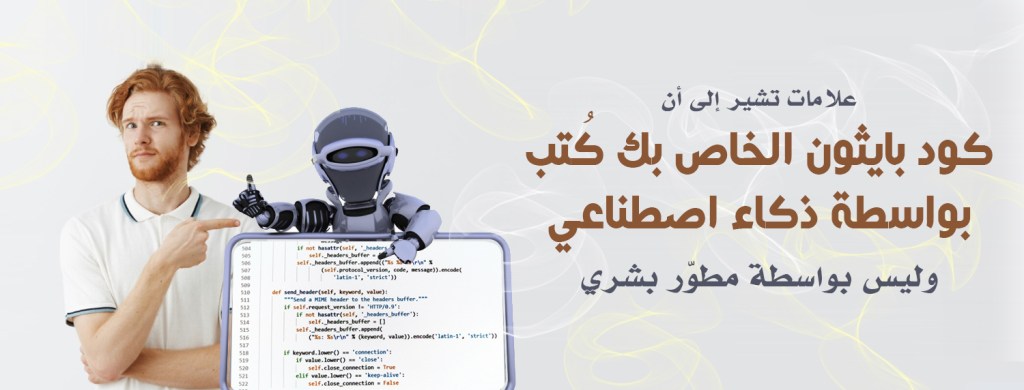
مقدمة: صعود الشيفرة البرمجية المُولّدة من قِبل ماجستير القانون
(LLMs) في السنوات الأخيرة غيّر انتشار نماذج اللغات الكبيرة
جذرياً طريقة كتابة المطورين Codexو ChatGPT مثل
للشيفرة البرمجية وتفاعلهم معها، إذ تستطيع هذه النماذج المُدرّبة على مجموعات بيانات ضخمة من الشيفرة البرمجية واللغة الطبيعية، والآن يمكن إنشاء برامج كاملة أو حل مشكلات معقدة من خلال توجيهات بسيطة، ولكن مع ازدياد استخدامها يُطرح سؤال جديد: كيف يُمكن للمرء أن يُميّز ما إذا كان جزء من شيفرة بايثون
؟ LLM قد كُتب بواسطة مُطوّر بشري أم بواسطة
في حين أن هذه النماذج قادرة وغالباً ما يصعب تمييزها عن المبرمجين المُحنّكين للوهلة الأولى لا تزال هناك علامات دالة في بنية الشيفرة وأسلوبها ومنطقها يُمكن أن تُشير إلى أصلها الآلي
1. الإفراط في استخدام التعليقات والشروحات الحرفية
LLM من أوضح الدلائل على أن الشيفرة البرمجية قد كُتبت بواسطة
هو الإفراط في استخدام التعليقات
إلى توثيق كل خطوة من خطوات الشيفرة البرمجية LLM إذ يميل مُتخصصو
وغالباً ما يُعيدون صياغة ما هو واضح، فقد قد ترى تعليقات مثل
x = 5 قبل # create a variable
return قبل # return the result أو
مع أن التوثيق ممارسة جيدة إلا أن هذا المستوى من الإسهاب غير شائع بين المطورين البشريين ذوي الخبرة الذين عادةً ما يكتبون التعليقات فقط عندما لا يكون السياق أو المنطق واضحاً من الكود مباشرةً
لشرح وتدريب اللغة الطبيعية LLM ومع ذلك صُممت نماذج
وغالباً ما تعكس أنماطاً شبيهة بالبرامج التعليمية
2. أسماء متغيرات زائدة أو عامة جداً
أسماءً عامة وآمنة LLM غالباً ما تستخدم نماذج
data أو result أو temp أو value مثل
حتى عندما تجعل الأسماء الأكثر دلالة الكود أكثر وضوحاً، فعلى سبيل المثال: في دالة تُحلل سلوك المستخدم
session_length أو click_rate فقد يستخدم المطور البشري
بالبيانات والمقياس LLM بينما قد تلتزم نماذج
ينبع هذا التعميم من ميل النموذج إلى تجنب الافتراضات مما يؤدي إلى استخدامه لتحفظ ما لم يُطلب منه خلاف ذلك صراحةً، بالرغم من أن التسمية غير الدقيقة باستمرار – خاصةً عند وجود خيارات أفضل خاصة بالمجال – فقد تكون دليلاً قوياً
3. تنسيق وهيكلة واضحان
باتساقها الشديد فيما يتعلق بتنسيق الكود LLM تتميز برامج
فالمسافات البادئة موحدة وأطوال الأسطر مُدارة جيداً
بدقة متناهية PEP8 والمسافات تميل إلى اتباع توصيات
ورغم أن هذه الميزة تبدو إيجابية إلا أنها قد تكون في الواقع مؤشراً خفياً، فالكود المكتوب يدوياً وخاصةً في سياقات النماذج الأولية أو غير الرسمية غالباً ما يحتوي على تناقضات طفيفة – سطر فارغ مفقود هنا أو دالة طويلة جداً في مكان آخر أو تنسيق غير متسق قليلاً لسلسلة الوثائق، برامج ماجستير إدارة الأعمال لا “تتعب” أو “تتسم بالإهمال” فمخرجاتها مرتبة بشكل غير عادي ما لم يُطلب منها خلاف ذلك
4. الإفراط في هندسة المهام البسيطة
مشكلة بسيطة LLM في بعض الأحيان تأخذ برامج
وتحلها بطريقة معقدة لا داعي لها
if item in list: فعلى سبيل المثال قد يكتب المطوّر البشري
LLM بينما قد يُنشئ مبرمجو
حلقة ويتحققون من العضوية يدوياً خاصةً في المطالبات ذات النهايات المفتوحة، ينبع هذا من قاعدة تدريبهم الواسعة حيث “اطلعوا” على العديد من الطرق لحل مشكلات مماثلة وقد يُفرطون في التكيف مع أنماط أكثر عمومية هذا التعقيد ليس خاطئاً دائماً ولكنه غالباً ما لا يكون الطريقة التي يتعامل بها مطور ذو خبرة في بايثون مع المشكلة
5. تضمين معالجة الحالات الشاذة دون ضرورة
معالجة الحالات الشاذة LLM غالباً ما تتضمن برامج
حتى عندما لا تكون ضرورية تماماً، فعلى سبيل المثال في الكود الذي يعالج المدخلات من مجموعة بيانات محددة بوضوح
أيضاً فحوصات LLM قد تُضيف برامج
if len(array) == 0: أو if input is None: مثل
LLM يعكس هذا السلوك تحيز برامج
نحو العمومية والسلامة فهي لا تعرف قيود البيانات إلا إذا تم إخبارها صراحةً لذا فهي تُضيف منطقاً وقائياً بشكل استباقي، قد يتجاهل الإنسان الذي يفهم السياق هذه الفحوصات للإيجاز أو الكفاءة
٦. شيفرة تبدو أشبه ببرامج تعليمية
غالباً ما تُحاكي الشيفرة المُولّدة في برامج ماجستير إدارة الأعمال أسلوب وبنية دروس البرمجة أو أمثلة التوثيق
if name == “main”: فقد ترى دالة رئيسية تحتوي على كتلة
في نص برمجي لا يحتاج إليها، أو قد تكون الدوال أكثر نمطية من اللازم لحجم المهمة، هذه أنماط مُكتسبة من مصادر تعليمية لا حصر لها تدرب عليها برنامج ماجستير إدارة الأعمال، غالباً ما يكتب البشر شيفرة أكثر تعقيداً وواقعية في بيئات واقعية خاصةً عند إنشاء النماذج الأولية أو الاستكشاف
٧. افتقار إلى الأسلوب الشخصي أو السياقي
يُكوّن كل مطور بصمة خفية خاصة به بمرور الوقت مثل تفضيل بعض التعبيرات الاصطلاحية أو أنظمة التسمية أو حتى أسماء المتغيرات الغريبة، ومن ناحية أخرى تُولّد برامج ماجستير إدارة الأعمال شيفرة تبدو محايدة وغير شخصية، لن ترى نكاتاً داخلية في أسماء الدوال أو اختصارات متخصصة للغاية إلا إذا طُلب منك ذلك، الشيفرة سهلة القراءة لكنها تفتقر إلى الشخصية، وعلى الرغم من أن هذه السمة قد تختلف اعتماداً على موجه الأوامر ودرجة حرارة النموذج إلا أنها غالباً ما تكون ملحوظة في قواعد البيانات الكبيرة بدرجة كافية
٨. أسلوب برمجة متفائل بشكل موحد
أخيراً، غالباً ما تتخذ أكواد بايثون المُولّدة من قِبل ماجستير إدارة الأعمال أسلوب تنفيذ “مُريح” مع تضمينها في الوقت نفسه بعض معالجة الأخطاء. تميل هذه الأكواد إلى تجنب استراتيجيات تصحيح الأخطاء الأكثر دقة، مثل تسجيل الدخول إلى الملفات، أو إثارة استثناءات مُحددة، أو استخدام أدوات نقاط التوقف. ينتج عن هذا أكواد تبدو نظيفة، لكنها تفتقر أحياناً إلى عمق تتبع الأخطاء والمتانة التي يُدمجها المطورون المخضرمون في الأنظمة من خلال الخبرة والتكرار.
الخلاصة: التعرف على بصمة الآلة
LLM مع استمرار تطور وتحسين برامج
سيزداد الغموض بين الكود المكتوب بواسطة الإنسان والآلة، ومع ذلك ومن خلال الانتباه إلى الخيارات الأسلوبية والإسهاب واتفاقيات التسمية والاتجاهات الهيكلية لا يزال بإمكانك في كثير من الأحيان رصد الدلائل الدقيقة لخط يد ماجستير إدارة الأعمال في نص بايثون، هذه الاختلافات ليست سيئة في جوهرها – في الواقع يستطيع طلاب ماجستير القانون كتابة أكواد برمجية عالية الجودة وقابلة للصيانة – لكن إدراك أسلوبهم مفيد للمعلمين ومراجعي الأكواد البرمجية والمطورين الذين يعملون في بيئات تعاونية حيث تكون الشفافية في استخدام الأدوات أمراً بالغ الأهمية، في المستقبل قد يصبح اكتشاف الأكواد البرمجية المُولّدة من طلاب ماجستير القانون أكثر أهمية مع بحثنا في أخلاقيات وآثار التطوير بمساعدة الذكاء الاصطناعي






 Data World
You must be logged in to post a comment.