
2025 and Data Analytics: Is the Window of Opportunity Closing?

Advertisements

By mid-2025, it’s hard to ignore just how central data analytics has become in shaping the modern world. Over the past decade, data has transitioned from a niche back-office function to a pillar of strategic decision-making across nearly every industry. Governments, corporations, non-profits, and startups alike have invested heavily in data infrastructure, talent, and tools to harness the predictive and diagnostic power of information. In this data-driven era, organizations that failed to embrace analytics risked irrelevance. Yet now, the conversation is beginning to shift. With the rise of automation, increasing regulatory constraints, and a maturing marketplace, many professionals and business leaders are asking a sobering question: Is the window of opportunity in data analytics starting to close? This article explores that question through the lens of innovation, labor dynamics, regulatory change, and strategic transformation.

One of the most significant developments reshaping data analytics in 2025 is the rise of generative AI and automated analytical tools. The introduction of large language models (LLMs), AutoML systems, and user-friendly interfaces has made it dramatically easier for non-technical users to perform complex data tasks. Business users can now query databases using natural language, generate predictive models without writing a single line of code, and visualize insights in seconds with AI-assisted dashboards. On the surface, this democratization seems like a triumph—organizations can make data-informed decisions faster and more affordably. But this progress also raises fundamental questions about the role of the traditional data analyst. As machines increasingly handle the technical execution, the core value of the human analyst is being reevaluated. Analysts are now expected to do more than produce models—they must contextualize findings, apply domain-specific judgment, and align recommendations with organizational strategy. The opportunity isn’t gone—but it’s moving up the value chain, demanding greater business fluency and creative problem-solving from data professionals.

Between 2015 and 2023, the exploding demand for data professionals sparked a global wave of upskilling. Universities launched new degrees, online platforms offered certification bootcamps, and employers invested in internal training. By 2025, this momentum has resulted in an abundant talent pool—especially at the entry level. Roles that once required rare skills are now more accessible, and basic competencies in Python, SQL, and data visualization are often considered standard. As a result, competition has intensified, and salaries for junior roles have plateaued or declined in some regions. The most sought-after professionals today are not just data-literate—they are domain experts who can speak the language of the industry they serve. For example, a data scientist with deep knowledge of supply chain operations is more valuable to a logistics company than a generalist analyst with broader but shallower capabilities. The market no longer rewards technical skills alone; instead, it favors hybrid professionals who bring cross-disciplinary insight and the ability to turn raw data into strategic intelligence.

Advertisements

As the power of data has grown, so too have the concerns around how it is collected, stored, and applied. In 2025, data privacy is no longer a peripheral issue—it’s at the heart of digital governance. Stringent regulatory frameworks such as the General Data Protection Regulation (GDPR), the California Consumer Privacy Act (CCPA), and new legislation emerging across Asia and Latin America have fundamentally altered the landscape. Organizations must now navigate a complex web of compliance, consent, data sovereignty, and transparency. Additionally, high-profile data breaches and ethical missteps have made the public more skeptical about how their information is used. As a result, companies are increasingly investing in privacy-preserving technologies like differential privacy, federated learning, and synthetic data. This environment places new responsibilities on data professionals, who must balance analytical ambition with legal and ethical prudence. The opportunity to innovate remains—but it must now be done within a framework of accountability, trust, and regulatory foresight.

In the early years of the data revolution, many organizations embraced analytics with a sense of experimental enthusiasm. Data teams were given free rein to explore, build models, and produce dashboards—often with little scrutiny over business outcomes. In 2025, that phase has largely passed. Executives are demanding clear ROI on data investments. Boards want to see how analytics drives revenue, reduces costs, or creates competitive advantage. This pressure has led to a more mature approach to data operations. Rather than treating data science as a standalone function, organizations are embedding analytics within core business units—ensuring that insights are not only generated but also implemented. Analysts and data scientists are now working side-by-side with marketing, finance, operations, and product teams to shape initiatives and measure success. This evolution requires professionals to be as comfortable in a business meeting as they are with a Jupyter notebook. The data analytics field is not contracting—it’s consolidating into a more structured, accountable, and business-oriented discipline.

So, is the window of opportunity closing for data analytics in 2025? The answer depends on how you define opportunity. For those who seek easy entry and quick rewards, the landscape is indeed more challenging. The influx of talent, automation of routine tasks, and rising expectations mean that superficial skills are no longer enough. But for those willing to adapt, specialize, and deepen their impact, the opportunities are arguably greater than ever. The field is evolving from an experimental frontier to a critical enterprise function. It demands a new kind of professional—one who can navigate technology, ethics, business, and human behavior. In that sense, the window hasn’t closed—it’s simply moved higher. Those who reach for it with a broader set of skills and a deeper understanding of context will find it still wide open.

Advertisements

عام ٢٠٢٥ وتحليل البيانات: هل تضيق نافذة الفرص؟

Advertisements

مع انتصاف عام 2025 يصعب تجاهل الدور المحوري الذي اكتسبته تحليلات البيانات في تشكيل عالمنا الحديث، فعلى مدار العقد الماضي تحولت البيانات من وظيفة إدارية متخصصة إلى ركيزة أساسية في صنع القرار الاستراتيجي في جميع القطاعات تقريباً، وقد استثمرت الحكومات والشركات والمنظمات غير الربحية والشركات الناشئة على حد سواء بكثافة في البنية التحتية للبيانات والمواهب والأدوات اللازمة لتسخير القوة التنبؤية والتشخيصية للمعلومات، ففي هذا العصر الذي تعتمد فيه البيانات على البيانات تُواجه المؤسسات التي لم تتبنَّ التحليلات خطر فقدان أهميتها، ومع ذلك بدأ النقاش يتحول الآن، فمع صعود الأتمتة وتزايد القيود التنظيمية ونضوج السوق يطرح العديد من المهنيين وقادة الأعمال سؤالاً جاداً: هل بدأت نافذة الفرص المتاحة في تحليلات البيانات تضيق؟ تستكشف هذه المقالة هذا السؤال من منظور الابتكار وديناميكيات العمل والتغيير التنظيمي والتحول الاستراتيجي

يُعدّ ظهور الذكاء الاصطناعي التوليدي وأدوات التحليل الآلي من أهم التطورات التي تُعيد تشكيل تحليلات البيانات في عام 2025

AutoML وأنظمة (LLMs) وقد سهّل إدخال نماذج اللغات الكبيرة

والواجهات سهلة الاستخدام بشكل كبير على المستخدمين غير التقنيين أداء مهام البيانات المعقدة، فأصبح بإمكان مستخدمي الأعمال الآن الاستعلام عن قواعد البيانات باستخدام اللغة الطبيعية وإنشاء نماذج تنبؤية دون الحاجة إلى كتابة سطر واحد من التعليمات البرمجية وتصور الرؤى في ثوانٍ معدودة باستخدام لوحات معلومات مدعومة بالذكاء الاصطناعي، فللوهلة الأولى يبدو هذا التحول الديمقراطي بمثابة انتصار – إذ يُمكن للمؤسسات اتخاذ قرارات مستنيرة بالبيانات بشكل أسرع وبتكلفة أقل، إلا أن هذا التقدم يثير أيضاً تساؤلات جوهرية حول دور محلل البيانات التقليدي، فمع تزايد تولي الآلات للتنفيذ الفني تُعاد تقييم القيمة الأساسية للمحلل البشري، إذ يُتوقع من المحللين الآن أن يفعلوا أكثر من مجرد إنتاج النماذج – بل يجب عليهم وضع النتائج في سياقها الصحيح وتطبيق أحكام خاصة بمجال معين ومواءمة التوصيات مع استراتيجية المؤسسة، لم تنتهِ الفرصة بعد بل إنها تتقدم في سلسلة القيمة مطالبةً متخصصي البيانات بإتقان أكبر للأعمال وإبداع في حل المشكلات

بين عامي 2015 و2023 أشعل الطلب المتزايد على متخصصي البيانات موجة عالمية من الارتقاء بالمهارات، إذ أطلقت الجامعات برامج دراسية جديدة وقدمت منصات إلكترونية دورات تدريبية للحصول على شهادات واستثمر أصحاب العمل في التدريب الداخلي، فبحلول عام 2025 أدى هذا الزخم إلى وفرة في المواهب لا سيما في مستوى المبتدئين، فأصبحت الأدوار التي كانت تتطلب مهارات نادرة في السابق أكثر سهولة الآن

SQLوغالباً ما تُعتبر الكفاءات الأساسية في بايثون و

وتصور البيانات أساسية، ونتيجة لذلك اشتدت المنافسة وتوقفت رواتب المناصب المبتدئة أو انخفضت في بعض المناطق، وعليه فإن أكثر المتخصصين طلباً اليوم ليسوا مجرد متعلمين في مجال البيانات بل هم خبراء في هذا المجال يتحدثون لغة الصناعة التي يخدمونها، فعلى سبيل المثال يُعدّ عالم البيانات ذو المعرفة العميقة بعمليات سلسلة التوريد أكثر قيمةً لشركة لوجستية من محلل عامّ بقدرات أوسع وإن كانت سطحية، ولم يعد السوق يكافئ المهارات التقنية فحسب بل يُفضّل المهنيين الهجينين الذين يُقدّمون رؤىً متعددة التخصصات والقدرة على تحويل البيانات الخام إلى معلومات استخباراتية استراتيجية

Advertisements

مع تنامي قوة البيانات تزايدت المخاوف بشأن كيفية جمعها وتخزينها وتطبيقها، ففي عام 2025 لم تعد خصوصية البيانات مسألةً هامشية بل أصبحت في صميم الحوكمة الرقمية، فقد غيّرت الأطر التنظيمية الصارمة

(GDPR) مثل اللائحة العامة لحماية البيانات

(CCPA) وقانون خصوصية المستهلك في كاليفورنيا

والتشريعات الجديدة الناشئة في جميع أنحاء آسيا وأمريكا اللاتينية غيّرت المشهدَ بشكل جذري، إذ يجب على المؤسسات الآن التعامل مع شبكة معقدة من الامتثال والموافقة وسيادة البيانات والشفافية، بالإضافة إلى ذلك أدت خروقات البيانات البارزة والأخطاء الأخلاقية إلى زيادة تشكيك الجمهور في كيفية استخدام معلوماتهم، نتيجةً لذلك تستثمر الشركات بشكل متزايد في تقنيات الحفاظ على الخصوصية مثل الخصوصية التفاضلية والتعلم الفيدرالي والبيانات التركيبية، فتُلقي هذه البيئة بمسؤوليات جديدة على عاتق متخصصي البيانات الذين يجب عليهم الموازنة بين الطموح التحليلي والحصافة القانونية والأخلاقية، إذ لا تزال فرصة الابتكار قائمة ولكن يجب أن يتم ذلك الآن في إطار من المساءلة والثقة والاستشراف التنظيمي

في السنوات الأولى لثورة البيانات تبنّت العديد من المؤسسات التحليلات بحماس تجريبي، فمُنحت فرق البيانات حرية كاملة لاستكشاف البيانات وبناء النماذج وإنتاج لوحات المعلومات غالباً مع تدقيق محدود لنتائج الأعمال، ففي عام 2025 انقضت هذه المرحلة إلى حد كبير، إذ يطالب المدراء التنفيذيون بعائد استثمار واضح على استثمارات البيانات، وترغب مجالس الإدارة في معرفة كيف تُعزز التحليلات الإيرادات وتُخفض التكاليف أو تُنشئ ميزة تنافسية، وقد أدى هذا الضغط إلى نهج أكثر نضجاً لعمليات البيانات، فبدلاً من اعتبار علم البيانات وظيفة مستقلة تُدمج المؤسسات التحليلات ضمن وحدات الأعمال الأساسية مما يضمن ليس فقط توليد الرؤى بل تنفيذها أيضاً  ويعمل المحللون وعلماء البيانات الآن جنباً إلى جنب مع فرق التسويق والمالية والعمليات والمنتجات لصياغة المبادرات وقياس النجاح، ويتطلب هذا التطور من المهنيين أن يكونوا مرتاحين في اجتماعات العمل

Jupyter كما هم مع دفتر ملاحظات

إذاً مجال تحليلات البيانات لا يتقلص بل يتجه نحو تخصص أكثر هيكلية ومساءلة وتركيزاً على الأعمال

إذاً هل تُغلق نافذة الفرص أمام تحليلات البيانات في عام ٢٠٢٥؟ يعتمد الجواب على كيفية تعريفك للفرصة، فبالنسبة لمن يسعون إلى دخول سهل ومكافآت سريعة فإن المشهد أكثر صعوبة، فتدفق المواهب وأتمتة المهام الروتينية وارتفاع التوقعات يعني أن المهارات السطحية لم تعد كافية، أما بالنسبة لمن يرغبون في التكيف والتخصص وتعميق تأثيرهم فيمكن القول إن الفرص أكبر من أي وقت مضى، فهذا المجال يتطور من مجرد مجال تجريبي إلى وظيفة مؤسسية حيوية، إذ يتطلب نوعاً جديداً من المهنيين – شخصاً قادراً على التعامل مع التكنولوجيا والأخلاقيات والأعمال والسلوك البشري، وبهذا المعنى لم تُغلق النافذة بل توسعت! أما أولئك الذين يسعون إليها بمجموعة أوسع من المهارات وفهم أعمق للسياق فسيجدونها لا تزال مفتوحة على مصراعيها


Advertisements

10 SQL Questions That Could Make or Break Your Interview

Advertisements

SQL (Structured Query Language) continues to be an essential skill for data analysts, data scientists, backend developers, and database administrators. Interviewers often assess a candidate’s ability to query, manipulate, and understand data stored in relational databases. Below are ten fundamental SQL interview questions every job seeker should be prepared to solve. Each section includes a discussion of the concept behind the question and how to approach solving it.

1. Finding the Second Highest Salary

A classic question that tests both your understanding of subqueries and ordering data is: “How do you find the second highest salary from a table named Employees with a column Salary?” This question challenges the candidate to think beyond the basic MAX() function. The most common approach involves using a subquery to exclude the highest salary. For instance, you might write:

This SQL statement works by first retrieving the highest salary using the inner query and then selecting the next maximum value that is less than this result. Alternatively, one can use the DENSE_RANK() or ROW_NUMBER() window function to assign a rank to each salary and filter for the second position, which is often the preferred method in real-world scenarios due to better flexibility and performance on large datasets.

2. Retrieving Duplicate Records

Interviewers often want to assess your ability to detect and handle duplicates in a dataset. A common formulation is: “Find all duplicate email addresses in a Users table.” Solving this requires knowledge of grouping and filtering. The typical solution groups by the email field and uses the HAVING clause to count occurrences greater than one:

This query groups all the rows by email and then filters out groups that appear only once, revealing only those with duplicates. Understanding how to use GROUP BY in conjunction with HAVING is crucial for this type of question, and being able to extend this to return the full duplicate rows can show deeper SQL proficiency.

3. Joining Tables to Combine Information

An essential part of SQL interviews involves joining multiple tables. One typical question might be: “List all employees and their department names from Employees and Departments tables.” This tests your understanding of foreign keys and join operations. Assuming Employees has a DepartmentID field that relates to Departments.ID, the query would be:

This inner join ensures that only employees with a valid department ID in the Departments table are returned. Being comfortable with inner joins, left joins, and understanding when to use each is vital, as real-world databases are often normalized across many tables.

4. Aggregating Data with GROUP BY

A frequently asked question focuses on aggregation, such as: “Find the number of employees in each department.” This requires using GROUP BY along with aggregate functions like COUNT(). The solution would look like this:

This query groups the employees by their department and counts how many belong to each. Candidates should also be prepared to join this with the Departments table if the interviewer asks for department names instead of IDs. Mastery of aggregate functions is a critical skill for reporting and dashboard development.

5. Filtering with WHERE and HAVING

Sometimes interviewers combine conditions in the WHERE and HAVING clauses to see if you can distinguish their roles. For example: “List departments having more than 10 employees and located in ‘New York.’” Here, WHERE is used for row-level filtering, and HAVING for group-level. The query would be:

This structure filters rows before aggregation and then filters groups after aggregation. Misplacing conditions (like using HAVING where WHERE should be) is a common pitfall interviewers watch for.

Advertisements

6. Using CASE Statements for Conditional Logic

Another insightful question is: “Write a query that classifies employees as ‘Senior’ if their salary is above 100,000, and ‘Junior’ otherwise.” This tests the use of CASE for deriving new columns based on logic. The solution might look like this:

The CASE expression allows for readable conditional logic within SELECT statements. It’s commonly used in dashboards, reports, and when transforming raw data for business use.

7. Ranking Data with Window Functions

Advanced interviews often include questions about window functions. A common one is: “Rank employees by salary within each department.” This requires partitioning and ordering data within groups. The SQL might look like:

Window functions like RANK(), DENSE_RANK(), and ROW_NUMBER() are powerful tools for ranking and running totals. Demonstrating knowledge of PARTITION BY and ORDER BY clauses within OVER() shows a deeper understanding of SQL.

8. Finding Records Without Matches

A common real-world scenario is identifying rows that don’t have a corresponding entry in another table. A typical question might be: “Find all customers who have not placed any orders.” This requires a LEFT JOIN with a NULL check:

This query joins the two tables and filters to find customers with no related order. It tests your understanding of outer joins and NULL handling, a frequent need in reporting and data quality checks.

9. Working with Dates and Time Ranges

Handling date-based queries is another key interview area. One question could be: “Find all orders placed in the last 30 days.” This requires using date functions like CURRENT_DATE (or GETDATE() in some dialects):

Interviewers might follow up by asking for orders grouped by week or month, testing your knowledge of date formatting, truncation, and aggregation. Comfort with time functions is essential for real-world reporting.

10. Deleting or Updating Based on a Subquery

Finally, you might be asked to perform a DELETE or UPDATE using a condition derived from a subquery. For example: “Delete all products that were never ordered.” This combines filtering with referential logic:

Alternatively, a more performant version might use NOT EXISTS:

This type of question ensures you understand how to manipulate data safely using subqueries and conditions.

Conclusion

Mastering these ten SQL questions is more than just interview prep—it builds a foundation for solving real-world data challenges. Whether filtering data with precision, writing complex joins, or leveraging window functions for advanced analytics, these exercises develop fluency in SQL’s powerful capabilities. To further improve, practice variations of these questions, explore optimization techniques, and always be prepared to explain the logic behind your approach during interviews.

Advertisements

SQL عشر أسئلة قد تُحدد نجاحك أو فشلك في مقابلة

Advertisements

SQL لا تزال لغة الاستعلامات الهيكلية

مهارة أساسية لمحللي البيانات وعلماء البيانات ومطوري البرامج الخلفية ومديري قواعد البيانات، فغالباً ما يُقيّم القائمون على المقابلات قدرة المرشح على الاستعلام عن البيانات المخزنة في قواعد البيانات العلائقية ومعالجتها وفهمها، وفيما يلي عشرة أسئلة أساسية

SQL في مقابلات العمل بلغة

ينبغي على كل باحث عن عمل الاستعداد للإجابة عليها، بحيث يتضمن كل قسم مناقشة للمفهوم الكامن وراء السؤال وكيفية التعامل معه

من الأسئلة الكلاسيكية التي تختبر فهمك للاستعلامات الفرعية وترتيب البيانات: كيف تجد ثاني أعلى راتب من جدول الموظفون مع عمود الراتب؟

الأساسية MAX() يتحدى هذا السؤال المرشح للتفكير فيما يتجاوز دالة

:بحيث تتضمن الطريقة الأكثر شيوعاً استخدام استعلام فرعي لاستبعاد أعلى راتب، فعلى سبيل المثال، يمكنك كتابة

SQL تعمل عبارة

هذه عن طريق استرجاع أعلى راتب باستخدام الاستعلام الداخلي ثم اختيار القيمة القصوى التالية الأقل من هذه النتيجة

ROW_NUMBER() أو DENSE_RANK() كبديل يُمكن استخدام دالة النافذة

لتعيين رتبة لكل راتب وتصفية المرتبة الثانية وهي غالباً الطريقة المُفضّلة في الحالات العملية نظراً لمرونتها وأدائها الأفضل على مجموعات البيانات الكبيرة

غالباً ما يرغب القائمون على المقابلات في تقييم قدرتك على اكتشاف السجلات المكررة ومعالجتها في مجموعة بيانات، فإحدى الصيغ الشائعة هي: البحث عن جميع عناوين البريد الإلكتروني المكررة في جدول المستخدمين يتطلب حل هذه المشكلة معرفةً بالتجميع والتصفية، بحيث يقوم الحل النموذجي بالتجميع حسب حقل البريد الإلكتروني

لحساب عدد مرات التكرار التي تزيد عن واحد HAVING ويستخدم شرط

يقوم هذا الاستعلام بتجميع جميع الصفوف حسب البريد الإلكتروني ثم يُرشِّح المجموعات التي تظهر مرة واحدة فقط ويكشف فقط عن المجموعات المكررة

HAVING مع GROUP BY يُعدّ فهم كيفية استخدام

أمراً بالغ الأهمية لهذا النوع من الأسئلة والقدرة على توسيع نطاقه لعرض جميع الصفوف المكررة

SQL يُظهر إتقاناً أعمق للغة

SQL يُعد ربط عدة جداول جزءاً أساسياً من مقابلات

قد يكون أحد الأسئلة الشائعة: اذكر جميع الموظفين وأسماء أقسامهم من جدولي الموظفين والأقسام، إذ يختبر هذا فهمك للمفاتيح الخارجية وعمليات الربط، وبافتراض أن حقل الموظفين

Departments.ID يحتوي على حقل معرف القسم المرتبط بـ

:سيكون الاستعلام كما يلي

يضمن هذا الربط الداخلي عرض الموظفين الذين لديهم معرف قسم صالح

Departments فقط في جدول

بحيث يُعدّ إتقان الربط الداخلي والربط الأيسر وفهم وقت استخدام كل منهما أمراً بالغ الأهمية، فغالباً ما يتم توحيد قواعد البيانات الفعلية عبر العديد من الجداول

يُركز سؤال شائع على التجميع مثل: ابحث عن عدد الموظفين في كل قسم

  GROUP BY  ويتطلب هذا استخدام

:سيكون الحل كالتالي COUNT() مع دوال التجميع مثل

يُجمّع هذا الاستعلام الموظفين حسب قسمهم ويحسب عدد الموظفين في كل قسم، ويجب على المرشحين أيضاً الاستعداد لربط هذا الاستعلام بجدول الأقسام إذا طلب المُقابل أسماء الأقسام بدلاً من مُعرّفاتها، ويُعدّ إتقان دوال التجميع مهارةً أساسيةً لإعداد التقارير وتطوير لوحات المعلومات

5. HAVINGو WHERE التصفية باستخدام

HAVINGو WHERE أحياناً يجمع المُقابلون الشروط في جملتي

لمعرفة ما إذا كان يُمكن تمييز أدوارهم، فعلى سبيل المثال: اذكر الأقسام التي تضم أكثر من ١٠ موظفين وتقع في نيويورك

HAVING للتصفية على مستوى الصف و WHERE وهنا يُستخدم

للتصفية على مستوى المجموعة، لذا سيكون الاستعلام كالتالي

يُصفّي هذا الهيكل الصفوف قبل التجميع ثم يُصفّي المجموعات بعد التجميع، ويُعدّ وضع الشروط في غير موضعها

WHERE حيث يجب أن يكون HAVING مثل استخدام

خطأً شائعاً يحذر منه المُقابلون

Advertisements

سؤالٌ آخر مُفيد: اكتب استعلاماً يُصنّف الموظفين إلى كبار إذا كان راتبهم أعلى من 100,000 ومبتدئ في غير ذلك

لاشتقاق أعمدة جديدة بناءً على المنطق CASE فيختبر هذا استخدام

:قد يبدو الحل كالتالي

SELECT بمنطق شرطي سهل القراءة ضمن عبارات CASE يسمح تعبير

ويُستخدم عادةً في لوحات المعلومات والتقارير وعند تحويل البيانات الخام للاستخدام التجاري

غالباً ما تتضمن المقابلات المتقدمة أسئلة حول دوال النافذة، ومن الأسئلة الشائعة: رتب الموظفين حسب الراتب في كل قسم، يتطلب هذا تقسيم البيانات وترتيبها داخل مجموعات

:كما يلي SQL وعليه قد يبدو

:تُعد دوال النافذة مثل

RANK(), DENSE_RANK(), ROW_NUMBER()

أدوات فعّالة لترتيب الإجماليات وإجرائها

ORDER BYو PARTITION BY ويُظهر إثبات معرفة جملتي

SQL فهماً أعمق لـ OVER() ضمن

من السيناريوهات الشائعة في الحياة العملية تحديد الصفوف التي لا تحتوي على مُدخل مُقابل في جدول آخر، قد يكون السؤال النموذجي: البحث عن جميع العملاء الذين لم يُقدموا أي طلبات

:NULL مع فحص LEFT JOIN يتطلب هذا استخدام

يربط هذا الاستعلام الجدولين ويُرشّح للعثور على العملاء الذين ليس لديهم طلب مُرتبط

NULL يختبر هذا فهمك للروابط الخارجية ومعالجة

وهي حاجة شائعة في إعداد التقارير وفحص جودة البيانات

تُعد معالجة الاستعلامات القائمة على التاريخ مجالاً رئيسياً آخر للمقابلات، فقد يكون أحد الأسئلة: البحث عن جميع الطلبات المُقدمة خلال آخر 30 يوماً، ويتطلب هذا استخدام دوال التاريخ مثل

في بعض اللهجات GETDATE() أو CURRENT_DATE

قد يطلب القائمون على المقابلات طلبات مُجمّعة حسب الأسبوع أو الشهر، ولاختبار معرفتك بتنسيق التاريخ والاقتطاع والتجميع، وعليه يُعدّ الإتقان في استخدام دوال الوقت أمراً أساسياً لإعداد التقارير العملية

أخيراً قد يُطلب منك إجراء حذف أو تحديث باستخدام شرط مُشتق من استعلام فرعي، فعلى سبيل المثال: حذف جميع المنتجات التي لم تُطلب أبداً، يجمع هذا بين التصفية والمنطق المرجعي

كبديل قد تستخدم نسخة أكثر فعالية : غير موجود

العشر هذه SQL إن إتقان أسئلة

لا يقتصر على مجرد التحضير للمقابلة، بل يُرسي أساساً لحل تحديات البيانات العملية، فسواءً كنتَ تُرشِّح البيانات بدقة أو تكتب عمليات ربط معقدة أو تستخدم وظائف النوافذ للتحليلات المتقدمة فإن هذه التمارين تُنمّي إتقانك لقدرات هذه اللغة القوية، ولمزيد من التحسين تدرب على أشكال مختلفة من هذه الأسئلة  واستكشف تقنيات التحسين وكن مستعداً دائماً لشرح منطق منهجك أثناء المقابلات

Advertisements

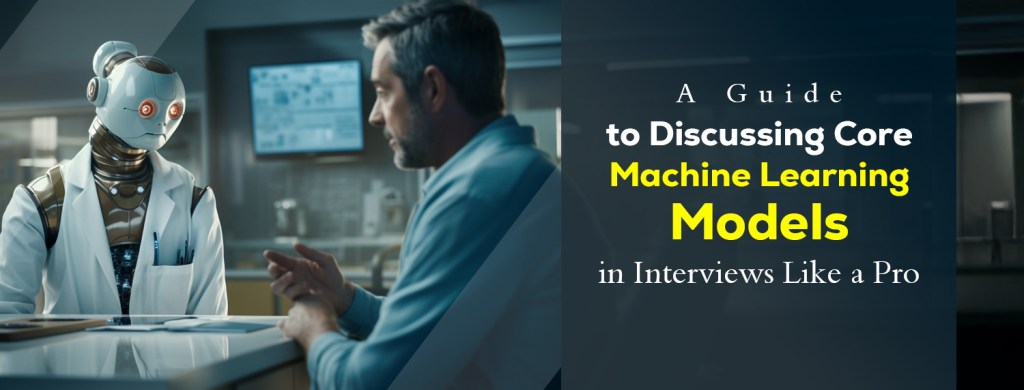
A Guide to Discussing Core Machine Learning Models in Interviews Like a Pro

Advertisements

Whether you’re a job-seeking data scientist or a software engineer expanding into AI, one challenge keeps coming up:
“Can you explain how this machine learning model works?”

Interviews are not exams — they’re storytelling sessions. Your technical accuracy matters, but your communication skills set you apart.

Let’s break down how to explain the core ML models so any interviewer — technical or not — walks away confident in your understanding.

Goal: Predict a continuous value
How to Explain:
“Linear regression is like drawing the best-fit straight line through a cloud of points. It finds the line that minimizes the distance between the actual values and the predicted ones using a technique called least squares.”

Pro Tip: Add a real-world example:

“For example, predicting house prices based on square footage.”

Interview bonus: Explain assumptions like linearity, homoscedasticity, and multicollinearity if prompted.

Goal: Predict probability (classification)
How to Explain:
“It’s like linear regression, but instead of predicting a number, we predict the probability that something is true — like whether an email is spam. It uses a sigmoid function to squash the output between 0 and 1.”

Common trap: Many confuse it with regression.

Clarify early: “Despite the name, it’s used for classification.”

Goal: Easy-to-interpret classification/regression
How to Explain:
“Imagine making decisions by asking a sequence of yes/no questions — that’s a decision tree. It splits data based on feature values to make decisions. Each internal node is a question; each leaf is an outcome.”

Highlight interpretability:

“They’re great when you need to explain why a decision was made.”

Goal: Improve accuracy, reduce overfitting
How to Explain:
“It’s like asking a group of decision trees and taking a majority vote (for classification) or averaging their results (for regression). Each tree is trained on a different subset of data and features.”

Metaphor: “Think of it as crowd wisdom — combining many simple models to make a more robust one.”

Goal: Maximum margin classification
How to Explain:
“SVM tries to draw the widest possible gap (margin) between two classes. It finds the best boundary so that the closest points of each class are as far apart as possible.”

Interview tip: “It can also work in higher dimensions using kernels — which helps when the data isn’t linearly separable.”

Advertisements

Goal: Lazy classification based on proximity
How to Explain:
“KNN looks at the k closest data points to a new point and makes a decision based on the majority label. It’s like saying: ‘Let’s ask the neighbors what class this belongs to.’”

Note: “No training phase — it stores the training data and computes distances at prediction time.”

Goal: Probabilistic classification
How to Explain:
“It uses Bayes’ Theorem to predict a class, assuming all features are independent. That’s the naive part. Despite the simplification, it works well in text classification like spam filtering.”

Use case: “Gmail uses something similar to detect spam based on word frequencies.”

Goal: Strong prediction from weak learners
How to Explain:
“Gradient boosting builds models sequentially — each new model tries to fix the errors of the previous one. It’s like learning from mistakes in stages.”

Why it stands out: “They’re often used in Kaggle competitions due to high accuracy and performance tuning.”

Goal: Group similar data points (unsupervised)
How to Explain:
“K-Means divides data into clusters by minimizing the distance between points and the center of each cluster. The number of clusters k is set beforehand.”

Simplify: “It’s like putting customers into different buckets based on their purchase patterns.”

When explaining any model, remember this simple formula:

  • What it does
  • How it works (intuitively)
  • When to use it
  • Real-world example

What’s your go-to analogy or trick when explaining ML models in interviews?
Which model do you find hardest to explain clearly?

Drop your thoughts below
Let’s build a library of intuitive explanations together.

Advertisements

دليل لمناقشة نماذج التعلم الآلي الأساسية في مقابلات العمل باحترافية

Advertisements

سواء كنتَ عالم بيانات باحثاً عن عمل أو مهندس برمجيات تتوسع في مجال الذكاء الاصطناعي فإن أحد التحديات التي تواجهك باستمرار

“هل يمكنك شرح كيفية عمل نموذج التعلم الآلي هذا؟ “

المقابلات ليست امتحانات بل جلسات سرد قصص، فدقتك التقنية مهمة لكن مهاراتك في التواصل تميزك

دعونا نشرح بالتفصيل كيفية شرح نماذج التعلم الآلي الأساسية حتى يثق بفهمك أي مُقابل سواءً أكان تقنياً أم لا

الهدف: التنبؤ بقيمة مستمرة

:كيفية الشرح

“الانحدار الخطي أشبه برسم خط مستقيم مناسب عبر سحابة من النقاط، فهو يجد الخط الذي يُقلل المسافة بين القيم الفعلية والقيم المتوقعة باستخدام تقنية تُسمى المربعات الصغرى”

نصيحة احترافية: أضف مثالاً من الواقع

“على سبيل المثال: التنبؤ بأسعار المنازل بناءً على المساحة المربعة”

مكافأة المقابلة: اشرح افتراضات مثل الخطية وتجانس التباين والتعدد الخطي إذا طُلب منك ذلك

الهدف: التنبؤ بالاحتمالية (التصنيف)

:كيفية الشرح

“يشبه الانحدار الخطي ولكن بدلاً من التنبؤ برقم نتوقع احتمالية صحة أمر ما ( مثل ما إذا كان البريد الإلكتروني بريداً عشوائياً أم لا، فيستخدم دالة سيجمايد لضغط المخرجات بين 0 و1”

خطأ شائع: يخلط الكثيرون بينه وبين الانحدار، وضح ذلك مبكراً: “على الرغم من اسمه فهو يُستخدم للتصنيف

الهدف: تصنيف/انحدار سهل التفسير

:كيفية الشرح

تخيل اتخاذ القرارات بطرح سلسلة من أسئلة إجاباتها بنعم أو لا – هذه هي شجرة القرار- إذ تُقسّم البيانات بناءً على قيم الميزات لاتخاذ القرارات وكل عقدة داخلية هي سؤال وكل ورقة هي نتيجة

:تسليط الضوء على قابلية التفسير

“إنها رائعة عند الحاجة لشرح سبب اتخاذ قرار ما”

الهدف: تحسين الدقة والحد من الإفراط في التجهيز

:كيفية الشرح

“يشبه الأمر طلب رأي مجموعة من أشجار القرار والحصول على تصويت الأغلبية (للتصنيف) أو حساب متوسط ​​نتائجها (للانحدار)، ويتم تدريب كل شجرة على مجموعة فرعية مختلفة من البيانات والخصائص”

استعارة: “تخيل الأمر كحكمة جماعية – دمج العديد من النماذج البسيطة لإنشاء نموذج أكثر متانة”

Advertisements

الهدف: تصنيف بأقصى هامش

:كيفية الشرح

تحاول آلة دعم المتجهات رسم أكبر فجوة ممكنة (هامش) بين فئتين، وتجد أفضل حد بحيث تكون أقرب نقاط لكل فئة متباعدة قدر الإمكان

نصيحة للمقابلة: “يمكنها أيضاً العمل في أبعاد أعلى باستخدام النوى – مما يساعد عندما لا تكون البيانات قابلة للفصل خطياً

الهدف: تصنيف غير دقيق يعتمد على القرب

:كيفية الشرح

نقطة بيانات إلى نقطة جديدة k إلى أقرب KNN تنظر

وتتخذ قراراً بناءً على تصنيف الأغلبية، فالأمر أشبه بقول: “لنسأل الجيران عن الفئة التي تنتمي إليها هذه النقطة

ملاحظة: لا توجد مرحلة تدريب – فهي تخزن بيانات التدريب وتحسب المسافات في وقت التنبؤ

الهدف: تصنيف احتمالي

:كيفية الشرح

تستخدم نظرية بايز للتنبؤ بفئة ما فبافتراض أن جميع الميزات مستقلة، هذا هو الجزء الساذج، فعلى الرغم من التبسيط إلا أنها تعمل بشكل جيد في تصنيف النصوص مثل تصفية البريد العشوائي

:حالة استخدام

نظاماً مشابهاً للكشف عن البريد العشوائي بناءً على تكرار الكلمات Gmail يستخدم

الهدف: تنبؤ قوي من متعلمين ضعفاء

:كيفية الشرح

يبني التعزيز التدريجي النماذج بالتتابع – كل نموذج جديد يحاول تصحيح أخطاء النموذج السابق، إنه أشبه بالتعلم من الأخطاء على مراحل

Kaggle ما يميزه: “يُستخدم غالباً في مسابقات

نظراً لدقته العالية وضبطه للأداء

البيانات إلى مجموعات K-Means يُقسّم

عن طريق تقليل المسافة بين النقاط ومركز كل مجموعة

مسبقاً k ويتم تحديد عدد المجموعات

التبسيط: إنه أشبه بتصنيف العملاء في فئات مختلفة بناءً على أنماط مشترياتهم

:عند شرح أي نموذج تذكر هذه الصيغة البسيطة

وظيفته *

كيفية عمله (بديهياً) *

متى تستخدمه *

مثال من الواقع *

ما هو تشبيهك أو حيلتك المفضلة عند شرح نماذج التعلم الآلي في المقابلات؟

أي نموذج تجده الأصعب في شرحه بوضوح؟

شاركنا رأيك أدناه

لننشئ معاً مكتبة من الشروحات البديهية

Advertisements

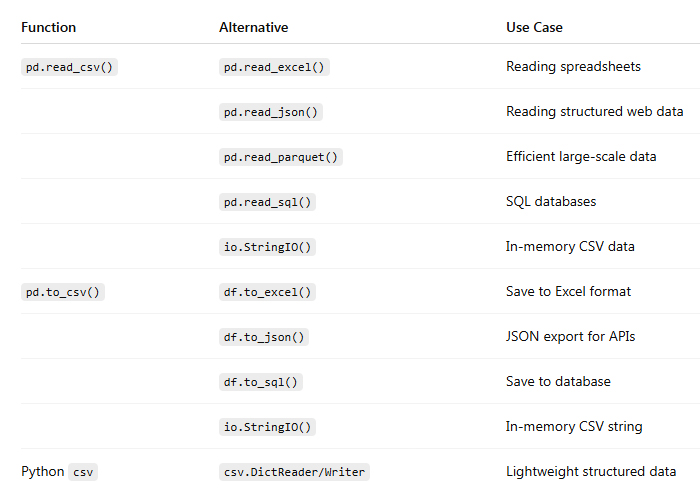
What Are the Alternatives to Dispensing with the Two Functions pd.read_csv() and pd.to_csv()?

Advertisements

The pandas library in Python provides powerful tools for data manipulation and analysis. Two of the most frequently used functions are pd.read_csv() for reading CSV files and pd.to_csv() for writing DataFrames to CSV files. While these functions are widely adopted due to their simplicity and efficiency, there are scenarios where alternatives might be preferable or even necessary. This article explores why one might avoid pd.read_csv() and pd.to_csv() and what alternative methods exist, categorized by different use cases.

Some common reasons include:

  1. Performance issues with very large datasets.
  2. Data stored in other formats (Excel, JSON, SQL, etc.).
  3. Integration with cloud storage or databases.
  4. Security or compliance constraints (e.g., encryption, access control).
  5. Real-time or in-memory data that doesn’t involve files.

1. Alternatives to: pd.read_csv()

A. Reading from Other File Formats

a. Excel Files

b. JSON Files

c. Parquet Files (Optimized for large datasets)

d. HDF5 Format (Hierarchical Data Format)

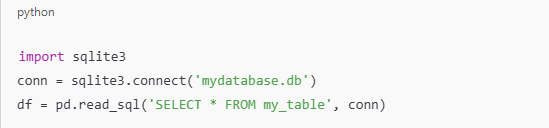
e. SQL Databases

B. Reading from In-Memory Objects

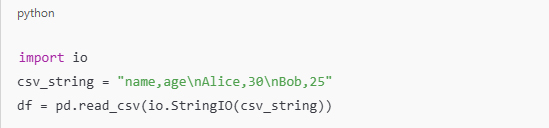
a. Reading from a String (using io.StringIO)

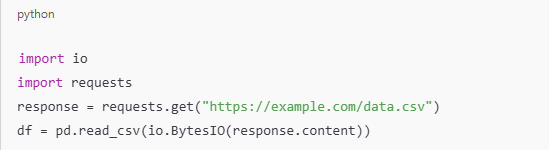
b. Reading from a Byte Stream (e.g., in web APIs)

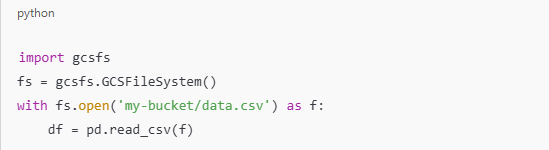
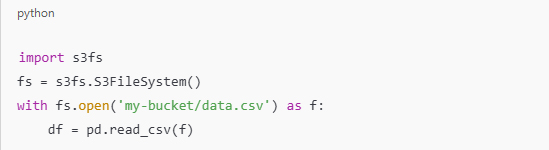
C. Reading from Cloud Storage

a. Google Cloud Storage (using gcsfs)

b. Amazon S3 (using s3fs)

Advertisements

2. Alternatives to: pd.to_csv()

A. Writing to Other File Formats

a. Excel

b. JSON

c. Parquet

d. HDF5

e. SQL Databases

B. Writing to In-Memory or Networked Destinations

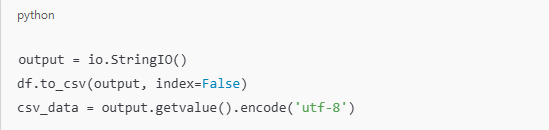
a. Export to a String

b. Export to Bytes (for APIs or web)

c. Save to Cloud Storage (e.g., AWS S3)

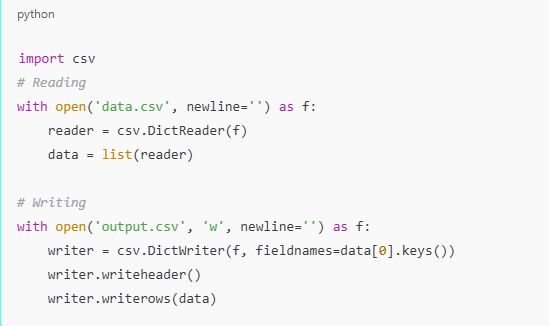
If avoiding pandas entirely:

A. Use Python’s Built-in csv Module

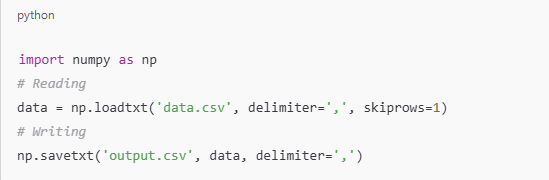
B. Use numpy for Numeric Data

Conclusion

While pd.read_csv() and pd.to_csv() are extremely versatile, a wide range of alternatives exist to suit various needs: from handling different data formats and sources, to performance optimization and cloud integrations. By understanding the context and requirements of your data workflow, you can select the most appropriate method for reading and writing data efficiently.

Advertisements

Mastering Data Analytics: Your Path to the Top 1% in 2025

Advertisements

In a world flooded with dashboards, KPIs, and big data buzzwords, the role of a data analyst has become both highly coveted and oversaturated. Everyone wants to be a data analyst — but only a select few break into the top 1%. These are the professionals who don’t just crunch numbers; they influence billion-dollar decisions, predict business outcomes before they happen, and lead teams toward data-driven innovation. The year 2025 is poised to be a turning point — the emergence of AI, automation, and new business expectations is rapidly shifting what it means to be “great” in this field. If you’re a data analyst or aspire to be one, the question is no longer “how do I get a job?” but rather, “how do I become irreplaceable?” That’s what this article is all about — not surviving, but standing out.

Most aspiring analysts obsess over tools: Python, SQL, Power BI, Tableau — and sure, these are essential. But here’s an overlooked truth: the top 1% analysts understand why people need data, not just how to analyze it. They listen to stakeholders with empathy, translate fuzzy business needs into clear metrics, and speak the language of decision-makers — not just of databases. You can have the cleanest dashboards in the world, but if you can’t connect them to a business narrative or decision, your insights go unheard. In 2025, soft skills are no longer optional. Learn how to ask better questions, read between the lines of a stakeholder’s request, and communicate findings like a storyteller. Technical brilliance may get you hired, but communication excellence will make you unforgettable.

There’s a growing myth in the analytics community: to be successful, you must learn every tool. One week it’s Power BI, the next it’s Looker Studio, then Snowflake, R, and even Rust. But the top 1% know that true mastery comes from depth, not breadth. They pick a few core tools — like SQL, Python, and Power BI — and explore them beyond surface tutorials. They learn how to write efficient queries, automate repetitive tasks, and build end-to-end reporting pipelines. They dive into advanced DAX in Power BI or build predictive models using Python’s scikit-learn. In 2025, companies want analysts who don’t just follow a tutorial — they want those who can build internal frameworks, optimize performance, and create scalable solutions. Focus your time on becoming irreplaceable in your core tools, and the rest will follow.

This might be the biggest mindset shift you need to make: stop seeing yourself as a report generator, and start thinking like a product manager. Top 1% analysts treat every dashboard like a product — they consider the user experience, track engagement, and iterate based on feedback. They don’t just deliver a report and disappear; they build tools that evolve with the business. In 2025, data analysts who can design self-serve experiences, reduce decision latency, and champion data adoption will be in a league of their own. Ask yourself: how can I turn my dashboard into a product that people want to use every day? How can I measure its impact? This product mindset makes you more valuable than any line of code you write.

Advertisements

Here’s a secret the top 1% know: your influence doesn’t begin in meetings or interviews — it starts online. Building a personal brand as a data analyst in 2025 is not about bragging, it’s about sharing. Whether it’s on LinkedIn, Medium, or YouTube, the most respected analysts share real insights, mini case studies, tutorials, or even failures they’ve learned from. When you show your process publicly, people trust your skill before they meet you. You attract opportunities, build credibility, and join a global community. The top analysts of today didn’t wait for a company to validate them — they published their learning journey, shared dashboards, and collaborated openly. If you want to rise to the top, don’t just level up in silence. Document your wins, your experiments, and your perspectives. The spotlight won’t find you unless you’re visible.

2025 is not just about better dashboards. It’s about knowing what’s coming — and preparing for it. The top analysts are already exploring how AI copilots will change data analysis, how real-time data streaming will impact decision-making, and how data governance and ethics will play a central role in business trust. They understand that automation will replace repetitive tasks — but not the analysts who think critically, explain patterns, and lead with context. To stay ahead, you must continuously ask: what’s next? Subscribe to trends, explore new tools with curiosity, and always keep one eye on the horizon. Being among the top 1% means thinking beyond today’s problem and anticipating tomorrow’s possibilities.

The journey to the top 1% is not linear, and it certainly isn’t easy. It’s a combination of technical depth, business empathy, communication, and forward-thinking. But here’s the good news — the path is open to anyone who chooses to walk it with discipline and curiosity. Now, I want to hear from you: What do you think separates average data analysts from the great ones? What’s the one area you’re focusing on in 2025 to rise above the noise? Let’s open the floor — comment below, share your thoughts, and let’s grow together.

Advertisements

إتقان تحليلات البيانات: طريقك إلى القمة في عام ٢٠٢٥

Advertisements

في عالمٍ يعجّ بلوحات المعلومات ومؤشرات الأداء الرئيسية ومصطلحات البيانات الضخمة أصبح دور محلل البيانات مطلوباً بشدة ومُشبعاً، إذ يطمح الجميع إلى أن يصبح محلل بيانات لكن قلة قليلة فقط هي من تصل إلى هذه المكانة، فهؤلاء هم المحترفون الذين لا يكتفون بتحليل الأرقام فحسب؛ بل يؤثرون في قراراتٍ بمليارات الدولارات ويتوقعون نتائج الأعمال قبل حدوثها ويقودون فرق العمل نحو الابتكار القائم على البيانات، وعليه فمن المتوقع أن يكون عام 2025 نقطة تحول فظهور الذكاء الاصطناعي والأتمتة وتوقعات الأعمال الجديدة يُغيّر بسرعة مفهوم “التميز” في هذا المجال، لذا فإذا كنت محلل بيانات أو تطمح إلى أن تكون كذلك فإن السؤال لم يعد ( كيف أحصل على وظيفة؟ ) بل “كيف أصبح محلل لا يُعوّض؟” هذا هو محور هذه المقالة – ليس مجرد البقاء بل التميز

يُهوى معظم المحللين الطموحين بأدوات مثل بايثون

SQL، Power BI، Tableau

وهي أدوات أساسية بلا شك، لكن إليك حقيقة مُغفلة هي أن أفضل 1% من المحللين يفهمون سبب حاجة الناس للبيانات وليس فقط كيفية تحليلها، إذ أنهم يستمعون إلى أصحاب المصلحة بتعاطف  ويترجمون احتياجات العمل الغامضة إلى مقاييس واضحة ويتحدثون بلغة صانعي القرار – وليس فقط لغة قواعد البيانات، وقد تمتلك أدق لوحات معلومات في العالم ولكن إذا لم تتمكن من ربطها بسردية عمل أو قرار فلن تُسمع رؤاك، وفي وقتنا الراهن لم تعد المهارات الشخصية اختيارية، لذا تعلم كيفية طرح أسئلة أفضل وقراءة ما بين سطور طلب صاحب المصلحة وتوصيل النتائج كقاصّ محترف، بحيث قد تُؤهلك البراعة التقنية للتوظيف لكن التميز في التواصل سيجعلك استثنائياً

هناك خرافة متنامية في مجتمع التحليلات تقول: لكي تنجح يجب أن تتعلم كل أداة

Power BI فأسبوع يُركزون على

Looker Studio ثم أسبوعٌ آخر على

Snowflake، و R ثم

Rust وحتى

لكنّ أفضل 1% من الخبراء يدركون أنّ الإتقان الحقيقي يكمن في العمق لا في الاتساع، فيختارون بعض الأدوات الأساسية

SQL و Python و Power BI مثل

ويستكشفونها بما يتجاوز الدروس التعليمية السطحية، فيتعلمون كيفية كتابة استعلامات فعّالة وأتمتة المهام المتكررة وبناء مسارات تقارير شاملة

Power BI المتقدم في DAX ويتعمقون في

أو يبنون نماذج تنبؤية باستخدام

Python من scikit-learn

في عام 2025 تريد الشركات محللين لا يتبعون دروساً تعليمية فحسب – بل يريدون من يستطيعون بناء أطر عمل داخلية وتحسين الأداء وابتكار حلول قابلة للتطوير، لذا ركّز وقتك على أن تصبح لا غنى عنك في أدواتك الأساسية وسيأتي الباقي تباعاً

Advertisements

قد يكون هذا هو أكبر تغيير في عقليتك تحتاج إليه، لذا توقّف عن رؤية نفسك كمُنشئ تقارير وابدأ بالتفكير كمدير منتج، إذ يتعامل أفضل 1% من المحللين مع كل لوحة معلومات كمنتج فهم يراعون تجربة المستخدم ويتتبعون التفاعل ويكررون العمل بناءً على الملاحظات، فهم لا يقدمون تقريراً ويختفون فحسب؛ بل يبنون أدوات تتطور مع تطور العمل، لذا في وقتنا الحالي وفي المستقبل القريب سيحتل محللو البيانات القادرون على تصميم تجارب الخدمة الذاتية وتقليل زمن اتخاذ القرار ودعم تبني البيانات مكانة مرموقة، لذا اسأل نفسك: كيف يمكنني تحويل لوحة معلوماتي إلى منتج يرغب الناس في استخدامه يومياً؟ كيف يمكنني قياس تأثيره؟ هذه العقلية المنتجة تجعلك أكثر قيمة من أي سطر برمجي تكتبه

إليك سراً يعرفه أفضل 1% يقول: تأثيرك لا يبدأ في الاجتماعات أو المقابلات بل يبدأ عبر الإنترنت، فبناء علامة تجارية شخصية كمحلل بيانات في عام 2025 لا يتعلق بالتفاخر بل بالمشاركة

LinkedIn أو Medium أو YouTube فسواء كان ذلك على

يشارك المحللون الأكثر احتراماً رؤى حقيقية ودراسات حالة مختصرة ودروساً تعليمية أو حتى تجارب فاشلة تعلموا منها، فعندما تُظهر عمليتك إلى العلن يثق الناس بمهاراتك قبل أن يلتقوا بك، فأنت تجذب الفرص وتبني المصداقية وتنضم إلى مجتمع عالمي، واعلم جيداً أن كبار المحللين لم ينتظروا يوماً شركةً لتثبت جدارتهم، بل نشروا رحلة تعلمهم وشاركوا لوحات المعلومات وتعاونوا بانفتاح، لذا إن كنت راغباً في الارتقاء إلى القمة فلا تكتفِ بالارتقاء في صمت، وثّق نجاحاتك وتجاربك ووجهات نظرك، لن تجدك الأضواء إلا إذا كنت مرئياً

لا يقتصر عام 2025 على تحسين لوحات المعلومات بل يتعلق بمعرفة ما هو آتٍ والاستعداد له، إذ يستكشف كبار المحللين بالفعل كيف سيُغير مساعدو الذكاء الاصطناعي تحليل البيانات وكيف سيؤثر تدفق البيانات في الوقت الفعلي على عملية صنع القرار وكيف ستلعب حوكمة البيانات وأخلاقياتها دوراً محورياً في ثقة الأعمال، إذ أنهم يدركون أن الأتمتة ستحل محل المهام المتكررة  ولكن ليس المحللين الذين يفكرون بشكل نقدي ويشرحون الأنماط ويقودون وفقاً للسياق، وعليك أن تدرك أن البقاء في الطليعة يقتضي أن تسأل باستمرار: ما التالي؟ لذا تابع أحدث التوجهات واستكشف الأدوات الجديدة بفضول وراقب الأفق دائماً، فأن تكون ضمن أفضل 1% يعني التفكير فيما يتجاوز مشكلة اليوم وتوقع إمكانيات الغد

الرحلة إلى أفضل 1% ليست خطية وهي بالتأكيد ليست سهلة، إنها مزيج من العمق التقني والتعاطف مع بيئة العمل والتواصل والتفكير المستقبلي، لكن إليكم الخبر السار: الطريق مفتوح لكل من يختار خوضه بانضباط وفضول، الآن أود أن أسمع منكم: ما الذي يميز محللي البيانات العاديين عن المحللين المتميزين برأيكم؟ ما هو المجال الذي تركزون عليه في عام ٢٠٢٥ للارتقاء فوق مستوى التوقعات؟ دعونا نفتح باب النقاش – علّقوا أدناه وشاركوا أفكاركم ولننمو معاً

Advertisements