
Digitizing the Past: Smart Strategies for Transforming Business Archives into Accessible Assets

Advertisements

In an age where speed, access, and accuracy drive competitive advantage, relying on dusty file cabinets and analog records is like racing in a horse-drawn carriage on the autobahn. Digitizing business archives isn’t just about going paperless—it’s about unlocking your data’s potential, minimizing operational friction, and empowering your teams to move with confidence. You’ve probably felt the pain of hunting down a misplaced contract or trying to cross-reference data that lives in ten different formats.

There’s no one-size-fits-all when it comes to scanning your physical archives. High-speed document scanners are great for standard papers, but fragile items or oversized documents may require flatbed or specialty scanners. Decide early whether you’ll handle scanning in-house or outsource to a third-party digitization service—each has its own cost, timeline, and quality control implications. Creating a clear scanning workflow ensures that the process runs smoothly, with attention to metadata tagging, file naming conventions, and storage destinations from the start.

Safeguard Sensitive Data in the Digital Shift

As you digitize your archives, protecting sensitive information becomes just as important as preserving it. From employee records to client contracts, some documents carry high stakes if leaked or mishandled, making data protection a non-negotiable part of your strategy. Encryption, secure user authentication, and audit trails should be built into your digital infrastructure from the start to prevent breaches and misuse.

Select Smart Storage Solutions

Once your files are digitized, the next move is choosing how and where to store them so they’re both secure and easily retrievable. Cloud platforms offer scalability, remote access, and data redundancy, making them a strong choice for most organizations, especially those with distributed teams. But not all files belong in the cloud—sensitive data may require local or hybrid solutions that comply with industry regulations.

Implement Metadata and Indexing Standards

Digitization without metadata is like a library with no catalog system—it may all be there, but good luck finding what you need. When you add structured metadata during the digitization process, you create pathways for quick search, categorization, and data linkage. This is especially useful when working across departments or time zones, where different teams might need to access the same file for different purposes.

Advertisements

Plan for Long-Term Data Migration

Technology moves fast, and digital archives that live in yesterday’s formats are tomorrow’s headaches. Make sure your digitization strategy includes a plan for regular data migrations so you’re not left scrambling when a software becomes obsolete. Whether you’re storing files in proprietary systems or open formats, it’s smart to future-proof your files by choosing widely supported, non-proprietary formats like PDF/A, CSV, or XML. Stay ahead by scheduling periodic reviews of your storage solutions and making updates before they become urgent.

Train Your Team on the New System

No matter how elegant your digitized archive is, it’s useless if your team doesn’t know how to use it. Conduct hands-on training to familiarize everyone with the new systems, file structures, search tools, and permissions protocols. Encourage a feedback loop so users can flag hiccups or suggest improvements that make everyday usage smoother. Turning archived files into active tools requires buy-in and competence across your workforce—not just from IT or leadership.

Integrate Archives With Existing Platforms

One major benefit of digitizing your business archives is the chance to connect them to tools you already use. Whether it’s your CRM, ERP, or project management software, linking archives to these systems can create seamless workflows and reduce redundant data entry. Integration allows your teams to pull up relevant documents in real-time—right when they’re working on a task—instead of toggling between platforms or wasting time searching. This helps turn archival data into a living resource that supports daily decision-making.

Transforming your business archives from physical clutter into digital gold takes effort, but the payoff is real. Once scattered records become strategic assets when they’re accessible, secure, and woven into your daily workflows. You don’t just save time—you gain clarity, accountability, and a better handle on the full history of your organization’s decisions and actions. Digitization gives you the chance to treat your data like the powerful resource it is, not just a pile of paper taking up space in a storage room.

Unlock the power of data with Data World, your go-to source for innovative business solutions and educational services in data science!

Written by Cameron Ward

Advertisements

رقمنة الماضي: استراتيجيات ذكية لتحويل أرشيفات الأعمال إلى أصول يسهل الوصول إليها

Advertisements

في عصر تُعزز فيه السرعة وسهولة الوصول والدقة الميزة التنافسية، يُشبه الاعتماد على خزائن الملفات المُغبرة والسجلات التناظرية سباقاً في عربة تجرها الخيول على الطريق السريع، إذ لا تقتصر رقمنة أرشيفات الأعمال على الاستغناء عن الورق فحسب بل تشمل أيضاً إطلاق العنان لإمكانات بياناتك وتقليل الاحتكاك التشغيلي وتمكين فريقك من العمل بثقة، فربما شعرتَ بمشقة البحث عن عقد في غير محله أو محاولة مقارنة بيانات موجودة بعشرة تنسيقات مختلفة

لا يوجد حل واحد يناسب الجميع عندما يتعلق الأمر بمسح أرشيفاتك المادية، إذ تُعدّ ماسحات المستندات عالية السرعة مثالية للأوراق القياسية ولكن قد تتطلب المستندات الهشة أو كبيرة الحجم ماسحات ضوئية مسطحة أو ماسحات ضوئية متخصصة، لذا قرر مُبكراً ما إذا كنت ستتولى المسح الضوئي داخلياً أو ستُسنده إلى جهة خارجية لخدمات رقمنة ( لكلٍّ منهما تكلفته وجدوله الزمني وآثاره على مراقبة الجودة ) بحيث يضمن إنشاء سير عمل واضح للمسح الضوئي سلاسة العملية مع الاهتمام منذ البداية بوضع علامات على البيانات الوصفية وتسمية الملفات ووجهات التخزين

مع رقمنة أرشيفاتك تُصبح حماية المعلومات الحساسة بنفس أهمية الحفاظ عليها من سجلات الموظفين إلى عقود العملاء، إذ تحمل بعض المستندات مخاطر عالية في حال تسريبها أو إساءة استخدامها مما يجعل حماية البيانات جزءاً لا يتجزأ من استراتيجيتك، لذا يجب دمج التشفير ومصادقة المستخدم الآمنة ومسارات التدقيق في بنيتك التحتية الرقمية منذ البداية لمنع الاختراقات وسوء الاستخدام

بمجرد رقمنة ملفاتك تتمثل الخطوة التالية في اختيار كيفية ومكان تخزينها بحيث تكون آمنة وسهلة الاسترداد، بحيث توفر منصات السحابة قابلية التوسع والوصول عن بُعد وتكرار البيانات مما يجعلها خياراً قوياً لمعظم المؤسسات وخاصةً تلك التي لديها فرق عمل موزعة، ولكن ليست كل الملفات تنتمي إلى السحابة فقد تتطلب البيانات الحساسة حلولاً محلية أو مختلطة تتوافق مع لوائح الصناعة

Advertisements

الرقمنة بدون بيانات وصفية أشبه بمكتبة بدون نظام فهرسة فقد يكون كل شيء موجوداً ولكن نتمنى لك التوفيق في العثور على ما تحتاجه، فعند إضافة بيانات وصفية منظمة أثناء عملية الرقمنة فإنك تُنشئ مسارات للبحث السريع والتصنيف وربط البيانات، لذا يُعد هذا مفيداً بشكل خاص عند العمل عبر أقسام أو مناطق زمنية مختلفة حيث قد تحتاج فرق مختلفة إلى الوصول إلى الملف نفسه لأغراض مختلفة

تتطور التكنولوجيا بسرعة وعليه تعد الأرشيفات الرقمية التي تعيش بتنسيقات قديمة مصدر قلق للغد، لذا تأكد من أن استراتيجية الرقمنة الخاصة بك تتضمن خطة لنقل البيانات بانتظام حتى لا تُترك في حيرة عندما يصبح أحد البرامج قديماً، فسواء كنت تُخزن الملفات في أنظمة خاصة أو تنسيقات مفتوحة فمن الحكمة تأمين ملفاتك للمستقبل باختيار تنسيقات غير خاصة مدعومة على نطاق واسع

PDF/A أو CSV أو XML مثل

ابقَ في الطليعة بجدولة مراجعات دورية لحلول التخزين لديك وإجراء التحديثات قبل أن تصبح عاجلة

مهما كان أرشيفك الرقمي أنيقاً فلن يكون ذا فائدة إذا لم يكن فريقك على دراية بكيفية استخدامه، لذا قدّم تدريباً عملياً لتعريف الجميع بالأنظمة الجديدة وهياكل الملفات وأدوات البحث وبروتوكولات الأذونات، ثم شجع على تبادل الآراء والملاحظات حتى يتمكن المستخدمون من الإبلاغ عن أي مشاكل أو اقتراح تحسينات تجعل الاستخدام اليومي أكثر سلاسة، يتطلب تحويل الملفات المؤرشفة إلى أدوات فعالة دعماً وكفاءة من جميع فرق العمل لديك وليس فقط من قسم تكنولوجيا المعلومات أو القيادة

من أهم فوائد رقمنة أرشيفات أعمالك إمكانية ربطها بالأدوات التي تستخدمها بالفعل

(CRM) فسواءً كان نظام إدارة علاقات العملاء

(ERP) أو نظام تخطيط موارد المؤسسات

أو برنامج إدارة المشاريع فإن ربط الأرشيفات بهذه الأنظمة يمكن أن يُسهّل سير العمل ويقلل من إدخال البيانات المكررة، بحيث يتيح التكامل لفرقك الوصول إلى المستندات ذات الصلة فوراً مباشرةً أثناء عملهم على مهمة ما، بدلاً من التنقل بين المنصات أو إضاعة الوقت في البحث، فهذا يساعد على تحويل بيانات الأرشيف إلى مورد حيوي يدعم اتخاذ القرارات اليومية

يتطلب تحويل أرشيفات أعمالك من فوضى مادية إلى ثروة رقمية جهوداً كبيرة لكن ثمارها حقيقية، بحيث تُصبح السجلات المتناثرة أصولاً استراتيجية عندما تكون سهلة الوصول وآمنة ومدمجة في سير عملك اليومي، فهنا أنت لا توفر الوقت فحسب بل تكتسب الوضوح والمساءلة وتتحكم بشكل أفضل في التاريخ الكامل لقرارات وإجراءات مؤسستك، وعليه تمنحك الرقمنة فرصة التعامل مع بياناتك كمورد قوي وليس مجرد كومة من الورق تشغل مساحة في غرفة تخزين

مصدرك الأمثل لحلول الأعمال المبتكرة والخدمات التعليمية في علم البيانات Data World اكتشف عالَم البيانات مع

Written by Cameron Ward

Advertisements

Your Guide to Be Data Engineer Leader

Advertisements

The role of a Lead Data Engineer has gained significant prominence in today’s data-driven world, as businesses increasingly rely on data analytics and machine learning to drive decision-making. This career path is ideal for professionals with strong technical expertise in data architecture, engineering, and management, coupled with leadership skills to guide teams and projects effectively. If you are considering a career as a Lead Data Engineer, understanding the responsibilities, required skills, educational background, and potential career trajectory is essential for success in this field.

A Lead Data Engineer is responsible for designing, developing, and maintaining data architectures that enable seamless data processing and analytics. This role involves overseeing data pipelines, managing data storage solutions, and ensuring data quality, security, and compliance. Unlike junior or mid-level data engineers, a lead data engineer takes on a more strategic role by leading teams, coordinating cross-functional collaboration, and aligning data infrastructure with business goals. They work closely with data scientists, analysts, and software engineers to build scalable and efficient data solutions that drive insights and innovation.

To thrive as a Lead Data Engineer, professionals must master a combination of technical and soft skills. Technical expertise in programming languages such as Python, Java, and Scala is crucial for developing and maintaining data pipelines. Proficiency in SQL and NoSQL databases, such as PostgreSQL, MongoDB, and Cassandra, is essential for effective data storage and retrieval. Additionally, familiarity with big data technologies like Apache Spark, Hadoop, and Kafka is necessary for handling large-scale data processing.

Cloud computing skills are increasingly important as organizations migrate to cloud-based solutions. A Lead Data Engineer should be well-versed in cloud platforms such as AWS, Azure, and Google Cloud, leveraging services like Amazon Redshift, Google BigQuery, and Azure Synapse Analytics for data warehousing and processing. Experience with data modeling, ETL (Extract, Transform, Load) processes, and data pipeline orchestration using tools like Apache Airflow or Prefect further enhances a professional’s ability to manage data workflows efficiently.

Beyond technical skills, leadership and communication abilities are vital for this role. A Lead Data Engineer must collaborate with stakeholders across different departments, translating business requirements into technical solutions. Strong problem-solving skills and an analytical mindset enable them to anticipate challenges, optimize data workflows, and implement best practices in data governance and security.

Advertisements

A career as a Lead Data Engineer typically begins with a strong educational foundation in computer science, information technology, data science, or a related field. A bachelor’s degree is often the minimum requirement, though many professionals advance their careers by obtaining a master’s degree in data engineering, data science, or software engineering.

In addition to formal education, industry-recognized certifications can help professionals validate their expertise and stay competitive in the job market. Certifications such as Google Cloud Professional Data Engineer, AWS Certified Data Analytics – Specialty, Microsoft Certified: Azure Data Engineer Associate, and the Cloudera Certified Data Engineer credential demonstrate proficiency in cloud computing and data engineering best practices.

The journey to becoming a Lead Data Engineer often starts with entry-level positions such as Data Engineer, Database Administrator, or Software Engineer. As professionals gain experience in designing data pipelines, working with big data frameworks, and managing data infrastructures, they progress to senior data engineering roles before advancing into leadership positions.

Once established as a Lead Data Engineer, career growth opportunities extend into higher managerial roles such as Data Engineering Manager, Director of Data Engineering, or even Chief Data Officer (CDO). These roles involve greater responsibilities in shaping an organization’s data strategy, implementing enterprise-wide data initiatives, and driving innovation through data-driven decision-making.

A career as a Lead Data Engineer offers a rewarding and dynamic path for professionals passionate about data management, architecture, and leadership. By developing technical expertise, acquiring industry certifications, and honing leadership skills, aspiring data engineers can successfully navigate this career trajectory and make a significant impact in the ever-evolving field of data engineering. Whether working for tech giants, financial institutions, healthcare providers, or startups, Lead Data Engineers play a pivotal role in enabling organizations to harness the power of data for strategic advantage.

Advertisements

دليلك لتصبح قائدًا في مجال هندسة البيانات

Advertisements

اكتسب دور مهندس بيانات رئيسي أهمية كبيرة في عالم اليوم الذي يعتمد على البيانات حيث تعتمد الشركات بشكل متزايد على تحليلات البيانات والتعلم الآلي لدعم عملية صنع القرار، إذ يُعد هذا المسار الوظيفي مثالياً للمهنيين ذوي الخبرة التقنية المتميزة في هندسة البيانات وهندستها وإدارتها، إلى جانب مهارات القيادة اللازمة لتوجيه الفرق والمشاريع بفعالية، إذا كنت تفكر في العمل كمهندس بيانات رئيسي فإن فهم المسؤوليات والمهارات المطلوبة والخلفية التعليمية والمسار الوظيفي المحتمل أمر أساسي للنجاح في هذا المجال

يتولى مهندس البيانات الرئيسي مسؤولية تصميم وتطوير وصيانة هياكل البيانات التي تُمكّن من معالجة البيانات وتحليلها بسلاسة، بحيث يشمل هذا الدور الإشراف على قنوات البيانات وإدارة حلول تخزين البيانات وضمان جودة البيانات وأمنها والامتثال لها، فبخلاف مهندسي البيانات المبتدئين أو المتوسطين يتولى مهندس البيانات الرئيسي دوراً أكثر استراتيجية من خلال قيادة الفرق وتنسيق التعاون بين الوظائف ومواءمة البنية التحتية للبيانات مع أهداف العمل بحيث يتعاونون بشكل وثيق مع علماء البيانات والمحللين ومهندسي البرمجيات لبناء حلول بيانات قابلة للتطوير وفعالة تُحفّز الابتكار والرؤى

للنجاح كمهندس بيانات رئيسي يجب على المحترفين إتقان مزيج من المهارات التقنية والشخصية، إذ تُعد الخبرة التقنية في لغات البرمجة مثل بايثون وجافا وسكالا أساسية لتطوير وصيانة خطوط أنابيب البيانات

NoSQL و SQL كما أن إتقان قواعد بيانات

PostgreSQL و MongoDB و Cassandra مثل

ضروري لتخزين البيانات واسترجاعها بفعالية، بالإضافة إلى ذلك يُعدّ الإلمام بتقنيات البيانات الضخمة

Apache Spark و Hadoop و Kafka مثل

ضرورياً للتعامل مع معالجة البيانات واسعة النطاق

تزداد أهمية مهارات الحوسبة السحابية مع انتقال المؤسسات إلى الحلول السحابية، إذ يجب أن يكون مهندس البيانات الرئيسي على دراية جيدة بمنصات السحابة

AWS وAzure وGoogle Cloud مثل

والاستفادة من خدمات مثل

Amazon Redshift و Google BigQuery و Azure Synapse Analytics

لتخزين البيانات ومعالجتها، وعليه تُعزز الخبرة في نمذجة البيانات

(ETL) وعمليات الاستخراج والتحويل والتحميل

وتنسيق خطوط أنابيب البيانات باستخدام أدوات

Prefect أو Apache Airflow مثل

قدرة المحترف على إدارة سير عمل البيانات بكفاءة

إلى جانب المهارات التقنية تُعد مهارات القيادة والتواصل أساسية لهذا الدور، إذ يجب على كبير مهندسي البيانات التعاون مع الجهات المعنية في مختلف الأقسام وترجمة متطلبات العمل إلى حلول تقنية تُمكّنه مهاراته القوية في حل المشكلات وعقليته التحليلية من توقع التحديات وتحسين سير عمل البيانات وتطبيق أفضل الممارسات في حوكمة البيانات وأمنها

Advertisements

يبدأ مسار مهندس البيانات الرئيسي عادةً بأساس تعليمي متين في علوم الحاسوب أو تكنولوجيا المعلومات أو علوم البيانات أو مجال ذي صلة، فغالباً ما تكون درجة البكالوريوس هي الحد الأدنى المطلوب مع أن العديد من المهنيين يطورون مسيرتهم المهنية بالحصول على درجة الماجستير في هندسة البيانات أو علوم البيانات أو هندسة البرمجيات بالإضافة إلى التعليم الرسمي يمكن للشهادات المعترف بها في هذا المجال أن تساعد المهنيين على إثبات خبراتهم والحفاظ على قدرتهم التنافسية في سوق العمل، وبناءً عليه تُثبت شهادات مثل

Google Cloud Professional مهندس بيانات

المعتمدة – التخصصية AWS وتحليلات بيانات

Microsoft المعتمد من Azure ومهندس بيانات

المعتمد Cloudera ومهندس بيانات

 الكفاءة في أفضل ممارسات الحوسبة السحابية وهندسة البيانات

غالباً ما تبدأ رحلة التحول إلى مهندس بيانات رئيسي بوظائف مبتدئة مثل مهندس بيانات أو مسؤول قواعد بيانات أو مهندس برمجيات ومع اكتساب المهنيين الخبرة في تصميم خطوط أنابيب البيانات والعمل مع أطر البيانات الضخمة وإدارة البنى التحتية للبيانات يتقدمون إلى مناصب عليا في هندسة البيانات قبل الترقي إلى مناصب قيادية بمجرد ترسيخهم كمهندس بيانات رئيسي تمتد فرص النمو الوظيفي إلى مناصب إدارية أعلى مثل مدير هندسة البيانات أو مدير هندسة البيانات

(CDO) أو حتى رئيس قسم البيانات

بحيث تتضمن هذه الأدوار مسؤوليات أكبر في صياغة استراتيجية بيانات المؤسسة وتنفيذ مبادرات البيانات على مستوى المؤسسة ودفع عجلة الابتكار من خلال اتخاذ القرارات القائمة على البيانات

تُتيح مهنة مهندس بيانات رئيسي مساراً وظيفياً مجزياً وحيوياً للمهنيين الشغوفين بإدارة البيانات وبنيتها وقيادتها، فمن خلال تطوير الخبرة التقنية والحصول على شهادات متخصصة وصقل مهارات القيادة يُمكن لمهندسي البيانات الطموحين شقّ طريقهم بنجاح في هذا المسار الوظيفي وإحداث تأثير كبير في مجال هندسة البيانات المتطور باستمرار، فسواءً كانوا يعملون لدى شركات التكنولوجيا العملاقة أو المؤسسات المالية أو مقدمي الرعاية الصحية أو الشركات الناشئة فإن مهندسي البيانات الرئيسيين يلعبون دوراً محورياً في تمكين المؤسسات من تسخير قوة البيانات لتحقيق ميزة استراتيجية

Advertisements

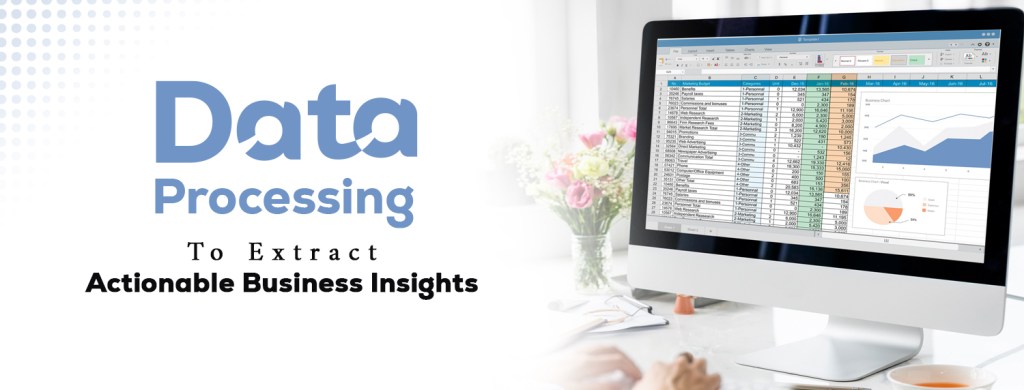
Data Processing to Extract Actionable Business Insights

Advertisements

In today’s fast-paced digital landscape, businesses generate vast amounts of data daily. However, raw data alone holds little value unless it is effectively analyzed and transformed into actionable insights. Organizations that master this process gain a competitive edge by making informed decisions that drive growth and efficiency. Here’s how to translate data into actionable business insights.

Before analyzing data, businesses must establish clear objectives. Without a defined goal, data analysis can be unfocused and ineffective. Consider the following steps:

  • Identify the key challenges or opportunities your business faces.
  • Determine the specific metrics that align with your goals.
  • Ensure all stakeholders understand the objectives to maintain consistency.

Data collection should be strategic and focused on quality rather than quantity. Organizations must:

  • Utilize structured and unstructured data sources such as sales records, customer feedback, and market trends.
  • Implement tools like CRM systems, Google Analytics, or business intelligence platforms to gather accurate data.
  • Ensure data is cleaned and validated to remove inconsistencies and errors.

Data analysis is crucial in identifying patterns and correlations that inform business decisions. Effective methods include:

  • Using statistical analysis to uncover trends and anomalies.
  • Applying machine learning and artificial intelligence for predictive analytics.
  • Employing visualization tools such as dashboards and graphs to make complex data easier to interpret.
Advertisements

Extracting actionable insights requires identifying the most significant data trends. Consider:

  • Correlating data findings with business objectives.
  • Recognizing customer behavior patterns and preferences.
  • Pinpointing inefficiencies and opportunities for optimization.

Data-driven insights must be translated into tangible business strategies. This involves:

  • Implementing changes based on findings, such as adjusting marketing strategies or optimizing supply chain operations.
  • Encouraging a data-driven culture where decisions are backed by analytical evidence.
  • Continuously monitoring and refining actions based on real-time feedback.

The effectiveness of data-driven actions must be regularly assessed. Businesses should:

  • Set key performance indicators (KPIs) to track progress.
  • Use A/B testing to evaluate the impact of implemented strategies.
  • Iterate and adjust strategies based on performance results to ensure continuous improvement.

Translating data into actionable business insights is a structured process that requires clear objectives, quality data collection, robust analysis, and strategic implementation. By leveraging technology and fostering a data-driven culture, businesses can enhance decision-making, optimize operations, and stay ahead in competitive markets. In a world where data is abundant, the real advantage lies in how effectively it is used to drive meaningful business outcomes.

Advertisements

معالجة البيانات لاستخراج رؤى أعمال قابلة للتنفيذ

Advertisements

في ظلّ التطور الرقمي المتسارع اليوم تُنتج الشركات كميات هائلة من البيانات يومياً، ومع ذلك لا تُعدّ البيانات الخام وحدها ذات قيمة تُذكر ما لم تُحلّل بفعالية وتُحوّل إلى رؤى قابلة للتنفيذ، إذ تكتسب المؤسسات التي تُتقن هذه العملية ميزة تنافسية من خلال اتخاذ قرارات مدروسة تُحفّز النمو والكفاءة

إليك كيفية ترجمة البيانات إلى رؤى أعمال قابلة للتنفيذ

قبل تحليل البيانات يجب على الشركات تحديد أهداف واضحة، فبدون هدف مُحدّد قد يكون تحليل البيانات غير مُركّز وغير فعّال، وعليه يُرجى مراعاة الخطوات التالية

تحديد التحديات أو الفرص الرئيسية التي تواجه عملك *

تحديد المقاييس المُحدّدة التي تتوافق مع أهدافك *

التأكد من فهم جميع أصحاب المصلحة للأهداف للحفاظ على الاتساق *

يجب أن يكون جمع البيانات استراتيجياً وأن يُركّز على الجودة لا على الكمية، لذا يجب على المؤسسات

استخدام مصادر بيانات مُهيكلة وغير مُهيكلة مثل سجلات المبيعات وملاحظات العملاء واتجاهات السوق *

(CRM) استخدم أدوات مثل أنظمة إدارة علاقات العملاء *

أو تحليلات جوجل أو منصات ذكاء الأعمال لجمع بيانات دقيقة

تأكد من تنظيف البيانات والتحقق من صحتها لإزالة أي تناقضات أو أخطاء *

يُعد تحليل البيانات أمراً بالغ الأهمية في تحديد الأنماط والارتباطات التي تُرشد قرارات الأعمال، تشمل الأساليب الفعالة ما يلي

استخدام التحليل الإحصائي للكشف عن الاتجاهات والاختلالات *

تطبيق التعلم الآلي والذكاء الاصطناعي للتحليلات التنبؤية *

استخدام أدوات التصور مثل لوحات المعلومات والرسوم البيانية لتسهيل تفسير البيانات المعقدة *

Advertisements

:يتطلب استخلاص رؤى عملية تحديد أهم اتجاهات البيانات، لذا عليك الأخذ بعين الاعتبار الخطوات التالية

ربط نتائج البيانات بأهداف العمل *

التعرف على أنماط سلوك العملاء وتفضيلاتهم *

تحديد أوجه القصور وفرص التحسين *

:يجب ترجمة الرؤى المستندة إلى البيانات إلى استراتيجيات عمل ملموسة، يتضمن ذلك

تنفيذ التغييرات بناءً على النتائج مثل تعديل استراتيجيات التسويق أو تحسين عمليات سلسلة التوريد *

تشجيع ثقافة قائمة على البيانات حيث تُدعم القرارات بأدلة تحليلية *

المراقبة المستمرة وتحسين الإجراءات بناءً على التغذية الراجعة الفورية *

:يجب تقييم فعالية الإجراءات القائمة على البيانات بانتظام، وهذا يحتِّم على الشركات

لتتبع التقدم (KPIs) وضع مؤشرات أداء رئيسية *

لتقييم تأثير الاستراتيجيات المطبقة A/B استخدام اختبار *

تكرار وتعديل الاستراتيجيات بناءً على نتائج الأداء لضمان التحسين المستمر *

إن تحويل البيانات إلى رؤى أعمال قابلة للتنفيذ عملية منظمة تتطلب أهدافاً واضحة وجمع بيانات عالية الجودة وتحليلاً دقيقاً وتنفيذاً استراتيجياً، فمن خلال الاستفادة من التكنولوجيا وتعزيز ثقافة قائمة على البيانات، ويمكن للشركات تحسين عملية صنع القرار وتحسين العمليات والبقاء في الصدارة في الأسواق التنافسية، وعليه وفي عالم تتوفر فيه البيانات بكثرة تكمن الميزة الحقيقية في مدى فعالية استخدامها لتحقيق نتائج أعمال ذات معنى

Advertisements

Data Science 2025 – The Comprehensive Roadmap

Advertisements

Data Science has evolved into one of the most sought-after careers in the tech industry, driven by advancements in artificial intelligence, machine learning, and big data analytics. As we step into 2025, the demand for skilled data scientists continues to grow across various industries, from healthcare to finance and e-commerce. This roadmap is designed to provide a structured approach to mastering data science, covering fundamental concepts, essential tools, and real-world applications.

Before diving into complex algorithms and big data processing, it is crucial to understand the foundation of data science.

Definition and Scope: Data Science is the interdisciplinary field that combines statistics, programming, and domain expertise to extract insights from data. For example, in healthcare, predictive models analyze patient data to forecast disease outbreaks and personalize treatment plans.

Mathematics & Statistics: Concepts such as probability, linear algebra, and statistical inference are the backbone of data science. A strong grasp of these topics enables data scientists to develop models that provide actionable insights, such as predicting customer churn in a subscription service.

Programming is a fundamental skill in data science, with Python and R being the most popular choices.

Python: Widely used due to its versatility and extensive libraries such as NumPy, Pandas, and Scikit-learn. For instance, Netflix uses Python to analyze user viewing patterns and recommend content.

R: Preferred in academia and research for statistical analysis and visualization, with applications in pharmaceutical companies for clinical trials and drug efficacy studies.

Data is often messy and unstructured, making data cleaning a vital step in the data science workflow.

Data Collection: Sourcing data from APIs, web scraping, or databases like SQL. For example, e-commerce platforms collect user purchase history to understand buying trends.

Data Cleaning: Handling missing values, removing duplicates, and standardizing formats using libraries like Pandas. Poor data quality in financial analytics can lead to inaccurate risk assessments, affecting investment decisions.

EDA is the process of analyzing data sets to summarize their main characteristics and discover patterns.

Data Visualization: Using Matplotlib and Seaborn to create charts and graphs. For instance, sales teams use bar charts to identify seasonal trends in product demand.

Statistical Analysis: Identifying correlations and distributions. In sports analytics, teams analyze player performance data to refine strategies and optimize team selection.

Advertisements

Machine learning allows computers to learn patterns from data and make predictions without being explicitly programmed.

Supervised Learning: Training models using labeled data. A bank may use classification models to detect fraudulent transactions.

Unsupervised Learning: Clustering and association techniques to find hidden patterns, such as customer segmentation in marketing campaigns.

Deep Learning: Neural networks that power AI applications like image recognition in self-driving cars.

With the exponential growth of data, big data technologies are essential for efficient processing and analysis.

Hadoop & Spark: Distributed computing frameworks for handling massive datasets. Social media companies process user interactions using Spark to recommend personalized content.

NoSQL Databases: MongoDB and Cassandra for handling unstructured data in real-time applications, such as ride-sharing apps tracking driver and passenger locations.

Deploying models into production ensures they provide value in real-world applications.

Flask & FastAPI: Creating APIs for machine learning models. A healthcare provider may deploy a patient risk assessment model via an API to integrate it into hospital management systems.

MLOps: Automating ML pipelines using CI/CD tools. For instance, companies like Spotify continuously update their recommendation engines based on user listening habits.

Data science has ethical implications, and addressing biases is critical to ensuring fairness and accuracy.

Bias in AI Models: AI models trained on biased data can produce discriminatory results. For example, biased hiring algorithms may favor certain demographics over others.

Data Privacy: Adhering to regulations like GDPR and CCPA to protect user data, as seen in tech companies implementing stricter data-sharing policies.

The journey to becoming a proficient data scientist in 2025 requires a strong foundation in mathematics, programming, machine learning, and big data technologies. By following this roadmap, aspiring data scientists can build the necessary skills to solve real-world problems across various industries. With continuous learning and hands-on practice, mastering data science is an achievable goal.

Advertisements

خارطة الطريق الشاملة لعلم البيانات 2025

Advertisements

تطور علم البيانات ليصبح من أكثر المهن رواجاً في قطاع التكنولوجيا مدفوعاً بالتطورات في الذكاء الاصطناعي والتعلم الآلي وتحليلات البيانات الضخمة، ومع حلول عام 2025 يستمر الطلب على علماء البيانات المهرة في النمو في مختلف القطاعات من الرعاية الصحية إلى التمويل والتجارة الإلكترونية، صُممت هذه الخارطة لتوفير نهج منظم لإتقان علم البيانات يغطي المفاهيم الأساسية والأدوات الضرورية والتطبيقات العملية

قبل الخوض في الخوارزميات المعقدة ومعالجة البيانات الضخمة من الضروري فهم أسس علم البيانات

التعريف والنطاق: علم البيانات هو مجال متعدد التخصصات يجمع بين الإحصاء والبرمجة والخبرة في مختلف المجالات لاستخلاص رؤى من البيانات، فعلى سبيل المثال: في مجال الرعاية الصحية تُحلل النماذج التنبؤية بيانات المرضى للتنبؤ بتفشي الأمراض وتخصيص خطط العلاج

الرياضيات والإحصاء: تُشكل مفاهيم مثل الاحتمالات والجبر الخطي والاستدلال الإحصائي العمود الفقري لعلم البيانات، ويُمكّن الإلمام القوي بهذه المواضيع علماء البيانات من تطوير نماذج تُقدم رؤى عملية مثل التنبؤ بانخفاض عدد العملاء في خدمة الاشتراك

تُعدّ البرمجة مهارة أساسية في علم البيانات

الخيارين الأكثر شيوعاً Rويُعدّ بايثون و

بايثون: يُستخدم على نطاق واسع نظراً لتعدد استخداماته ومكتباته الواسعة

NumPy و Pandas و Scikit-learn مثل

بايثون لتحليل أنماط مشاهدة Netflix فعلى سبيل المثال: تستخدم

المستخدمين وتوصية المحتوى

يُفضّل استخدامه في الأوساط الأكاديمية :R

والبحثية للتحليل الإحصائي والتصور وله تطبيقات في شركات الأدوية للتجارب السريرية ودراسات فعالية الأدوية

غالباً ما تكون البيانات فوضوية وغير مُهيكلة مما يجعل تنظيفها خطوة حيوية في سير عمل علم البيانات

جمع البيانات: الحصول على البيانات

(APIs) من واجهات برمجة التطبيقات

أو كشط البيانات من الويب أو قواعد البيانات مثل SQL، على سبيل المثال: تجمع منصات التجارة الإلكترونية سجل مشتريات المستخدمين لفهم اتجاهات الشراء

تنظيف البيانات: معالجة القيم المفقودة وإزالة التكرارات وتوحيد التنسيقات

Pandas باستخدام مكتبات مثل

وقد يؤدي ضعف جودة البيانات في التحليلات المالية إلى تقييمات غير دقيقة للمخاطر مما يؤثر على قرارات الاستثمار

تحليل البيانات الاستكشافي هو عملية تحليل مجموعات البيانات لتلخيص خصائصها الرئيسية واكتشاف أنماطها

:التصور البياني

لإنشاء المخططات والرسوم البيانية Matplotlib و Seaborn استخدام

فعلى سبيل المثال: تستخدم فرق المبيعات المخططات الشريطية لتحديد الاتجاهات الموسمية في الطلب على المنتجات

التحليل الإحصائي: تحديد الارتباطات والتوزيعات، ففي التحليلات الرياضية تُحلل الفرق بيانات أداء اللاعبين لتحسين الاستراتيجيات وتحسين اختيار الفريق

Advertisements

يسمح التعلم الآلي لأجهزة الكمبيوتر بتعلم الأنماط من البيانات وإجراء تنبؤات دون الحاجة إلى برمجة صريحة

التعلم المُشرف: تدريب النماذج باستخدام بيانات مُصنفة بحيث قد يستخدم البنك نماذج التصنيف للكشف عن المعاملات الاحتيالية

التعلم غير المُشرف: تقنيات التجميع والترابط لاكتشاف الأنماط الخفية مثل تقسيم العملاء في الحملات التسويقية

التعلم العميق: الشبكات العصبية التي تُشغّل تطبيقات الذكاء الاصطناعي مثل التعرف على الصور في السيارات ذاتية القيادة

مع النمو الهائل للبيانات تُعدّ تقنيات البيانات الضخمة أساسيةً للمعالجة والتحليل الفعّال

:Hadoop و Spark

أطر عمل حوسبة موزعة للتعامل مع مجموعات البيانات الضخمة، إذ تُعالج شركات التواصل الاجتماعي تفاعلات المستخدمين

لتوصية محتوى مُخصّص Spark باستخدام

: MongoDB قواعد بيانات

Cassandra و NoSQL

للتعامل مع البيانات غير المُهيكلة في تطبيقات الوقت الفعلي مثل تطبيقات مشاركة الرحلات التي تتتبّع مواقع السائقين والركاب

يضمن نشر النماذج في بيئة الإنتاج تقديم قيمة مُضافة في التطبيقات الواقعية

إنشاء واجهات برمجة تطبيقات لنماذج التعلم الآلي : Flask و FastAPI

بحيث يُمكن لمُقدّم الرعاية الصحية نشر نموذج تقييم مخاطر المريض عبر واجهة برمجة تطبيقات لدمجه في أنظمة إدارة المستشفيات

: (MLOps) عمليات التعلم الآلي

أتمتة مسارات التعلم الآلي باستخدام أدوات

(CI/CD) التكامل المستمر/التضمين المستمر

Spotify فعلى سبيل المثال: تُحدّث شركات مثل

محركات التوصيات الخاصة بها باستمرار بناءً على عادات استماع المستخدمين

لعلم البيانات آثار أخلاقية ومعالجة التحيزات أمر بالغ الأهمية لضمان العدالة والدقة

التحيز في نماذج الذكاء الاصطناعي: يمكن أن تُنتج نماذج الذكاء الاصطناعي المُدرّبة على بيانات متحيزة نتائج تمييزية، فعلى سبيل المثال: قد تُفضّل خوارزميات التوظيف المتحيزة فئات سكانية مُعيّنة على أخرى

خصوصية البيانات: الالتزام بلوائح مثل اللائحة العامة

وقانون خصوصية المستهلك (GDPR) لحماية البيانات

لحماية بيانات المستخدم (CCPA) في كاليفورنيا

كما هو الحال في شركات التكنولوجيا التي تُطبّق سياسات أكثر صرامة لمشاركة البيانات

تتطلب رحلة التحول إلى عالم بيانات ماهر بحلول عام ٢٠٢٥ أساساً متيناً في الرياضيات والبرمجة والتعلم الآلي وتقنيات البيانات الضخمة، فباتباع هذه الخارطة يمكن لعلماء البيانات الطموحين بناء المهارات اللازمة لحل مشكلات واقعية في مختلف القطاعات، ومع التعلم المستمر والممارسة العملية يُصبح إتقان علم البيانات هدفاً قابلاً للتحقيق

Advertisements

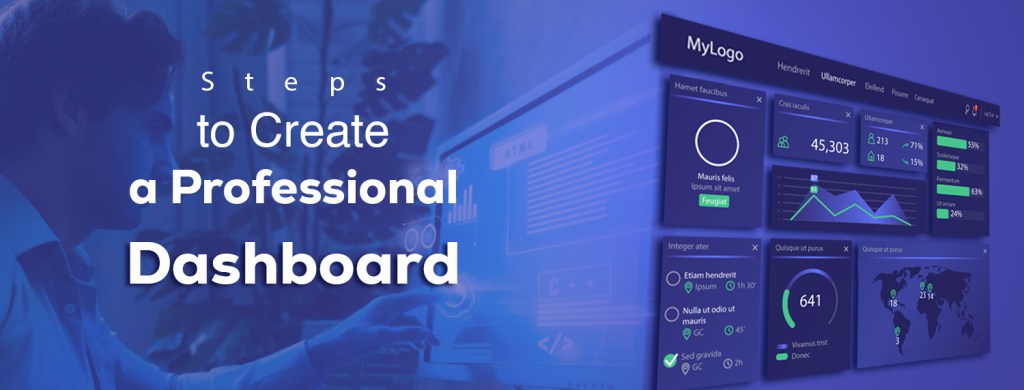
Steps to Create a Professional Dashboard

Advertisements

Creating a professional dashboard requires careful planning, an understanding of user needs, and the application of design principles to ensure clarity and usability.

Before diving into design or development, it’s essential to identify what the dashboard aims to achieve. Whether it’s for business analytics, financial tracking, or project management, understanding the end-user’s needs and the key metrics they will rely on ensures that the dashboard delivers relevant and actionable insights. This step often involves gathering requirements from stakeholders, analyzing existing workflows, and determining which data points are most critical to decision-making. Without this foundational understanding, the dashboard risks being cluttered, ineffective, or overwhelming.

A dashboard is only as useful as the quality and accuracy of the data it presents. At this stage, data sources must be identified and connected. These sources can include databases, APIs, spreadsheets, or third-party services. Ensuring data consistency and reliability is crucial, as any errors or inconsistencies can mislead users and negatively impact decision-making. Data transformation and cleaning processes may be necessary to standardize formats and remove inconsistencies. Moreover, real-time or scheduled data updates must be considered based on the dashboard’s intended use. For dashboards requiring live data, establishing secure and efficient connections with data sources is essential to ensure smooth operation and performance.

Advertisements

Effective dashboard design prioritizes clarity, ease of use, and visual hierarchy. This means organizing data in a way that allows users to quickly understand and interpret information without unnecessary distractions. The use of charts, graphs, tables, and key performance indicators (KPIs) should be carefully planned to enhance readability. Selecting the right type of visualization for different data sets is critical; for instance, line charts work well for trends over time, while pie charts are more suited for proportional comparisons. Additionally, applying a consistent color scheme, typography, and spacing improves the overall aesthetic and usability of the dashboard. Interactive elements such as filters, drill-down capabilities, and tooltips can be incorporated to provide users with more control over how they view and analyze data.

Depending on the complexity of the dashboard, development can involve using business intelligence (BI) tools such as Tableau, Power BI, or Google Data Studio, or custom development using programming languages like JavaScript with libraries such as D3.js or React.js. The choice of technology depends on factors such as scalability, customization needs, and integration capabilities. During the development phase, it’s crucial to ensure that the dashboard is responsive, meaning it functions well on different screen sizes, including desktops, tablets, and mobile devices. User authentication and role-based access control may also be necessary to restrict sensitive data to authorized users only.

This step is vital for ensuring the dashboard meets user expectations and performs efficiently. Testing should include both technical and usability aspects. Performance testing ensures that the dashboard loads data quickly and functions smoothly, even with large datasets. Usability testing involves gathering feedback from actual users to identify any issues with navigation, readability, or overall experience. Based on feedback, necessary refinements should be made to improve functionality and user satisfaction. Continuous monitoring and updates should be planned to keep the dashboard relevant as business needs and data sources evolve.

By following these steps—defining purpose and audience, collecting and integrating data, designing an intuitive interface, implementing with the right tools, and continuously improving through testing and feedback—a professional dashboard can provide valuable insights and enhance decision-making processes across various industries.

Advertisements

مراحل إنشاء لوحة معلومات احترافية

Advertisements

يتطلب إنشاء لوحة معلومات احترافية تخطيطاً دقيقاً وفهماً لاحتياجات المستخدم وتطبيق مبادئ التصميم لضمان الوضوح وسهولة الاستخدام

قبل الخوض في التصميم أو التطوير من الضروري تحديد ما تهدف لوحة المعلومات إلى تحقيقه، سواء كان ذلك لتحليلات الأعمال أو التتبع المالي أو إدارة المشاريع فإن فهم احتياجات المستخدم النهائي والمقاييس الرئيسية التي سيعتمد عليها يضمن أن لوحة المعلومات تقدم رؤى ذات صلة وقابلة للتنفيذ، فغالباً ما تتضمن هذه الخطوة جمع المتطلبات من أصحاب المصلحة وتحليل سير العمل الحالية وتحديد نقاط البيانات الأكثر أهمية لاتخاذ القرار، وبدون هذا الفهم الأساسي تخاطر لوحة المعلومات بالتكدس أو عدم الفعالية أو الإرهاق

لوحة المعلومات مفيدة فقط بقدر جودة ودقة البيانات التي تقدمها، ففي هذه المرحلة يجب تحديد مصادر البيانات وتوصيلها، ويمكن أن تشمل هذه المصادر قواعد البيانات أو واجهات برمجة التطبيقات أو جداول البيانات أو خدمات الجهات الخارجية، لذا فإن ضمان اتساق البيانات وموثوقيتها أمر بالغ الأهمية حيث أن أي أخطاء أو تناقضات يمكن أن تضلل المستخدمين وتؤثر سلباً على اتخاذ القرار قد تكون عمليات تحويل البيانات وتنظيفها ضرورية لتوحيد التنسيقات وإزالة التناقضات، علاوة على ذلك يجب النظر في تحديثات البيانات في الوقت الفعلي أو المجدولة بناءً على الاستخدام المقصود للوحة المعلومات، فبالنسبة للوحات المعلومات التي تتطلب بيانات مباشرة فإن إنشاء اتصالات آمنة وفعالة مع مصادر البيانات أمر ضروري لضمان التشغيل السلس والأداء

Advertisements

يعطي تصميم لوحة المعلومات الفعال الأولوية للوضوح وسهولة الاستخدام والتسلسل الهرمي المرئي، وهذا يعني تنظيم البيانات بطريقة تسمح للمستخدمين بفهم المعلومات وتفسيرها بسرعة دون تشتيتات غير ضرورية، لذا يجب التخطيط بعناية لاستخدام المخططات والرسوم البيانية والجداول

لتحسين قابلية القراءة (KPIs) ومؤشرات الأداء الرئيسية

بحيث يعد اختيار النوع المناسب من التصور لمجموعات البيانات المختلفة أمراً بالغ الأهمية فعلى سبيل المثال: تعمل المخططات الخطية بشكل جيد للاتجاهات بمرور الوقت، بينما تكون المخططات الدائرية أكثر ملاءمة للمقارنات النسبية، بالإضافة إلى ذلك يؤدي تطبيق مخطط ألوان وخطوط وتباعد متناسق إلى تحسين المظهر الجمالي العام وسهولة استخدام لوحة المعلومات، بحيث يمكن دمج العناصر التفاعلية مثل المرشحات وإمكانيات التنقيب وإرشادات الأدوات لتزويد المستخدمين بمزيد من التحكم في كيفية عرض البيانات وتحليلها

اعتماداً على تعقيد لوحة المعلومات يمكن أن يتضمن التطوير استخدام أدوات ذكاء الأعمال

Google Data Studio أو Power BI أو Tableau مثل (BI)

أو التطوير المخصص باستخدام لغات البرمجة

React.js. أو D3.js مع مكتبات مثل JavaScript مثل

يعتمد اختيار التكنولوجيا على عوامل مثل قابلية التوسع واحتياجات التخصيص وإمكانيات التكامل، فأثناء مرحلة التطوير من الأهمية بمكان التأكد من أن لوحة المعلومات سريعة الاستجابة مما يعني أنها تعمل بشكل جيد على أحجام شاشات مختلفة بما في ذلك أجهزة الكمبيوتر المكتبية والأجهزة اللوحية والأجهزة المحمولة، قد يكون مصادقة المستخدم والتحكم في الوصول القائم على الدور ضروريين أيضاً لتقييد البيانات الحساسة للمستخدمين المصرح لهم فقط

هذه الخطوة حيوية لضمان تلبية لوحة المعلومات لتوقعات المستخدم وأدائها بكفاءة، فيجب أن يتضمن الاختبار كلاً من الجوانب الفنية وقابلية الاستخدام، بحيث يضمن اختبار الأداء أن لوحة المعلومات تقوم بتحميل البيانات بسرعة وتعمل بسلاسة حتى مع مجموعات البيانات الكبيرة، وعليه يتضمن اختبار قابلية الاستخدام جمع الملاحظات من المستخدمين الفعليين لتحديد أي مشكلات في التنقل أو قابلية القراءة أو التجربة الشاملة، وبناءً على الملاحظات يجب إجراء التحسينات اللازمة لتحسين الوظائف ورضا المستخدم، كما ويجب التخطيط للمراقبة والتحديثات المستمرة للحفاظ على لوحة المعلومات ذات صلة باحتياجات العمل ومصادر البيانات المتطورة

باتباع هذه الخطوات: تحديد الغرض والجمهور وجمع البيانات ودمجها وتصميم واجهة بديهية والتنفيذ بالأدوات المناسبة والتحسين المستمر من خلال الاختبار والملاحظات يمكن أن توفر لوحة المعلومات الاحترافية رؤى قيمة وتعزز عمليات اتخاذ القرار عبر مختلف الصناعات

Advertisements