
Can We Distill Years of Expertise in Data Science into Just Few Minutes?

Advertisements

In the fast-paced world of technology, data science has emerged as one of the most transformative fields, influencing industries across the globe. Mastering data science requires years of learning and experience, yet we will attempt to distill years of expertise into just few minutes.

This essay highlights the fundamental pillars of data science, its essential tools, and key applications, providing a concise yet comprehensive understanding of this dynamic domain.

Data science is an interdisciplinary field that combines statistics, programming, and domain expertise to extract meaningful insights from data. The journey begins with understanding mathematics, particularly statistics and linear algebra, which form the backbone of data analysis. Probability, hypothesis testing, regression models, and clustering techniques are crucial in interpreting data trends.

Programming is another cornerstone of data science, with Python and R being the most widely used languages. Libraries such as NumPy, Pandas, Matplotlib, and Scikit-learn in Python facilitate efficient data manipulation, visualization, and machine learning model implementation.

Raw data is rarely perfect. Data scientists spend a significant portion of their time cleaning, preprocessing, and transforming data. Techniques such as handling missing values, removing duplicates, encoding categorical variables, and normalizing data ensure accuracy and reliability. SQL plays a vital role in querying databases, while tools like Apache Spark handle big data efficiently.

Before diving into modeling, understanding the dataset is crucial. Exploratory Data Analysis (EDA) involves summarizing main characteristics through statistical summaries, visualizations, and pattern detection. Libraries such as Seaborn and Plotly assist in generating insightful graphs that reveal correlations and anomalies within the data.

Advertisements

Machine learning is the heart of data science. It can be broadly classified into:

Supervised Learning: Algorithms like linear regression, decision trees, random forests, and neural networks make predictions based on labeled data.

Unsupervised Learning: Techniques such as k-means clustering and principal component analysis (PCA) help uncover hidden patterns in unlabeled data.

Reinforcement Learning: Used in robotics and gaming, this technique allows models to learn optimal strategies through rewards and penalties.

Deep learning, powered by neural networks and frameworks like TensorFlow and PyTorch, has revolutionized fields such as image recognition and natural language processing (NLP).

Building a model is not enough; assessing its performance is crucial. Metrics such as accuracy, precision, recall, and F1-score help evaluate classification models, while RMSE and R-squared measure regression models. Techniques like cross-validation, hyperparameter tuning, and ensemble methods improve model robustness and accuracy.

Once a model is optimized, deploying it for real-world use is the next step. Cloud platforms such as AWS, Google Cloud, and Azure provide scalable solutions. Deployment tools like Flask and FastAPI allow integration with applications. Monitoring and updating models ensure continued performance over time.

Data science continues to evolve with advancements in AI, automation, and ethical considerations. Explainable AI (XAI), AutoML, and federated learning are reshaping the field. Understanding the ethical implications of AI, including bias mitigation and data privacy, is becoming increasingly important.

Conclusion

years of data science encompasses vast knowledge, yet at its core, it is about transforming raw data into actionable insights. Mastering the fundamentals, staying updated with emerging technologies, and continuously experimenting are key to success in this field. Whether you are a beginner or an experienced practitioner, the journey of data science is one of constant learning and innovation.

Advertisements

هل يمكننا تلخيص سنوات من الخبرة في علم البيانات في بضع دقائق فقط؟

Advertisements

في عالم التكنولوجيا المتسارع برز علم البيانات كواحد من أكثر المجالات تحولاً حيث يؤثر على الصناعات في جميع أنحاء العالم، فيتطلب إتقان علم البيانات سنوات من التعلم والخبرة ومع ذلك سنحاول تلخيص عدة سنوات من الخبرة في دقائق فقط

تسلط هذه المقالة الضوء على الركائز الأساسية لعلم البيانات وأدواته الأساسية وتطبيقاته الرئيسية مما يوفر فهماً موجزاً ​​وشاملاً لهذا المجال الديناميكي

علم البيانات هو مجال متعدد التخصصات يجمع بين الإحصاء والبرمجة والخبرة في المجال لاستخراج رؤى ذات مغزى من البيانات، فتبدأ الرحلة بفهم الرياضيات وخاصة الإحصاء والجبر الخطي والتي تشكل العمود الفقري لتحليل البيانات، وتعد الاحتمالات واختبار الفرضيات ونماذج الانحدار وتقنيات التجميع أمراً بالغ الأهمية في تفسير اتجاهات البيانات البرمجة هي حجر الزاوية الآخر لعلم البيانات

أكثر اللغات استخداماً R حيث تعد لغة بايثون ولغة

وبالتالي تسهل المكتبات

في بايثون Scikit-learn و Matplotlib و Pandas و NumPy :مثل

معالجة البيانات بكفاءة وتصورها وتنفيذ نموذج التعلم الآلي

نادراً ما تكون البيانات الخام مثالية، إذ يقضي علماء البيانات جزءاً كبيراً من وقتهم في تنظيف البيانات ومعالجتها مسبقاً وتحويلها، وتضمن التقنيات مثل التعامل مع القيم المفقودة وإزالة التكرارات وترميز المتغيرات التصنيفية وتطبيع البيانات الدقة والموثوقية

دوراً حيوياً في استعلام قواعد البيانات بينما تتعامل أدوات SQL وتلعب

مع البيانات الضخمة بكفاءة Apache Spark مثل

قبل الخوض في النمذجة يعد فهم مجموعة البيانات أمراً بالغ الأهمية، إذ يتضمن تحليل البيانات الاستكشافي تلخيص الخصائص الرئيسية من خلال الملخصات الإحصائية والتصورات واكتشاف الأنماط

Plotly و Seaborn :وتساعد المكتبات مثل

في إنشاء رسوم بيانية ثاقبة تكشف عن الارتباطات والشذوذ داخل البيانات

Advertisements

:يعتبر التعلم الآلي جوهر علم البيانات ويمكن تصنيفه على نطاق واسع إلى

التعلم الخاضع للإشراف: تقوم الخوارزميات مثل الانحدار الخطي وأشجار القرار والغابات العشوائية والشبكات العصبية بإجراء تنبؤات بناءً على بيانات مصنفة

التعلم غير الخاضع للإشراف: تساعد تقنيات مثل التجميع

(PCA) وتحليل المكونات الأساسية k باستخدام متوسطات

في الكشف عن الأنماط المخفية في البيانات غير المصنفة

التعلم التعزيزي: يستخدم هذا الأسلوب في الروبوتات والألعاب ويسمح للنماذج بتعلم الاستراتيجيات المثلى من خلال المكافآت والعقوبات

أحدث التعلم العميق المدعوم بالشبكات العصبية والأطر

TensorFlow و PyTorch :مثل

NLP ثورة في مجالات مثل التعرف على الصور ومعالجة اللغة الطبيعية  

إن بناء النموذج ليس كافياً فتقييم أدائه أمر بالغ الأهمية، فتساعد المقاييس

F1 مثل الدقة والدقة والتذكر ودرجة

R-squared  و RMSE في تقييم نماذج التصنيف بينما تقيس

نماذج الانحدار، وتعمل التقنيات مثل التحقق المتبادل وضبط المعلمات الفائقة وطرق المجموعة على تحسين قوة النموذج ودقته

بمجرد تحسين النموذج فإن نشره للاستخدام في العالم الحقيقي هو الخطوة التالية، إذ توفر منصات السحابة

AWS و Google Cloud  و Azure :مثل

حلولاً قابلة للتطوير، وبالتالي تسمح أدوات النشر

Flask و FastAPI :مثل

بالتكامل مع التطبيقات فتضمن مراقبة وتحديث النماذج الأداء المستمر بمرور الوقت

يستمر علم البيانات في التطور مع التقدم في الذكاء الاصطناعي والأتمتة والاعتبارات الأخلاقية

AutoMLو (XAI) بحيث يعيد الذكاء الاصطناعي القابل للتفسير

والتعلم الفيدرالي تشكيل المجال، وعليه أصبح فهم الآثار الأخلاقية للذكاء الاصطناعي بما في ذلك التخفيف من التحيز وخصوصية البيانات مهماً بشكل متزايد

الخلاصة

عدة سنوات من علم البيانات تشمل معرفة واسعة ولكن في جوهرها يتعلق الأمر بتحويل البيانات الخام إلى رؤى قابلة للتنفيذ، وبالتالي فإن إتقان الأساسيات ومواكبة التقنيات الحديثة والتجريب المستمر هي مفتاح النجاح في هذا المجال، سواء كنت مبتدئاً أو ممارساً متمرساً فإن رحلة علم البيانات هي رحلة تعلم وابتكار مستمرين


Advertisements

Some Key Strategies to Ensure Continued Growth and Success in Data Science

Advertisements

In the fast-evolving world of data analytics, staying ahead requires a combination of technical expertise, adaptability, and strategic foresight. As businesses increasingly rely on data-driven decision-making, the role of a data analyst has become pivotal. Here are some key strategies to ensure continued growth and success in this dynamic field.

The foundation of a successful data analyst lies in their technical proficiency. Core skills such as data manipulation, visualization, and statistical analysis are non-negotiable. Proficiency in tools like Python, R, SQL, and Excel is essential. Furthermore, familiarity with data visualization platforms such as Tableau, Power BI, or Looker can make your insights more impactful and accessible to stakeholders.

To stay ahead, dedicate time to learning emerging technologies and tools. For example, cloud platforms like AWS, Azure, and Google Cloud are becoming increasingly relevant for handling large-scale data. Additionally, understanding machine learning fundamentals and algorithms can provide a competitive edge.

The data analytics landscape is constantly changing, with new tools, frameworks, and methodologies emerging regularly. A growth mindset—characterized by curiosity and a willingness to learn—is crucial for staying relevant. Attend workshops, webinars, and industry conferences to keep abreast of the latest trends and best practices.

Online learning platforms such as Coursera, Udemy, and LinkedIn Learning offer specialized courses on topics like advanced data analytics, AI, and big data. Subscribing to industry blogs, podcasts, and newsletters can also help you stay informed about new developments and opportunities.

Technical expertise is only one part of the equation. Data analysts must also understand the business context of their work. Familiarize yourself with your company’s industry, goals, and challenges. This knowledge enables you to frame your analysis in a way that directly addresses organizational needs and drives value.

Collaborate with stakeholders to understand their pain points and decision-making processes. By aligning your insights with business objectives, you can position yourself as a strategic partner rather than just a technical resource.

The ability to communicate complex data insights clearly and effectively is a hallmark of a great data analyst. Strong communication skills—both written and verbal—are essential for presenting findings to non-technical audiences.

Practice creating concise reports, compelling dashboards, and impactful presentations. Storytelling with data is a valuable skill that helps convey the significance of your analysis. Use visualizations to make data more digestible and actionable for decision-makers.

Advertisements

Networking with other professionals in the field can provide valuable insights, mentorship, and career opportunities. Join online forums, social media groups, and professional organizations such as the International Institute for Analytics (IIA) or the Data Science Association.

Participating in hackathons, meetups, and local events can also expand your network. Engaging with others in the analytics community allows you to exchange ideas, stay inspired, and learn from peers’ experiences.

In a field where time is of the essence, automating repetitive tasks can significantly boost productivity. Learn to use scripting and automation tools like Python libraries (e.g., Pandas and NumPy) or workflow management platforms such as Apache Airflow.

Additionally, staying informed about advancements in AI and machine learning can help you leverage automation for more sophisticated tasks, such as predictive modeling and anomaly detection.

As the volume and importance of data grow, so does the responsibility to handle it ethically. Familiarize yourself with data privacy regulations like GDPR and CCPA, and ensure compliance in your work. Ethical data practices build trust with stakeholders and safeguard your organization from legal risks.

Consider taking courses or earning certifications in data ethics and governance to demonstrate your commitment to responsible analytics.

Finally, continually evaluate your own growth and performance. Set clear goals, whether it’s mastering a new tool, completing a certification, or improving your presentation skills. Regularly review your achievements and identify areas for improvement.

Solicit feedback from colleagues and supervisors to gain insights into how you can enhance your contributions. By tracking your progress, you can stay motivated and focused on long-term career growth.

The role of a data analyst is both challenging and rewarding. By mastering technical skills, cultivating a growth mindset, and aligning your work with business objectives, you can stay ahead in this competitive field. Communication, networking, and ethical practices further enhance your value as a data professional. Ultimately, a commitment to continuous learning and self-improvement will ensure your success as a data analyst in the ever-changing world of data analytics.

Advertisements

بعض الاستراتيجيات الرئيسية لضمان النجاح والنمو المستمر في علم البيانات

Advertisements

في عالم تحليل البيانات سريع التطور يتطلب البقاء متقدماً مزيجاً من الخبرة الفنية والقدرة على التكيف الاستراتيجي، ومع اعتماد الشركات بشكل متزايد على اتخاذ القرارات القائمة على البيانات أصبح دور محلل البيانات محورياً

فيما يلي بعض الاستراتيجيات الرئيسية لضمان بقائك في المقدمة في هذا المجال الديناميكي

يعتمد أساس محلل البيانات الناجح على كفاءته الفنية، فالمهارات الأساسية مثل معالجة البيانات والتصور والتحليل الإحصائي غير قابلة للجدل

أمراً ضرورياً Excel و SQL و Python إذ تعد الكفاءة في أدوات مثل

وعلاوة على ذلك فإن الإلمام بمنصات تصور البيانات

Looker أو Power BI أو Tableau مثل

يمكن أن يجعل رؤيتك أكثر تأثيراً ويمكن الوصول إليها من قبل أصحاب العمل

للبقاء متقدماً خصص وقتاً لتعلم التقنيات والأدوات الحديثة، فعلى سبيل المثال أصبحت منصات السحابة

Google Cloud و AWS مثل

ذات صلة متزايدة بالتعامل مع البيانات واسعة النطاق، بالإضافة إلى ذلك فإن فهم أساسيات التعلم الآلي والخوارزميات يمكن أن يوفر لك ميزة تنافسية

يتغير مشهد تحليلات البيانات باستمرار مع ظهور أدوات وأطر ومنهجيات جديدة بانتظام، إذ تعد عقلية النمو – التي تتميز بالفضول والرغبة في التعلم – أمراً بالغ الأهمية للبقاء على صلة، لذا احرص على حضور ورش العمل والندوات عبر الإنترنت ومؤتمرات الصناعة لمواكبة أحدث الاتجاهات وأفضل الممارسات تقدم منصات التعلم عبر الإنترنت

LinkedIn Learning و Udemy و Coursera مثل

دورات متخصصة حول مواضيع مثل تحليلات البيانات المتقدمة والذكاء الاصطناعي والبيانات الضخمة، بحيث يمكن أن يساعدك الاشتراك في مدونات الصناعة والبودكاست والنشرات الإخبارية أيضاً في البقاء على اطلاع بالتطورات والفرص الجديدة

الخبرة الفنية ليست سوى جزء واحد من المعادلة، إذ يجب على محللي البيانات أيضاً فهم السياق التجاري لعملهم، لذا تعرف على صناعة شركتك وأهدافها وتحدياتها، إذ تمكنك هذه المعرفة من صياغة تحليلك بطريقة تعالج بشكل مباشر احتياجات المنظمة وتساهم في دفع عجلة تطورها إلى الأمام

تعاون مع أصحاب المصلحة لفهم نقاط ضعفهم وعمليات صنع القرار، فمن خلال مواءمة رؤاك مع أهداف العمل يمكنك وضع نفسك كشريك استراتيجي بدلاً من مجرد مورد فني

القدرة على توصيل رؤى البيانات المعقدة بوضوح وفعالية هي السمة المميزة لمحلل البيانات العظيم، فمهارات الاتصال القوية – سواء المكتوبة أو اللفظية – ضرورية لتقديم النتائج للجمهور غير الفني

تدرب على إنشاء تقارير موجزة ولوحات معلومات مقنعة وعروض تقديمية مؤثرة، إذ يعد سرد القصص بالبيانات مهارة قيمة تساعد في نقل أهمية تحليلك، واستخدم التصورات لجعل البيانات أكثر قابلية للهضم وقابلية للتنفيذ لصناع القرار

Advertisements

يمكن أن يوفر التواصل مع المهنيين الآخرين في هذا المجال رؤى قيمة وإرشاداً وفرصاً وظيفية، لذا احرص دائماً إلى الانضمام إلى المنتديات عبر الإنترنت ومجموعات وسائل التواصل الاجتماعي والمنظمات المهنية

أو جمعية علوم البيانات (IIA) مثل المعهد الدولي للتحليلات

المشاركة في اللقاءات والأحداث المحلية يمكن أن توسع شبكتك أيضاً، إذ يتيح لك التواصل مع الآخرين في مجتمع التحليلات تبادل الأفكار والبقاء مستوحى والتعلم من تجارب الأقران

اعلم دائماً أن الوقت هو جوهر الأمر، ومن هذا المنطق يمكن أن يؤدي أتمتة المهام المتكررة إلى تعزيز الإنتاجية بشكل كبير، لذا تعلم كيفية استخدام أدوات البرمجة النصية والأتمتة مثل مكتبات بايثون

Apache Airflow أو منصات إدارة سير العمل مثل

بالإضافة إلى ذلك فإن البقاء على اطلاع بالتطورات في الذكاء الاصطناعي والتعلم الآلي يمكن أن يساعدك في الاستفادة من الأتمتة للمهام الأكثر تعقيداً مثل النمذجة التنبؤية واكتشاف الشذوذ

مع نمو حجم وأهمية البيانات تزداد أيضاً مسؤولية التعامل معها بشكل أخلاقي، لذا تعرف على لوائح خصوصية البيانات

وتأكد من الالتزام في عملك CCPA و GDPR مثل

فممارسات البيانات الأخلاقية تبني الثقة مع أصحاب المصلحة وتحمي مؤسستك من المخاطر القانونية

فكر في أخذ دورات أو الحصول على شهادات في أخلاقيات البيانات والحوكمة لإثبات التزامك بالتحليلات المسؤولة

أخيراً.. قم بتقييم نموك وأدائك باستمرار وذلك عن طريق تحديد أهداف واضحة، سواء كانت إتقان أداة جديدة أو إكمال شهادة أو تحسين مهارات العرض التقديمي، لذا راجع إنجازاتك بانتظام وحدد مجالات التحسين

اطلب ملاحظات من الزملاء والمشرفين للحصول على رؤى حول كيفية تحسين مساهماتك، فمن خلال تتبع تقدمك يمكنك البقاء متحفزاً ومركزاً على النمو الوظيفي على المدى الطويل

الخلاصة

دور محلل البيانات هو أمر صعب ولكنه يستحق العناء، فمن خلال إتقان المهارات الفنية من خلال تنمية عقلية النمو ومواءمة عملك مع أهداف العمل يمكنك البقاء في المقدمة في هذا المجال التنافسي، كما تعمل الاتصالات والتواصل والممارسات الأخلاقية على تعزيز قيمتك كمحترف بيانات، وفي النهاية سيضمن الالتزام بالتعلم المستمر وتحسين الذات نجاحك كمحلل بيانات في عالم تحليل البيانات المتغير باستمرار

Advertisements

How does Integrating Python into Excel is the Significant Boost in Data Analysts Work Efficiency?

Advertisements

In recent years, the integration of Python into Microsoft Excel has revolutionized the field of data analysis. This development bridges the gap between two of the most widely used tools in data analytics, bringing together the accessibility of Excel with the advanced capabilities of Python. This combination is poised to reshape how data analysts work by enhancing efficiency, enabling advanced analytics, and fostering greater collaboration.

One of the most immediate benefits of integrating Python into Excel is the significant boost in efficiency. Excel has long been the go-to tool for basic data manipulation and visualization, while Python excels in handling large datasets, automation, and advanced computations. Previously, analysts had to switch between these tools, exporting and importing data between Excel and Python environments. With Python now embedded in Excel, this workflow becomes seamless, saving time and reducing errors. For instance, tasks like cleaning data, automating repetitive processes, or performing complex calculations can now be executed directly within Excel, eliminating redundant steps.

Python’s integration into Excel democratizes access to advanced analytics. Python’s robust libraries, such as Pandas, NumPy, and Matplotlib, empower users to perform sophisticated data manipulation, statistical analysis, and data visualization. Analysts who are already comfortable with Excel can now leverage these powerful tools without needing extensive programming expertise. For example, tasks such as predictive modeling, trend analysis, and machine learning—once the domain of specialized data scientists—can now be performed within Excel by leveraging Python scripts. This makes advanced analytics more accessible to a broader audience, fostering innovation and enabling businesses to extract deeper insights from their data.

Advertisements

Another transformative aspect of this integration is its potential to enhance collaboration. Data analysts often work alongside professionals who may not have programming expertise but are proficient in Excel. By embedding Python directly into Excel, analysts can create solutions that are easily shared and understood by non-technical team members. Python’s ability to generate visually appealing and interactive dashboards, combined with Excel’s familiar interface, ensures that insights are communicated effectively across diverse teams. Additionally, this integration reduces the reliance on external tools, creating a unified platform for analysis and reporting.

While the integration of Python into Excel offers numerous advantages, it also presents challenges. Users must invest time in learning Python to fully harness its capabilities. Organizations may also need to provide training and resources to bridge the skill gap. Furthermore, managing computational performance within Excel when dealing with large datasets or resource-intensive Python scripts will require careful optimization.

Conclusion

The integration of Python into Excel marks a pivotal moment in the evolution of data analytics. By combining the strengths of both tools, data analysts can work more efficiently, perform advanced analyses, and collaborate more effectively. While there are challenges to address, the potential benefits far outweigh the drawbacks. As this integration continues to evolve, it will undoubtedly reshape the way data analysts work, driving innovation and unlocking new possibilities in the field of analytics.

Advertisements

كيف يعتبر دمج بايثون في إكسل بمثابة تعزيز كبير لكفاءة عمل محللي البيانات؟

Advertisements

في السنوات الأخيرة أحدث دمج بايثون في مايكروسوفت إكسل ثورة في مجال تحليل البيانات، إذ يعمل هذا التطور على سد الفجوة بين اثنتين من أكثر الأدوات استخداماً في تحليل البيانات حيث يجمع بين إمكانية الوصول إلى إكسل والقدرات المتقدمة لبايثون، فمن المتوقع أن يعيد هذا المزيج تشكيل طريقة عمل محللي البيانات من خلال تعزيز الكفاءة وتمكين التحليلات المتقدمة وتعزيز التعاون بشكل أكبر

تتمثل إحدى الفوائد الأكثر أهمية لدمج بايثون في إكسل في الزيادة الكبيرة في الكفاءة، إذ لطالما كان إكسل هو الأداة المفضلة لمعالجة البيانات الأساسية وتصورها بينما يتفوق بايثون في التعامل مع مجموعات البيانات الكبيرة والأتمتة والحسابات المتقدمة، ففي السابق كان على المحللين التبديل بين هذه الأدوات وتصدير البيانات واستيرادها بين بيئات إكسل وبايثون، ولكن مع تضمين بايثون الآن في إكسل أصبح سير العمل هذا سلساً مما يوفر الوقت ويقلل الأخطاء، فعلى سبيل المثال يمكن الآن تنفيذ مهام مثل تنظيف البيانات أو أتمتة العمليات المتكررة أو إجراء حسابات معقدة مباشرةً داخل إكسل، مما يلغي الخطوات المكررة.

يعمل دمج بايثون في إكسل على إضفاء الطابع الديمقراطي على الوصول إلى التحليلات المتقدمة

Matplotlib و NumPy و Pandas فتعمل مكتبات بايثون القوية مثل

على تمكين المستخدمين من إجراء معالجة معقدة للبيانات والتحليل الإحصائي وتصور البيانات، ويمكن للمحللين الذين يشعرون بالراحة بالفعل مع إكسل الآن الاستفادة من هذه الأدوات القوية دون الحاجة إلى خبرة برمجة واسعة النطاق، فعلى سبيل المثال يمكن الآن تنفيذ مهام مثل النمذجة التنبؤية وتحليل الاتجاهات والتعلم الآلي داخل إكسل من خلال الاستفادة من نصوص بايثون وهذا يجعل التحليلات المتقدمة أكثر سهولة في الوصول إليها لجمهور أوسع مما يعزز الابتكار ويمكِّن الشركات من استخراج رؤى أعمق من بياناتها

Advertisements

هناك جانب تحويلي آخر لهذا التكامل وهو قدرته على تعزيز التعاون، فغالباً ما يعمل محللو البيانات جنباً إلى جنب مع المحترفين الذين قد لا يتمتعون بخبرة في البرمجة ولكنهم بارعون في إكسل، فمن خلال تضمين بايثون مباشرة في إكسل يمكن للمحللين إنشاء حلول يمكن مشاركتها وفهمها بسهولة من قبل أعضاء الفريق غير الفنيين، وبالتالي تضمن قدرة بايثون على إنشاء لوحات معلومات جذابة بصرياً وتفاعلية جنباً إلى جنب مع واجهة إكسل المألوفة ومن ثم توصيل الأفكار بشكل فعال عبر فرق متنوعة، وبالإضافة إلى ذلك يقلل هذا التكامل من الاعتماد على الأدوات الخارجية مما يخلق منصة موحدة للتحليل وإعداد التقارير

في حين أن دمج بايثون في إكسل يوفر العديد من المزايا فإنه يقدم أيضاً تحديات يجب على المستخدمين استثمار الوقت في تعلم بايثون للاستفادة الكاملة من قدراته، وقد تحتاج المؤسسات أيضاً إلى توفير التدريب والموارد لسد فجوة المهارات، علاوة على ذلك فإن إدارة الأداء الحسابي داخل إكسل عند التعامل مع مجموعات بيانات كبيرة أو نصوص بايثون كثيفة الموارد ستتطلب تحسيناً دقيقاً

:نستخلص مما سبق

يمثل دمج بايثون في إكسل لحظة محورية في تطور تحليلات البيانات، فمن خلال الجمع بين نقاط القوة في كلتا الأداتين يمكن لمحللي البيانات العمل بكفاءة أكبر وإجراء تحليلات متقدمة والتعاون بشكل أكثر فعالية، ورغم التحديات التي يتعين علينا معالجتها فإن الفوائد المحتملة تفوق بكثير العيوب ومع استمرار تطور هذا التكامل فإنه سيعمل بلا شك على إعادة تشكيل الطريقة التي يعمل بها محللو البيانات مما سيدفع عجلة الابتكار ويفتح آفاقاً جديدة لإمكانيات في مجال التحليلات

Advertisements

How do you enable companies to find you instead of wasting your time searching for a job?

Advertisements

In a world driven by technology and connectivity, the traditional notion of job hunting has evolved dramatically. The idea of scouring job boards, sending out countless résumés, and waiting anxiously for responses is becoming a thing of the past. Instead, the concept of allowing the job to find you is gaining traction. This approach is not only more efficient but also positions individuals to attract opportunities that align with their true talents and passions.

One of the most effective ways to let jobs come to you is by cultivating a strong personal brand. This involves showcasing your skills, expertise, and achievements in a way that makes you stand out. Platforms like LinkedIn, personal websites, or even professional social media accounts act as digital resumes and portfolios. By regularly sharing insights, projects, and successes, you position yourself as a thought leader in your field, making it easier for recruiters and employers to notice your unique value.

Networking remains a cornerstone of career advancement, but in this context, it is about building authentic relationships rather than simply asking for opportunities. Attending industry events, participating in webinars, and engaging in online communities can help you connect with professionals who may later recommend you for roles. Often, the best job opportunities come not from applications but through referrals from trusted connections.

Even when you are not actively seeking a job, maintaining an updated and visible professional presence is essential. Recruiters and hiring managers often use tools like LinkedIn Recruiter or industry-specific databases to find candidates. By optimizing your profiles with relevant keywords and highlighting your achievements, you increase the chances of being approached for roles that match your skills.

Advertisements

Another key aspect of attracting opportunities is staying ahead in your field. Continuous learning, whether through online courses, certifications, or practical projects, demonstrates a commitment to growth. Employers are naturally drawn to individuals who stay updated with the latest trends and technologies in their industry.

Employers themselves are changing how they find talent. Instead of relying solely on job postings, many companies now actively search for candidates who align with their values and long-term goals. They look for individuals who demonstrate a strong sense of purpose, creativity, and adaptability. By focusing on building a compelling narrative around your career, you position yourself as someone employers want to pursue.

Letting the job find you is not about being passive; it is about being strategic. By investing in your personal brand, networking authentically, staying visible, and continuously developing your skills, you create a professional persona that attracts opportunities. In this modern age, the most fulfilling jobs are not those we chase but those that are drawn to us because of the value we consistently offer.

Advertisements

كيف تُمكِّن الشركات من العثور عليك بدلاً من إهدار وقتك في البحث عن وظيفة؟

Advertisements

في عالم تحكمه التكنولوجيا والاتصال تطور المفهوم التقليدي للبحث عن وظيفة بشكل كبير، فأصبحت فكرة البحث في لوحات الوظائف وإرسال عدد لا يحصى من السير الذاتية والانتظار بفارغ الصبر للحصول على ردود أصبحت شيئاً من الماضي، وبدلاً من ذلك يكتسب مفهوم السماح للوظيفة بالعثور عليك زخماً، فهذا النهج ليس أكثر كفاءة فحسب بل يضع الأفراد أيضاً في موقف يجذب الفرص التي تتوافق مع مواهبهم الحقيقية وشغفهم

تعتبر تنمية علامة تجارية شخصية قوية واحدة من أكثر الطرق فعالية للسماح للوظائف بالوصول إليك، إذ يتضمن هذا عرض مهاراتك وخبراتك وإنجازاتك بطريقة تجعلك مميزاً،

أو المواقع الشخصية LinkedIn وتعمل المنصات مثل

أو حتى حسابات وسائل التواصل الاجتماعي المهنية كسير ذاتية رقمية ومحافظ أعمال، فمن خلال مشاركة الأفكار والمشاريع والنجاحات بانتظام فإنك تضع نفسك كقائد فكري في مجالك مما يسهل على أصحاب العمل ملاحظة قيمتك الفريدة

لا يزال التواصل والتفاعل حجر الزاوية في التقدم الوظيفي ولكن في هذا السياق يتعلق الأمر ببناء علاقات حقيقية بدلاً من مجرد طلب الفرص، إذ يمكن أن يساعدك حضور الفعاليات الصناعية والمشاركة في الندوات عبر الإنترنت والانخراط في المجتمعات عبر الإنترنت في التواصل مع المحترفين الذين قد يوصون بك لاحقاً لوظائف، وغالباً لا تأتي أفضل فرص العمل من الطلبات ولكن من خلال الإحالات من الاتصالات الموثوقة

Advertisements

حتى عندما لا تبحث بنشاط عن وظيفة فإن الحفاظ على حضور مهني محدث وواضح أمر ضروري، وغالباً ما يستخدم مسؤولو ومديرو التوظيف

أو قواعد البيانات الخاصة LinkedIn Recruiter أدوات مثل

بالصناعة للعثور على المرشحين، فمن خلال تحسين ملفاتك الشخصية باستخدام الكلمات الرئيسية ذات الصلة وتسليط الضوء على إنجازاتك فإنك تزيد من فرص الاتصال بك لوظائف تتناسب مع مهاراتك

هناك جانب رئيسي آخر لجذب الفرص وهو البقاء في المقدمة في مجال عملك، ويُظهر التعلم المستمر سواء من خلال الدورات التدريبية عبر الإنترنت أو الشهادات أو المشاريع العملية الالتزام بالنمو، فينجذب أصحاب العمل بشكل طبيعي إلى الأفراد الذين يبقون على اطلاع بأحدث الاتجاهات والتقنيات في صناعتهم

يغير أصحاب العمل أنفسهم كيفية العثور على المواهب، فبدلاً من الاعتماد فقط على الوظائف المعلن عنها تبحث العديد من الشركات الآن بنشاط عن المرشحين الذين يتوافقون مع قيمها وأهدافها طويلة الأجل، فهم يبحثون عن الأفراد الذين يظهرون إحساساً قوياً بالهدف والإبداع والقدرة على التكيف، فمن خلال التركيز على بناء سرد مقنع حول حياتك المهنية فإنك تضع نفسك كشخص يريد أصحاب العمل متابعته

نستخلص مما سبق أن السماح للوظيفة بالعثور عليك لا يعني أن تكون سلبياً، بل يتعلق باستراتيجية ناجحة، فمن خلال الاستثمار في علامتك التجارية الشخصية والتواصل والبقاء مرئياً وتطوير مهاراتك باستمرار فإنك تخلق شخصية مهنية تجذب الفرص، ففي هذا العصر الحديث تعتبر الوظائف الأكثر إشباعاً ليست تلك التي نسعى إليها ولكن تلك التي تنجذب إلينا بسبب القيمة التي نقدمها باستمرار

Advertisements

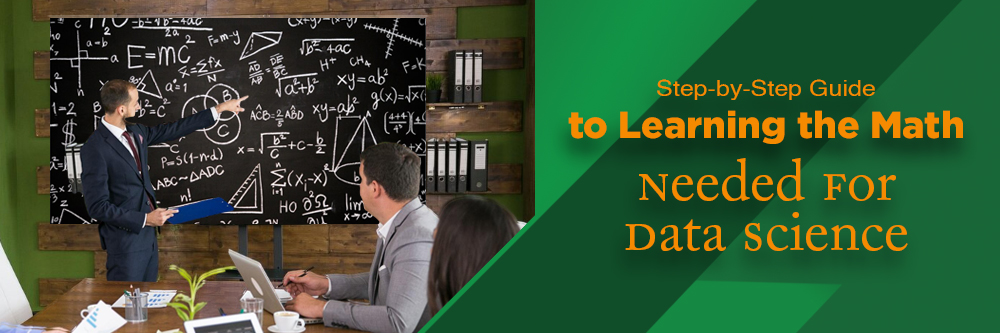
step-by-step guide to learning the math needed for data science

Advertisements

In the era of big data and machine learning, data science has emerged as a critical field, enabling businesses and researchers to make informed decisions. However, the backbone of data science lies in mathematics, which is essential for understanding the algorithms, models, and techniques used. For those new to data science, mastering the required mathematical concepts can seem daunting. Here’s a step-by-step guide to learning the math needed for data science.

The primary areas of math relevant to data science include:

  • Linear Algebra: This is foundational for understanding concepts like matrices, vectors, and their operations, which are widely used in machine learning algorithms and neural networks.
  • Calculus: Knowledge of derivatives and integrals is vital for optimization problems, which are at the heart of model training.
  • Probability and Statistics: These are essential for analyzing data, understanding distributions, and building predictive models.
  • Discrete Mathematics: Concepts like set theory and graph theory can help in database management and network analysis.

Rather than diving deep into abstract theory, begin by understanding how math applies to real-world data problems. For instance, learn about matrix operations in linear algebra through examples like image manipulation or recommendation systems. Online tutorials and courses often tie mathematical concepts to coding exercises, making the learning process more engaging.

Platforms like Khan Academy, Coursera, and edX offer beginner-friendly courses in mathematics for data science. Start with foundational topics like basic statistics or linear algebra before progressing to advanced concepts. Many of these courses also incorporate Python or R for practical exercises, allowing you to apply math to data problems immediately.

Advertisements

Programming libraries such as NumPy, SciPy, and pandas in Python provide built-in functions to perform mathematical operations. Practicing with these tools not only solidifies mathematical understanding but also prepares you to tackle real-world data science projects.

Solving data science problems on platforms like Kaggle or HackerRank helps reinforce mathematical concepts. For example, while working on a regression problem, you can delve into the calculus behind gradient descent or use statistical tests to validate results.

Collaborating with peers can accelerate learning. Online forums like Stack Overflow or Reddit’s r/datascience are excellent places to ask questions, share resources, and learn from others’ experiences.

Finally, remember that learning math for data science is a gradual process. Focus on building a solid foundation and tackle advanced topics as your confidence grows. Stay curious, and don’t hesitate to revisit concepts that feel challenging.

Conclusion:

While data science requires proficiency in math, the key to mastering it lies in consistent practice, using real-world applications, and leveraging modern learning tools. By approaching mathematical concepts step by step and integrating them into practical data science projects, you’ll not only enhance your technical skills but also gain the confidence needed to excel in this dynamic field.

Advertisements

دليل خطوة بخطوة لتعلم الرياضيات اللازمة لعلم البيانات

Advertisements

في عصر البيانات الضخمة والتعلم الآلي برز علم البيانات كمجال بالغ الأهمية مما يتيح للشركات والباحثين اتخاذ قرارات مستنيرة، ومع ذلك فإن العمود الفقري لعلم البيانات يكمن في الرياضيات وهو أمر ضروري لفهم الخوارزميات والنماذج والتقنيات المستخدمة، فبالنسبة لأولئك الجدد في علم البيانات قد يبدو إتقان المفاهيم الرياضية المطلوبة أمراً شاقاً

:إليك دليل خطوة بخطوة لتعلم الرياضيات اللازمة لعلم البيانات

:تشمل المجالات الأساسية للرياضيات ذات الصلة بعلم البيانات ما يلي

الجبر الخطي: يعد هذا أساساً لفهم المفاهيم مثل المصفوفات والمتجهات وعملياتها والتي تُستخدم على نطاق واسع في خوارزميات التعلم الآلي والشبكات العصبية

حساب التفاضل والتكامل: تعد معرفة المشتقات والتكاملات أمراً حيوياً لمشاكل التحسين والتي تشكل جوهر تدريب النموذج

الاحتمالات والإحصاء: تعد هذه ضرورية لتحليل البيانات وفهم التوزيعات وبناء النماذج التنبؤية

الرياضيات المنفصلة: يمكن أن تساعد المفاهيم مثل نظرية المجموعات ونظرية الرسم البياني في إدارة قواعد البيانات وتحليل الشبكات

بدلاً من التعمق في النظرية المجردة ابدأ بفهم كيفية تطبيق الرياضيات على مشاكل البيانات في العالم الحقيقي، على سبيل المثال تعرّف على عمليات المصفوفة في الجبر الخطي من خلال أمثلة مثل معالجة الصور أو أنظمة التوصية، فغالباً ما تربط الدروس التعليمية والدورات التدريبية عبر الإنترنت المفاهيم الرياضية بتمارين الترميز مما يجعل عملية التعلم أكثر جاذبية

Khan Academy و Coursera و edX تقدم منصات مثل

دورات تدريبية للمبتدئين في الرياضيات لعلوم البيانات، لذا ابدأ بالموضوعات الأساسية مثل الإحصاء الأساسي أو الجبر الخطي قبل التقدم إلى المفاهيم المتقدمة، فتتضمن العديد من هذه الدورات أيضاً Python أو R للتدريبات العملية مما يسمح لك بتطبيق الرياضيات على مشاكل البيانات على الفور

Advertisements

في بايثون NumPy و SciPy و pandas توفر مكتبات البرمجة مثل

وظائف مدمجة لإجراء العمليات الرياضية، فالتدرب على هذه الأدوات لا يعزز فهمك للرياضيات فحسب بل ويجهزك أيضاً للتعامل مع مشاريع علم البيانات في العالم الحقيقي

يساعد حل مشكلات علم البيانات

HackerRank أو Kaggle على منصات مثل

في تعزيز المفاهيم الرياضية، فعلى سبيل المثال أثناء العمل على مشكلة الانحدار يمكنك التعمق في حساب التفاضل والتكامل وراء الانحدار التدريجي أو استخدام الاختبارات الإحصائية للتحقق من صحة النتائج

يمكن أن يؤدي التعاون مع الأقران إلى تسريع التعلم، إذ تعد المنتديات

Reddit’s r/datascience أو Stack Overflow عبر الإنترنت مثل

أماكن ممتازة لطرح الأسئلة ومشاركة الموارد والتعلم من تجارب الآخرين

أخيراً تذكر أن تعلم الرياضيات لعلم البيانات هو عملية تدريجية وركز على بناء أساس متين وتناول الموضوعات المتقدمة مع نمو ثقتك بنفسك وحافظ على فضولك ولا تتردد في إعادة النظر في المفاهيم التي تشعر أنها صعبة

الخلاصة

في حين يتطلب علم البيانات إتقان الرياضيات فإن مفتاح إتقانها يكمن في الممارسة المستمرة واستخدام التطبيقات في العالم الحقيقي والاستفادة من أدوات التعلم الحديثة، فمن خلال التعامل مع المفاهيم الرياضية خطوة بخطوة ودمجها في مشاريع علم البيانات العملية لن تعمل على تعزيز مهاراتك الفنية فحسب بل ستكتسب أيضاً الثقة اللازمة للتفوق في هذا المجال الديناميكي

Advertisements
Advertisements

As a Beginner Data Scientist, Here Are 5 Crucial Lessons That Will Save You from Spending Thousands of Dollars to Become a Professional Data Scientist

Advertisements

Becoming a data scientist is a journey that often appears daunting due to the wealth of information, tools, and training programs available. It is easy to fall into the trap of spending excessive money on courses, certifications, and resources. However, with the right approach, you can save both time and money while accelerating your learning process. Here are five crucial lessons every beginner data scientist should know:

One of the biggest mistakes beginners make is trying to learn everything at once or jumping directly into advanced topics like deep learning or big data tools. Start with the basics:

  • Mathematics and Statistics: Build a strong foundation in linear algebra, calculus, probability, and statistics. These are the cornerstones of data science.
  • Programming: Focus on learning Python or R, as these are the most widely used languages in data science. Master libraries like NumPy, pandas, and matplotlib for data manipulation and visualization.
  • Data Analysis: Learn to clean, analyze, and draw insights from datasets. Practicing these skills on free datasets from platforms like Kaggle or UCI Machine Learning Repository is cost-effective and impactful.

Skipping the fundamentals can lead to frustration and wasted money on courses that assume prior knowledge.

The internet is a treasure trove of free resources for aspiring data scientists. Before investing in expensive bootcamps or certifications, explore these options:

  • Online Courses: Platforms like Coursera, edX, and YouTube offer free or affordable courses from top universities and industry experts.
  • Open-Source Tools: Familiarize yourself with tools like Jupyter Notebook, scikit-learn, TensorFlow, and PyTorch, all of which are freely available.
  • Books and Blogs: Read beginner-friendly books like “Python for Data Analysis” by Wes McKinney and follow blogs by industry leaders to stay updated.

Many successful data scientists have built their careers using these free and open resources, proving that spending a fortune is not a requirement.

Advertisements

Theoretical knowledge is important, but the real value lies in applying what you learn to real-world problems. Working on projects helps you understand the nuances of data science and builds your portfolio, which is crucial for landing a job. Here are some tips:

  • Start Small: Begin with simple projects like analyzing a public dataset or building a basic machine learning model.
  • Participate in Competitions: Platforms like Kaggle and DrivenData host competitions that allow you to solve real-world problems and collaborate with other data enthusiasts.
  • Contribute to Open-Source Projects: This not only enhances your skills but also helps you build connections in the data science community.

Practical experience is far more valuable to employers than a long list of certifications.

While certifications can be a good starting point, they are not the ultimate measure of your capabilities. Employers prioritize your ability to solve problems and showcase results. Here’s how to build a compelling portfolio:

  • Document Your Projects: Clearly explain the problem, your approach, and the results in each project.
  • Host Your Work: Use platforms like GitHub to display your code and results. A well-maintained GitHub profile can serve as your professional portfolio.
  • Highlight Diverse Skills: Showcase projects that demonstrate your proficiency in different areas, such as data visualization, machine learning, and natural language processing.

A strong portfolio can open doors to opportunities that even the most expensive certification might not.

Networking and mentorship can significantly accelerate your learning curve and save you from costly mistakes. Connect with professionals in the field through:

  • LinkedIn: Engage with data scientists by commenting on their posts or asking for advice.
  • Meetups and Conferences: Attend local or virtual events to learn from experts and grow your network.
  • Mentorship Platforms: Platforms like Data Science Society or Kaggle’s community forums can connect you with mentors willing to guide you.

Learning from someone who has already navigated the path you are on can provide insights that no course or book can offer.

Conclusion

Becoming a professional data scientist doesn’t require spending thousands of dollars. By focusing on the fundamentals, leveraging free resources, gaining practical experience, building a strong portfolio, and networking with industry professionals, you can achieve your goals without breaking the bank. The key is consistency, curiosity, and a willingness to learn through hands-on practice. Remember, the journey to becoming a data scientist is a marathon, not a sprint. Invest your time wisely, and success will follow.

Advertisements

كعالم بيانات مبتدئ إليك 5 دروس أساسية تغنيك عن إنفاق آلاف الدولارات لتصبح عالم بيانات محترف

Advertisements

إن التحول إلى عالم بيانات هو رحلة تبدو شاقة في كثير من الأحيان بسبب وفرة المعلومات والأدوات وبرامج التدريب المتاحة، فمن السهل الوقوع في فخ إنفاق أموال مفرطة على الدورات والشهادات والموارد، ومع ذلك من خلال النهج الصحيح يمكنك توفير الوقت والمال مع تسريع عملية التعلم الخاصة بك

:فيما يلي خمسة دروس حاسمة يجب أن يعرفها كل عالم بيانات مبتدئ

أحد أكبر الأخطاء التي يرتكبها المبتدئون هو محاولة تعلم كل شيء دفعة واحدة أو القفز مباشرة إلى الموضوعات المتقدمة مثل التعلم العميق أو أدوات البيانات الضخمة، لذا ابدأ بالأساسيات

الرياضيات والإحصاء: قم ببناء أساس قوي في الجبر الخطي وحساب التفاضل والتكامل والاحتمالات والإحصاء، فهذه هي أحجار الزاوية في علم البيانات

R أو Python البرمجة: ركز على تعلم

حيث أن هذه هي اللغات الأكثر استخداماً في علم البيانات

matplotlib و pandas و NumPy ولاسيما إتقان المكتبات مثل

لمعالجة البيانات وتصورها

تحليل البيانات: تعلم كيفية تنظيف وتحليل واستخلاص الأفكار من مجموعات البيانات، إذ تعتبر ممارسة هذه المهارات على مجموعات البيانات المجانية من منصات

UCI Machine Learning Repository أو Kaggle :مثل

مؤثرة وفعالة من حيث التكلفة

قد يؤدي تخطي الأساسيات إلى الإحباط وإهدار المال على الدورات التي تفترض المعرفة المسبقة

يعد الإنترنت كنزاً من الموارد المجانية لعلماء البيانات الطموحين، فقبل الاستثمار في معسكرات التدريب أو الشهادات باهظة الثمن استكشف الخيارات التالية

:الدورات التدريبية عبر الإنترنت

YouTube و edX و Coursera :تقدم منصات مثل

دورات مجانية أو بأسعار معقولة من أفضل الجامعات وخبراء الصناعة

أدوات مفتوحة المصدر: تعرف على أدوات

PyTorch و TensorFlow و scikit-learn و Jupyter Notebook :مثل

وكلها متاحة مجاناً

الكتب والمدونات: اقرأ كتباً مناسبة للمبتدئين

Wes McKinney بقلم Python for Data Analysis :مثل

واتبع مدونات رواد الصناعة للبقاء على اطلاع دائم

لقد بنى العديد من علماء البيانات الناجحين حياتهم المهنية باستخدام هذه الموارد المجانية والمفتوحة مما يثبت أنه لا يشترط إنفاق ثروة لتحصيل هذه العلوم

Advertisements

المعرفة النظرية مهمة لكن القيمة الحقيقية تكمن في تطبيق ما تعلمته على مشاكل العالم الحقيقي، بحيث يساعدك العمل على المشاريع على فهم الفروق الدقيقة في علم البيانات وبناء محفظتك وهو أمر بالغ الأهمية للحصول على وظيفة، إليك بعض النصائح

انطلق بمشاريع صغيرة: ابدأ بمشاريع بسيطة مثل تحليل مجموعة بيانات عامة أو بناء نموذج أساسي للتعلم الآلي

:شارك في المسابقات

Kaggle و DrivenData :تستضيف منصات مثل

مسابقات تتيح لك حل مشاكل العالم الحقيقي والتعاون مع المتحمسين الآخرين للبيانات

ساهم في المشاريع مفتوحة المصدر: لا يعزز هذا مهاراتك فحسب بل يساعدك أيضاً في بناء اتصالات في مجتمع علم البيانات، ولا تنسى أن الخبرة العملية أكثر قيمة لأصحاب العمل من قائمة طويلة من الشهادات

في حين أن الشهادات يمكن أن تكون نقطة بداية جيدة إلا أنها ليست المقياس النهائي لقدراتك، إذ يعطي أصحاب العمل الأولوية لقدرتك على حل المشكلات وعرض النتائج

:إليك كيفية بناء محفظة أعمال مقنعة

وثق مشاريعك: اشرح بوضوح المشكلة ونهجك والنتائج في كل مشروع

GitHub العرض على المنصات: استخدم منصات مثل

لعرض الكود والنتائج الخاصة بك

GitHub ويمكن أن يكون ملف تعريف

الذي يتم صيانته جيداً بمثابة محفظة أعمال مهنية

سلط الضوء على المهارات المتنوعة: اعرض المشاريع التي توضح كفاءتك في مجالات مختلفة مثل تصور البيانات والتعلم الآلي ومعالجة اللغة الطبيعية

يمكن أن تفتح المحفظة القوية الأبواب أمام فرص قد لا تتمكن حتى أغلى الشهادات من فتحها

يمكن أن يؤدي التواصل والبحث عن الإرشاد إلى تسريع منحنى التعلم بشكل كبير وإنقاذك من الأخطاء المكلفة، تواصل مع المحترفين في هذا المجال من خلال

تواصل مع علماء البيانات :LinkedIn

من خلال التعليق على منشوراتهم أو طلب النصيحة

اللقاءات والمؤتمرات: احضر الأحداث المحلية أو الافتراضية للتعلم من الخبراء وتنمية شبكتك

منصات الإرشاد: ​​يمكن لمنصات

Data Science Society :مثل

Kaggle أو منتديات مجتمع

أن تربطك بمرشدين على استعداد لإرشادك

يمكن أن يوفر لك التعلم من شخص سلك المسار الذي تسلكه بالفعل رؤى لا يمكن لأي دورة أو كتاب أن يقدمها

الخلاصة

لا يتطلب التحول إلى عالم بيانات محترف إنفاق آلاف الدولارات، فمن خلال التركيز على الأساسيات والاستفادة من الموارد المجانية واكتساب الخبرة العملية وبناء محفظة قوية والتواصل مع خبراء الصناعة يمكنك تحقيق أهدافك دون إنفاق الكثير من المال، والمفتاح هو الاتساق والفضول والرغبة في التعلم من خلال الممارسة العملية، وتذكر أن الرحلة إلى التحول إلى عالم بيانات هي ماراثون طويل وليس سباقاً قصيراً، لذا استثمر وقتك بحكمة وسيكون النجاح حليفك

Advertisements

How to Design Spotify? One of System Design Interview Question

Advertisements

Designing Spotify, a global music streaming platform, is a popular system design interview question. It challenges candidates to demonstrate their ability to build a scalable, distributed, and user-focused system. This article explores how to design such a platform, considering its functionality, architecture, and challenges.

Before diving into the design, it’s essential to understand the system’s requirements. These can be categorized into functional and non-functional requirements.

Functional Requirements:

  1. Stream music on-demand.
  2. Search for songs, albums, or artists.
  3. Create, share, and manage playlists.
  4. Personalized recommendations (e.g., Discover Weekly, Daily Mix).
  5. Offline downloads for premium users.

Non-Functional Requirements:

  1. Scalability: Handle millions of concurrent users.
  2. Low Latency: Provide seamless music playback with minimal buffering.
  3. High Availability: Ensure the system is always accessible.
  4. Data Consistency: Maintain accurate song metadata and playlists.

Spotify’s system can be divided into multiple components, each handling a specific aspect of the service:

1. Client Applications

Spotify must offer a rich user experience across platforms like web, mobile, and desktop. The clients communicate with backend services through APIs for functionalities like playback, search, and recommendations.

2. API Gateway

An API Gateway acts as an entry point for all client requests. It routes requests to appropriate backend services, handles rate limiting, and ensures secure communication using HTTPS.

3. Metadata Service

The metadata service stores details about songs, albums, artists, and playlists. A relational database like PostgreSQL or a distributed key-value store like DynamoDB can be used.

Example metadata schema:

  • Song: ID, title, artist, album, genre, duration.
  • Playlist: ID, userID, songIDs, creation date.

4. Search Service

Spotify’s search feature allows users to find songs, artists, or playlists quickly. To achieve this:

  • Use a search engine like ElasticSearch or Apache Solr for indexing metadata.
  • Implement autocomplete suggestions for a better user experience.
Advertisements

5. Music Storage and Streaming

Spotify stores audio files in a distributed file system, often backed by cloud storage services like Amazon S3. For efficient delivery:

  • Use Content Delivery Networks (CDNs) to cache audio files close to users, reducing latency.
  • Implement adaptive bitrate streaming protocols like HLS (HTTP Live Streaming) to provide smooth playback across varying network conditions.

6. Recommendation Engine

Personalized recommendations are a core feature of Spotify. Machine learning models can analyze user behavior, listening history, and playlists to suggest relevant songs. Key techniques include:

  • Collaborative Filtering: Recommendations based on similar users’ preferences.
  • Content-Based Filtering: Recommendations based on song attributes (e.g., genre, mood).

7. User Data Service

This service manages user profiles, playlists, and preferences. A NoSQL database like MongoDB or Cassandra can efficiently store and retrieve this information.

8. Payment Service

Spotify’s premium model requires a payment system to handle subscriptions. Integration with third-party payment gateways like Stripe or PayPal is essential for managing transactions securely.

Below is an outline of the architecture for Spotify:

  1. Load Balancer: Distributes traffic across multiple servers to handle user requests efficiently.
  2. Microservices: Each core feature (e.g., search, recommendations, streaming) is handled by independent microservices.
  3. Databases:
    • SQL Databases: For structured metadata.
    • NoSQL Databases: For user preferences and activity logs.
    • Distributed Storage: For storing large audio files.
  4. CDNs: Cache and serve audio files globally.
  5. Event Queue: Use message queues like Kafka to process events (e.g., user activity logging, playlist updates).

To ensure scalability and performance:

  1. Horizontal Scaling: Add more servers to handle increasing user traffic.
  2. Caching: Use in-memory caches like Redis for frequently accessed data (e.g., popular playlists, recent searches).
  3. Partitioning: Shard databases based on criteria like user IDs or geographic regions.
  4. Asynchronous Processing: Offload non-critical tasks (e.g., logging, analytics) to background workers.
  1. High Traffic: Handling millions of concurrent users while maintaining low latency.
  2. Consistency vs. Availability: Striking a balance between fast access and accurate metadata.
  3. Global Coverage: Delivering content efficiently to users worldwide.
  4. Copyright Management: Ensuring compliance with music licensing laws.
  5. Machine Learning: Continuously improving recommendation algorithms to enhance user satisfaction.

Conclusion

Designing Spotify involves creating a distributed system capable of handling high traffic while ensuring low latency and high availability. By leveraging modern technologies like microservices, CDNs, and machine learning, developers can build a scalable and robust platform. This system design question tests a candidate’s ability to break down complex problems, prioritize features, and propose practical solutions.

Advertisements

؟Spotify كيف تصمم

أحد أسئلة مقابلة تصميم النظام

Advertisements

سؤالاً شائعاً في مقابلات تصميم النظام Spotify يعد تصميم

ويتحدى المرشحين لإظهار قدرتهم على بناء نظام قابل للتطوير وموزع ومركّز على المستخدم

تستكشف هذه المقالة كيفية تصميم مثل هذه المنصة مع مراعاة وظائفها وبنيتها والتحديات التي تواجهها

قبل الخوض في التصميم من الضروري فهم متطلبات النظام بحيث يمكن تصنيفها إلى متطلبات وظيفية وغير وظيفية

:المتطلبات الوظيفية

بث الموسيقى عند الطلب *

البحث عن الأغاني أو الألبومات أو الفنانين *

إنشاء قوائم التشغيل ومشاركتها وإدارتها *

التوصيات الشخصية *

Daily Mix و Discover Weekly :على سبيل المثال

التنزيلات دون اتصال بالإنترنت للمستخدمين المتميزين *

: المتطلبات غير الوظيفية

قابلية التوسع: التعامل مع ملايين المستخدمين المتزامنين

زمن انتقال منخفض: توفير تشغيل موسيقى سلس مع الحد الأدنى من التخزين المؤقت

التوافر العالي: ضمان إمكانية الوصول إلى النظام دائماً

اتساق البيانات: الحفاظ على دقة بيانات الأغاني وقوائم التشغيل

إلى عدة مكونات Spotify يمكن تقسيم نظام

:كل منها يتعامل مع جانب معين من الخدمة

1. تطبيقات العميل

Spotify يجب أن تقدم

تجربة مستخدم غنية عبر منصات مثل الويب والجوال وسطح المكتب، فيتواصل العملاء مع خدمات الواجهة الخلفية من خلال واجهات برمجة التطبيقات للحصول على وظائف مثل التشغيل والبحث والتوصيات

2. بوابة واجهة برمجة التطبيقات

تعمل بوابة واجهة برمجة التطبيقات كنقطة دخول لجميع طلبات العملاء، فهي توجه الطلبات إلى خدمات الواجهة الخلفية المناسبة وتتولى تحديد المعدلات

HTTPS وتضمن الاتصال الآمن باستخدام

خزن خدمة البيانات الوصفية تفاصيل حول الأغاني والألبومات والفنانين وقوائم التشغيل

PostgreSQL ويمكن استخدام قاعدة بيانات علائقية مثل

DynamoDB أو مخزن قيم مفتاحية موزعة مثل

:مثال على مخطط البيانات الوصفية

الأغنية: المعرف، العنوان، الفنان، الألبوم، النوع، المدة

قائمة التشغيل: المعرف، معرف المستخدم، معرفات الأغاني، تاريخ الإنشاء

4. خدمة البحث

Spotify تتيح ميزة البحث في

:للمستخدمين العثور على الأغاني أو الفنانين أو قوائم التشغيل بسرعة، ولتحقيق ذلك

Apache Solr أو ElasticSearch استخدم محرك بحث مثل

لفهرسة البيانات الوصفية، نفذ اقتراحات الإكمال التلقائي للحصول على تجربة مستخدم أفضل

Advertisements

5. تخزين الموسيقى وبثها

ملفات الصوت في نظام ملفات موزع Spotify يخزن

فغالباً ما يكون مدعوماً بخدمات التخزين السحابي

:للتسليم الفعّال Amazon S3 مثل

(CDNs) استخدم شبكات توصيل المحتوى

لتخزين ملفات الصوت بالقرب من المستخدمين مما يقلل من زمن الوصول

HLS نفذ بروتوكولات البث بمعدل بت متكيف مثل

( HTTP البث المباشر عبر)

لتوفير تشغيل سلس عبر ظروف الشبكة المتنوعة

6. محرك التوصيات

Spotify تعتبر التوصيات المخصصة ميزة أساسية في

إذ يمكن لنماذج التعلم الآلي تحليل سلوك المستخدم وسجل الاستماع وقوائم التشغيل لاقتراح الأغاني ذات الصلة، وتشمل التقنيات الرئيسية

التصفية التعاونية: توصيات تستند إلى تفضيلات المستخدمين المتشابهين

التصفية القائمة على المحتوى: التوصيات القائمة على سمات الأغنية (على سبيل المثال، النوع، الحالة المزاجية)

7. خدمة بيانات المستخدم

تدير هذه الخدمة ملفات تعريف المستخدم وقوائم التشغيل والتفضيلات

Cassandra أو MongoDB مثل NoSQL فيمكن لقاعدة بيانات

تخزين هذه المعلومات واسترجاعها بكفاءة

8. خدمة الدفع

المتميز نظام دفع للتعامل مع الاشتراكات Spotify يتطلب نموذج

ويعد التكامل مع بوابات الدفع التابعة لجهات خارجية

أمراً ضرورياً لإدارة المعاملات بأمان PayPal أو Stripe مثل

: Spotify فيما يلي مخطط للهندسة المعمارية لـ

موازن التحميل: يوزع حركة المرور عبر خوادم متعددة للتعامل مع طلبات المستخدم بكفاءة

الخدمات المصغرة: يتم التعامل مع كل ميزة أساسية (على سبيل المثال، البحث والتوصيات والبث) بواسطة خدمات مصغرة مستقلة

:قواعد البيانات

للبيانات الوصفية المنظمة :SQL قواعد بيانات

لتفضيلات المستخدم وسجلات النشاط : NoSQL قواعد بيانات

التخزين الموزع: لتخزين ملفات الصوت الكبيرة

تخزين الملفات الصوتية مؤقتاً وتقديمها عالمياً :CDN شبكات

قائمة انتظار الأحداث: استخدم قوائم انتظار الرسائل

لمعالجة الأحداث Kafka مثل

(على سبيل المثال: تسجيل نشاط المستخدم، وتحديثات قائمة التشغيل)

:لضمان قابلية التوسع والأداء

التوسع الأفقي: أضف المزيد من الخوادم للتعامل مع حركة مرور المستخدم المتزايدة

التخزين المؤقت: استخدم ذاكرة التخزين المؤقت في الذاكرة

للبيانات التي يتم الوصول إليها بشكل متكرر Redis مثل

(على سبيل المثال، قوائم التشغيل الشائعة، عمليات البحث الأخيرة)

التقسيم: قواعد بيانات مجزأة بناءً على معايير مثل معرفات المستخدم أو المناطق الجغرافية

المعالجة غير المتزامنة: نقل المهام غير الحرجة (على سبيل المثال، التسجيل، التحليلات) إلى العاملين في الخلفية

حركة مرور عالية: التعامل مع ملايين المستخدمين المتزامنين مع الحفاظ على زمن انتقال منخفض

الاتساق مقابل التوافر: إيجاد توازن بين الوصول السريع والبيانات الوصفية الدقيقة

التغطية العالمية: تقديم المحتوى بكفاءة للمستخدمين في جميع أنحاء العالم

إدارة حقوق النشر: ضمان الامتثال لقوانين ترخيص الموسيقى

التعلم الآلي: تحسين خوارزميات التوصية بشكل مستمر لتعزيز رضا المستخدم

الاستنتاج

إنشاء نظام موزع Spotify يتضمن تصميم

قادر على التعامل مع حركة مرور عالية مع ضمان زمن انتقال منخفض وتوافر عالٍ، فمن خلال الاستفادة من التقنيات الحديثة مثل الخدمات المصغرة وشبكات توصيل المحتوى والتعلم الآلي يمكن للمطورين بناء منصة قابلة للتطوير وقوية، إذ يختبر سؤال تصميم النظام هذا قدرة المرشح على تحليل المشكلات المعقدة وإعطاء الأولوية للميزات واقتراح حلول عملية

Advertisements