
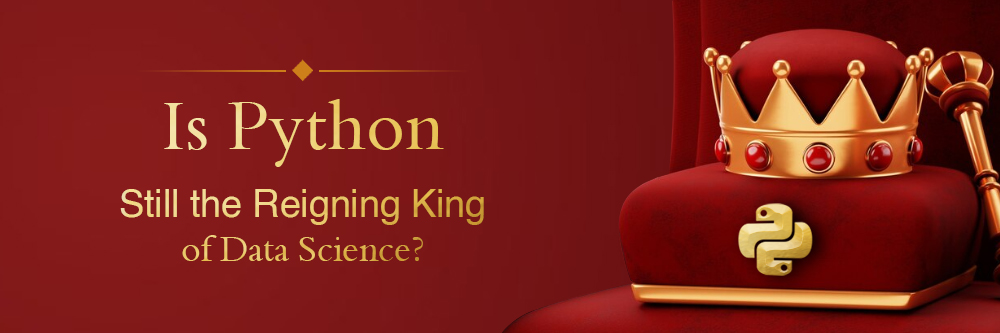
Python has been a dominant force in the field of data science for over a decade. Known for its simplicity, readability, and a vast ecosystem of libraries, Python has established itself as the go-to language for data scientists worldwide. However, the landscape of data science is constantly evolving, with new tools and technologies emerging. This raises an important question: Is Python still the reigning king of data science?
Python’s Dominance in Data Science:
Python’s popularity in data science is largely attributed to its rich ecosystem of libraries and frameworks. Libraries like NumPy, Pandas, and Matplotlib provide powerful tools for data manipulation, analysis, and visualization. Additionally, Python’s machine learning libraries, such as scikit-learn, TensorFlow, and PyTorch, have revolutionized how data scientists build and deploy predictive models.
Another key factor in Python’s dominance is its versatility. Python is not only used for data science but also for web development, automation, and scripting. This versatility has made it an attractive choice for individuals and organizations looking to consolidate their tech stack. Its user-friendly syntax also lowers the barrier to entry for beginners, making it a favorite for those new to programming.
Challenges to Python’s Reign:
While Python remains a powerful tool, it faces increasing competition. R, a language developed specifically for statistical computing, is still preferred in academia and industries that require advanced statistical analysis. R offers packages like ggplot2 and dplyr that rival Python’s capabilities.
Additionally, the rise of languages like Julia and tools like SQL and Tableau has introduced alternatives that are often faster or more specialized. Julia, for instance, is gaining traction for its speed and efficiency in numerical computations, which can be a limitation for Python in certain scenarios.
Moreover, the field of data science is seeing a shift towards low-code and no-code platforms like Alteryx and DataRobot, which aim to make data science more accessible to non-programmers. These platforms can handle many tasks traditionally performed using Python, potentially reducing its ubiquity.
Emerging Trends in Data Science:
The future of Python in data science also depends on its ability to adapt to emerging trends. For instance, the integration of artificial intelligence and deep learning has created demand for even more specialized tools and frameworks. While Python’s TensorFlow and PyTorch dominate this space, competition from platforms like Google’s JAX and Facebook’s ONNX is growing.
Python also faces challenges in big data environments, where tools like Apache Spark and languages like Scala or Rust are often more efficient. However, Python’s adaptability is evident in the development of libraries like PySpark, which bridges the gap between Python and Spark.
Conclusion
While Python faces growing competition, it remains the king of data science due to its extensive library support, versatility, and a large, active community. However, its continued dominance is not guaranteed. As the field evolves, Python must keep pace with new challenges and trends to maintain its position. For now, Python’s reign remains strong, but the future of data science may see a more diverse set of tools sharing the throne.
هل لا يزال بايثون هو الملك الحاكم لعلوم البيانات؟

لقد كان بايثون قوة مهيمنة في مجال علوم البيانات لأكثر من عقد من الزمان، إذ تشتهر لغة بايثون ببساطتها وسهولة قراءتها ونظامها البيئي الواسع من المكتبات وقد أثبتت نفسها كلغة مفضلة لعلماء البيانات في جميع أنحاء العالم، ومع ذلك فإن مشهد علوم البيانات يتطور باستمرار مع ظهور أدوات وتقنيات جديدة، وهذا يثير سؤالاً مهماً: هل لا يزال بايثون هو الملك الحاكم لعلوم البيانات؟
:هيمنة بايثون في علوم البيانات
تعزى شعبية بايثون في علوم البيانات إلى حد كبير إلى نظامها البيئي الغني بالمكتبات والأطر
NumPy و Pandas و Matplotlib بحيث توفر المكتبات مثل
أدوات قوية للتلاعب بالبيانات وتحليلها وتصورها، بالإضافة إلى ذلك أحدثت مكتبات التعلم الآلي في بايثون
scikit-learn و TensorFlow و PyTorch مثل
ثورة في كيفية بناء علماء البيانات ونشر النماذج التنبؤية
عامل رئيسي آخر في هيمنة بايثون هو تنوعها، إذ لا يُستخدم بايثون في علم البيانات فحسب بل يُستخدم أيضاً في تطوير الويب والأتمتة وبرمجة النصوص البرمجية وقد جعل هذا التنوع منه خياراً جذاباً للأفراد والمؤسسات التي تتطلع إلى توحيد مجموعة التقنيات الخاصة بها، كما يعمل بناء الجملة سهل الاستخدام على خفض حاجز الدخول للمبتدئين مما يجعله المفضل للمبتدئين في البرمجة
:التحديات التي تواجه حكم بايثون
في حين تظل بايثون أداة قوية إلا أنها تواجه منافسة متزايدة
وهي لغة تم تطويرها خصيصاً للحوسبة الإحصائية R فلا تزال لغة
مفضلة في الأوساط الأكاديمية والصناعات التي تتطلب تحليلاً إحصائياً متقدماً
تنافس قدرات بايثون dplyr و ggplot2 حزماً مثل R تقدم
Julia بالإضافة إلى ذلك أدى ظهور لغات مثل
Tableau و SQL وأدوات مثل
إلى تقديم بدائل غالباً ما تكون أسرع أو أكثر تخصصاً
قوة دفع لسرعتها وكفاءتها Julia فعلى سبيل المثال تكتسب
في الحسابات العددية والتي يمكن أن تشكل قيداً لـبايثون في سيناريوهات معينة
علاوة على ذلك يشهد مجال علم البيانات تحولاً نحو منصات منخفضة الكود
DataRobot و Alteryx ومن دون كود مثل
والتي تهدف إلى جعل علم البيانات أكثر سهولة في الوصول إليه لغير المبرمجين، إذ يمكن لهذه المنصات التعامل مع العديد من المهام التي يتم إجراؤها تقليدياً باستخدام بايثون مما قد يقلل من انتشارها
الاتجاهات الناشئة في علم البيانات
يعتمد مستقبل بايثون في علم البيانات أيضاً على قدرته على التكيف مع الاتجاهات الناشئة، فعلى سبيل المثال أدى دمج الذكاء الاصطناعي والتعلم العميق إلى خلق طلب على أدوات وأطر عمل أكثر تخصصاً
من بايثون على هذا المجال PyTorch و TensorFlow في حين تهيمن
Google من JAX فإن المنافسة من منصات مثل
آخذة في الازدياد Facebook من ONNX و
يواجه بايثون أيضاً تحديات في بيئات البيانات الضخمة
Apache Spark حيث غالباً ما تكون أدوات مثل
أكثر كفاءة Rust أو Scala ولغات مثل
ومع ذلك فإن قدرة بايثون على التكيف واضحة
PySpark في تطوير مكتبات مثل
Spark والتي تسد الفجوة بين بايثون و
الخلاصة
في حين يواجه بايثون منافسة متزايدة فإنه يظل ملك علم البيانات نظراً لدعم مكتبته الواسع وتعدد استخداماته ومجتمعه النشط الكبير، ومع ذلك فإن هيمنته المستمرة ليست مضمونة ومع تطور المجال يجب على بايثون مواكبة التحديات والاتجاهات الجديدة للحفاظ على مكانته
في الوقت الحالي لا يزال حكم بايثون قوياً لكن مستقبل علم البيانات قد يشهد مجموعة أكثر تنوعاً من الأدوات التي تتقاسم العرش مع بايثون الملك
 Data World