


In the realm of software development, Python stands out as a versatile and widely adopted programming language. Its simplicity and readability make it a favorite among both beginners and experienced developers. However, when it comes to senior-level Python interview questions, the expectations are much higher. Interviewers often craft challenging problems that test not only a candidate’s coding skills but also their deep understanding of the language’s internals, design principles, and problem-solving strategies. One such question has reportedly stumped many seasoned developers, showcasing the complexity of advanced Python concepts.
The Question: A Tricky Problem in Python
Imagine you are presented with the following problem during an interview:
Write a function to identify duplicate integers in a list, returning them in the order they first appear. The function should be efficient in terms of time and space complexity.
For example:
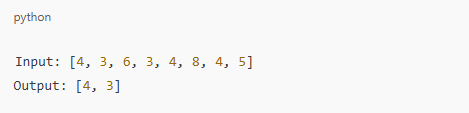
On the surface, the problem seems straightforward. However, achieving the optimal balance between correctness and efficiency is where most candidates struggle.
Common Pitfalls
- Inefficient Solutions
Many developers jump into the solution by iterating through the list multiple times, using nested loops or structures like list.count(). While these approaches yield correct results, they are computationally expensive, leading to a time complexity of O(n2). - Overlooking Order
Another frequent mistake is using a set to track duplicates, as sets do not maintain order in Python versions prior to 3.7. While this ensures duplicates are identified, it violates the requirement to preserve the order of first appearance. - Mismanaging Space Complexity
Candidates often use additional data structures unnecessarily, leading to bloated space complexity. Efficient senior-level solutions must strike a balance between time and space usage.
The Optimal Solution
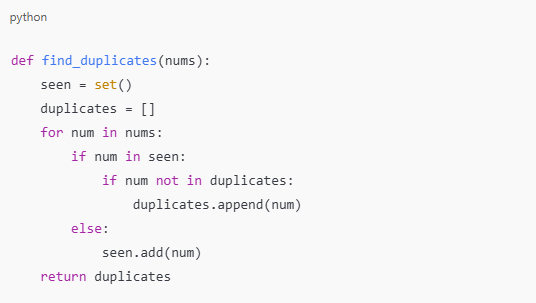
The optimal approach combines a set and a list to efficiently track duplicates while preserving their order:

Explanation:
- A set called seen keeps track of all numbers encountered so far.
- A list called duplicates ensures the order of first appearance.
- The loop checks each number, adding it to duplicates only if it is not already present in that list.
Time Complexity: O(n) — The loop processes each element exactly once.
Space Complexity: O(n) — The set and list grow with the input size.
Why Many Fail
- Overthinking the Problem
Senior developers often anticipate hidden traps and over-engineer their solutions, leading to convoluted, error-prone code. - Lack of Familiarity with Python Internals
Understanding how set operations and list indexing work is crucial. Developers who lack this knowledge struggle to design optimal solutions. - Pressure in Interviews
The stress of performing under time constraints often leads to hasty decisions and overlooked requirements.
Lessons Learned
This deceptively simple question highlights key principles for success in senior-level Python roles:
- Master the Basics: A deep understanding of fundamental data structures like sets, lists, and dictionaries is crucial.
- Practice Problem-Solving: Regularly tackling algorithmic problems sharpens the ability to write efficient, clean code.
- Focus on Clarity: In interviews, clear and concise solutions are as important as correctness.
Failing this question does not reflect a developer’s inadequacy but rather underscores areas for growth. Embracing challenges like this helps developers refine their skills and advance their careers.
Senior-level Python questions like this one reveal the beauty and complexity of the language. Mastering them not only showcases expertise but also builds confidence in tackling real-world problems.
ما هو السؤال الذي فشل معظم المطورين في الإجابة عليه في مقابلة بايثون

في عالم تطوير البرمجيات تبرز بايثون كلغة برمجة متعددة الاستخدامات ومعتمدة على نطاق واسع تجعلها بساطتها وسهولة قراءتها مفضلة بين المبتدئين والمطورين ذوي الخبرة، ومع ذلك عندما يتعلق الأمر بأسئلة المقابلة الشخصية لمستوى كبار المطورين في بايثون تكون التوقعات أعلى بكثير
غالباً ما يصمم المحاورون مشكلات صعبة لا تختبر مهارات الترميز لدى المرشح فحسب بل وأيضاً فهمه العميق لداخليات اللغة ومبادئ التصميم واستراتيجيات حل المشكلات، يقال إن أحد هذه الأسئلة حير العديد من المطورين المخضرمين مما أظهر تعقيد مفاهيم بايثون المتقدمة
السؤال: مشكلة صعبة في بايثون
:تخيل أنك واجهت المشكلة التالية أثناء المقابلة
اكتب دالة لتحديد الأعداد الصحيحة المكررة في قائمة وإعادتها بالترتيب الذي تظهر به أولاً، يجب أن تكون الدالة فعالة من حيث تعقيد الوقت والمساحة
:على سبيل المثال

ظاهرياً تبدو المشكلة واضحة، ومع ذلك فإن تحقيق التوازن الأمثل بين الصحة والكفاءة هو المكان الذي يرتبك فيه معظم المرشحين
الأخطاء الشائعة
1. الحلول غير الفعّالة
يقفز العديد من المطورين إلى الحل من خلال تكرار القائمة عدة مرات
list.count(). باستخدام حلقات متداخلة أو هياكل مثل
وفي حين أن هذه الأساليب تعطي نتائج صحيحة إلا أنها مكلفة حسابياً
O(n2) مما يؤدي إلى تعقيد زمني
2. تجاهل الترتيب
لتتبع التكرارات set هناك خطأ شائع آخر وهو استخدام
حيث لا تحافظ المجموعات على الترتيب في إصدارات بايثون
3.7. السابقة للإصدار
وفي حين يضمن هذا تحديد التكرارات فإنه ينتهك متطلب الحفاظ على ترتيب الظهور الأول
3. سوء إدارة تعقيد المساحة
غالباً ما يستخدم المرشحون هياكل بيانات إضافية دون داعٍ مما يؤدي إلى تعقيد المساحة، يجب أن تحقق الحلول الفعّالة على مستوى كبار الموظفين توازناً بين استخدام الوقت والمساحة
الحل الأمثل
list و set يجمع النهج الأمثل بين
:لتتبع التكرارات بكفاءة مع الحفاظ على ترتيبها
:التفسير
تتبع جميع الأرقام التي تم مواجهتها حتى الآن seen التي تسمى set
تضمن ترتيب الظهور الأول duplicates التي تسمى list
duplicates تتحقق الحلقة من كل رقم وتضيفه إلى
فقط إذا لم يكن موجوداً بالفعل في تلك القائمة
تعالج الحلقة كل عنصر مرة واحدة بالضبط O(n) :تعقيد الوقت
مع حجم الإدخال listو set تنمو كل من O(n) :تعقيد المساحة
لماذا يفشل الكثيرون
1. التفكير المفرط في المشكلة
غالباً ما يتوقع المطورون الكبار الفخاخ الخفية ويبالغون في هندسة حلولهم مما يؤدي إلى أكواد معقدة وعرضة للخطأ
2. عدم الإلمام بتفاصيل بايثون الداخلية
وفهرسة القائمة set إن فهم كيفية عمل عمليات
أمر بالغ الأهمية ويكافح المطورون الذين يفتقرون إلى هذه المعرفة لتصميم حلول مثالية
3. الضغط في المقابلات
غالباً ما يؤدي الضغط الناتج عن الأداء في ظل قيود الوقت إلى اتخاذ قرارات متسرعة وتجاهل المتطلبات
الدروس المستفادة
يسلط هذا السؤال البسيط الخادع الضوء على المبادئ الأساسية للنجاح في أدوار بايثون على مستوى كبار الموظفين
إتقان الأساسيات: يعد الفهم العميق لهياكل البيانات الأساسية مثل المجموعات والقوائم والقواميس أمراً بالغ الأهمية
ممارسة حل المشكلات: إن معالجة المشكلات الخوارزمية بانتظام تزيد من القدرة على كتابة أكواد فعالة ونظيفة
التركيز على الوضوح: في المقابلات تعد الحلول الواضحة والموجزة بنفس أهمية الدقة
إن الفشل في هذا السؤال لا يعكس عدم كفاءة المطور بل إنه يسلط الضوء على مجالات النمو، إذ يساعد احتضان تحديات مثل هذا المطورين على صقل مهاراتهم وتطوير حياتهم المهنية
تكشف أسئلة بايثون على مستوى كبار الموظفين مثل هذا السؤال عن جمال وتعقيد اللغة، بحيث أن إتقانها لا يُظهر الخبرة فحسب بل يبني أيضاً الثقة في معالجة مشاكل العالم الحقيقي.
 Data World
You must be logged in to post a comment.