
What is the development in data science in 2024?

Advertisements

Data science continues to evolve rapidly, driven by advancements in technology, increasing volumes of data, and the growing demand for data-driven decision-making across various sectors. The year 2024 brings several notable developments in the field of data science, influencing how data is collected, processed, analyzed, and utilized. This article explores the key advancements and trends shaping data science in 2024.

A. AutoML and Democratization of AI

  • AutoML Advancements: Automated Machine Learning (AutoML) tools have become more sophisticated, enabling non-experts to build complex machine learning models. These tools handle data preprocessing, feature selection, model selection, and hyperparameter tuning with minimal human intervention.
  • Democratization of AI: With the rise of user-friendly AI platforms, more organizations can leverage AI without needing extensive technical expertise. This democratization is making AI accessible to small and medium-sized enterprises (SMEs) and even individual users.

B. Explainable AI (XAI)

  • Transparency in AI Models: Explainable AI has gained traction, addressing the black-box nature of many AI models. XAI techniques provide insights into how models make decisions, enhancing trust and enabling regulatory compliance.
  • Application in Critical Sectors: In healthcare, finance, and legal sectors, where transparency and accountability are paramount, XAI is crucial for adopting AI technologies.

A. Data Fabric and Data Mesh

  • Data Fabric: This architecture integrates data across various environments, including on-premises, cloud, and hybrid systems. It enables seamless data access, management, and governance, breaking down data silos.
  • Data Mesh: A decentralized data architecture that promotes data ownership within business domains. It enhances scalability and agility by treating data as a product and emphasizing self-service data infrastructure.

B. Real-Time Data Processing

  • Stream Processing: Technologies like Apache Kafka, Apache Flink, and Amazon Kinesis have improved, facilitating real-time data ingestion, processing, and analysis. Real-time analytics are increasingly crucial for applications in finance, e-commerce, and IoT.
  • Edge Computing: With the proliferation of IoT devices, edge computing has become more prevalent. It allows data processing closer to the data source, reducing latency and bandwidth usage.
Advertisements

A. Privacy-Enhancing Technologies (PETs)

  • Federated Learning: This technique enables model training across multiple decentralized devices or servers while keeping data localized. It enhances privacy by avoiding central data aggregation.
  • Differential Privacy: Differential privacy techniques are being integrated into data analysis workflows to ensure that individual data points cannot be re-identified from aggregate data sets.

B. Data Governance and Compliance

  • Regulatory Frameworks: Stricter data privacy regulations worldwide, such as GDPR, CCPA, and new regional laws, require organizations to implement robust data governance frameworks.
  • AI Ethics and Responsible AI: Organizations are increasingly focusing on ethical AI practices, ensuring that AI systems are fair, transparent, and accountable.

A. Augmented Analytics

  • AI-Driven Insights: Augmented analytics uses AI and machine learning to enhance data analytics processes. It automates data preparation, insight generation, and explanation, enabling users to uncover hidden patterns and trends quickly.
  • Natural Language Processing (NLP): NLP capabilities in analytics platforms allow users to query data and generate reports using natural language, making data analysis more accessible.

B. Immersive Data Visualization

  • Virtual Reality (VR) and Augmented Reality (AR): VR and AR are being used to create immersive data visualizations, providing new ways to interact with and understand complex data sets.
  • Interactive Dashboards: Enhanced interactive features in dashboards allow users to explore data dynamically, improving the analytical experience and decision-making process.

A. Healthcare

  • Precision Medicine: Advances in data science are driving precision medicine, where treatments are tailored to individual patients based on their genetic, environmental, and lifestyle data.
  • Predictive Analytics: Predictive models are used for early disease detection, patient risk stratification, and optimizing treatment plans.

B. Finance

  • Fraud Detection: Machine learning models for fraud detection are becoming more sophisticated, utilizing vast amounts of transactional data to identify and prevent fraudulent activities.
  • Algorithmic Trading: Data science continues to revolutionize algorithmic trading, with models that analyze market trends and execute trades at high speeds.

C. Environmental Science

  • Climate Modeling: Advanced data science techniques are improving climate models, helping predict weather patterns and understand the impacts of climate change.
  • Sustainability Initiatives: Data analytics is playing a crucial role in sustainability initiatives, from optimizing resource usage to monitoring environmental health.

The developments in data science in 2024 are transforming how data is leveraged across various industries. Enhanced machine learning and AI capabilities, advanced data integration and management techniques, improved data privacy and security measures, and innovative data visualization tools are driving this transformation. As these trends continue to evolve, the role of data science in solving complex problems and driving business innovation will only become more significant. Organizations and professionals in the field must stay abreast of these advancements to harness the full potential of data science in the coming years.

Advertisements

ما هو التطور الذي حصل على علم البيانات في العام ٢٠٢٤؟

Advertisements

يستمر علم البيانات في التطور بسرعة مدفوعاً بالتقدم في التكنولوجيا وزيادة أحجام البيانات والطلب المتزايد على اتخاذ القرارات القائمة على البيانات عبر مختلف القطاعات، إذ يجلب عام 2024 العديد من التطورات البارزة في مجال علم البيانات مما يؤثر على كيفية جمع البيانات ومعالجتها وتحليلها واستخدامها

تستكشف هذه المقالة التطورات والاتجاهات الرئيسية التي تشكل علم البيانات في عام 2024

أ. التعلم الآلي وتقنيات الذكاء الاصطناعي

تطورات التعلم الآلي: أصبحت أدوات التعلم الآلي أكثر تطوراً، مما يمكِّن غير الخبراء من بناء نماذج التعلم الآلي المعقدة تتعامل هذه الأدوات مع معالجة البيانات مسبقاً واختيار الميزات واختيار النموذج وضبط المعلمات الفائقة مع الحد الأدنى من التدخل البشري

تقنيات الذكاء الاصطناعي: مع ظهور منصات الذكاء الاصطناعي سهلة الاستخدام يمكن لمزيد من المنظمات الاستفادة من الذكاء الاصطناعي دون الحاجة إلى خبرة تقنية واسعة النطاق، بحيث تجعل هذه الميزات الذكاء الاصطناعي في متناول الشركات الصغيرة والمتوسطة الحجم وحتى المستخدمين الأفراد

ب. الذكاء الاصطناعي القابل للتفسير

الشفافية في نماذج الذكاء الاصطناعي: اكتسب الذكاء الاصطناعي القابل للتفسير رواجاً كبيراً، حيث عالج الطبيعة الغامضة للعديد من نماذج الذكاء الاصطناعي، توفر تقنيات الذكاء الاصطناعي القابل للتفسير رؤى حول كيفية اتخاذ النماذج للقرارات وتعزيز الثقة وتمكين الامتثال التنظيمي

التطبيق في القطاعات الحرجة: في قطاعات الرعاية الصحية والمالية والقانونية بحيث تكون الشفافية والمساءلة في غاية الأهمية، يعد الذكاء الاصطناعي القابل للتفسير أمراً بالغ الأهمية لتبني تقنيات الذكاء الاصطناعي

أ. نسيج البيانات وشبكة البيانات

نسيج البيانات: يدمج هذا الهيكل البيانات عبر بيئات مختلفة بما في ذلك الأنظمة المحلية والسحابية والهجينة، إنه يتيح الوصول السلس إلى البيانات وإدارتها وحوكمتها

شبكة البيانات: هيكل بيانات لامركزي يعزز ملكية البيانات داخل مجالات الأعمال، إنه يعزز قابلية التوسع والمرونة من خلال التعامل مع البيانات كمنتج والتأكيد على البنية الأساسية للبيانات ذاتية الخدمة

ب. معالجة البيانات في الوقت الفعلي

معالجة التدفق: تحسنت التقنيات مثل

Apache Kafka و Apache Flink و Amazon Kinesis

مما سهل استيعاب البيانات ومعالجتها وتحليلها في الوقت الفعلي، أصبحت التحليلات في الوقت الفعلي ذات أهمية متزايدة للتطبيقات في التمويل والتجارة الإلكترونية وإنترنت الأشياء

الحوسبة الحافة: مع انتشار أجهزة الإنترنت أصبحت الحوسبة الحافة أكثر انتشاراً فهي تسمح بمعالجة البيانات بالقرب من مصدر البيانات مما يقلل من زمن الوصول واستخدام النطاق الترددي

(PETs) أ. تقنيات تعزيز الخصوصية

التعلم الفيدرالي: تمكن هذه التقنية من تدريب النموذج عبر أجهزة أو خوادم متعددة لامركزية مع الحفاظ على توطين البيانات وهي تعزز الخصوصية من خلال تجنب تجميع البيانات المركزية

الخصوصية التفاضلية: يتم دمج تقنيات الخصوصية التفاضلية في سير عمل تحليل البيانات لضمان عدم إمكانية إعادة تحديد نقاط البيانات الفردية من مجموعات البيانات المجمعة

ب. حوكمة البيانات والامتثال

الأطر التنظيمية: تتطلب لوائح خصوصية البيانات الأكثر صرامة في جميع أنحاء العالم مثل اللائحة العامة لحماية البيانات وقانون خصوصية المستهلك في كاليفورنيا والقوانين الإقليمية الجديدة من المنظمات تنفيذ أطر حوكمة بيانات قوية

أخلاقيات الذكاء الاصطناعي والذكاء الاصطناعي المسؤول: تركز المنظمات بشكل متزايد على ممارسات الذكاء الاصطناعي الأخلاقية مما يضمن أن تكون أنظمة الذكاء الاصطناعي عادلة وشفافة وخاضعة للمساءلة

Advertisements

أ. التحليلات المعززة

الرؤى التي يقودها الذكاء الاصطناعي: تستخدم التحليلات المعززة الذكاء الاصطناعي والتعلم الآلي لتحسين عمليات تحليل البيانات فهي تعمل على أتمتة إعداد البيانات وتوليد الرؤى وتفسيرها مما يتيح للمستخدمين اكتشاف الأنماط والاتجاهات المخفية بسرعة

:(NLP) معالجة اللغة الطبيعية

تتيح قدرات معالجة اللغة الطبيعية في منصات التحليلات للمستخدمين الاستعلام عن البيانات وإنشاء التقارير باستخدام اللغة الطبيعية مما يجعل تحليل البيانات أكثر سهولة في الوصول

ب. التصور الدقيق للبيانات

الواقع الافتراضي والواقع المعزز: يتم استخدام الواقع الافتراضي والواقع المعزز لإنشاء تصورات دقيقة للبيانات، مما يوفر طرقاً جديدة للتفاعل مع مجموعات البيانات المعقدة وفهمها

لوحات المعلومات التفاعلية: تتيح الميزات التفاعلية المحسنة في لوحات المعلومات للمستخدمين استكشاف البيانات بشكل ديناميكي مما يحسن التجربة التحليلية وعملية اتخاذ القرار

أ. الرعاية الصحية

الطب الدقيق: تعمل التطورات في علوم البيانات على دفع الطب الدقيق حيث يتم تصميم العلاجات للمرضى الأفراد بناءً على بياناتهم الوراثية والبيئية ونمط حياتهم

التحليلات التنبؤية: تُستخدم النماذج التنبؤية للكشف المبكر عن الأمراض وتصنيف مخاطر المرضى وتحسين خطط العلاج

ب. التمويل

اكتشاف الاحتيال: أصبحت نماذج التعلم الآلي للكشف عن الاحتيال أكثر تطوراً، حيث تستخدم كميات هائلة من البيانات المعاملاتية لتحديد الأنشطة الاحتيالية ومنعها

التداول الخوارزمي: يواصل علم البيانات إحداث ثورة في التداول الخوارزمي من خلال نماذج تحلل اتجاهات السوق وتنفذ الصفقات بسرعات عالية

ج. علم البيئة

• نمذجة المناخ: تعمل تقنيات علوم البيانات المتقدمة على تحسين نماذج المناخ مما يساعد في التنبؤ بأنماط الطقس وفهم تأثيرات تغير المناخ

• مبادرات الاستدامة: تلعب تحليلات البيانات دوراً حاسماً في مبادرات الاستدامة من تحسين استخدام الموارد إلى مراقبة الصحة البيئية

إن التطورات في علوم البيانات في عام 2024 تعمل على تحويل كيفية الاستفادة من البيانات عبر مختلف الصناعات، إن قدرات التعلم الآلي والذكاء الاصطناعي المحسنة وتقنيات تكامل وإدارة البيانات المتقدمة وتدابير خصوصية البيانات والأمان المحسنة وأدوات تصور البيانات المبتكرة هي التي تقود هذا التحول، ومع استمرار تطور هذه الاتجاهات فإن دور علوم البيانات في حل المشكلات المعقدة ودفع الابتكار التجاري سيصبح أكثر أهمية، يجب على المنظمات والمهنيين في هذا المجال مواكبة هذه التطورات لتسخير الإمكانات الكاملة لعلوم البيانات في السنوات القادمة


Advertisements

Data Modeling in Power BI: A Comprehensive Guide

Advertisements

Power BI is a powerful business analytics tool by Microsoft that enables users to visualize and share insights from their data. One of the core components of effectively using Power BI is data modeling. Data modeling in Power BI involves organizing and structuring data to create a coherent, efficient, and insightful data model that facilitates accurate reporting and analysis. This guide will explore the fundamentals of data modeling in Power BI, including key concepts, best practices, and illustrative examples.

Data modeling is the process of creating a data model for the data to be stored in a database. This model is a conceptual representation of data objects, the associations between different data objects, and the rules. In Power BI, data modeling helps in organizing and relating data from different sources in a way that makes it easy to create reports and dashboards.

1. Tables and Relationships

  • Tables: Tables are the fundamental building blocks in Power BI. Each table represents a collection of related data.
  • Relationships: Relationships define how tables are connected to each other. They can be one-to-one, one-to-many, or many-to-many.

2. Primary Keys and Foreign Keys

  • Primary Key: A unique identifier for each record in a table.
  • Foreign Key: A field in one table that uniquely identifies a row of another table.

3. Star Schema and Snowflake Schema

  • Star Schema: A central fact table surrounded by dimension tables. It is straightforward and easy to understand.
  • Snowflake Schema: A more complex schema where dimension tables are normalized into multiple related tables.

4. DAX (Data Analysis Expressions)

  • A formula language used to create calculated columns, measures, and custom tables in Power BI.
Advertisements

1. Import Data

  • Use Power BI’s data connectors to import data from various sources such as Excel, SQL Server, Azure, and online services.

2. Clean and Transform Data

  • Use Power Query Editor to clean and transform data. This includes removing duplicates, filtering rows, renaming columns, and more.

3. Create Relationships

  • Define relationships between tables using primary and foreign keys to connect related data.

4. Create Calculated Columns and Measures

  • Use DAX to create calculated columns and measures for advanced data calculations and aggregations.

5. Define Hierarchies

  • Create hierarchies in dimension tables to facilitate drill-down analysis in reports.

6. Optimize the Data Model

  • Optimize data model performance by minimizing the number of columns, reducing data granularity, and using summarized data where possible.

1. Use a Star Schema

  • Prefer a star schema over a snowflake schema for simplicity and performance.

2. Keep the Data Model Simple

  • Avoid unnecessary complexity. Use clear and descriptive names for tables and columns.

3. Normalize Data

  • Normalize data to reduce redundancy and improve data integrity.

4. Create Measures Instead of Calculated Columns

  • Use measures for aggregations as they are calculated on the fly and do not increase the data model size.

5. Optimize Relationships

  • Use single-directional relationships when possible to improve performance.

Data modeling is a critical aspect of creating efficient and insightful Power BI reports and dashboards. By understanding and applying the key concepts and best practices discussed in this guide, you can create robust data models that support accurate analysis and reporting. Remember to keep your data model simple, use a star schema, and optimize for performance. Happy data modeling!


This article provides a comprehensive overview of data modeling in Power BI, with practical steps, best practices, and illustrative examples to guide you through the process.

Advertisements

 دليل شامل – Power BI نمذجة البيانات في

Advertisements

هي أداة تحليل أعمال قوية من مايكروسوفت Power BI

تمكن المستخدمين من تصور ومشاركة الأفكار من بياناتهم

بشكل فعال هو نمذجة البيانات Power BI أحد المكونات الأساسية لاستخدام

Power BI تتضمن نمذجة البيانات في

تنظيم البيانات وهيكلتها لإنشاء نموذج بيانات متماسك وفعال وعميق يسهل إعداد التقارير والتحليل الدقيق

Power BI سيستكشف هذا الدليل أساسيات نمذجة البيانات في

بما في ذلك المفاهيم الرئيسية وأفضل الممارسات والأمثلة التوضيحية

نمذجة البيانات هي عملية إنشاء نموذج بيانات لتخزين البيانات في قاعدة بيانات، هذا النموذج هو تمثيل مفاهيمي لكائنات البيانات والارتباطات بين كائنات البيانات المختلفة والقواعد

تساعد نمذجة البيانات في تنظيم البيانات Power BI في

وربطها من مصادر مختلفة بطريقة تسهل إنشاء التقارير ولوحات المعلومات

1. الجداول والعلاقات

Power BI الجداول: الجداول هي اللبنات الأساسية في

إذ يمثل كل جدول مجموعة من البيانات ذات الصلة

العلاقات: تحدد العلاقات كيفية اتصال الجداول ببعضها البعض، يمكن أن تكون من واحد إلى واحد أو من واحد إلى كثير أو من كثير إلى كثير

2. المفاتيح الأساسية والمفاتيح الخارجية

المفتاح الأساسي: معرف فريد لكل سجل في جدول

المفتاح الخارجي: حقل في جدول واحد يحدد بشكل فريد صفًا في جدول آخر

3. مخطط النجمة ومخطط حبة الثلج

مخطط النجمة: جدول حقائق مركزي محاط بجداول الأبعاد، إنه واضح وسهل الفهم

مخطط حبة الثلج: مخطط أكثر تعقيدًا حيث يتم توحيد جداول الأبعاد في جداول متعددة ذات صلة

4. DAX (تعبيرات تحليل البيانات)

لغة صيغة تستخدم لإنشاء أعمدة محسوبة

Power BI ومقاييس وجداول مخصصة في

Advertisements

1. استيراد البيانات

لاستيراد البيانات Power BI استخدم موصلات البيانات في

والخدمات عبر الإنترنت Excel و SQL Server و Azure من مصادر مختلفة مثل

2. تنظيف البيانات وتحويلها

لتنظيف البيانات وتحويلها Power Query استخدم محرر

يتضمن ذلك إزالة التكرارات وتصفية الصفوف وإعادة تسمية الأعمدة والمزيد

3. إنشاء علاقات

حدد العلاقات بين الجداول باستخدام المفاتيح الأساسية والأجنبية لتوصيل البيانات ذات الصلة

4. إنشاء أعمدة ومقاييس محسوبة

لإنشاء أعمدة ومقاييس محسوبة لحسابات البيانات المتقدمة والتجميعات DAX استخدم

5. تحديد التسلسلات الهرمية

قم بإنشاء التسلسلات الهرمية في جداول الأبعاد لتسهيل التحليل التفصيلي في التقارير

6. تحسين نموذج البيانات

قم بتحسين أداء نموذج البيانات من خلال تقليل عدد الأعمدة وتقليل تفاصيل البيانات واستخدام البيانات الملخصة حيثما أمكن

1. استخدم مخطط النجمة

يفضل مخطط النجمة على مخطط ندفة الثلج من أجل البساطة والأداء

2. حافظ على نموذج البيانات بسيطًا

تجنب التعقيد غير الضروري، استخدم أسماء واضحة ووصفية للجداول والأعمدة

3. تطبيع البيانات

تطبيع البيانات لتقليل التكرار وتحسين سلامة البيانات

4. إنشاء مقاييس بدلاً من الأعمدة المحسوبة

استخدم المقاييس للتجميعات حيث يتم حسابها أثناء العمل ولا تزيد من حجم نموذج البيانات

5. تحسين العلاقات

استخدم العلاقات أحادية الاتجاه عندما يكون ذلك ممكنًا لتحسين الأداء

يعد نمذجة البيانات جانبًا بالغ الأهمية

فعّالة وعميقة Power BI لإنشاء تقارير ولوحات معلومات

فمن خلال فهم وتطبيق المفاهيم الأساسية وأفضل الممارسات التي تمت مناقشتها في هذا الدليل يمكنك إنشاء نماذج بيانات قوية تدعم التحليل الدقيق وإعداد التقارير، تذكر أن تحافظ على نموذج البيانات بسيطاً واستخدم مخطط النجوم وقم بالتحسين من أجل الأداء


Power BI قدمت هذه المقالة نظرة عامة شاملة على نمذجة البيانات في

مع خطوات عملية وأفضل الممارسات وأمثلة توضيحية لإرشادك خلال العملية

Advertisements

Best Insights About Data Job Market 2024

Advertisements

Introduction

The data job market has grown exponentially over the past decade, driven by the increasing reliance on data-driven decision-making across industries. As we move into 2024, several key trends and insights are shaping the landscape of data-related careers. This article explores the current state, emerging trends, in-demand roles, required skills, and future outlook of the data job market.

The demand for data professionals continues to rise, with businesses across sectors investing heavily in data capabilities to gain a competitive edge.

A. High Demand for Data Talent

  • Industries: Finance, healthcare, retail, technology, and manufacturing are leading sectors.
  • Roles: Data scientists, data analysts, data engineers, and machine learning engineers are in high demand.

B. Competitive Salaries and Benefits

  • Compensation: Competitive salaries, sign-on bonuses, and comprehensive benefits packages are common.
  • Remote Work: Increased flexibility with remote and hybrid work options.

A. Increased Adoption of AI and Machine Learning

  • AI Integration: Companies are integrating AI and ML into their operations for predictive analytics, automation, and customer personalization.
  • Specialized Roles: Growing demand for AI specialists, machine learning engineers, and deep learning experts.

B. Emphasis on Data Privacy and Security

  • Regulations: Stricter data privacy regulations (e.g., GDPR, CCPA) are driving the need for data governance and compliance roles.
  • Security: Increased focus on data security, leading to demand for data security analysts and cybersecurity experts.

C. Rise of DataOps and MLOps

  • DataOps: Streamlining data management and analytics workflows to enhance efficiency and collaboration.
  • MLOps: Managing machine learning lifecycle, from development to deployment and monitoring.
Advertisements

A. Data Scientist

  • Responsibilities: Analyzing complex data sets, developing predictive models, and providing actionable insights.
  • Skills: Proficiency in Python, R, SQL, machine learning, and statistical analysis.

B. Data Engineer

  • Responsibilities: Designing, building, and maintaining data pipelines and architectures.
  • Skills: Expertise in ETL processes, data warehousing, and cloud platforms (e.g., AWS, Azure, GCP).

C. Machine Learning Engineer

  • Responsibilities: Developing, deploying, and optimizing machine learning models.
  • Skills: Strong programming skills (Python, Java), deep learning frameworks (TensorFlow, PyTorch), and model deployment.

D. Data Analyst

  • Responsibilities: Interpreting data, generating reports, and supporting business decision-making.
  • Skills: Proficiency in data visualization tools (Tableau, Power BI), Excel, and SQL.

E. Data Privacy Officer

  • Responsibilities: Ensuring data privacy compliance and managing data protection strategies.
  • Skills: Knowledge of data privacy laws, risk assessment, and data governance.

A. Technical Skills

  • Programming: Python, R, SQL, and other relevant languages.
  • Data Visualization: Tools like Tableau, Power BI, and D3.js.
  • Big Data Technologies: Hadoop, Spark, Kafka, and related technologies.
  • Cloud Computing: AWS, Azure, GCP, and cloud data services.

B. Soft Skills

  • Communication: Ability to translate complex data insights into actionable business recommendations.
  • Problem-Solving: Strong analytical and critical thinking skills.
  • Collaboration: Working effectively in cross-functional teams.

A. Continuous Learning and Adaptation

  • Lifelong Learning: Staying updated with the latest tools, technologies, and methodologies.
  • Certifications: Earning relevant certifications (e.g., AWS Certified Big Data, Google Data Engineer) to enhance credibility.

B. Emerging Fields

  • Data Ethics: Growing importance of ethical considerations in data collection and analysis.
  • Quantum Computing: Potential impact on data processing and analytics, leading to new roles and opportunities.

C. Global Opportunities

  • Remote Work: Expanding opportunities for remote data jobs, allowing access to global talent pools.
  • Diverse Markets: Increasing demand for data professionals in emerging markets and developing economies.

Conclusion

The data job market in 2024 is characterized by rapid growth, high demand for skilled professionals, and exciting new opportunities driven by technological advancements. By staying abreast of emerging trends, acquiring essential skills, and continuously learning, data professionals can thrive in this dynamic and rewarding field. The future of the data job market holds immense potential for those ready to embrace its challenges and opportunities.

Advertisements

أفضل الرؤى حول سوق وظائف البيانات 2024

Advertisements

نما سوق وظائف البيانات بشكل كبير خلال العقد الماضي مدفوعًا بالاعتماد المتزايد على عملية صنع القرار المستندة إلى البيانات عبر الصناعات، ومع وصولنا إلى عام 2024 تعمل العديد من الاتجاهات والرؤى الرئيسية على تشكيل مشهد المهن المتعلقة بالبيانات

يستكشف هذا المقال الوضع الحالي والاتجاهات الناشئة والأدوار المطلوبة والمهارات المطلوبة والتوقعات المستقبلية لسوق عمل البيانات

يستمر الطلب على متخصصي البيانات في الارتفاع حيث تستثمر الشركات عبر القطاعات بشكل كبير في قدرات البيانات للحصول على ميزة تنافسية

أ. ارتفاع الطلب على المواهب المتعلقة بالتعامل مع البيانات

الصناعات: تعتبر قطاعات التمويل والرعاية الصحية وتجارة التجزئة والتكنولوجيا والتصنيع من القطاعات الرائدة

الأدوار: هناك طلب كبير على علماء البيانات، ومحللي البيانات، ومهندسي البيانات، ومهندسي التعلم الآلي

ب. رواتب ومزايا تنافسية

التعويض: تعتبر الرواتب التنافسية ومكافآت تسجيل الدخول وحزم المزايا الشاملة أمراً شائعاً

العمل عن بعد: زيادة المرونة مع خيارات العمل عن بعد والمختلط

أ. زيادة اعتماد الذكاء الاصطناعي والتعلم الآلي

تكامل الذكاء الاصطناعي: تعمل الشركات على دمج الذكاء الاصطناعي والتعلم الآلي في عملياتها من أجل التحليلات التنبؤية والأتمتة وتخصيص العملاء

الأدوار المتخصصة: تزايد الطلب على متخصصي الذكاء الاصطناعي ومهندسي التعلم الآلي وخبراء التعلم العميق

ب. التركيز على خصوصية البيانات وأمنها

اللوائح: تعمل لوائح خصوصية البيانات الأكثر صرامة، على سبيل المثال

(GDPR) القانون العام لحماية البيانات

(CCPA) وقانون خصوصية المستهلك في كاليفورنيا

على زيادة الحاجة إلى إدارة البيانات وأدوار الامتثال

الأمن: زيادة التركيز على أمن البيانات، مما يؤدي إلى الطلب على محللي أمن البيانات وخبراء الأمن السيبراني

MLOpsو DataOps ج. ظهور

تبسيط إدارة البيانات وسير عمل التحليلات : DataOps

إدارة دورة حياة التعلم الآلي، من التطوير إلى النشر والمراقبة : MLOps

Advertisements

أ. عالم البيانات

المسؤوليات: تحليل مجموعات البيانات المعقدة وتطوير النماذج التنبؤية وتوفير رؤى قابلة للتنفيذ

والتعلم الآلي والتحليل الإحصائي Python و R و SQL المهارات: الكفاءة في لغة

ب. مهندس البيانات

المسؤوليات: تصميم وبناء وصيانة خطوط أنابيب البيانات والهندسة المعمارية

ETL المهارات: الخبرة في عمليات

وتخزين البيانات والمنصات السحابية

AWS و Azure و GCP مثل

ج. مهندس التعلم الآلي

المسؤوليات: تطوير ونشر وتحسين نماذج التعلم الآلي

(Python، Java) المهارات: مهارات برمجة قوية

ونشر النماذج (TensorFlow، PyTorch) وأطر التعلم العميق

د- محلل بيانات

المسؤوليات: تفسير البيانات وتوليد التقارير ودعم اتخاذ القرارات التجارية

Tableau، Power BI، Excel، SQL المهارات: الكفاءة في أدوات تصور البيانات

هـ. مسؤول خصوصية البيانات

المسؤوليات: ضمان الامتثال لخصوصية البيانات وإدارة استراتيجيات حماية البيانات

المهارات: المعرفة بقوانين خصوصية البيانات وتقييم المخاطر وإدارة البيانات

أ. المهارات الفنية

واللغات الأخرى ذات الصلة Python، R، SQL : البرمجة

D3.js و Power BI و Tableau تصور البيانات: أدوات مثل

Hadoop، Spark، Kafka :تقنيات البيانات الضخمة

AWS و Azure و GCP الحوسبة السحابية: خدمات البيانات السحابية

ب. المهارات الناعمة

الاتصالات: القدرة على ترجمة رؤى البيانات المعقدة إلى توصيات تجارية قابلة للتنفيذ

حل المشكلات: مهارات التفكير التحليلي والنقدي القوية

التعاون: العمل بفعالية في فرق متعددة الوظائف

أ. التعلم المستمر والتكيف

التعلم مدى الحياة: البقاء على اطلاع بأحدث الأدوات والتقنيات والمنهجيات

الشهادات: الحصول على الشهادات ذات الصلة

Google Data Engineer و AWS Certified Big Data :على سبيل المثال

ب. المجالات الناشئة

أخلاقيات البيانات: تزايد أهمية الاعتبارات الأخلاقية في جمع البيانات وتحليلها

الحوسبة الكمومية: التأثير المحتمل على معالجة البيانات والتحليلات مما يؤدي إلى أدوار وفرص جديدة

ج. الفرص العالمية

العمل عن بعد: توسيع فرص وظائف البيانات عن بعد مما يسمح بالوصول إلى مجموعات المواهب العالمية

أسواق متنوعة: زيادة الطلب على محترفي البيانات في الأسواق الناشئة والاقتصادات النامية

ختاماً

يتميز سوق وظائف البيانات في عام 2024 بالنمو السريع وارتفاع الطلب على المهنيين المهرة والفرص الجديدة المثيرة المدفوعة بالتقدم التكنولوجي، فمن خلال مواكبة الاتجاهات الناشئة واكتساب المهارات الأساسية والتعلم المستمر يمكن لمحترفي البيانات أن يزدهروا في هذا المجال الديناميكي والمجزي، يحمل مستقبل سوق عمل البيانات إمكانات هائلة لأولئك المستعدين لتقبل تحدياته وفرصه

Advertisements

How You Can Create Passive Income with No Money

Advertisements

Passive income is money earned with minimal active involvement, allowing you to build wealth and financial security over time. While many passive income strategies require initial investment, there are several ways to generate passive income without any upfront cost. This article explores various methods to create passive income from scratch.

One of the most effective ways to create passive income is by leveraging skills you already possess.

A. Freelancing to Build Capital

  • Platforms: Sign up on freelancing websites like Upwork, Fiverr, or Freelancer.
  • Services: Offer skills like writing, graphic design, programming, or digital marketing.
  • Building a Portfolio: Use initial earnings to build a portfolio that can be leveraged later.

B. Creating Digital Products

  • E-books: Write and publish e-books on topics you’re knowledgeable about. Use platforms like Amazon Kindle Direct Publishing.
  • Online Courses: Create online courses and sell them on platforms like Udemy, Teachable, or Skillshare.
  • Templates and Printables: Design digital templates or printables to sell on Etsy or Gumroad.

Content creation is a powerful way to generate passive income with no money upfront.

A. Blogging

  • Start a Blog: Use free blogging platforms like WordPress.com or Blogger.
  • Content: Write about topics you’re passionate about or have expertise in.
  • Monetization: Earn through ads (Google AdSense), affiliate marketing, and sponsored posts.

B. YouTube

  • Create a YouTube Channel: Use your smartphone to start a channel.
  • Content: Focus on engaging and valuable content that attracts viewers.
  • Monetization: Earn through YouTube Partner Program (ad revenue), sponsorships, and merchandise.
Advertisements

Building a social media presence can lead to multiple passive income streams.

A. Growing Your Following

  • Platforms: Choose platforms like Instagram, TikTok, or Twitter.
  • Engagement: Consistently post valuable and engaging content.
  • Authenticity: Build a genuine connection with your audience.

B. Monetization

  • Sponsored Posts: Collaborate with brands for sponsored content.
  • Affiliate Marketing: Promote products and earn a commission on sales through affiliate links.
  • Brand Partnerships: Establish long-term partnerships with brands for ongoing income.

A strong personal brand can open doors to various passive income opportunities.

A. Establishing Your Brand

  • Identity: Define your niche and unique selling proposition (USP).
  • Consistency: Maintain consistency in your content, messaging, and visuals.
  • Engagement: Actively engage with your audience to build trust and loyalty.

B. Expanding Income Streams

  • Digital Products: Sell e-books, courses, and printables under your personal brand.
  • Membership Sites: Create membership sites where users pay for exclusive content.
  • Merchandise: Design and sell branded merchandise.

Continuous learning and networking can significantly enhance your passive income journey.

A. Free Educational Resources

  • YouTube Tutorials: Learn new skills and strategies through free tutorials.
  • Online Courses: Enroll in free courses on platforms like Coursera, edX, or Khan Academy.
  • Podcasts and Blogs: Stay updated with industry trends and insights.

B. Networking and Communities

  • Online Communities: Join forums, Facebook groups, or LinkedIn groups related to your niche.
  • Networking: Connect with like-minded individuals, share experiences, and explore collaboration opportunities.

As you build active income streams, gradually transition them into passive income.

A. Automation

  • Tools: Use automation tools for social media posting, email marketing, and customer management.
  • Delegation: Outsource tasks to freelancers or virtual assistants.

B. Investment of Earnings

  • Reinvestment: Reinvest your earnings into scalable passive income streams.
  • Diversification: Diversify your income sources to reduce risk and ensure stability.

Conclusion

Creating passive income with no money requires creativity, resourcefulness, and consistent effort. By leveraging your skills, creating valuable content, building a personal brand, and continuously learning, you can generate passive income streams that contribute to your financial independence. Start small, stay persistent, and gradually expand your passive income portfolio.

Advertisements

كيف يمكنك تحقيق دخل سلبي بدون أموال

Advertisements

تستكشف هذه المقالة طرقًا مختلفة لإنشاء دخل سلبي من الصفر

إحدى أكثر الطرق فعالية لتحقيق دخل سلبي هي الاستفادة من المهارات التي تمتلكها بالفعل

أ. العمل الحر لبناء رأس المال

المنصات: قم بالتسجيل في مواقع العمل الحر *

Upwork أو Fiverr أو Freelancer مثل

الخدمات: تقديم مهارات مثل الكتابة أو التصميم الجرافيكي أو البرمجة أو التسويق الرقمي *

بناء محفظة أعمال: استخدم الأرباح الأولية لبناء محفظة يمكن الاستفادة منها لاحقاً *

ب. إنشاء المنتجات الرقمية

الكتب الإلكترونية: قم بكتابة ونشر كتب إلكترونية حول موضوعات تعرفها، استخدم منصات *

Amazon Kindle Direct Publishing مثل

الدورات التدريبية عبر الإنترنت: أنشئ دورات عبر الإنترنت وقم ببيعها على منصات *

Udemy أو Teachable أو Skillshare مثل

القوالب والمواد القابلة للطباعة: صمم قوالب رقمية *

Etsy أو Gumroad أو مواد قابلة للطباعة للبيع على

يعد إنشاء المحتوى طريقة قوية لتوليد دخل سلبي دون الحاجة إلى أموال مقدماً

أ. التدوين

ابدأ مدونة: استخدم منصات التدوين المجانية *

WordPress.com أو Blogger مثل

المحتوى: اكتب عن المواضيع التي تثير شغفك أو لديك خبرة فيها *

(Google AdSense) تحقيق الدخل: اربح من خلال الإعلانات *

والتسويق التابع والمشاركات الدعائية

ب. يوتيوب

إنشاء قناة على يوتيوب: استخدم هاتفك الذكي لبدء قناة *

المحتوى: التركيز على المحتوى الجذاب والقيم الذي يجذب المشاهدين *

تحقيق الدخل: اربح من خلال برنامج شركاء يوتيوب (إيرادات الإعلانات) والرعاية والسلع *

Advertisements

يمكن أن يؤدي بناء تواجد على وسائل التواصل الاجتماعي إلى تدفقات دخل سلبية متعددة

أ. زيادة متابعتك

Instagram أو TikTok أو Twitter المنصات: اختر منصات مثل *

المشاركة: قم بنشر محتوى قيم وجذاب باستمرار *

المصداقية: قم ببناء علاقة حقيقية مع جمهورك *

ب. تحقيق الدخل

المشاركات التي ترعاها: التعاون مع العلامات التجارية للمحتوى المدعوم *

التسويق بالعمولة: قم بترويج المنتجات واحصل على عمولة على المبيعات من خلال الروابط التابعة *

شراكات العلامات التجارية: إقامة شراكات طويلة الأمد مع العلامات التجارية لتحقيق دخل مستمر *

يمكن للعلامة التجارية الشخصية القوية أن تفتح الأبواب أمام فرص الدخل السلبي المختلفة

أ. تأسيس علامتك التجارية

(USP) الهوية: تحديد مكانك وعرض البيع الفريد *

الاتساق: حافظ على الاتساق في المحتوى الخاص بك والرسائل والمرئيات *

المشاركة: تفاعل بشكل فعال مع جمهورك لبناء الثقة والولاء *

ب. توسيع مصادر الدخل

المنتجات الرقمية: بيع الكتب الإلكترونية والدورات التدريبية والمطبوعات تحت علامتك التجارية الشخصية *

مواقع العضوية: قم بإنشاء مواقع العضوية حيث يدفع المستخدمون مقابل المحتوى الحصري *

البضائع: تصميم وبيع البضائع ذات العلامات التجارية *

التعلم المستمر والتواصل يمكن أن يعزز بشكل كبير رحلة الدخل السلبي الخاصة بك

أ. الموارد التعليمية المجانية

دروس يوتيوب: تعلم مهارات واستراتيجيات جديدة من خلال البرامج التعليمية المجانية *

الدورات التدريبية عبر الإنترنت: قم بالتسجيل في الدورات التدريبية المجانية على منصات *

Coursera أو edX أو Khan Academy مثل

المدونات الصوتية والمدونات: ابق على اطلاع بأحدث اتجاهات الصناعة وأفكارها *

ب. الشبكات والمجتمعات

المجتمعات عبر الإنترنت: انضم إلى المنتديات

ذات الصلة بمكانتك LinkedIn أو مجموعات Facebook أو مجموعات

التواصل: التواصل مع الأفراد ذوي التفكير المماثل وتبادل الخبرات واستكشاف فرص التعاون *

عندما تقوم ببناء مصادر دخل نشطة قم بتحويلها تدريجيًا إلى دخل سلبي

أ. الأتمتة

الأدوات: استخدم أدوات التشغيل الآلي للنشر على وسائل التواصل الاجتماعي والتسويق عبر البريد الإلكتروني وإدارة العملاء *

التفويض: الاستعانة بمصادر خارجية للمستقلين أو المساعدين الظاهريين *

ب. استثمار الأرباح

إعادة الاستثمار: أعد استثمار أرباحك في مصادر دخل سلبية قابلة للتطوير *

التنويع: قم بتنويع مصادر دخلك لتقليل المخاطر وضمان الاستقرار *

يتطلب إنشاء دخل سلبي بدون أموال الإبداع وسعة الحيلة والجهد المستمر فمن خلال الاستفادة من مهاراتك وإنشاء محتوى قيم وبناء علامة تجارية شخصية والتعلم المستمر يمكنك توليد مصادر دخل سلبية تساهم في استقلالك المالي. ابدأ صغيراً وحافظ على مثابرتك وقم بتوسيع محفظة دخلك السلبي تدريجياً

Advertisements

A Coffee Shop Sales Analysis / A Data Analysis Project

Advertisements

Introduction

Analyzing sales data from a coffee shop provides valuable insights that can inform decision-making processes, enhance customer experiences, and improve profitability.

This article outlines a comprehensive data analysis project for a coffee shop, detailing the steps taken to gather, process, and analyze sales data.

The primary objectives of this data analysis project include:

  1. Understanding sales trends over time.
  2. Identifying the most popular products.
  3. Analyzing sales by time of day and day of the week.
  4. Evaluating the impact of promotions.
  5. Understanding customer preferences and behavior.

Data Sources

Data for this project can be collected from various sources, including:

  • Point-of-Sale (POS) Systems: Transaction data, including product, quantity, price, time, and date.
  • Customer Surveys: Feedback on products, service quality, and preferences.
  • Loyalty Programs: Data on repeat customers and their purchasing habits.

Sample Data

For simplicity, consider the following sample data structure from the POS system:

Transaction_IDDateTimeProductQuantityPricePromotion
12024-07-0108:05Latte25.00None
22024-07-0108:15Espresso13.00None
32024-07-0108:45Cappuccino14.5010% Off

Data Cleaning

Data cleaning involves removing duplicates, handling missing values, and correcting errors. For instance:

  • Missing Values: Filling or removing missing entries.
  • Duplicates: Removing duplicate transactions.
  • Incorrect Entries: Correcting any discrepancies in product names or prices.

Data Transformation

Transform the data into a format suitable for analysis. This may include:

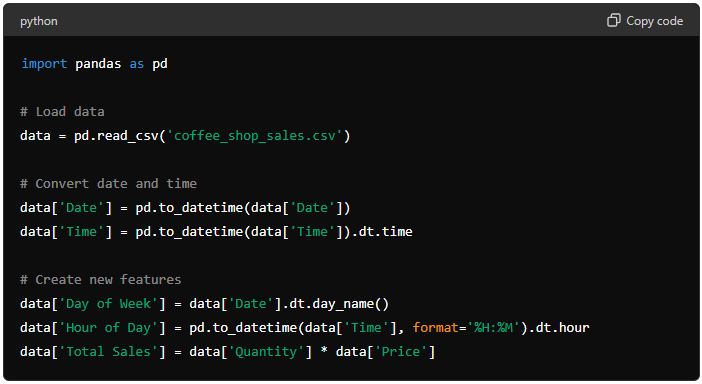
  • Datetime Conversion: Convert date and time strings to datetime objects.
  • Feature Engineering: Create new features like Day of Week, Hour of Day, and Total Sales.

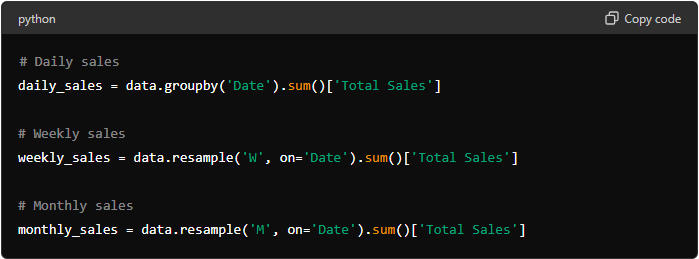
Example in Python using Pandas:

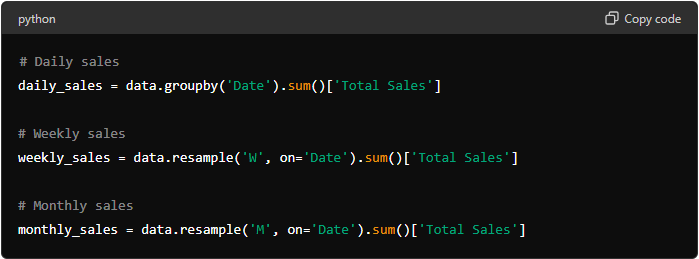
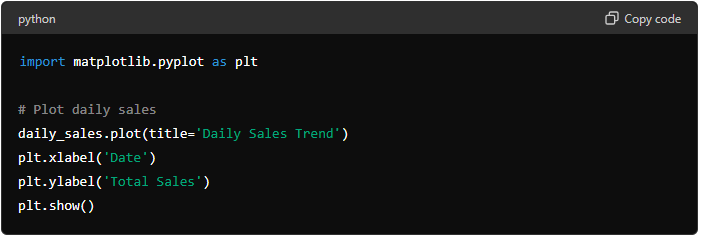
Sales Trends Over Time

Analyzing sales over different time periods helps identify trends and seasonal patterns.

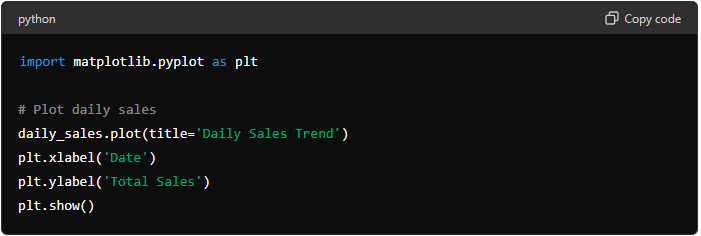
  • Daily Sales: Sum of sales for each day.
  • Weekly and Monthly Trends: Aggregating daily sales into weekly or monthly totals to observe longer-term trends.

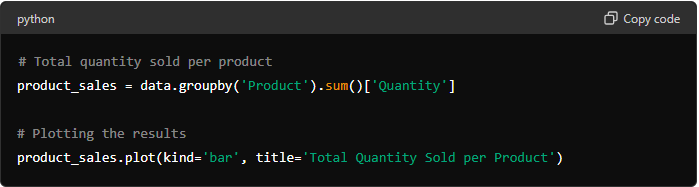
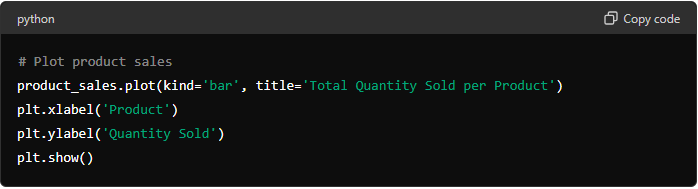
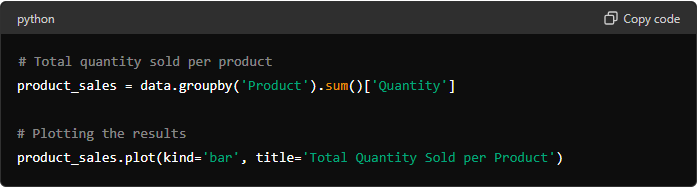
Popular Products

Identifying the best-selling products can guide inventory and marketing strategies.

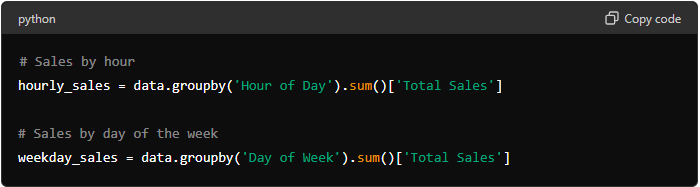
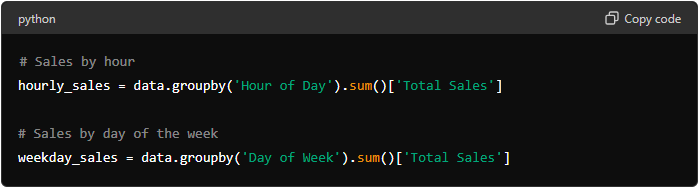
Sales by Time of Day and Day of Week

Understanding peak hours and busy days helps in staff scheduling and promotional planning.

Advertisements

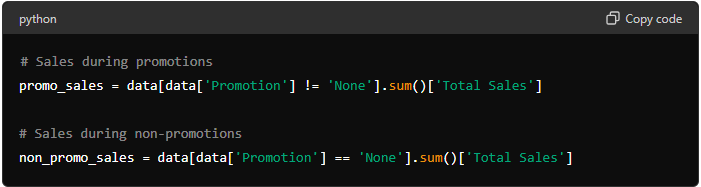
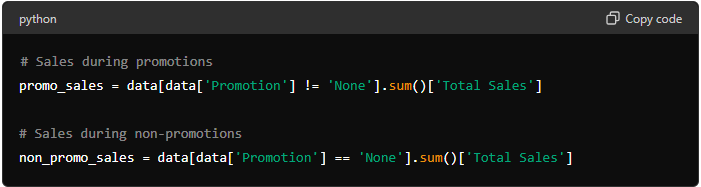
Impact of Promotions

Evaluate the effectiveness of promotions by comparing sales during promotional periods with regular periods.

Customer Preferences and Behavior

Analyzing data from loyalty programs and surveys can provide insights into customer preferences.

Visualizing the analysis results makes it easier to communicate insights.

  • Line Charts: For sales trends over time.
  • Bar Charts: For product popularity and sales by day/hour.
  • Pie Charts: For market share of different products.
  • Heatmaps: For sales distribution across different times and days.

Example Visualizations

Sales Trends

Product Popularity

This coffee shop sales analysis project demonstrates how to collect, process, and analyze sales data to gain valuable insights. By understanding sales trends, popular products, and customer behavior, coffee shop owners can make informed decisions to enhance their operations and profitability. Implementing data-driven strategies can lead to better inventory management, targeted marketing campaigns, and improved customer satisfaction.

Advertisements

مشروع تحليل البيانات – تحليل مبيعات المقاهي

Advertisements

يوفر تحليل بيانات المبيعات من المقهى رؤى قيمة يمكن أن تفيد عمليات صنع القرار وتعزيز تجارب العملاء وتحسين الربح

توضح هذه المقالة مشروعًا شاملاً لتحليل البيانات لأحد المقاهي مع توضيح الخطوات المتخذة لجمع بيانات المبيعات ومعالجتها وتحليلها

:تشمل الأهداف الأساسية لمشروع تحليل البيانات ما يلي

1. فهم اتجاهات المبيعات مع مرور الوقت

2. التعرف على المنتجات الأكثر رواجاً

3. تحليل المبيعات حسب الوقت من اليوم واليوم من الأسبوع

4. تقييم أثر الترقيات

5. فهم تفضيلات العملاء وسلوكهم

:مصادر البيانات

:يمكن جمع البيانات لهذا المشروع من مصادر مختلفة بما في ذلك

: (POS) أنظمة نقاط البيع *

بيانات المعاملات بما في ذلك المنتج والكمية والسعر والوقت والتاريخ

استطلاعات العملاء : ردود الفعل على المنتجات وجودة الخدمة والتفضيلات *

برنامج العملاء الدائمين : بيانات عن العملاء المتكررين وعاداتهم الشرائية *

: بيانات العينة

للتبسيط خذ بعين الاعتبار بنية البيانات النموذجية التالية من نظام نقطة البيع

Transaction_IDDateTimeProductQuantityPricePromotion
12024-07-0108:05Latte25.00None
22024-07-0108:15Espresso13.00None
32024-07-0108:45Cappuccino14.5010% Off

تنظيف البيانات

: يتضمن تنظيف البيانات إزالة التكرارات ومعالجة القيم المفقودة وتصحيح الأخطاء، على سبيل المثال

القيم المفقودة: ملء أو إزالة الإدخالات المفقودة *

التكرارات: إزالة المعاملات المكررة *

إدخالات غير صحيحة: تصحيح أي اختلافات في أسماء المنتجات أو الأسعار *

:تحويل البيانات

:تحويل البيانات إلى تنسيق مناسب للتحليل، قد يشمل ذلك

تحويل التاريخ والوقت: تحويل سلاسل التاريخ والوقت إلى كائنات التاريخ والوقت *

هندسة الميزات: إنشاء ميزات جديدة مثل يوم من الأسبوع وساعة من اليوم وإجمالي المبيعات *

: Pandas مثال في بايثون باستخدام

:اتجاهات المبيعات مع مرور الوقت

يساعد تحليل المبيعات على مدى فترات زمنية مختلفة في تحديد الاتجاهات والأنماط الموسمية

المبيعات اليومية: مجموع المبيعات لكل يوم

الاتجاهات الأسبوعية والشهرية: تجميع المبيعات اليومية إلى مجاميع أسبوعية أو شهرية لمراقبة الاتجاهات طويلة الأمد

Advertisements

المنتجات الشعبية

يمكن أن يؤدي تحديد المنتجات الأكثر مبيعًا إلى توجيه استراتيجيات المخزون والتسويق

المبيعات حسب الوقت من اليوم واليوم من الأسبوع

يساعد فهم ساعات الذروة والأيام المزدحمة في جدولة الموظفين والتخطيط الترويجي

:تأثير الترقيات

تقييم فعالية العروض الترويجية من خلال مقارنة المبيعات خلال الفترات الترويجية بالفترات العادية

:تفضيلات العملاء وسلوكهم

يمكن أن يوفر تحليل البيانات من برامج الولاء والاستطلاعات نظرة ثاقبة لتفضيلات العملاء

يؤدي تصور نتائج التحليل إلى تسهيل توصيل الرؤى

الرسوم البيانية الخطية: لاتجاهات المبيعات مع مرور الوقت *

الرسوم البيانية الشريطية: لمعرفة شعبية المنتج ومبيعاته حسب اليوم/الساعة *

الرسوم البيانية الدائرية: لحصة السوق من المنتجات المختلفة *

الخرائط الحرارية: لتوزيع المبيعات عبر أوقات وأيام مختلفة *

:اتجاهات المبيعات

:شعبية المنتج

يوضح مشروع تحليل مبيعات المقاهي كيفية جمع بيانات المبيعات ومعالجتها وتحليلها للحصول على رؤى قيمة، من خلال فهم اتجاهات المبيعات والمنتجات الشعبية وسلوك العملاء يمكن لأصحاب المقاهي اتخاذ قرارات مستنيرة لتعزيز عملياتهم وربحيتهم، ويمكن أن يؤدي تنفيذ الاستراتيجيات المبنية على البيانات إلى إدارة أفضل للمخزون وحملات تسويقية مستهدفة وتحسين رضا العملاء

Advertisements

The 5 Data Science Skills You Can’t Ignore in 2024

Advertisements

In the ever-evolving landscape of data science, staying ahead of the curve requires a keen understanding of the skills that are driving the industry forward. As we move further into 2024, several key competencies have emerged as critical for data scientists. These skills not only enhance individual capabilities but also ensure that organizations can leverage data effectively to drive decision-making and innovation. Here are the five data science skills you can’t ignore in 2024:

Machine learning (ML) and artificial intelligence (AI) continue to be at the forefront of data science. As these technologies evolve, the demand for advanced expertise in this area has skyrocketed. Understanding complex algorithms, neural networks, and deep learning frameworks is crucial.

  • Deep Learning: Mastery of deep learning frameworks such as TensorFlow and PyTorch is essential. Deep learning, a subset of machine learning, focuses on neural networks with many layers (deep neural networks). These are particularly effective in tasks such as image and speech recognition, natural language processing, and complex pattern recognition.
  • Natural Language Processing (NLP): With the explosion of unstructured data from sources like social media, customer reviews, and other text-heavy formats, NLP has become a vital skill. Understanding NLP techniques such as sentiment analysis, entity recognition, and language generation is critical for extracting meaningful insights from text data.
  • Model Optimization: Beyond building models, optimizing them for performance and efficiency is key. Techniques like hyperparameter tuning, cross-validation, and deployment-ready solutions ensure that ML models are both robust and scalable.

Data engineering is the backbone of data science, ensuring that data is collected, stored, and processed efficiently. With the volume of data growing exponentially, the role of data engineers has become more crucial than ever.

  • Big Data Technologies: Proficiency in big data tools such as Hadoop, Spark, and Kafka is vital. These technologies enable the processing and analysis of large datasets that traditional databases cannot handle.
  • Data Warehousing Solutions: Understanding cloud-based data warehousing solutions like Amazon Redshift, Google BigQuery, and Snowflake is important. These platforms offer scalable, flexible, and cost-effective data storage and processing solutions.
  • ETL Processes: Extract, Transform, Load (ETL) processes are fundamental in preparing data for analysis. Knowledge of ETL tools like Apache NiFi, Talend, and Informatica ensures that data is clean, reliable, and ready for use.

Data visualization and storytelling are about transforming data into actionable insights. The ability to communicate complex information in a clear and compelling way is invaluable.

  • Visualization Tools: Proficiency in tools such as Tableau, Power BI, and D3.js is essential. These tools help create interactive and intuitive visual representations of data.
  • Design Principles: Understanding design principles and best practices for visual communication ensures that visualizations are not only aesthetically pleasing but also effective in conveying the intended message.
  • Storytelling Techniques: Beyond visualization, storytelling involves crafting a narrative that contextualizes data insights. This skill is critical for engaging stakeholders and driving data-driven decision-making.
Advertisements

Cloud computing has revolutionized the way data is stored, processed, and analyzed. Familiarity with cloud platforms and data management strategies is a must for modern data scientists.

  • Cloud Platforms: Expertise in platforms like AWS, Google Cloud, and Azure is crucial. These platforms offer a range of services from data storage and processing to machine learning and AI capabilities.
  • Data Security and Governance: Understanding data security protocols and governance frameworks ensures that data is handled responsibly. This includes knowledge of GDPR, CCPA, and other regulatory requirements.
  • Scalable Solutions: Implementing scalable solutions that can handle growing data volumes without compromising performance is essential. This involves using distributed computing and parallel processing techniques.

While technical skills are paramount, domain expertise and business acumen are equally important. Understanding the specific industry and business context in which data science is applied can significantly enhance the impact of data-driven solutions.

  • Industry Knowledge: Gaining expertise in specific industries such as finance, healthcare, or retail allows data scientists to tailor their approaches to the unique challenges and opportunities within those sectors.
  • Problem-Solving Skills: The ability to translate business problems into data science problems and vice versa is crucial. This requires a deep understanding of both the technical and business aspects of a project.
  • Communication Skills: Effectively communicating findings and recommendations to non-technical stakeholders ensures that data insights are acted upon. This involves simplifying complex concepts and focusing on the business value of data science initiatives.

Conclusion

As we navigate through 2024, the data science landscape will continue to evolve, driven by advancements in technology and changing business needs. By mastering these five key skills—advanced machine learning and AI, data engineering, data visualization and storytelling, cloud computing and data management, and domain expertise and business acumen—data scientists can position themselves at the cutting edge of the industry. These competencies not only enhance individual careers but also empower organizations to harness the full potential of their data, driving innovation, efficiency, and growth.

Advertisements

مهارات علم البيانات الخمس التي لا يمكنك تجاهلها في عام 2024

Advertisements

في المشهد المتطور باستمرار لعلم البيانات يتطلب البقاء في الطليعة فهماً عميقاً للمهارات التي تدفع الصناعة إلى الأمام، مع تقدمنا ​​نحو عام 2024 ظهرت العديد من الكفاءات الرئيسية باعتبارها بالغة الأهمية لعلماء البيانات، لا تعمل هذه المهارات على تعزيز القدرات الفردية فحسب بل تضمن أيضاً قدرة المؤسسات على الاستفادة من البيانات بشكل فعال لدفع عملية صنع القرار والابتكار

فيما يلي مهارات علم البيانات الخمس التي لا يمكنك تجاهلها في عام 2024

لا يزال التعلم الآلي والذكاء الاصطناعي في طليعة علوم البيانات، ومع تطور هذه التقنيات ارتفع الطلب على الخبرة المتقدمة في هذا المجال بشكل كبير، يعد فهم الخوارزميات المعقدة والشبكات العصبية وأطر التعلم العميق أمرًا بالغ الأهمية

أمراً ضرورياً PyTorch و TensorFlow التعلم العميق: يعد إتقان أطر التعلم العميق مثل

التعلم العميق وهو مجموعة فرعية من التعلم الآلي يركز على الشبكات العصبية ذات الطبقات المتعددة (الشبكات العصبية العميقة) وهي فعالة بشكل خاص في مهام مثل التعرف على الصور والكلام ومعالجة اللغة الطبيعية والتعرف على الأنماط المعقدة

معالجة اللغات الطبيعية: مع تزايد البيانات غير المنظمة من مصادر مثل وسائل التواصل الاجتماعي ومراجعات العملاء وغيرها من التنسيقات التي تحتوي على نصوص ثقيلة أصبحت البرمجة اللغوية العصبية مهارة حيوية. يعد فهم تقنيات البرمجة اللغوية العصبية مثل تحليل المشاعر والتعرف على الكيانات وتوليد اللغة أمراً بالغ الأهمية لاستخلاص رؤى ذات معنى من البيانات النصية

تحسين النموذج: إلى جانب بناء النماذج يعد تحسينها من أجل الأداء والكفاءة أمراً أساسياً تضمن تقنيات مثل ضبط المعلمات الفائقة والتحقق المتبادل والحلول الجاهزة للنشر أن تكون نماذج تعلم الآلة قوية وقابلة للتطوير

هندسة البيانات هي العمود الفقري لعلم البيانات مما يضمن جمع البيانات وتخزينها ومعالجتها بكفاءة. مع تزايد حجم البيانات بشكل كبير أصبح دور مهندسي البيانات أكثر أهمية من أي وقت مضى

تقنيات البيانات الضخمة: يعد إتقان أدوات البيانات الضخمة

أمراً حيوياً Kafkaو Sparkو Hadoop مثل

تتيح هذه التقنيات معالجة وتحليل مجموعات البيانات الكبيرة التي لا تستطيع قواعد البيانات التقليدية التعامل معها

حلول تخزين البيانات: من المهم فهم حلول تخزين البيانات المستندة

Snowflakeو Google BigQueryو Amazon Redshift إلى السحابة مثل

توفر هذه الأنظمة الأساسية حلولاً لتخزين البيانات ومعالجتها قابلة للتطوير ومرنة وفعالة من حيث التكلفة

:ETL عمليات

(ETL) تعد عمليات الاستخراج والتحويل والتحميل

ETL أساسية في إعداد البيانات للتحليل، بحيث تضمن المعرفة بأدوات

Apache NiFi و Talend و Informatica مثل

أن تكون البيانات نظيفة وموثوقة وجاهزة للاستخدام

Advertisements

يدور تصور البيانات وسرد القصص حول تحويل البيانات إلى رؤى قابلة للتنفيذ، إن القدرة على توصيل المعلومات المعقدة بطريقة واضحة ومقنعة لا تقدر بثمن

Tableau و Power BI أدوات التصور: يعد الكفاءة في أدوات مثل

أمراً ضرورياً، تساعد هذه الأدوات في إنشاء تمثيلات مرئية تفاعلية وبديهية للبيانات

مبادئ التصميم: إن فهم مبادئ التصميم وأفضل الممارسات للاتصال المرئي يضمن أن التصورات ليست ممتعة من الناحية الجمالية فحسب بل فعالة أيضًا في نقل الرسالة المقصودة

تقنيات سرد القصص: إلى جانب التصور يتضمن سرد القصص صياغة سرد يضع رؤى البيانات في سياقها بحيث تعد هذه المهارة أمراً بالغ الأهمية لإشراك أصحاب المصلحة وقيادة عملية صنع القرار المستندة إلى البيانات

أحدثت الحوسبة السحابية ثورة في طريقة تخزين البيانات ومعالجتها وتحليلها، فيعد الإلمام بالمنصات السحابية واستراتيجيات إدارة البيانات أمراً ضرورياً لعلماء البيانات المعاصرين

الأنظمة الأساسية السحابية: تعد الخبرة في الأنظمة الأساسية

أمراً بالغ الأهمية AWS و Google Cloud و Azure مثل

تقدم هذه المنصات مجموعة من الخدمات بدءاً من تخزين البيانات ومعالجتها وحتى التعلم الآلي وقدرات الذكاء الاصطناعي

أمن البيانات وحوكمتها: إن فهم بروتوكولات أمان البيانات وأطر الحوكمة يضمن التعامل مع البيانات بطريقة مسؤولة

(GDPR) يتضمن ذلك معرفة القانون العام لحماية البيانات

(CCPA) وقانون خصوصية المستهلك في كاليفورنيا

والمتطلبات التنظيمية الأخرى

الحلول القابلة للتطوير: يعد تنفيذ الحلول القابلة للتطوير والتي يمكنها التعامل مع أحجام البيانات المتزايدة دون المساس بالأداء أمراً ضرورياً، يتضمن ذلك استخدام تقنيات الحوسبة الموزعة والمعالجة المتوازية

في حين أن المهارات التقنية لها أهمية قصوى فإن الخبرة في المجال والفطنة التجارية لهما نفس القدر من الأهمية، إن فهم سياق الصناعة والأعمال المحدد الذي يتم فيه تطبيق علم البيانات يمكن أن يعزز بشكل كبير تأثير الحلول المستندة إلى البيانات

المعرفة الصناعية: اكتساب الخبرة في صناعات محددة مثل التمويل أو الرعاية الصحية أو البيع بالتجزئة يسمح لعلماء البيانات بتكييف مناهجهم مع التحديات والفرص الفريدة داخل تلك القطاعات

مهارات حل المشكلات: تعد القدرة على ترجمة مشكلات العمل إلى مشكلات في علم البيانات والعكس أمراً بالغ الأهمية، وهذا يتطلب فهماً عميقاً للجوانب الفنية والتجارية للمشروع

مهارات الاتصال: يضمن توصيل النتائج والتوصيات بشكل فعال إلى أصحاب المصلحة غير التقنيين العمل بناءً على رؤى البيانات، يتضمن ذلك تبسيط المفاهيم المعقدة والتركيز على القيمة التجارية لمبادرات علوم البيانات

خاتمة

بينما ننتقل إلى عام 2024 سيستمر مشهد علوم البيانات في التطور مدفوعاً بالتقدم التكنولوجي واحتياجات الأعمال المتغيرة، من خلال إتقان هذه المهارات الخمس الأساسية التعلم الآلي المتقدم والذكاء الاصطناعي وهندسة البيانات وتصور البيانات وسرد القصص والحوسبة السحابية وإدارة البيانات والخبرة في المجال والفطنة التجارية يمكن لعلماء البيانات أن يضعوا أنفسهم في طليعة الصناعة، فلا تعمل هذه الكفاءات على تعزيز الوظائف الفردية فحسب بل تعمل أيضاً على تمكين المؤسسات من تسخير الإمكانات الكاملة لبياناتها ودفع الابتكار والكفاءة والنمو

Advertisements

8 Best Practices for Data Science

Advertisements

Data science is a multidisciplinary field that uses scientific methods, processes, algorithms, and systems to extract knowledge and insights from structured and unstructured data. The success of a data science project hinges on following best practices that ensure efficiency, accuracy, and reproducibility. Here are eight best practices that every data scientist should adhere to:

Importance:

  • Establishing a clear understanding of the problem sets the direction for the entire project.
  • Helps in identifying the goals, requirements, and constraints of the project.

Steps:

  • Collaborate with stakeholders to gather detailed requirements.
  • Formulate the problem statement as a specific question or hypothesis.
  • Identify the metrics for success.

Importance:

  • High-quality data is the foundation of any data science project.
  • Cleaning the data ensures that the analysis is accurate and reliable.

Steps:

  • Collect data from reliable sources.
  • Handle missing values and outliers.
  • Ensure data consistency and accuracy through validation checks.
  • Document the data cleaning process for reproducibility.

Importance:

  • EDA helps in understanding the underlying patterns and relationships in the data.
  • It guides feature selection and model selection.

Steps:

  • Use statistical summaries and visualizations to explore the data.
  • Identify key variables and their distributions.
  • Detect anomalies and patterns that may influence the modeling process.

Importance:

  • Feature engineering can significantly improve the performance of machine learning models.
  • It involves creating new features from existing data to better represent the underlying problem.

Steps:

  • Generate new features using domain knowledge.
  • Transform features to improve their predictive power.
  • Select the most relevant features using techniques like correlation analysis and feature importance.
Advertisements

Importance:

  • Choosing the right model and evaluation metrics is crucial for the success of the project.
  • Different models and metrics may be suitable for different types of problems.

Steps:

  • Experiment with various algorithms and techniques.
  • Use cross-validation to assess model performance.
  • Choose evaluation metrics that align with the business objectives (e.g., accuracy, precision, recall, F1 score).

Importance:

  • Training the model with optimal hyperparameters ensures the best possible performance.
  • Proper tuning avoids overfitting and underfitting.

Steps:

  • Split the data into training and validation sets.
  • Use techniques like grid search or random search for hyperparameter tuning.
  • Monitor training and validation performance to detect overfitting.

Importance:

  • Deploying the model in a production environment allows it to provide real-time predictions.
  • Continuous monitoring ensures that the model remains accurate and relevant over time.

Steps:

  • Use tools and frameworks that support scalable deployment (e.g., Docker, Kubernetes).
  • Implement monitoring to track model performance and detect drift.
  • Set up a feedback loop to update the model with new data.

Importance:

  • Documentation ensures that the project can be understood and replicated by others.
  • Reproducibility is essential for validating results and maintaining trust in the findings.

Steps:

  • Document the entire workflow, including data sources, preprocessing steps, and model parameters.
  • Use version control systems (e.g., Git) to track changes in code and data.
  • Share code, data, and results in a structured format to facilitate collaboration.

Conclusion Adhering to these best practices in data science helps ensure that projects are executed efficiently, results are reliable, and insights are actionable. By defining the problem clearly, collecting and cleaning data meticulously, conducting thorough exploratory data analysis, engineering features effectively, selecting and evaluating models appropriately, training and tuning models carefully, deploying and monitoring models rigorously, and maintaining comprehensive documentation, data scientists can maximize the impact of their work and contribute valuable insights to their organizations.

Advertisements

أفضل 8 ممارسات في علم البيانات

Advertisements

علم البيانات هو مجال متعدد التخصصات يستخدم الأساليب العلمية والعمليات والخوارزميات والأنظمة لاستخراج المعرفة والرؤى من البيانات المنظمة وغير المنظمة، يعتمد نجاح مشروع علم البيانات على اتباع أفضل الممارسات التي تضمن الكفاءة والدقة وقابلية التكرار

فيما يلي ثمانية من أفضل الممارسات التي يجب على كل عالم بيانات الالتزام بها

:أهميتها

إنشاء فهم واضح للمشكلة يحدد الاتجاه للمشروع بأكمله *

يساعد في تحديد أهداف ومتطلبات وقيود المشروع *

:الخطوات

التعاون مع أصحاب المصلحة لجمع المتطلبات التفصيلية *

صياغة بيان المشكلة كسؤال محدد أو فرضية *

تحديد مقاييس النجاح *

:أهميتها

البيانات عالية الجودة هي أساس أي مشروع لعلم البيانات *

تنظيف البيانات يضمن دقة التحليل وموثوقيته *

:الخطوات

جمع البيانات من مصادر موثوقة *

التعامل مع القيم المفقودة والقيم المتطرفة *

ضمان اتساق البيانات ودقتها من خلال عمليات التحقق من الصحة *

توثيق عملية تنظيف البيانات من أجل إمكانية تكرار نتائج *

:أهميتها

يساعد تحليل البيانات الاستكشافية في فهم الأنماط والعلاقات الأساسية في البيانات *

أنه يوجه اختيار الميزة واختيار النموذج *

:الخطوات

استخدم الملخصات الإحصائية والمرئيات لاستكشاف البيانات *

تحديد المتغيرات الرئيسية وتوزيعاتها *

الكشف عن الحالات الشاذة والأنماط التي قد تؤثر على عملية النمذجة *

:أهميتها

يمكن لهندسة الميزات تحسين أداء نماذج التعلم الآلي بشكل كبير *

يتضمن إنشاء ميزات جديدة من البيانات الموجودة لتمثيل المشكلة الأساسية بشكل أفضل *

:الخطوات

إنشاء ميزات جديدة باستخدام المعرفة بالمجال *

تحويل الميزات لتحسين قدرتها التنبؤية *

تحديد الميزات الأكثر صلة باستخدام تقنيات مثل تحليل الارتباط وأهمية الميزة *

Advertisements

:أهميته

يعد اختيار النموذج الصحيح ومقاييس التقييم أمرًا بالغ الأهمية لنجاح المشروع *

نماذج ومقاييس مختلفة قد تكون مناسبة لأنواع مختلفة من المشاكل *

:الخطوات

تجربة مختلف الخوارزميات والتقنيات *

استخدام التحقق المتبادل لتقييم أداء النموذج *

(F1 اختر مقاييس التقييم التي تتوافق مع أهداف العمل (على سبيل المثال الدقة والاستدعاء ودرجة *

:أهميته

تدريب النموذج باستخدام المعلمات الفائقة الأمثل يضمن أفضل أداء ممكن *

الضبط السليم يتجنب الإفراط في التجهيز أو التجهيز غير المناسب *

:الخطوات

تقسيم البيانات إلى مجموعات التدريب والتحقق من الصحة *

استخدم تقنيات مثل بحث الشبكة أو البحث العشوائي لضبط المعلمة الفائقة *

مراقبة أداء التدريب والتحقق من الصحة للكشف عن التجاوز *

:أهميته

يتيح نشر النموذج في بيئة الإنتاج إمكانية تقديم تنبؤات في الوقت الفعلي *

تضمن المراقبة المستمرة بقاء النموذج دقيقًا وملائمًا بمرور الوقت *

:الخطوات

استخدم الأدوات والأطر التي تدعم النشر القابل للتطوير *

Kubernetes و Docker على سبيل المثال *

تنفيذ المراقبة لتتبع أداء النموذج واكتشاف الانحراف *

قم بإعداد حلقة ردود الفعل لتحديث النموذج ببيانات جديدة

:أهميته

يضمن التوثيق إمكانية فهم المشروع وتكراره من قبل الآخرين *

تعد إمكانية التكرار أمرًا ضروريًا للتحقق من صحة النتائج والحفاظ على الثقة في النتائج *

:الخطوات

توثيق سير العمل بأكمله بما في ذلك مصادر البيانات وخطوات المعالجة المسبقة ومعلمات النموذج *

لتتبع التغييرات في التعليمات البرمجية والبيانات Git استخدم أنظمة التحكم في الإصدار مثل *

مشاركة التعليمات البرمجية والبيانات والنتائج بتنسيق منظم لتسهيل التعاون *

خاتمة

يساعد الالتزام بأفضل الممارسات في علم البيانات على ضمان تنفيذ المشاريع بكفاءة وموثوقية النتائج وقابلة للتنفيذ، فمن خلال تحديد المشكلة بوضوح وجمع البيانات وتنظيفها بدقة وإجراء تحليل شامل للبيانات الاستكشافية والميزات الهندسية بفعالية واختيار النماذج وتقييمها بشكل مناسب وتدريب النماذج وضبطها بعناية ونشر النماذج ومراقبتها بدقة والحفاظ على التوثيق الشامل يمكن لعلماء البيانات إثبات جدارتهم في عملهم وبالتالي المساهمة برؤى قيمة لمنظماتهم

Advertisements

Using ChatGPT as a Data Scientist – A Detailed Guide

Advertisements

ChatGPT, a large language model developed by OpenAI, is an incredibly versatile tool that can assist data scientists in various stages of their workflow. Here’s a comprehensive guide on how you can leverage ChatGPT in your data science projects.

a. Data Interpretation:

  • Data Summarization: ChatGPT can provide summaries of data by reading descriptions, metadata, and sample data points. This is useful for understanding the context of the data.
  • Statistical Insights: It can offer insights into basic statistics like mean, median, mode, standard deviation, and more, helping you understand the distribution of your data.

b. Exploratory Data Analysis (EDA):

  • EDA Techniques: ChatGPT can suggest various EDA techniques such as plotting histograms, scatter plots, box plots, and more.
  • Insights from Visualizations: Although ChatGPT cannot create visualizations directly, it can suggest tools and libraries (like Matplotlib, Seaborn, Plotly) and interpret the results of your plots.

a. Identifying Issues:

  • Missing Values: ChatGPT can provide strategies to handle missing values, such as imputation techniques or removal strategies.
  • Outliers Detection: It can suggest methods to detect and handle outliers, such as Z-score, IQR, or visualization techniques.

b. Data Transformation:

  • Normalization and Scaling: It can explain when and why to apply normalization or scaling and how to use libraries like Scikit-learn for these transformations.
  • Encoding Categorical Variables: ChatGPT can guide on different encoding techniques like one-hot encoding, label encoding, and when to use each.

a. Creating New Features:

  • Feature Creation: ChatGPT can help brainstorm new features that might be useful for your model, such as polynomial features, interaction terms, or domain-specific features.
  • Dimensionality Reduction: It can explain techniques like PCA (Principal Component Analysis) and t-SNE for reducing the number of features while retaining essential information.

b. Feature Selection:

  • Selection Techniques: ChatGPT can suggest techniques for feature selection like Recursive Feature Elimination (RFE), feature importance from tree-based models, or correlation analysis.
  • Interpreting Results: It can help interpret the results of feature selection techniques to decide which features to retain.
Advertisements

a. Choosing Algorithms:

  • Algorithm Selection: ChatGPT can recommend different machine learning algorithms based on the problem type (regression, classification, clustering) and dataset characteristics.
  • Hyperparameter Tuning: It can provide insights into hyperparameters for various algorithms and suggest strategies like Grid Search, Random Search, or Bayesian Optimization for tuning them.

b. Model Training and Evaluation:

  • Training Models: ChatGPT can guide through the process of training models using popular libraries like Scikit-learn, TensorFlow, and PyTorch.
  • Evaluation Metrics: It can explain different evaluation metrics (accuracy, precision, recall, F1 score, ROC-AUC for classification; RMSE, MAE for regression) and help interpret the results.

a. Deployment Strategies:

  • Deployment Options: ChatGPT can suggest various deployment options, such as Flask/Django for creating APIs, using cloud services like AWS, Google Cloud, or Azure for scalable deployments.
  • Containerization: It can explain the benefits of using Docker for containerizing your models and provide guidance on creating Docker images.

b. Monitoring and Maintenance:

  • Monitoring Tools: ChatGPT can recommend tools for monitoring model performance in production, such as Prometheus, Grafana, or custom logging solutions.
  • Model Retraining: It can suggest strategies for maintaining and retraining models as new data comes in, ensuring your models remain accurate over time.

a. Pipeline Automation:

  • Pipeline Tools: ChatGPT can introduce tools for automating data pipelines like Apache Airflow, Prefect, or Luigi.
  • CI/CD for ML: It can explain the concepts of Continuous Integration and Continuous Deployment (CI/CD) in the context of machine learning and suggest tools like Jenkins, GitHub Actions, or GitLab CI.

a. Educational Resources:

  • Books and Courses: ChatGPT can recommend books, online courses, and tutorials to help you deepen your knowledge in data science.
  • Research Papers: It can provide summaries and explanations of recent research papers in machine learning and data science.

b. Community and Forums:

  • Discussion Platforms: ChatGPT can point you to forums and communities like Stack Overflow, Reddit (r/datascience, r/machinelearning), and specialized Slack or Discord groups for networking and problem-solving.

ChatGPT is a powerful assistant for data scientists, offering support across the entire data science lifecycle. From initial data exploration to deploying and monitoring models, ChatGPT can provide valuable insights, suggest tools and techniques, and help troubleshoot issues, making your data science projects more efficient and effective. By integrating ChatGPT into your workflow, you can enhance your productivity, stay updated with the latest advancements, and ultimately, deliver better data-driven solutions.

Advertisements

كعالِم بيانات: دليل تفصيلي ChatGPT استخدام

Advertisements

OpenAI وهو نموذج لغة كبير تم تطويره بواسطة ChatGPT يعد

أداة متعددة الاستخدامات بشكل لا يصدق يمكنها مساعدة علماء البيانات في مراحل مختلفة من سير عملهم

ChatGPT فيما يلي دليل شامل حول كيفية الاستفادة من

:في مشاريع علوم البيانات الخاصة بك

:أ. تفسير البيانات

ChatGPT تلخيص البيانات: يمكن لـ

تقديم ملخصات للبيانات من خلال قراءة الأوصاف والبيانات الوصفية ونقاط البيانات النموذجية وهذا مفيد لفهم سياق البيانات

الرؤى الإحصائية: يمكنها تقديم رؤى حول الإحصائيات الأساسية مثل المتوسط ​​والوسيط والمنوال والانحراف المعياري والمزيد مما يساعدك على فهم توزيع بياناتك

: (EDA) ب. تحليل البيانات الاستكشافية

: EDA تقنيات

EDA اقتراح تقنيات ChatGPT يمكن لـ

المختلفة مثل رسم الرسوم البيانية والمؤامرات المبعثرة والمؤامرات المربعة والمزيد

ChatGPT رؤى من التصورات: على الرغم من أن

لا يمكنه إنشاء تصورات مباشرة إلا أنه يمكنه اقتراح أدوات

وتفسير نتائج مخططاتك (Matplotlib وSeaborn وPlotly :ومكتبات (مثل

:أ. تحديد المشكلات

ChatGPT القيم المفقودة: يمكن لـ

توفير إستراتيجيات للتعامل مع القيم المفقودة مثل تقنيات التضمين أو إستراتيجيات الإزالة

اكتشاف القيم المتطرفة: يمكن أن يقترح طرقًا لاكتشاف القيم المتطرفة والتعامل معها

أو تقنيات التصور Z-score أو IQR مثل

:ب. تحويل البيانات

التطبيع والقياس: يمكن أن يوضح متى ولماذا يتم تطبيق التطبيع أو القياس وكيفية استخدام

لهذه التحولات Scikit-learn :مكتبات مثل

ChatGPT تشفير المتغيرات الفئوية: يمكن لـ

توجيه تقنيات التشفير المختلفة مثل التشفير الفردي وترميز الملصقات ومتى يتم استخدام كل منها

: أ. إنشاء ميزات جديدة

ChatGPT إنشاء الميزات: يمكن أن يساعد

في تبادل الأفكار حول الميزات الجديدة التي قد تكون مفيدة لنموذجك مثل الميزات متعددة الحدود أو مصطلحات التفاعل أو الميزات الخاصة بالمجال

(تحليل المكونات الرئيسية) PCA تقليل الأبعاد: يمكنه شرح تقنيات مثل

لتقليل عدد الميزات مع الاحتفاظ بالمعلومات الأساسية t-SNE و

: ب. اختيار ميزة

ChatGPT تقنيات الاختيار: يمكن لـ

(RFE) اقتراح تقنيات لاختيار الميزات مثل إزالة الميزات المتكررة

أو أهمية الميزة من النماذج المستندة إلى الشجرة أو تحليل الارتباط

تفسير النتائج: يمكن أن يساعد في تفسير نتائج تقنيات اختيار الميزات لتحديد الميزات التي سيتم الاحتفاظ بها

Advertisements

: أ. اختيار الخوارزميات

ChatGPT اختيار الخوارزمية: يمكن لـ

أن يوصي بخوارزميات مختلفة للتعلم الآلي بناءً على نوع المشكلة (الانحدار، التصنيف، التجميع) وخصائص مجموعة البيانات

ضبط المعلمات الفائقة: يمكنه تقديم رؤى حول المعلمات الفائقة للخوارزميات المختلفة واقتراح

لضبطها Grid Search أو Random Search أو Bayesian Optimization إستراتيجيات مثل

: ب. نموذج التدريب والتقييم

ChatGPT نماذج التدريب: يمكن لـ

توجيه عملية نماذج التدريب باستخدام المكتبات الشائعة

Scikit-learn وTensorFlow وPyTorch : مثل

مقاييس التقييم: يمكن أن تشرح مقاييس التقييم المختلفة

للتصنيف ROC-AUC ،F1 الدقة، الدقة، الاستدعاء، درجة

للانحدار MAE ،RMSE

وتساعد في تفسير النتائج

:أ. استراتيجيات النشر

ChatGPT خيارات النشر: يمكن لـ

Flask/Django اقتراح خيارات نشر متنوعة مثل

لإنشاء واجهات برمجة التطبيقات

Azure أو Google Cloud أو AWS واستخدام الخدمات السحابية مثل

لعمليات نشر قابلة للتطوير

Docker النقل بالحاويات: يمكنه شرح فوائد استخدام

Docker لوضع نماذجك في حاويات وتقديم إرشادات حول إنشاء صور

:ب. المراقبة والصيانة

ChatGPT أدوات المراقبة: يمكن لـ

أن يوصي بأدوات لمراقبة أداء النموذج في الإنتاج

أو حلول التسجيل المخصصة Grafana أو Prometheus مثل

إعادة تدريب النماذج: يمكنها اقتراح إستراتيجيات لصيانة النماذج وإعادة تدريبها عند وصول بيانات جديدة مما يضمن بقاء نماذجك دقيقة بمرور الوقت

: أ. أتمتة خطوط الأنابيب

ChatGPT أدوات خطوط الأنابيب: يمكن لـ

تقديم أدوات لأتمتة خطوط أنابيب البيانات

Apache Airflow أو Prefect أو Luigi مثل

:ML لـ CI/CD

(CI/CD) يمكنه شرح مفاهيم التكامل المستمر والنشر المستمر

في سياق التعلم الآلي واقتراح أدوات مثل

Jenkins أو GitHub Actions أو GitLab CI

: أ. أحداث غير متوقعة

ChatGPT الكتب والدورات: يمكن لـ

أن يوصي بالكتب والدورات التدريبية عبر الإنترنت والبرامج التعليمية لمساعدتك على تعميق معرفتك في علم البيانات

الأوراق البحثية: يمكن أن توفر ملخصات وشروحات للأوراق البحثية الحديثة في التعلم الآلي وعلوم البيانات

: ب. المجتمع والمنتديات

ChatGPT منصات المناقشة: يمكن لـ

توجيهك إلى المنتديات والمجتمعات مثل

Stack Overflow و Reddit (r/datascience و r/machinelearning)

المتخصصة للتواصل وحل المشكلات Slack أو Discord ومجموعات

مساعداً قوياً لعلماء البيانات ChatGPT يعد

حيث يقدم الدعم عبر دورة حياة علم البيانات بأكملها بدءاً من استكشاف البيانات الأولية وحتى نشر النماذج ومراقبتها

ChatGPT يمكن لـ

توفير رؤى قيمة واقتراح الأدوات والتقنيات والمساعدة في استكشاف المشكلات وإصلاحها مما يجعل مشاريع علوم البيانات الخاصة بك أكثر كفاءة وفعالية

ChatGPT من خلال دمج

في سير عملك يمكنك تحسين إنتاجيتك والبقاء على اطلاع بأحدث التطورات وفي النهاية تقديم حلول أفضل تعتمد على البيانات

Advertisements

How to Become a Freelance Data Analyst in 2024

Advertisements

The demand for data analysts has been on a steady rise as businesses increasingly rely on data-driven decision-making. Freelance data analysts, in particular, are in high demand due to the flexibility they offer to companies. Becoming a freelance data analyst in 2024 requires a combination of technical skills, business acumen, and effective self-marketing. This essay provides a detailed guide on how to embark on this career path, covering essential skills, tools, strategies for finding clients, and tips for building a successful freelance business.

  1. Technical Proficiency
    • Statistical Analysis: Understanding statistical methods and being able to apply them is crucial. Tools like R and Python (with libraries such as Pandas, NumPy, and SciPy) are essential.
    • Data Visualization: Proficiency in data visualization tools like Tableau, Power BI, or D3.js helps in presenting data insights effectively.
    • Database Management: Knowledge of SQL and NoSQL databases for data extraction, manipulation, and management is fundamental.
    • Machine Learning: Familiarity with machine learning techniques and tools like Scikit-Learn, TensorFlow, or PyTorch can set you apart.
  2. Soft Skills
    • Communication: The ability to explain complex data insights in a simple and concise manner to stakeholders who may not have a technical background.
    • Problem-Solving: Critical thinking and the ability to solve problems creatively using data.
    • Time Management: Managing multiple projects and meeting deadlines is crucial in a freelance setting.
  3. Business Acumen
    • Understanding Business Context: Knowing how to apply data insights to solve business problems and drive decisions.
    • Marketing and Sales: Skills in self-promotion, networking, and sales to attract and retain clients.
  1. Education and Certification
    • Formal Education: A degree in data science, statistics, computer science, or a related field can be beneficial.
    • Online Courses and Bootcamps: Platforms like Coursera, Udacity, and DataCamp offer specialized courses and certifications in data analysis and related fields.
    • Certifications: Consider certifications like Microsoft Certified: Data Analyst Associate, Google Data Analytics Professional Certificate, or IBM Data Science Professional Certificate.
  2. Practical Experience
    • Projects: Work on personal or open-source projects to build a portfolio.
    • Internships: Gain practical experience through internships or volunteer work.
  1. Creating a Portfolio
    • Showcase Your Work: Include detailed case studies of projects you’ve worked on, highlighting your role, the problem, your approach, and the results.
    • GitHub and Personal Website: Host your code and projects on GitHub, and create a professional website to showcase your portfolio and provide a point of contact for potential clients.
  2. Tools and Resources
    • Freelance Platforms: Register on platforms like Upwork, Freelancer, and Toptal to find freelance opportunities.
    • Professional Network: Leverage LinkedIn and professional associations like the Data Science Association to network and find job leads.
Advertisements
  1. Marketing Your Services
    • Online Presence: Maintain an active online presence through a blog, LinkedIn posts, and participating in forums and online communities related to data science.
    • Content Marketing: Publish articles, case studies, and tutorials to demonstrate your expertise and attract potential clients.
  2. Networking
    • Professional Events: Attend industry conferences, webinars, and local meetups to network with potential clients and other professionals.
    • Referrals: Ask satisfied clients for referrals and testimonials to build credibility and attract new clients.
  3. Pricing Your Services
    • Research Market Rates: Understand the going rates for freelance data analysts in your region and set competitive prices.
    • Flexible Pricing Models: Offer different pricing models, such as hourly rates, project-based pricing, or retainer agreements, to suit the needs of various clients.
  1. Project Management
    • Tools: Use project management tools like Trello, Asana, or Jira to organize tasks, manage deadlines, and collaborate with clients.
    • Communication: Maintain clear and regular communication with clients to manage expectations and ensure project alignment.
  2. Financial Management
    • Accounting Software: Utilize accounting software like QuickBooks or FreshBooks to track income, expenses, and manage invoices.
    • Tax Planning: Understand your tax obligations as a freelancer and set aside money for taxes. Consider hiring an accountant to manage your finances.
  1. Ongoing Education
    • Workshops and Seminars: Attend workshops and seminars to stay updated on the latest trends and technologies in data analysis.
    • Online Courses: Continuously update your skills through online courses and certifications.
  2. Community Involvement
    • Join Data Science Communities: Participate in data science communities, both online and offline, to stay connected with industry developments and network with peers.

Becoming a successful freelance data analyst in 2024 involves a mix of technical skills, business savvy, and effective self-marketing. By continuously improving your skills, building a strong portfolio, and networking effectively, you can establish a thriving freelance career in data analysis. The flexibility and variety that come with freelancing can offer a rewarding career path for those willing to invest the effort and adapt to the evolving demands of the data industry.

Advertisements

كيف تصبح محلل بيانات مستقل في عام 2024

Advertisements

يتزايد الطلب على محللي البيانات بشكل متصاعد حيث تعتمد الشركات بشكل متزايد على عملية صنع القرار المستندة إلى البيانات يزداد الطلب على محللي البيانات المستقلين على وجه الخصوص بسبب المرونة التي يقدمونها للشركات يتطلب أن تصبح محلل بيانات مستقلاً في عام 2024 مزيجاً من المهارات التقنية والفطنة التجارية والتسويق الذاتي الفعال يقدم هذا المقال دليلاً مفصلاً حول كيفية الشروع في هذا المسار الوظيفي ويغطي المهارات الأساسية والأدوات والاستراتيجيات للعثور على العملاء ونصائح لبناء مشروع تجاري مستقل ناجح

1. الكفاءة الفنية

التحليل الإحصائي: يعد فهم الأساليب الإحصائية والقدرة على تطبيقها أمرًا بالغ الأهمية *

Pythonو R تعتبر أدوات مثل

ضرورية SciPy و NumPy و Pandas :مع مكتبات مثل

تصور البيانات: يساعد الكفاءة في أدوات تصور البيانات *

في تقديم رؤى البيانات بشكل فعال D3js أو Power BI أو Tableau مثل

:إدارة قواعد البيانات *

NoSQL و SQL تعد المعرفة بقواعد بيانات

لاستخراج البيانات ومعالجتها وإدارتها أمرًا أساسيًا

التعلم الآلي: الإلمام بتقنيات وأدوات التعلم الآلي *

PyTorch أو TensorFlow أو Scikit-Learn :مثل

يمكن أن يميزك عن الآخرين

2. المهارات الناعمة

التواصل: القدرة على شرح رؤى البيانات المعقدة بطريقة بسيطة وموجزة لأصحاب المصلحة الذين قد لا يكون لديهم خلفية تقنية*

حل المشكلات: التفكير النقدي والقدرة على حل المشكلات بشكل خلاق باستخدام البيانات*

إدارة الوقت: تعد إدارة المشاريع المتعددة والوفاء بالمواعيد النهائية أمرًا بالغ الأهمية في بيئة العمل الحر*

3. الفطنة التجارية

فهم سياق العمل: معرفة كيفية تطبيق رؤى البيانات لحل مشاكل العمل واتخاذ القرارات *

التسويق والمبيعات: مهارات في الترويج الذاتي والتواصل والمبيعات لجذب العملاء والاحتفاظ بهم *

1. التعليم والشهادة

التعليم الرسمي: يمكن أن تكون الشهادة في علوم البيانات أو الإحصاء أو علوم الكمبيوتر أو أي مجال ذي صلة مفيدة *

:الدورات التدريبية ومعسكرات التدريب عبر الإنترنت *

Coursera و Udacity و DataCamp :تقدم منصات مثل

دورات وشهادات متخصصة في تحليل البيانات والمجالات ذات الصلة

الشهادات: خذ بعين الاعتبار شهادات *

Microsoft: Data Analyst Associate مثل شهادة

Google أو الشهادة الاحترافية لتحليل بيانات

IBM أو الشهادة الاحترافية لعلوم بيانات

2. الخبرة العملية

المشاريع: العمل على مشاريع شخصية أو مفتوحة المصدر لبناء محفظة *

التدريب الداخلي: اكتساب الخبرة العملية من خلال التدريب الداخلي أو العمل التطوعي *

Advertisements

1. إنشاء محفظة

اعرض عملك: قم بتضمين دراسات حالة تفصيلية للمشاريع التي عملت عليها، مع تسليط الضوء على دورك والمشكلة والنهج الذي تتبعه والنتائج

: والموقع الشخصي GitHub

قم باستضافة التعليمات البرمجية والمشاريع

GitHub الخاصة بك على

وقم بإنشاء موقع ويب احترافي لعرض محفظتك وتوفير نقطة اتصال للعملاء المحتملين

2. الأدوات والموارد

:منصات العمل الحر *

Upwork و Freelancer و Toptal قم بالتسجيل على منصات مثل

للعثور على فرص العمل الحر

: الشبكة المهنية *

LinkedIn استفد من

 للتواصل والعثور على فرص عمل Data Science Association  والجمعيات المهنية مثل

1. تسويق خدماتك

التواجد عبر الإنترنت: حافظ على تواجد نشط عبر الإنترنت *

LinkedIn من خلال مدونة ومنشورات

والمشاركة في المنتديات والمجتمعات عبر الإنترنت المتعلقة بعلم البيانات

تسويق المحتوى: انشر المقالات ودراسات الحالة والبرامج التعليمية لإثبات خبرتك وجذب العملاء المحتملين *

2. التواصل

الأحداث المهنية: احضر مؤتمرات الصناعة والندوات عبر الإنترنت والاجتماعات المحلية للتواصل مع العملاء المحتملين وغيرهم من المهنيين

الإحالات: اطلب من العملاء الراضين الإحالات والشهادات لبناء المصداقية وجذب عملاء جدد

3. تسعير خدماتك

أبحاث أسعار السوق: فهم الأسعار الحالية لمحللي البيانات المستقلين في منطقتك وتحديد الأسعار التنافسية

نماذج تسعير مرنة: تقديم نماذج تسعير مختلفة مثل الأسعار بالساعة أو التسعير على أساس المشروع أو اتفاقيات التجنيب لتناسب احتياجات العملاء المختلفين

1. إدارة المشاريع

الأدوات: استخدم أدوات إدارة المشروع

Trello أو Asana أو Jira :مثل

لتنظيم المهام وإدارة المواعيد النهائية والتعاون مع العملاء

التواصل: حافظ على تواصل واضح ومنتظم مع العملاء لإدارة التوقعات وضمان توافق المشروع

2. الإدارة المالية

برامج المحاسبة: استخدم برامج المحاسبة مثل

لتتبع الدخل والنفقات وإدارة الفواتير QuickBooks أو FreshBooks

التخطيط الضريبي: افهم التزاماتك الضريبية كموظف مستقل وقم بتخصيص الأموال للضرائب فكر في تعيين محاسب لإدارة أموالك

1. التعليم المستمر

ورش العمل والندوات: حضور ورش العمل والندوات للبقاء على اطلاع دائم بأحدث الاتجاهات والتقنيات في تحليل البيانات

الدورات التدريبية عبر الإنترنت: قم بتحديث مهاراتك باستمرار من خلال الدورات والشهادات عبر الإنترنت

2. المشاركة المجتمعية

انضم إلى مجتمعات علوم البيانات: شارك في مجتمعات علوم البيانات عبر الإنترنت للبقاء على اتصال بتطورات الصناعة والتواصل مع أقرانك

يتطلب أن تصبح محلل بيانات مستقلًا ناجحًا في عام 2024 مزيجًا من المهارات التقنية والدهاء التجاري والتسويق الذاتي الفعال من خلال التحسين المستمر لمهاراتك وبناء محفظة قوية والتواصل بشكل فعال يمكنك إنشاء مهنة مستقلة مزدهرة في تحليل البيانات يمكن للمرونة والتنوع اللذين يأتيان مع العمل الحر أن يوفرا مساراً وظيفياً مجزياً للراغبين في استثمار الجهد والتكيف مع المتطلبات المتطورة لصناعة البيانات

Advertisements